Artwork
Nymphs at the Fountain of Love
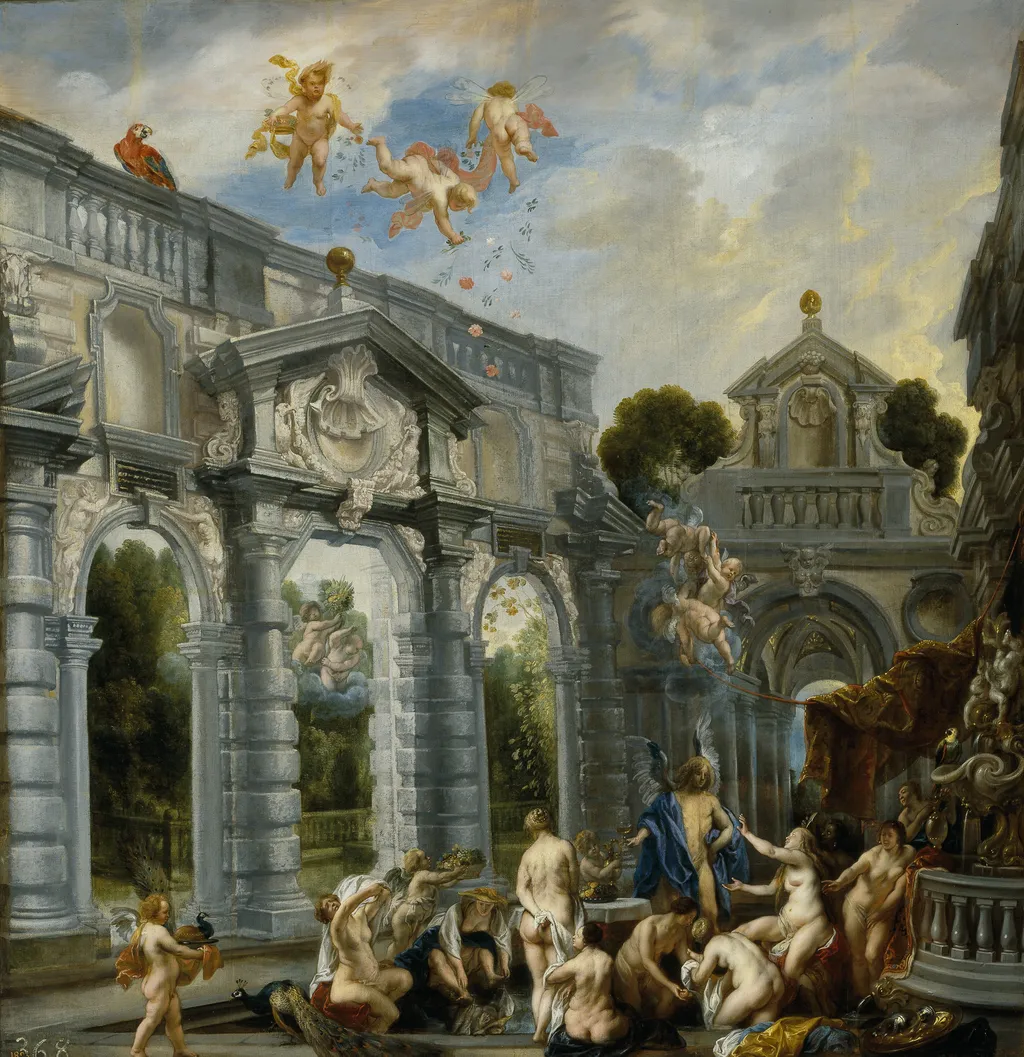
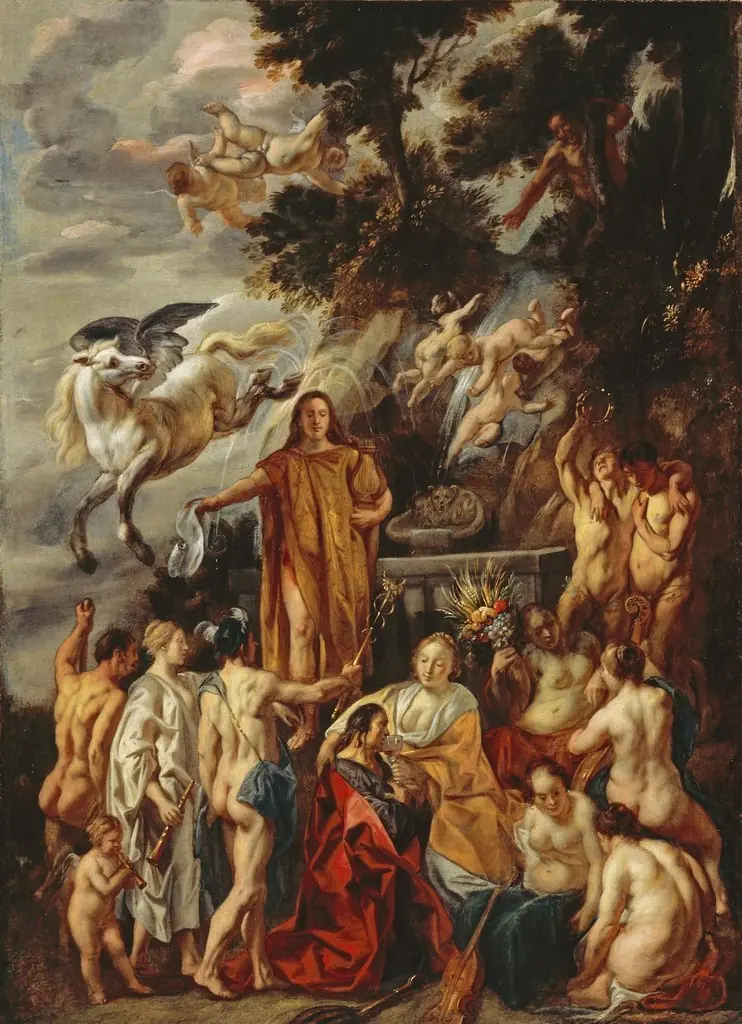
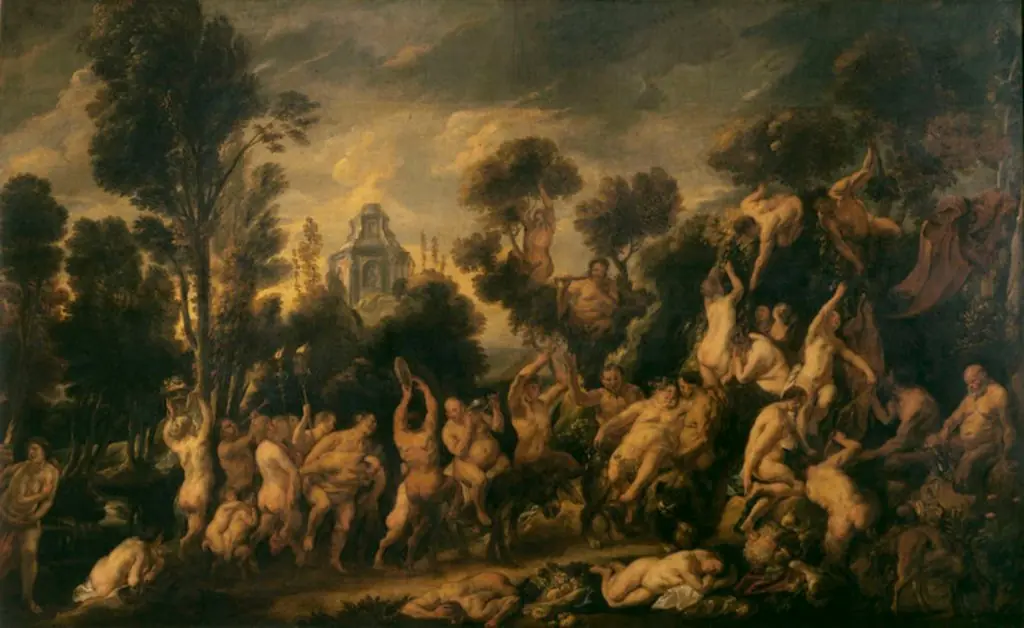
Nymphs at the Fountain of Love is an oil painting by the Flemish Baroque painting artist Jacob Jordaens. It dates from 1630 and is held in the collection of the Museo del Prado.
About this work
Subject & Meaning
Jordaens presents the nymphs in a lush garden setting, emphasizing their connection to nature and the life-giving properties of the fountain.
The painting depicts a group of nymphs gathered at a fountain, a scene rooted in classical mythology. Jordaens presents the nymphs in a lush garden setting, emphasizing their connection to nature and the life-giving properties of the fountain. Wine vessels appear among the figures, reinforcing themes of abundance and festivity often associated with mythological gatherings.
The fountain itself symbolizes purity and renewal, while the nymphs’ interactions suggest themes of love and companionship. The overall composition reflects the Baroque tendency to merge mythological subject matter with everyday vitality, evoking a sense of harmony between humanity and the natural world.
Technique & Style
Executed in oil paint, this mythological work features a composite support of canvas mounted on panel. The painting measures 131 cm in height and 127 cm in width. Stylistically, the composition depicts a garden setting populated by nymphs and elements associated with wine, reflecting the artist's engagement with classical themes during the early seventeenth century.
History & Provenance
Jacob Jordaens created the oil painting Nymphs at the Fountain of Love in 1630. The work is executed in oil paint on a canvas mounted on a panel, measuring 131 cm in height and 127 cm in width. While the primary inception date is recorded as 1630, some records also associate the work with the year 1640.
The painting depicts mythological figures, specifically nymphs, within a garden setting featuring wine, consistent with its classification as a mythological work. The piece is currently held in the collection of the Museo del Prado in Madrid, where it is cataloged under the inventory number P001548.
Jacob Jordaens' painting Nymphs at the Fountain of Love is held in the collection of the Museo del Prado in Madrid. The work is cataloged under the inventory number P001548. Created in 1630, this oil-on-canvas-on-panel piece remains part of the museum's permanent holdings. The provided sources do not list specific past exhibitions for this artwork.
Overview
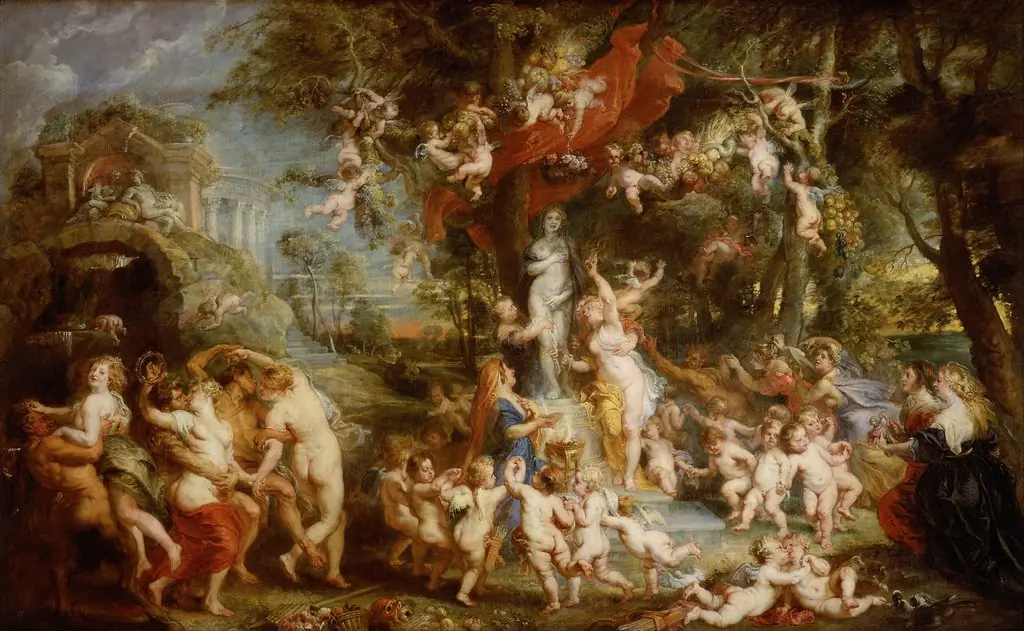
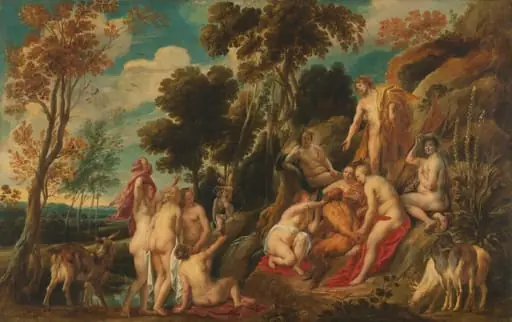
Jacob Jordaens painted Nymphs at the Fountain of Love in 1630, employing oil on canvas. The work exemplifies the Flemish Baroque aesthetic, featuring a lively garden tableau where mythological figures gather around a central fountain. The composition is populated by numerous nude forms, some reclining, others suspended, set against an architectural backdrop of columns and arches.
Own this work as a print
Artist & collection
Artist
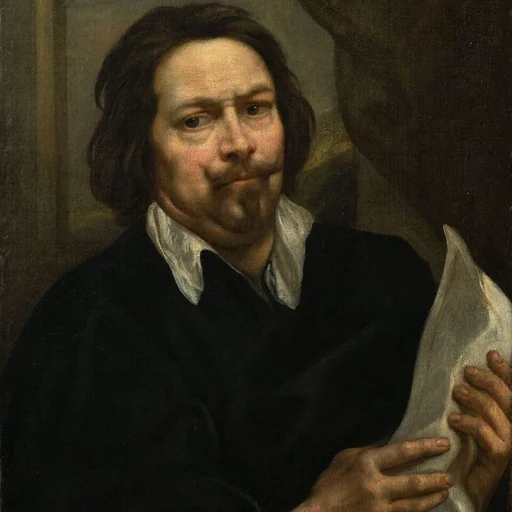
Jacques (Jacob) Jordaens (19 May 1593 – 18 October 1678) was a Flemish painter, draughtsman and a designer of tapestries and prints.

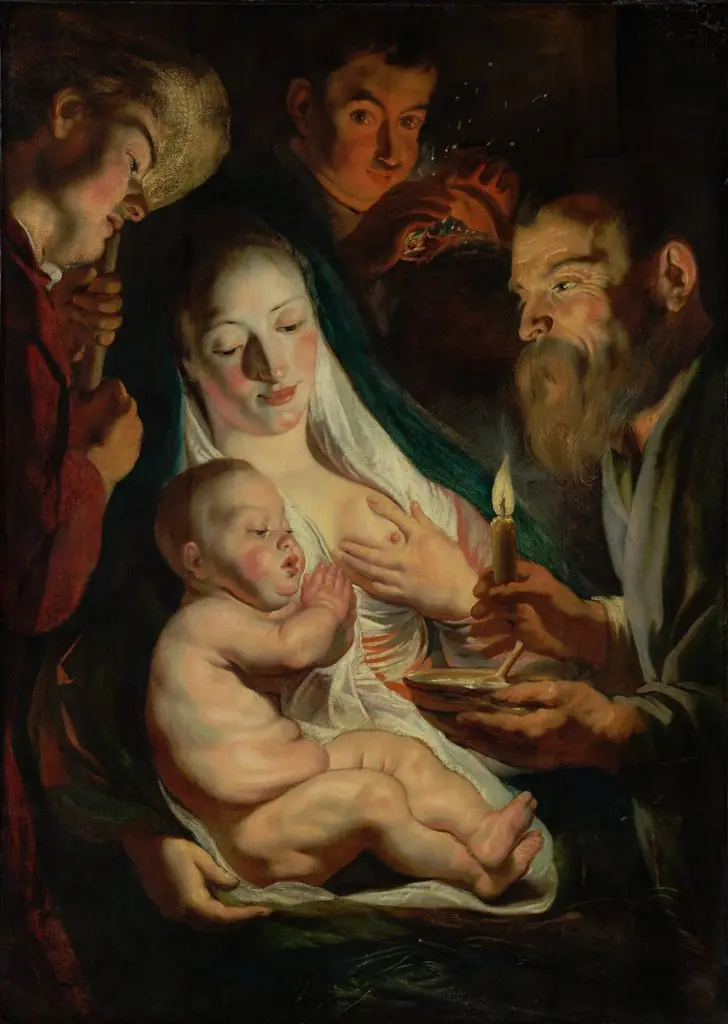 The Holy Family with Shepherds
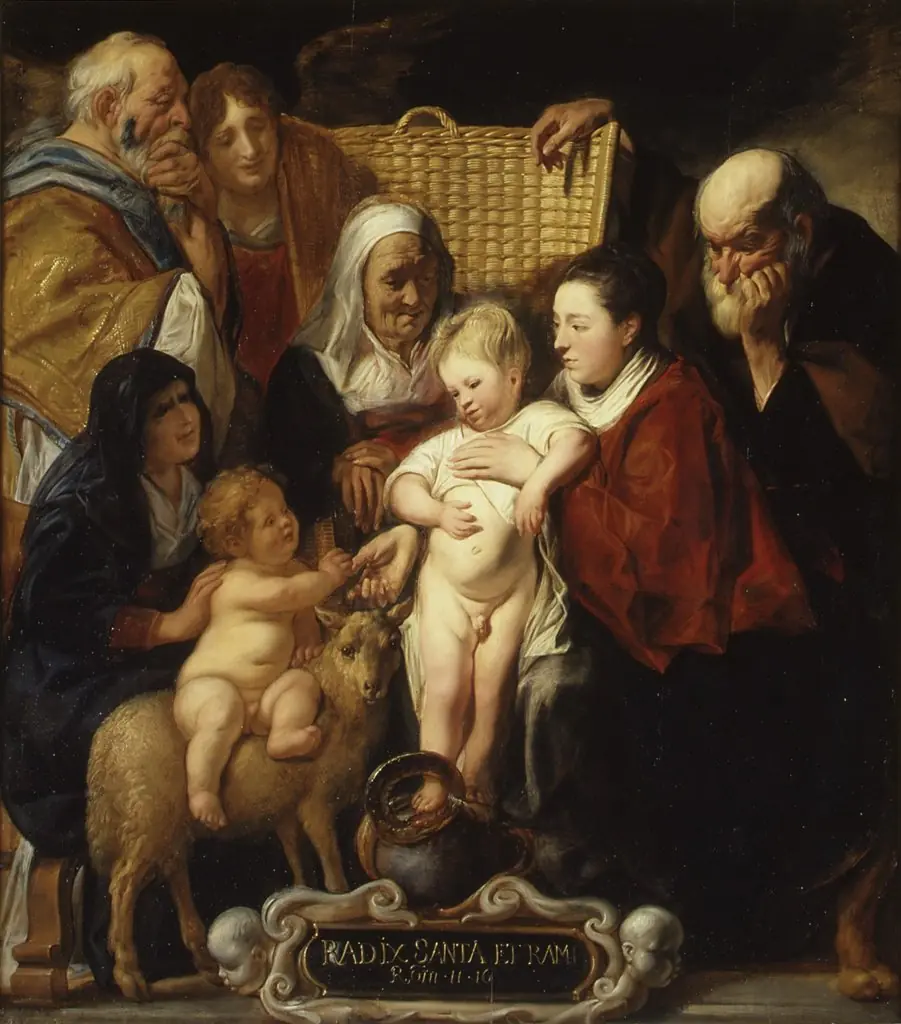 The Holy Family with Saint Anne and the Young Baptist and His Parents
 Untitled
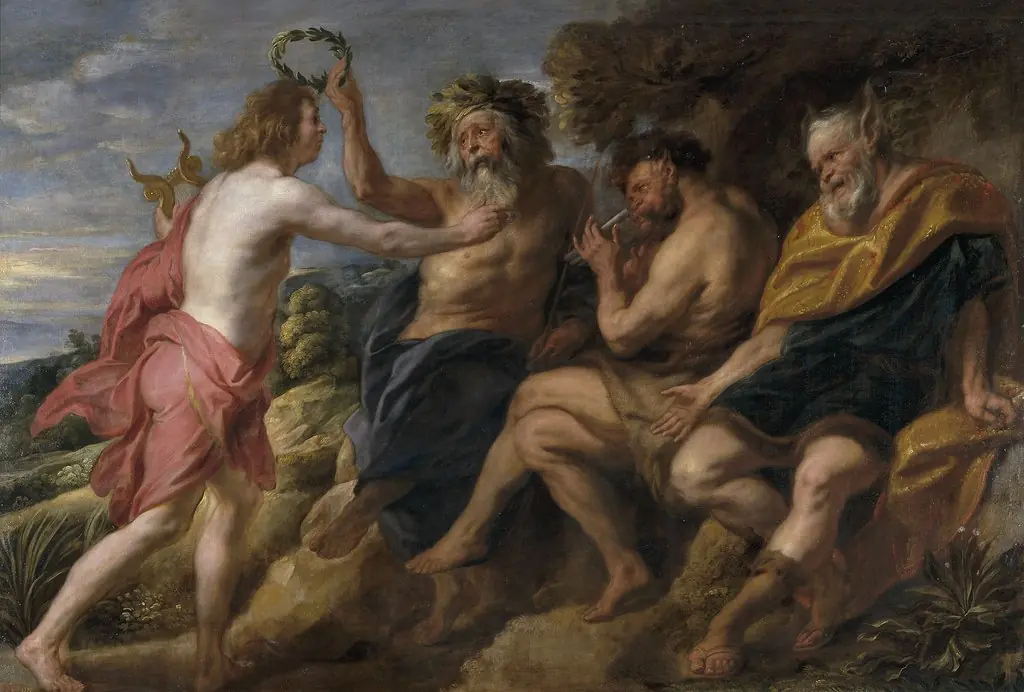 Apollo as Victor over Pan
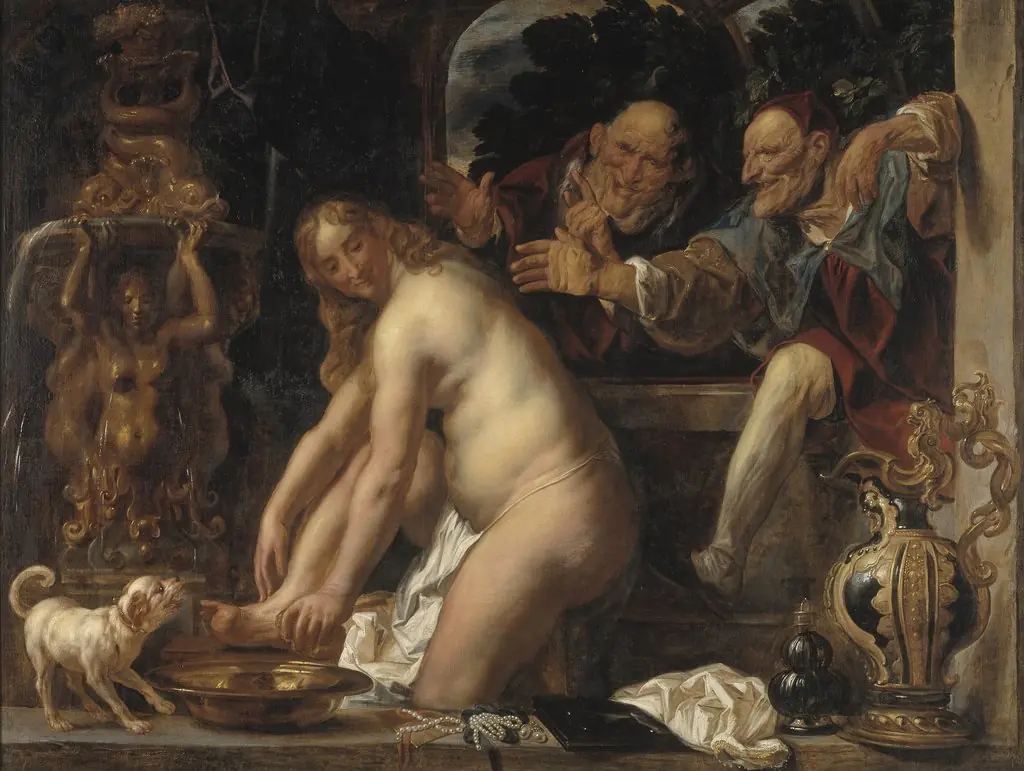 Susanna and the Elders
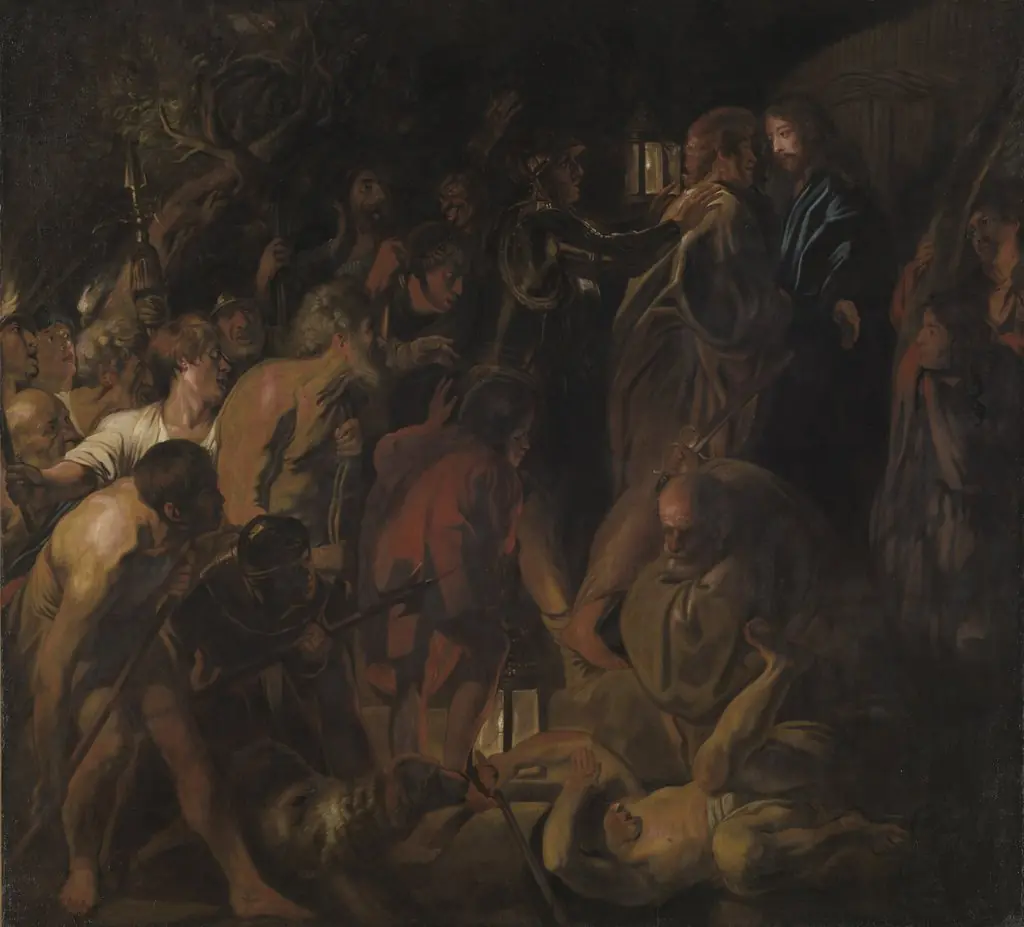 The Betrayal of Christ
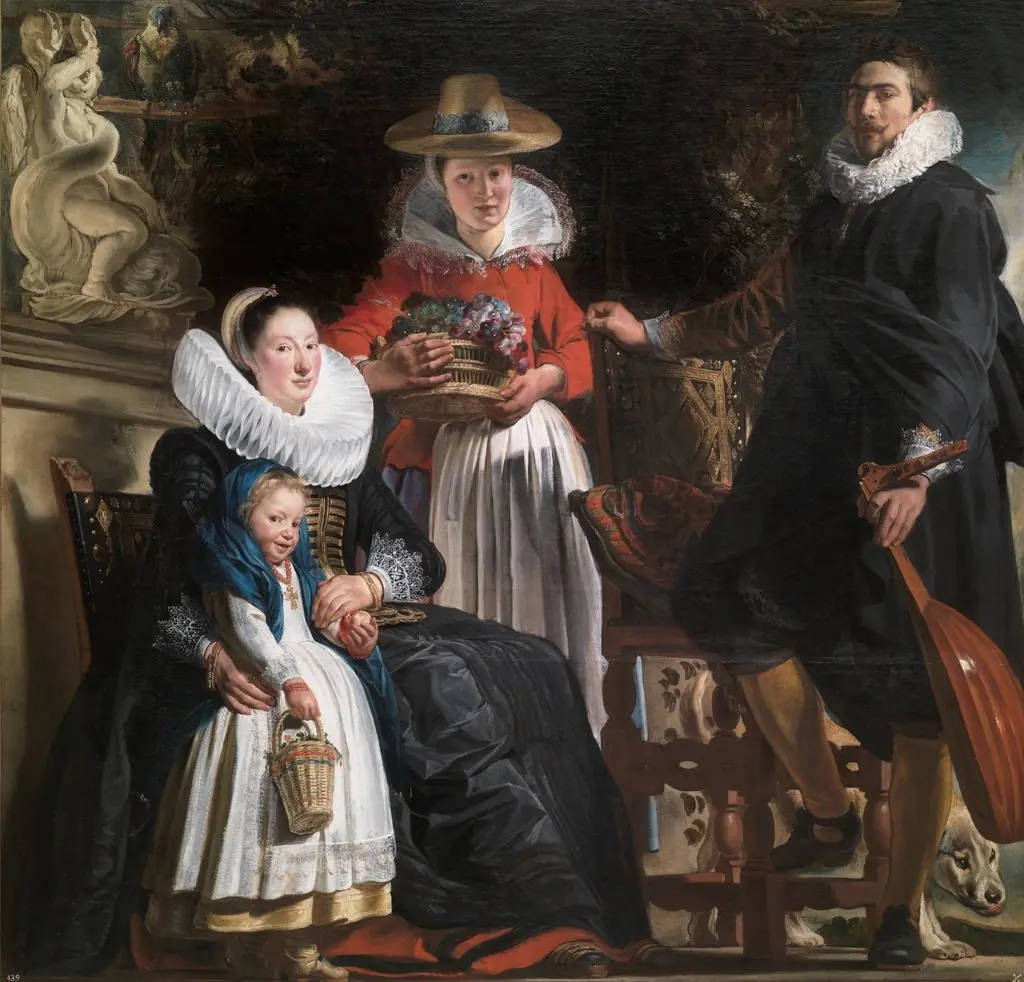 Portrait of the artist with his family
 The Tribute Money. Peter Finding the Silver Coin in the Mouth of the Fish. Also called "The Ferry Boat to Antwerp"