Artwork
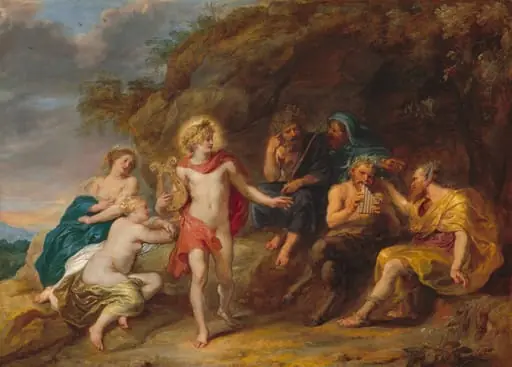
Apollo as Victor over Pan
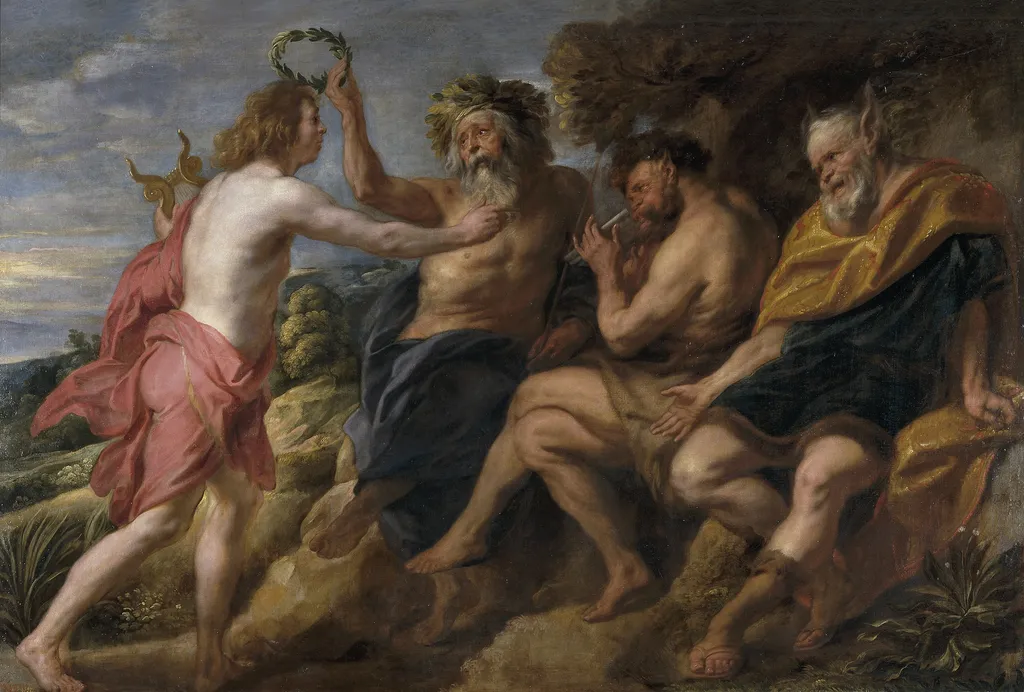
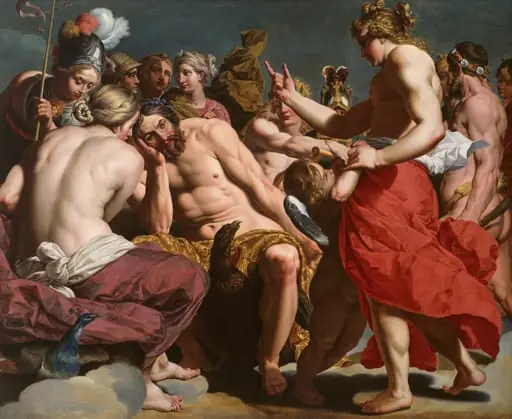
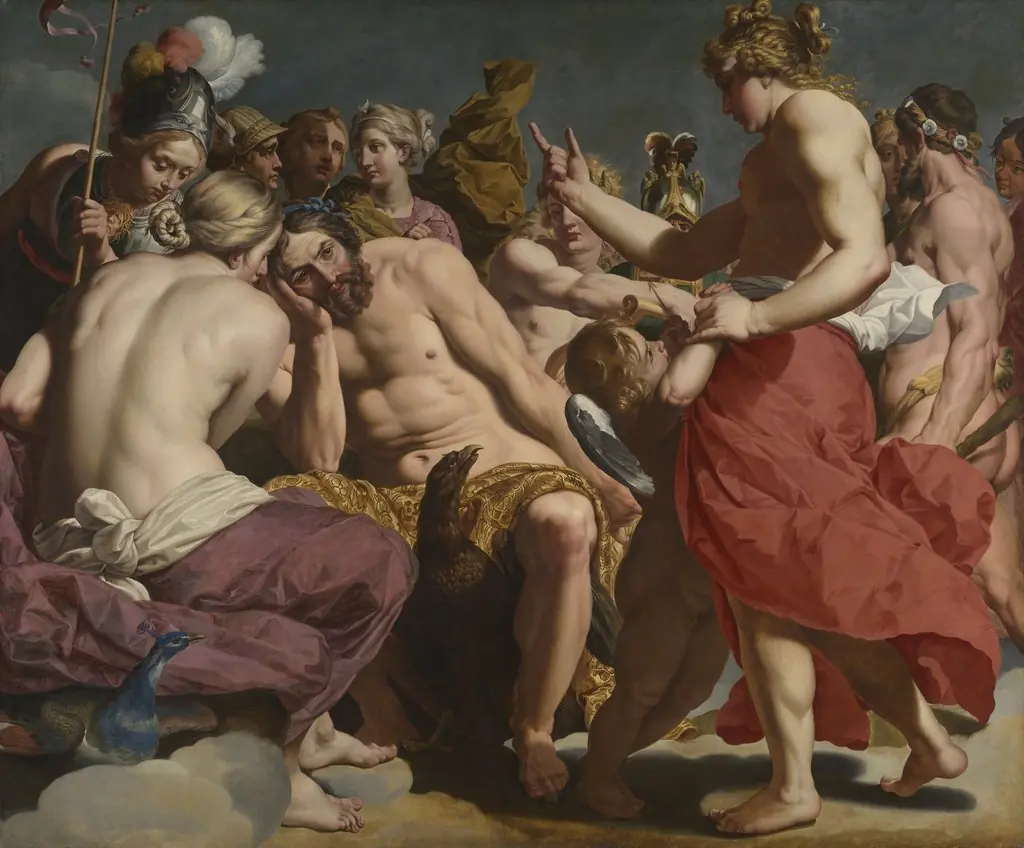
Apollo as Victor over Pan is an oil painting by the Flemish Baroque painting artist Jacob Jordaens. It dates from 1636 and is held in the collection of the Museo del Prado.
About this work
Subject & Meaning
The scene symbolizes Apollo's divine authority and the consequences of unjust judgment, reflecting Baroque themes of order and moral retribution.
The painting illustrates the mythic musical contest described in Ovid's Metamorphoses (XI, 146–179), in which Apollo triumphs and the judge Midas is punished for favoring the loser. Jacob Jordaens renders Apollo crowned with a laurel wreath and holding a harp, while the defeated musician, the satyr Marsyas, here associated with the Pan of the title, is shown with human legs rather than animal features, emphasizing his hybrid nature. The scene symbolizes Apollo's divine authority and the consequences of unjust judgment, reflecting Baroque themes of order and moral retribution.
The work was created for the decorative program of the Torre de la Parada and later entered the royal collection of Philip IV.
Technique & Style
Created in 1636, Apollo as Victor over Pan is an oil painting executed on a canvas support. The work measures approximately 180 centimeters in height and 270 centimeters in width, characteristic of the large-scale mythological commissions Jacob Jordaens produced for the Torre de la Parada. Stylistically, the piece functions as a Baroque interpretation of an earlier composition by Peter Paul Rubens, adapting the master's design into Jordaens' own vigorous idiom.
The painting depicts the aftermath of a musical contest, featuring Apollo, the defeated musician, and the judge Midas in a dynamic arrangement. Notably, the satyr Marsyas is rendered with human legs rather than animal features, a specific formal choice within the narrative. The work is part of the collection of the Museo del Prado, having been historically associated with the Spanish royal holdings.
History & Provenance
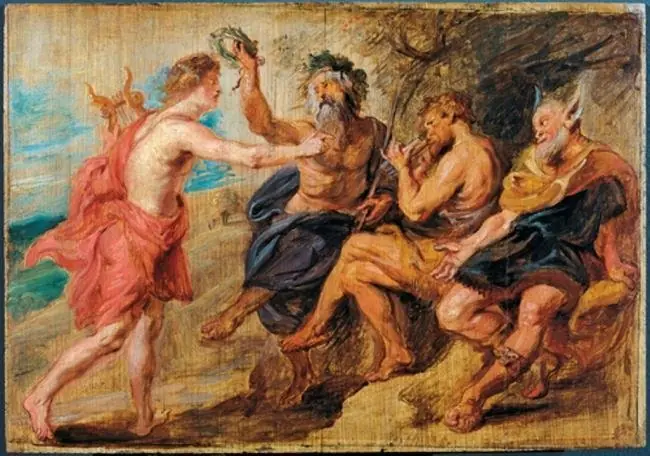
Jacob Jordaens executed Apollo as Victor over Pan in 1636, an oil-on-canvas work made for the decorative program of the Torre de la Parada near Madrid. The painting entered the Spanish royal collection of King Philip IV and was later accessioned by the Museo del Prado. Its creation followed a Rubens sketch for the same project and later inspired a copy by Juan Bautista Martínez del Mazo, which Velázquez incorporated into the background of Las Meninas.
In 2014 the Prado loaned the work for one year to the Museo Carlos de Amberes in Madrid, alongside nine other works by artists such as Peter Paul Rubens, Anthony van Dyck, and Frans Francken the Younger.
Legacy
The painting's legacy stems from its place in the Torre de la Parada decorative program and its derivation from Rubens's treatment of the subject. Jordaens' version was copied by Juan Bautista Martínez del Mazo, whose replica entered the royal collection and was later incorporated by Diego Velázquez into the background of Las Meninas, embedding Jordaens' composition within one of Western art's most celebrated canvases. The Prado's 2014 loan of the painting to the Museo Carlos de Amberes further highlighted its enduring scholarly and public interest.
Overview
Completed in 1637, Apollo as Victor over Pan is an oil-on-canvas painting by the Flemish Baroque artist Jacob Jordaens. This work portrays a scene from classical mythology, specifically a musical competition between two deities. Jordaens, known for his dynamic compositions and robust figures, rendered this dramatic moment with characteristic energy, making it a notable example of his narrative painting style from the period.
Own this work as a print
Artist & collection
Artist
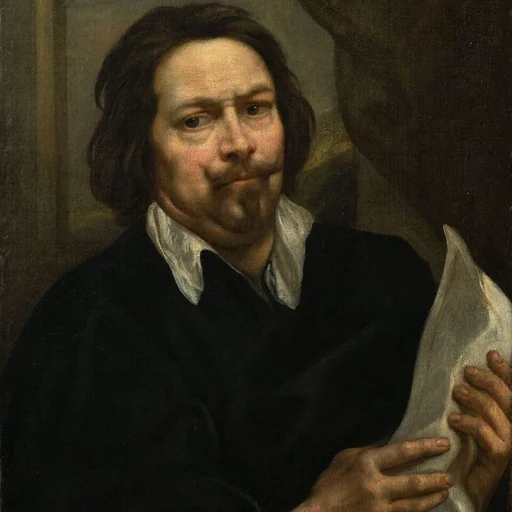
Jacques (Jacob) Jordaens (19 May 1593 – 18 October 1678) was a Flemish painter, draughtsman and a designer of tapestries and prints.

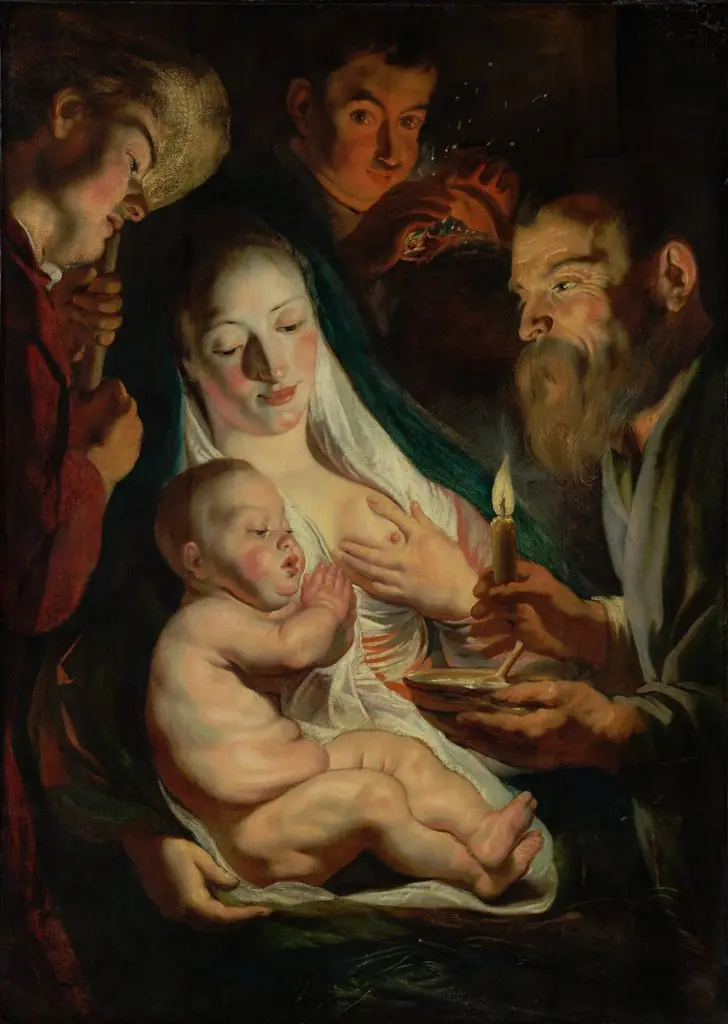 The Holy Family with Shepherds
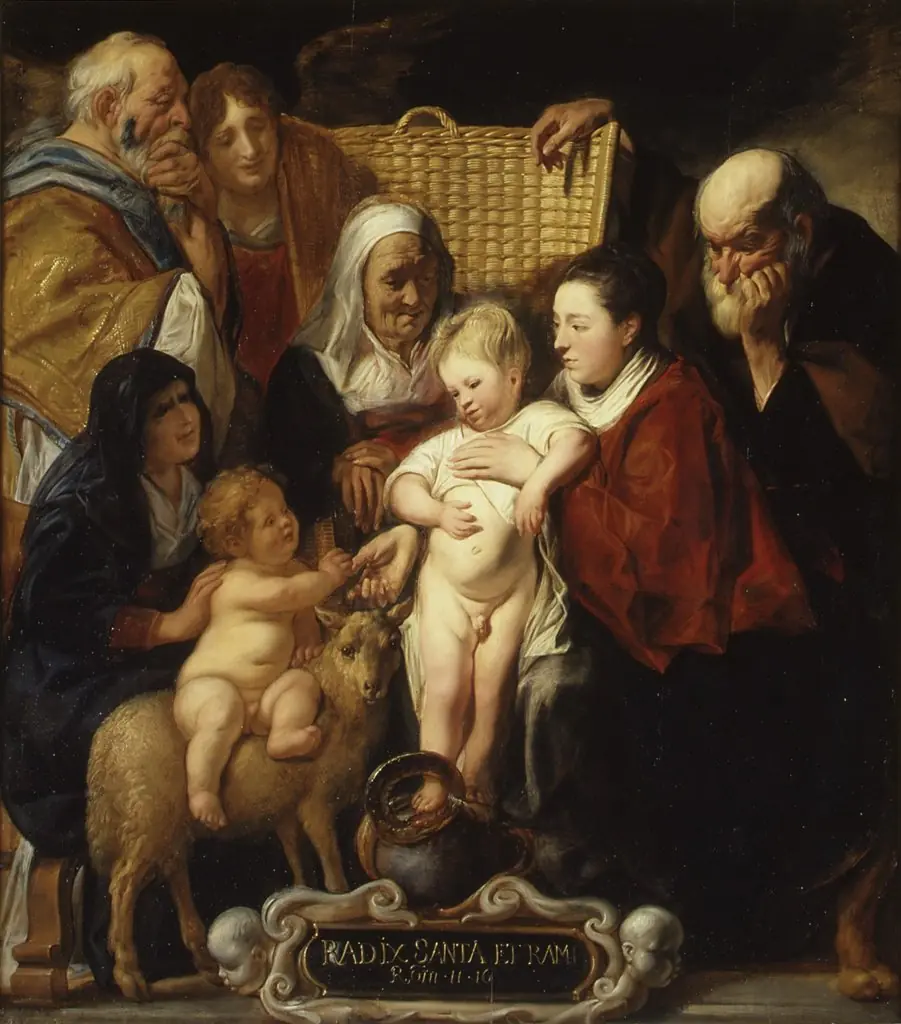 The Holy Family with Saint Anne and the Young Baptist and His Parents
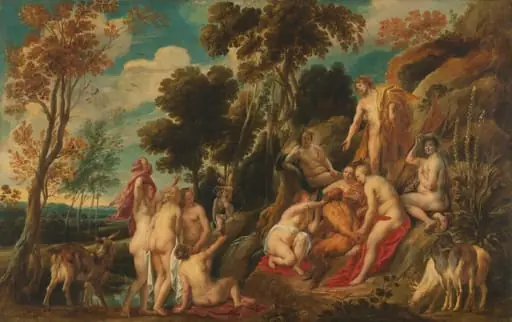 Untitled
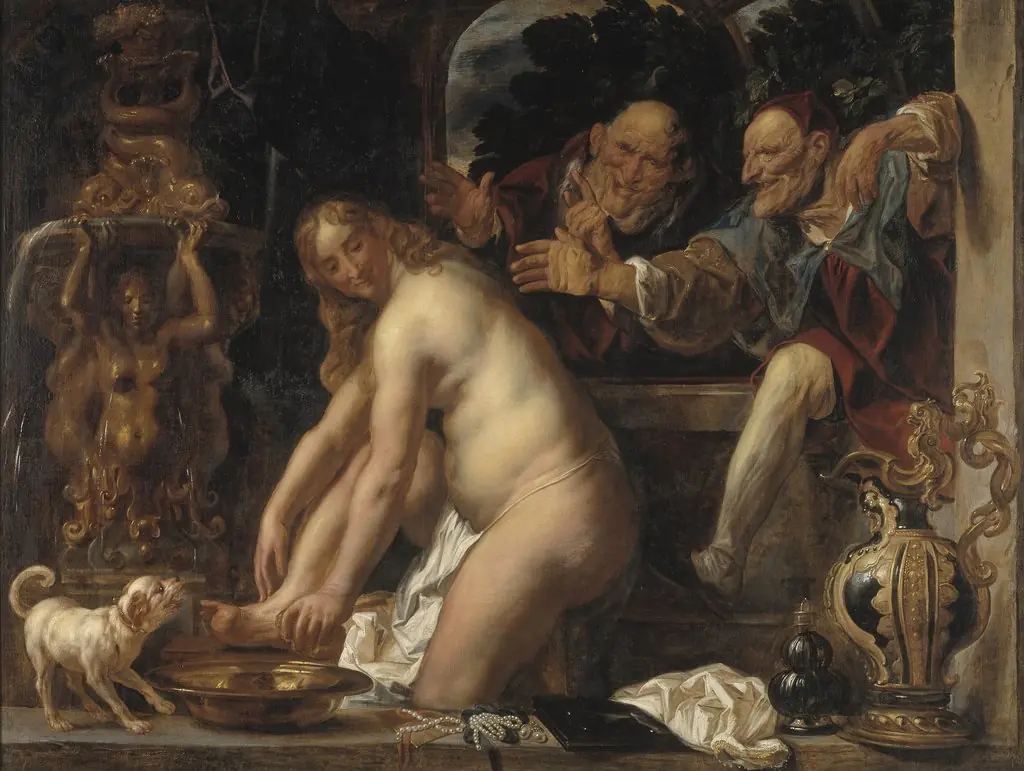 Susanna and the Elders
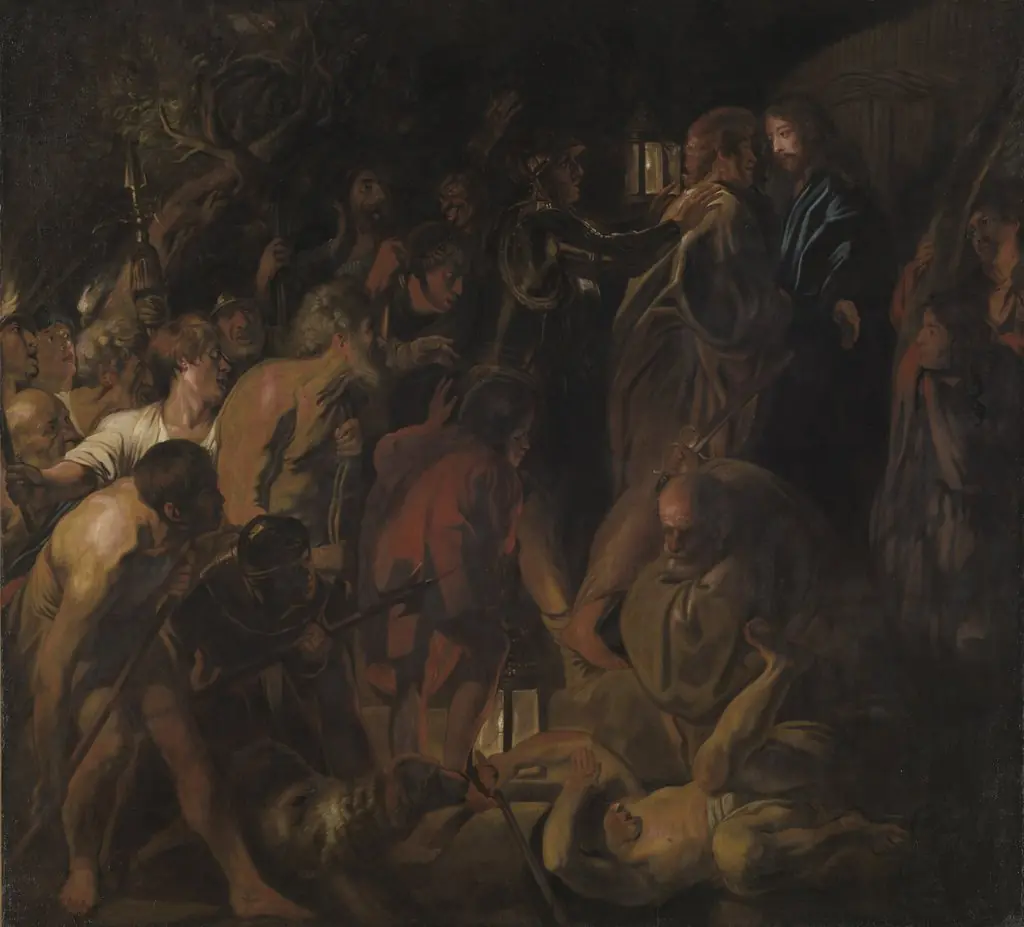 The Betrayal of Christ
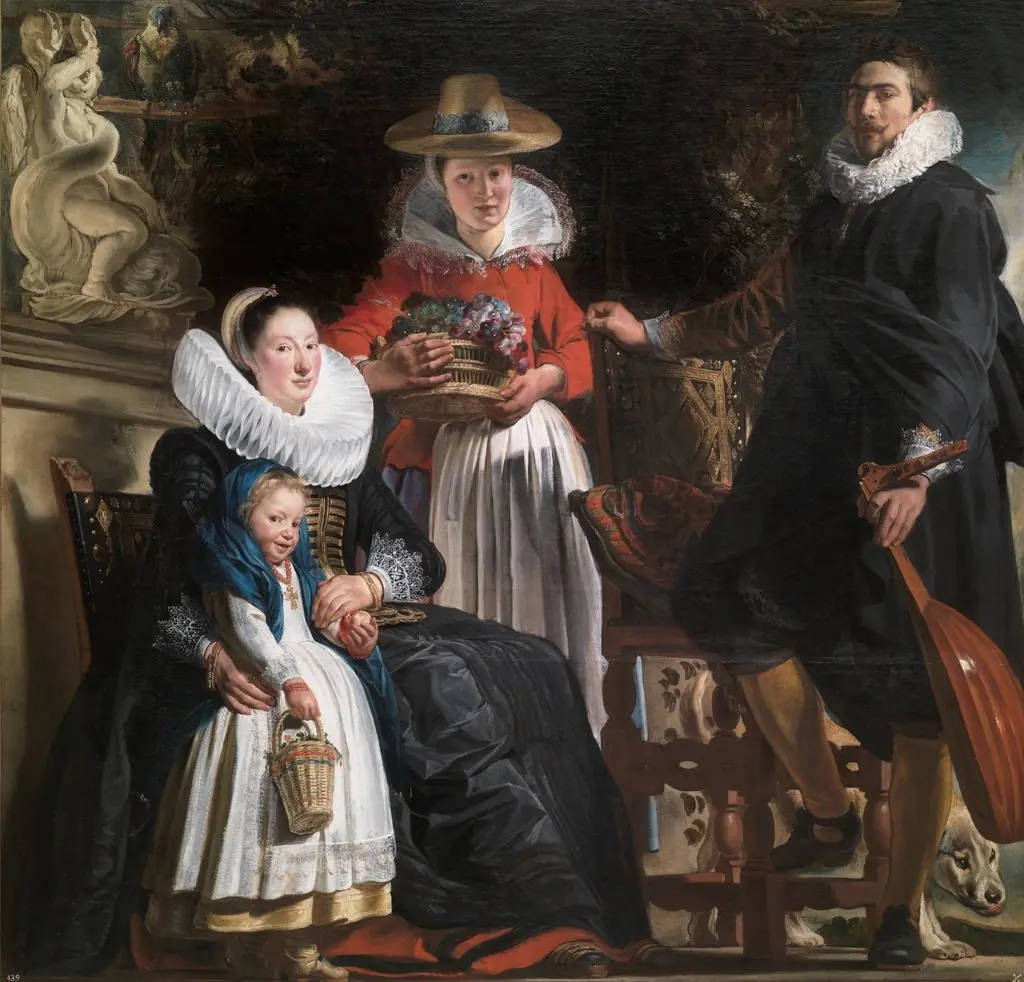 Portrait of the artist with his family
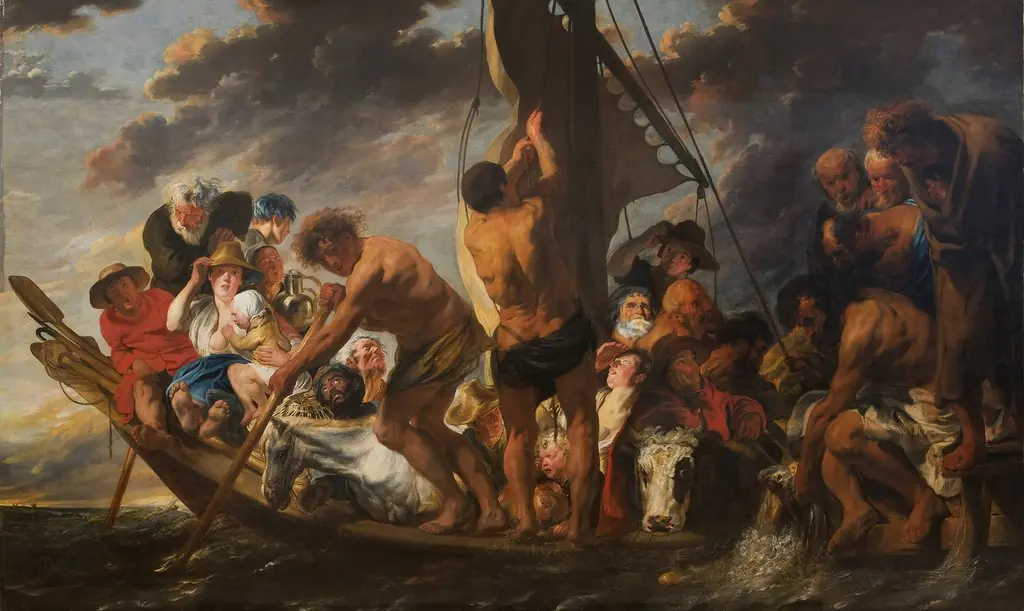 The Tribute Money. Peter Finding the Silver Coin in the Mouth of the Fish. Also called "The Ferry Boat to Antwerp"
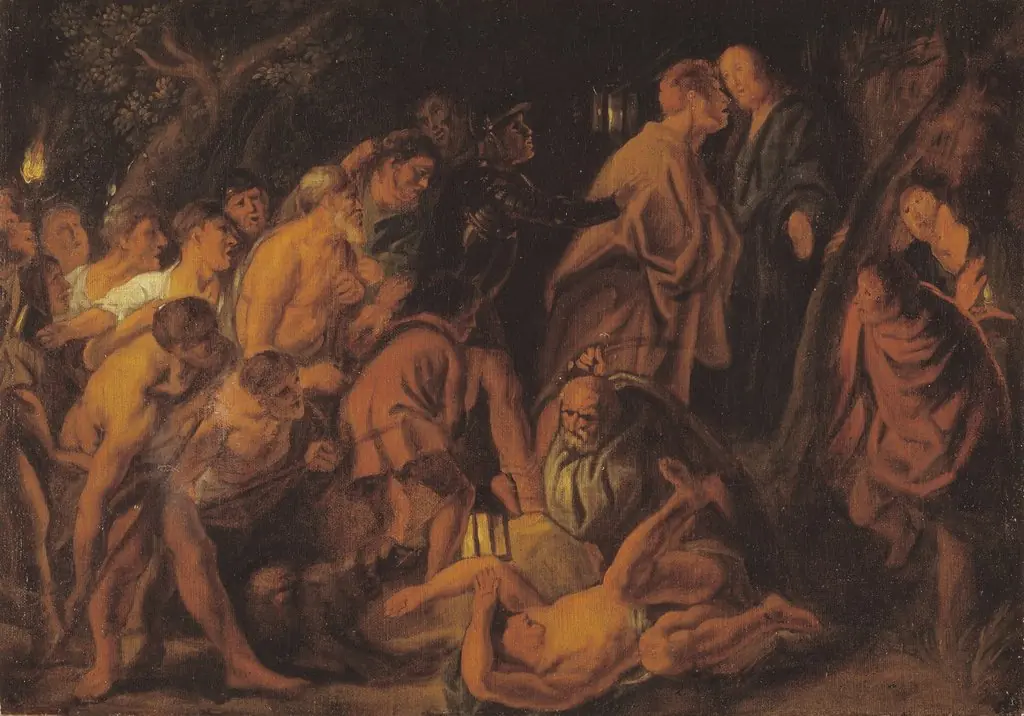 The Betrayal and Arrest of Christ in Gethsemane