Artwork
The Betrayal of Christ
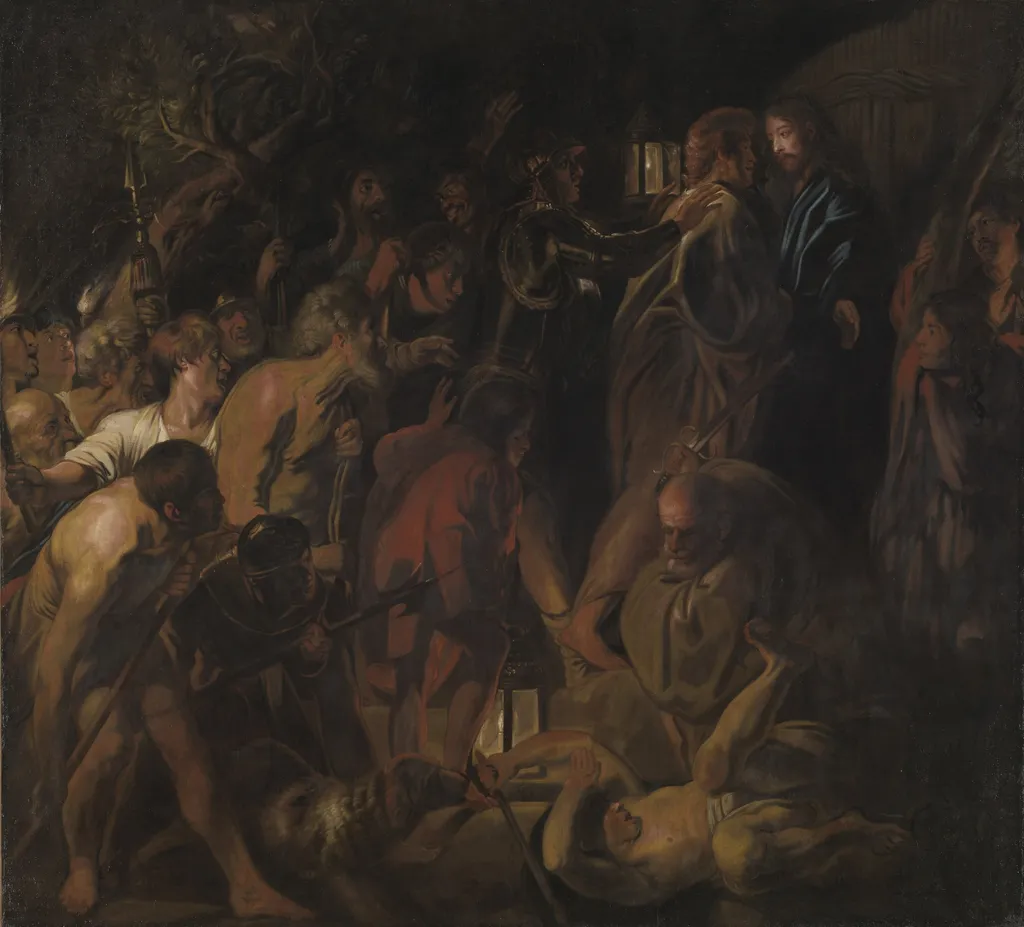
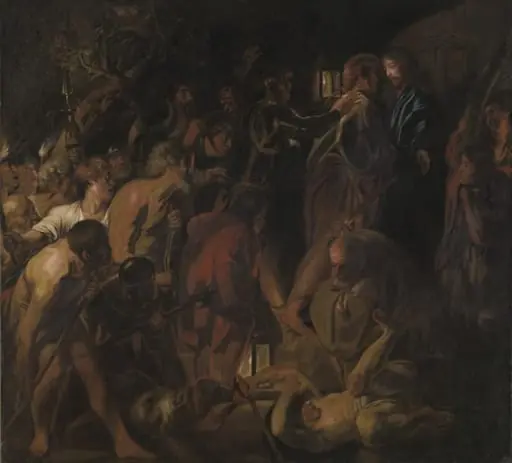
The Betrayal of Christ is an oil painting by the Flemish Baroque painting artist Jacob Jordaens. It dates from 1657 and is held in the collection of the Cleveland Museum of Art.
About this work
Subject & Meaning
The work belongs to the religious genre of seventeenth-century Flemish art and exemplifies a naturalistic, nocturnal treatment of the Passion.
The painting depicts the arrest of Jesus in the Garden of Gethsemane, with Judas betraying him with a kiss and Peter drawing his sword. Jordaens sets the scene at night, filling it with soldiers, villagers, and a lantern-lit officer to form a restless crowd. He uses stark chiaroscuro, isolating the pale, blue-cloaked Christ in a beam of light while surrounding him with reds, browns, and ochres that heighten the tension.
The warm palette and dramatic lighting underscore Christ's spiritual isolation against the aggression of his captors. The work belongs to the religious genre of seventeenth-century Flemish art and exemplifies a naturalistic, nocturnal treatment of the Passion.
Technique & Style
The Betrayal of Christ is an oil painting on canvas, measuring 225.5 by 246.3 cm. Jordaens employs a fluid, expressive technique with broad brushwork, particularly visible in the drapery, and uses warm tones for shadows and luminous highlights for reflections, deliberately avoiding the polished realism associated with Rubens.
The composition is built around a sweeping curve that begins with the stooping figure at the lower left and rises to the Christ, who is illuminated by Judas's lantern. This lighting isolates the pale, blue-robed Christ against the surrounding aggression, while reds, browns, and ochers generate a burning atmosphere in which the lit faces take on an almost grotesque intensity. A lantern-lit observer in red, painted in the manner of Georges de La Tour, anchors the nocturnal scene.
The handling of the crowd, soldiers mingled with villagers wielding improvised weapons, captures fear, anger, and confusion, lending the scene a raw, theatrical immediacy rather than idealized finish.
History & Provenance
Jacob Jordaens executed The Betrayal of Christ in 1657 in Flanders. While seventeenth-century writers Joachim von Sandrart and Arnold Houbraken mentioned a painting of this subject by the artist, and a similar work belonged to Jürgen Ovens in 1691, no definitive link connects these early records to the extant canvas. The first confirmed documentation dates to 1876, when the work was recorded in the collection of Count Otto Thott at Gavnø Castle.
Decades later, Axel Reedtz-Thott consigned the painting to a London sale in 1968. The Cleveland Museum of Art acquired the piece in 1970, where it remains today, recorded as inventory number 1970.32.
Legacy
The painting's reputation rests on its scholarly recognition and documented provenance, which have established it as a key example of Jordaens's late Baroque style. Its ownership from Gavnø Castle through the 1970 acquisition by the Cleveland Museum of Art illustrates a clear chain of custody. Art historians have noted Jordaens's dramatic use of light and composition, which bridges earlier Flemish traditions with later Baroque developments.
Studies by Lurie and Porras underscore its role in both museum collections and art-historical narratives of the Betrayal theme.
Overview
Jacob Jordaens, a prominent Flemish artist, completed The Betrayal of Christ in 1657. This oil painting exemplifies the dramatic qualities of the Flemish Baroque movement. It depicts a pivotal religious narrative, characterized by intense emotion and dynamic composition. The work is presently housed within the collection of The Cleveland Museum of Art.
Context
As a prolific Flemish painter and designer, Jacob Jordaens frequently explored themes drawn from biblical narratives, classical mythology, and allegorical subjects. The Betrayal of Christ aligns with his broader artistic practice of rendering complex, multi-figure compositions that convey heightened drama and emotional depth, characteristic of the 17th-century Northern European art scene.
Own this work as a print
Artist & collection
Artist
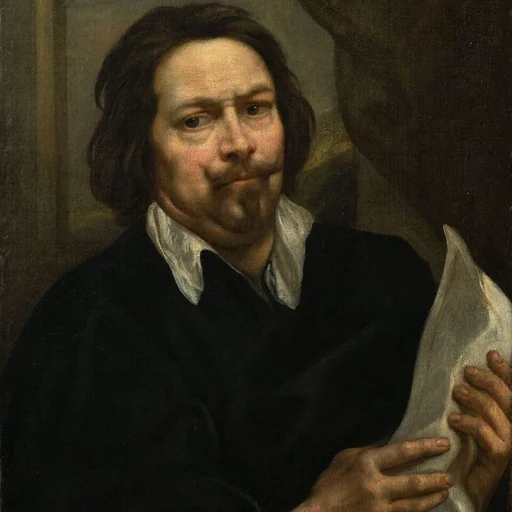
Jacques (Jacob) Jordaens (19 May 1593 – 18 October 1678) was a Flemish painter, draughtsman and a designer of tapestries and prints.

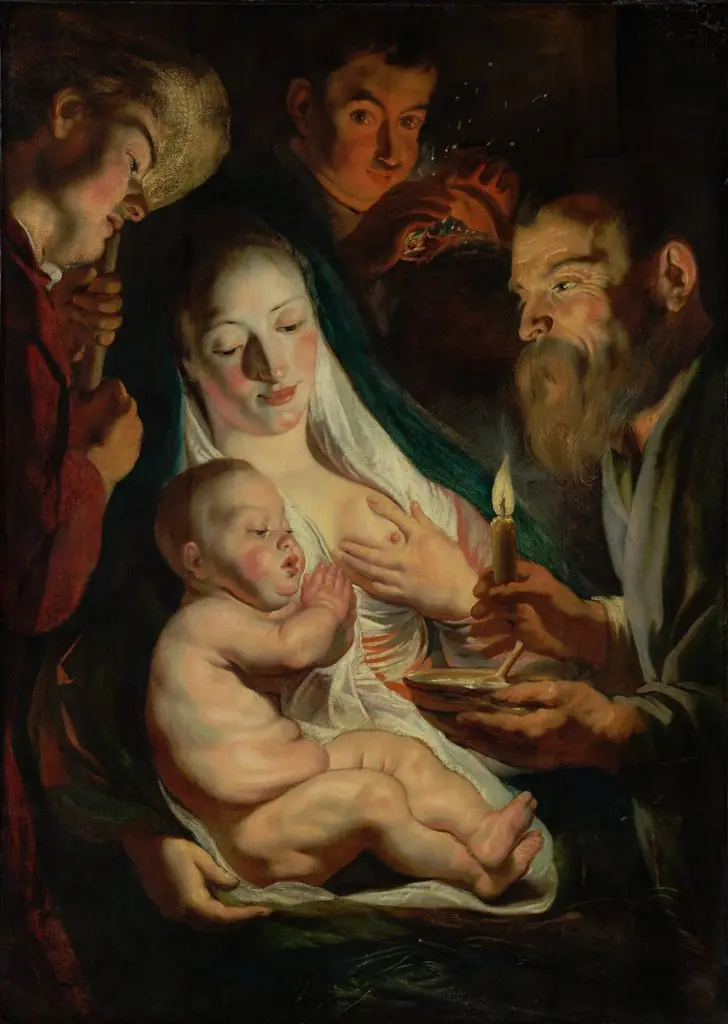 The Holy Family with Shepherds
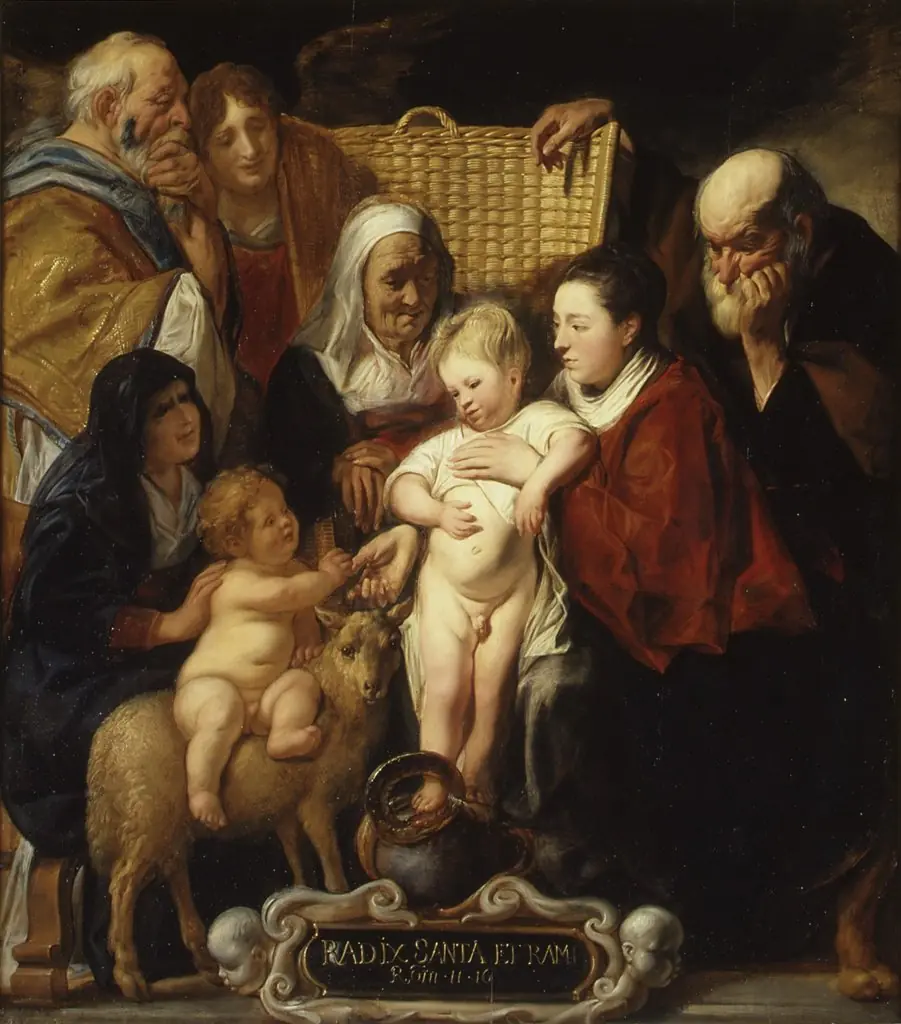 The Holy Family with Saint Anne and the Young Baptist and His Parents
 Untitled
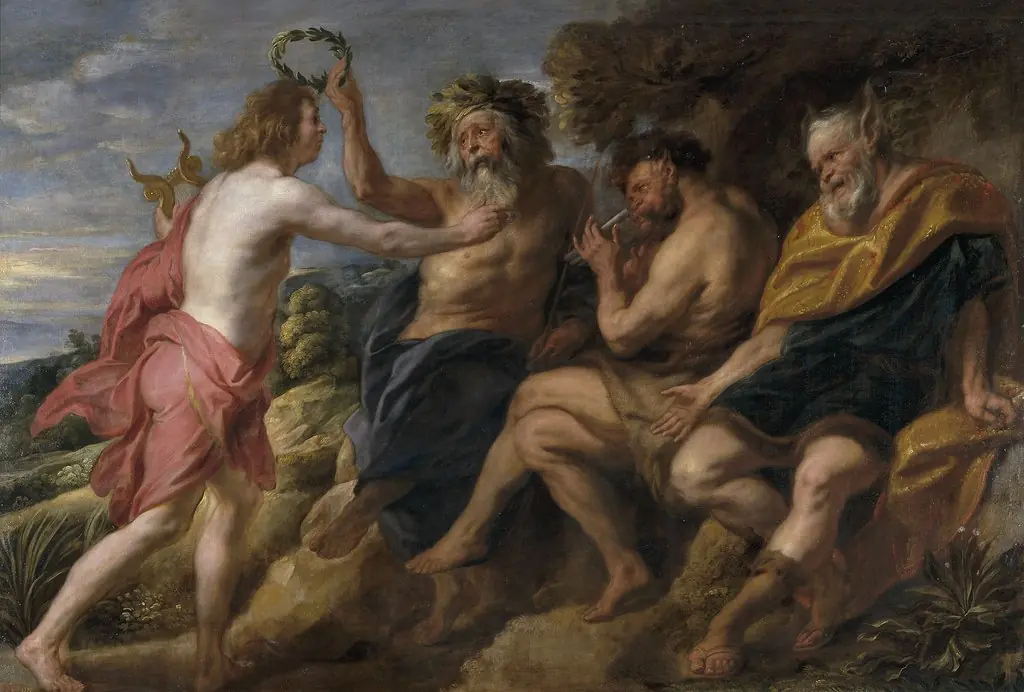 Apollo as Victor over Pan
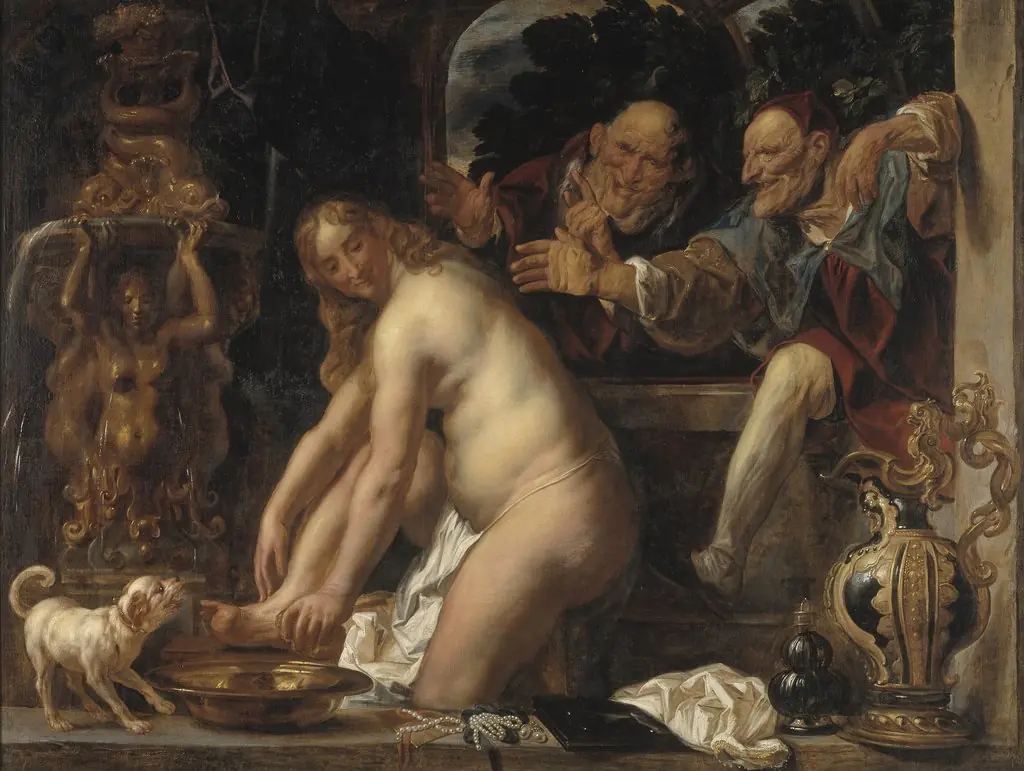 Susanna and the Elders
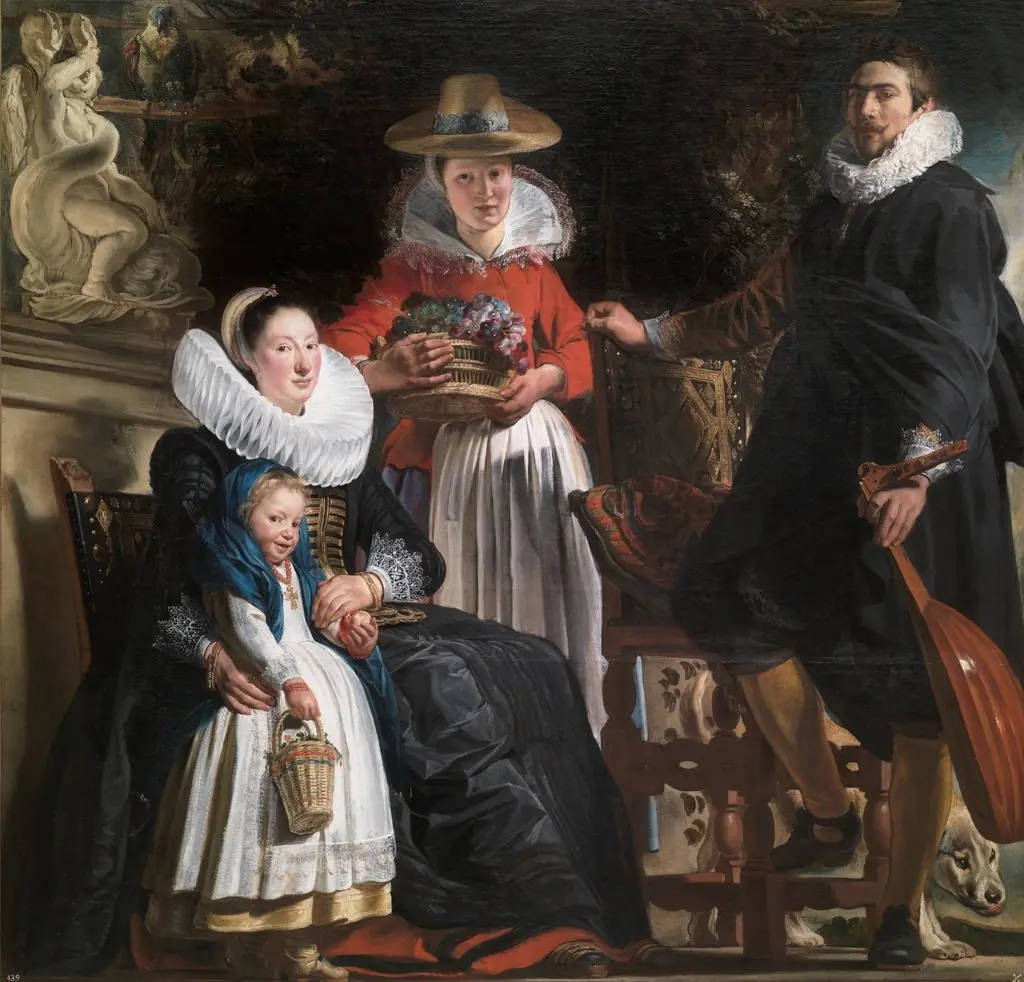 Portrait of the artist with his family
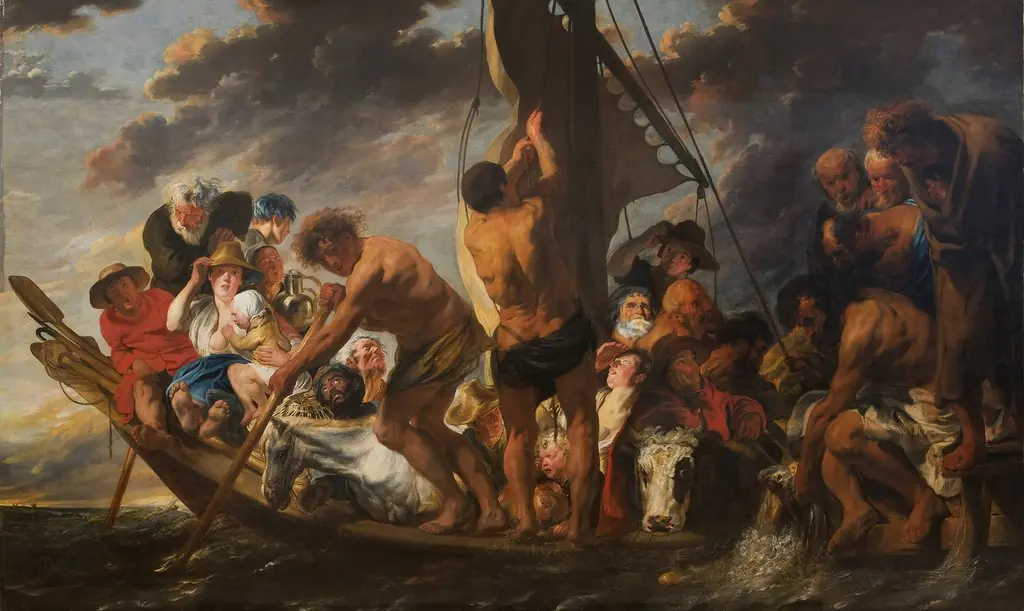 The Tribute Money. Peter Finding the Silver Coin in the Mouth of the Fish. Also called "The Ferry Boat to Antwerp"
- The Betrayal and Arrest of Christ in Gethsemane