Subject
Putti
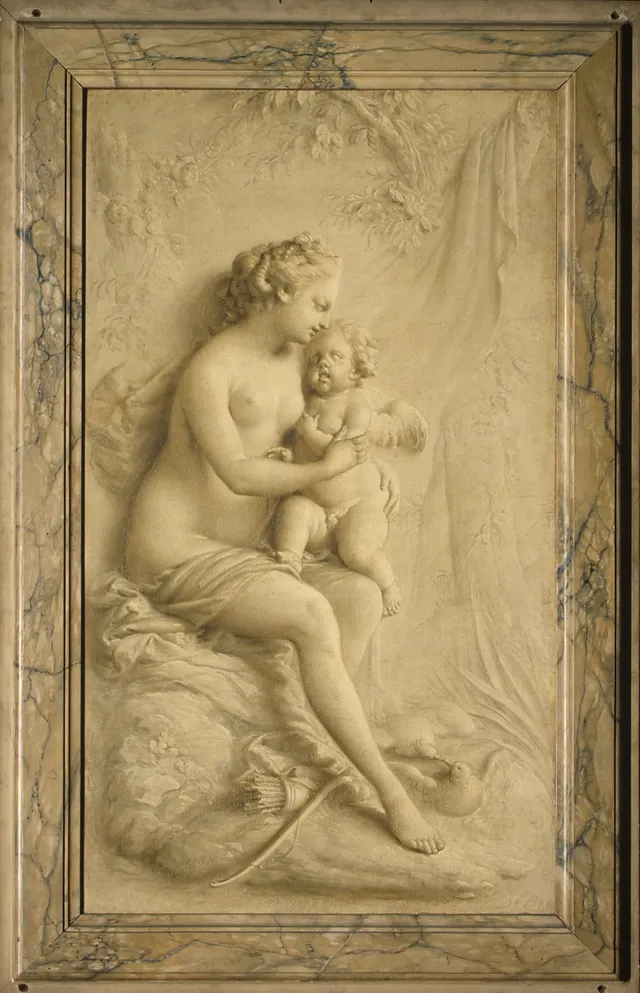
Putti is a subject in art. The gallery holds 200 works in this subject in art, including works by Paolo Veronese, Jean Honoré Fragonard and François Boucher.
A putto (Italian: ; plural putti ) is a figure in a work of art depicted as a chubby male child, usually naked and very often winged. Originally limited to profane passions in symbolism, the putto came to represent a sort of baby angel in religious art, often called a cherub (plural cherubim), though in traditional Christian theology, a cherub is actually one of the most senior types of angel.
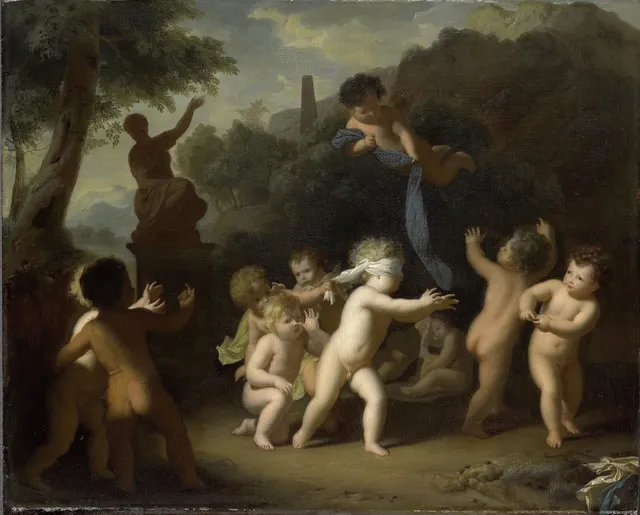
Key artists

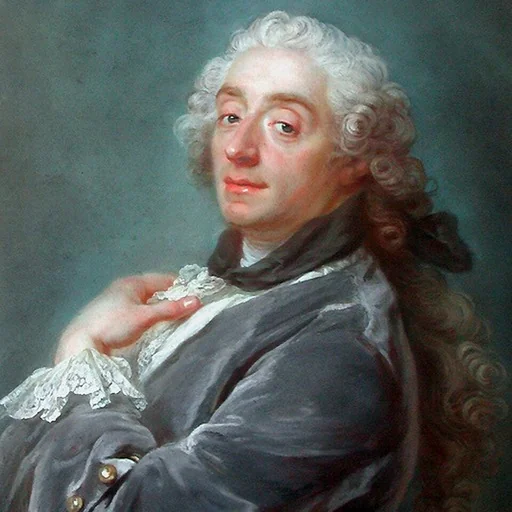
Overview
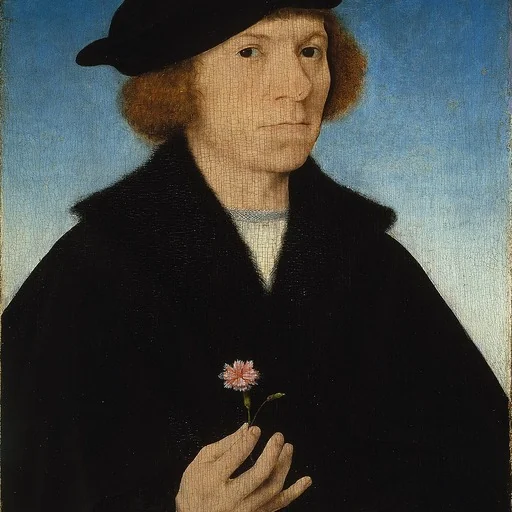
A putto is a figure in art depicted as a chubby, usually naked and often winged male child. The term derives from the Italian putto, meaning a small boy, which itself traces back to the Latin putus or putillus. In the ancient classical world, these winged infants were believed to influence human lives, appearing on artifacts such as child sarcophagi of the second century. The motif largely disappeared during the Middle Ages before experiencing a significant revival in the early Quattrocento. Today, the putto remains a pervasive motif, functioning across both secular and religious contexts as a decorative, allegorical, and symbolic figure.
Iconography & meaning
The iconography of the putto is deliberately unfixed, making it difficult to distinguish strictly between putti, cupids, and various angels. They lack unique, immediately identifiable attributes, allowing them to carry multiple meanings depending on context. Originally limited to profane passions, they later came to represent a sort of baby angel in religious art, commonly called a cherub, though traditional Christian theology ranks cherubim as senior angels. When representing the god of love, the figure is specifically termed an amorino or amoretto. Common associations include romantic or erotic love, linked to Aphrodite or Venus, as well as heaven, peace, prosperity, mirth, and leisure. They are also closely connected to music, a tradition rooted in early Christian art and antiquity, often appearing as musician angels.
Across movements & periods
Originating as winged infants and Erotes in antiquity, the putto vanished during the Middle Ages. The Florentine Renaissance revived the form in the 1420s, a development generally attributed to Donatello, who restored the classical form and infused it with Christian meanings, such as musician angels. Some Renaissance putti, termed spiritelli or imps, were older and mischievous. By the sixteenth century, popular forms included sleeping putti and standing putti with animals. During the Baroque period, the figures became stylized as toddler-like angels representing the omnipresence of God, proliferating across ceiling frescoes, altars, and sculptures. In the Rococo, the amorino variation became widespread. A major revival occurred in the nineteenth century, where they appeared in French academic painting and illustration, such as Gustave Dore's work for Orlando Furioso.
Notable depictions
Among the most canonical depictions are the two relaxed and curious putti at the foot of Raphael's Sistine Madonna, now in the Gemaldegalerie Alte Meister in Dresden. Albrecht Durer also engaged deeply with the motif, notably depicting a passive, melancholic putto in his 1514 engraving Melencolia I, and four putti in his work Die Hexe. In the realm of sculpture and architectural decoration, the Honigschlecker in the Wallfahrtskirche Birnau by Joseph Anton Feuchtmayer of the Wessobrunner School stands out. Peter Paul Rubens collaborated with Frans Snyders and Jan Wildens on the notable Fruitegirlande, held in the Alte Pinakothek in Munich. An exceptional deviation from the male norm occurs in Giuseppe Maria Mazza's Venetian relief Allegory of the Liberal Arts of Geometry, which frames the scene with one putto-boy and one putto-girl.
Legacy
Beyond high art, the putto became a staple of broader visual culture and regional identity. In architecture, the figure constitutes a defining characteristic of Sicilian Baroque buildings. The motif was adopted as the trademark of the Oberschwabische Barockstrasse in Germany. Putti also appeared in scientific illustration, such as the lunar maps of Johannes Hevelius and Cherubin d'Orleans, where they were shown holding informational cloths or operating telescopes. The figure even entered popular culture and civic identity, as seen in the Manneken Pis of Brussels, a 1619 bronze by Jerome Duquesnoy replacing an older stone fountain. The historiography of the putto remains relatively brief, with Charles Dempsey's Inventing the Renaissance Putto standing as a primary scholarly examination of the motif's evolution and significance.
Works
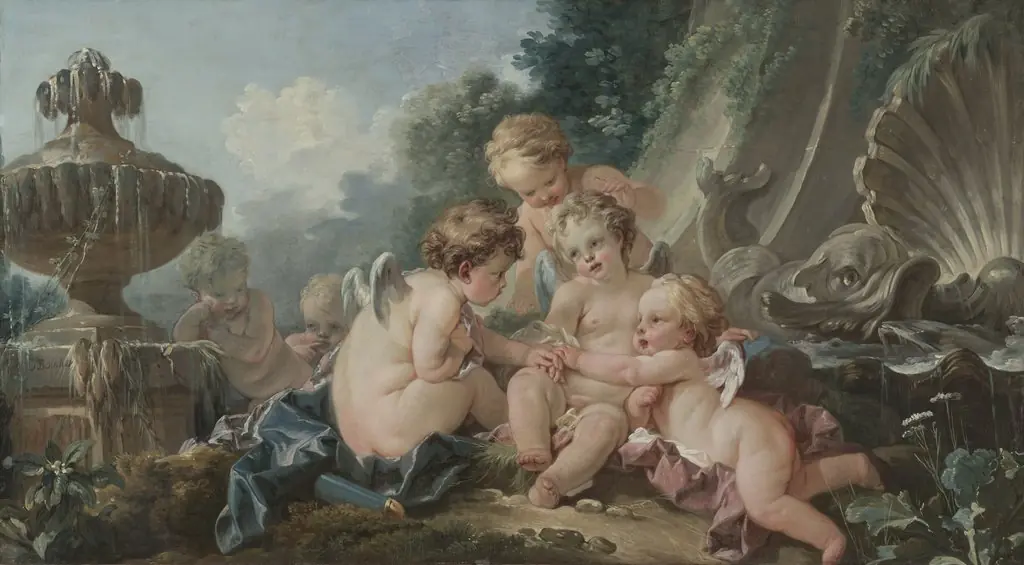 Cupids in Conspiracy
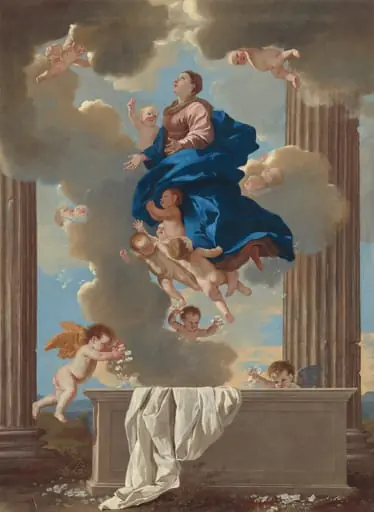 The Assumption of the Virgin
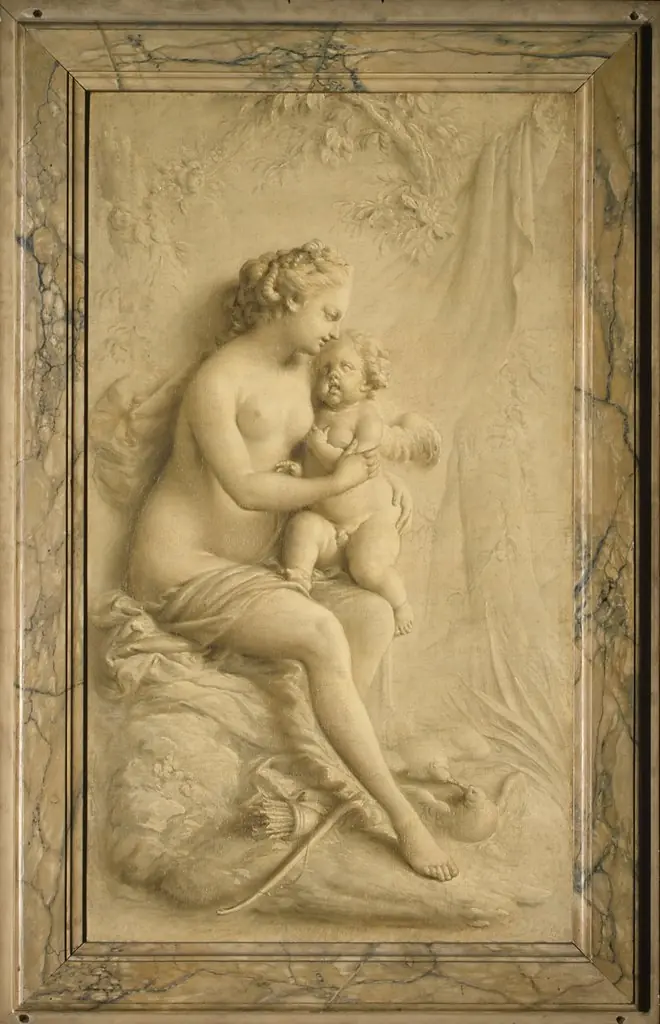 Venus and Cupid
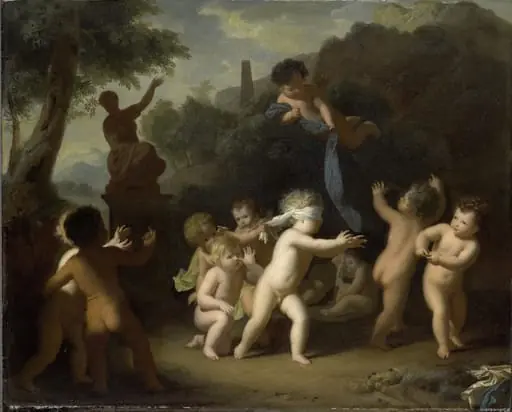 Putti Playing
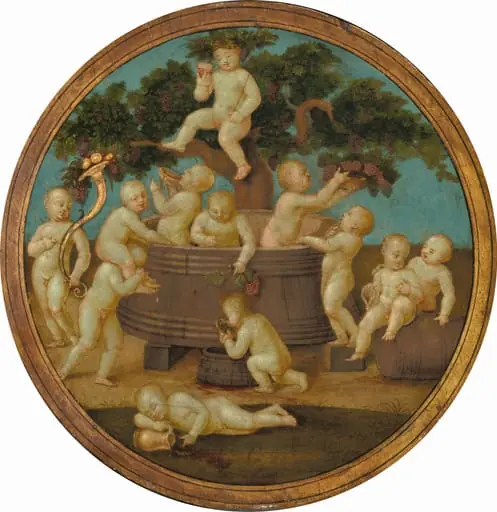 Putti with a Wine Press
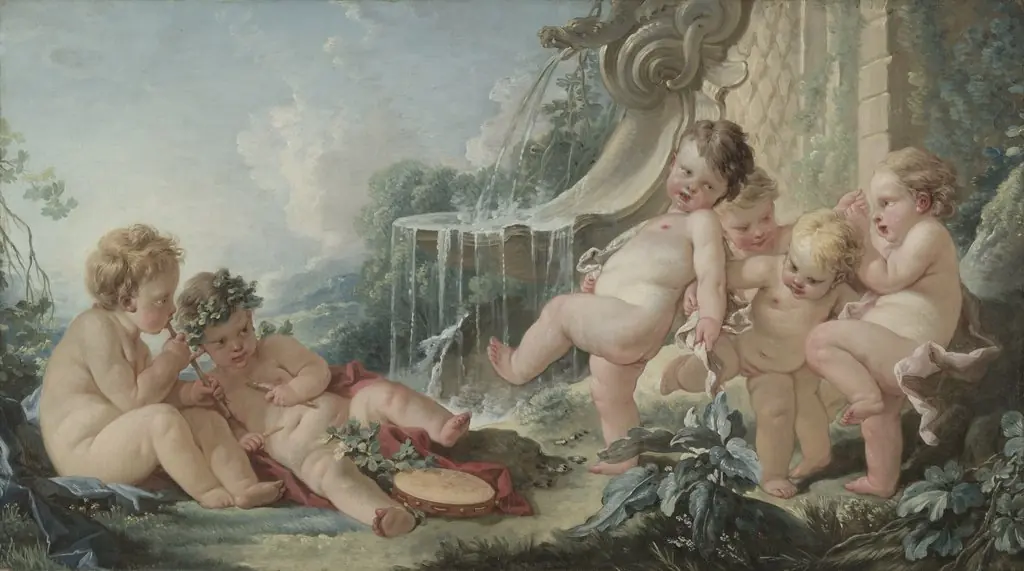 Music and Dance
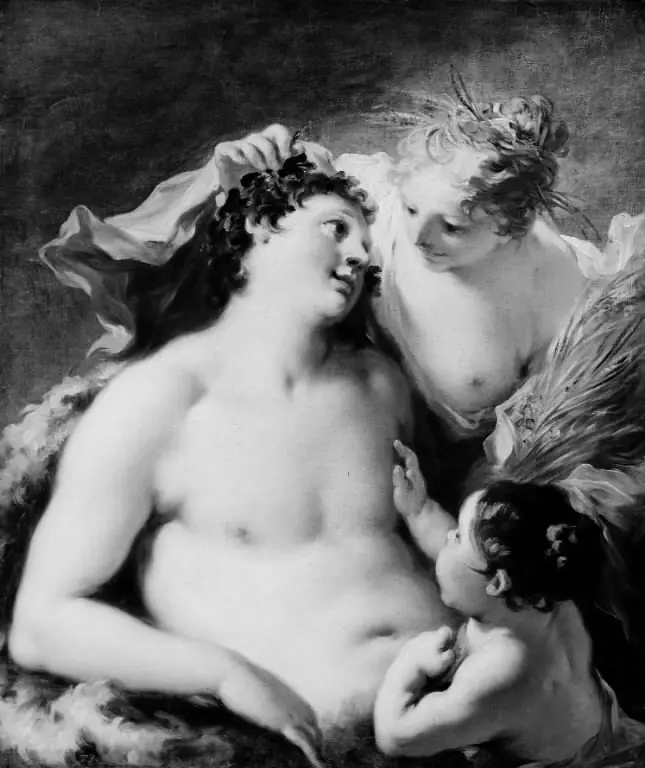 Ceres, Bacchus and Cupid
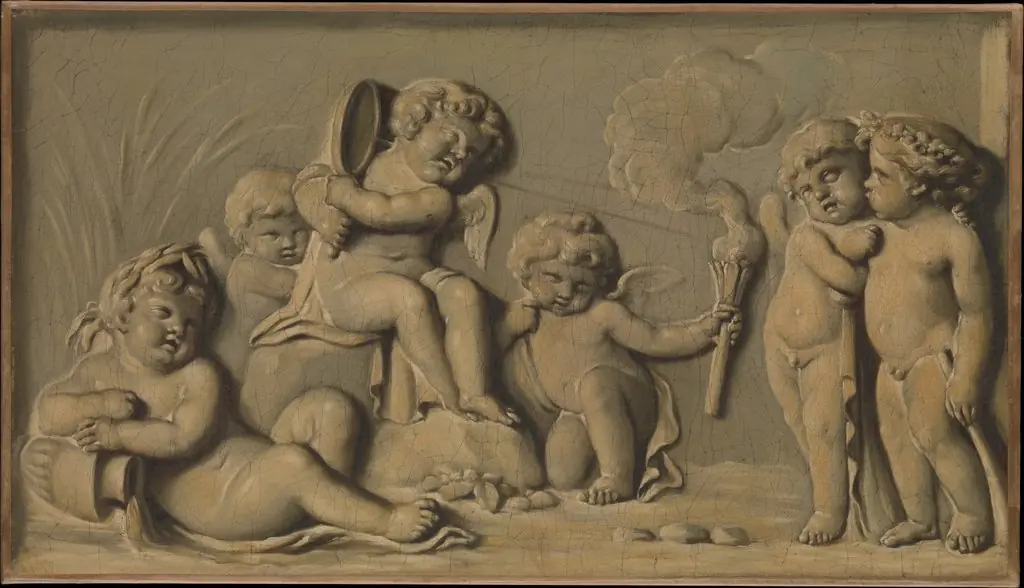 Amorini at play (one of a pair)
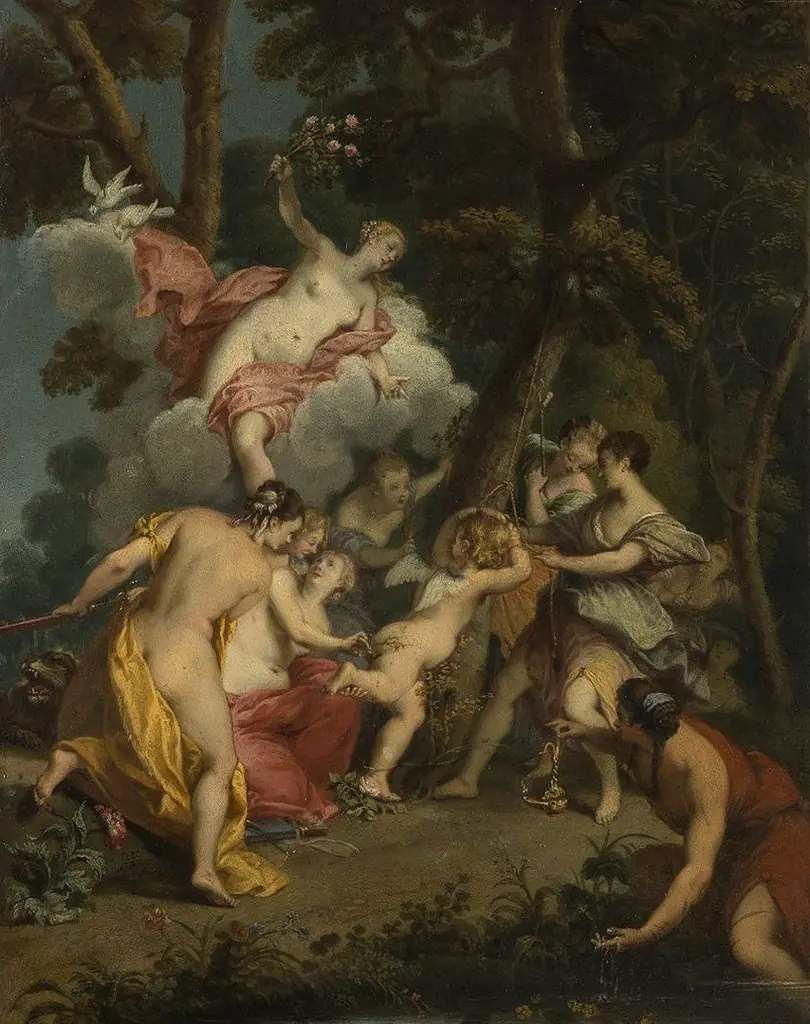 The Punishment of Cupid
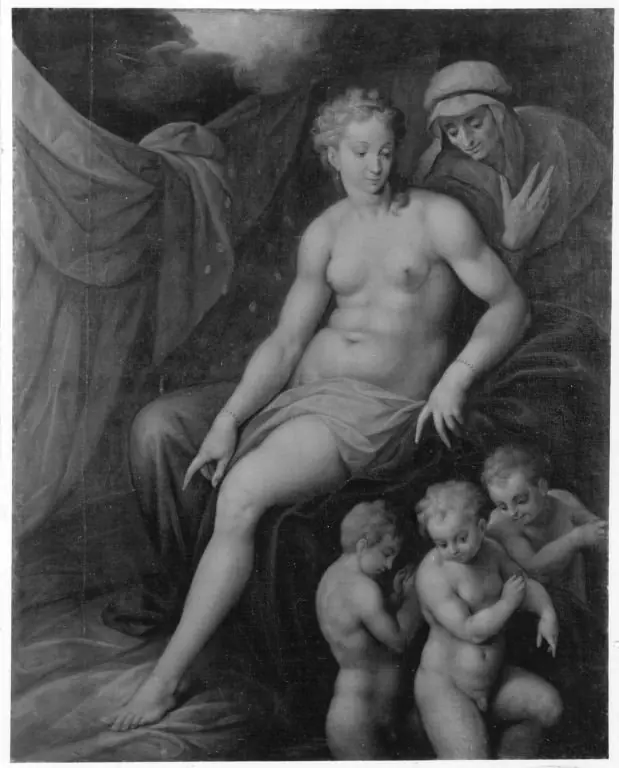 Danae im Goldregen
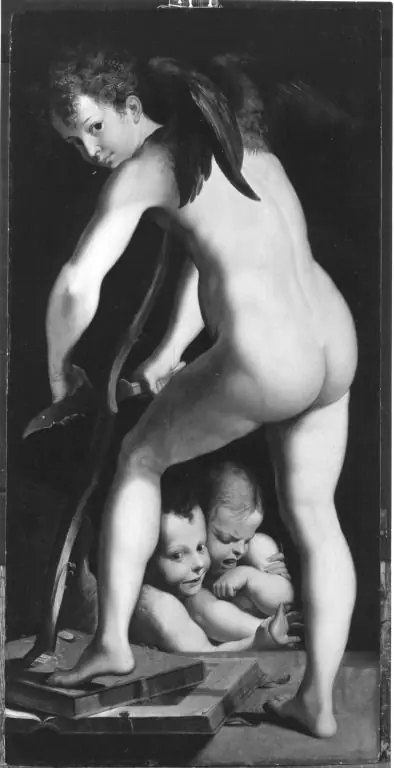 Cupid carves the bow
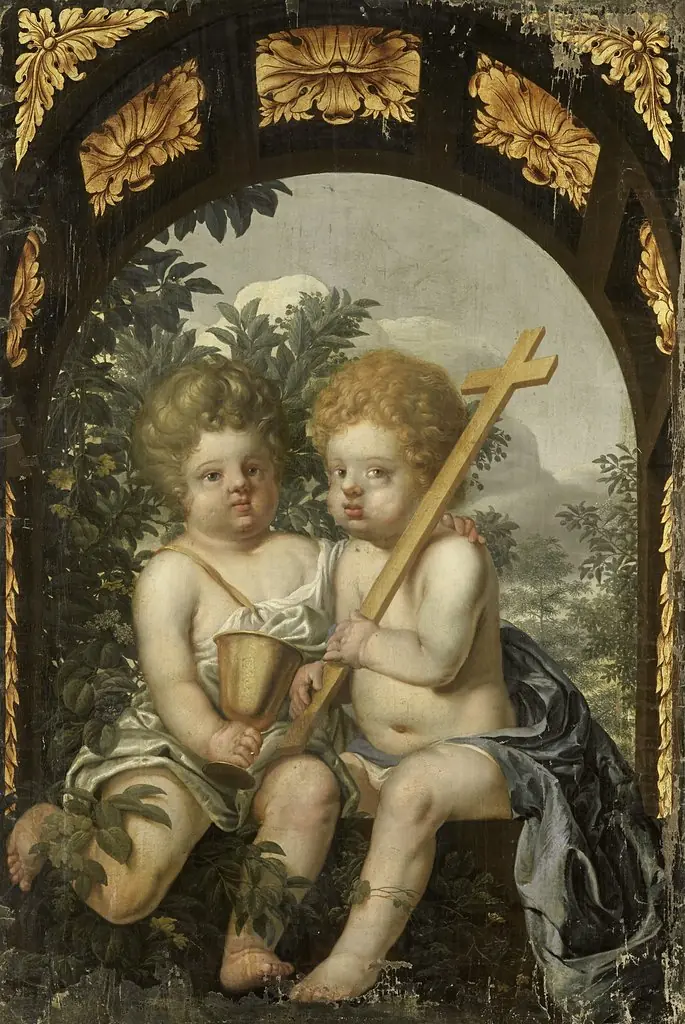 Christian Allegory with two Children with Cross and Chalice
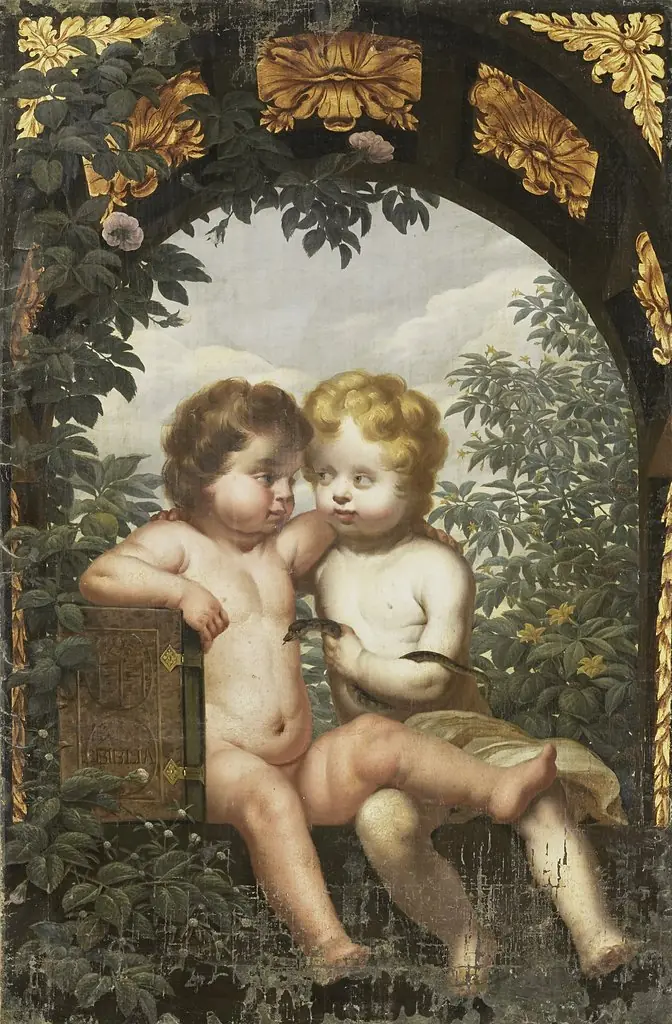 Christian Allegory with two Children with a Bible and Snake
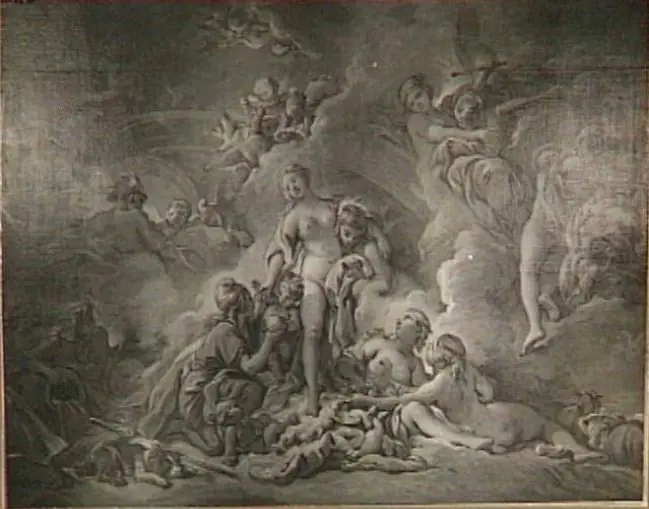 Het oordeel van Paris
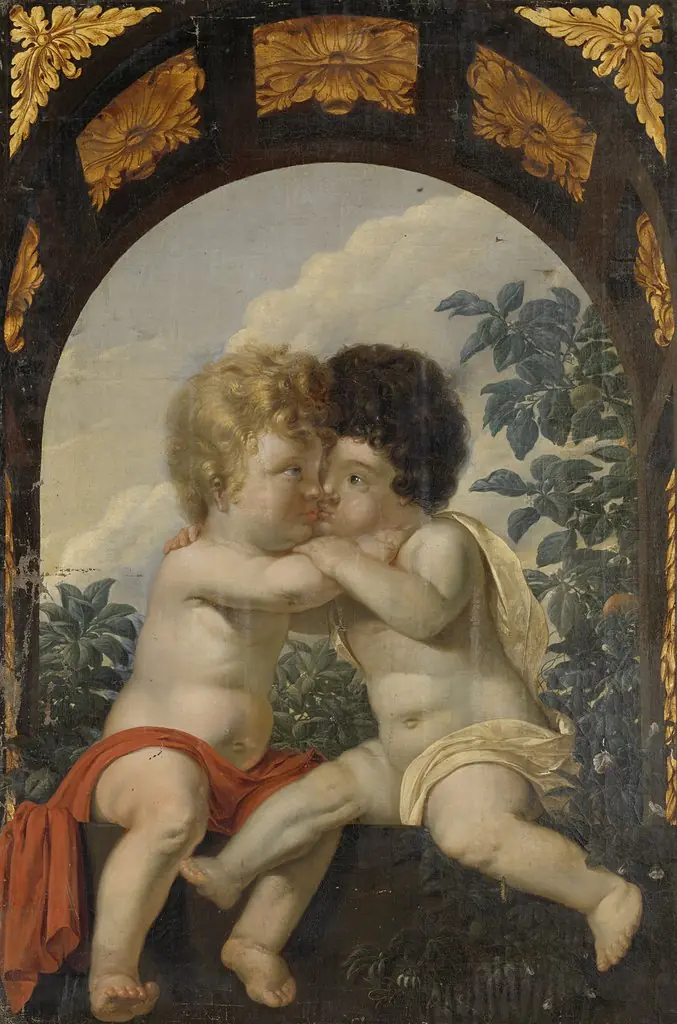 Christian Allegory with two Children Hugging each other
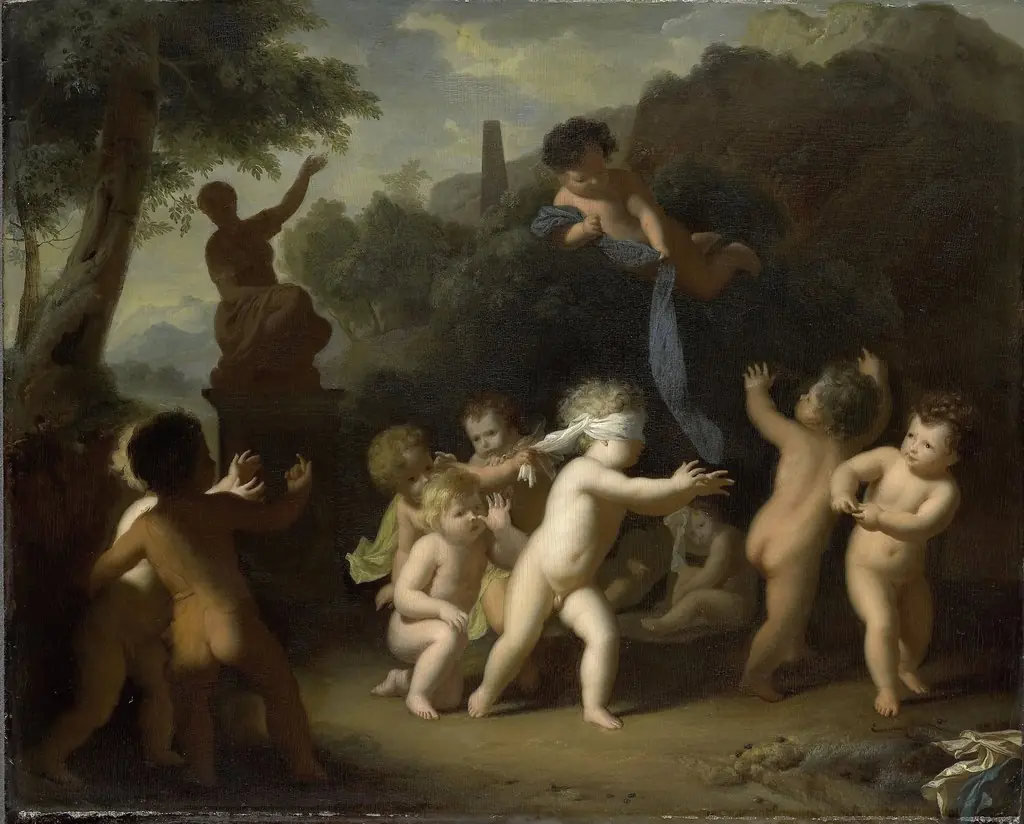 Playing Putti
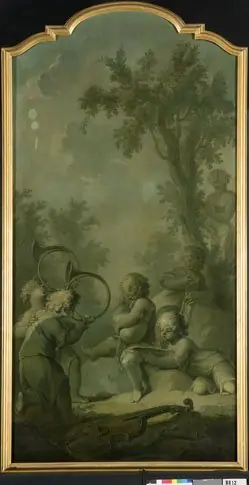 Five Children making Music
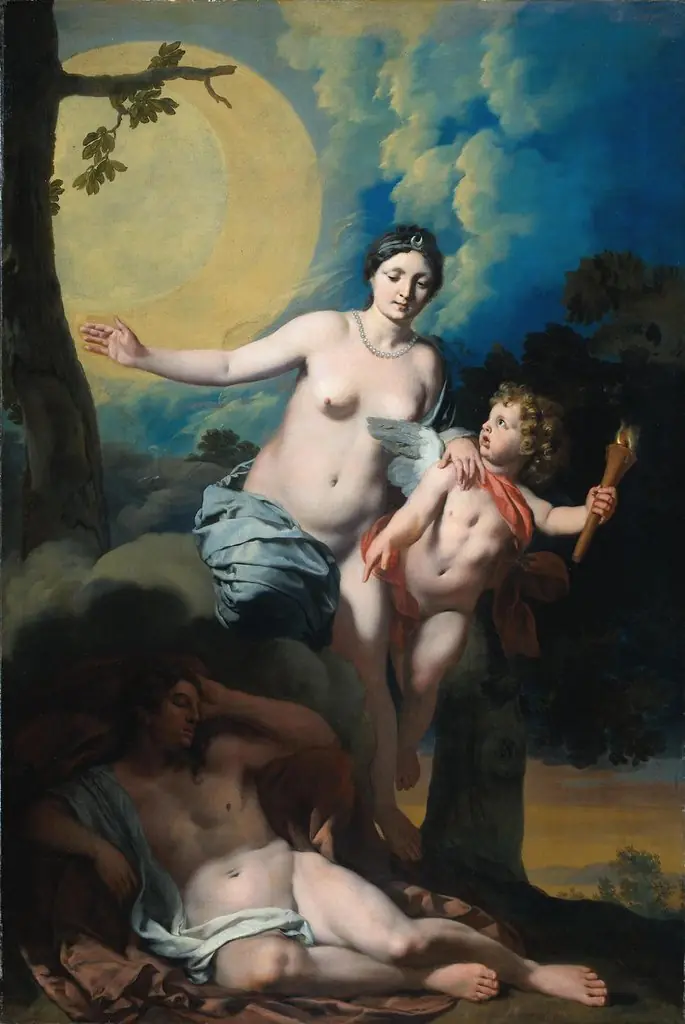 Selene and Endymion
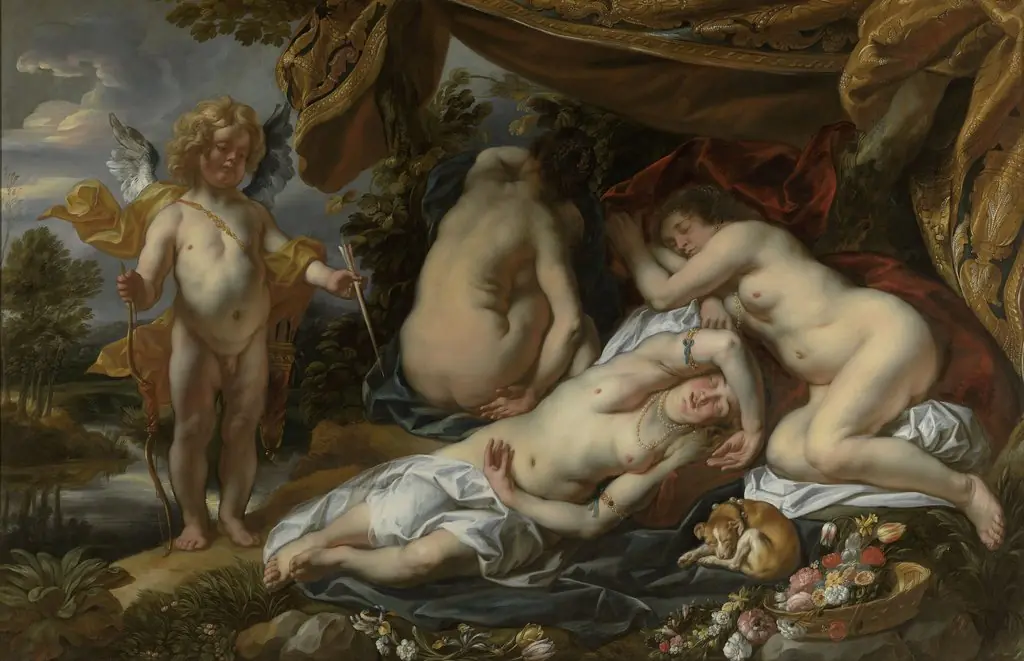 Cupid and Psyche
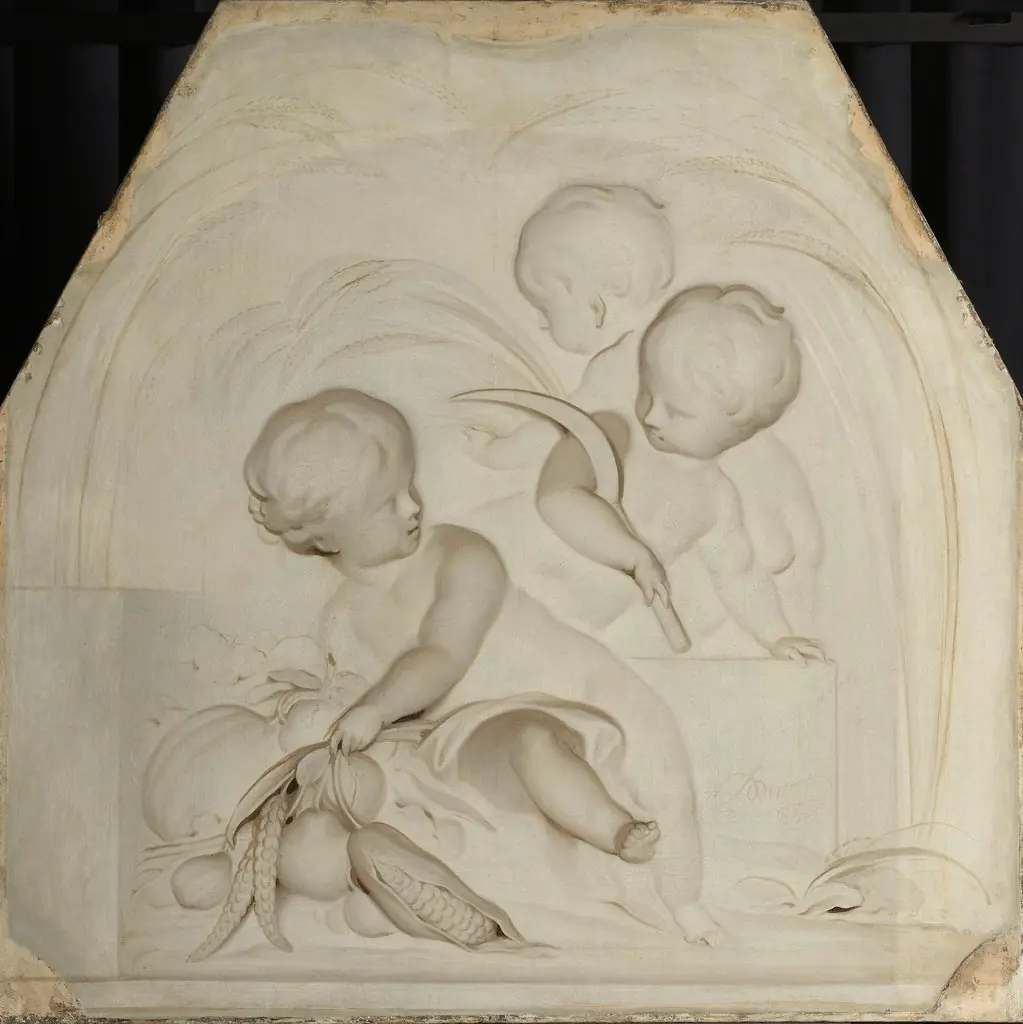 Summer
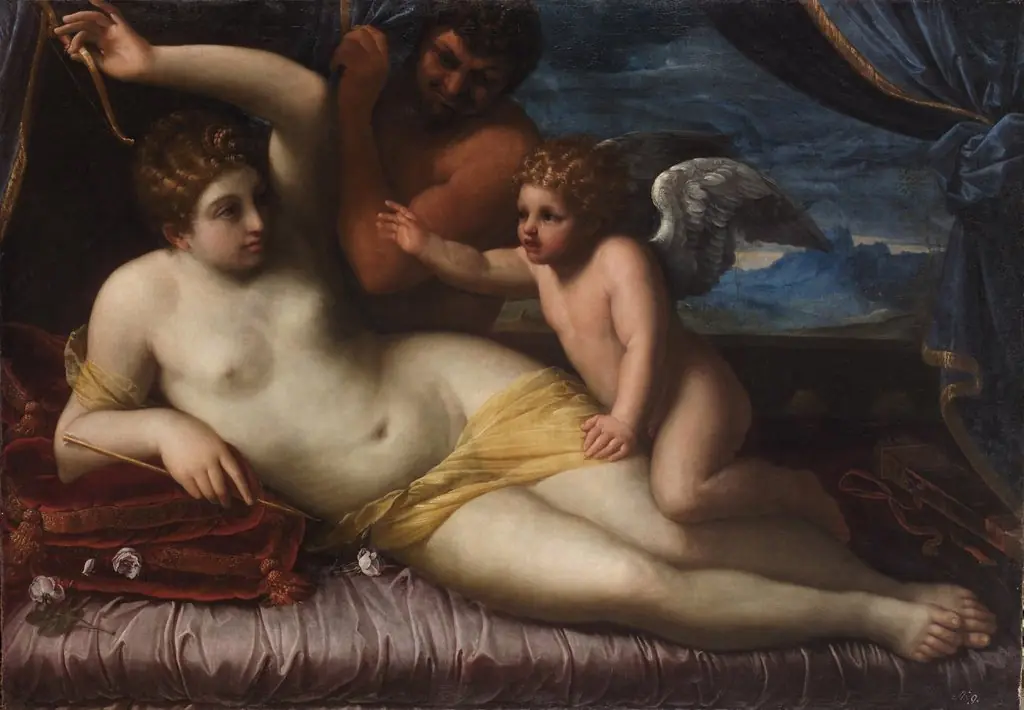 Venus und Amor mit einem Satyr
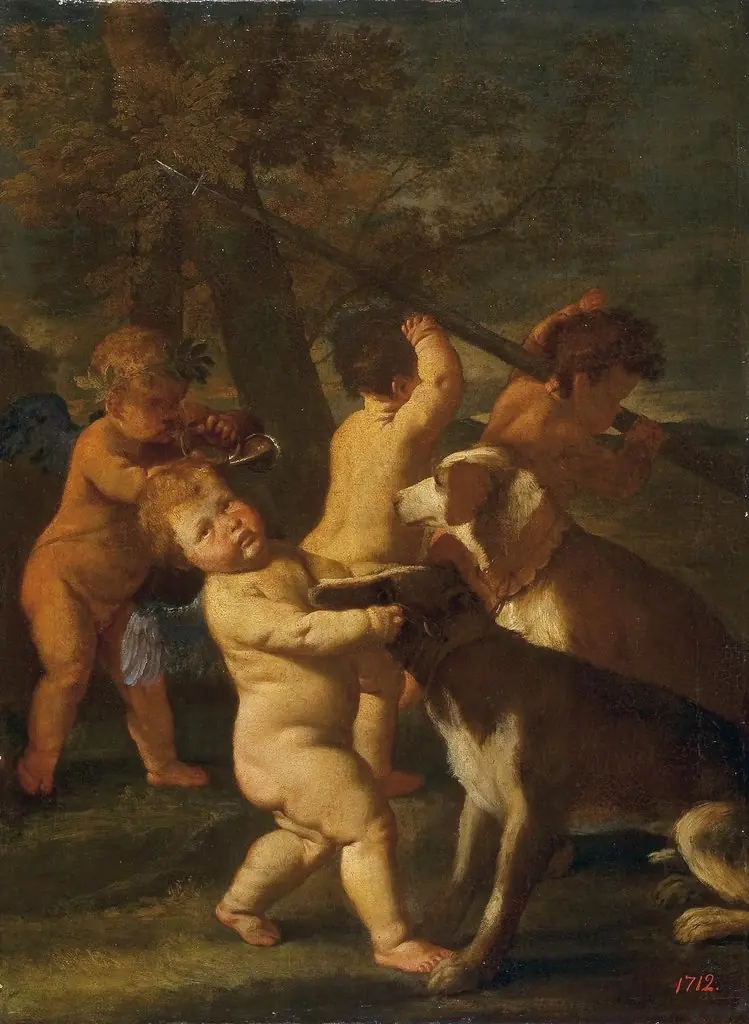 Cupids Hunting
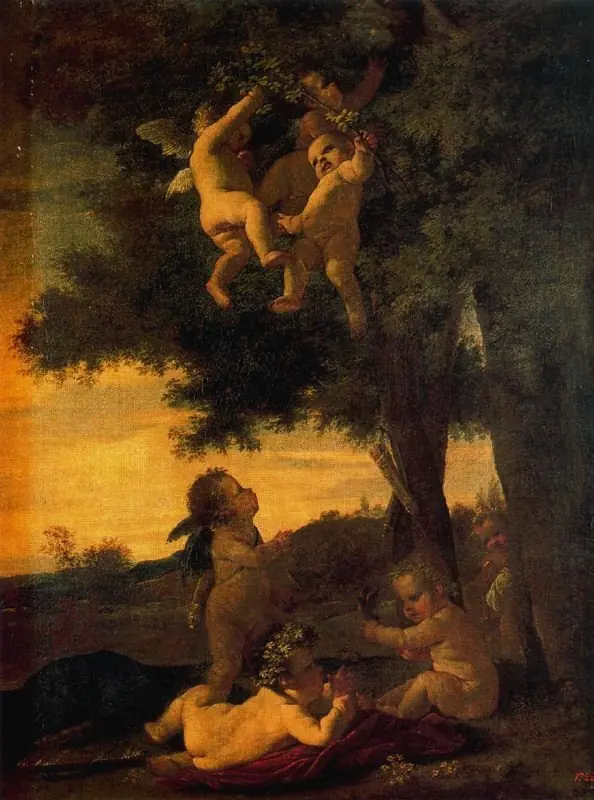 Cupids and Geniuses
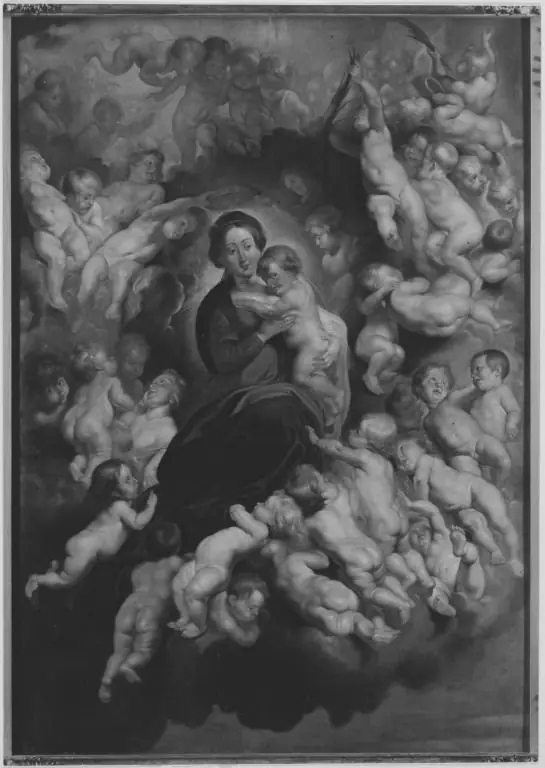 Maria mit Kind, von Engeln umgeben (nach Peter Paul Rubens)
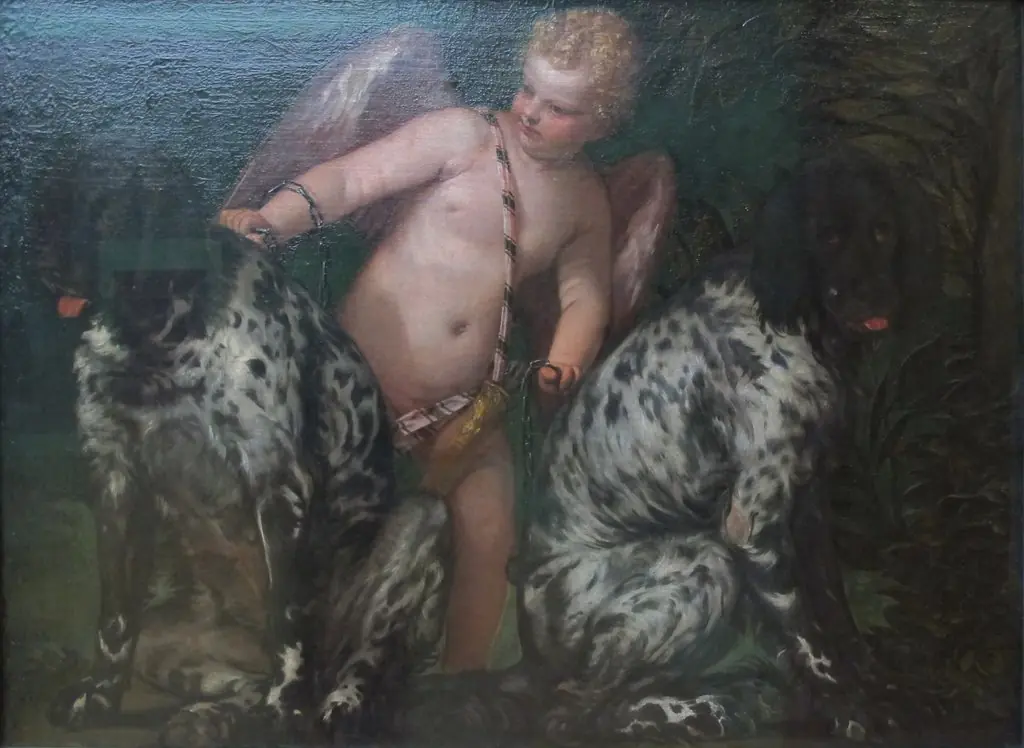 Amor mit zwei Hunden
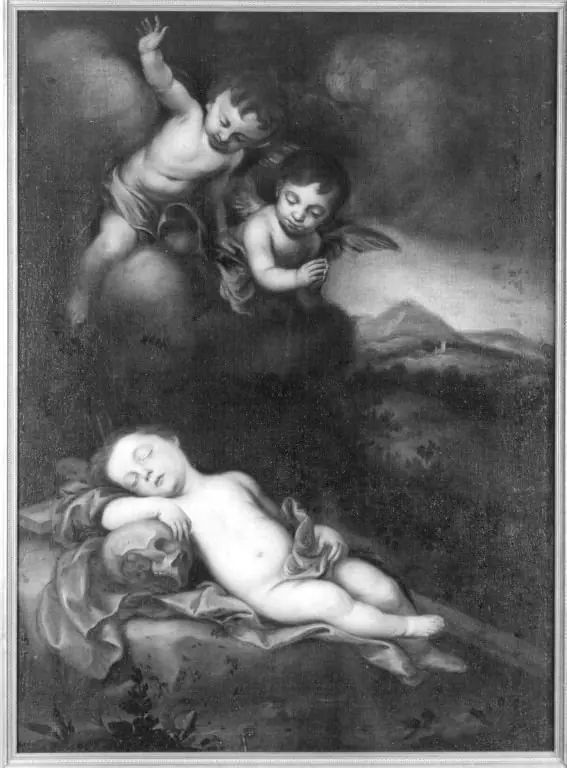 Schlafender Jesusknabe mit Engeln (Nachfolger)
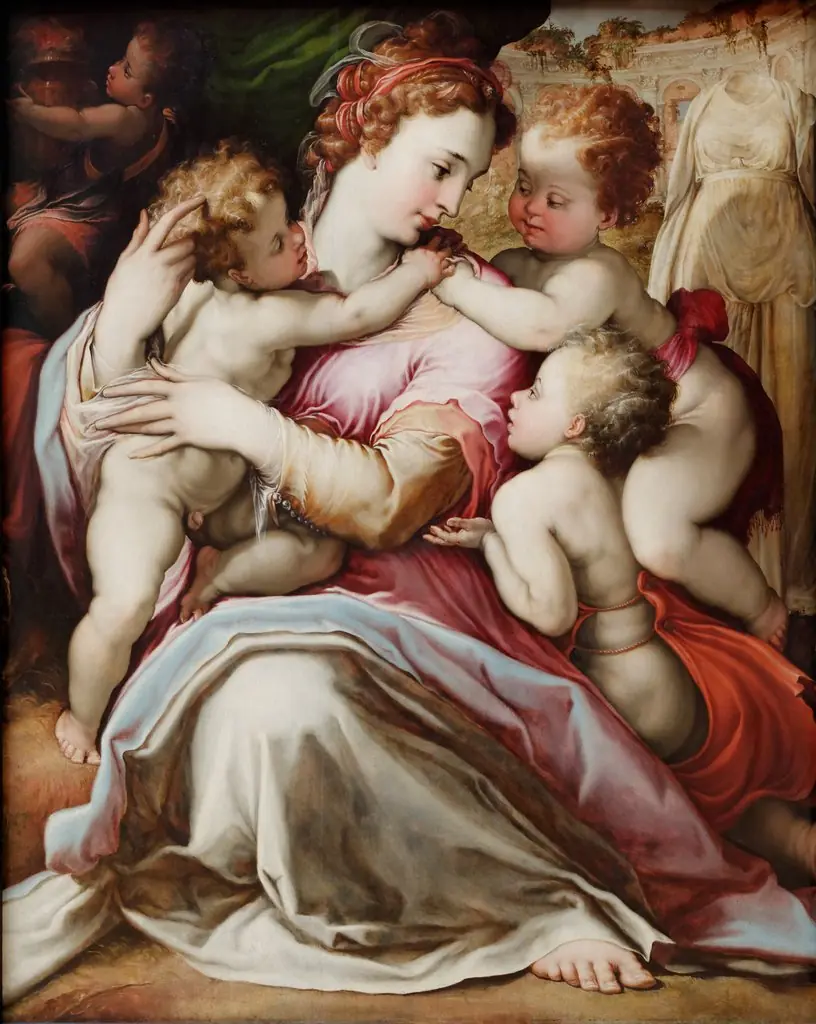 Caritas
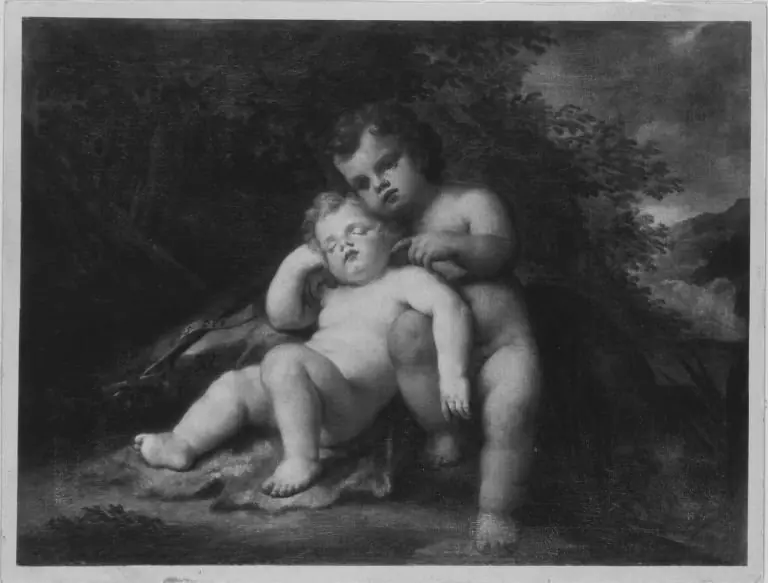 Jesus und der Johannesknabe
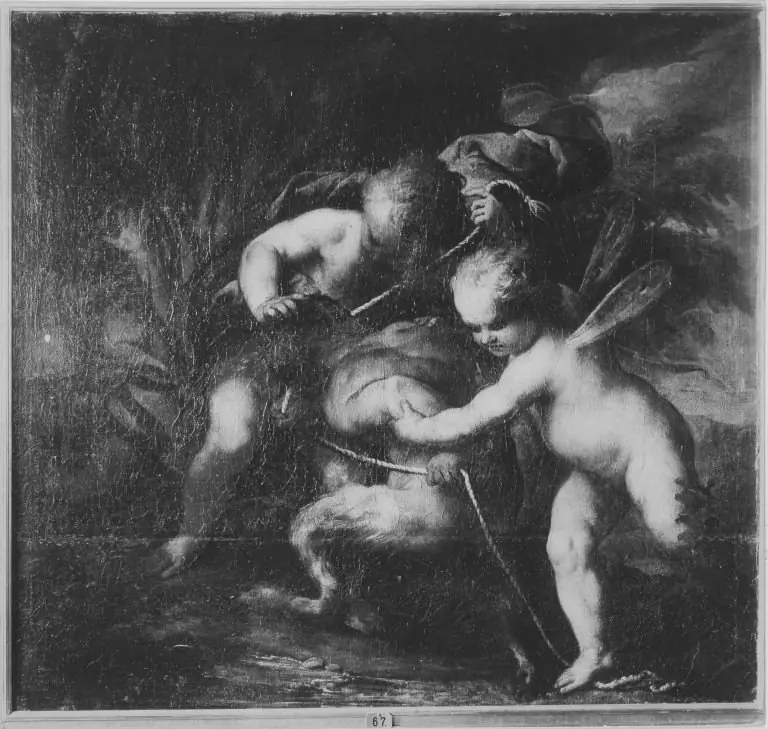 Zwei Eroten fesseln einen jungen Satyr
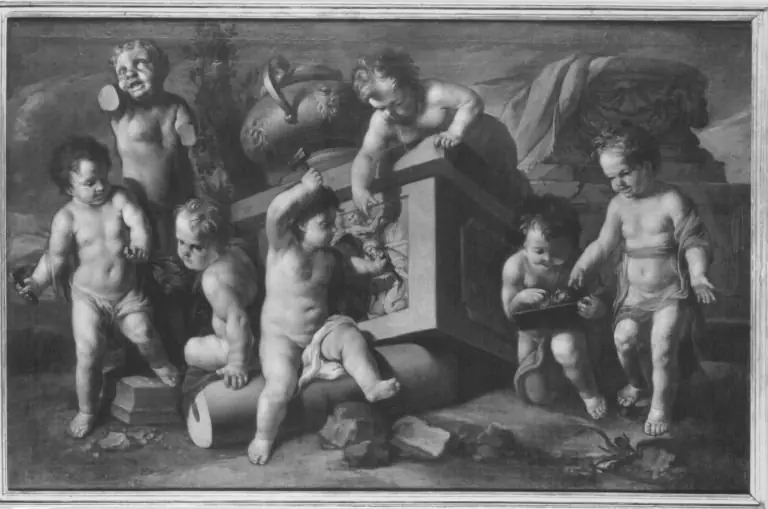 Allegorische Darstellung
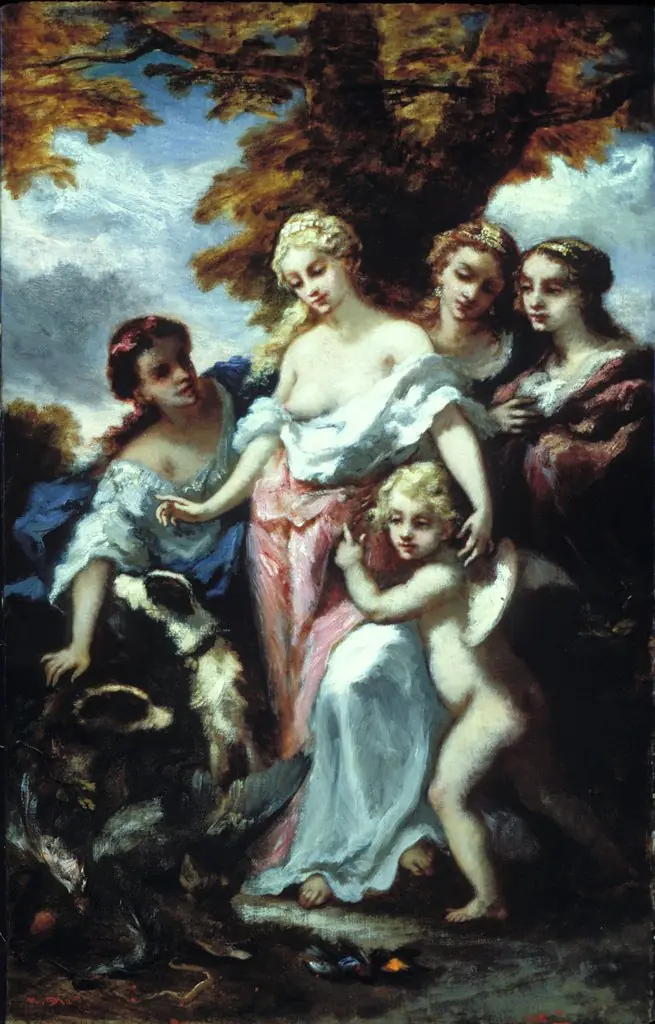 Diana After the Hunt
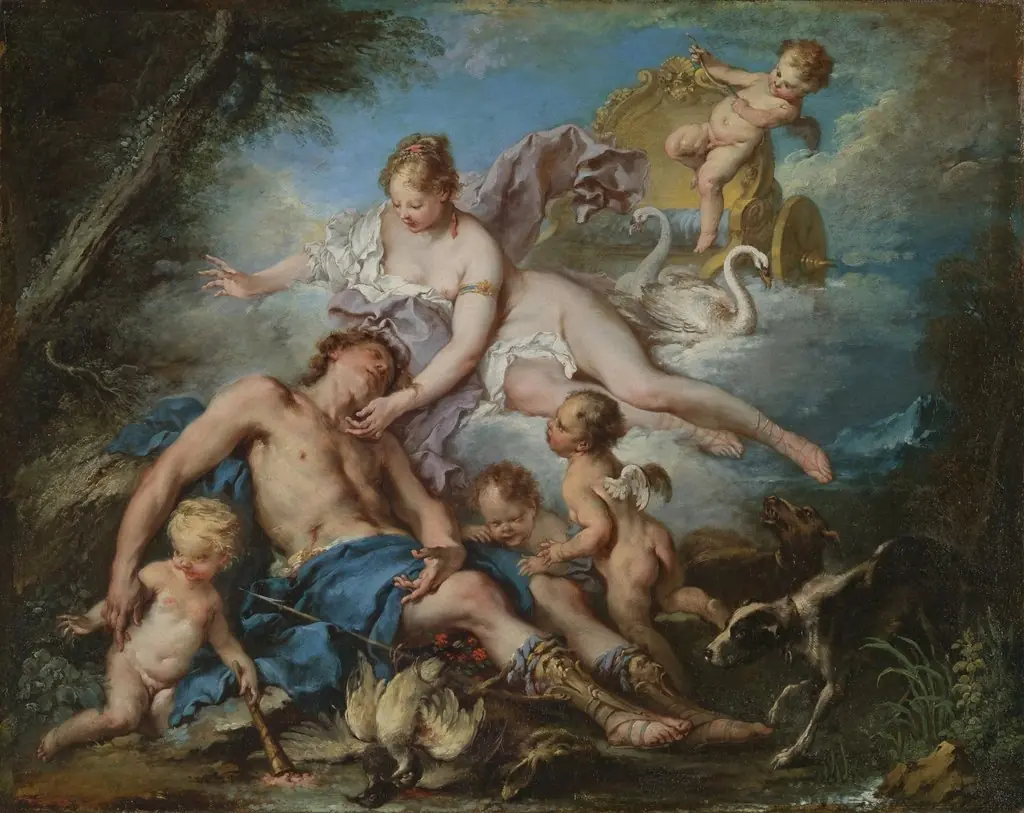 La mort d'Adonis
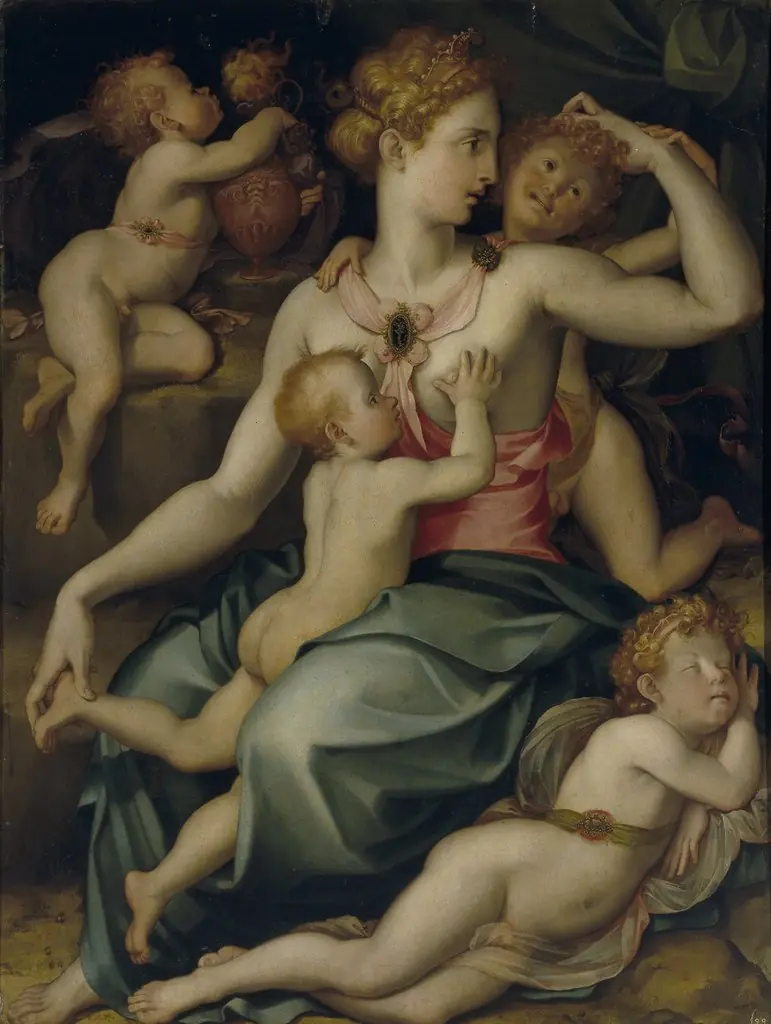 Charity
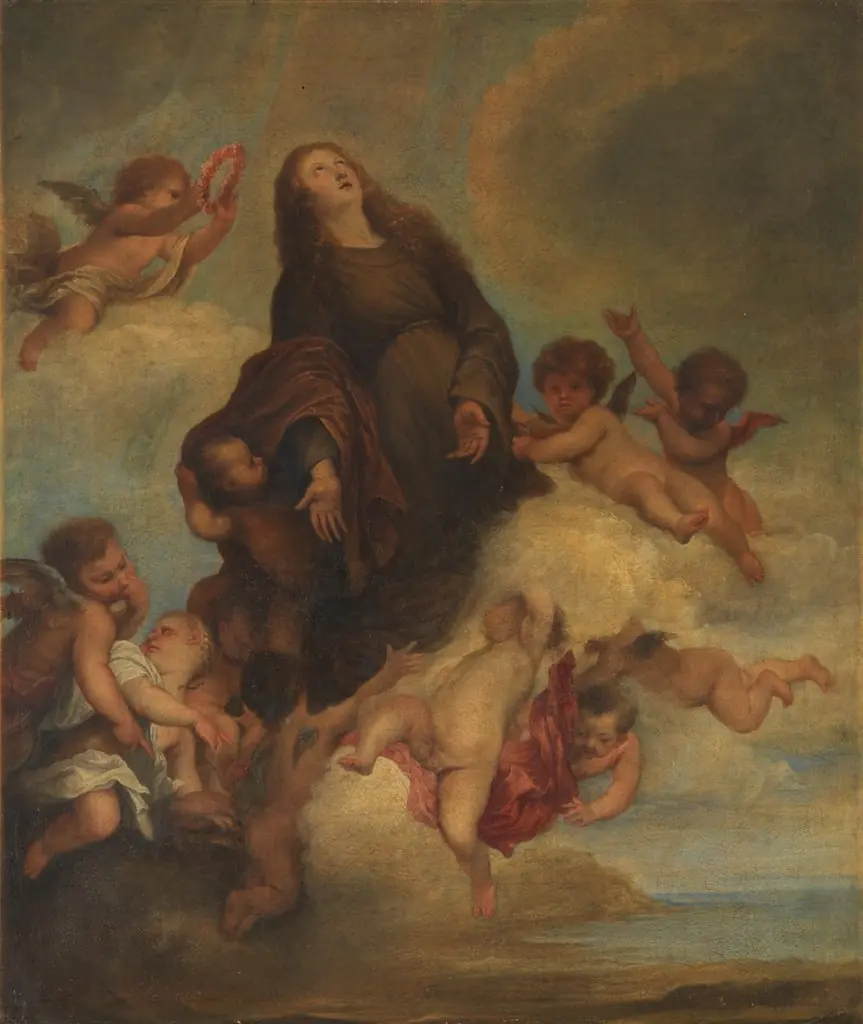 Santa Rosalía de Palermo
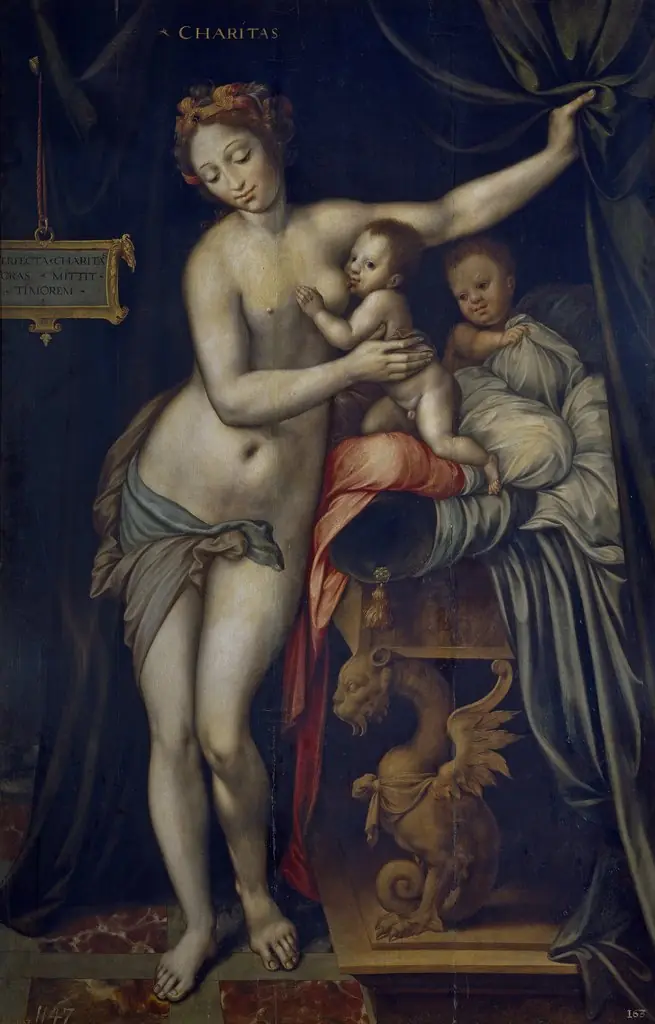 Charity
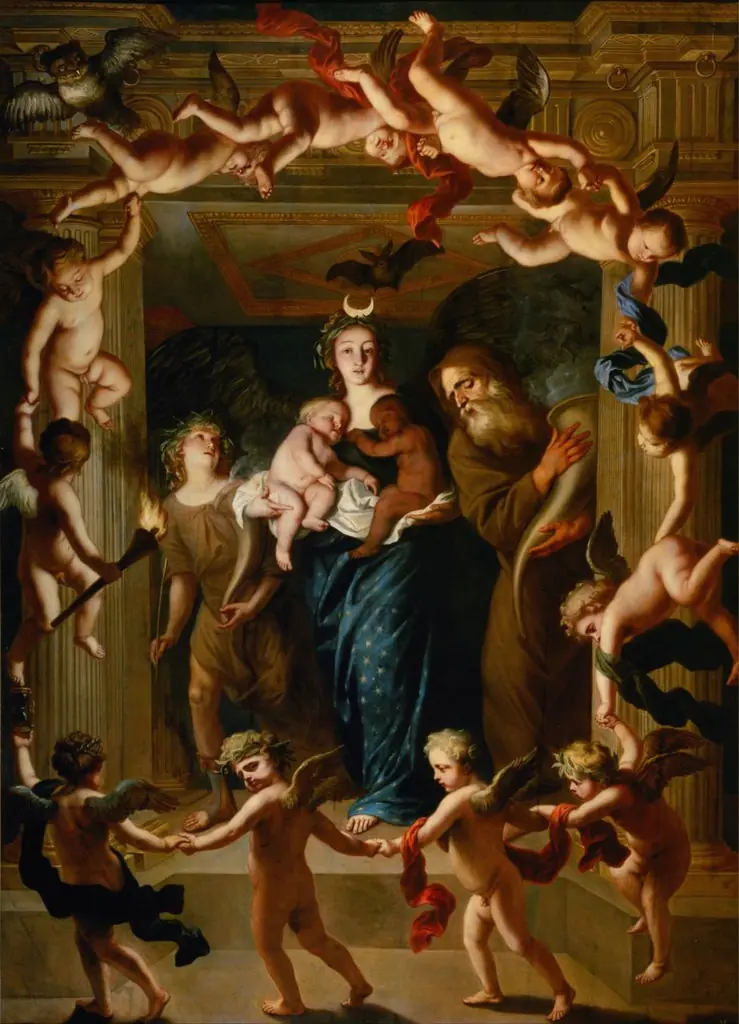 Diana, allegory of the night. Pendent to Apollo, allegory of the day.
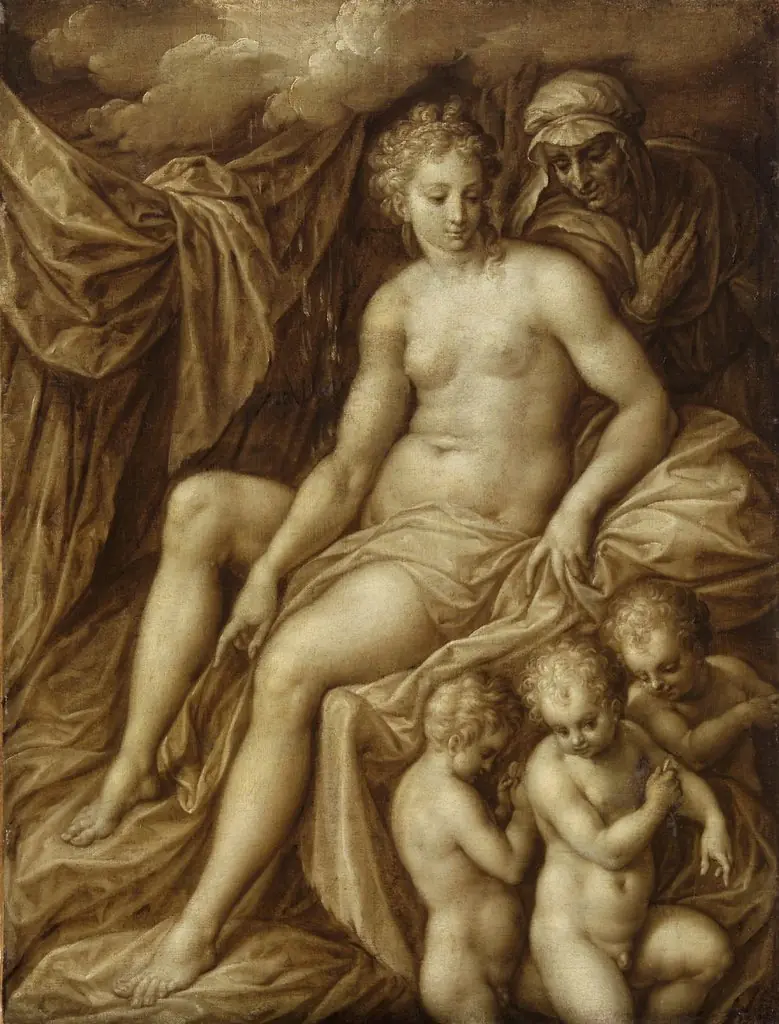 Danae
Danae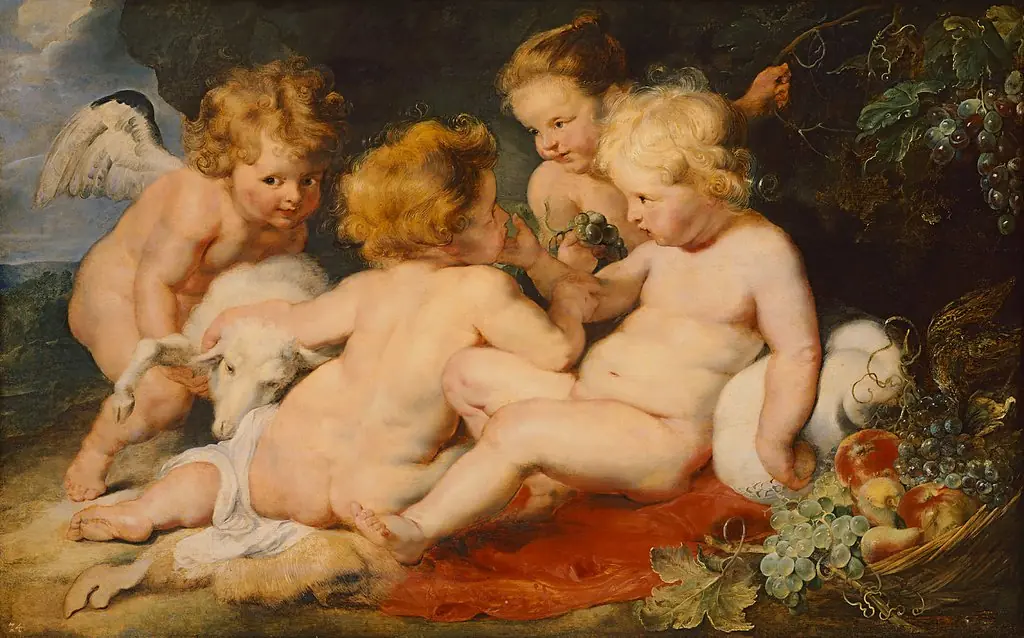 Christ and John the Baptist as children and two angels
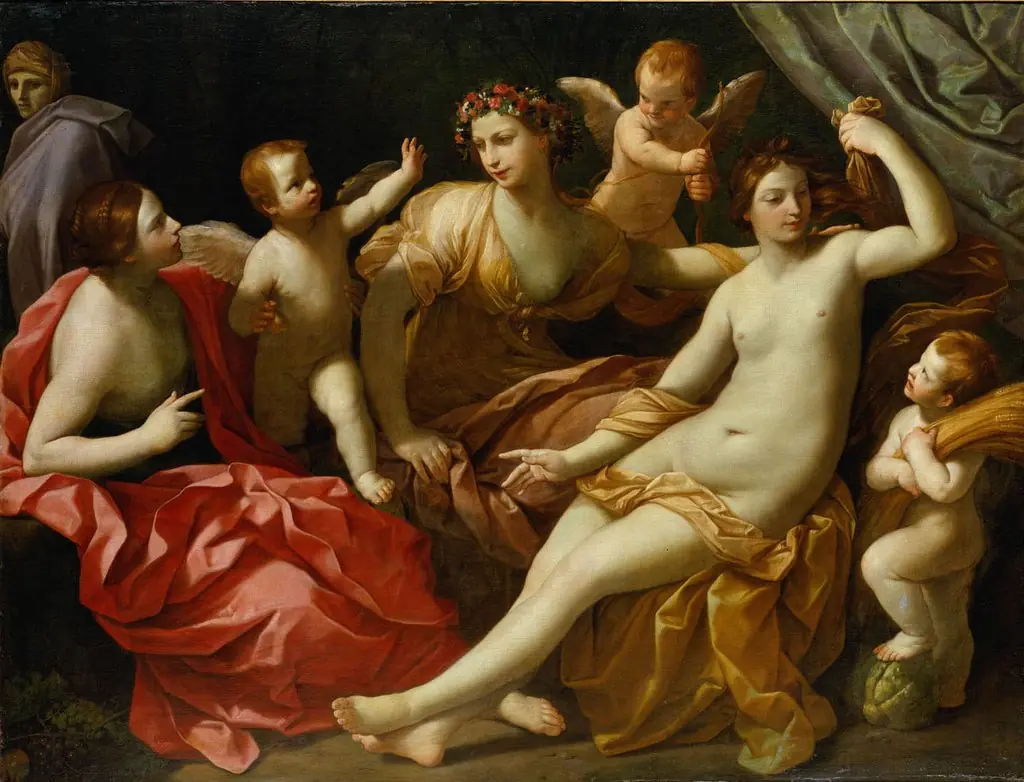 The Four Seasons
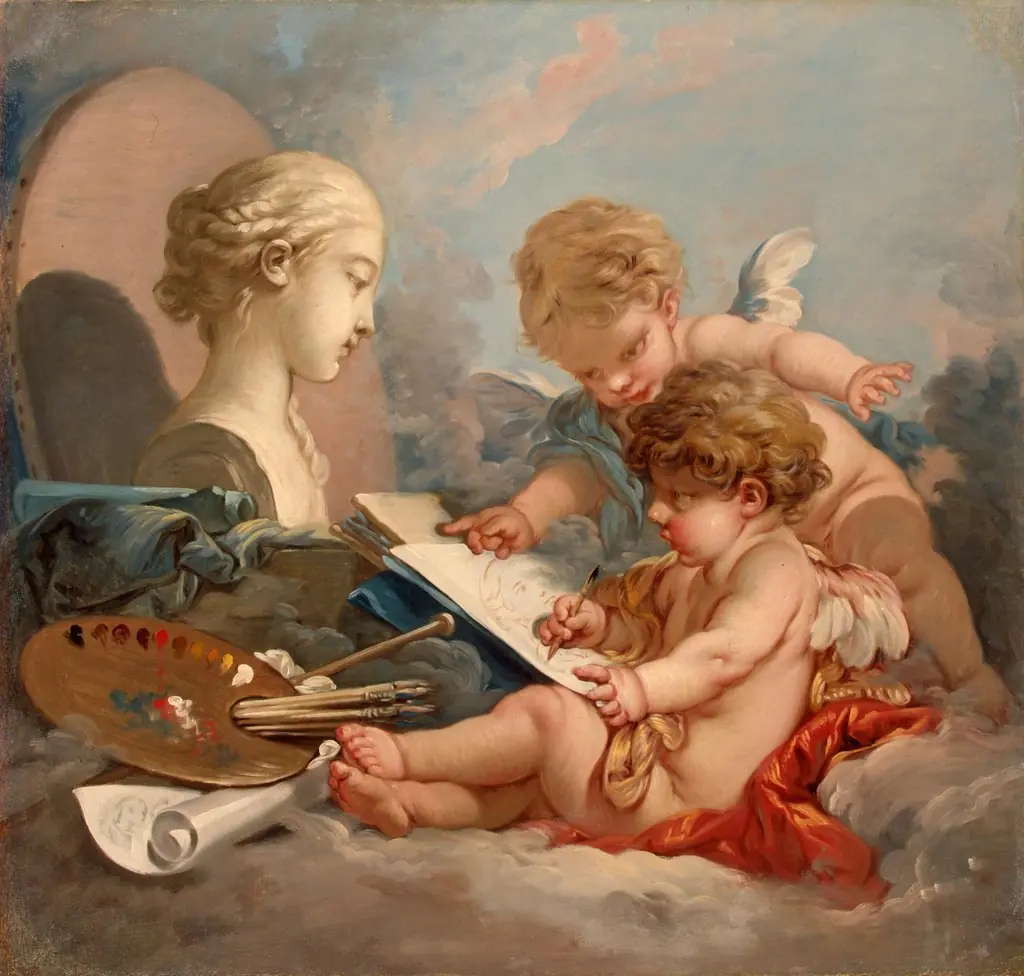 Cupids. Allegory of Painting
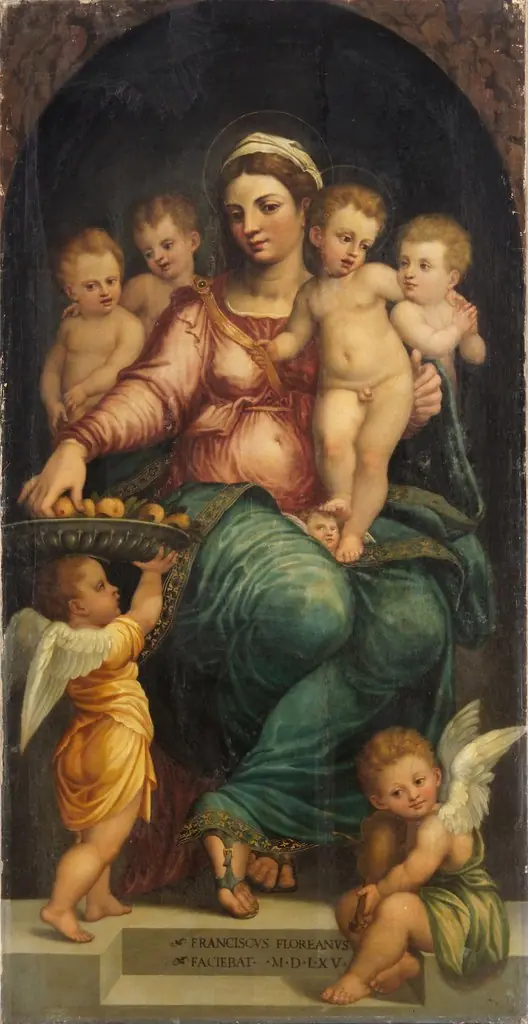 Madonna mit Kind, von Engeln umgeben
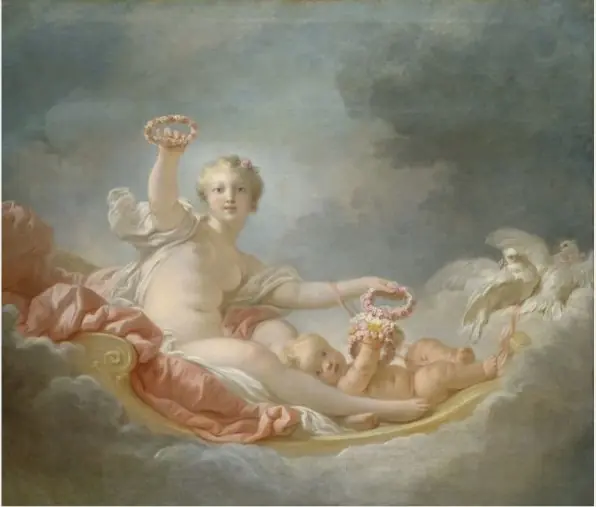 Venus and Cupid (Day)
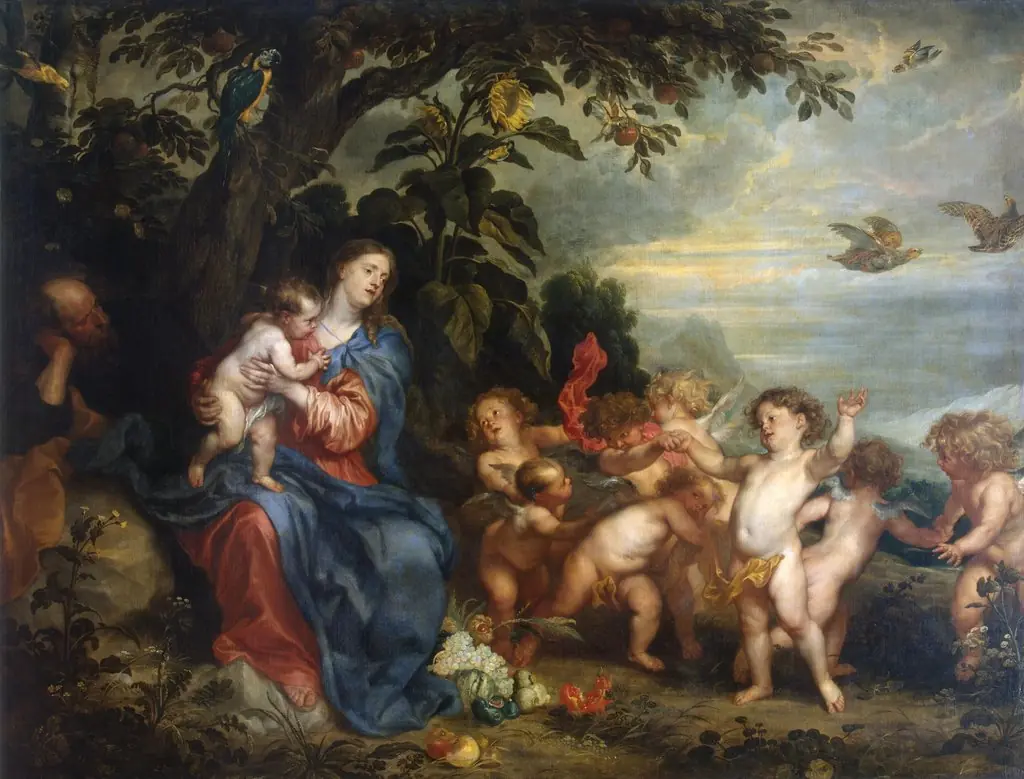 Madonna with Partridges
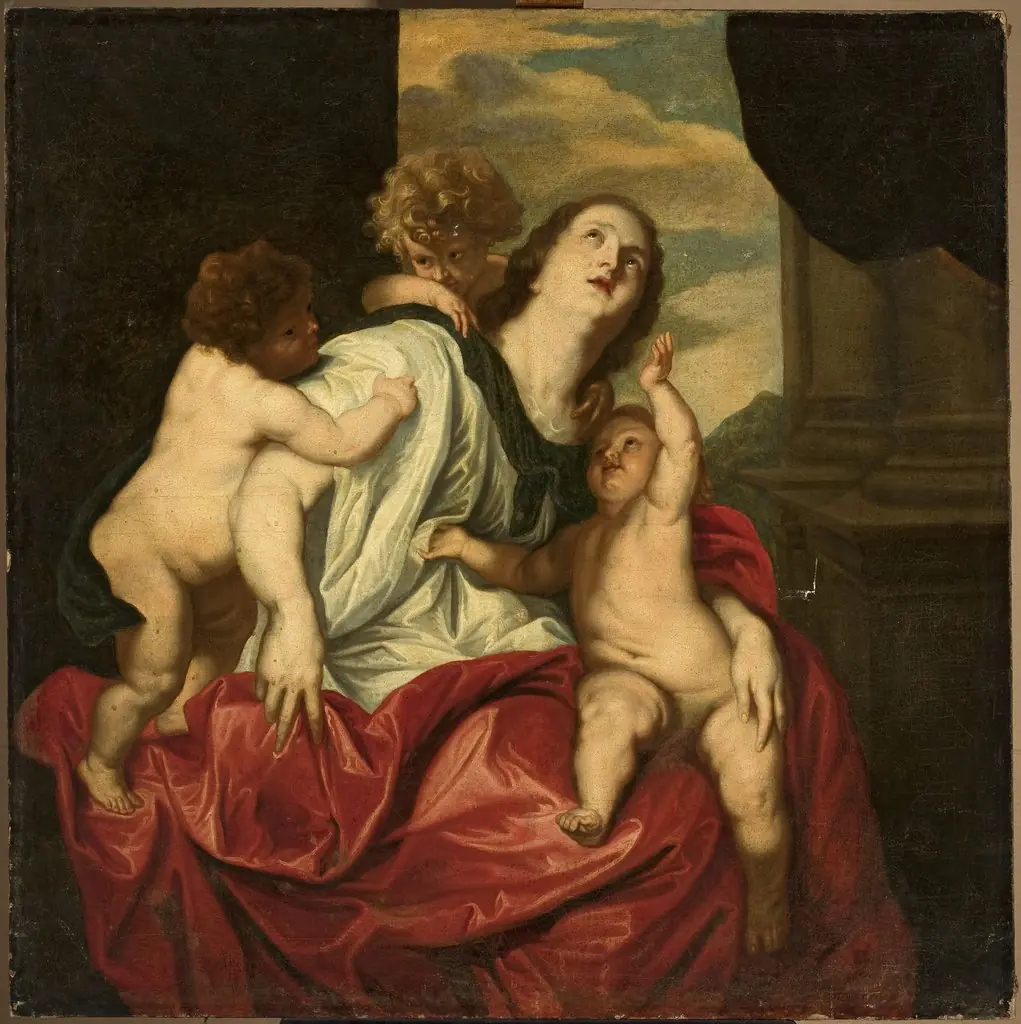 Charity
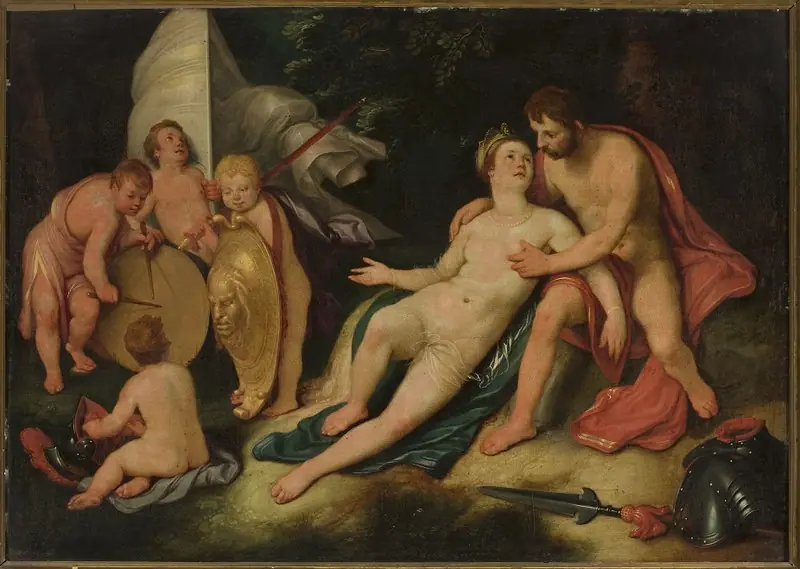 Mars and Venus
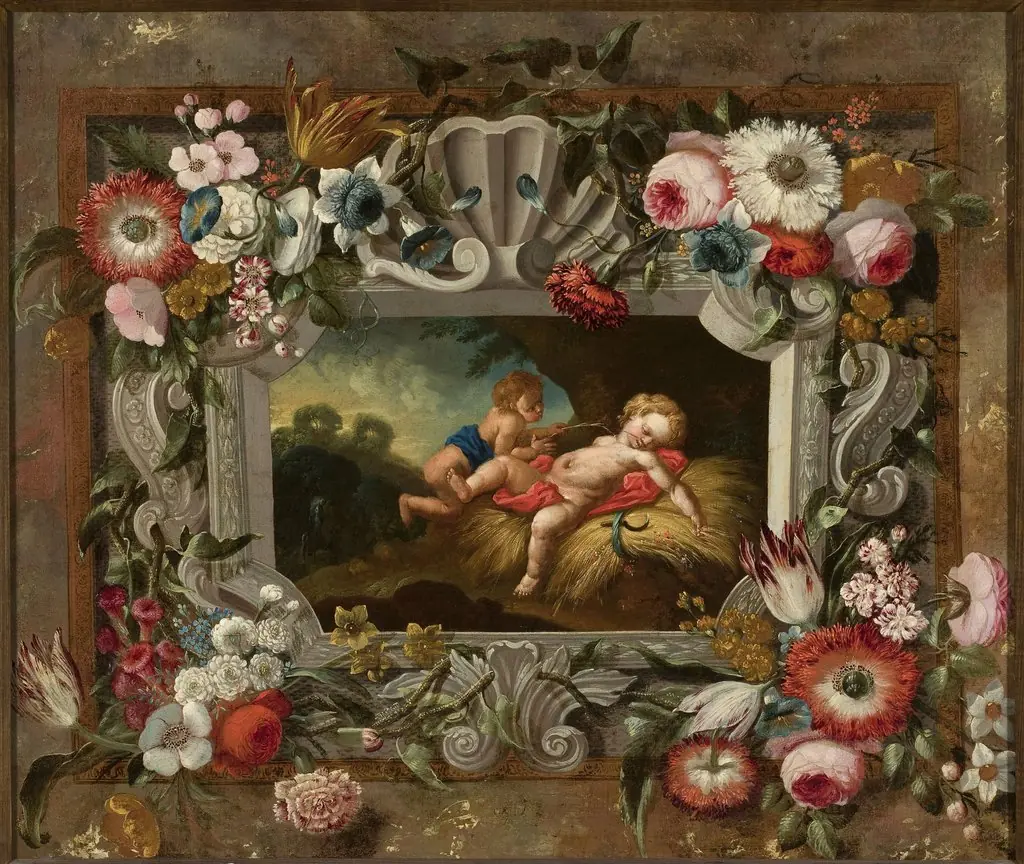 Allegory of summer in a circle of flowers
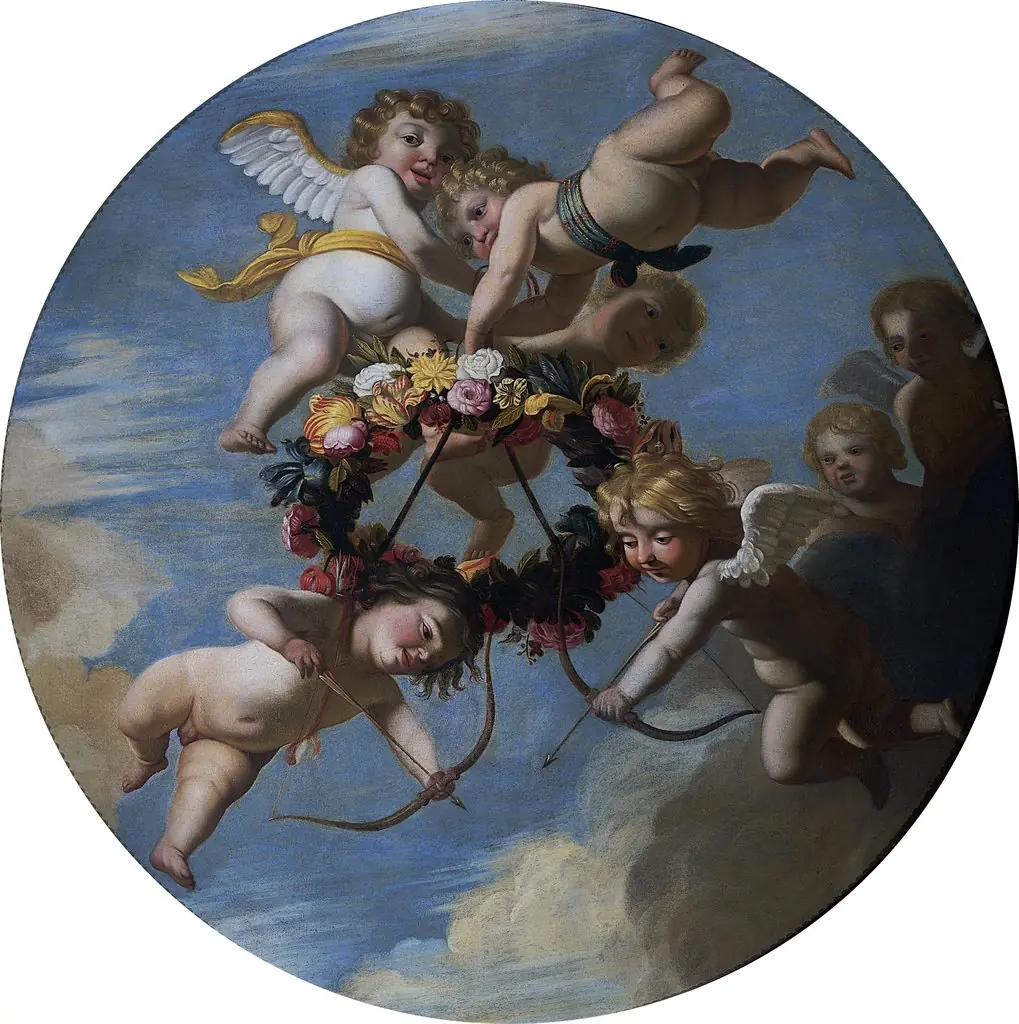 Putti with a wreath of flowers
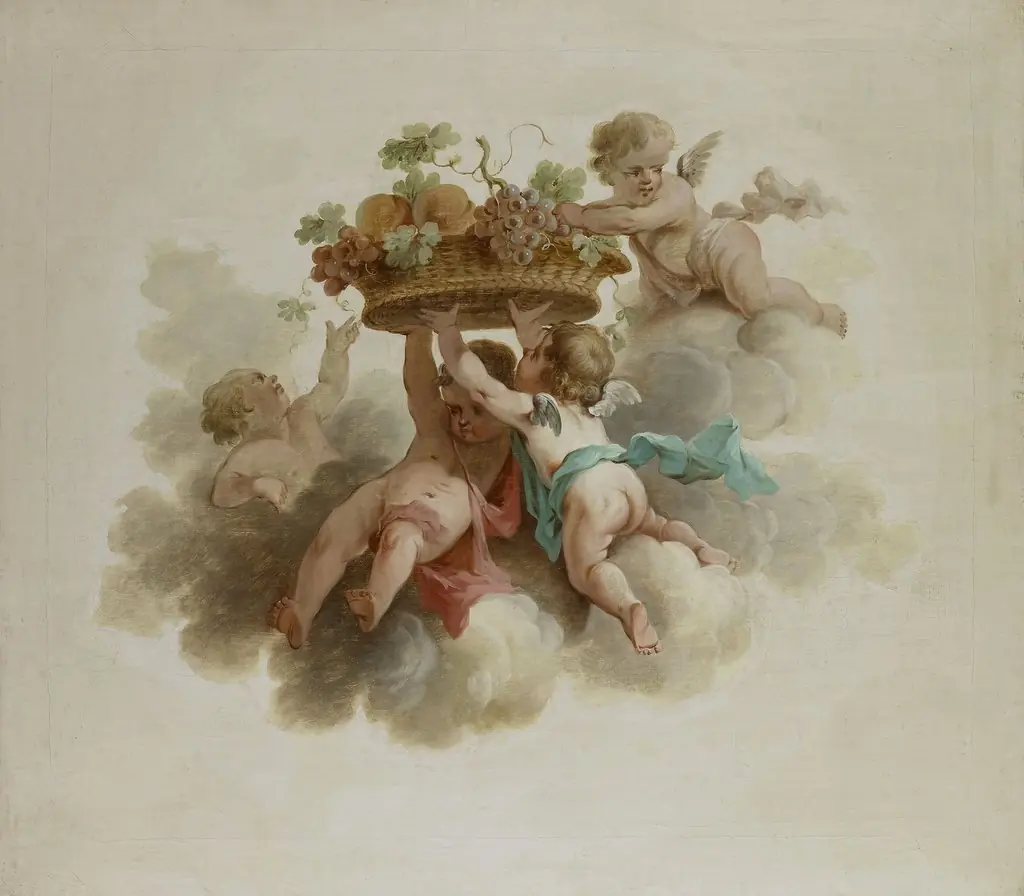 Four Putti Carrying a Fruit Basket
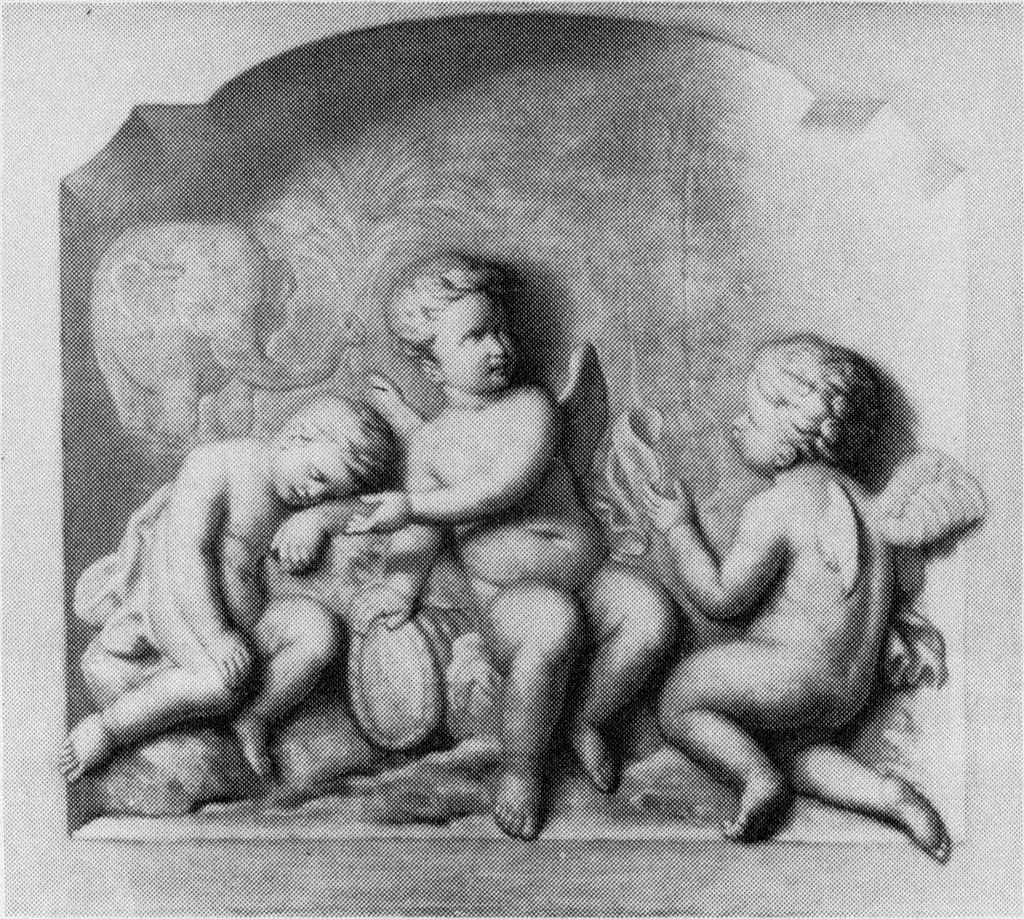 Decoratiestuk met drie putti
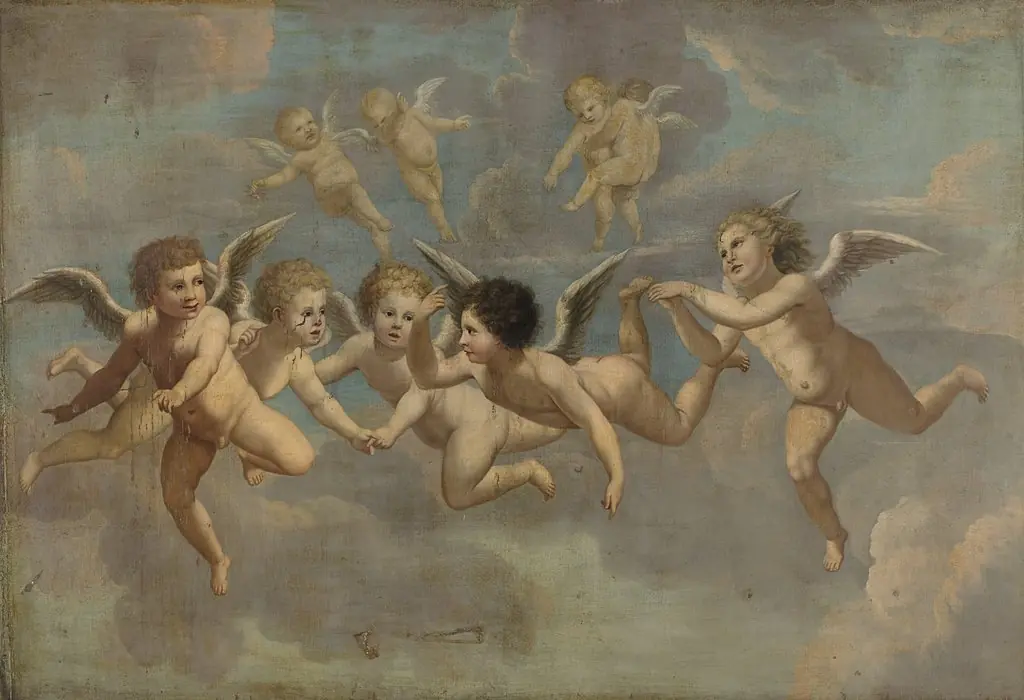 Wijzende putti
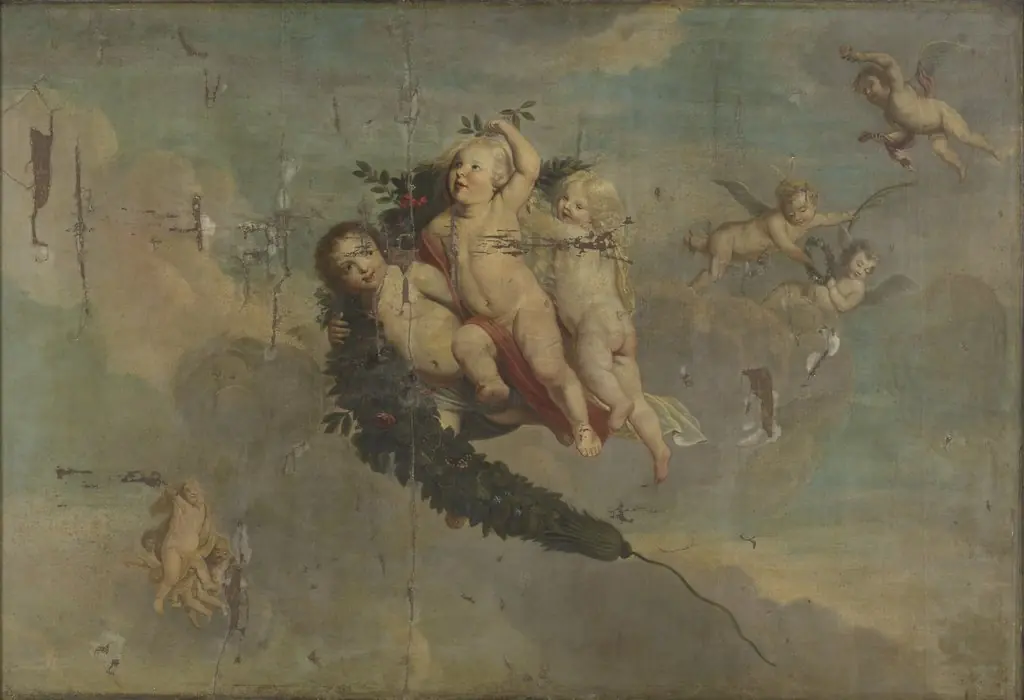 Putti with a Festoon
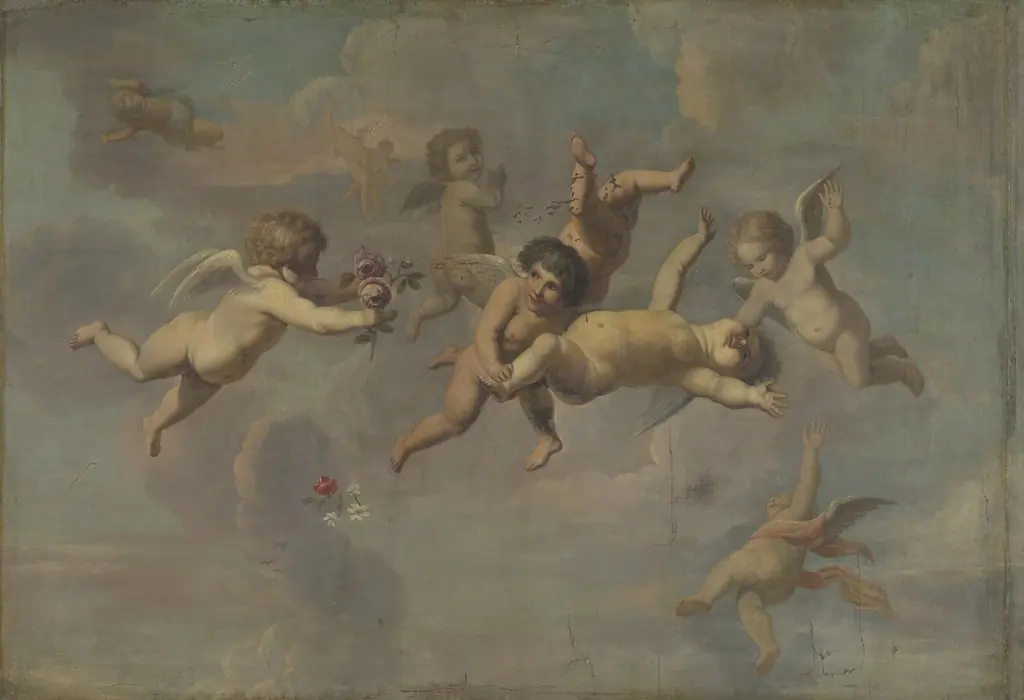 Tumbling Putti with Flowers
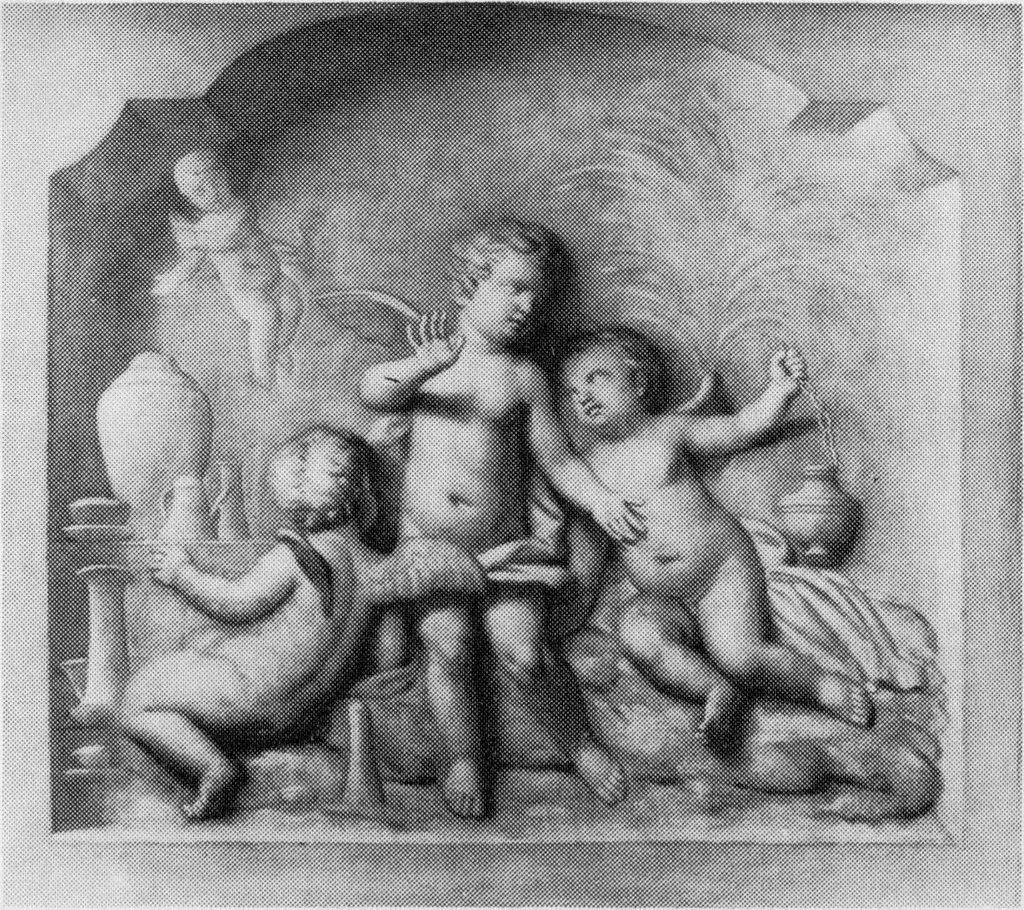 Decoratiestukken met drie putti
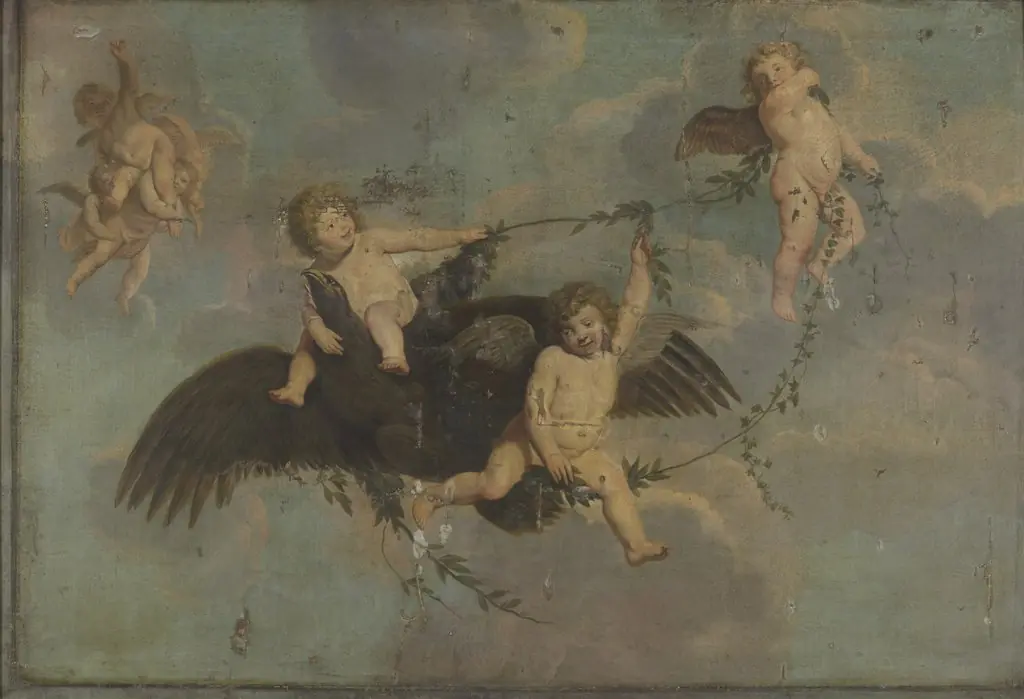 Putti with an Eagle on Clouds
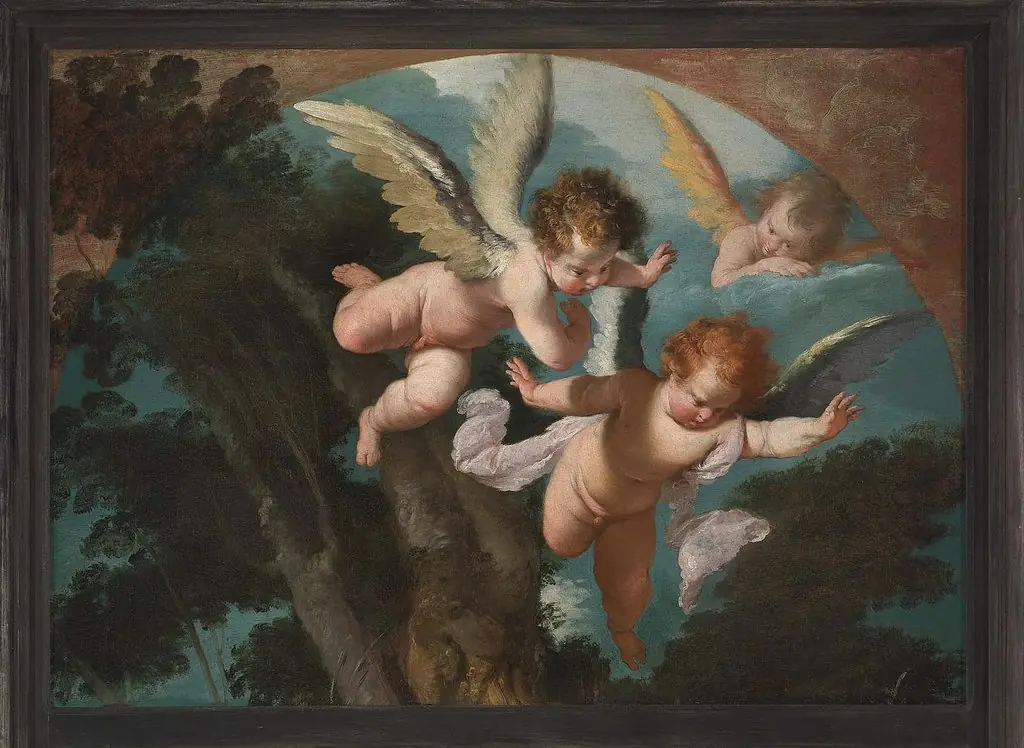 Three Angels
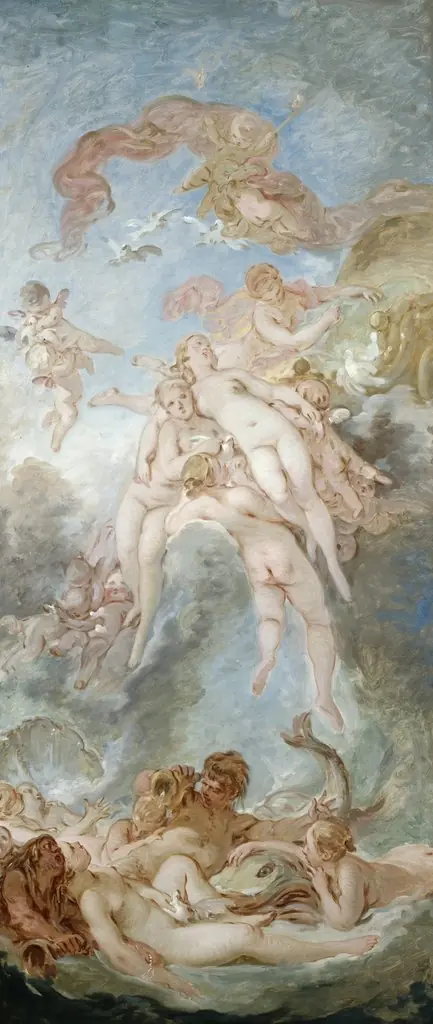 The Birth of Venus
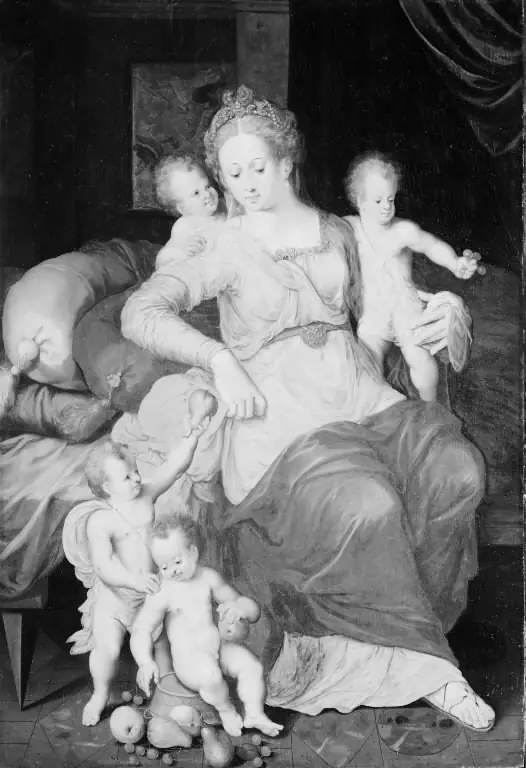 Mother with her Children
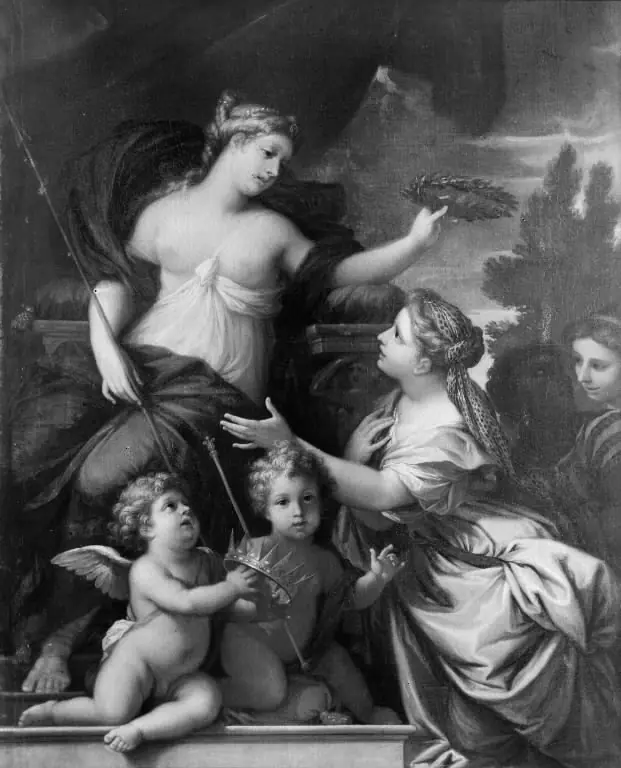 Queen Christina Crowned with Laurels by Wisdom
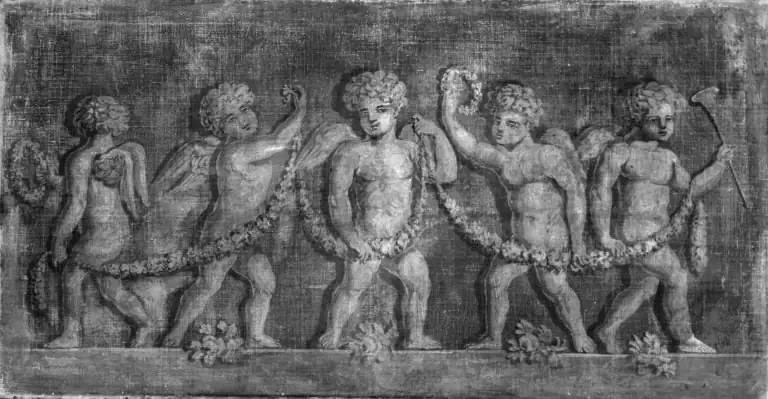 Fem genier med guirlander
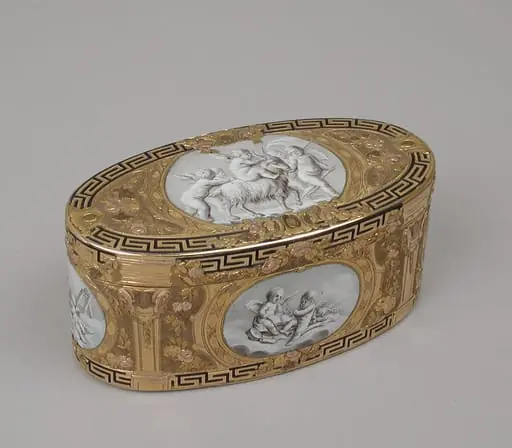 Snuffbox
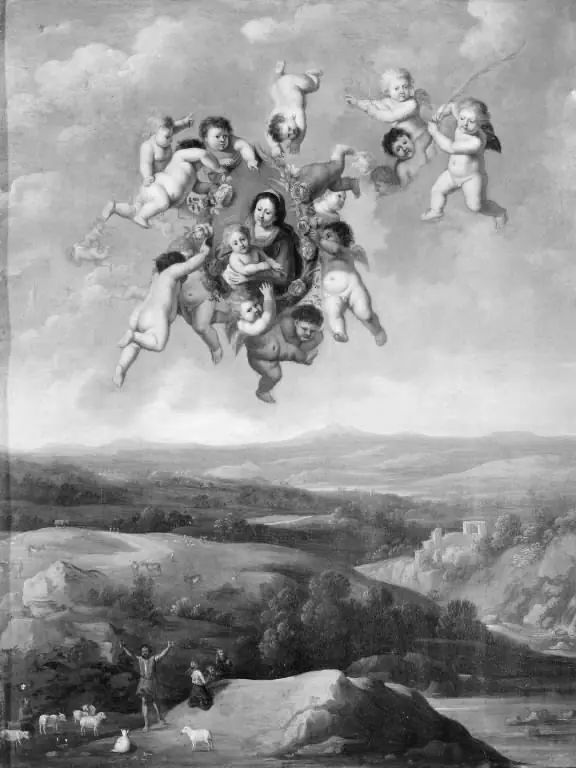 Floating Angels with Image of the Virgin
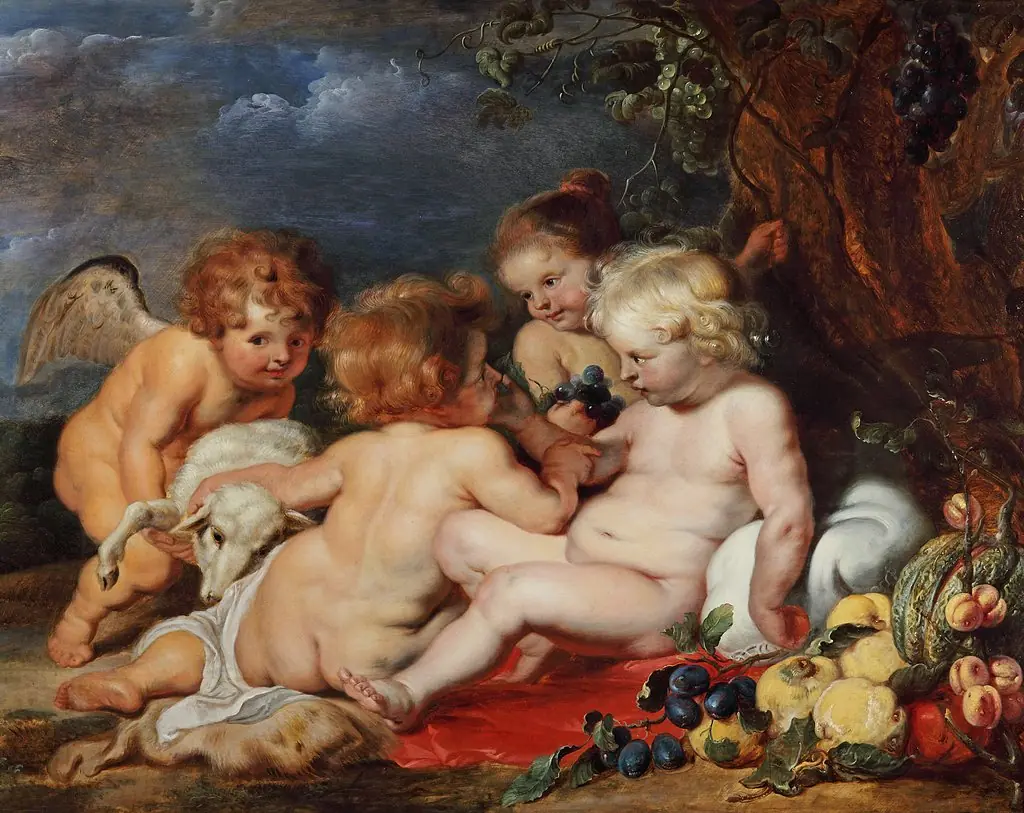 Christ with Young St. John and Angels
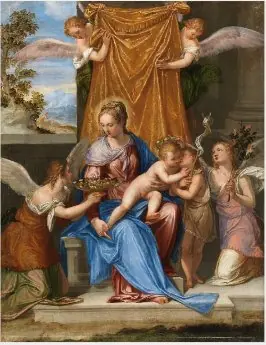 The Virgin and Child with Saint John the Baptist and Angels
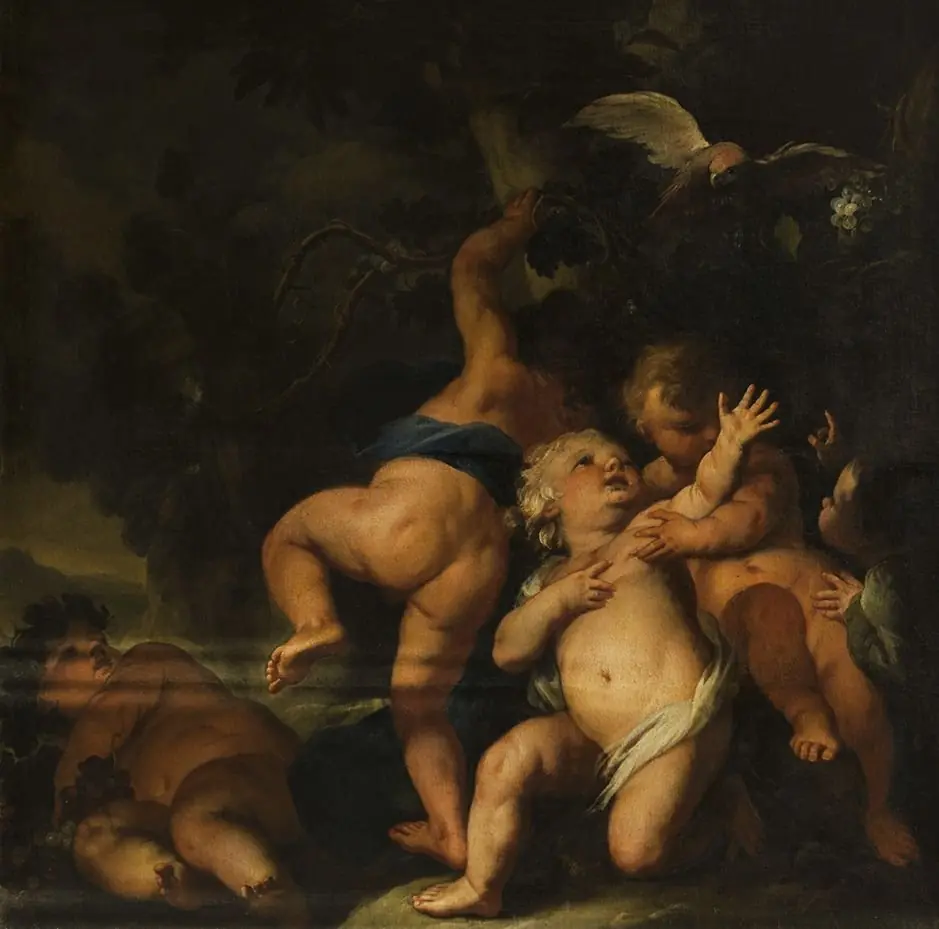 Fünf spielende Kinder mit Weinlaub und Papagei
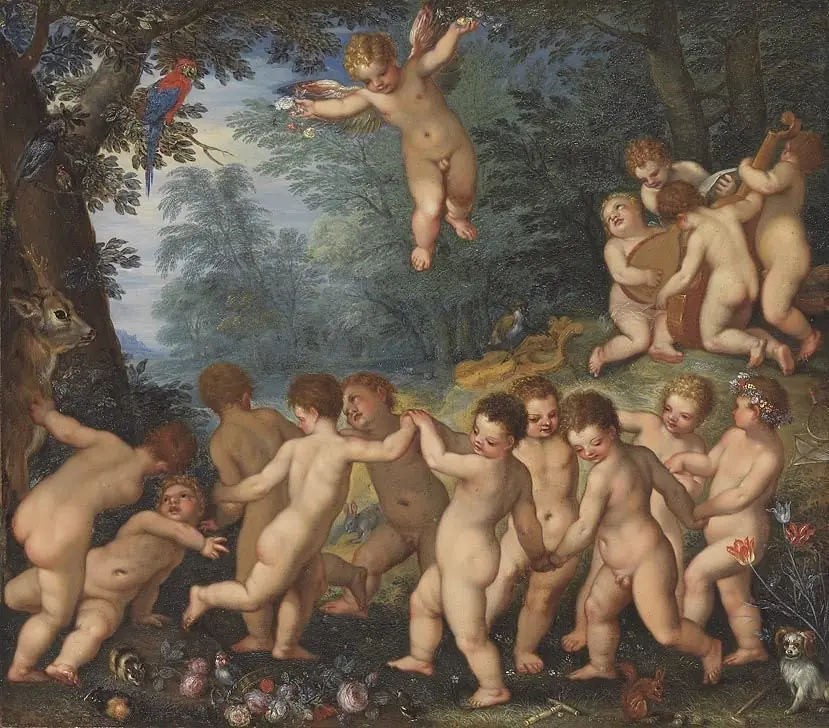 Ring of Children
 Der Herbst
 Blumen, Früchte und Kinder am Boden eines Gartens
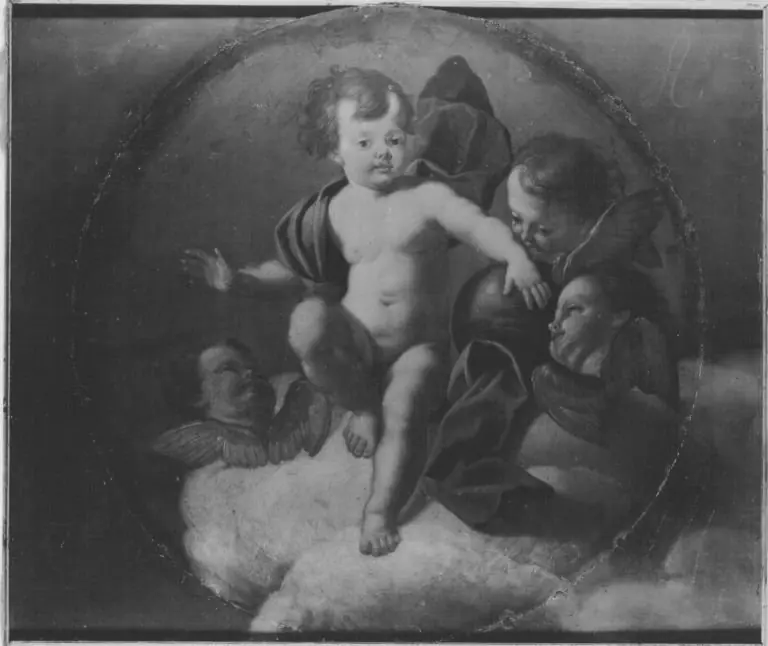 Das Kind Jesu
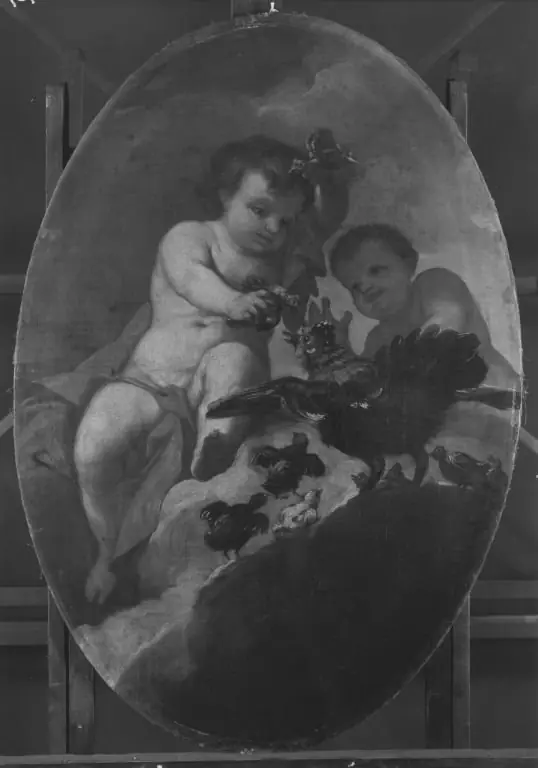 Zwei Genien mit Bruthenne
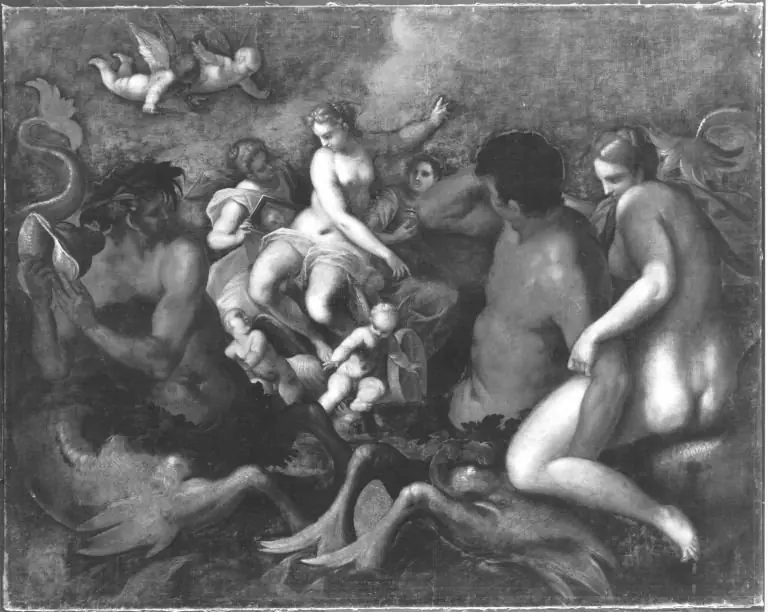 Thetis auf dem Meere
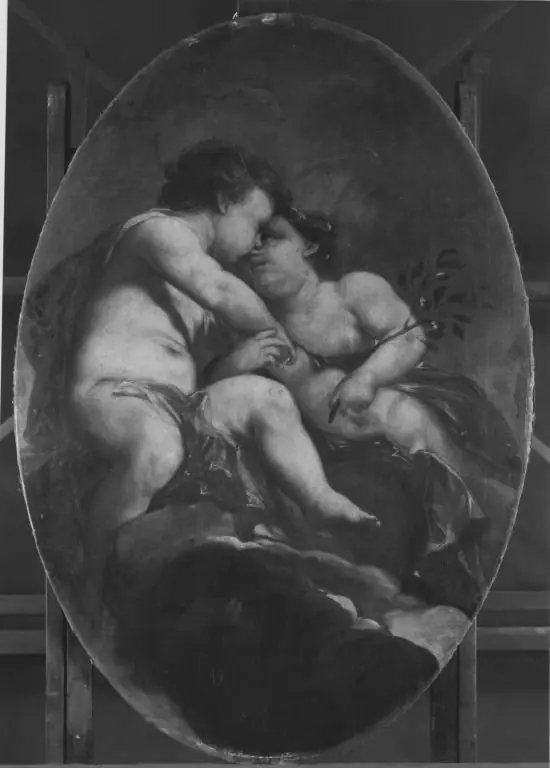 Zwei Genien auf Säulenschaft
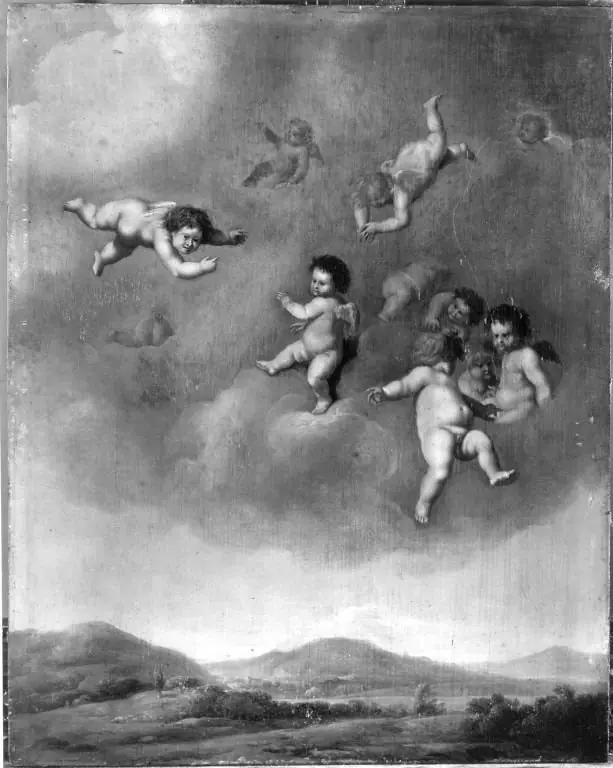 Putten am Himmel
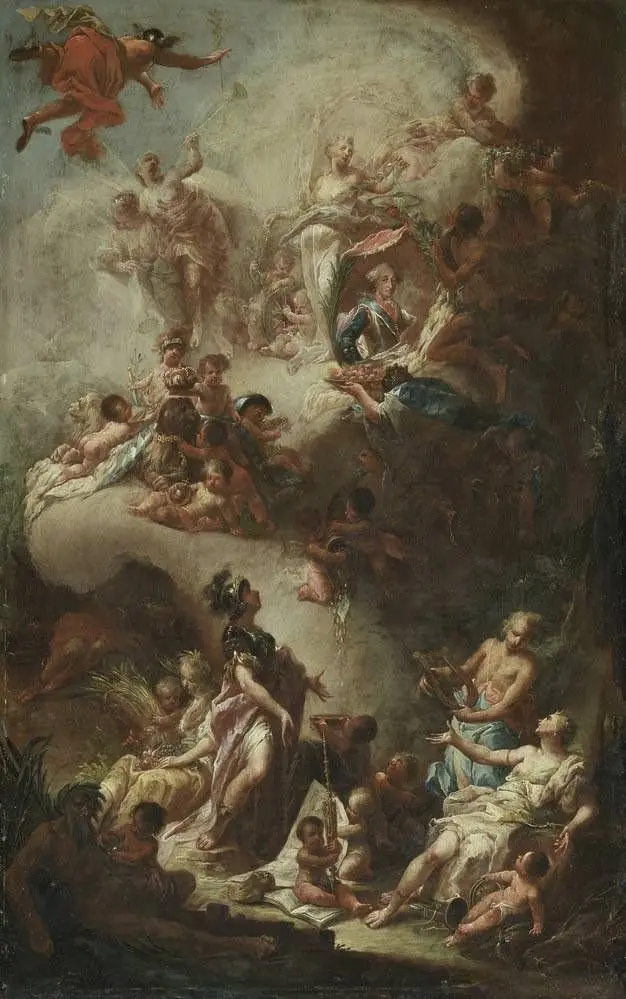 Apotheose des Kurfürsten Maximilian III. Joseph von Bayern
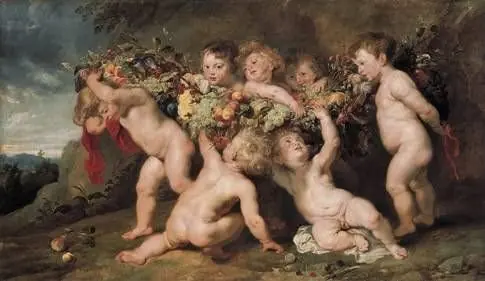 The Fruit Garland
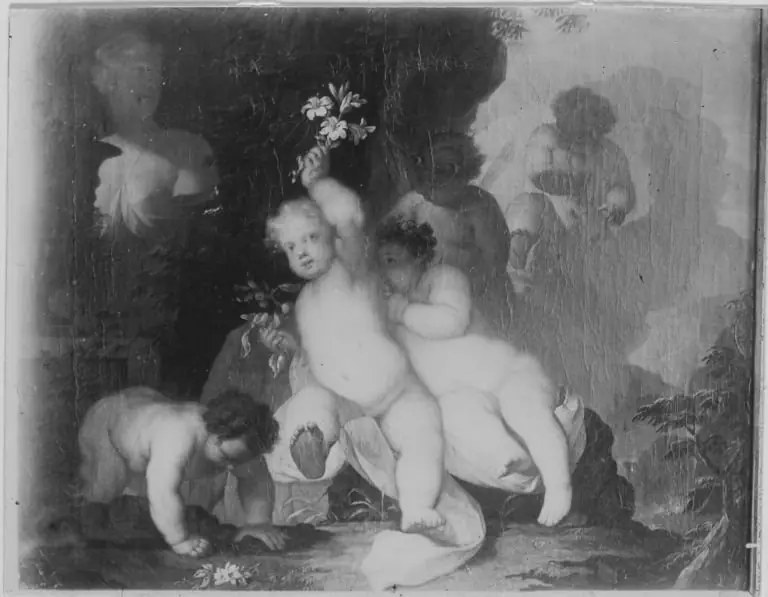 Der Frühling
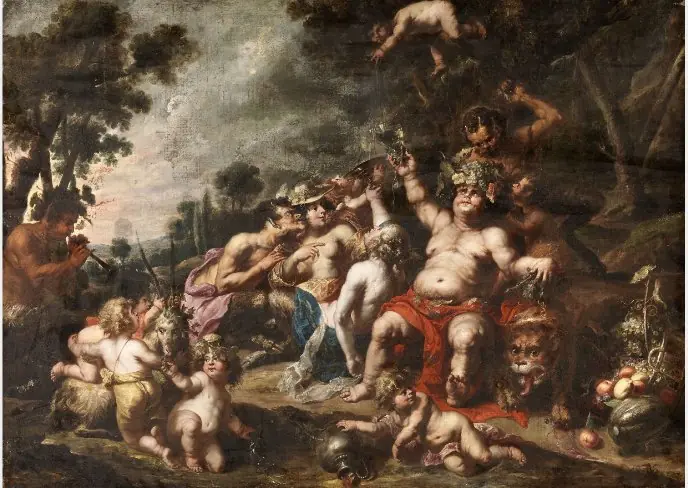 Bacchanal
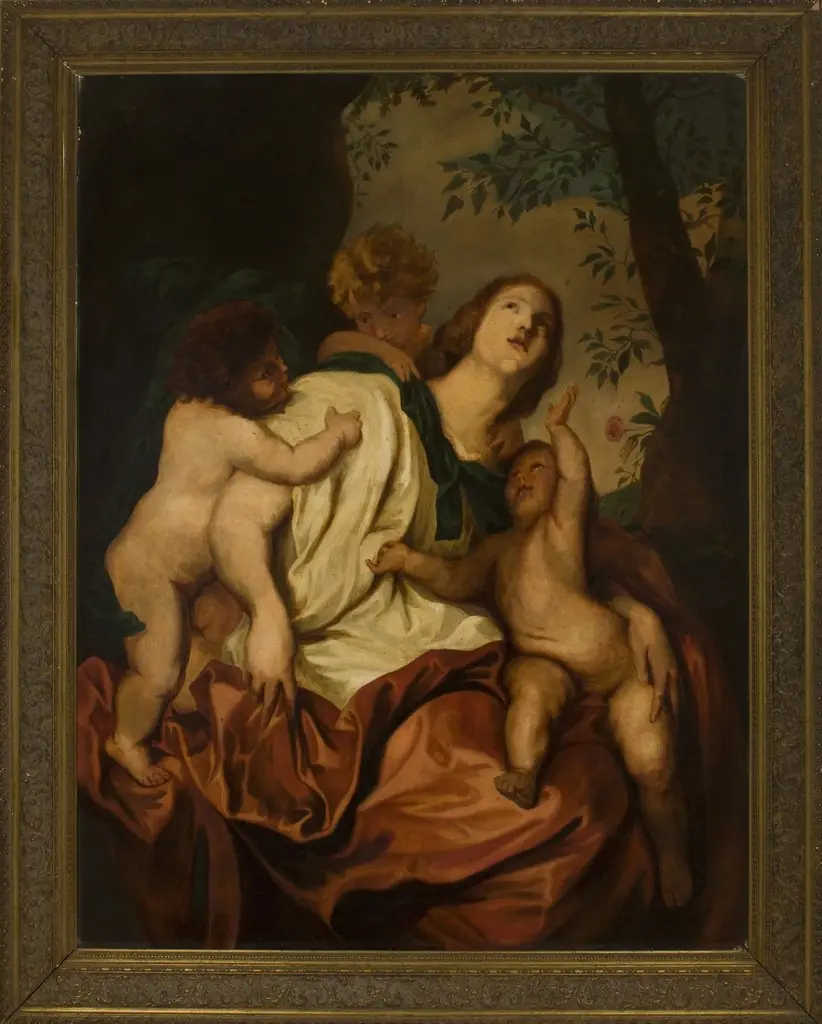 Allegory of Caritas – Copy
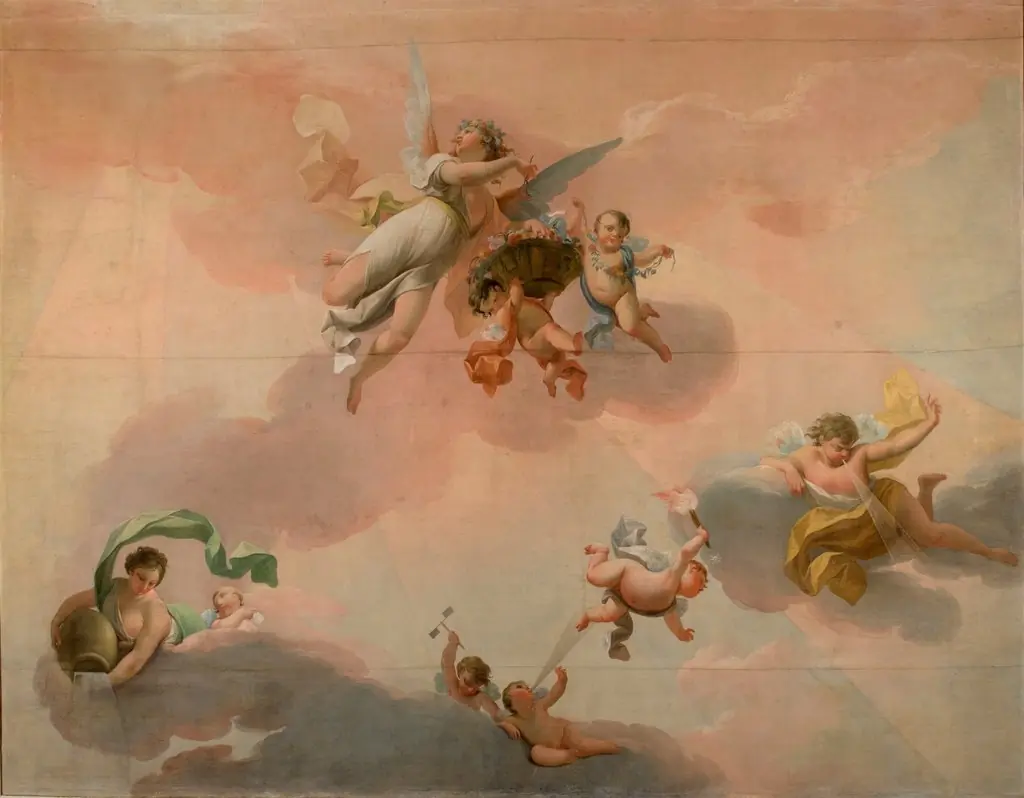 Alegoría de la Aurora
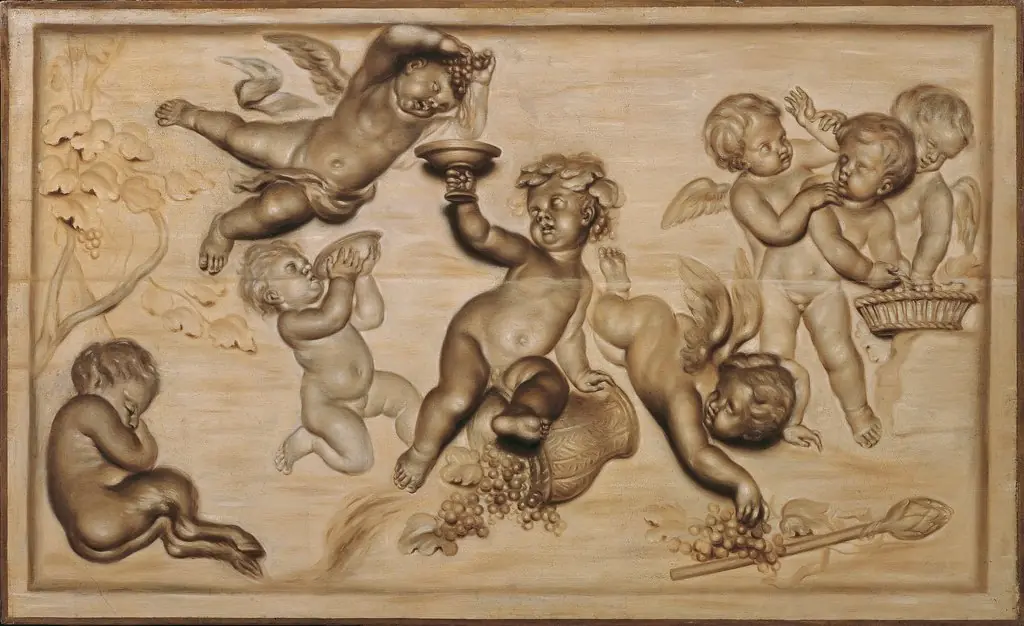 Children's Bacchanal
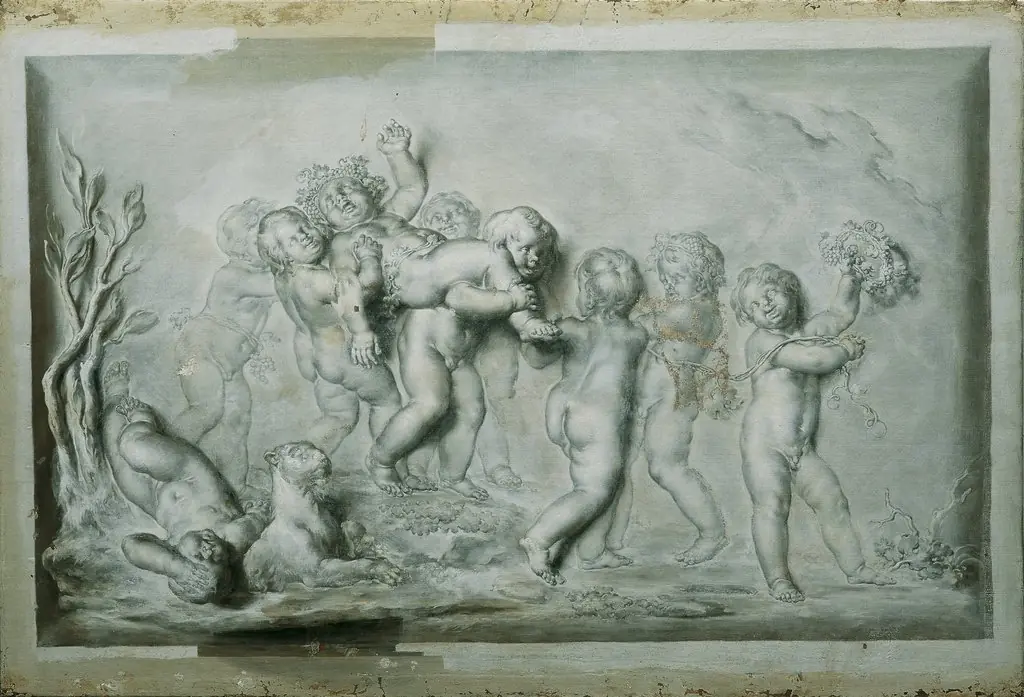 Kinderbacchanal
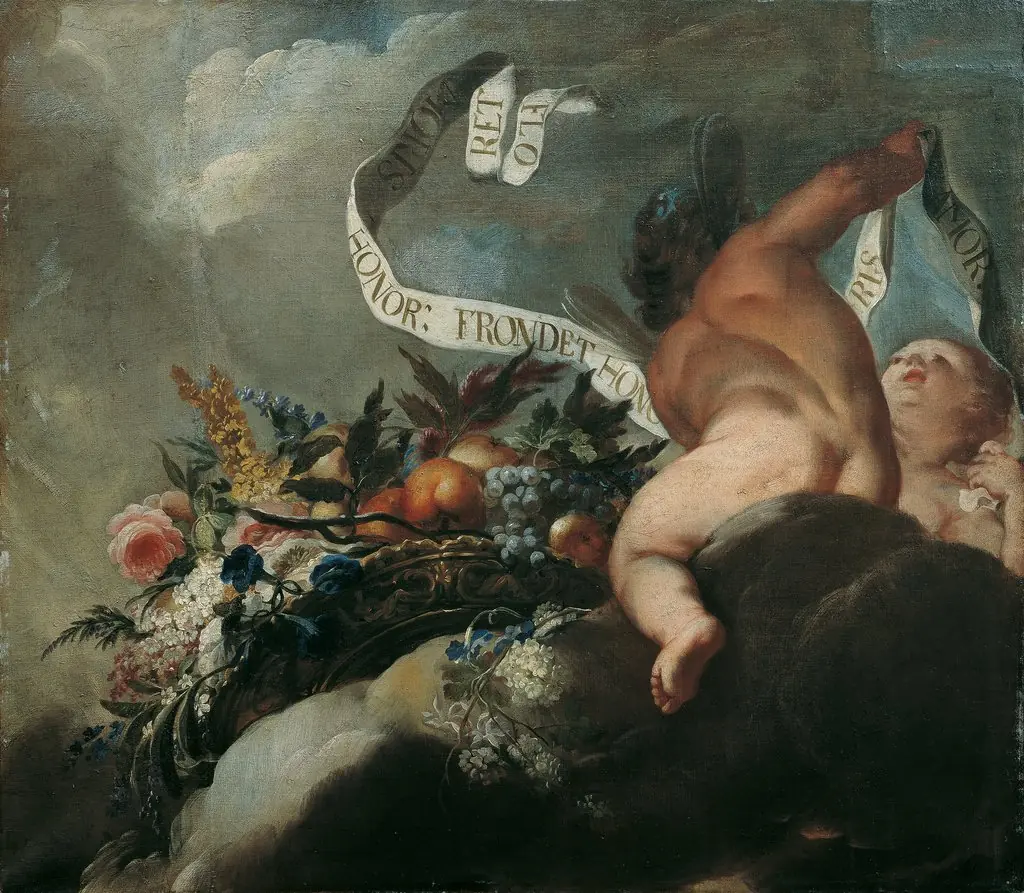 Zwei Putti mit Blumen, Früchten und Spruchband
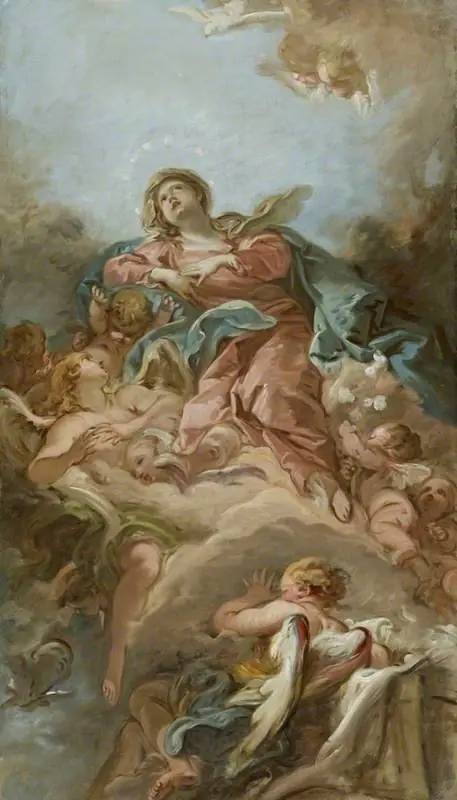 The Assumption of the Virgin
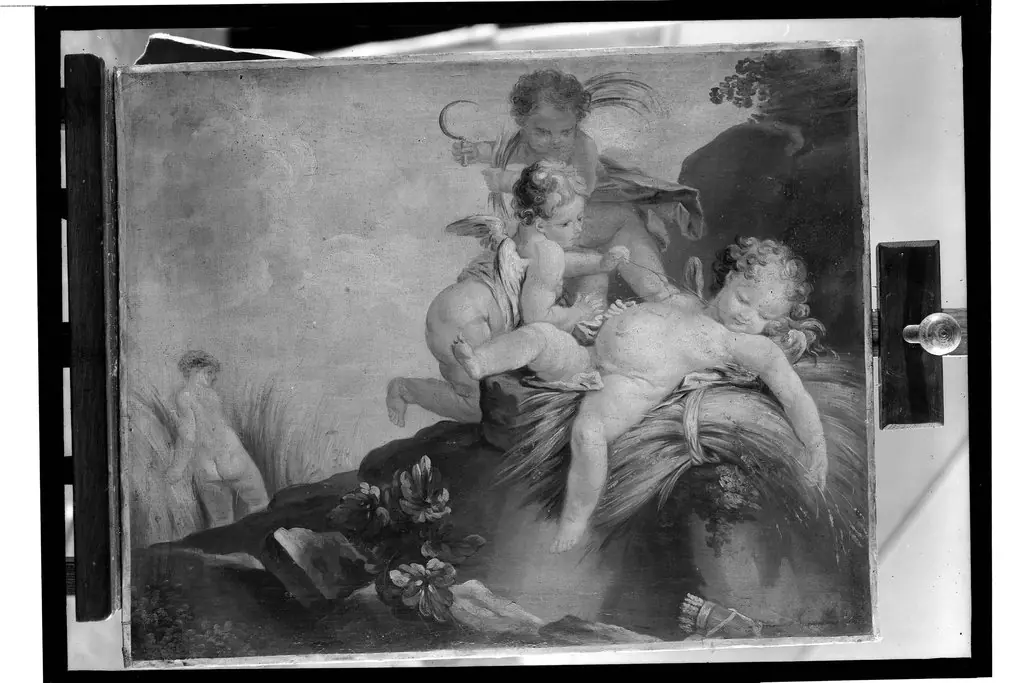 Putta playing in the grain field (L'amour moissonneur)
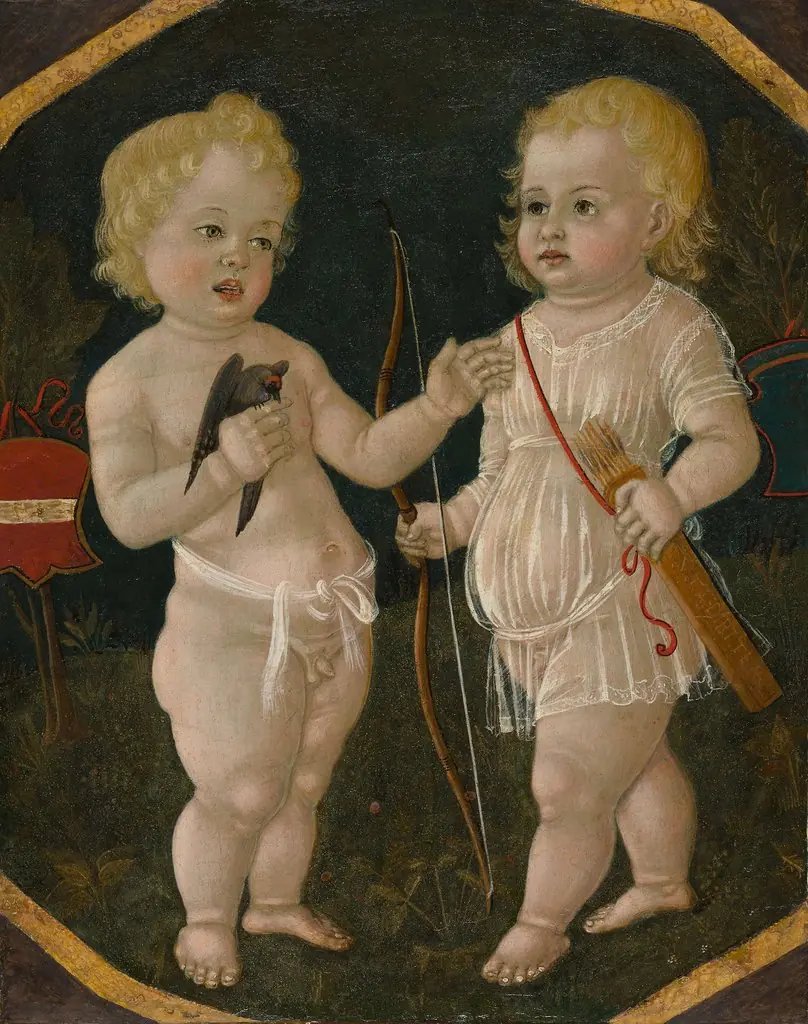 Two Putti
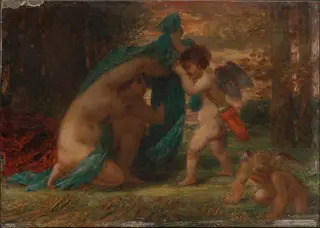 Classical Scene
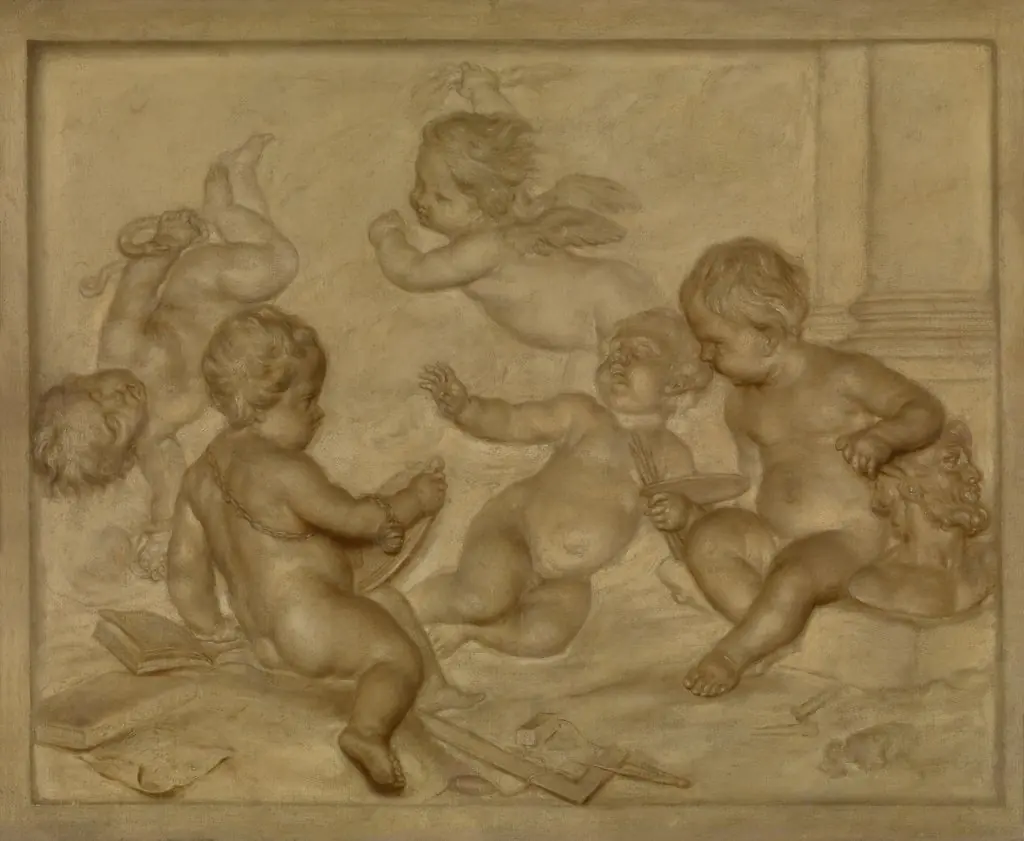 The Fine Arts
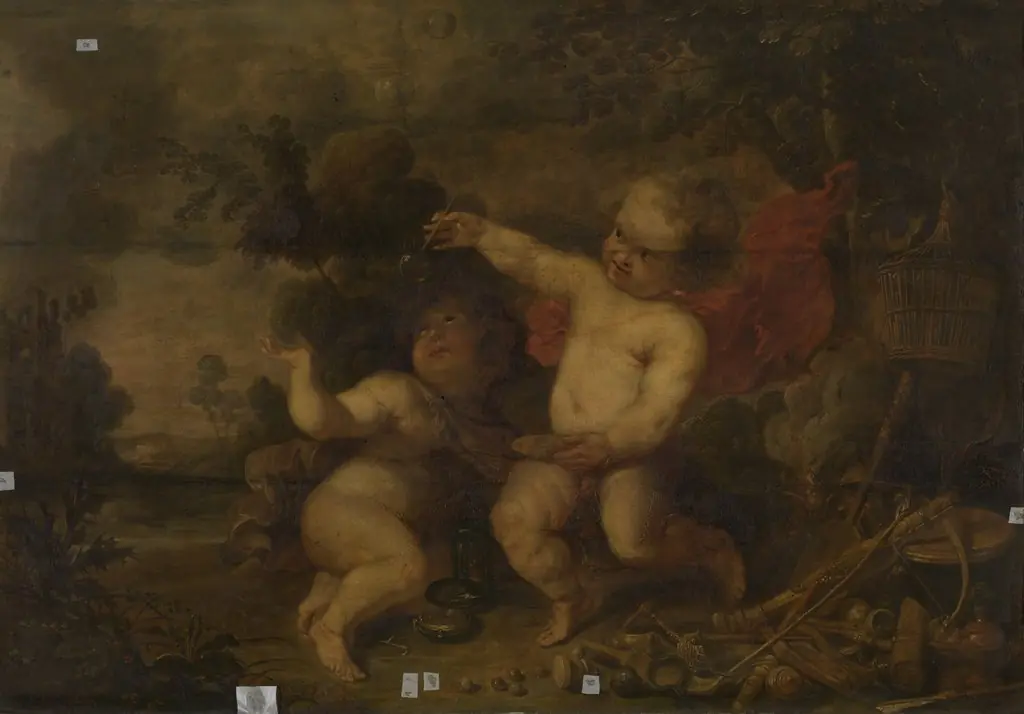 Vanitas
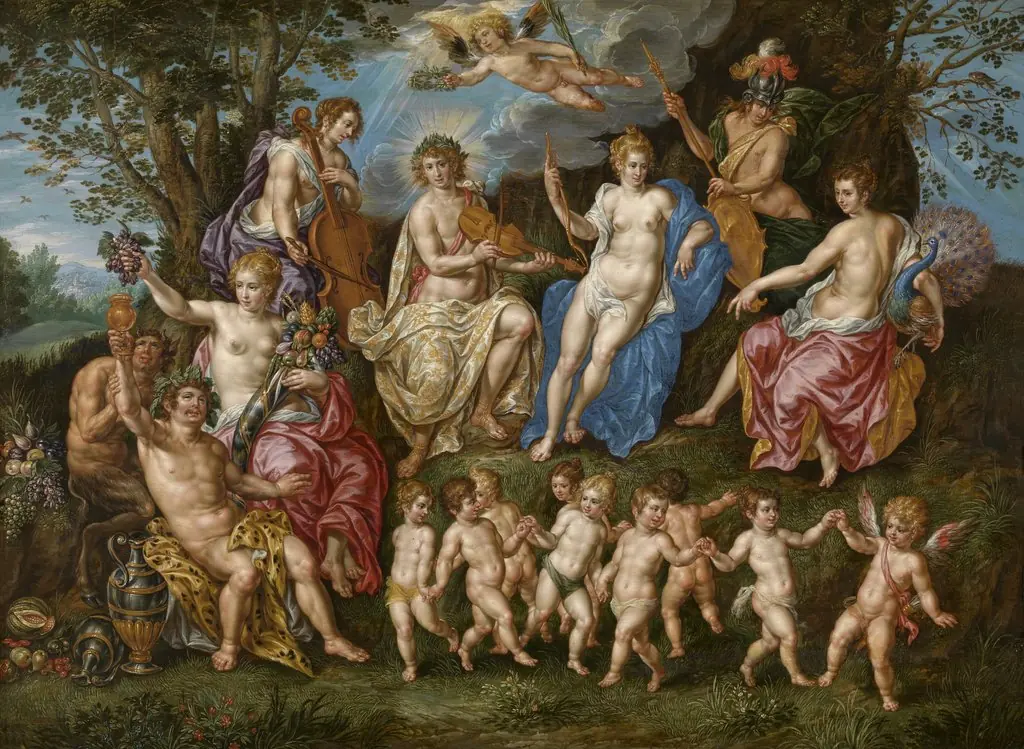 Parnassus
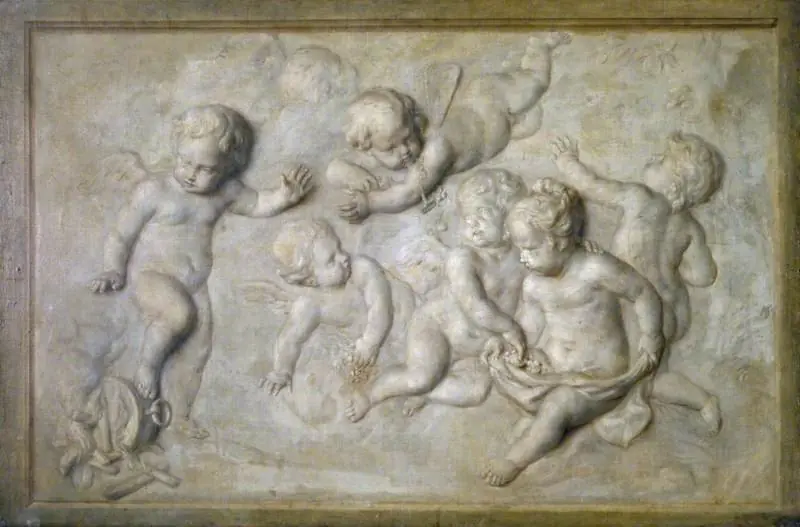 Cupids Playing
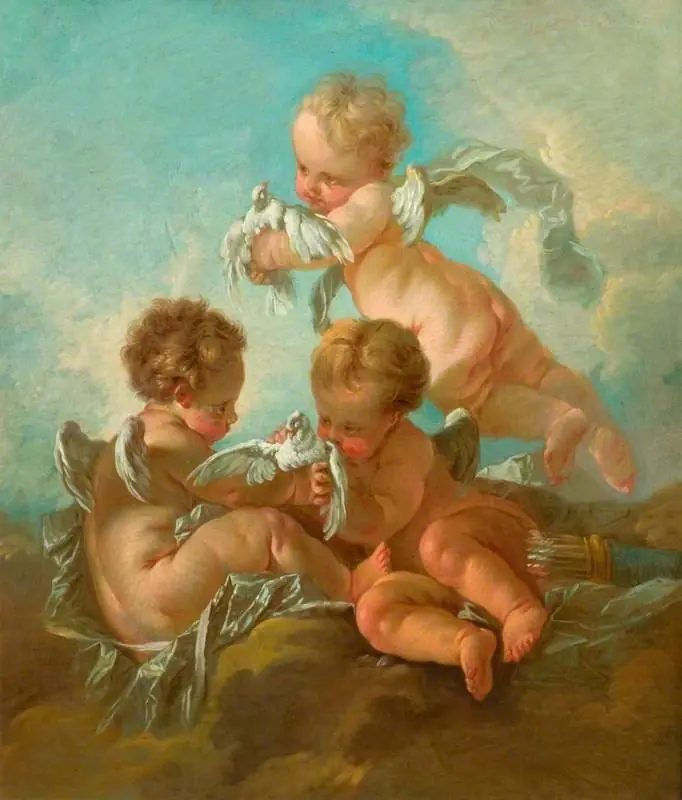 Air: Three Putti with Birds
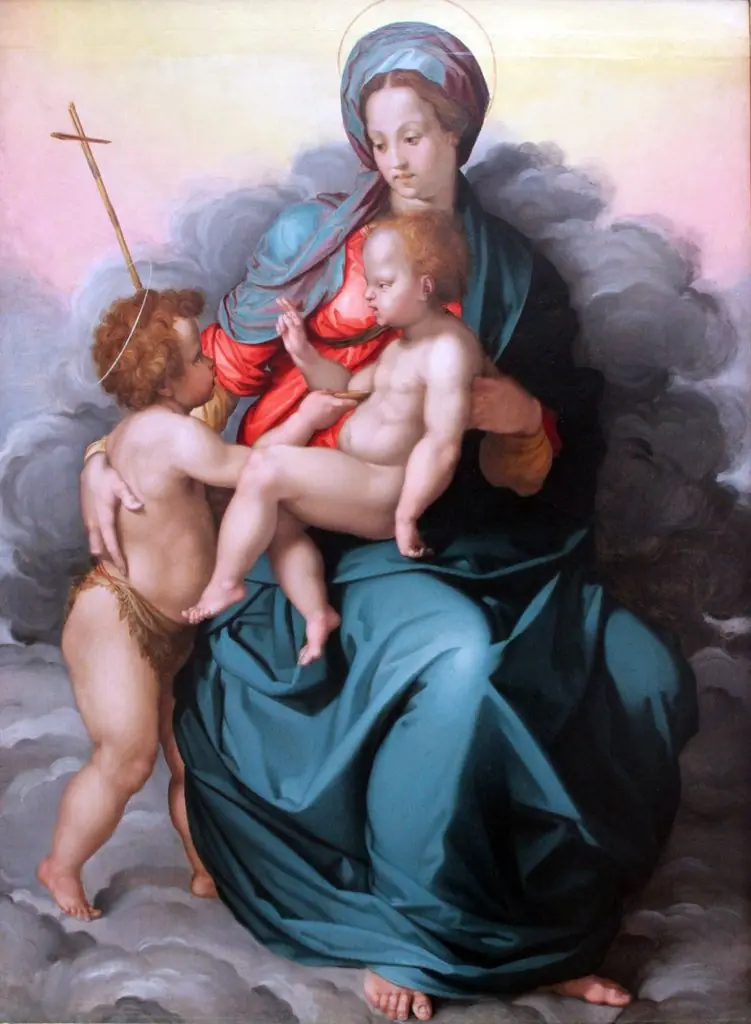 Madonna with Child and Saint John the Baptist on clouds
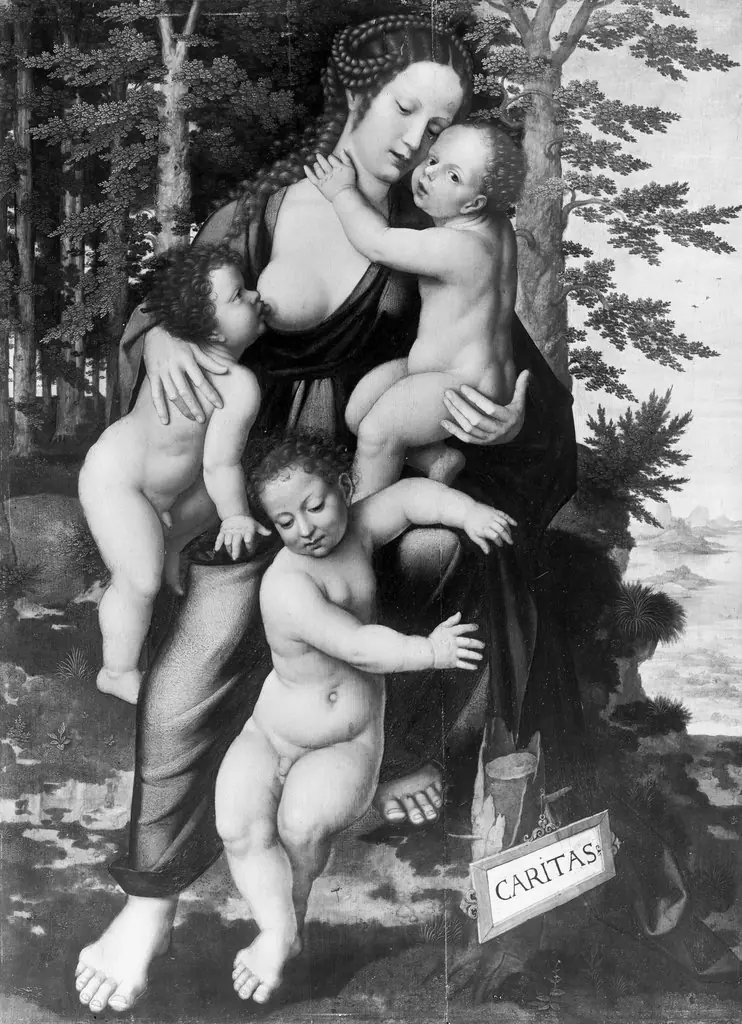 Caritas with three children
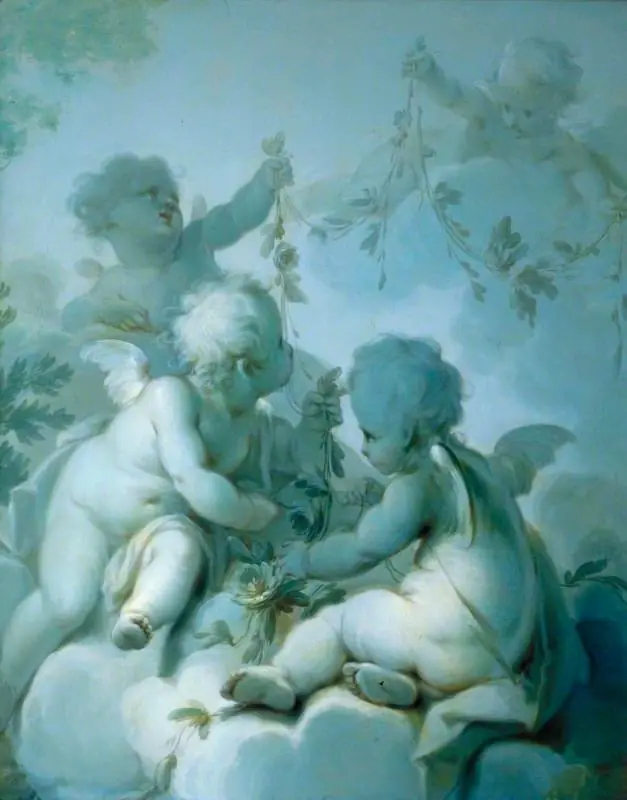 Four Cupids Holding Festoons of Flowers and Foliage
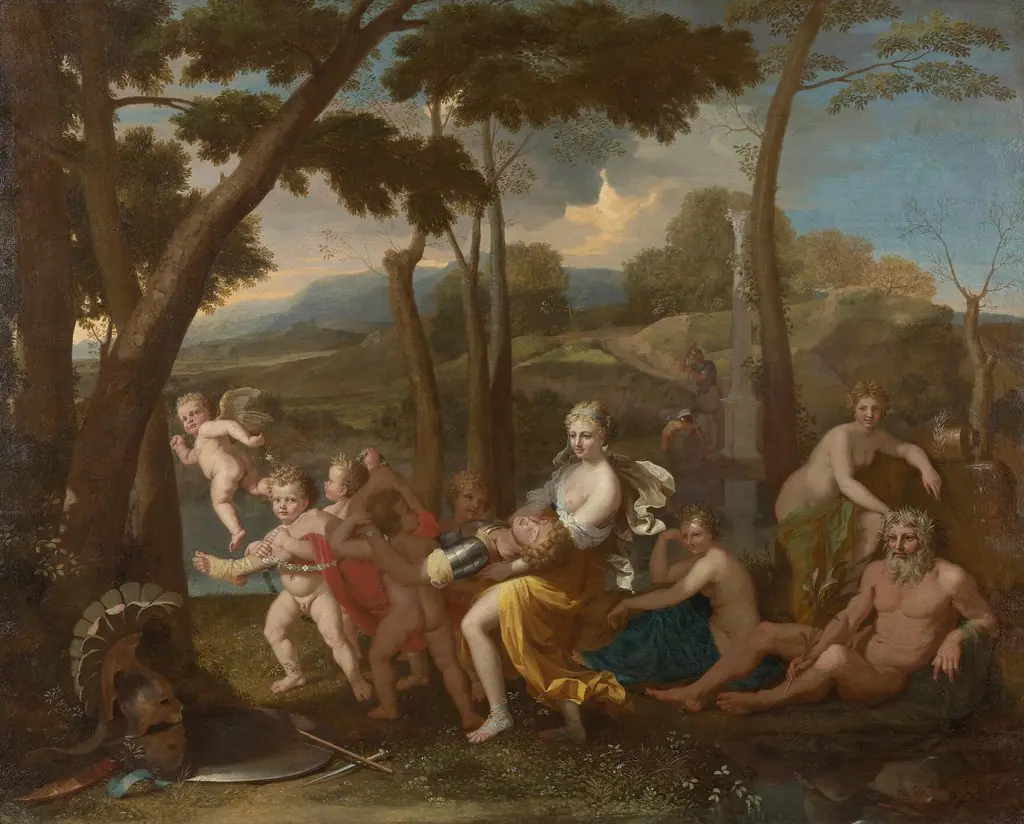 The Abduction of the Euthanized Rinaldo
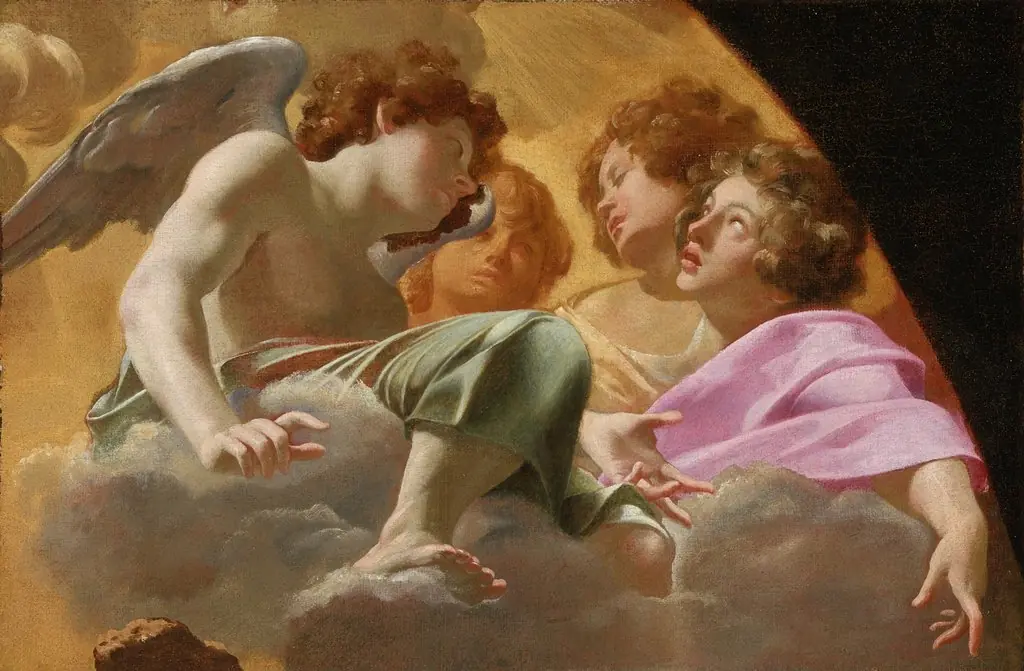 Model for Altarpiece in St. Peter's
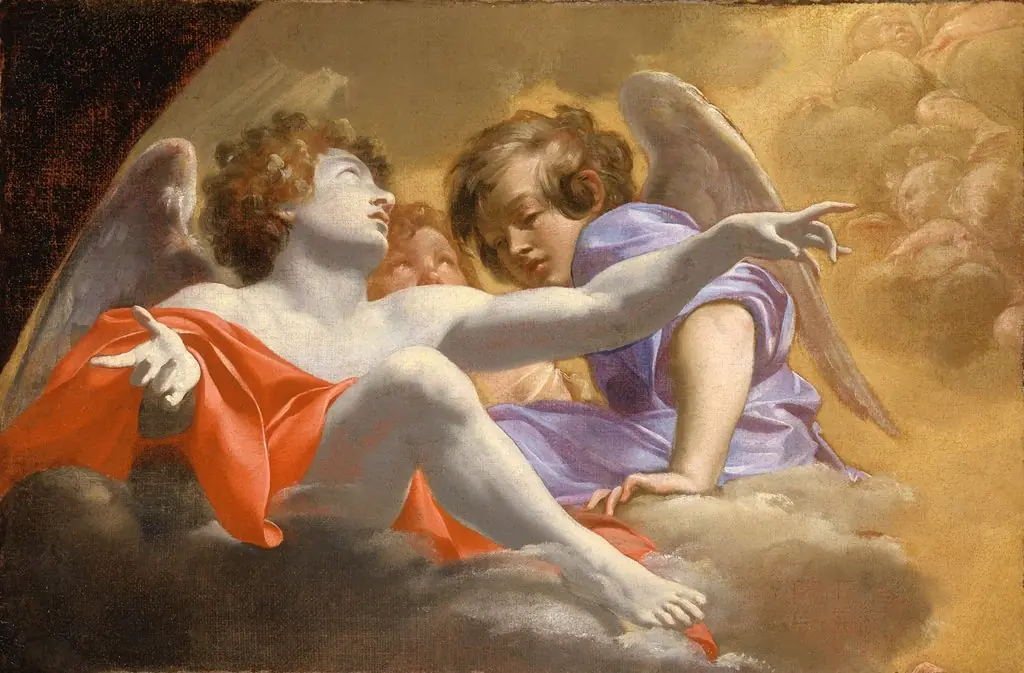 Model for Altarpiece in St. Peter's
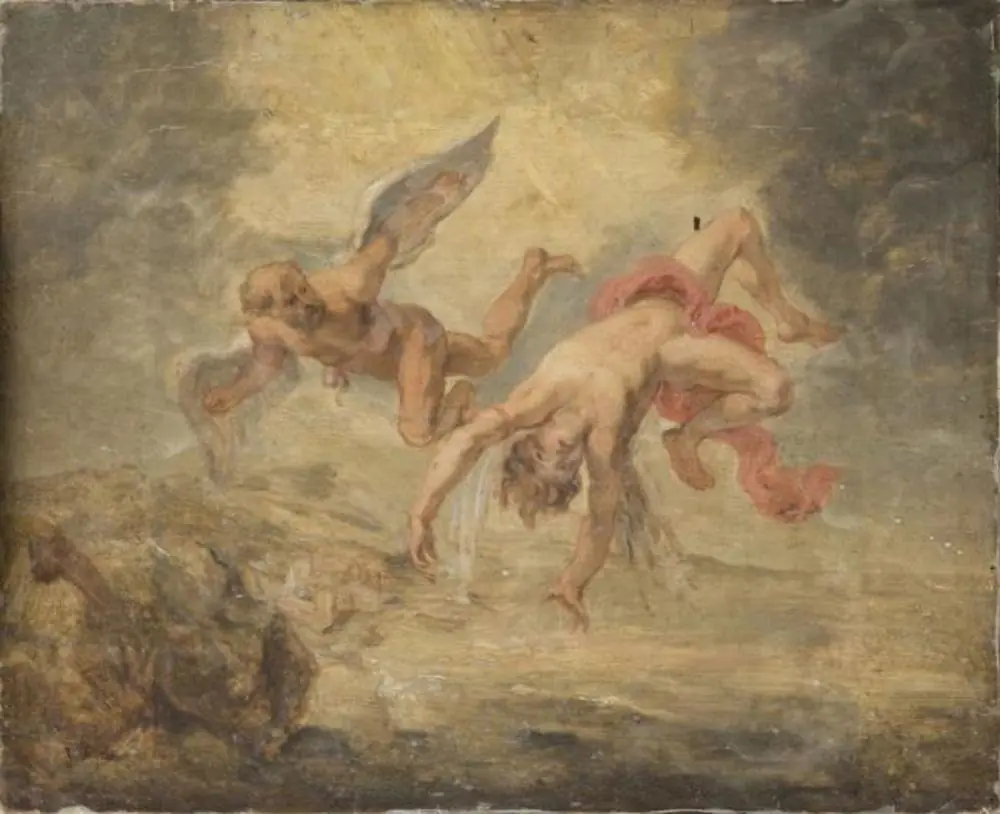 The Fall of Icarus
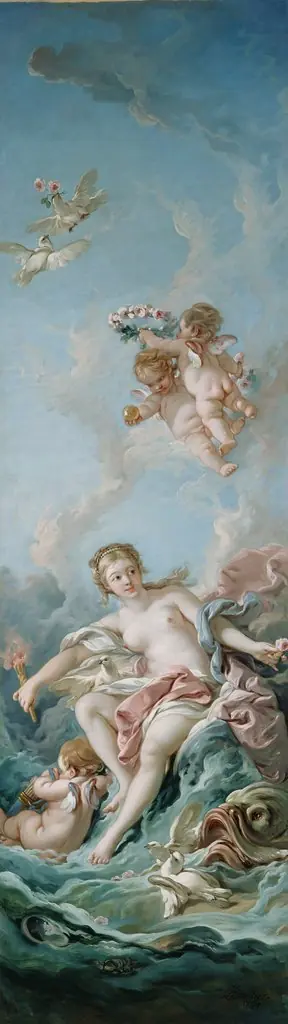 Venus on the Waves
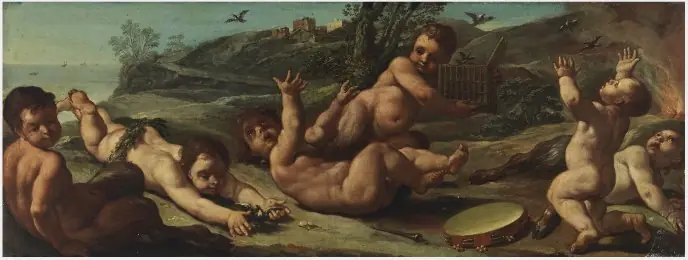 Bacchanalian Boys and Satyrs
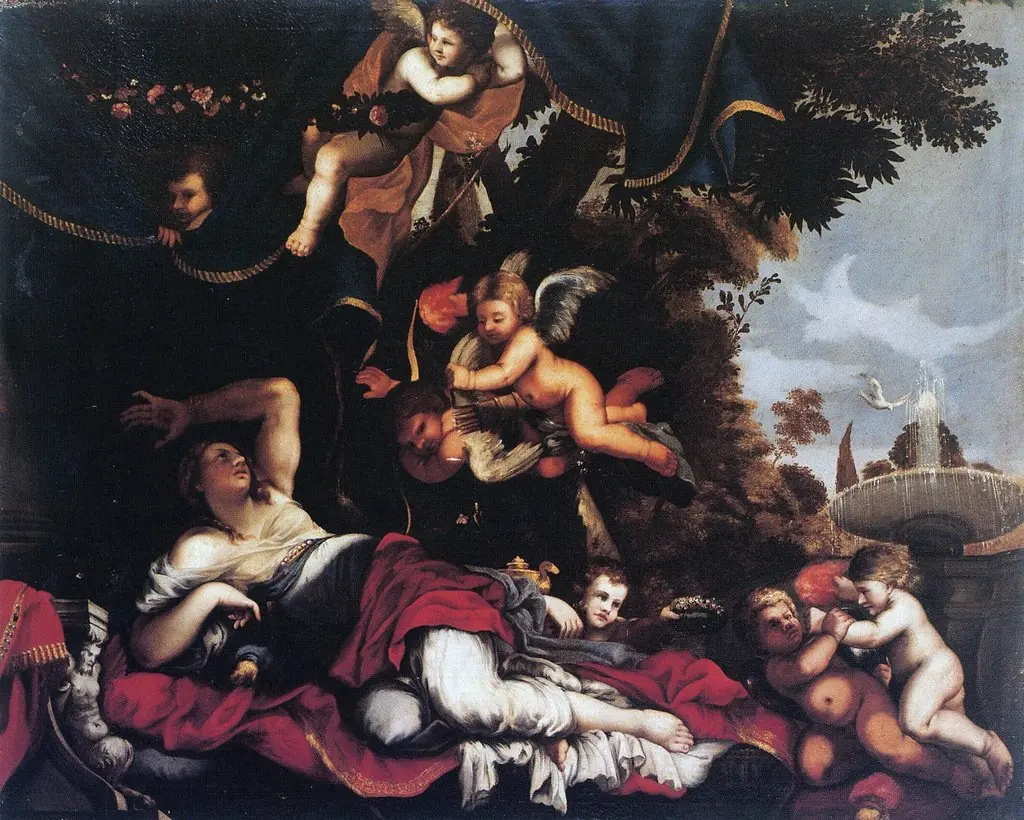 Nymph and loves
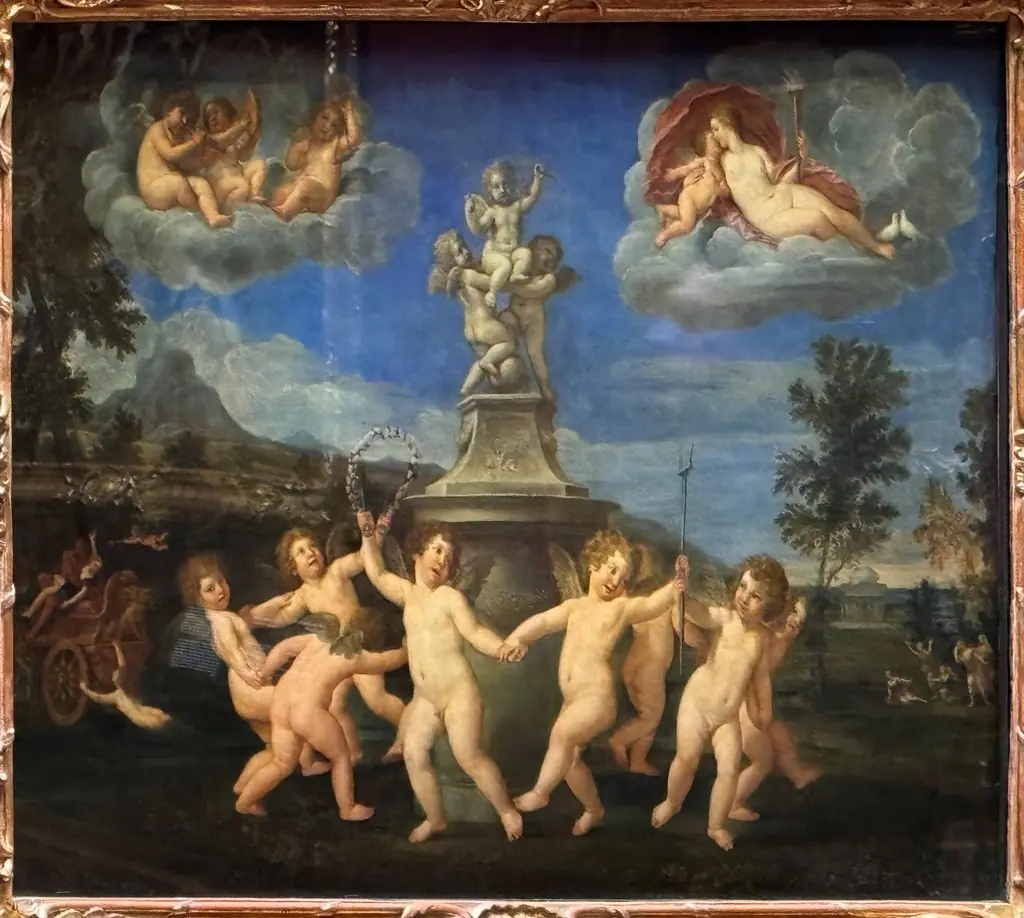 Dance of the Cupids
 Mary with Holy Infants
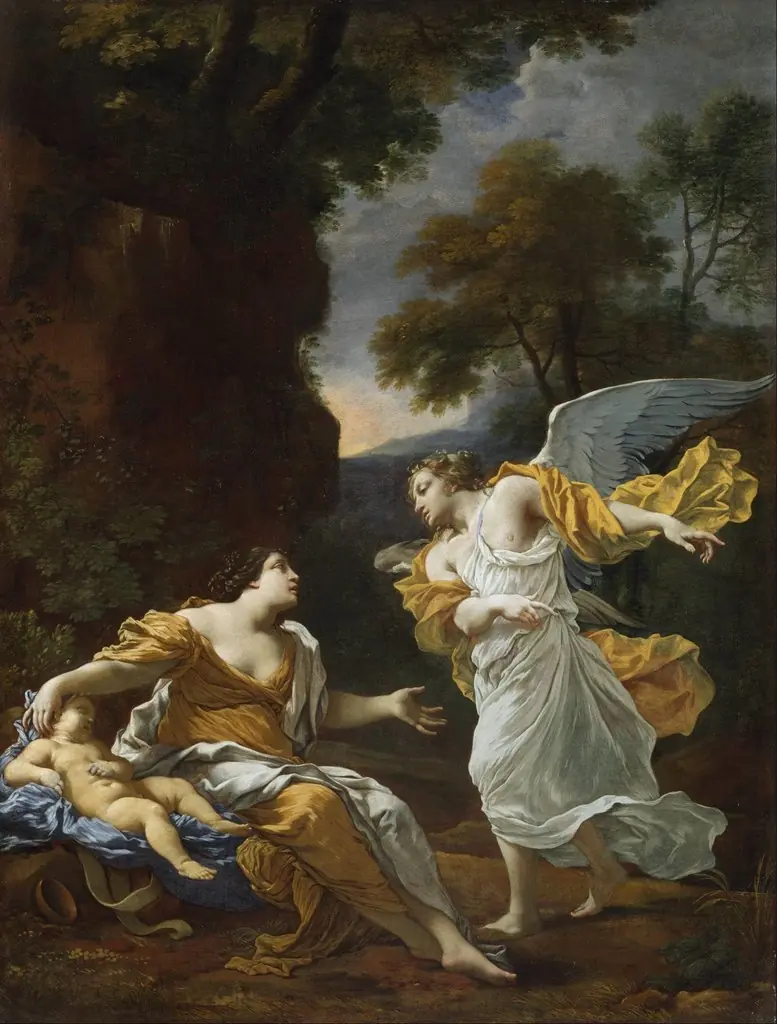 Hagar and the Angel
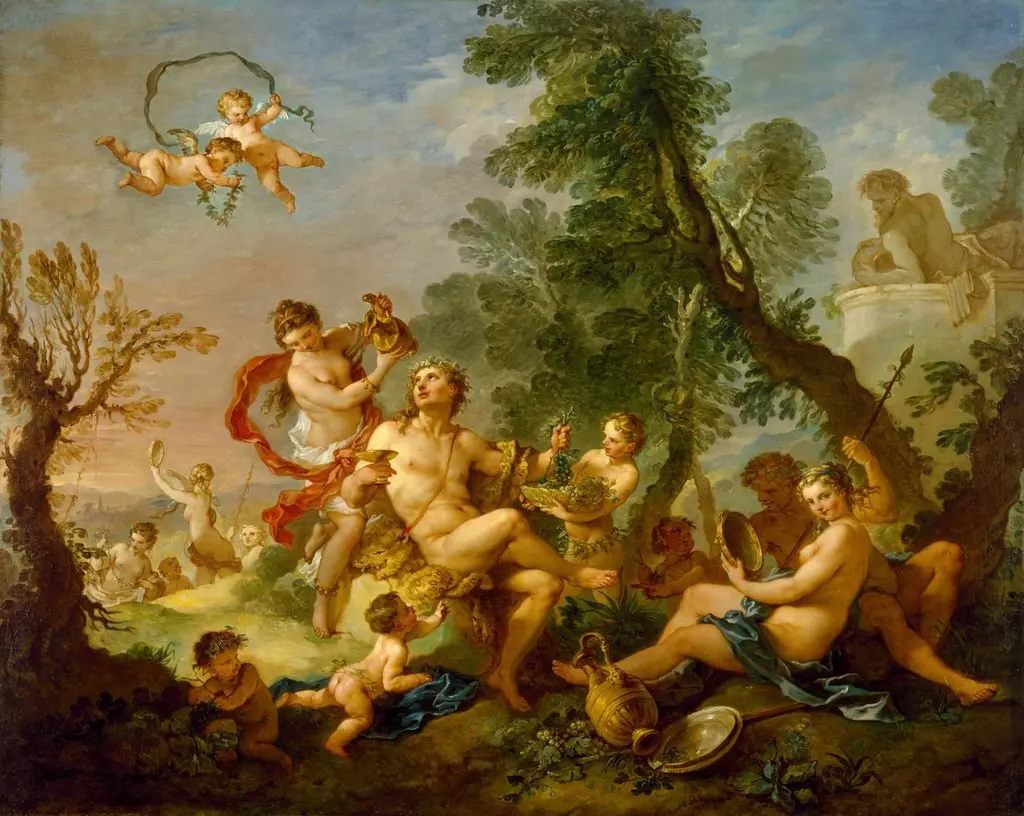 Bacchanal
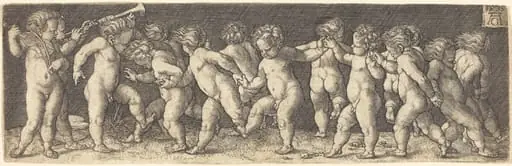 Dancing Children
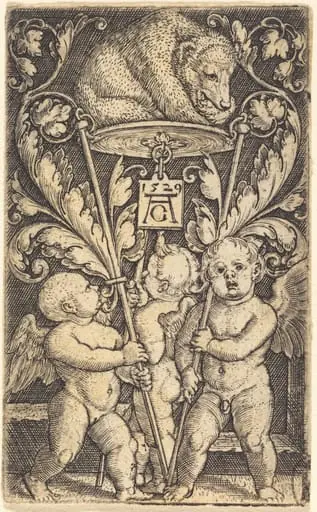 Three Cupids and a Bear
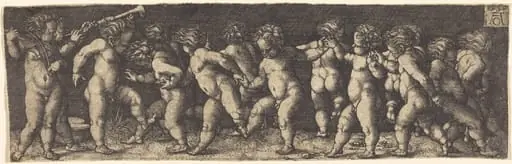 Dancing Children
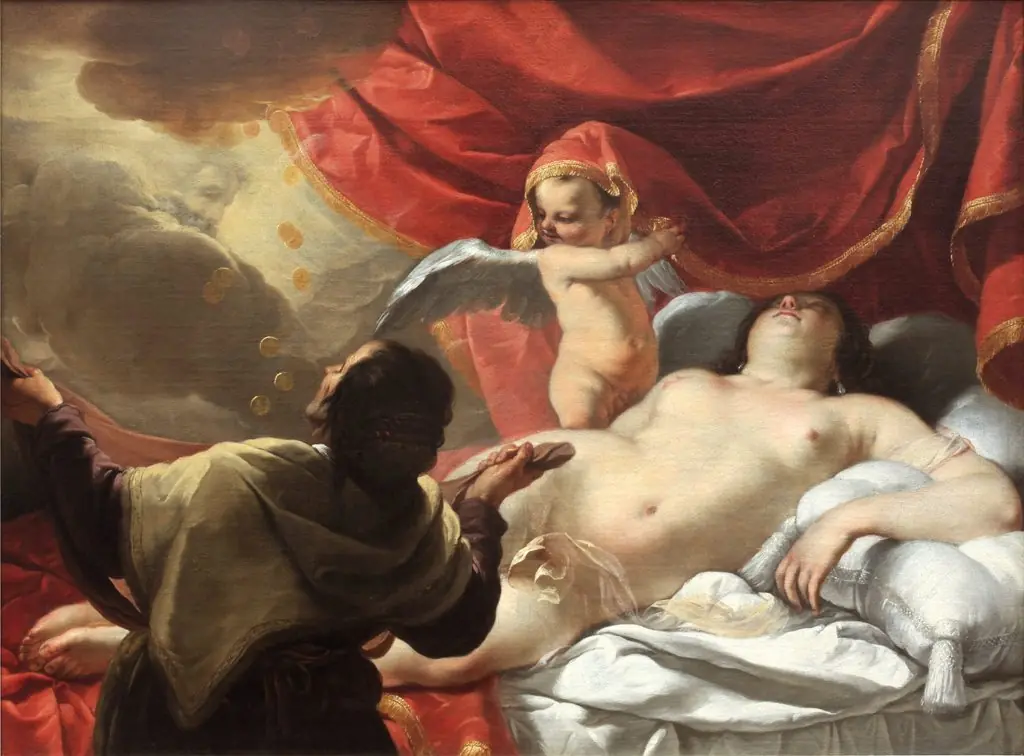 Danaë
Danaë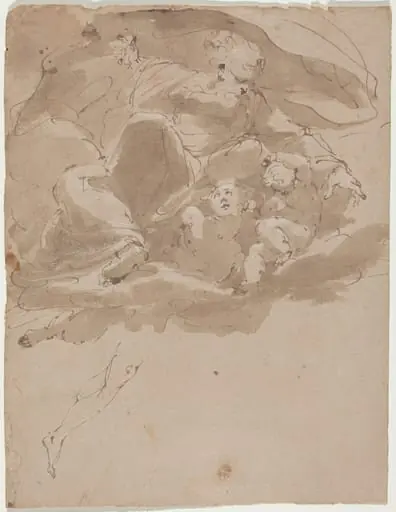 God the Father with Angels
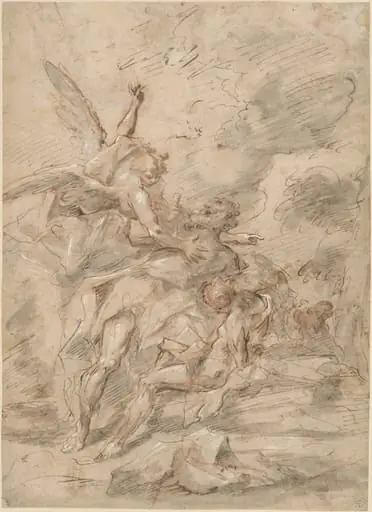 The Sacrifice of Isaac
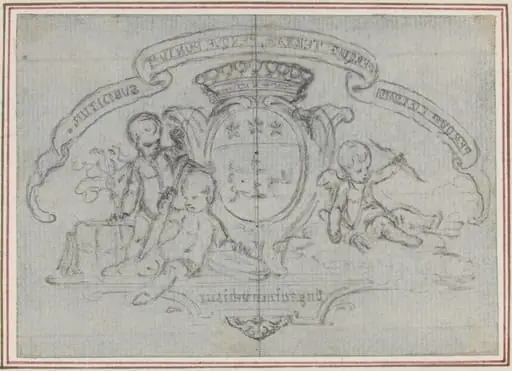 Coat of Arms with Three Putti
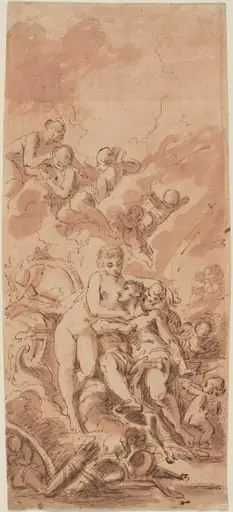 Venus at the Forge of Vulcan
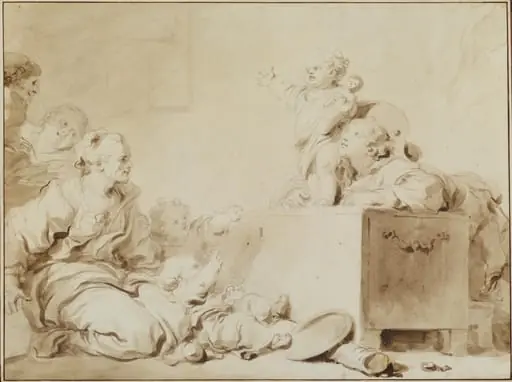 The Little Preacher
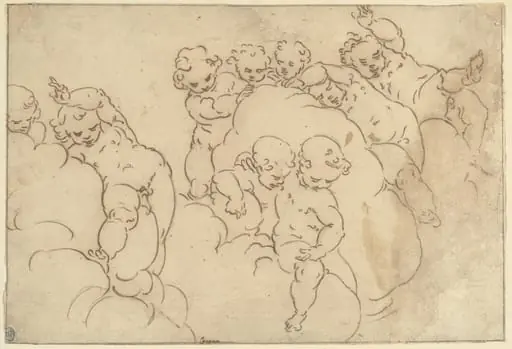 Putti in the Clouds
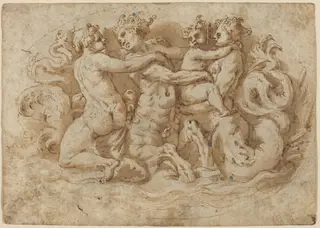 Tritons and Nymphs
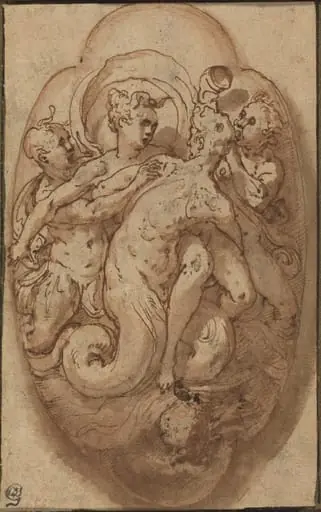 Mythological Figures
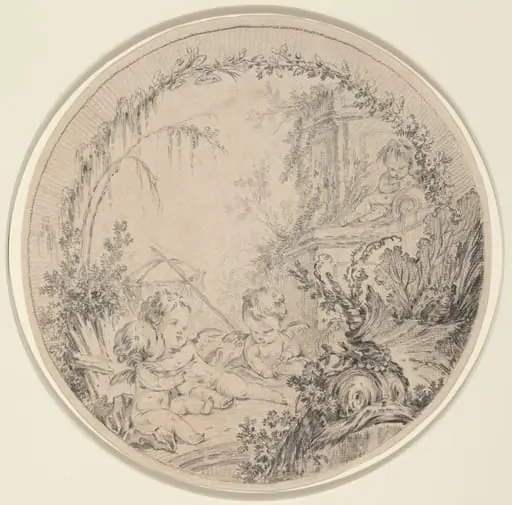 Three Putti with a Fishing Net
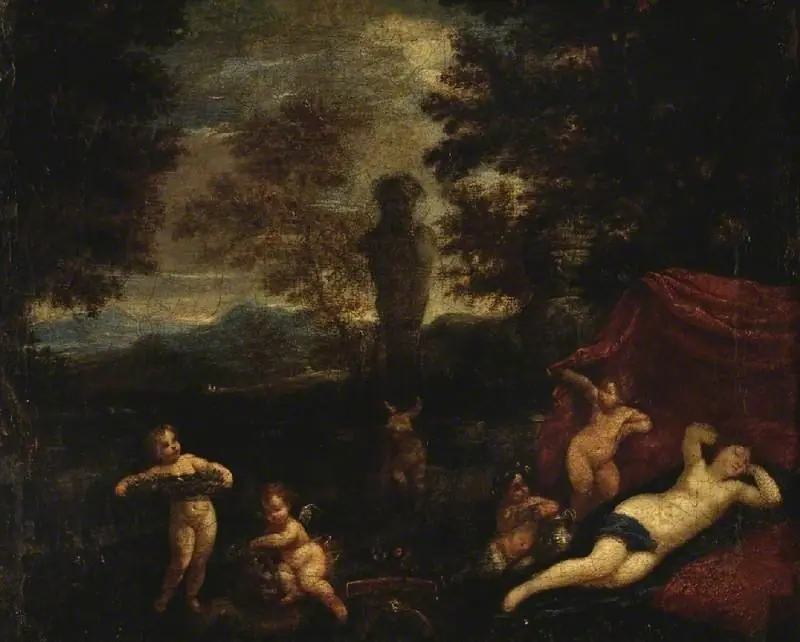 Venus and Cupid in a landscape
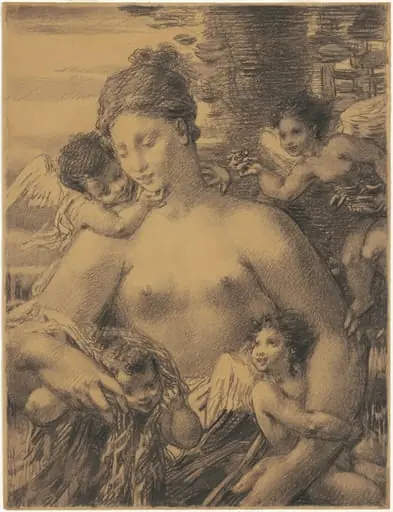 Nude with Cherubim
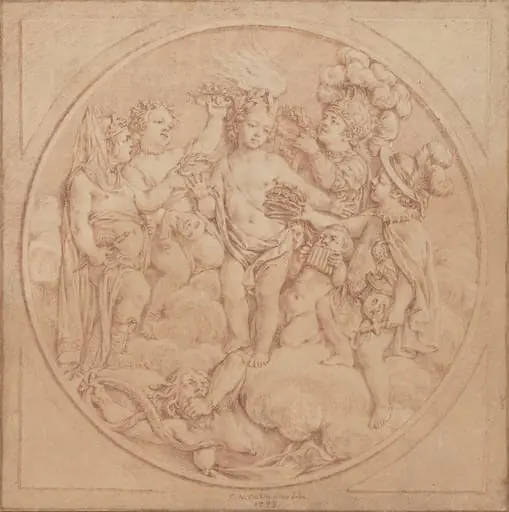 Allegory of Fame
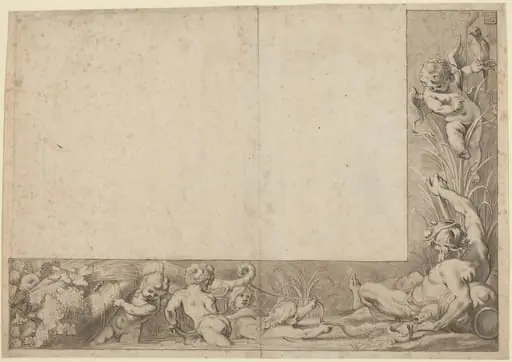 River God with Putti
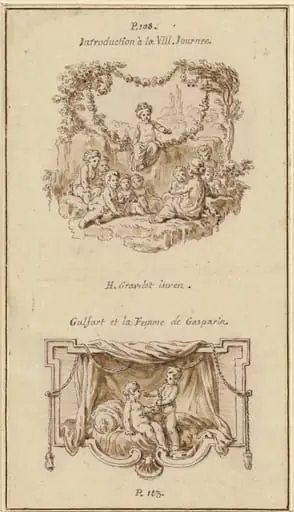 Nine Children Listening to a Girl Tell a Story; A Boy Handing a Purse to a Girl Seated on a Bed
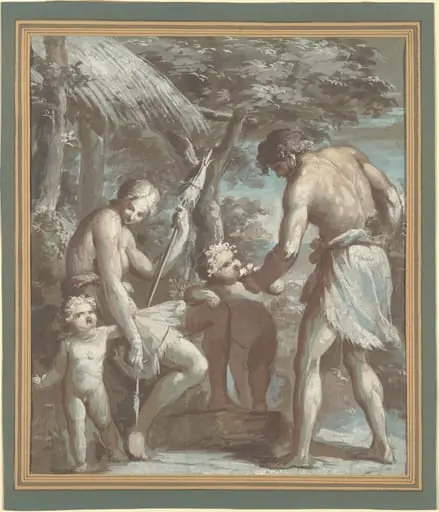 Adam and Eve with Cain and Abel
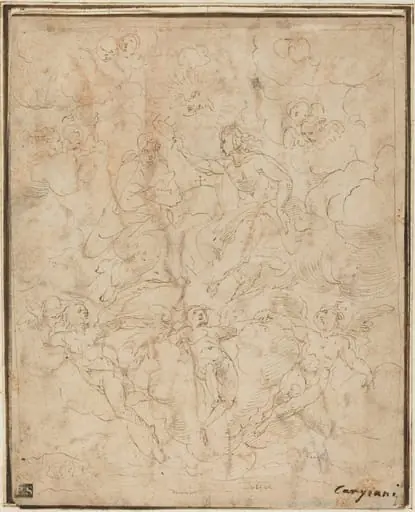 Coronation of the Virgin
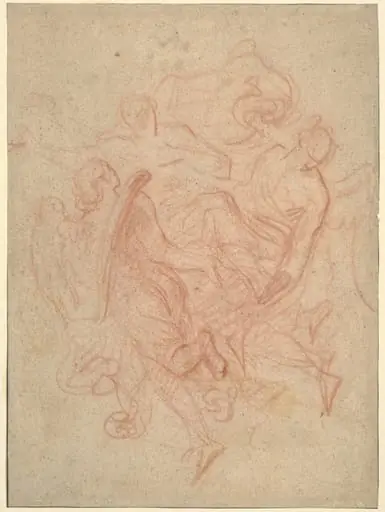 Apotheosis of Saint George
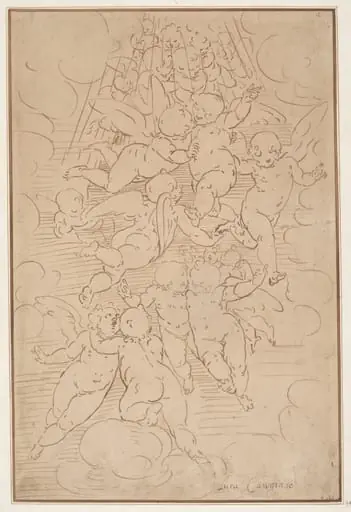 A Group of Angels in Glory
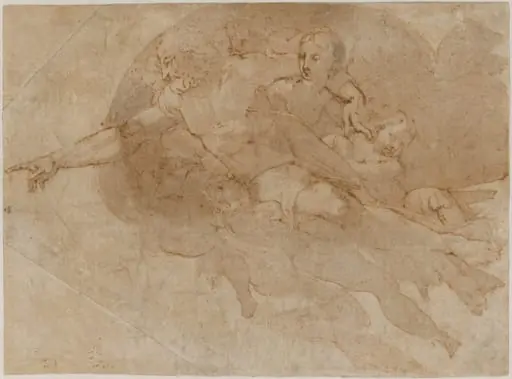 God the Father in Glory
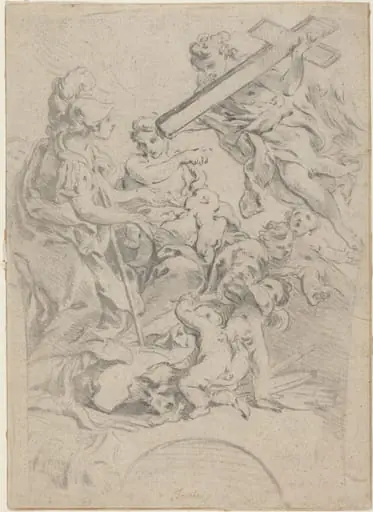 Faith and Charity
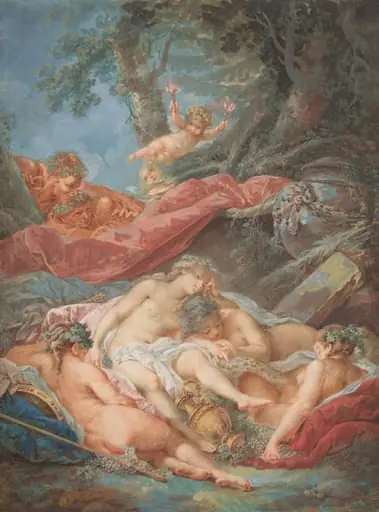 Sleeping Bacchantes
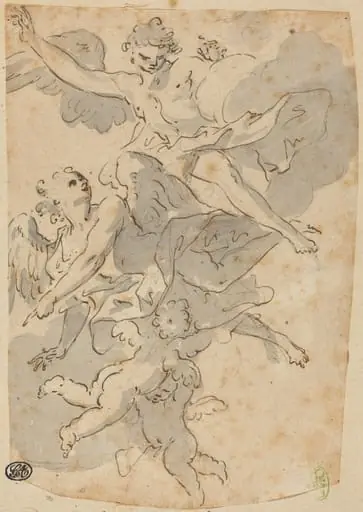 Angels and Putti
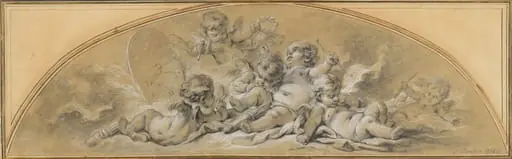 The Archery Contest
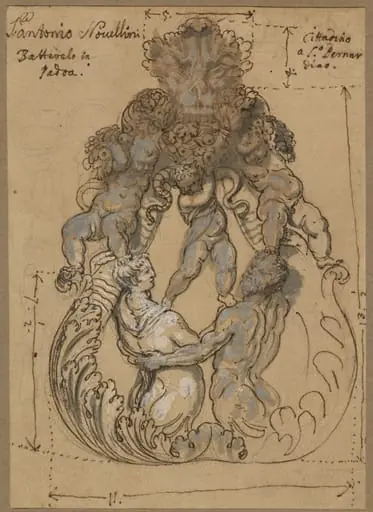 Door Knocker with Triton, Nereid, and Putti
![Banknote Studies [recto]](https://artifactworldgallery.com/img/john-william-casilear--banknote-studies-recto--f06414b41cecdca8-w320.webp) Banknote Studies [recto]
Banknote Studies [recto]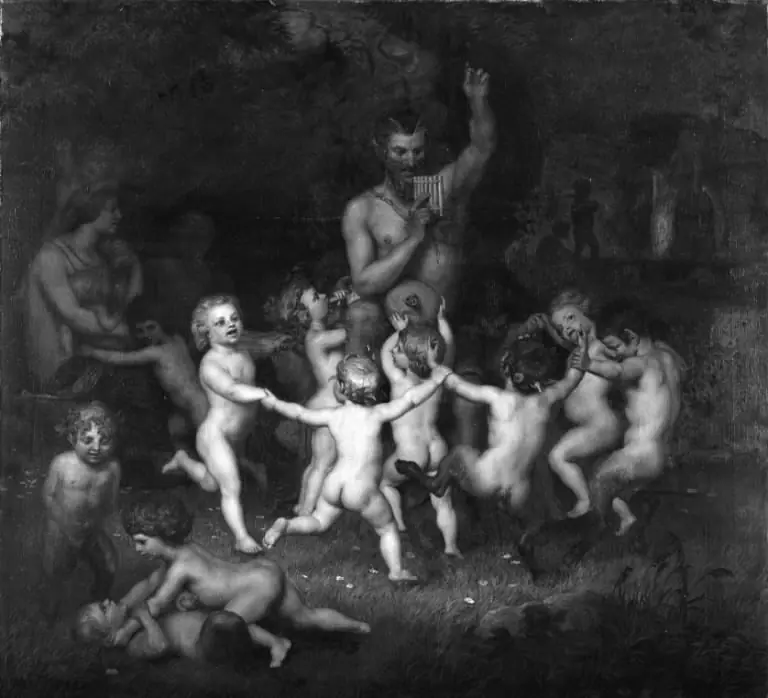 Woodland Deities Sourrounded by Dancing Bacchantes and Children Playing
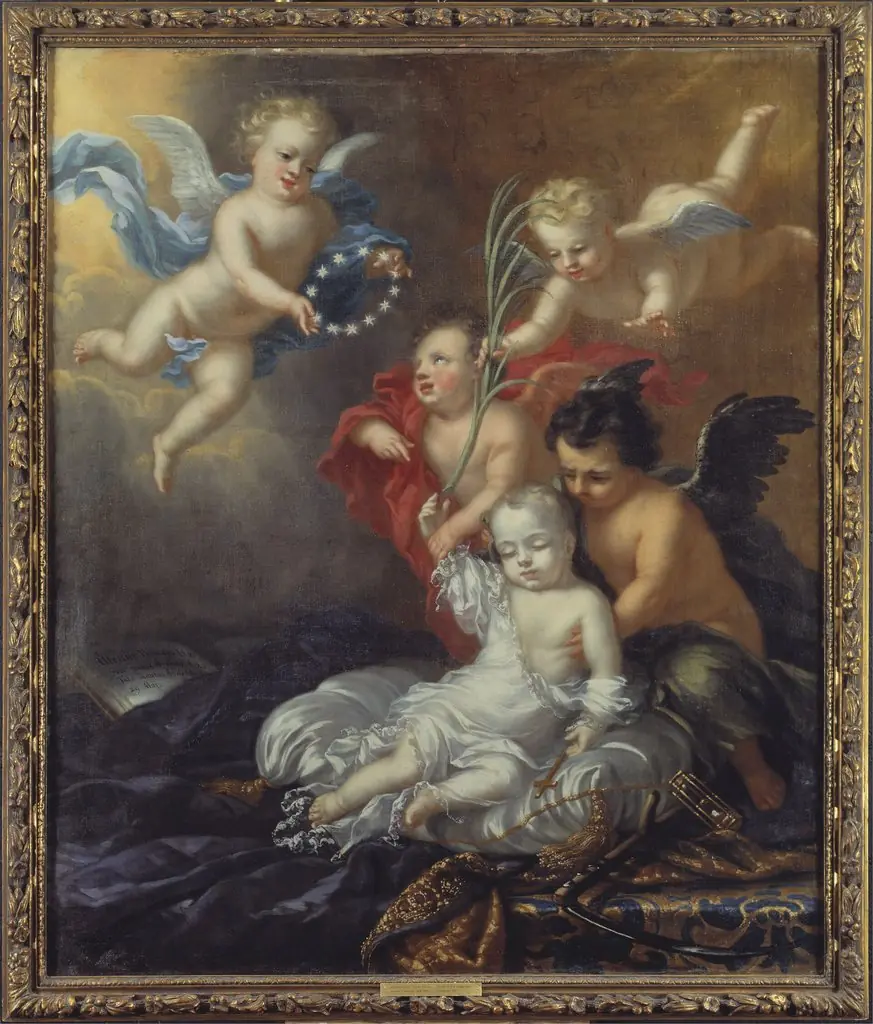 Ulrik (1684-1685), prins av Sverige, allegori över hans död
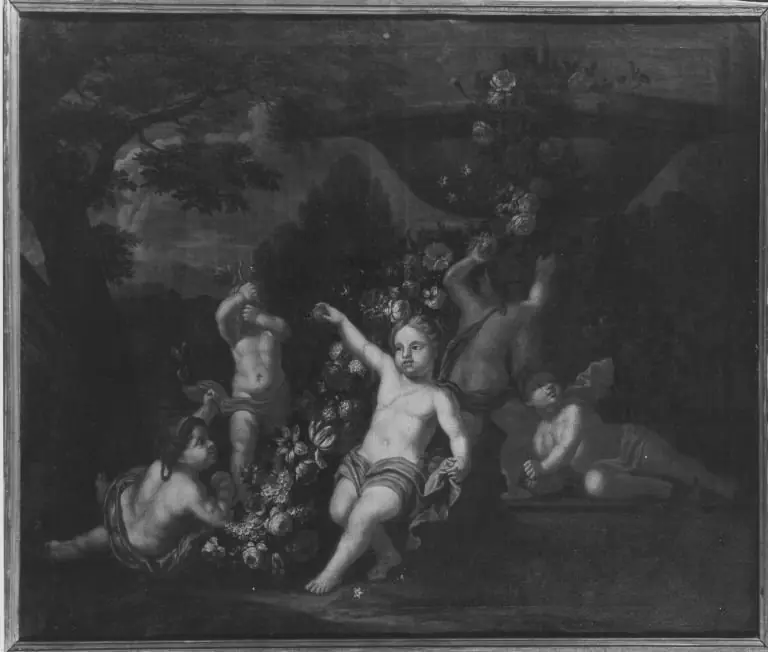 Puttengruppe mit Blumen (?)
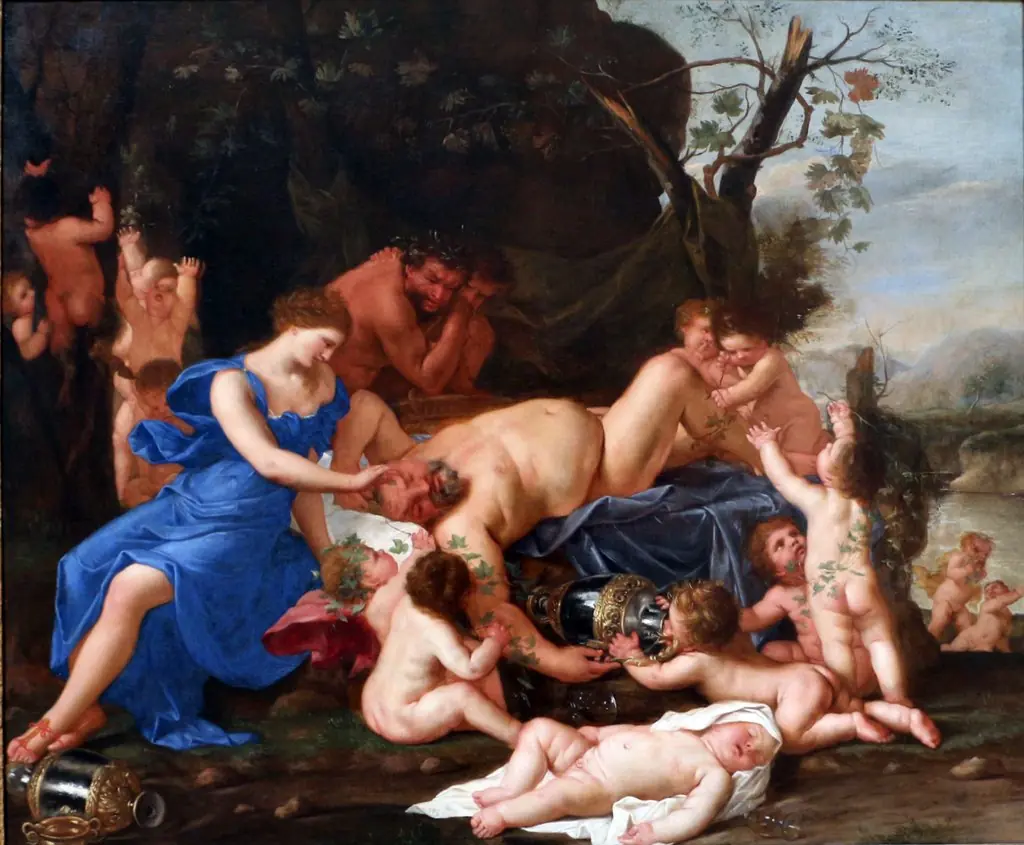 The drunken Silenus tied up in his sleep by the nymph Aegle and putti
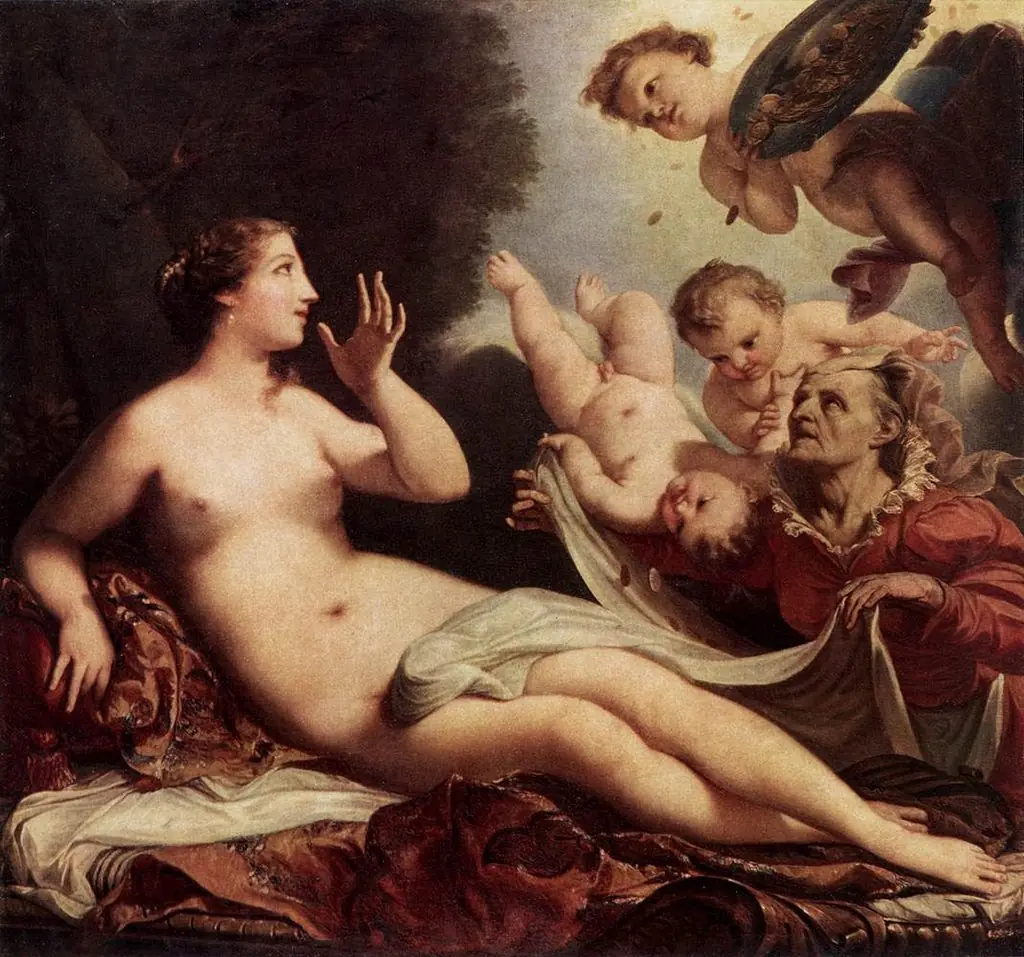 Danaë
Danaë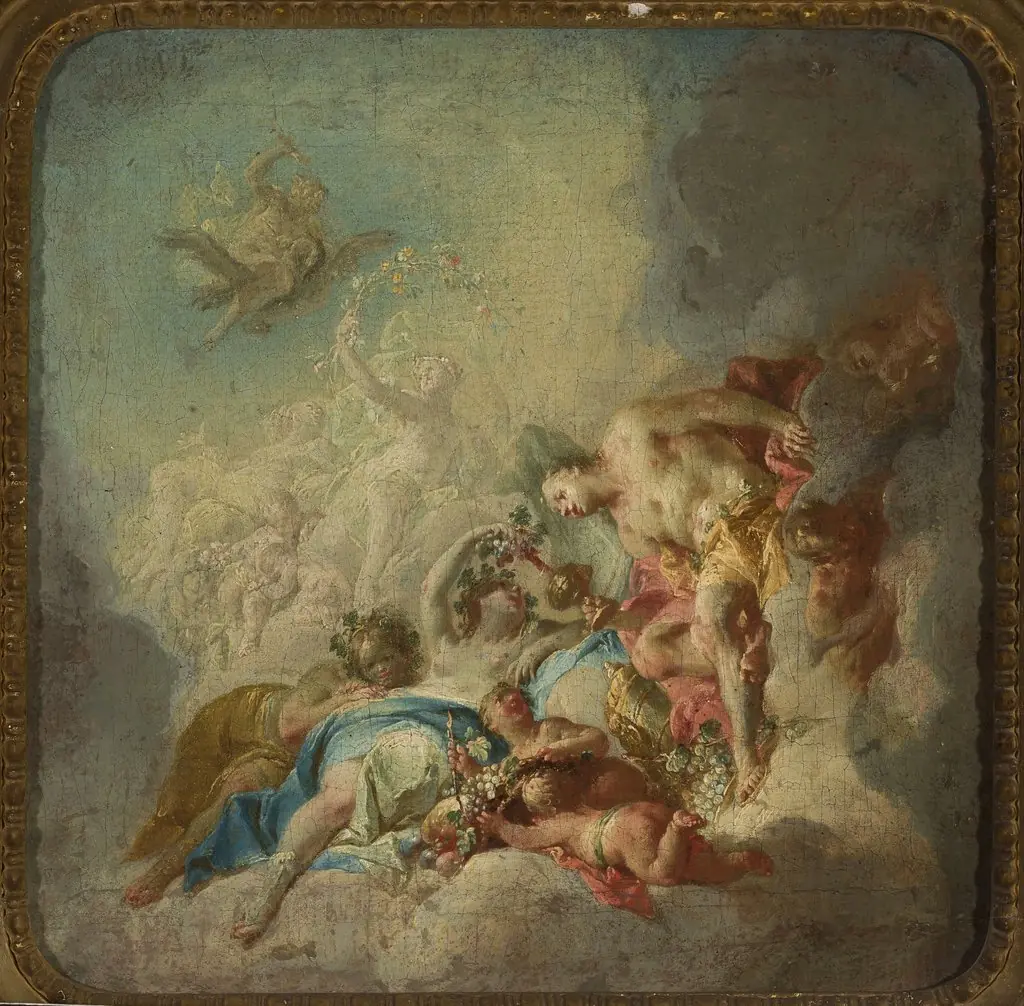 Bacchus and Ceres
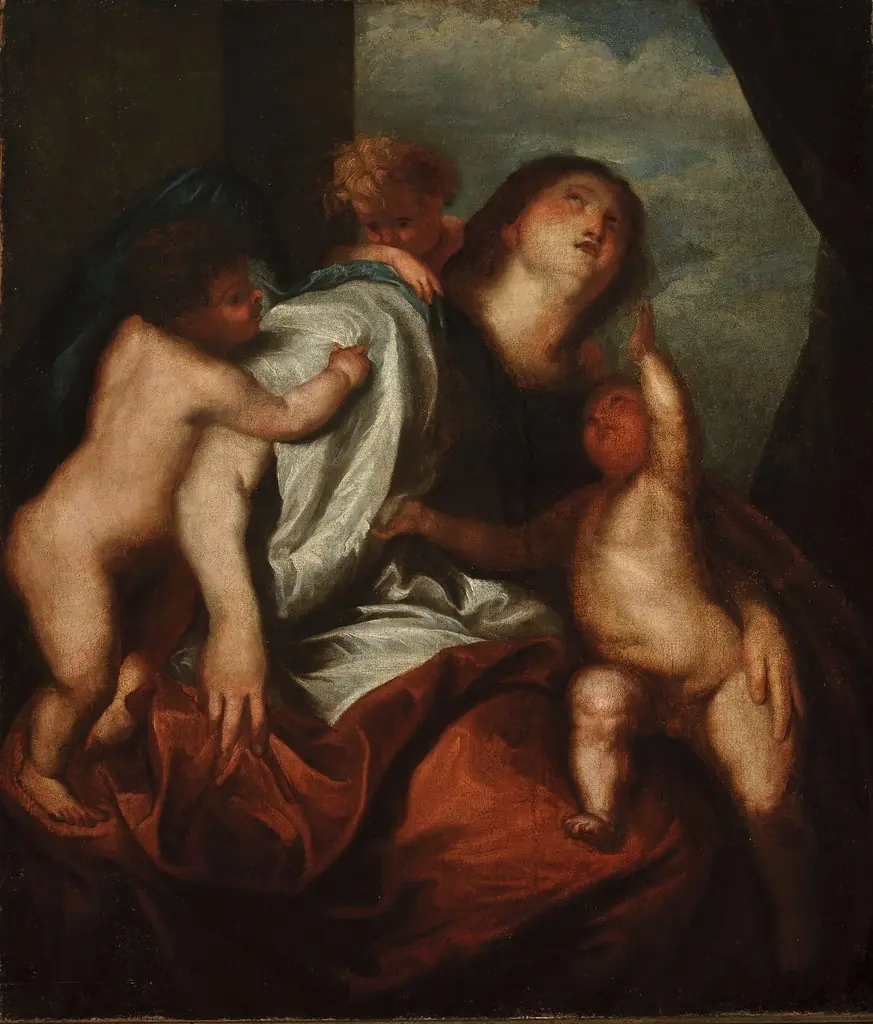 Charity (Caritas)
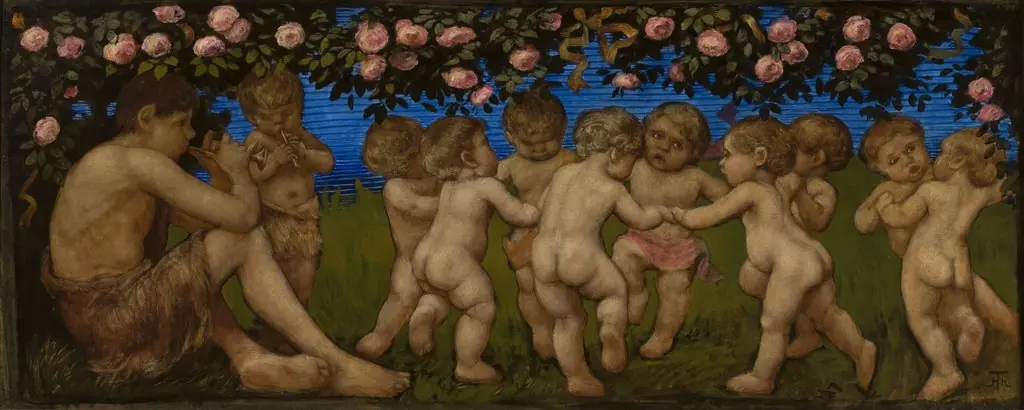 Dancing putta with a garland of roses
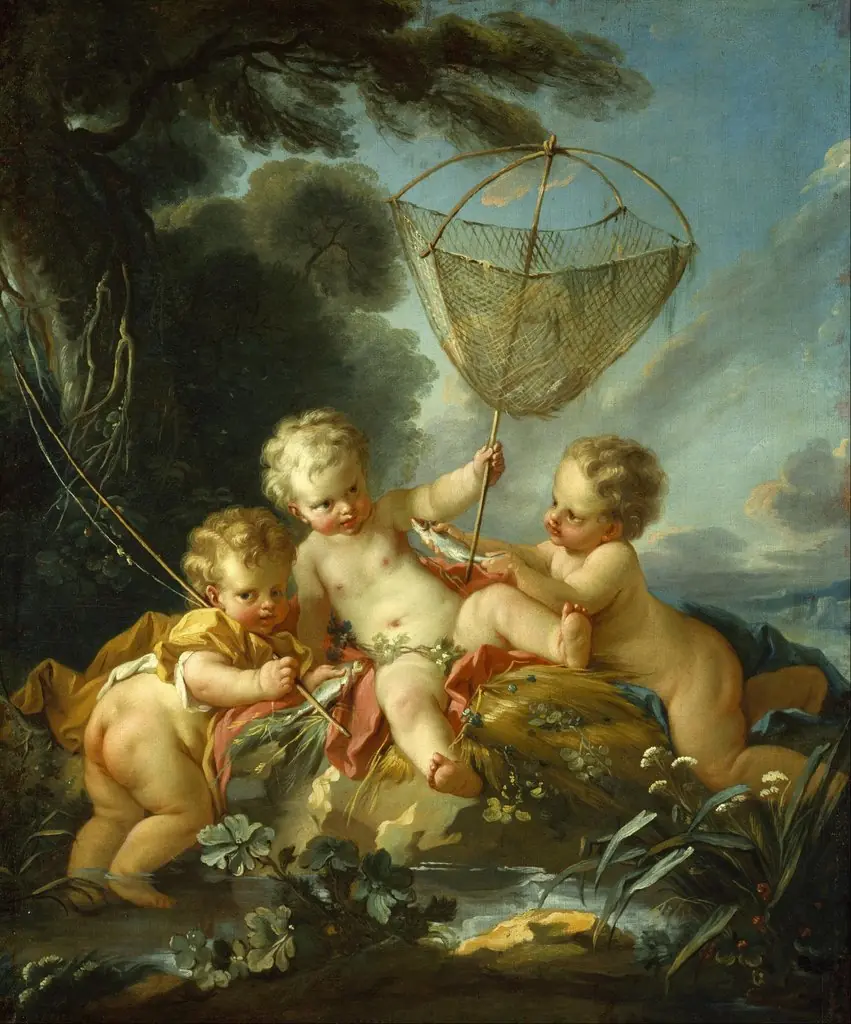 Putti as Fisherman
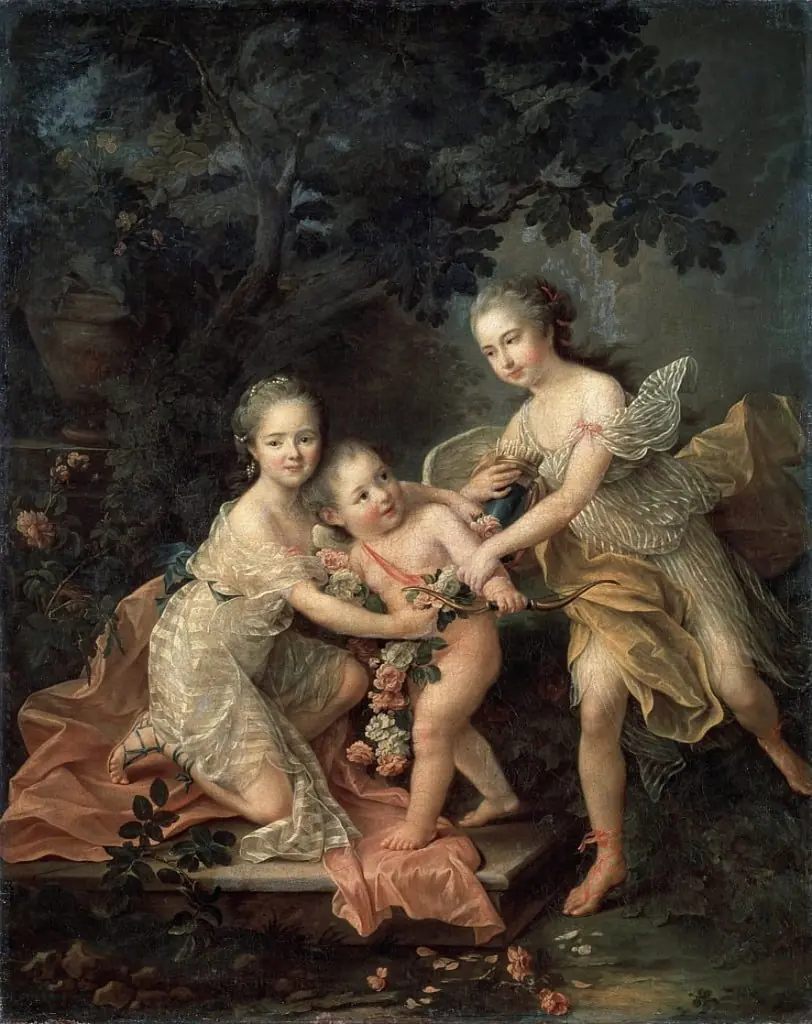 The Children of the Duke of Orleans
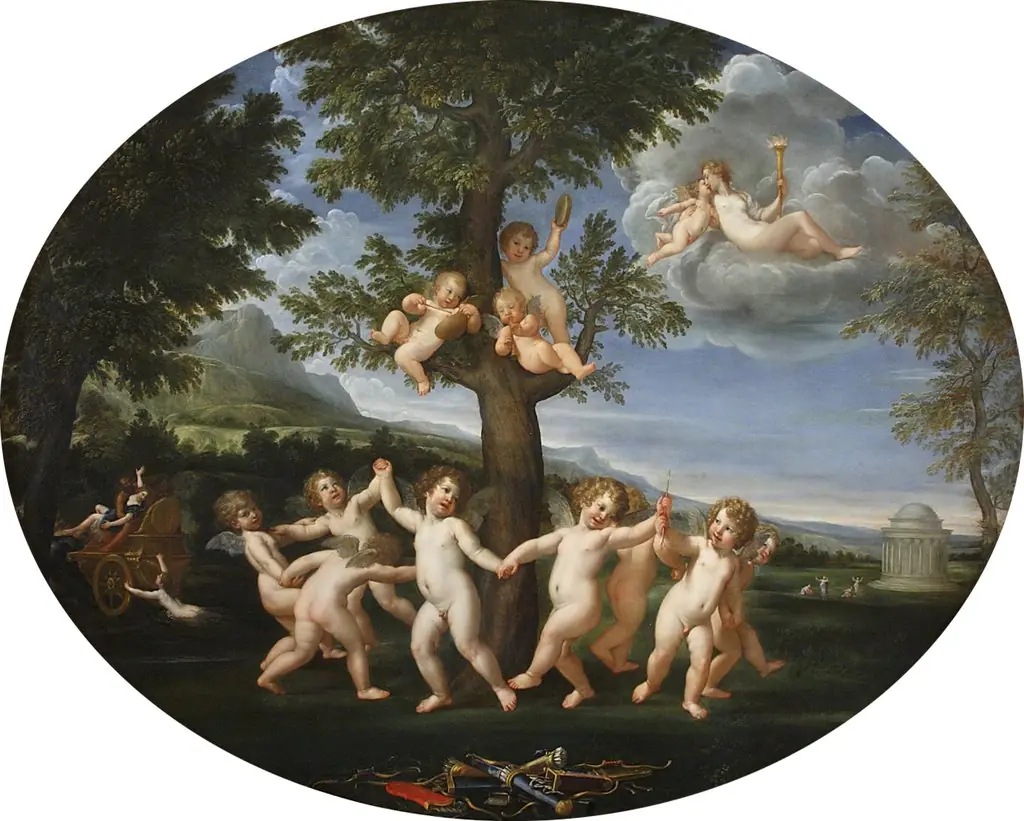 Dance of the Cupids (1624)
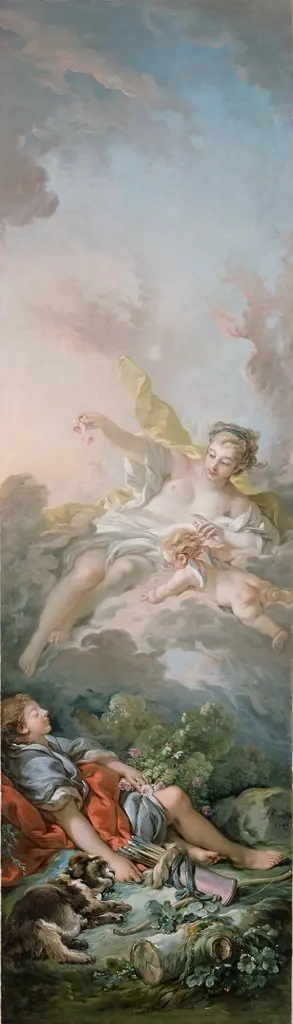 Aurora and Cephalus
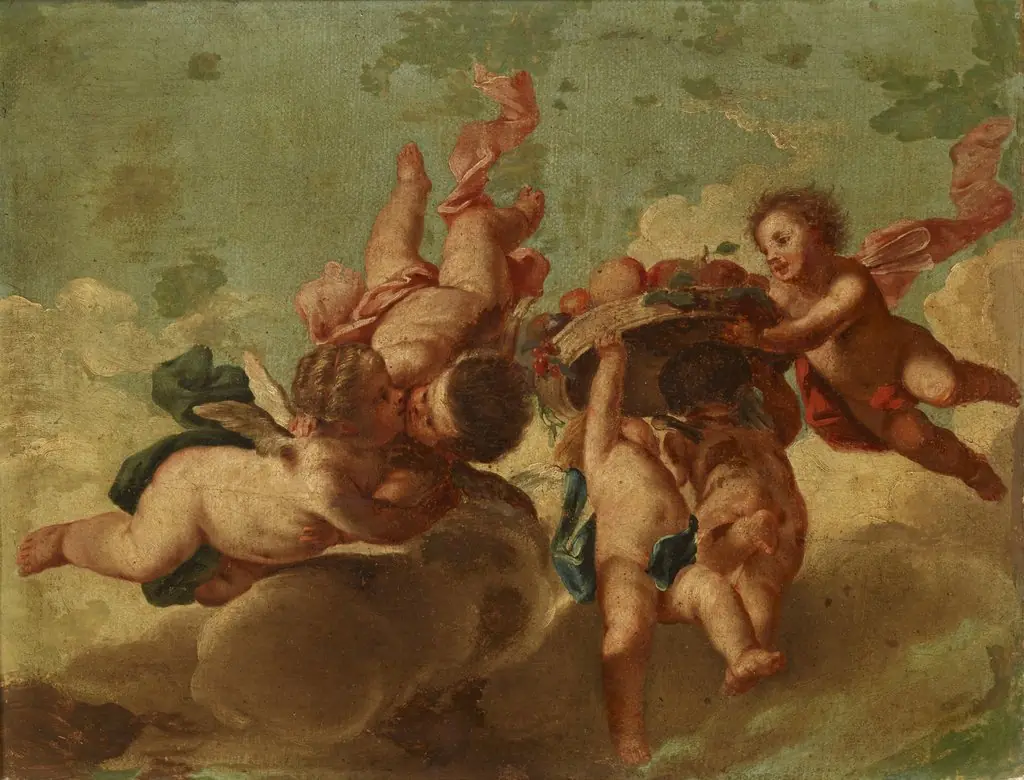 Putti
Putti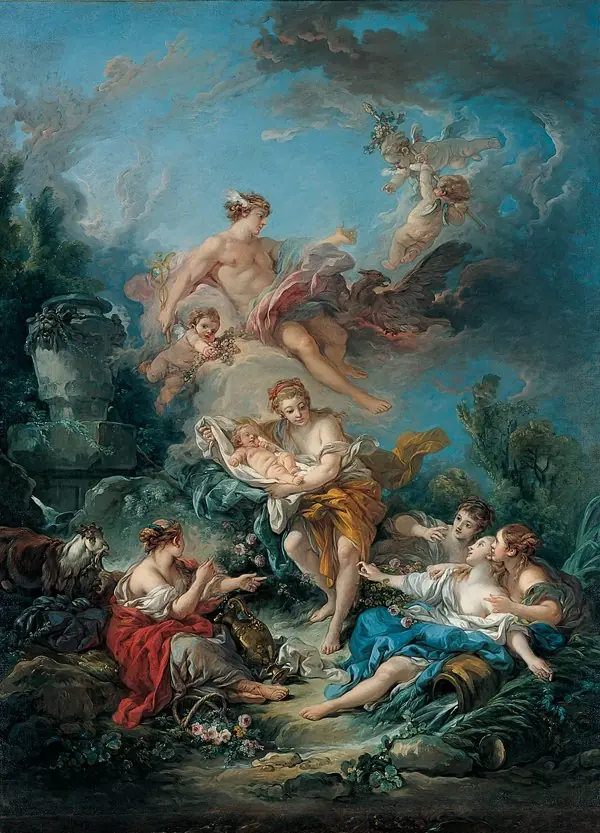 Mercury Confiding the Infant Bacchus to the Nymphs of Nysa
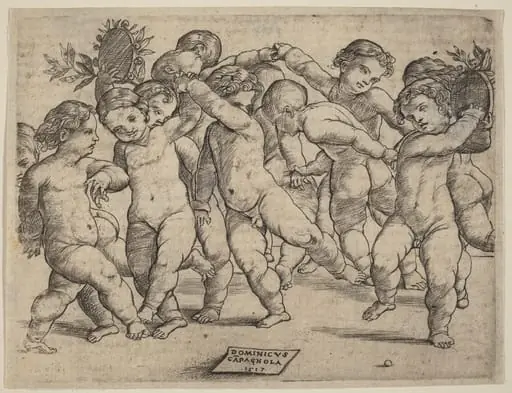 Twelve Children Dancing
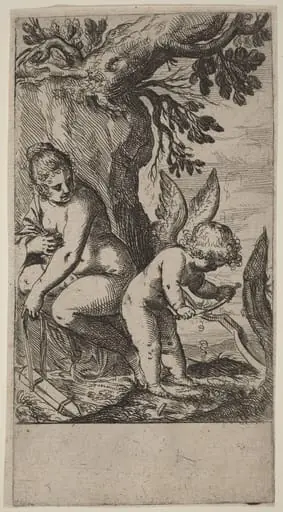 Venus with Cupid Whittling His Bow
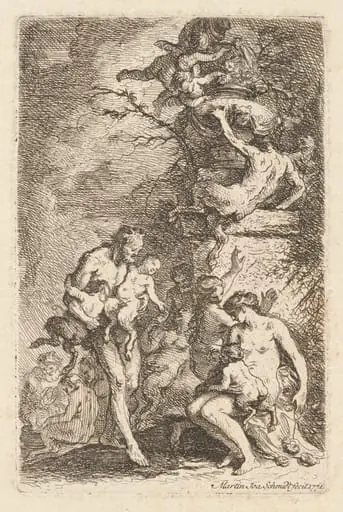 The Education of Satyr Children
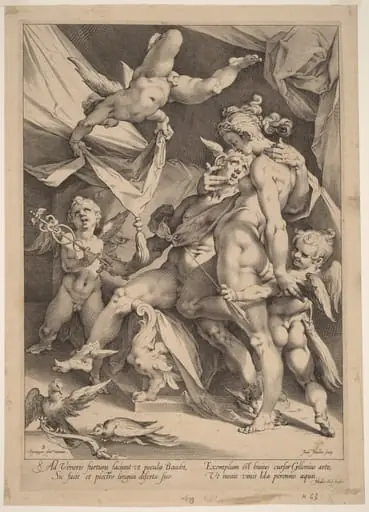 Venus and Mercury
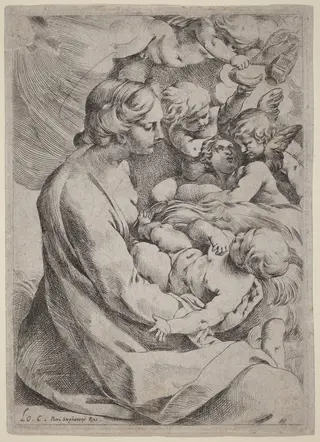 Madonna and Child with Angels
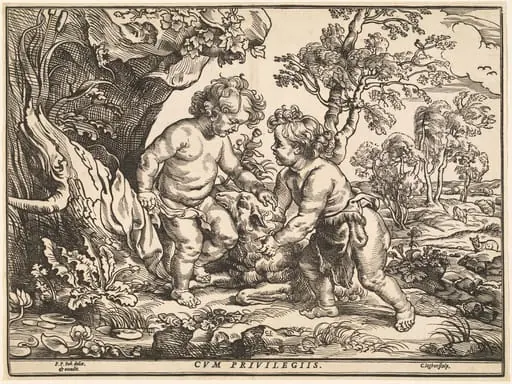 The Infant Christ and Saint John Playing with the Lamb
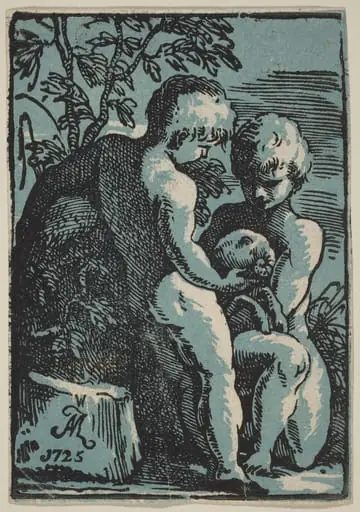 Two Children Petting a Lamb
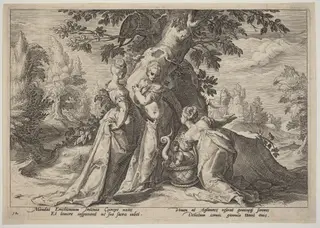 The Daughters of Cecrops Open the Casket Entrusted to Them by Minerva
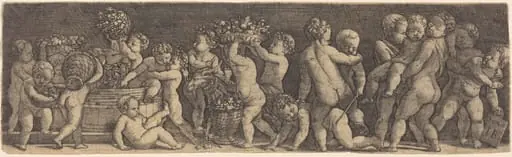 Children Harvesting Grapes
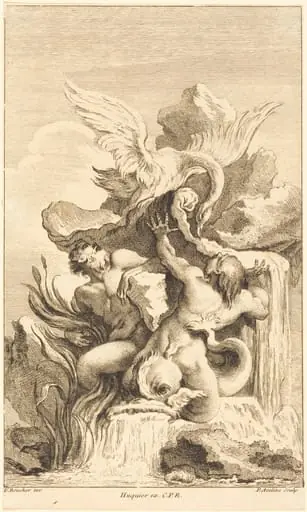 Two Tritons and a Swan
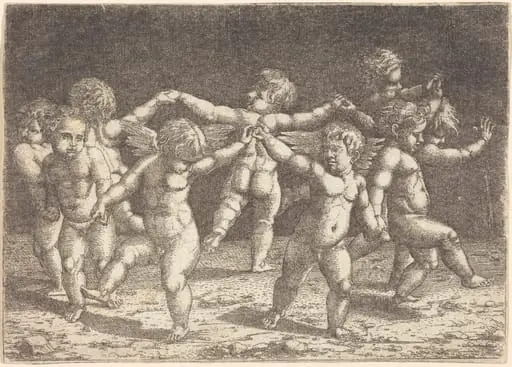 Dance of the Gods of Love
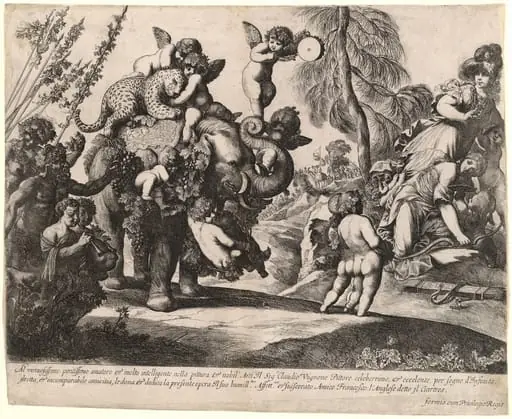 Bacchus with Diana and Minerva
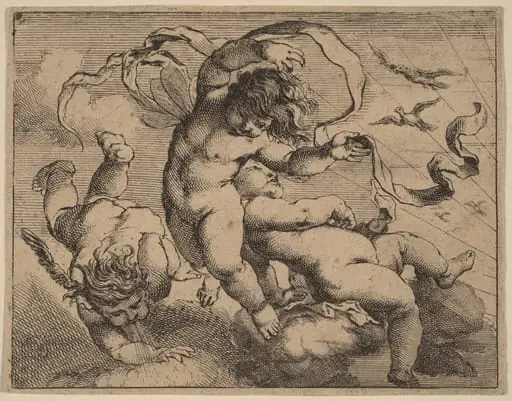 Three Flying Putti
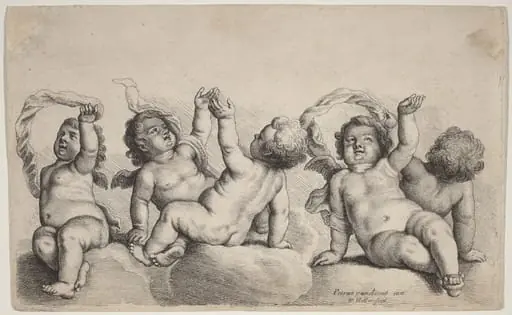 Three Cherubs and Two Boys Each Raising One Arm on Clouds
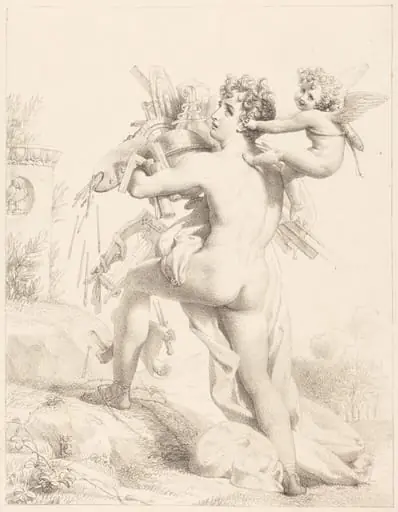 Grasp All, Lose All (Qui trop embrasse, mal etrient)
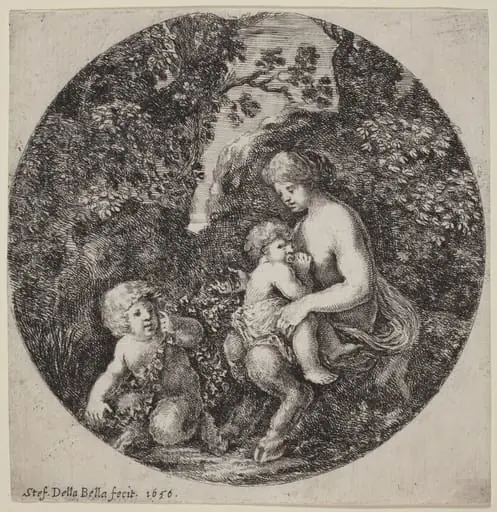 Female Satyr Nursing a Child in a Wooded Landscape
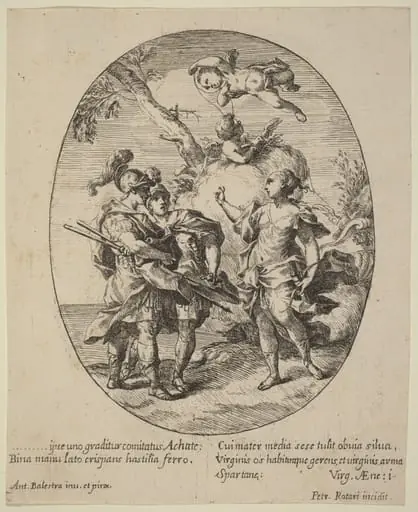 Venus Appearing to Achilles
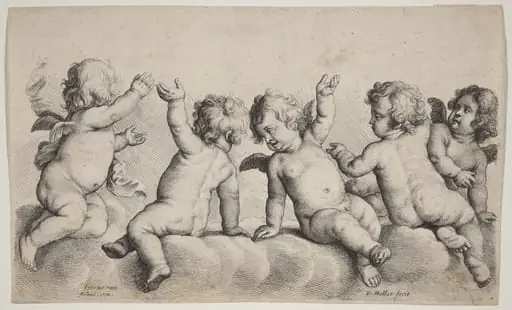 Three Cherubs and Two Boys on Clouds
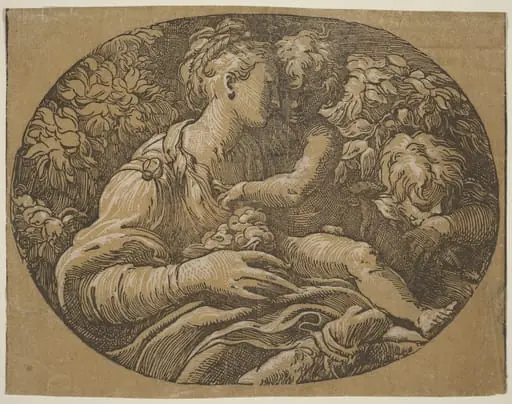 The Virgin with the Rose
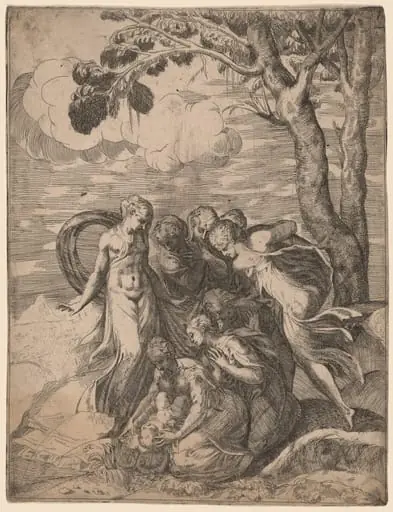 The Finding of Moses
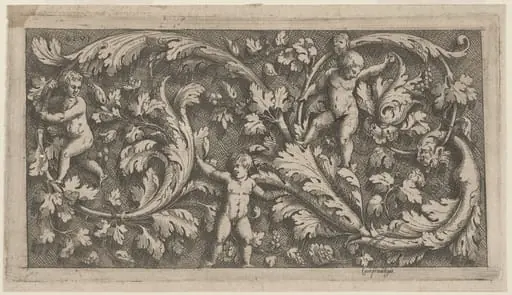 Panel of Ornament
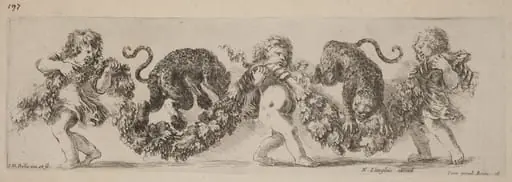 Two Leopards Jumping a Festoon Supported by Children
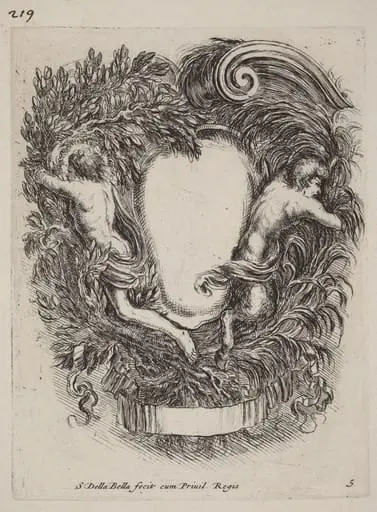 Cartouche with Apollo and Pan
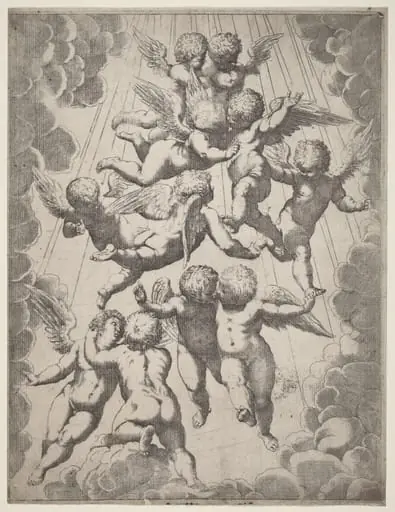 A Group of Angels in Glory
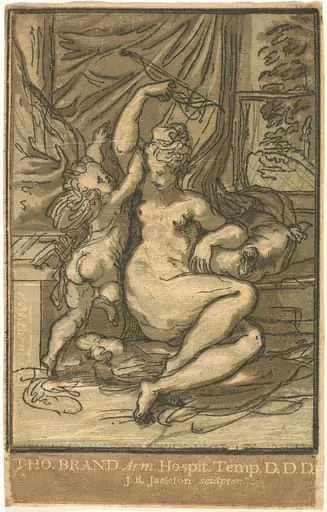 Venus and Cupid with a Bow
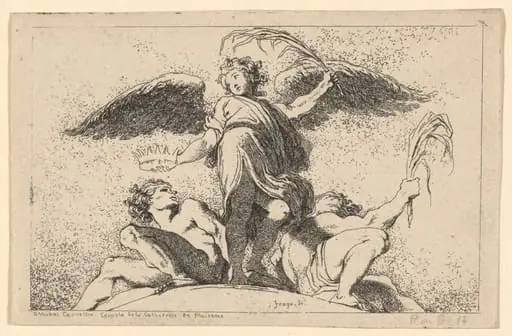 Angel Holding a Palm and a Crown
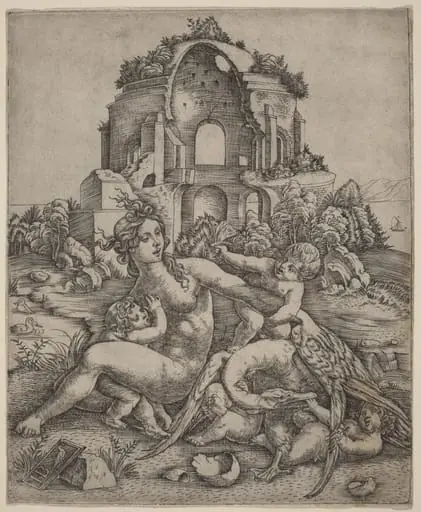 Leda and the Swan
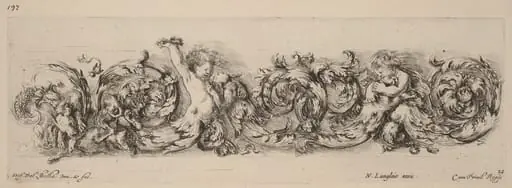 Ornamental Frieze with Children and Dogs
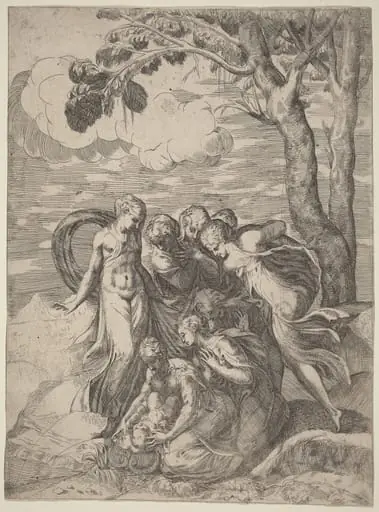 The Finding of Moses
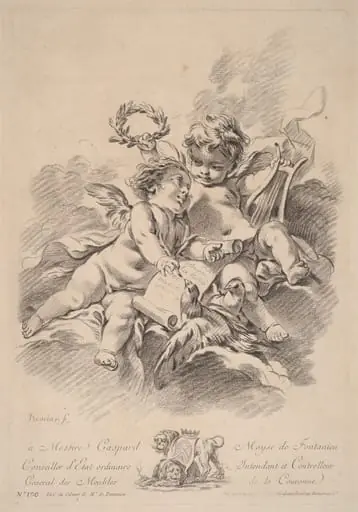 Allegory of Music with Two Cherubs and Doves (100)
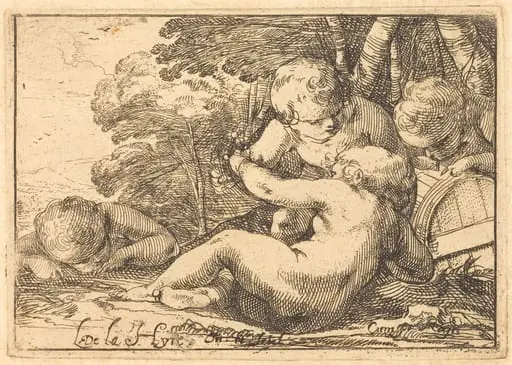 Four Bacchic Children
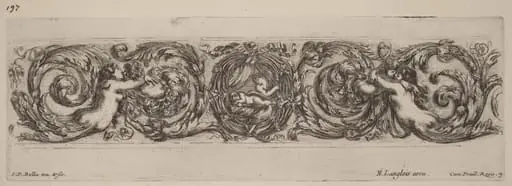 Ornamental Frieze with Cupid and Psyche
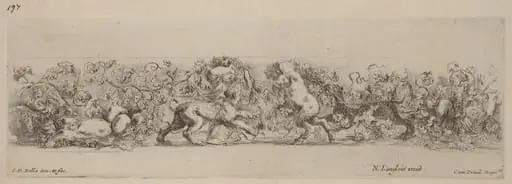 Ornamental Frieze with Grape Vine
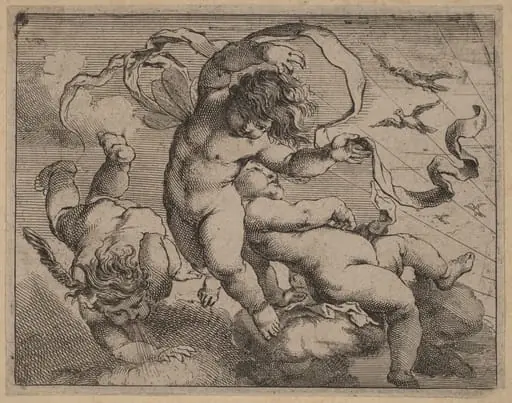 Three Flying Putti
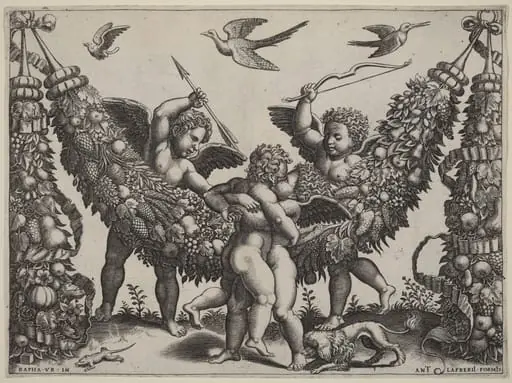 Two Putti...Striking Another Who Is Squeezing a Child
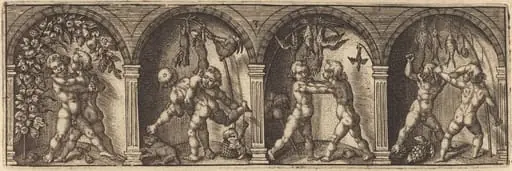 Les divers pourtraicts et figures III
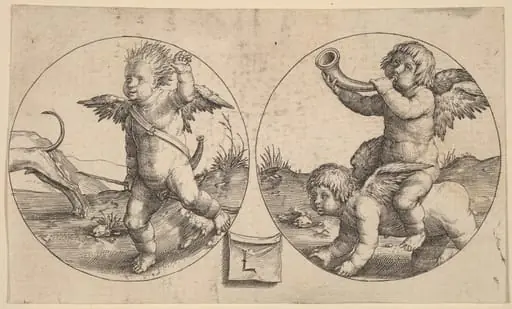 Two Cupids in Two Circles
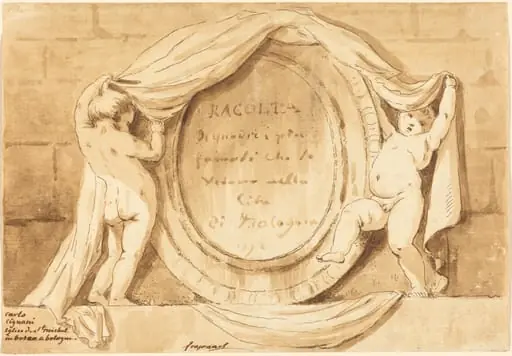 Title Page: Oval Design from the Church of San Michele de Bosco, Bologna
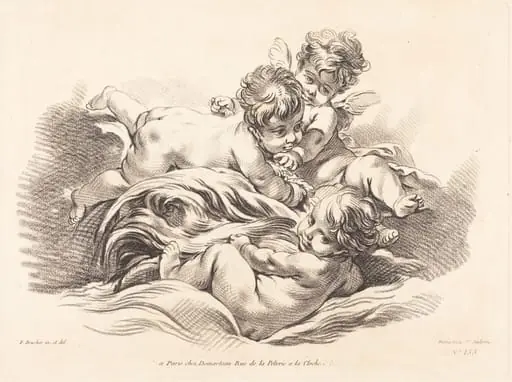 Three Cherubs Playing on Dolphin Like Wave
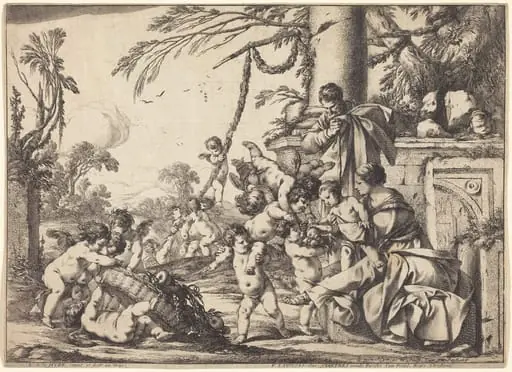 Holy Family with Putti
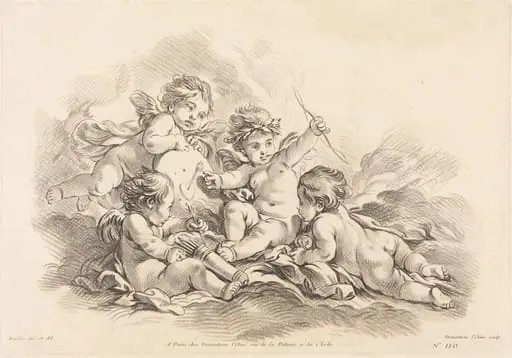 Four Cherubs at Target Practice
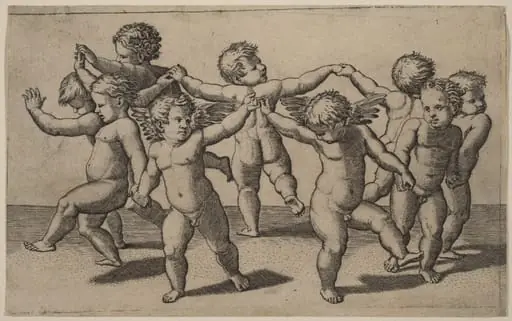 Dance of Cupids
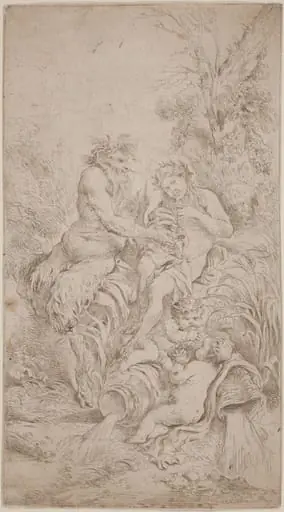 Pan and Olympus
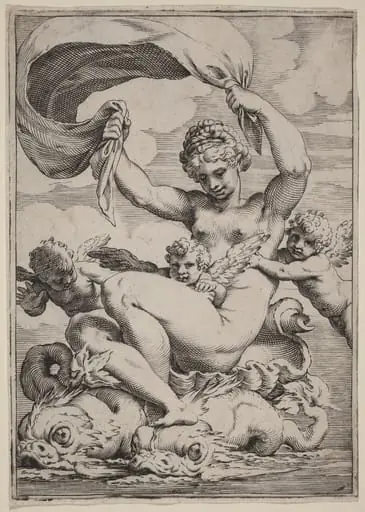 Venus or Galatea Supported by Dolphins
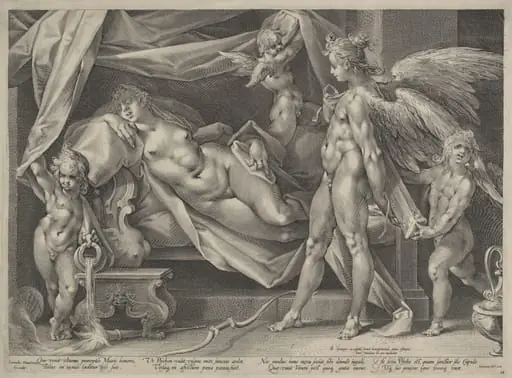 Cupid and Psyche
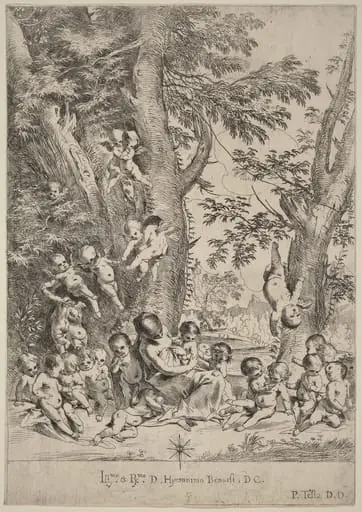 Young Woman, Surrounded by Cupids (The Garden of Charity, vertical version)
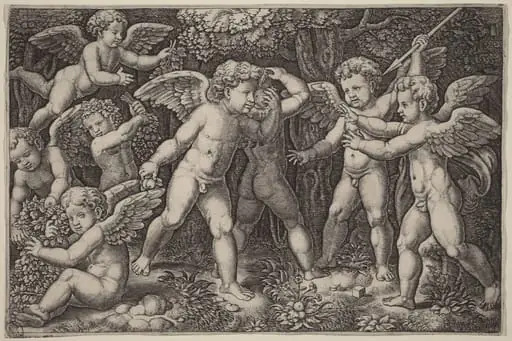 Putti Playing
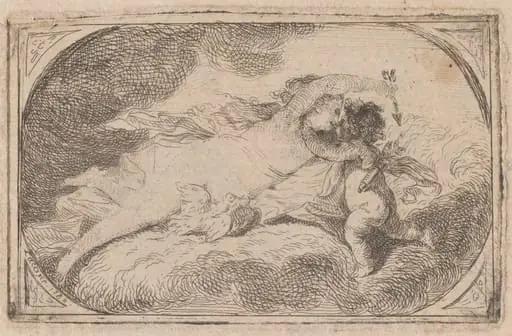 Venus and Cupid
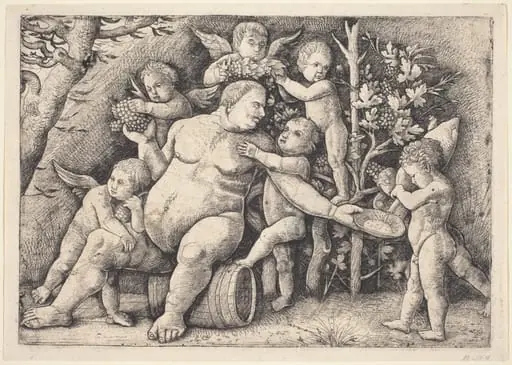 Silenus
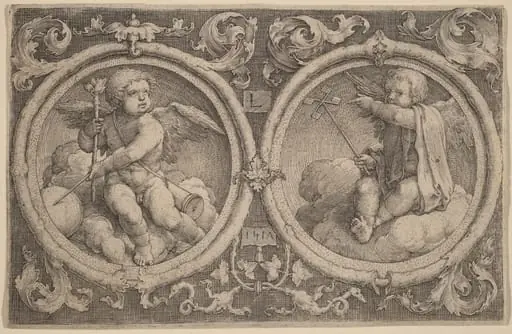 Two Cupids Seated on Clouds in Two Circles
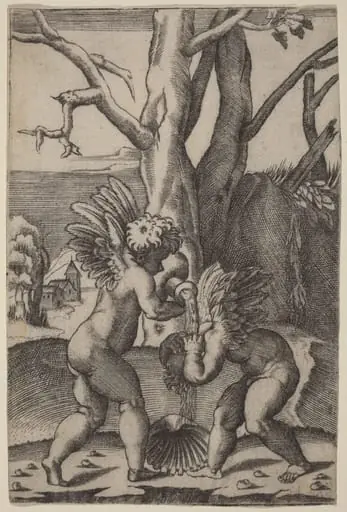 Two Loves
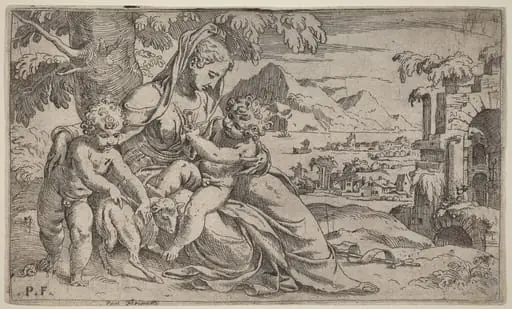 Madonna and Child with John the Baptist
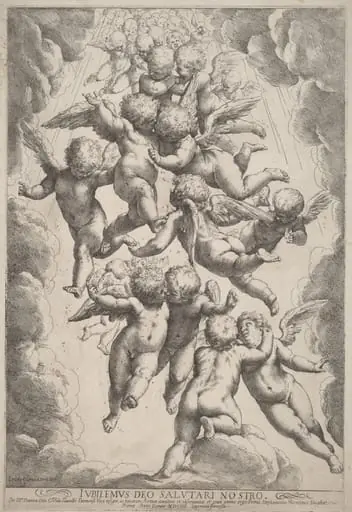 Angels in Glory
Frequently asked questions
What is Putti?
Putti is a subject in art. A putto (Italian: ; plural putti ) is a figure in a work of art depicted as a chubby male child, usually naked and very often winged.
How many Putti works does Artifact World Gallery have?
Artifact World Gallery holds 200 public-domain Putti works, all free to view and download.
Who are the key Putti artists?
Key Putti artists in the collection include Paolo Veronese, Jean Honoré Fragonard and François Boucher.
Where can I see Putti works?
Putti works in the collection are held by National Gallery of Art, Victoria and Albert Museum and Bavarian State Painting Collections.