Artwork
The Satyr and the Peasant
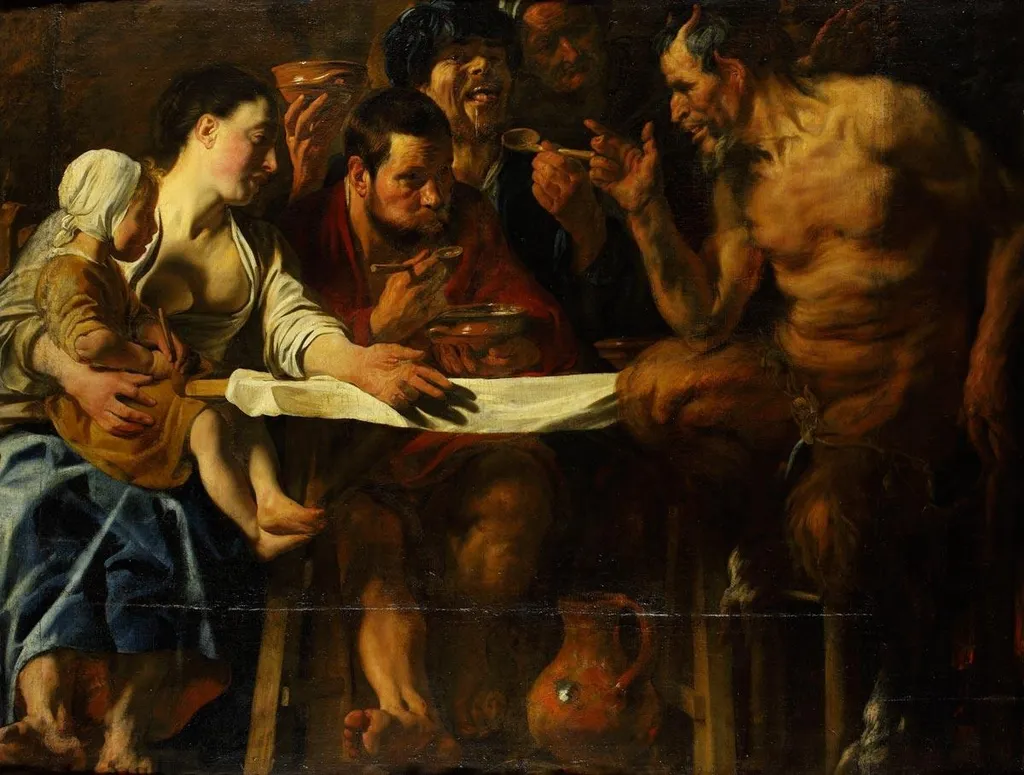
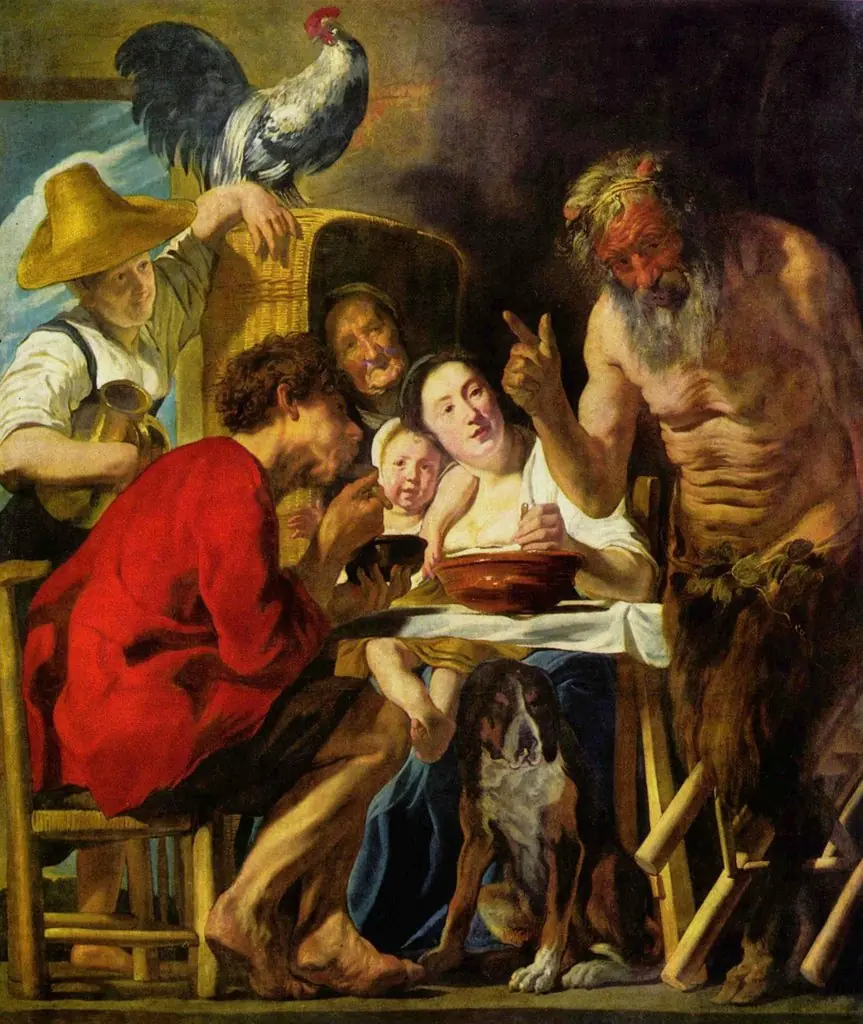
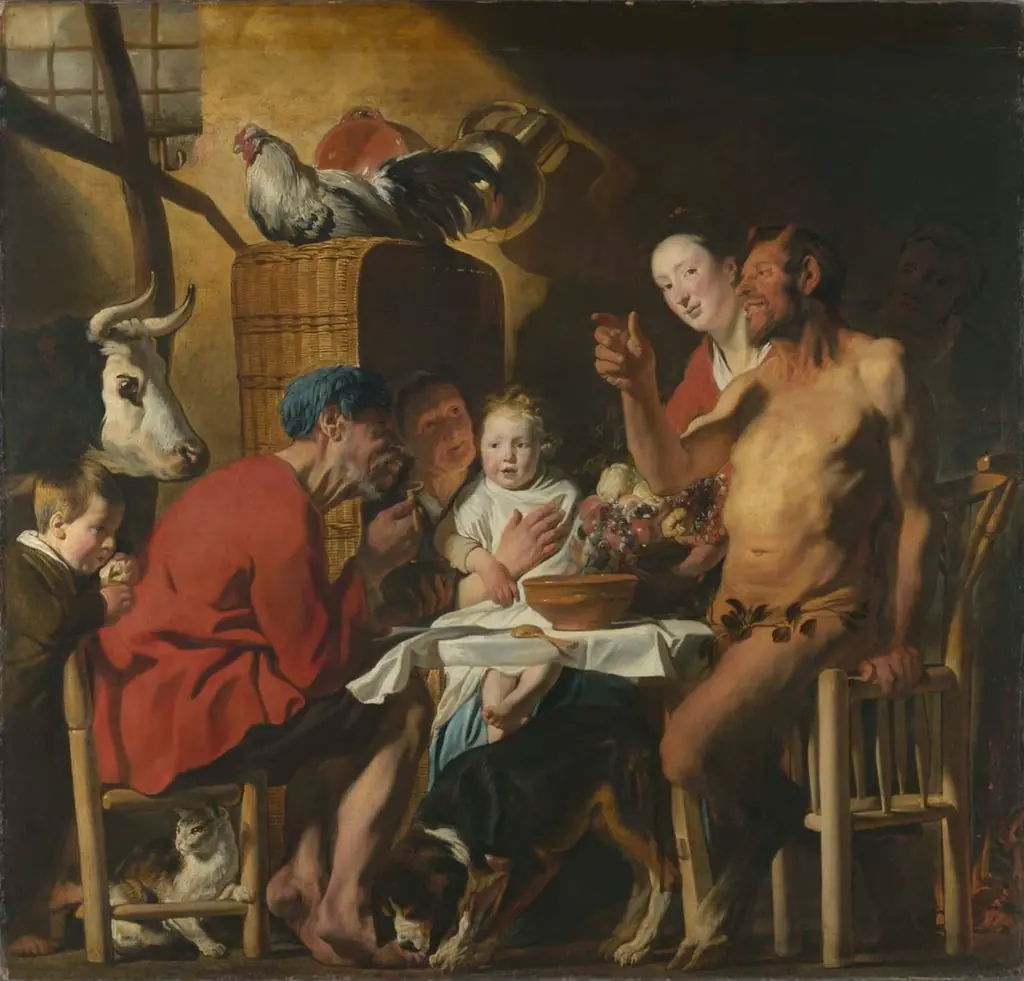
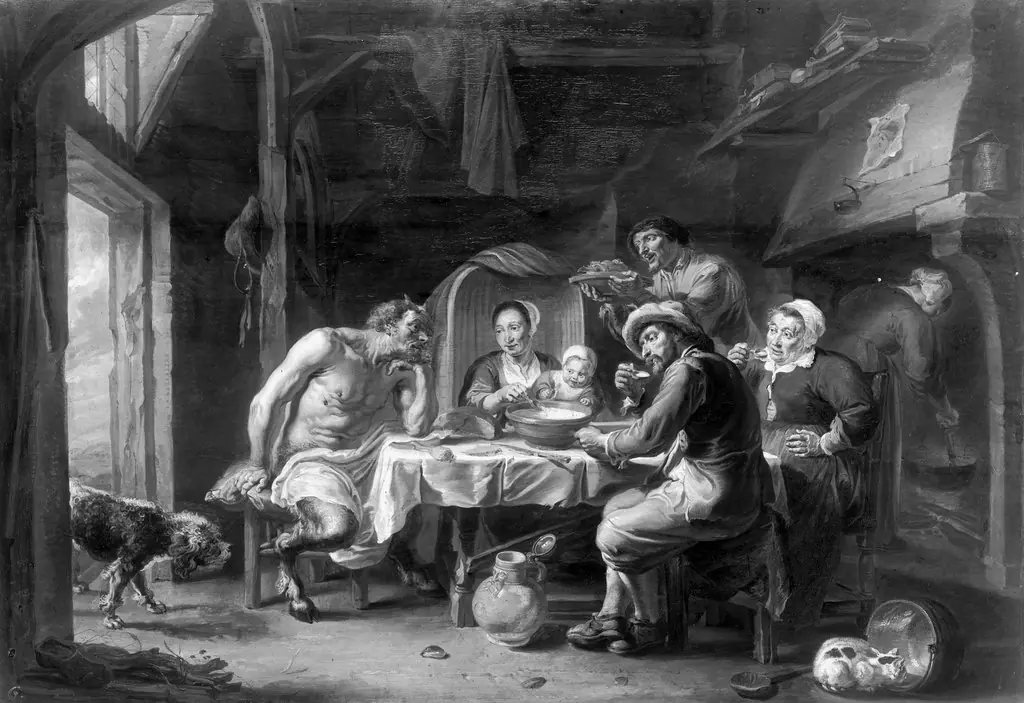
The Satyr and the Peasant is an oil painting by the Flemish Baroque painting artist Jacob Jordaens. It dates from 1622 and is held in the collection of the Pushkin Museum of Fine Arts.
About this work
Subject & Meaning
The composition features a mythological satyr interacting with a human man and a woman, blending genres of mythological storytelling and portraiture.
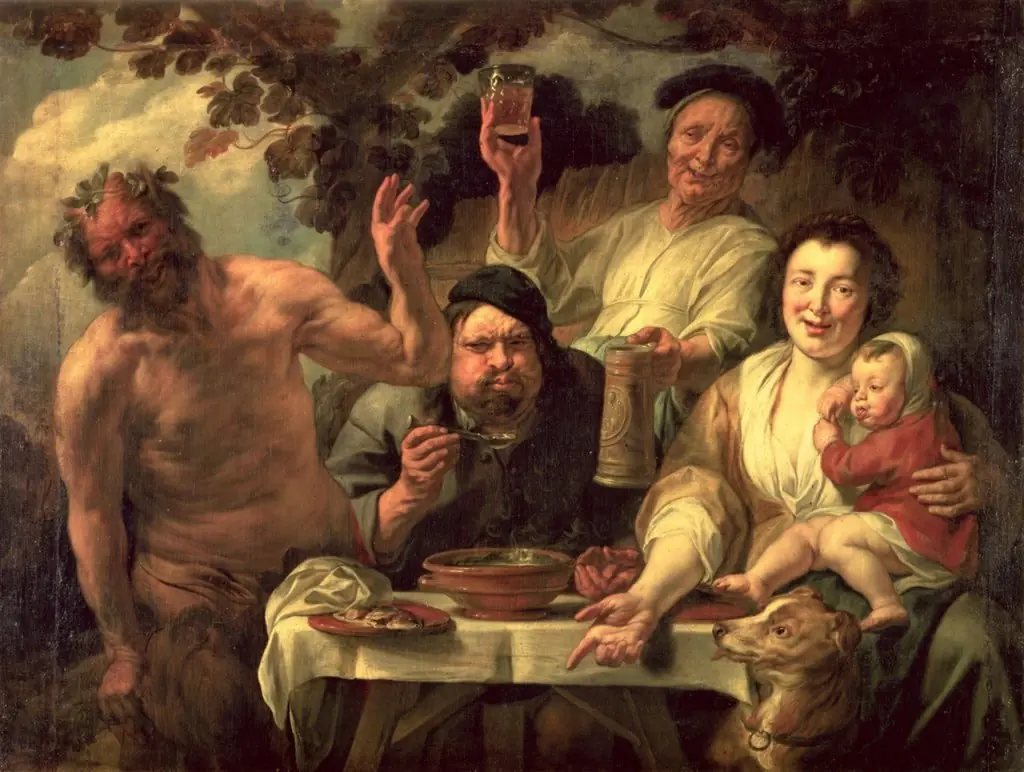
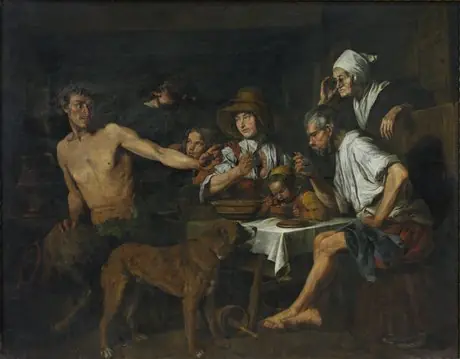
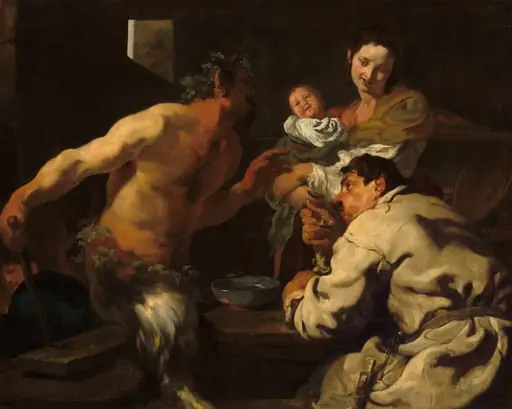
Jacob Jordaens's 1622 oil painting illustrates the fable of The Satyr and the Traveller, a narrative also known as The Satyr and the Peasant. The composition features a mythological satyr interacting with a human man and a woman, blending genres of mythological storytelling and portraiture. This subject matter explores the contrast between the wild, supernatural nature of the satyr and the domestic reality of the peasant figures, a common theme in Jordaens's oeuvre that often served to moralize or entertain through classical allegory.
Technique & Style
Jacob Jordaens created The Satyr and the Peasant in 1622 using oil paint on canvas. The composition features a satyr alongside a peasant figure, reflecting Jordaens's characteristic treatment of mythological subjects with robust figures and rich coloration. The painting's formal qualities demonstrate the Baroque emphasis on dynamic interaction and textural contrast between the fleshy forms of the figures and the surrounding setting.
History & Provenance
The Satyr and the Peasant was created by Jacob Jordaens in 1622, executed in oil paint. The painting subsequently entered the collection of Heinrich von Brühl, the eighteenth-century Saxon statesman and art collector. It is now held in the Pushkin Museum of Fine Arts, Moscow.
Legacy
Later scholarship and museum records note that the work influenced Baroque treatment of mythological subjects and contributed to the development of genre scenes that blend satire with allegory. Its composition was referenced in 18th-century treatises on narrative painting and has been cited in studies of Jordaens' impact on Dutch and Flemish artists who adapted his figure types in later portraiture. The painting's inclusion in the collection of the Pushkin Museum of Fine Arts and its provenance through Heinrich von Brühl have reinforced its reputation as a representative example of early 17th-century mythological portraiture.
Overview
Jacob Jordaens painted The Satyr and the Peasant in 1622, situating the work within the Flemish Baroque tradition. Executed in oil on canvas, the composition illustrates a moment from Aesop’s fable where a rustic figure meets a mythic satyr. The painting now belongs to the State Hermitage Museum’s collection.
Context
The painting reflects the 17th‑century Flemish interest in merging classical mythology with everyday life, a hallmark of the Baroque period. By choosing an Aesop fable, Jordaens aligns with contemporary moral storytelling, using familiar domestic motifs to explore broader philosophical ideas about human nature and the allure of the exotic.
Artist & collection
Artist
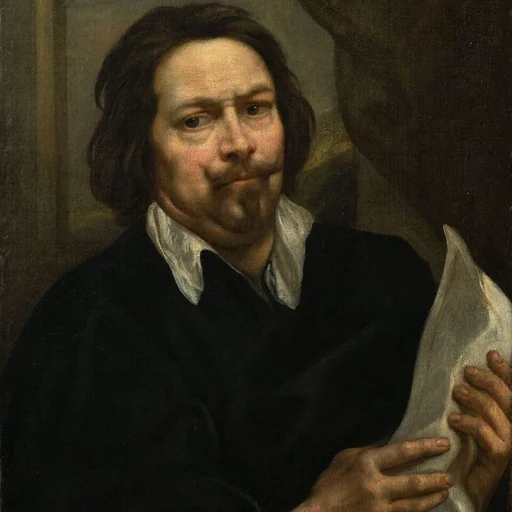
Jacques (Jacob) Jordaens (19 May 1593 – 18 October 1678) was a Flemish painter, draughtsman and a designer of tapestries and prints.

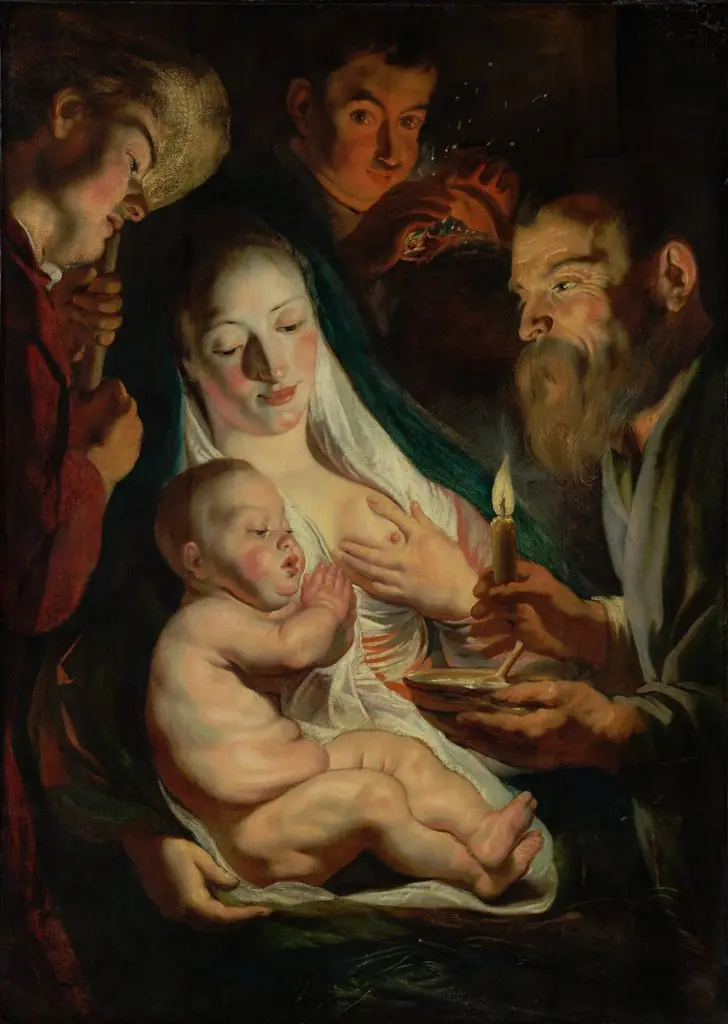 The Holy Family with Shepherds
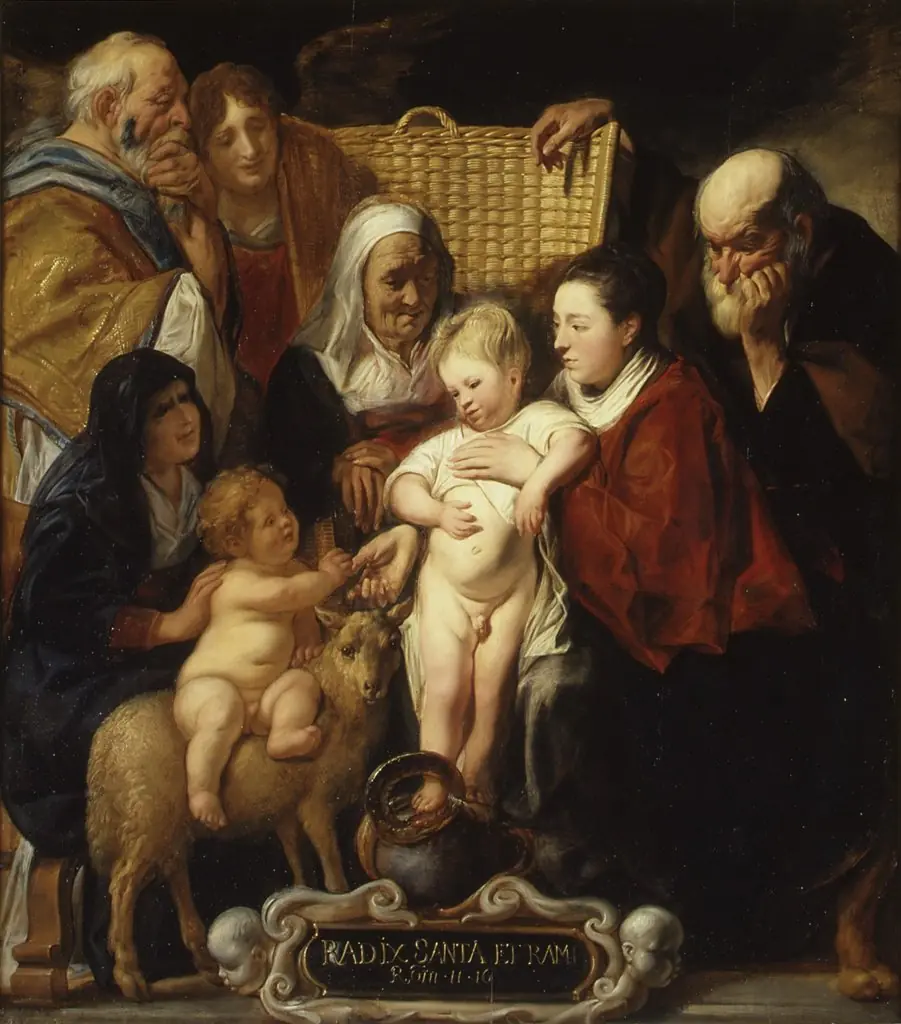 The Holy Family with Saint Anne and the Young Baptist and His Parents
 Untitled
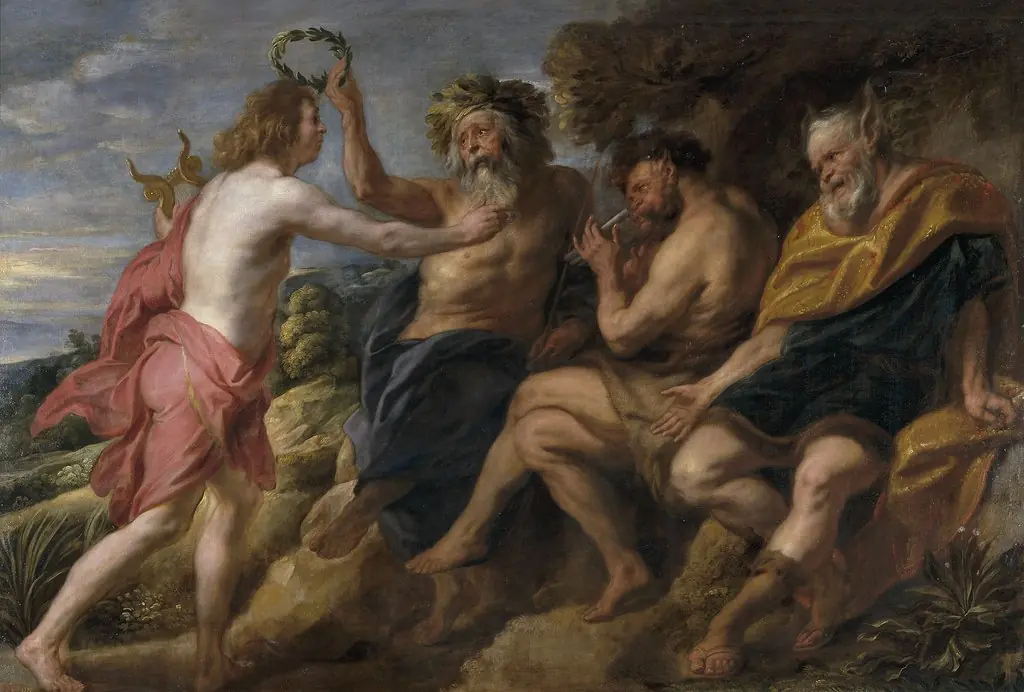 Apollo as Victor over Pan
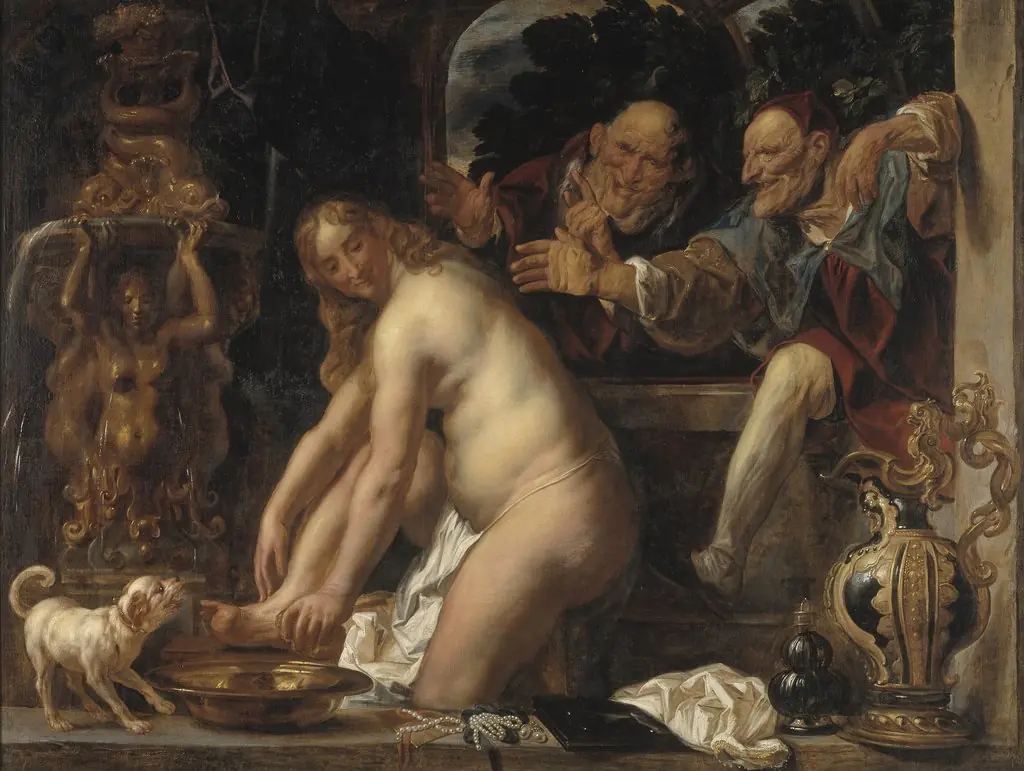 Susanna and the Elders
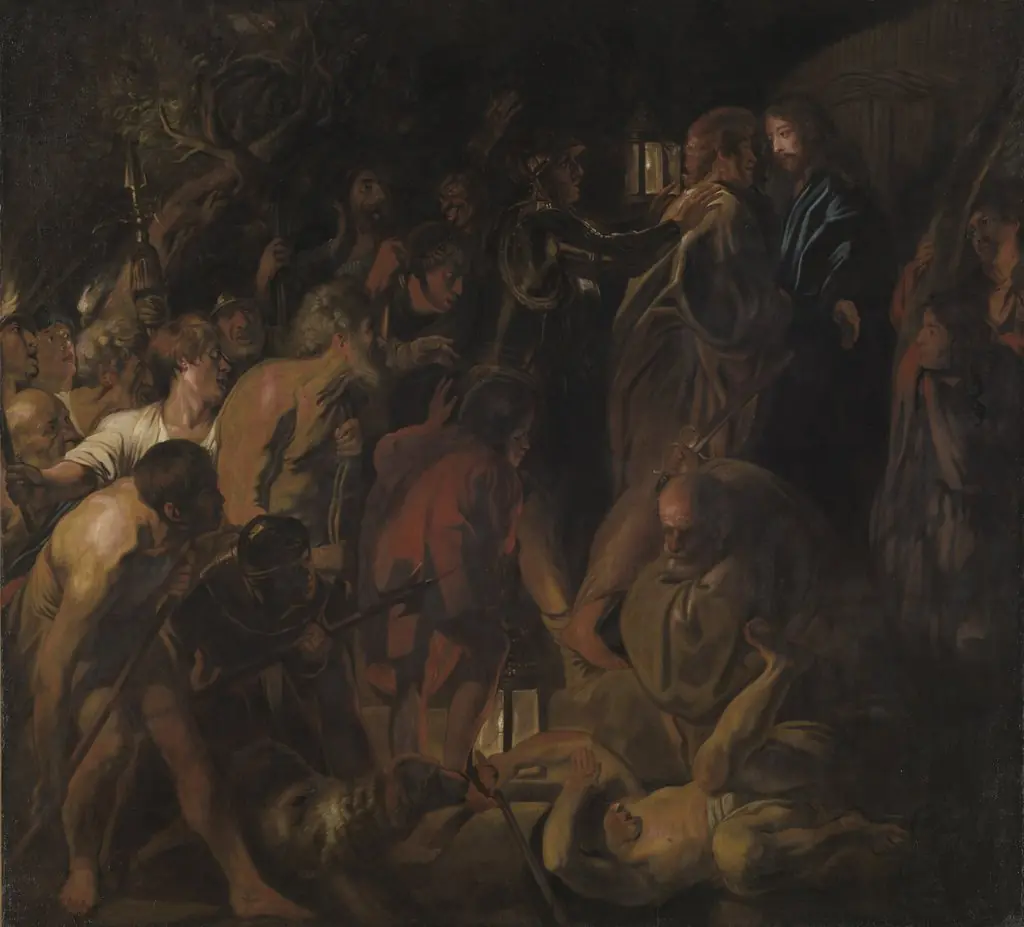 The Betrayal of Christ
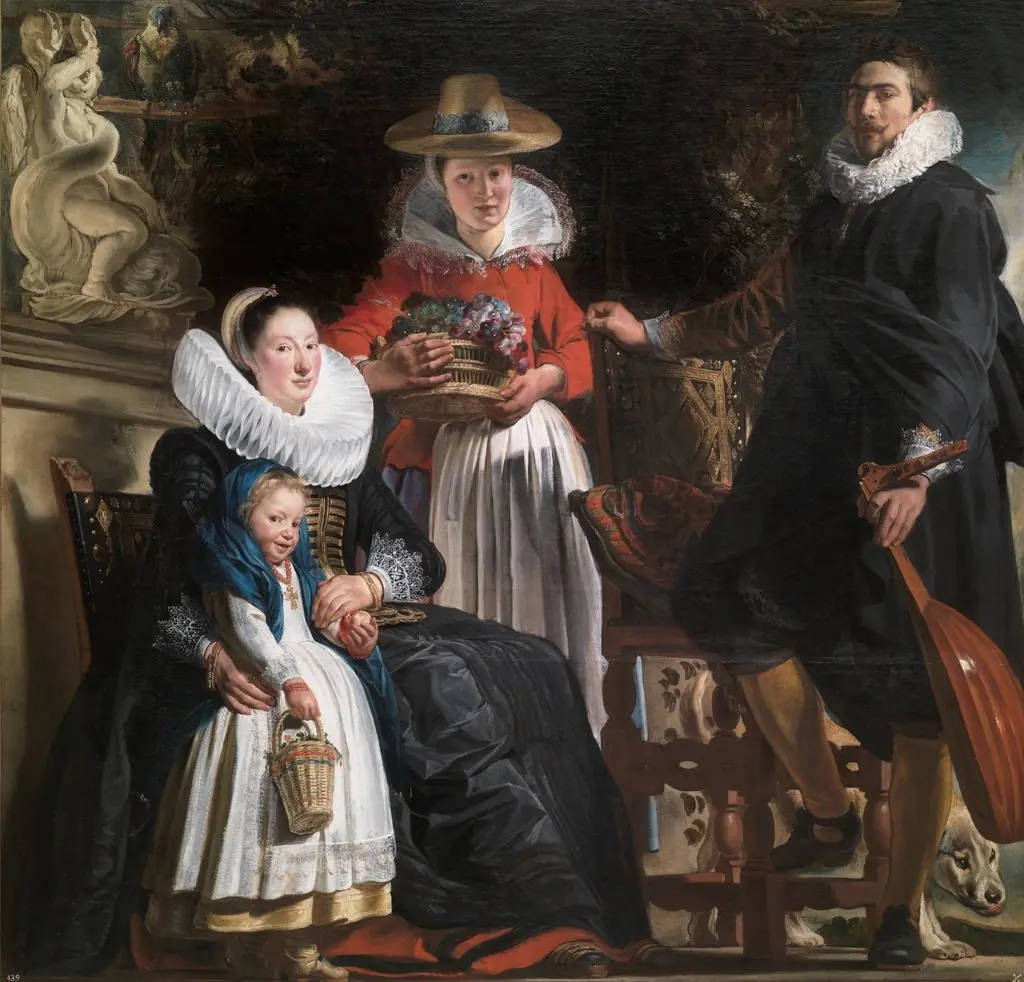 Portrait of the artist with his family
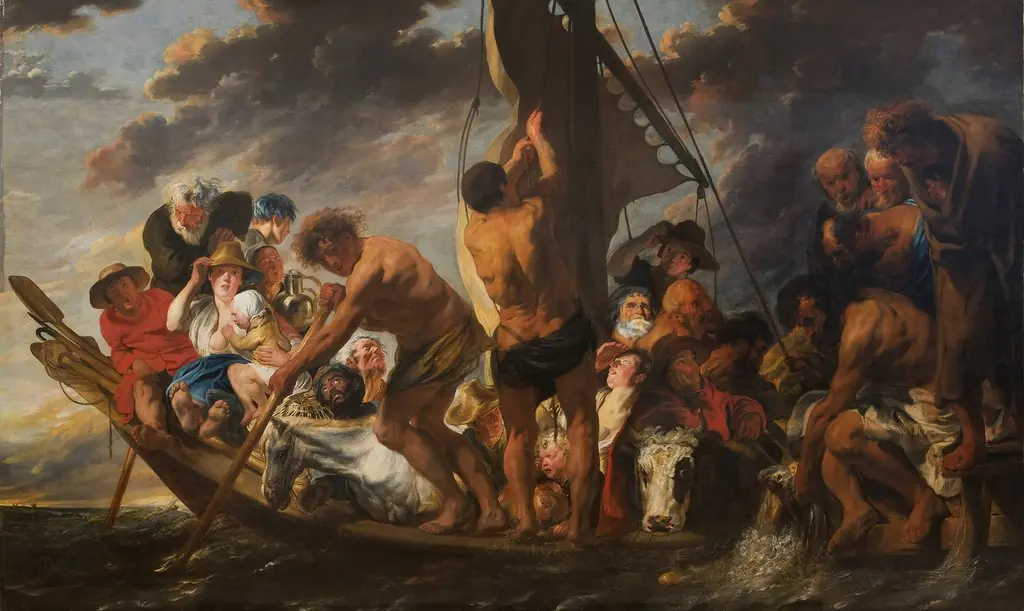 The Tribute Money. Peter Finding the Silver Coin in the Mouth of the Fish. Also called "The Ferry Boat to Antwerp"