Artwork
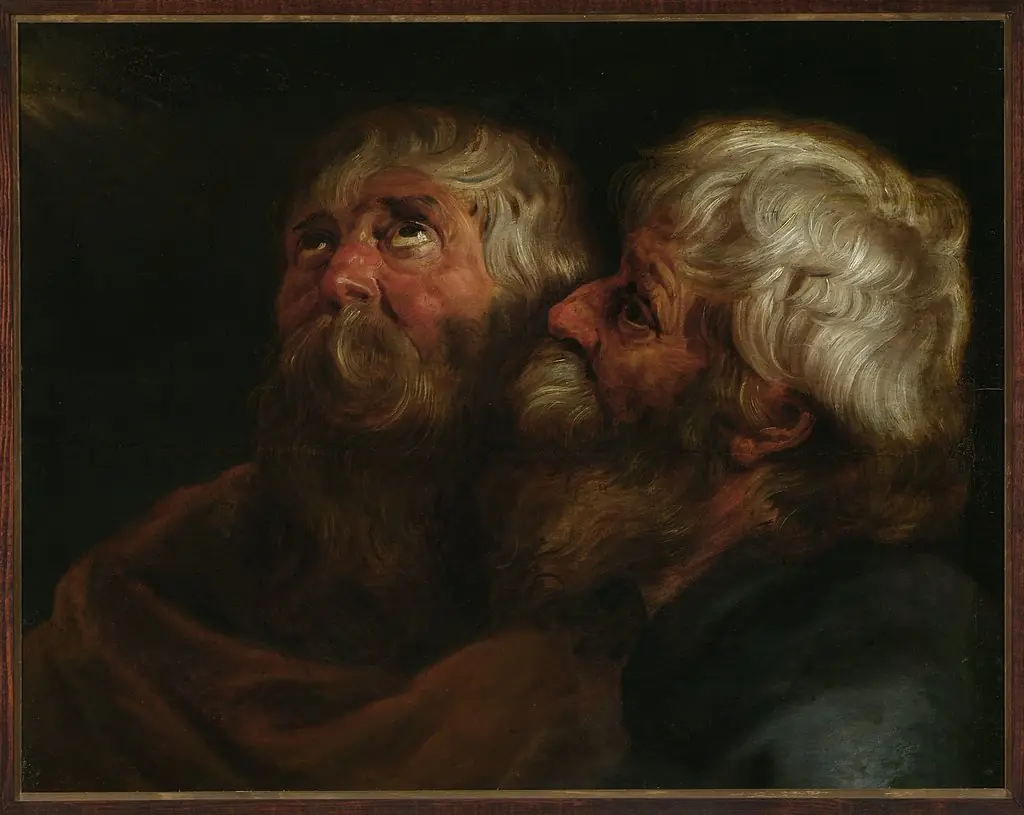
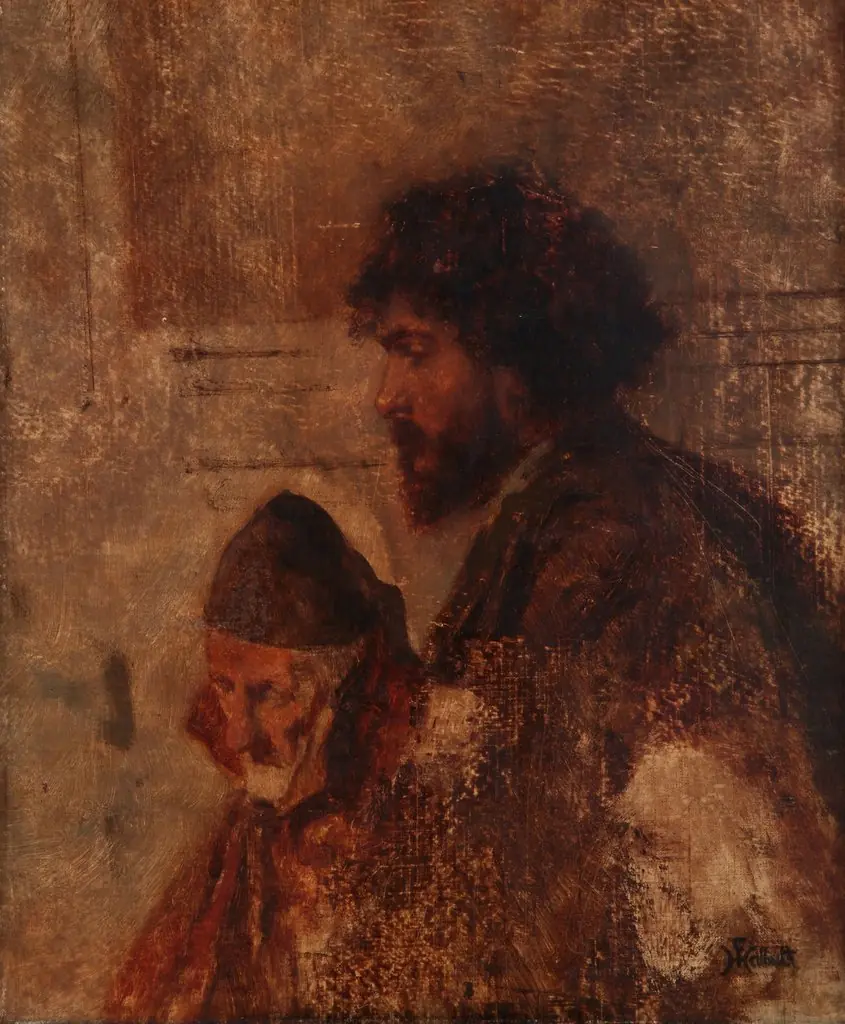
Two studies of a male head
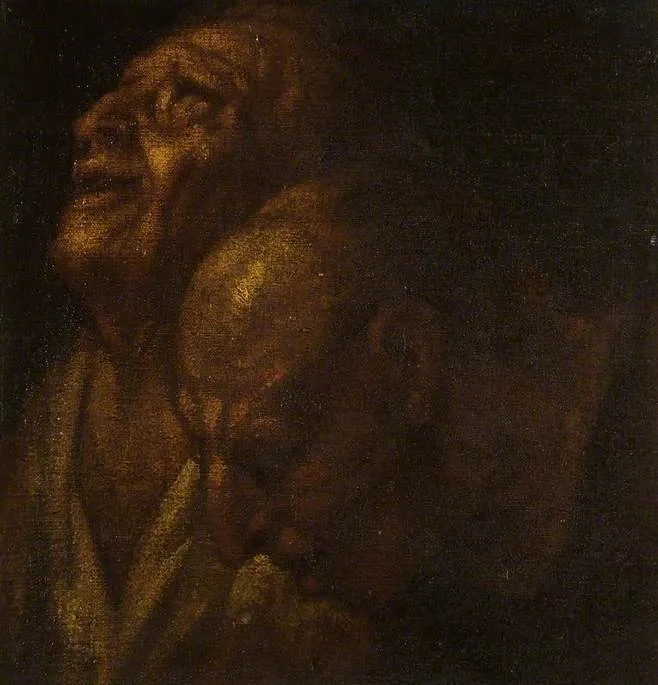
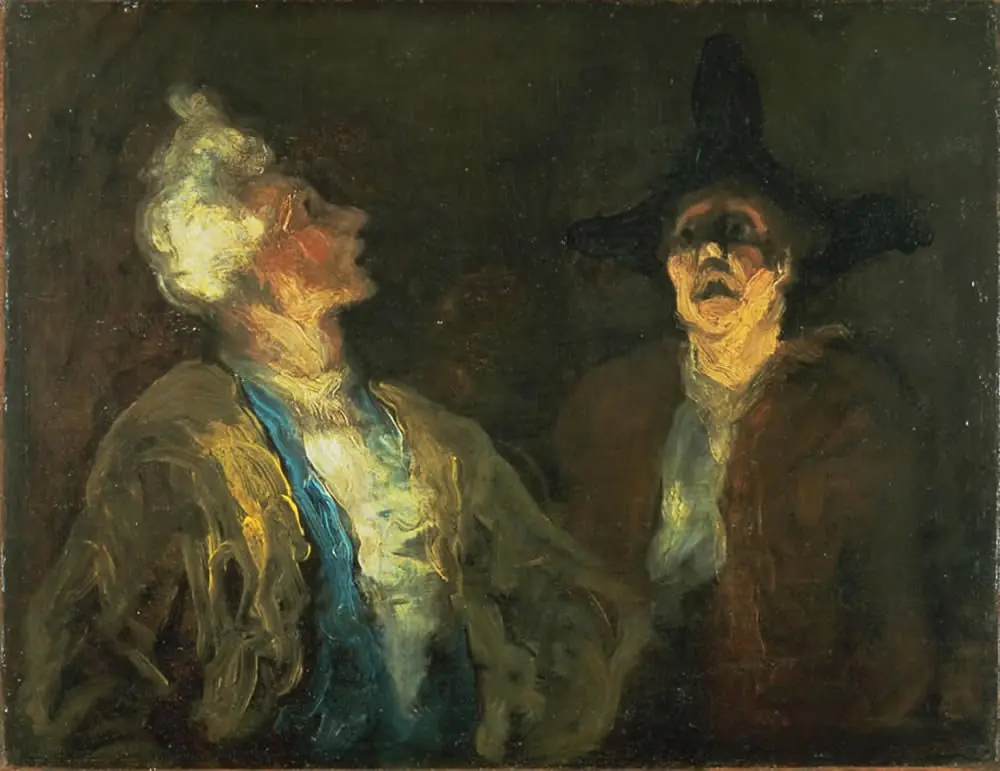
Two studies of a male head is an oil painting by the Flemish Baroque painting artist Jacob Jordaens. It dates from 1643 and is held in the collection of the Fitzwilliam Museum.
About this work
Overview
Unlike many of his contemporaries, he developed his style without traveling to Italy, relying instead on direct observation and local artistic traditions.
Created around 1643 by Jacob Jordaens, this oil painting consists of two side-by-side studies of a single male head. Executed in the Flemish Baroque style, the work reflects Jordaens’ focus on human expression and physical presence. Unlike many of his contemporaries, he developed his style without traveling to Italy, relying instead on direct observation and local artistic traditions. The painting is held in the Fitzwilliam Museum’s collection.
Subject & Meaning
The two heads depict the same man from slightly different angles, both with eyes lowered in a contemplative or prayerful posture. The absence of narrative context or symbolic attributes suggests an emphasis on psychological presence rather than religious storytelling. The repeated portrayal implies an exploration of individual character, possibly for preparatory study or as a meditation on human dignity and inwardness.
Technique & Style
Jordaens employed bold, textured brushwork and strong chiaroscuro to model the forms, giving the heads a tangible volume against a dark, indistinct background. The impasto technique adds tactile depth, particularly in the rendering of skin and hair. The loose yet deliberate strokes convey immediacy, suggesting the artist worked quickly from life, capturing transient expressions with unidealized realism.
History & Provenance
The painting entered the Fitzwilliam Museum’s collection in the 19th century, though its earlier ownership is undocumented. It likely originated in Jordaens’ Antwerp studio, where such studies were commonly made as preparatory works for larger compositions. Its survival as a standalone piece is uncommon, as most sketches of this nature were discarded or absorbed into finished paintings.
Context
In mid-17th century Antwerp, after the deaths of Rubens and van Dyck, Jordaens emerged as the city’s dominant painter. While his large-scale works often depicted biblical or mythological themes, he maintained a practice of intimate life studies. This piece reflects a broader trend among Flemish artists to ground grand subjects in observed human detail, even when working outside the Italianate tradition.
Legacy
This work exemplifies Jordaens’ commitment to direct observation and emotional authenticity. Though less celebrated than his monumental canvases, such studies reveal his technical discipline and sensitivity to individual expression. They influenced later generations of Flemish realists who valued the unadorned human form as a subject worthy of sustained attention.
Artist & collection
Artist
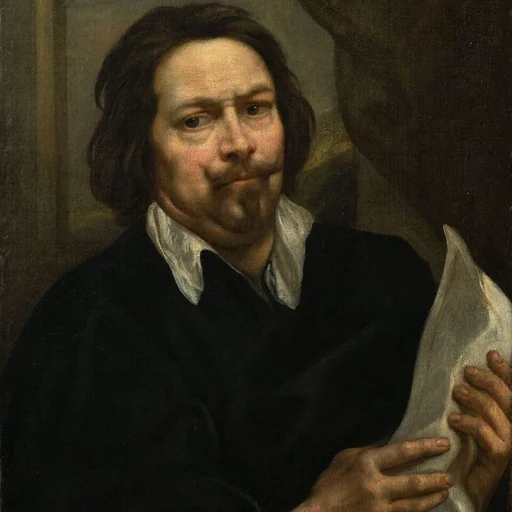
Jacques (Jacob) Jordaens (19 May 1593 – 18 October 1678) was a Flemish painter, draughtsman and a designer of tapestries and prints.

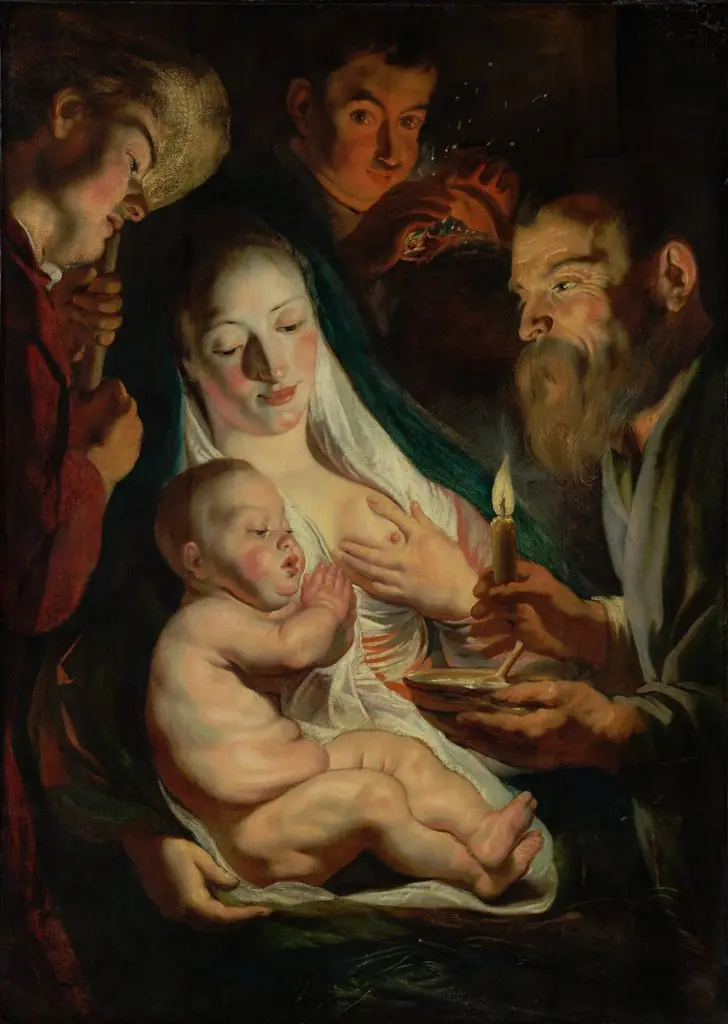 The Holy Family with Shepherds
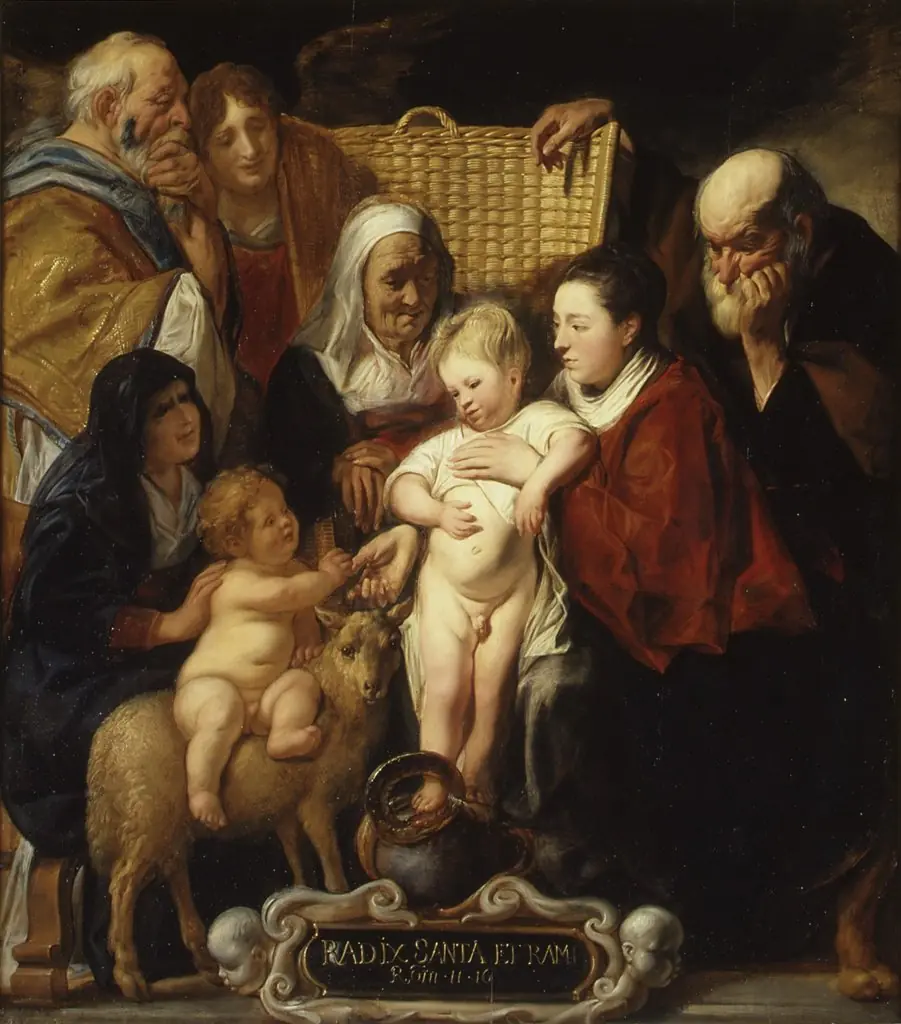 The Holy Family with Saint Anne and the Young Baptist and His Parents
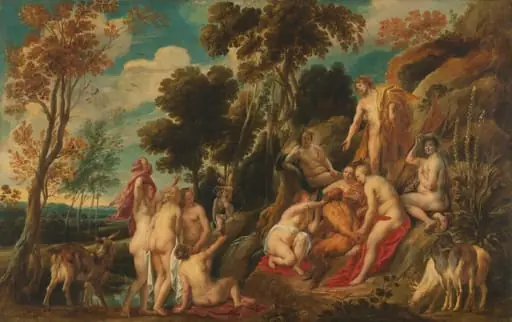 Untitled
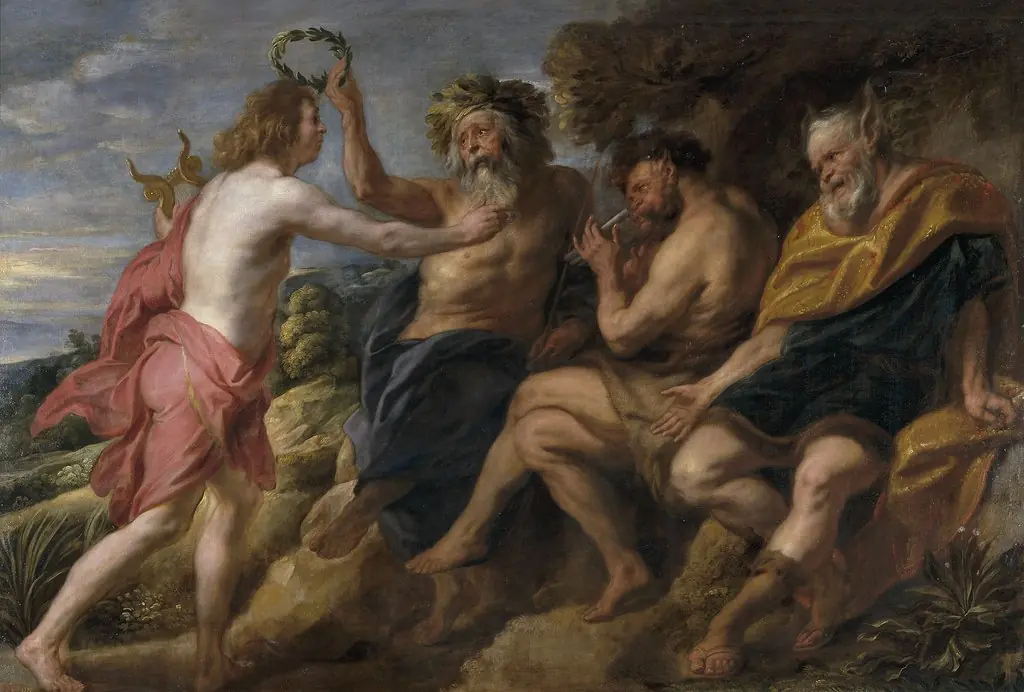 Apollo as Victor over Pan
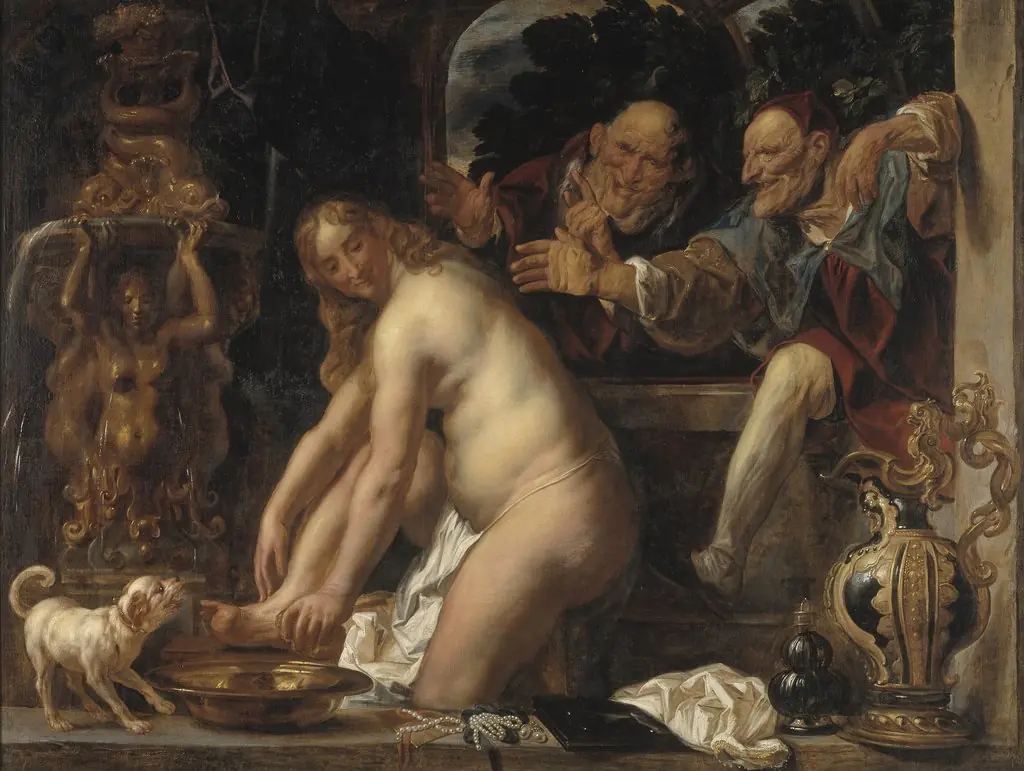 Susanna and the Elders
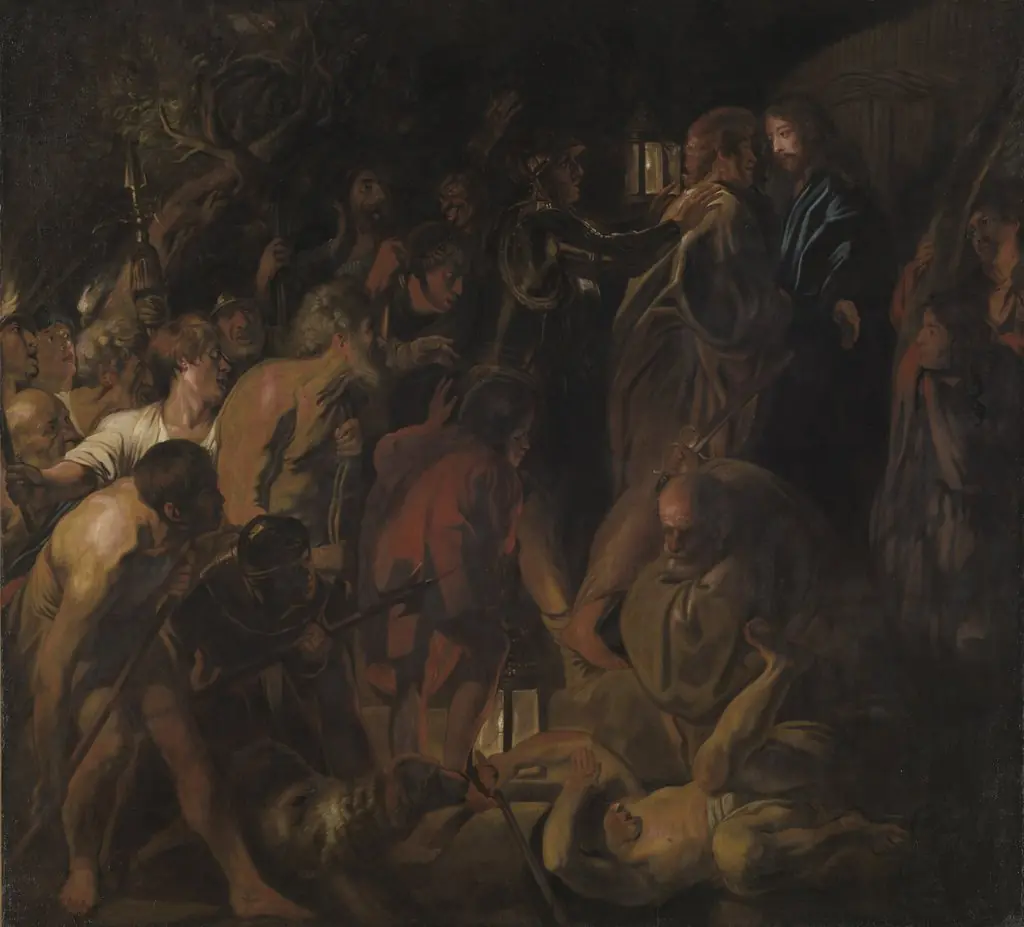 The Betrayal of Christ
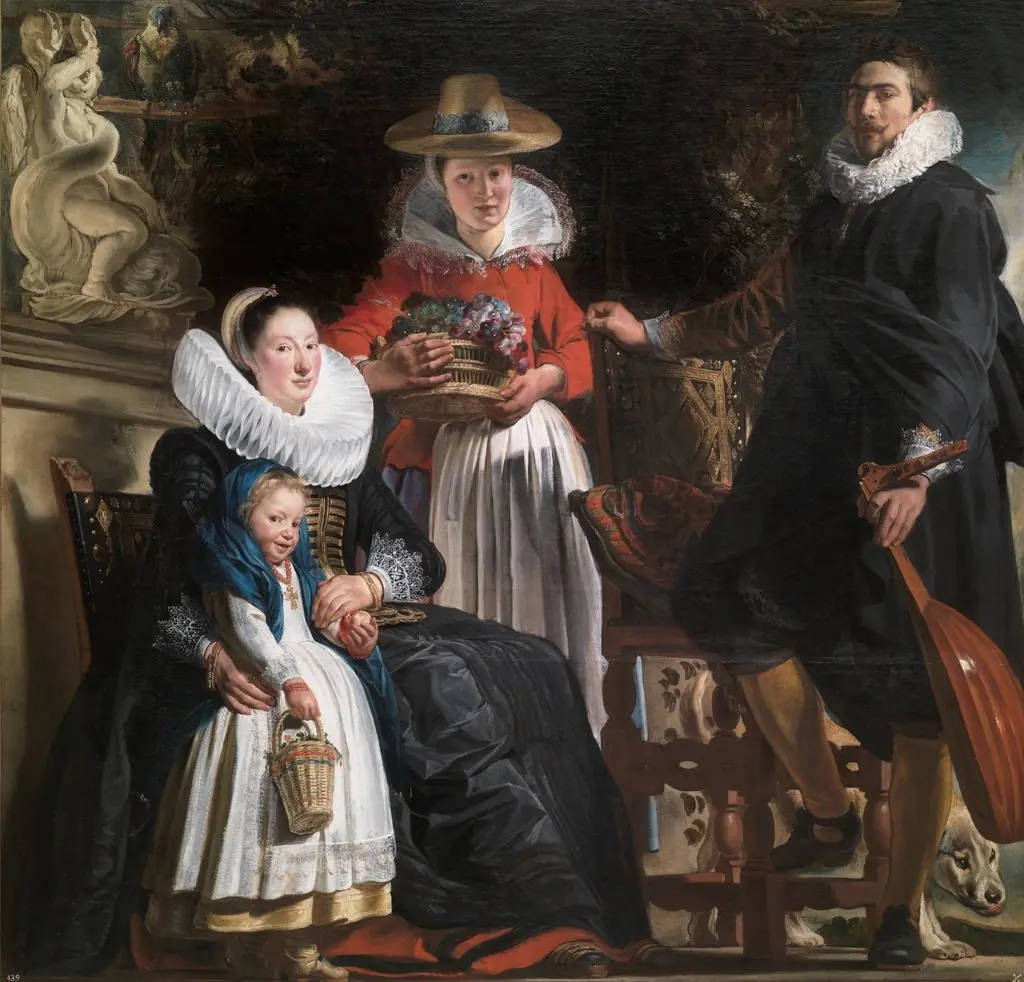 Portrait of the artist with his family
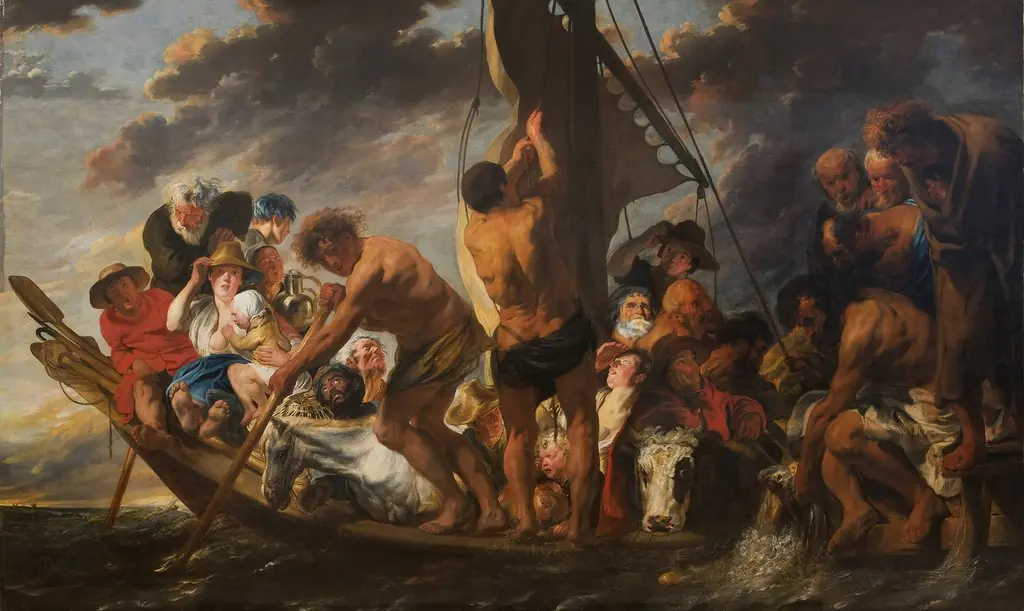 The Tribute Money. Peter Finding the Silver Coin in the Mouth of the Fish. Also called "The Ferry Boat to Antwerp"