Artwork
A Picture of Frere Jacques done by the Young Brower at Brussells
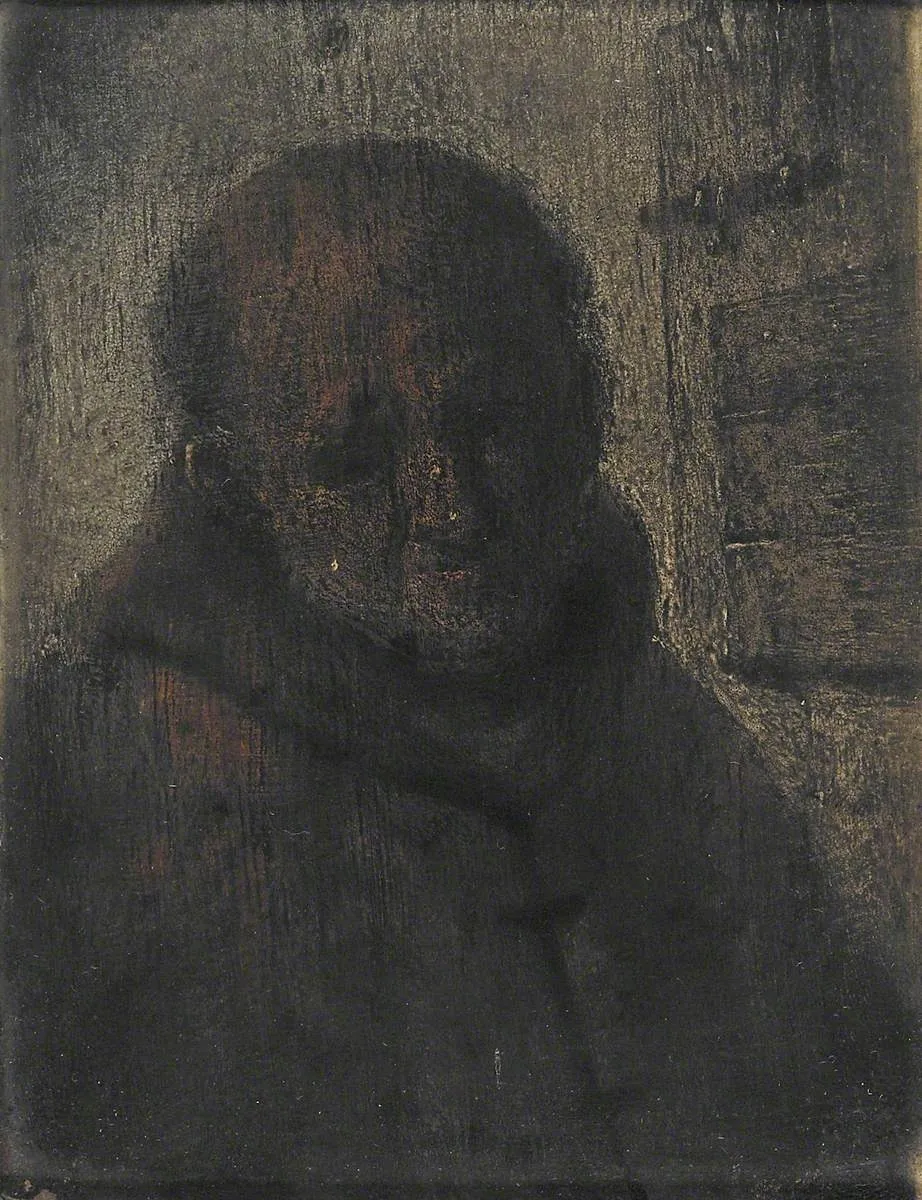
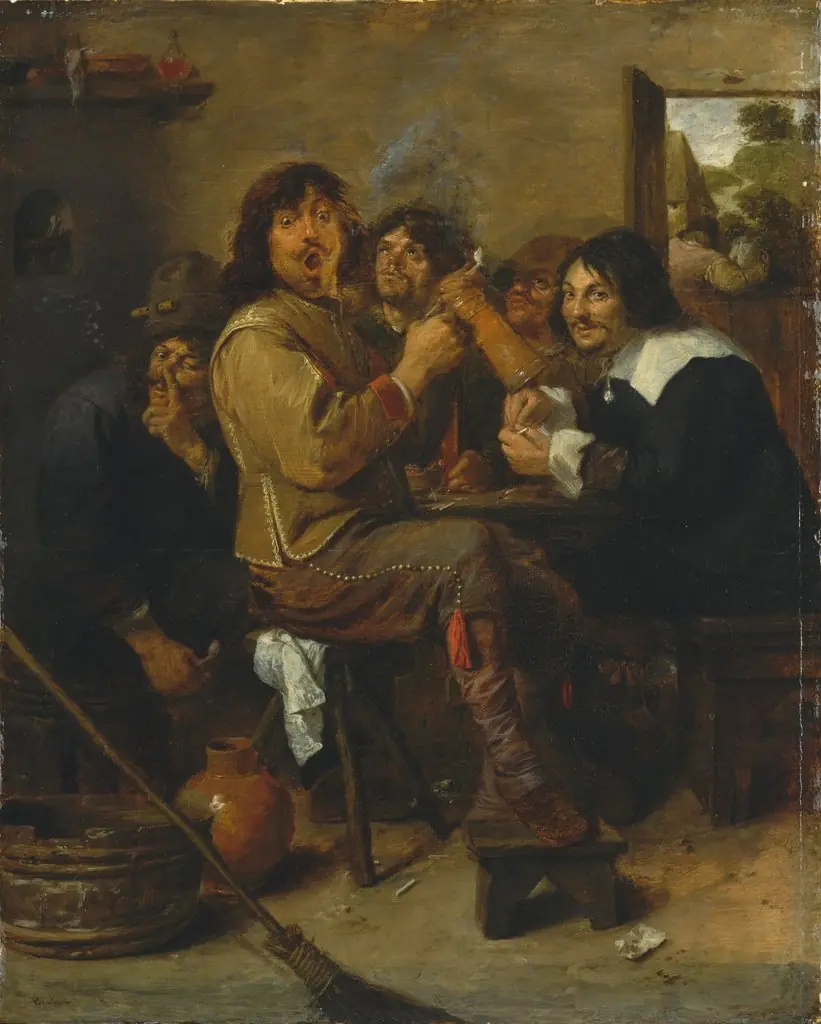
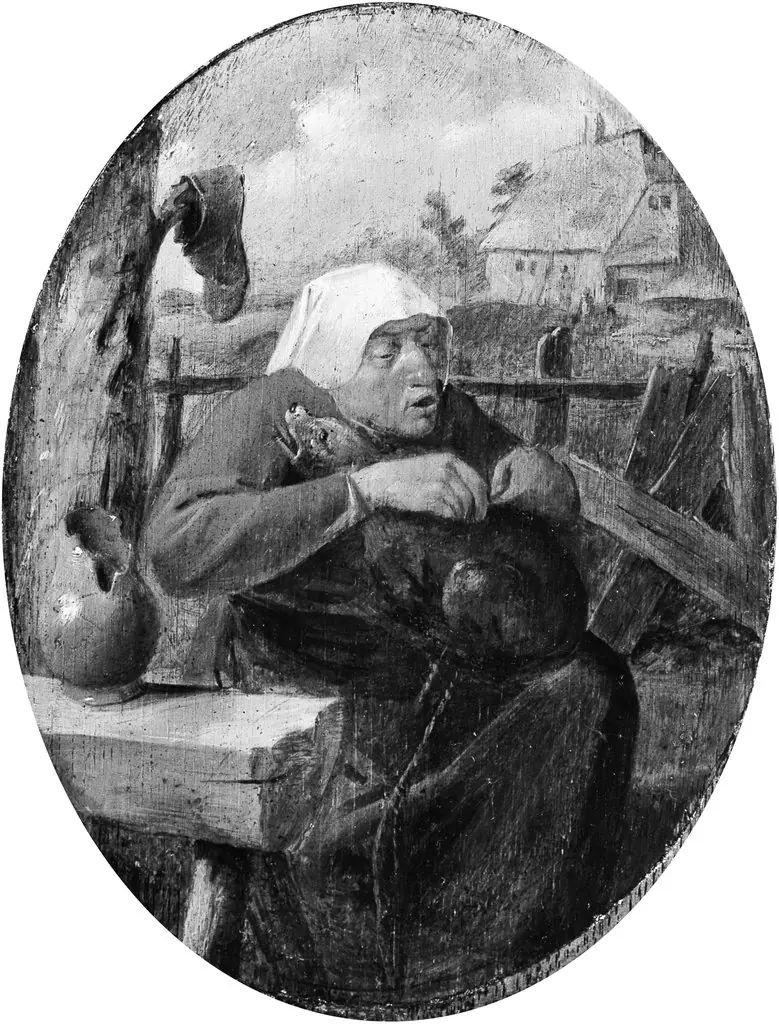
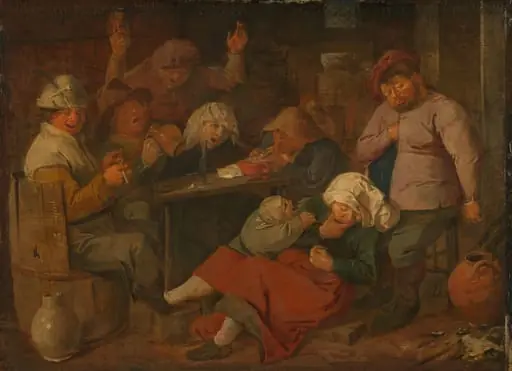
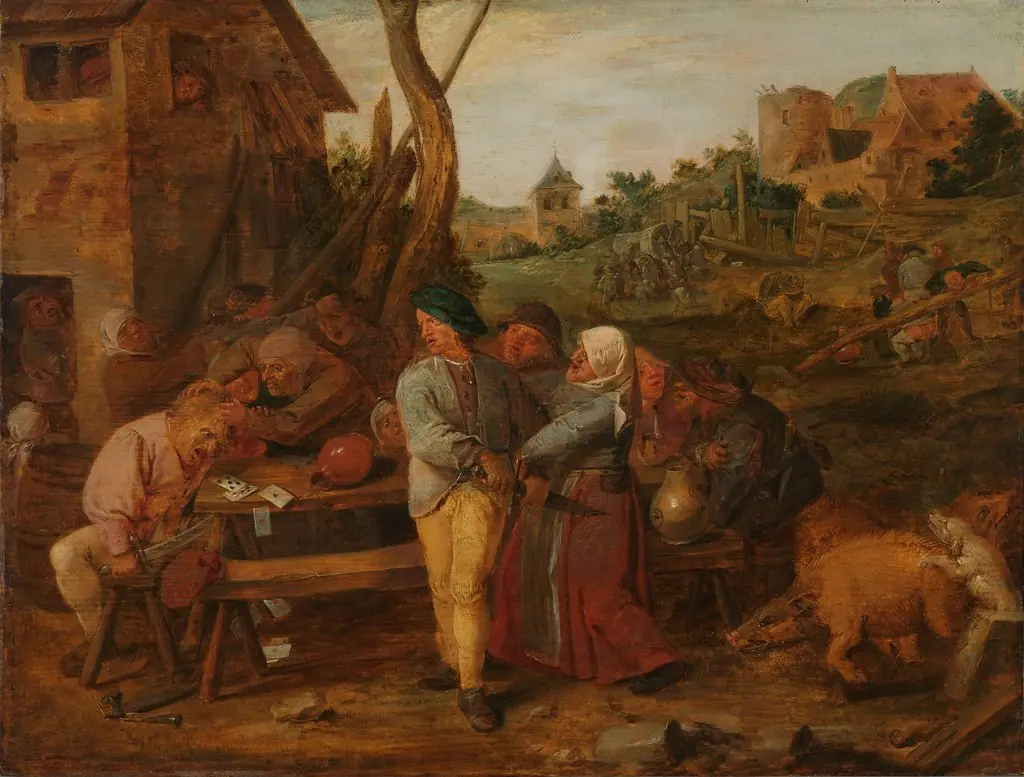
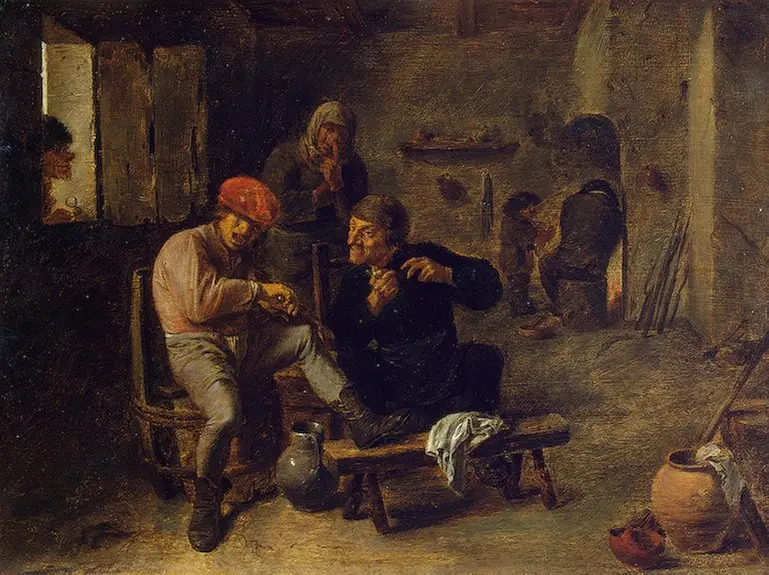
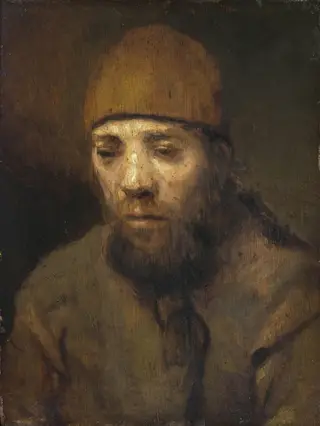
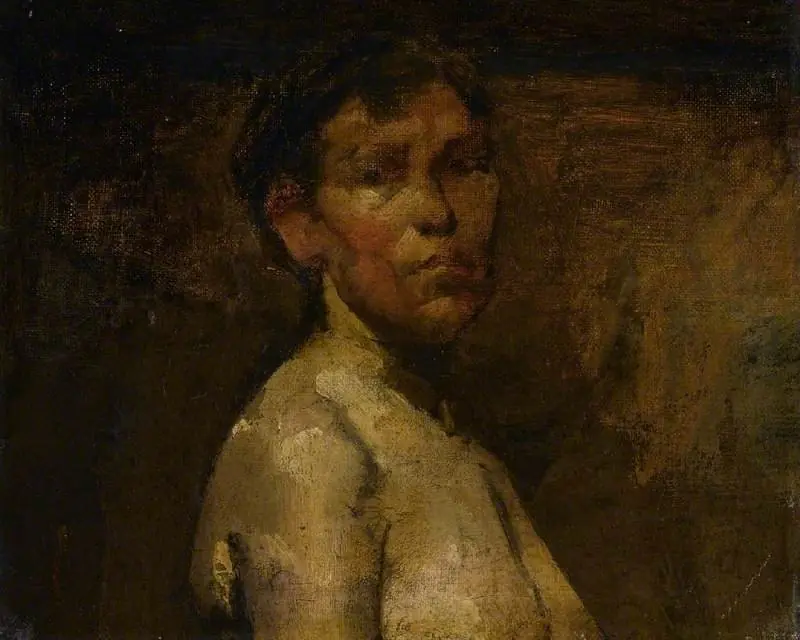
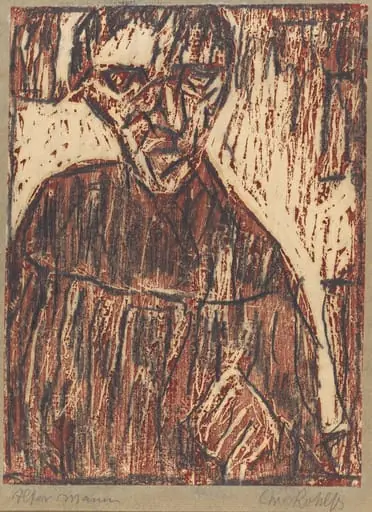
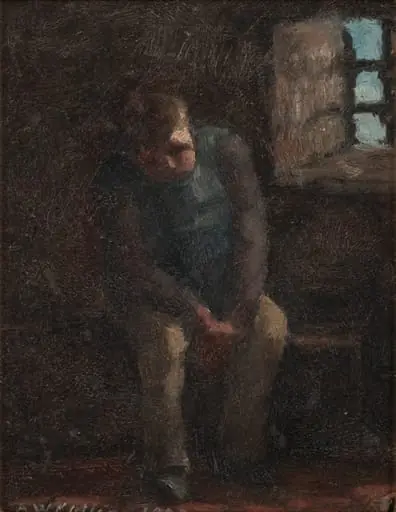
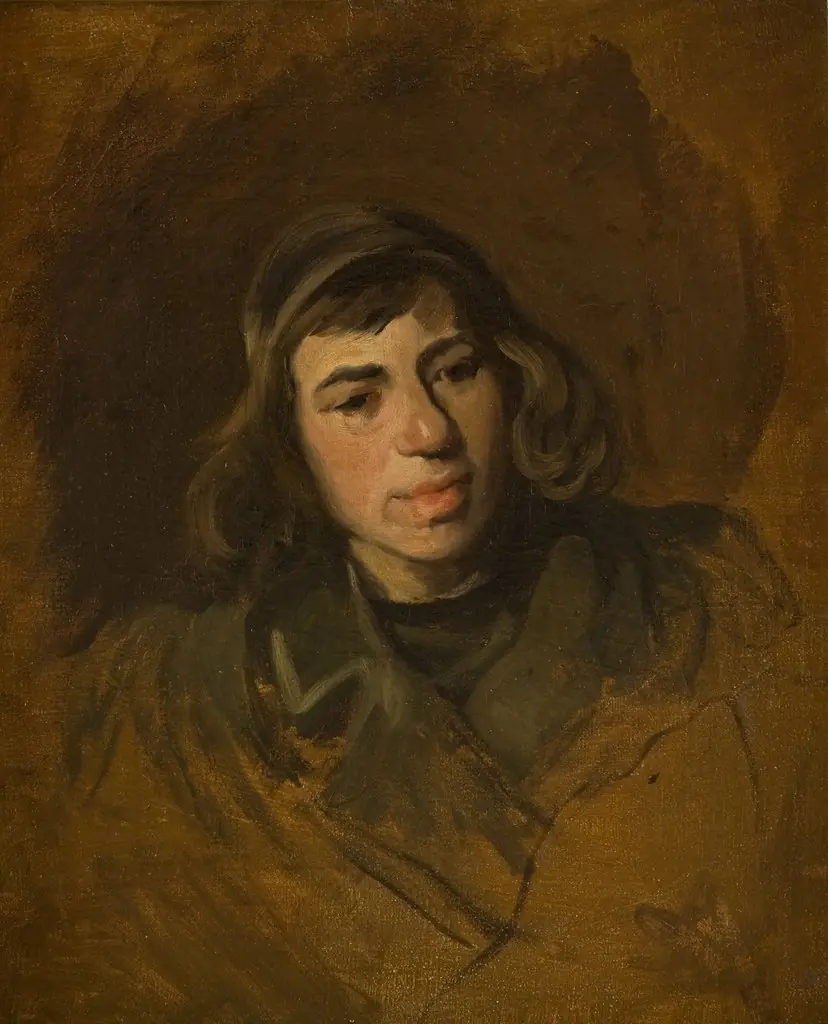
A Picture of Frere Jacques done by the Young Brower at Brussells is an oil painting by the Flemish Baroque painting artist Adriaen Brouwer. It dates from 1631 and is held in the collection of the British Museum.
About this work
Overview
Though titled with a reference to Frère Jacques, the image is not a literal illustration but a character study.
Painted in 1631 by Adriaen Brouwer, this oil-on-panel work presents a solitary figure in a dimly lit interior. Though titled with a reference to Frère Jacques, the image is not a literal illustration but a character study. Brouwer, a Flemish artist known for intimate scenes of common life, here shifts focus from group interactions to a single, introspective presence, marked by subdued tones and minimal background detail.
Subject & Meaning
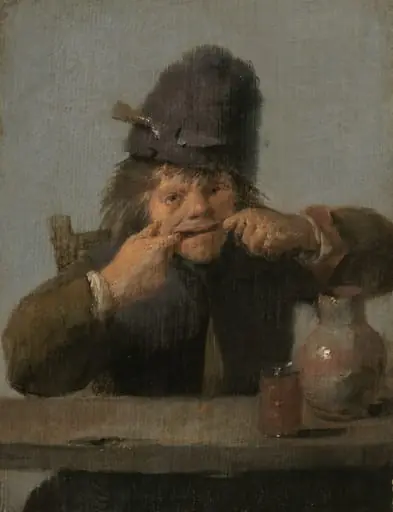
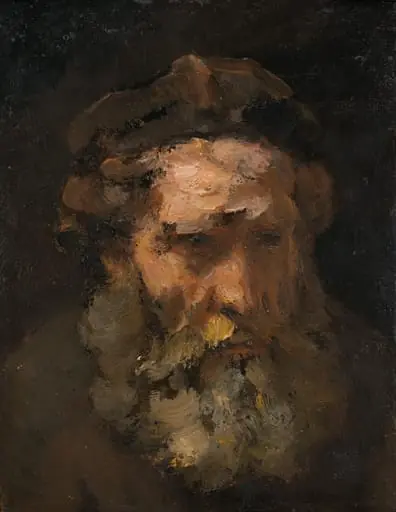
The subject is a man with a round face and dark hair, dressed in a dark jacket, his expression earnest and unsmiling. Unlike Brouwer’s typical tavern scenes filled with mirth, this portrait conveys quiet solemnity. The title’s reference to the monk may suggest a meditation on piety or isolation, though no overt religious symbols appear. The work invites contemplation rather than narrative, emphasizing inner state over external action.
Technique & Style
Brouwer employed oil paint with a restrained palette of browns, blacks, and muted earth tones to create depth and atmosphere. The background is softly blurred, directing attention to the figure’s face, rendered with careful modeling and subtle transitions. The brushwork is tight yet expressive, reflecting influences from Dutch Golden Age portraiture while retaining the emotional immediacy characteristic of Flemish genre painting.
History & Provenance
The painting entered the British Museum’s collection as part of its broader holdings of early modern European works. Its attribution to Brouwer is supported by stylistic analysis and the 1631 date inscribed on the piece. While not widely exhibited, it has been consistently documented in scholarly catalogs since the 19th century, affirming its place within the artist’s oeuvre of intimate, psychologically nuanced portraits.
Context
In early 17th-century Flanders, genre painting gained prominence as a vehicle for observing human behavior beyond aristocratic or religious themes. Brouwer’s work stood apart for its unidealized portrayal of ordinary people. This painting reflects a quieter strand within that movement, one that explores solitude and introspection, contrasting with the boisterous tavern scenes for which he is more commonly known.
Legacy
Though less celebrated than Brouwer’s group compositions, this portrait exemplifies his ability to convey psychological depth with minimal means. It influenced later artists interested in character studies and the expressive potential of restrained composition. Its presence in the British Museum ensures continued access for scholars examining the evolution of emotional realism in Northern European painting.
Artist & collection
Artist
Adriaen Brouwer (c. 1605 – January 1638) was a Flemish painter active in Flanders and the Dutch Republic in the first half of the 17th century. Brouwer was an important innovator of genre painting through his vivid…