Artwork
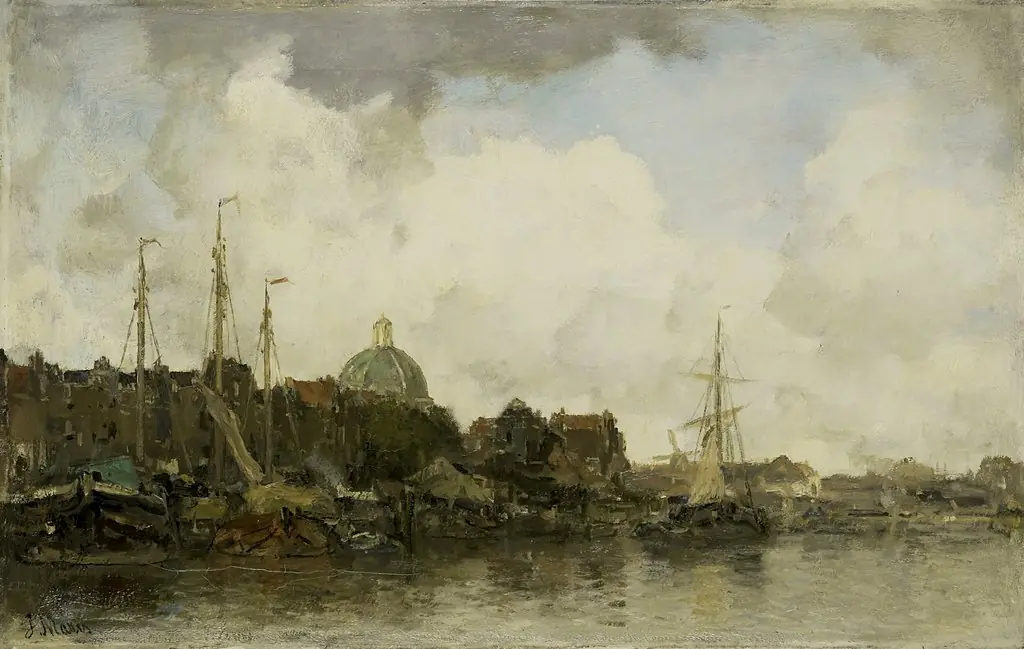
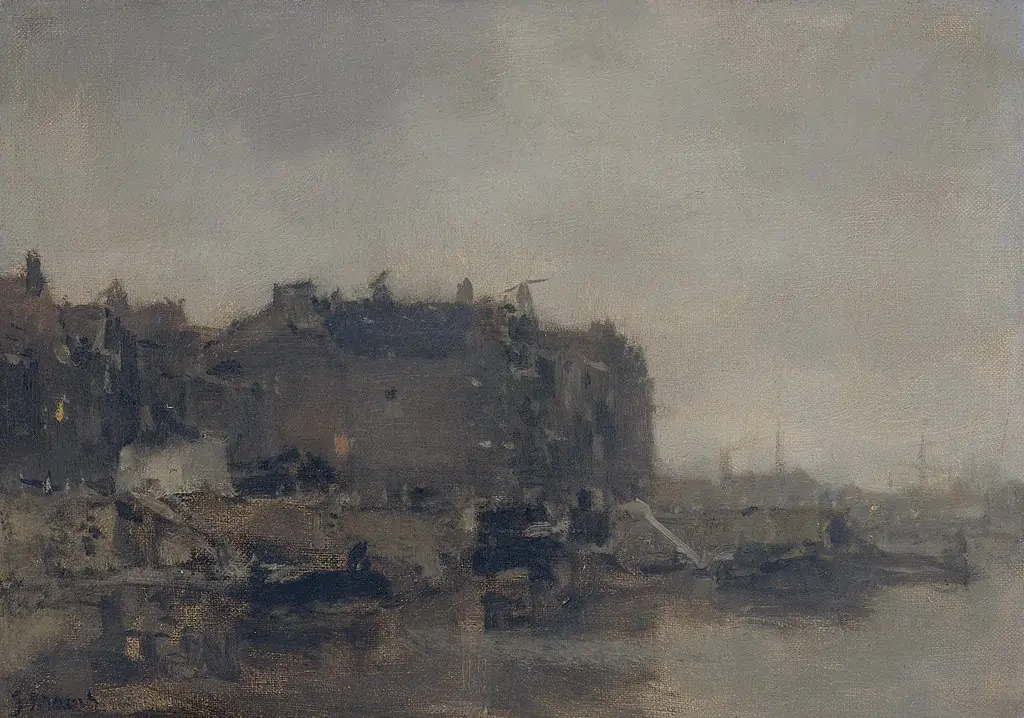
De Schreierstoren met de brug over de Gelderse Kade te Amsterdam
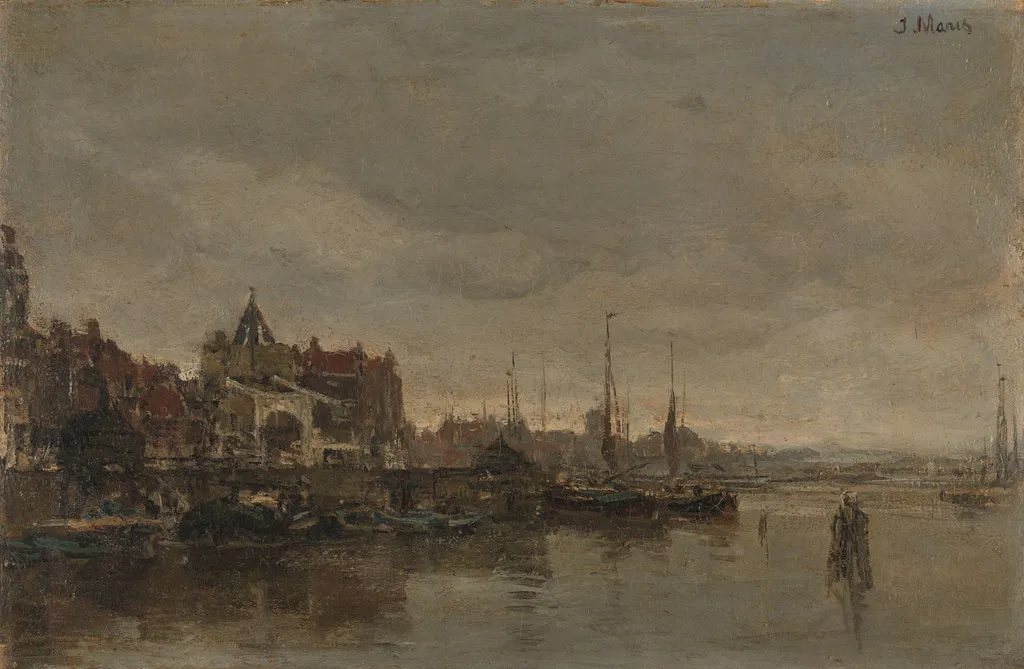
De Schreierstoren met de brug over de Gelderse Kade te Amsterdam is an oil painting by the Impressionist artist Jacob Maris. It dates from 1872 and is held in the collection of the Rijksmuseum.
About this work
Subject & Meaning
As a painting in the cityscape genre, the subject focuses on this specific architectural landmark and its immediate waterway setting within the Dutch capital.
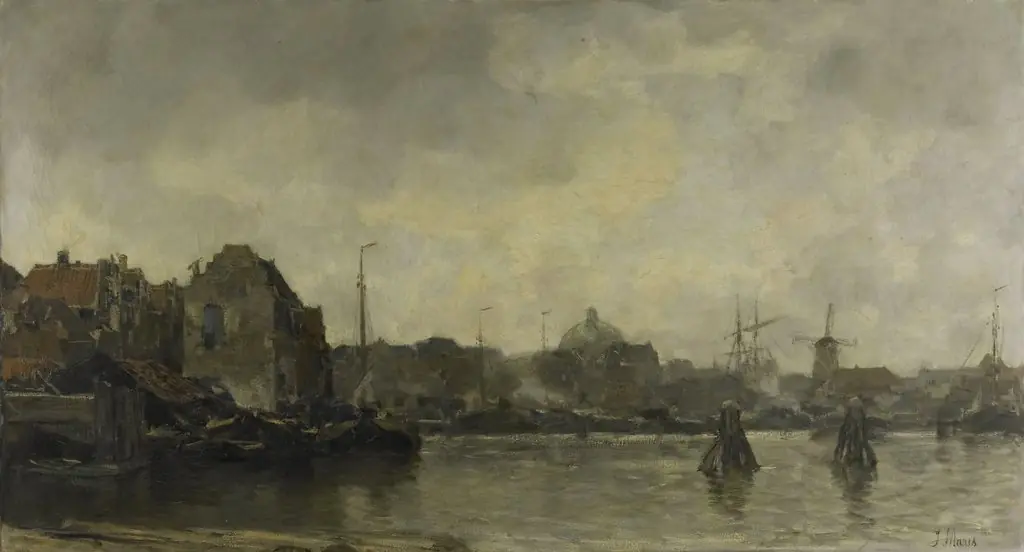
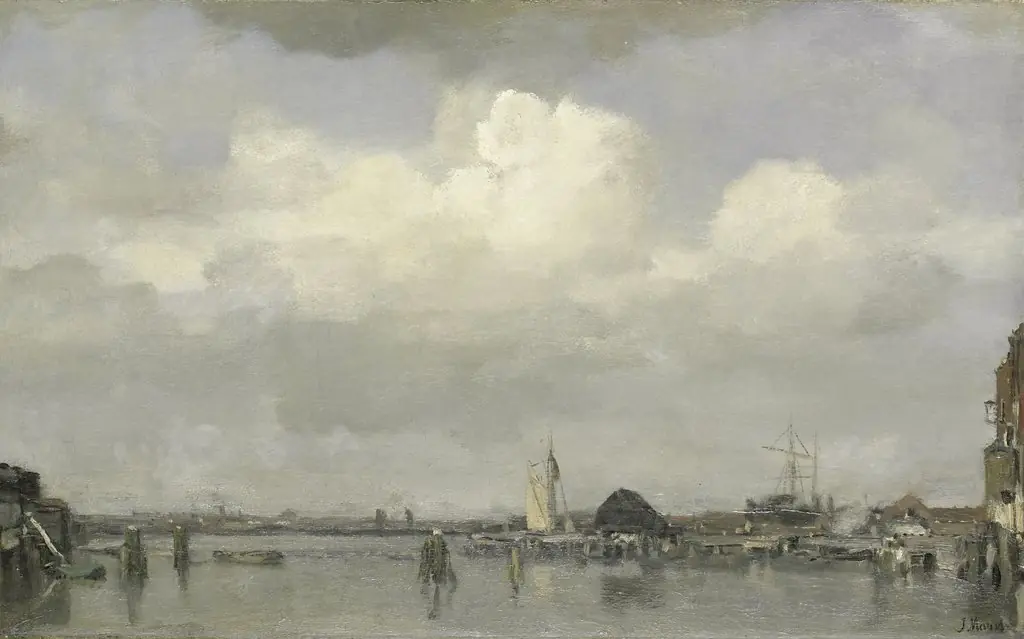
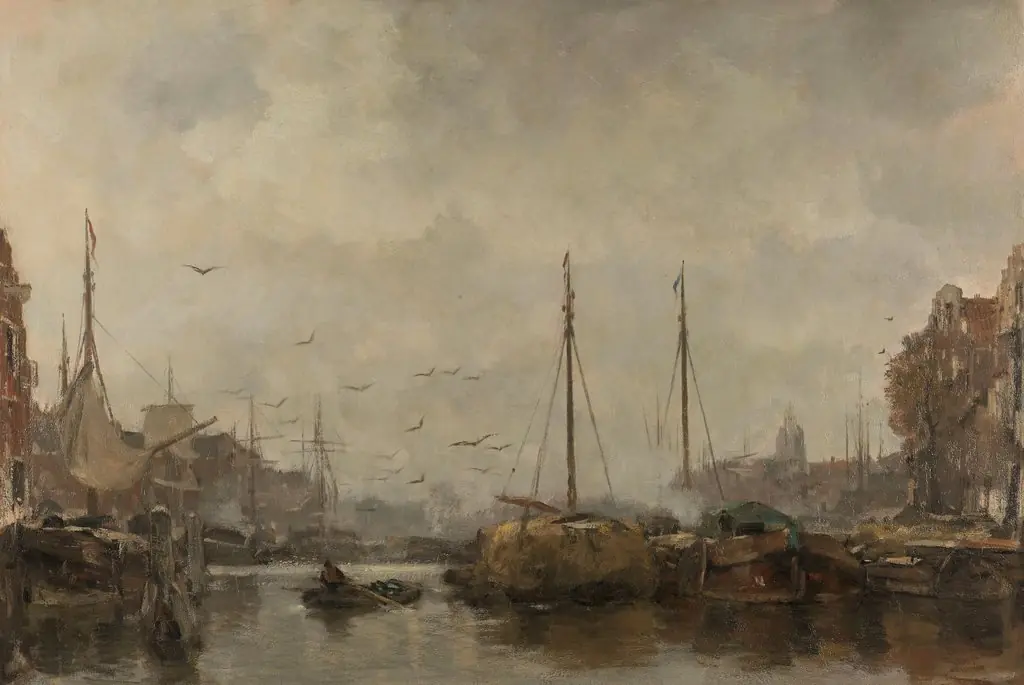
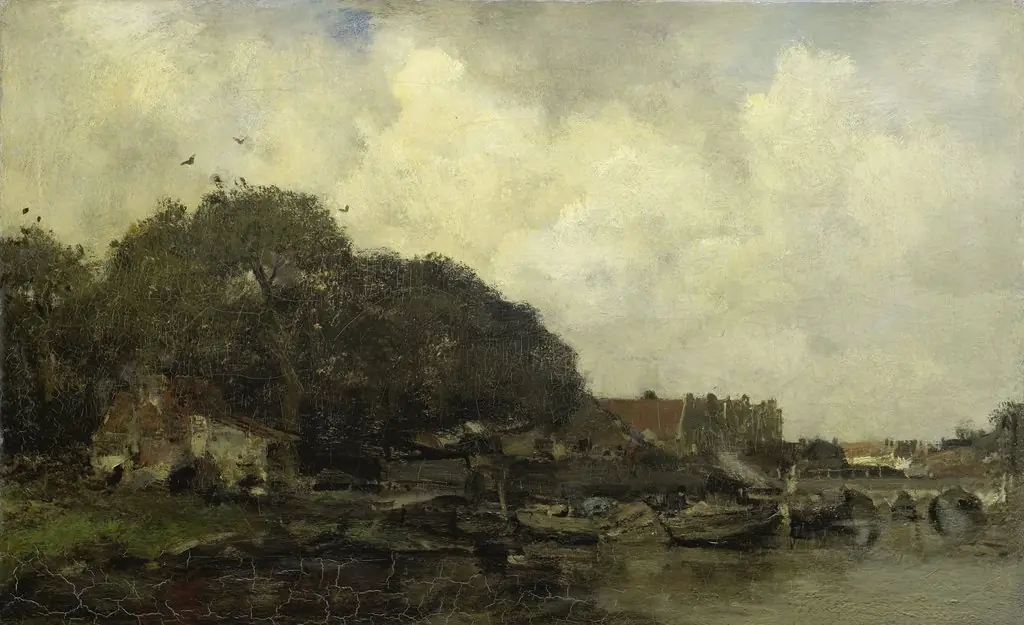
The work depicts a cityscape of Amsterdam, specifically featuring the Schreierstoren tower and the bridge spanning the Gelderse Kade. As a painting in the cityscape genre, the subject focuses on this specific architectural landmark and its immediate waterway setting within the Dutch capital. The composition captures the urban environment as it appeared in the early 1870s, presenting a direct visual record of the location without additional allegorical or symbolic layers described in the available records.
Technique & Style
Created in 1872, this cityscape by Jacob Maris is executed in oil paint on a canvas support. The work measures 24.5 cm in height and 36.5 cm in width. As a cityscape, the painting depicts the Schreierstoren and the bridge over the Gelderse Kade in Amsterdam, capturing the urban environment through the artist's handling of the medium.
Overview
Jacob Maris created the oil-on-canvas work titled De Schreierstoren met de brug over de Gelderse Kade te Amsterdam in 1872. The painting records a quiet view of Amsterdam, centering on the historic Schreierstoren tower and a bridge crossing the Gelderse Kade. It is part of the Rijksmuseum’s collection.
History & Provenance
As a leading member of the Hague School, Maris painted this scene during a period when Dutch artists were turning to urban subjects. The work entered the Rijksmuseum’s holdings, where it remains on display as an example of his mature cityscape style.
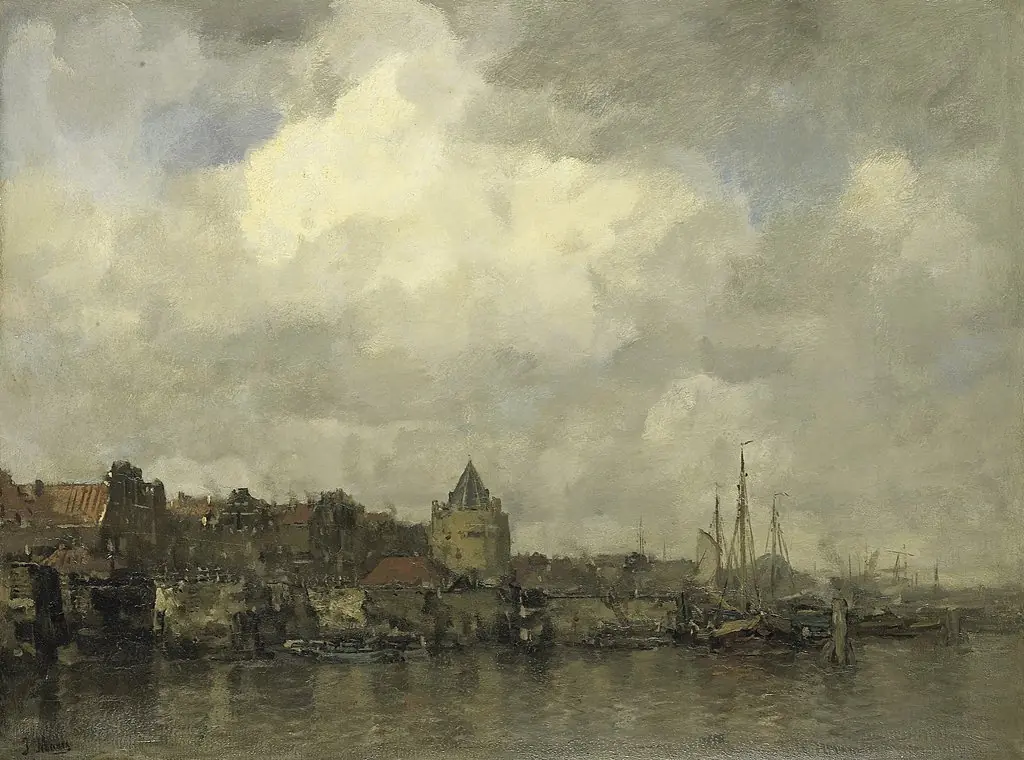
Own this work as a print
Artist & collection
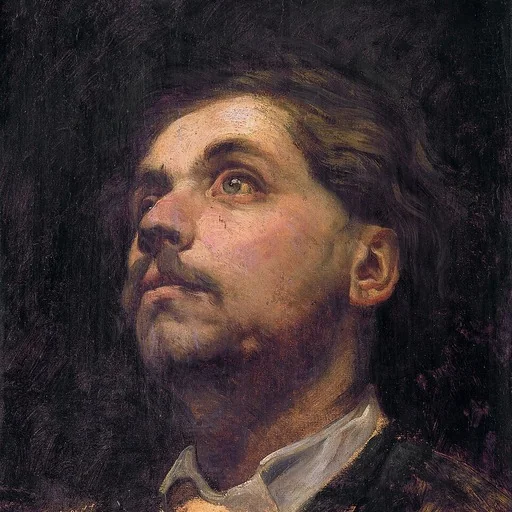
Artist
Jacob Henricus Maris (August 25, 1837 – August 7, 1899) was a Dutch painter, who with his brothers Willem and Matthijs belonged to what has come to be known as the Hague School of painters.