Artwork
The Truncated Windmill
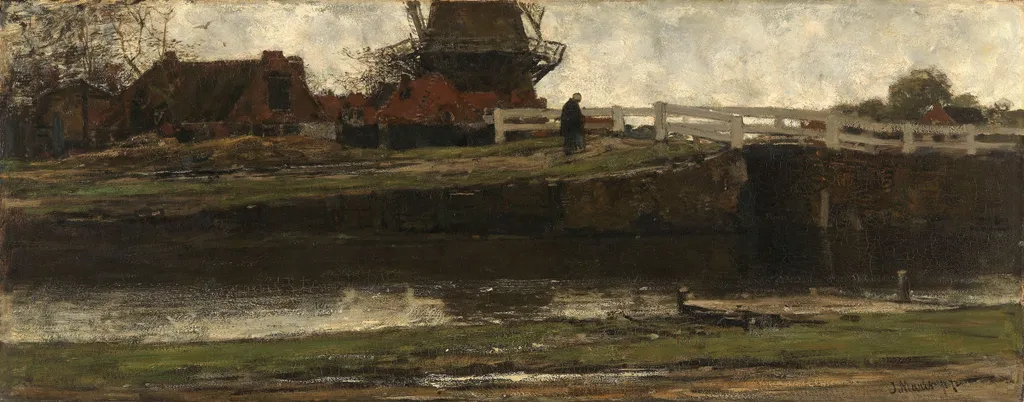
The Truncated Windmill is an oil painting by the Hague School artist Jacob Maris. It dates from 1872 and is held in the collection of the Rijksmuseum.
About this work
Technique & Style
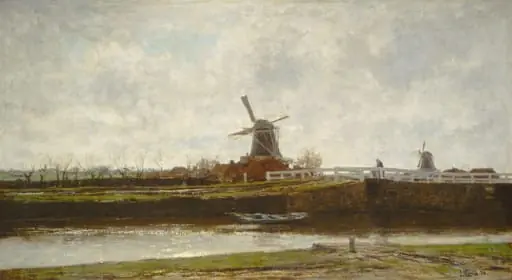
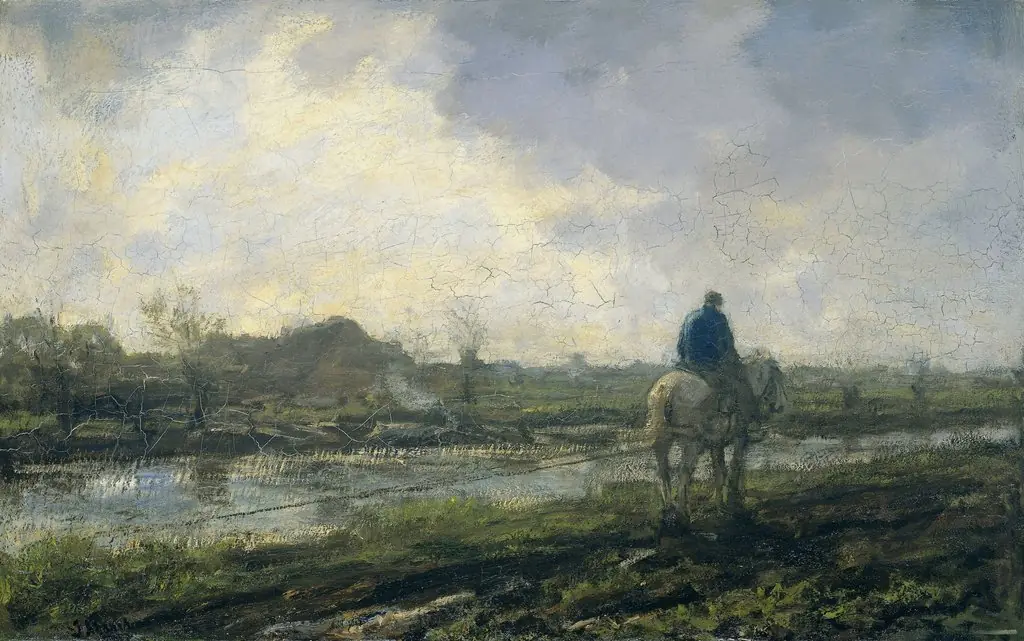
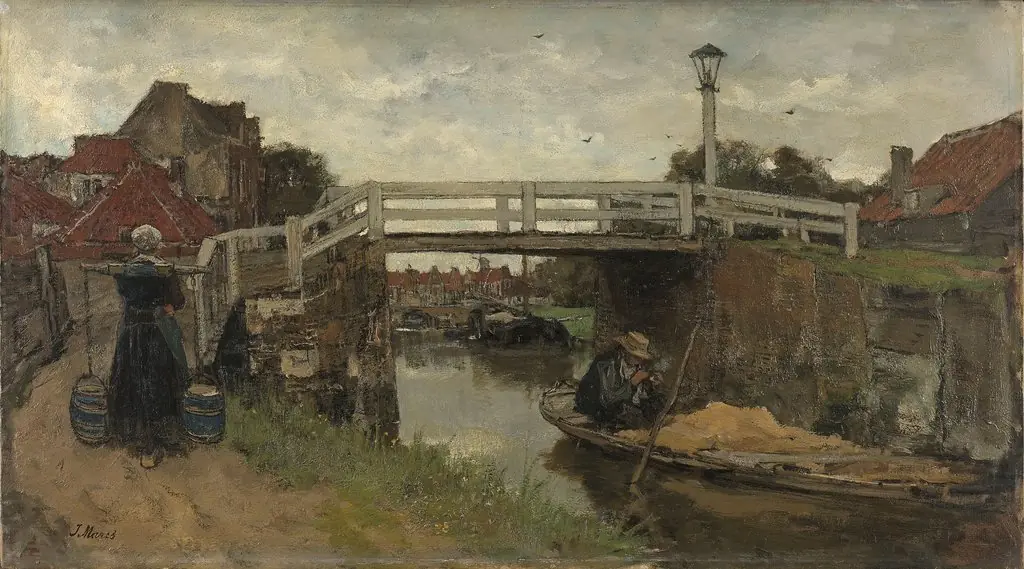
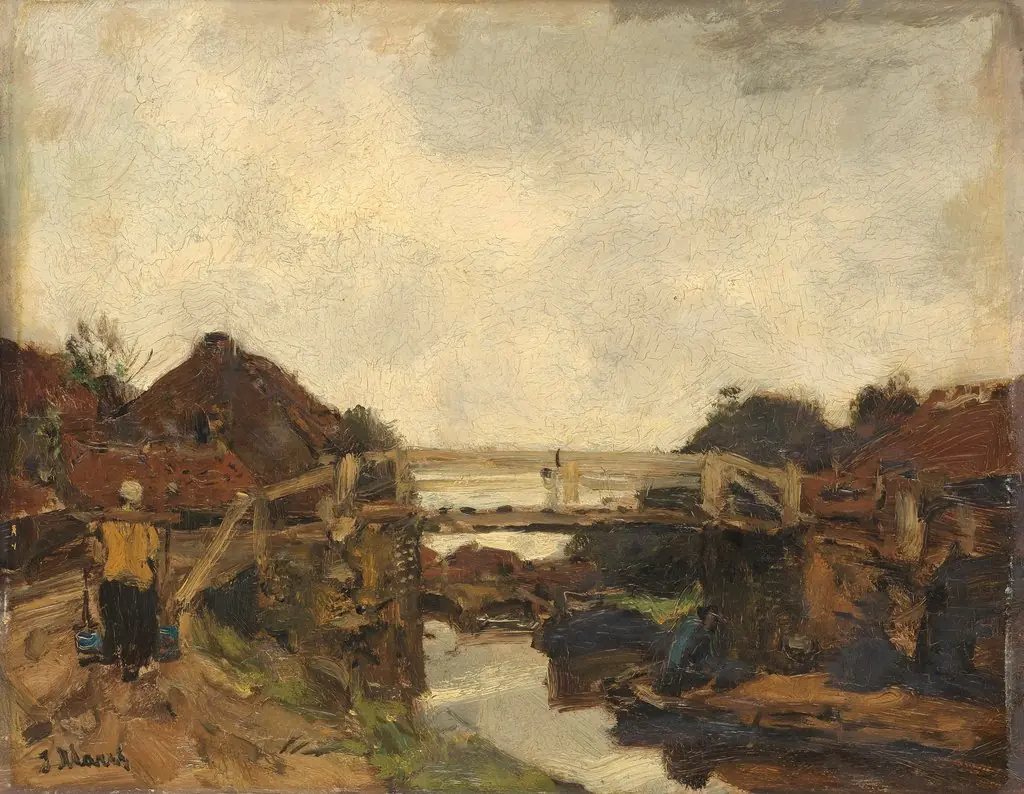
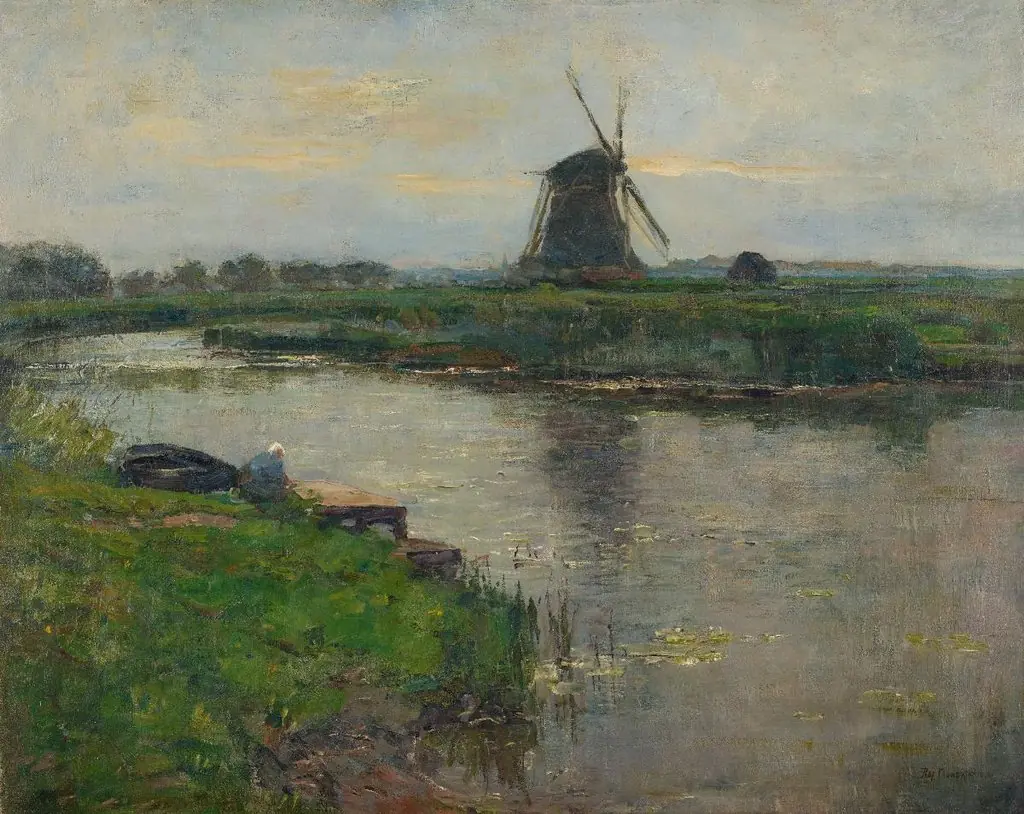
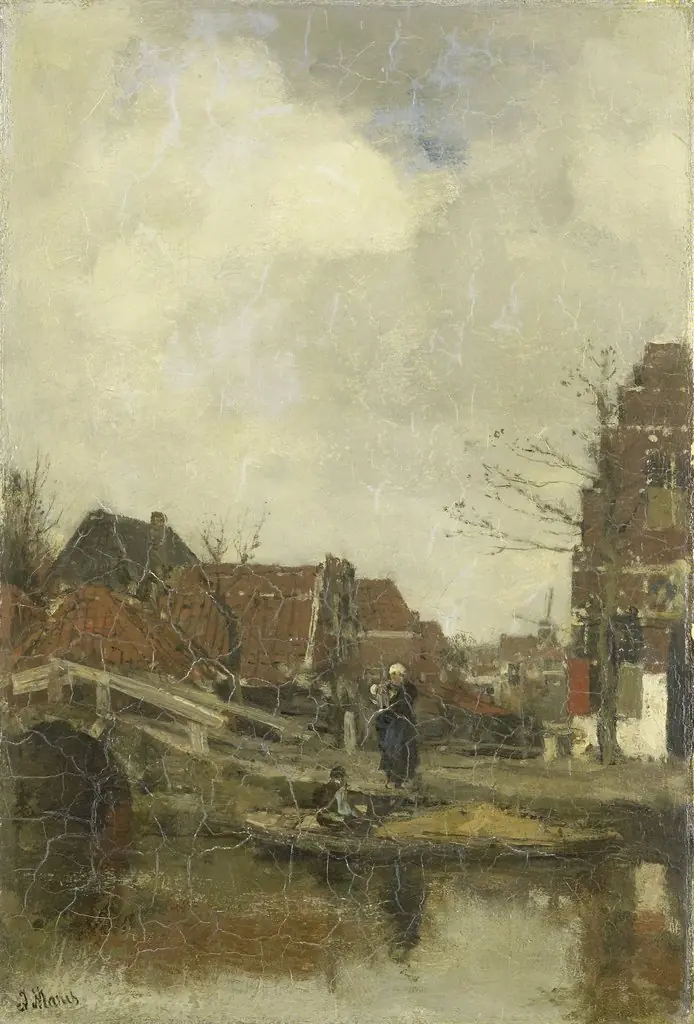
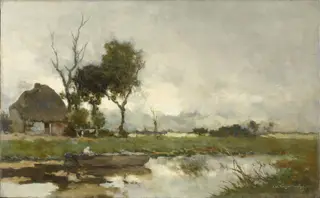
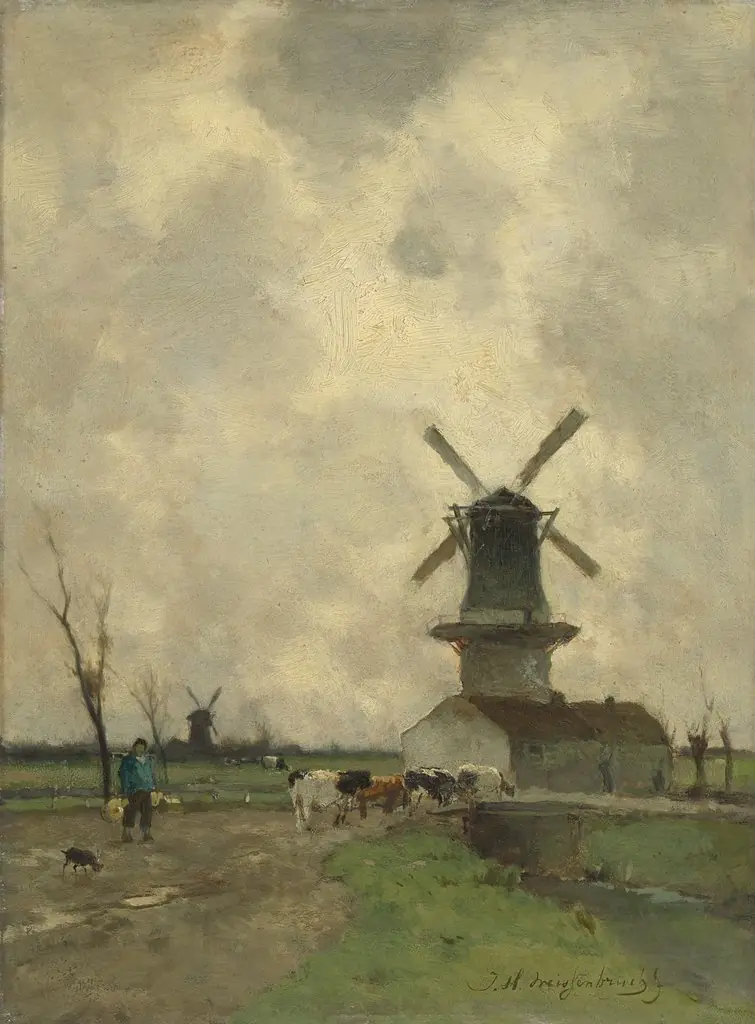
Visually, the composition depicts a rural scene featuring a windmill situated near a canal, set against a sky filled with clouds.
Executed in 1872, The Truncated Windmill is an oil painting on canvas by Jacob Maris. The work measures 45 cm in height and 112.5 cm in width, presenting a panoramic landscape format. Visually, the composition depicts a rural scene featuring a windmill situated near a canal, set against a sky filled with clouds.
This combination of materials and subject matter aligns with the artist's focus on landscape painting during this period.
History & Provenance
The Truncated Windmill was created by Jacob Maris in 1872. Executed in oil paint on canvas, the landscape measures 45 cm in height and 112.5 cm in width. The work depicts a windmill, canal, and sky.
Historical records indicate that the painting was owned by Jean Charles Joseph Drucker. It is currently held in the collection of the Rijksmuseum.
The Truncated Windmill is housed in the Rijksmuseum, where it is listed as part of the museum’s collection. The painting entered the institution through the ownership of Jean Charles Joseph Drucker, a noted Dutch art collector. Its accession is recorded within the Rijksmuseum’s catalogue.
The work remains on permanent display in the museum’s Dutch Golden Age galleries, allowing visitors to view the composition alongside other Maris pieces. Created in 1872.
Context
Jacob Maris completed The Truncated Windmill in 1872, an oil on canvas landscape measuring 45 cm by 112.5 cm. The painting depicts a sky with clouds, a windmill and a canal, characteristic of the Dutch landscape genre. It belongs to Maris’s oeuvre of atmospheric scenes and was originally owned by Jean Charles Joseph Drucker before entering the Rijksmuseum collection, where it remains on display. As a representative example of 19th‑century Dutch landscape painting, the work illustrates the careful observation of light and weather that defines the artist’s contribution to the genre.
Overview
Jacob Maris, a prominent Dutch landscape artist of the late nineteenth century, completed The Truncated Windmill in 1872. This oil painting exemplifies the atmospheric qualities characteristic of the Hague School, of which Maris was a key member. It presents a tranquil scene from the Dutch countryside, focusing on a specific architectural element within a broader natural setting. The work is recognized for its evocative portrayal of light and mood.
Subject & Meaning
The painting depicts a truncated windmill, its blades absent, standing on a low rise. A broad canal dominates the foreground, where a solitary figure stands near the water's edge. Maris frequently explored such elements of the Dutch environment, including waterways and windmills, as central motifs.
The composition captures a quiet, ordinary moment under a soft, clouded sky, reflecting the Hague School's interest in unidealized, everyday rural scenes.
Artist & collection
Artist
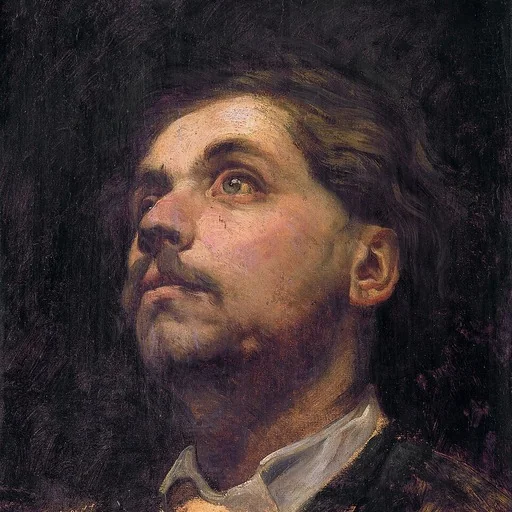
Jacob Henricus Maris (August 25, 1837 – August 7, 1899) was a Dutch painter, who with his brothers Willem and Matthijs belonged to what has come to be known as the Hague School of painters.