Artwork
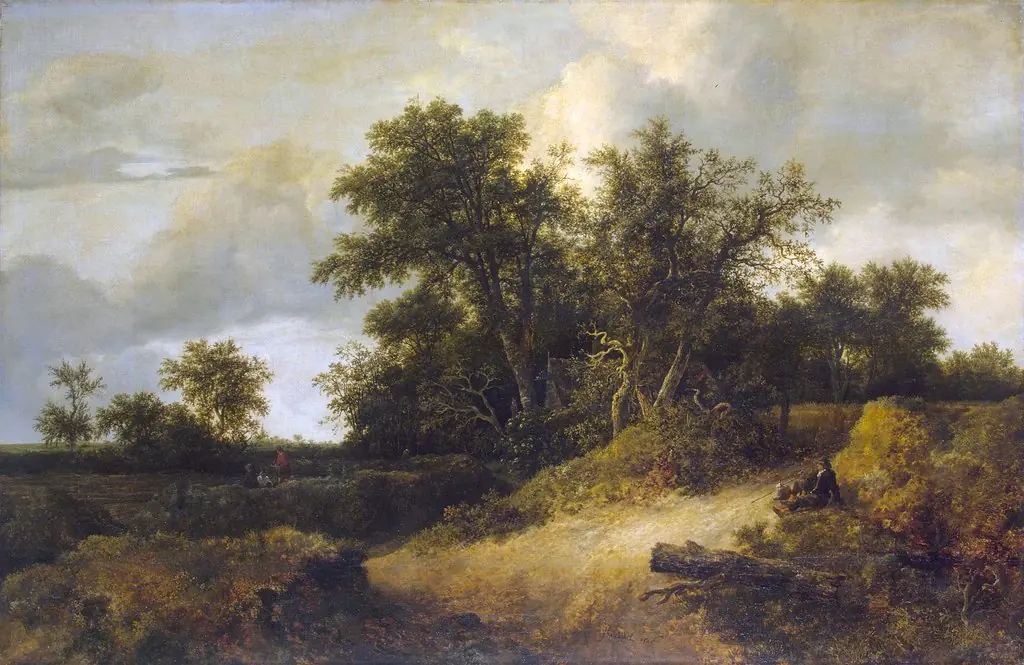
Landscape with some houses and a sand track
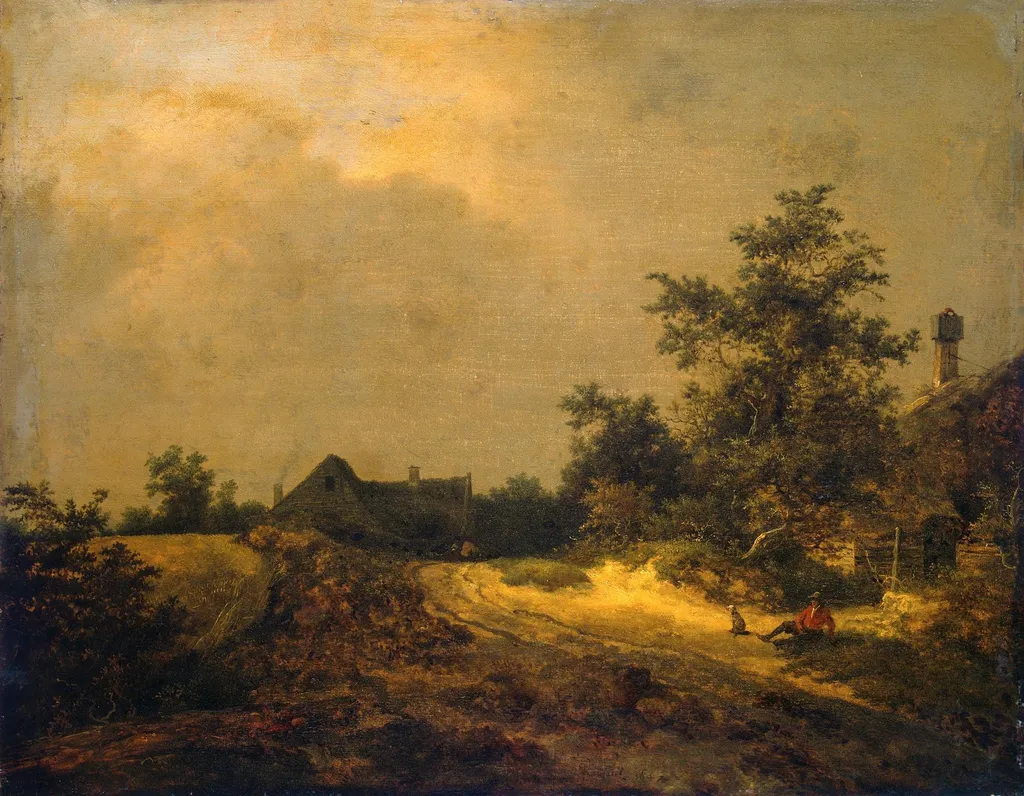
Landscape with some houses and a sand track is an oil painting by the Dutch Golden Age artist Jacob van Ruisdael. It dates from 1647 and is held in the collection of the Hermitage Museum.
About this work
Subject & Meaning
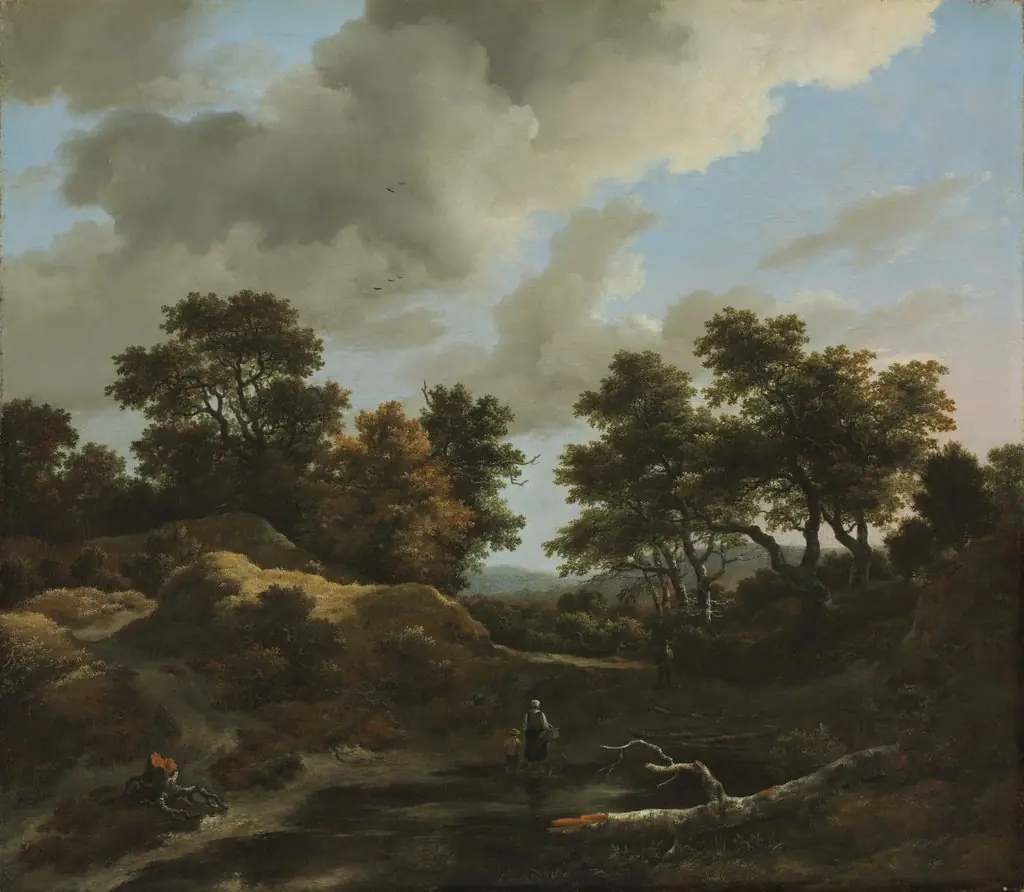
Jacob van Ruisdael’s 1647 oil painting Landscape with some houses and a sand track portrays a sunlit dune path winding past modest cottages, suggesting a quiet, contemplative countryside scene rather than a narrative episode. The dune, road, and cottage elements serve as typical landscape motifs that symbolize the fleeting nature of human habitation within a timeless natural environment. The work’s subject therefore reflects van Ruisdael’s interest in capturing the subtle interplay of light and terrain, conveying a sense of serene observation rather than allegorical meaning.
Technique & Style
The painting is executed in oil on panel, reflecting the material and technical approach common to 17th-century Dutch masters.
Jacob van Ruisdael created Landscape with some houses and a sand track in 1647 using oil paint on a wooden panel. The work measures 52.5 cm in height by 67 cm in width, depicting a dune, road, and cottage in a typical Dutch landscape style.
The painting is executed in oil on panel, reflecting the material and technical approach common to 17th-century Dutch masters. Its formal composition emphasizes naturalistic topography with meticulous handling of light and atmospheric perspective, characteristic of Ruisdael's mature landscape phase.
History & Provenance
The painting was created by Jacob van Ruisdael in Haarlem in 1647, as indicated by both the artist’s record and the work’s documented inception year. It remained in Dutch private hands until it entered the collection of Simon René de Baudouin, a noted Dutch collector of the period. By the mid-20th century, the painting had been acquired by the Hermitage Museum in Saint Petersburg, where it has been held since.
The painting Landscape with some houses and a sand track is held in the collection of the Hermitage Museum. The work was created in 1647 by Jacob van Ruisdael and is executed in oil on panel. Prior to its current location, the piece was owned by Simon René de Baudouin. The provided sources do not contain specific accession numbers or a record of the artwork's exhibition history.
Overview
Painted in 1647, Landscape with some houses and a sand track is an early oil on canvas work by Jacob van Ruisdael, created when the artist was approximately nineteen years old. The composition depicts a tranquil Dutch countryside scene dominated by a winding sand track that cuts diagonally through the center, guiding the viewer's eye into the middle distance. On the left, a grassy verge borders a dense cluster of trees and bushes, while the right side features a few modest houses with thatched roofs nestled beneath a large, spreading tree.
The sky occupies a significant portion of the canvas, rendered in pale, hazy tones that blend softly with the horizon, characteristic of the atmospheric perspective favored by Dutch landscape painters of the seventeenth century. This work reflects Ruisdael's early adherence to the traditions of his uncle, Salomon van Ruysdael, and his teacher, Jacob van Goyen, emphasizing naturalistic detail and a subdued palette. It marks a formative stage in the artist's career, preceding his later, more dramatic and monumental landscapes, yet already demonstrating his skill in capturing the quiet, everyday beauty of the Dutch rural environment.
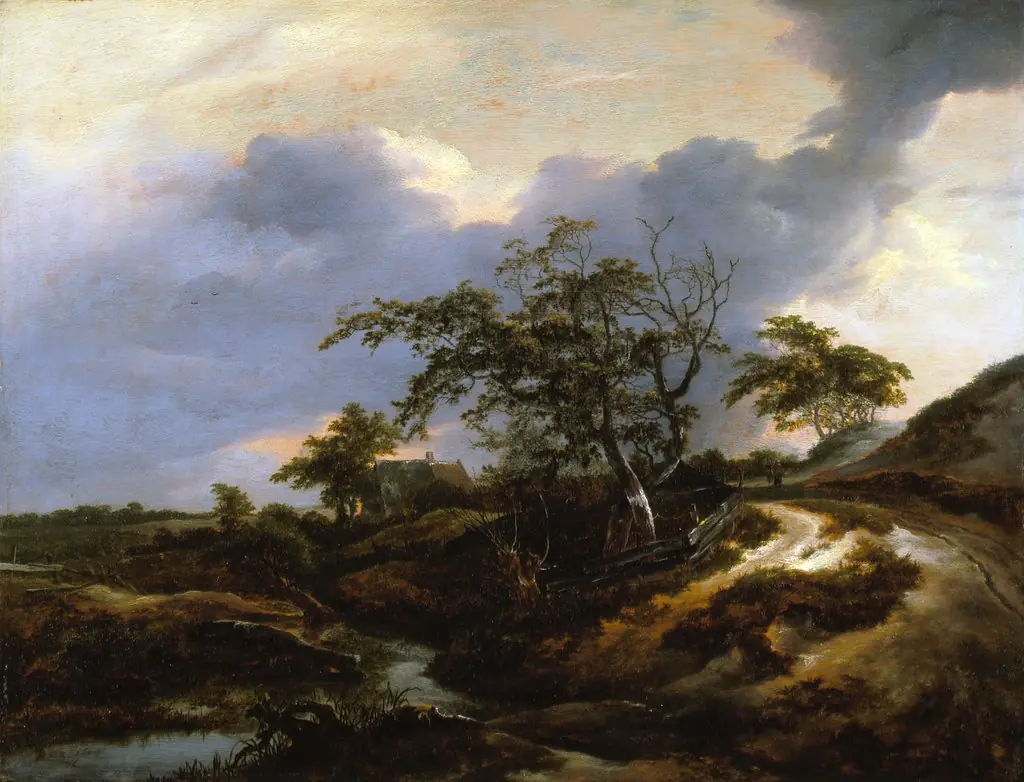
Own this work as a print
Artist & collection
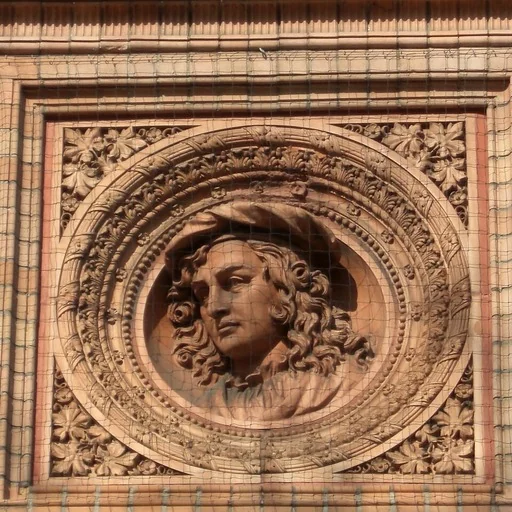
Artist
Jacob Isaackszoon van Ruisdael was a Dutch painter, draughtsman, and etcher. He is generally considered the pre-eminent landscape painter of the Dutch Golden Age, a period of great wealth and cultural achievement when…

 Landscape with Dune and Small Waterfall
 Peasant Cottage in a Landscape
 Landscape
 Dunelandscape
 Winter landscape with dead tree
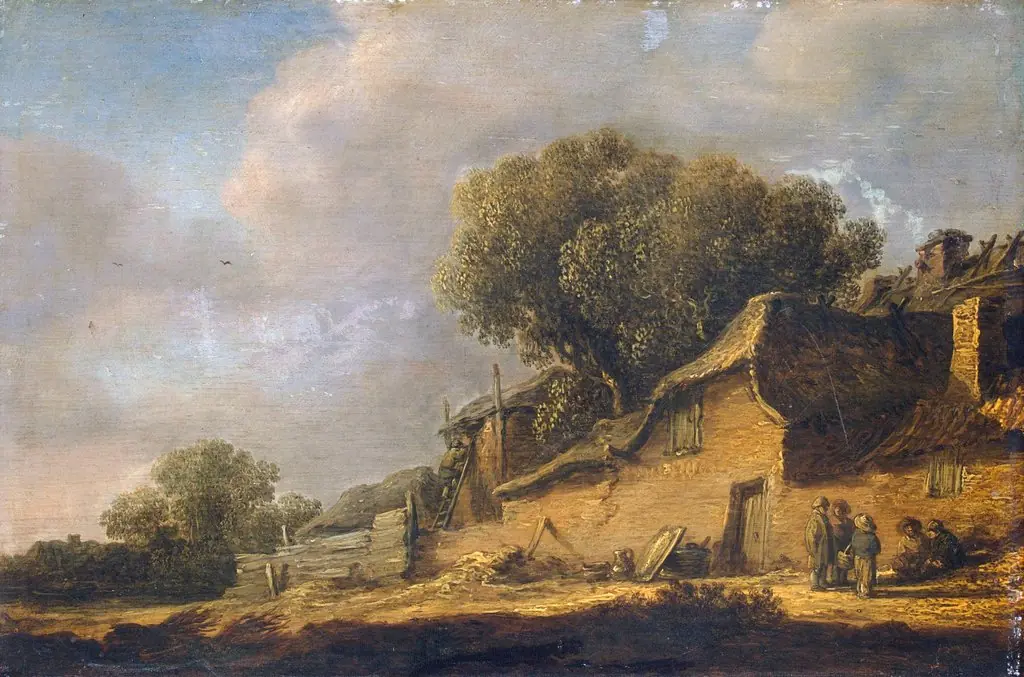 Landscape with a Peasant Cottage
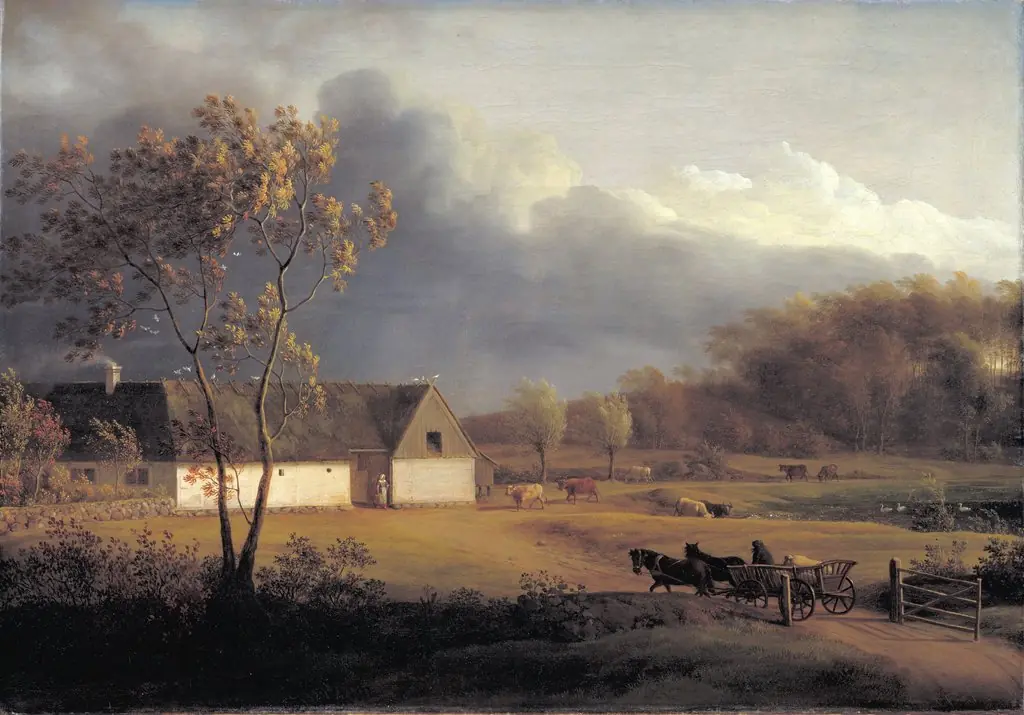 A Zealand farm during a gathering storm. Eigaard near Ordrup
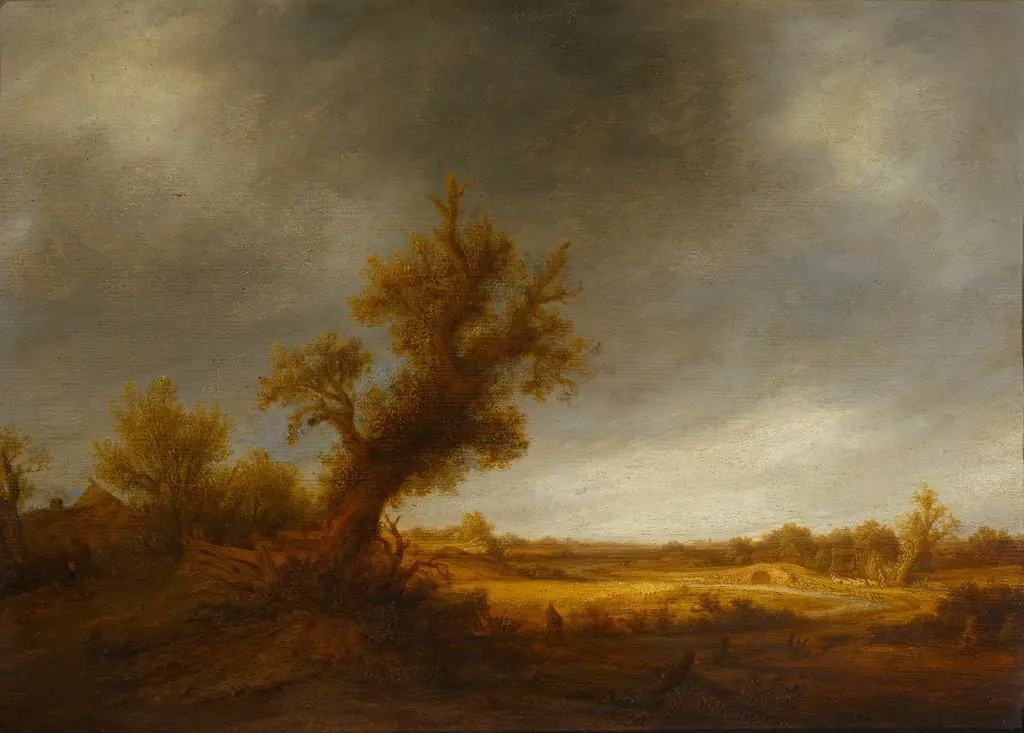 Landscape with an old oak
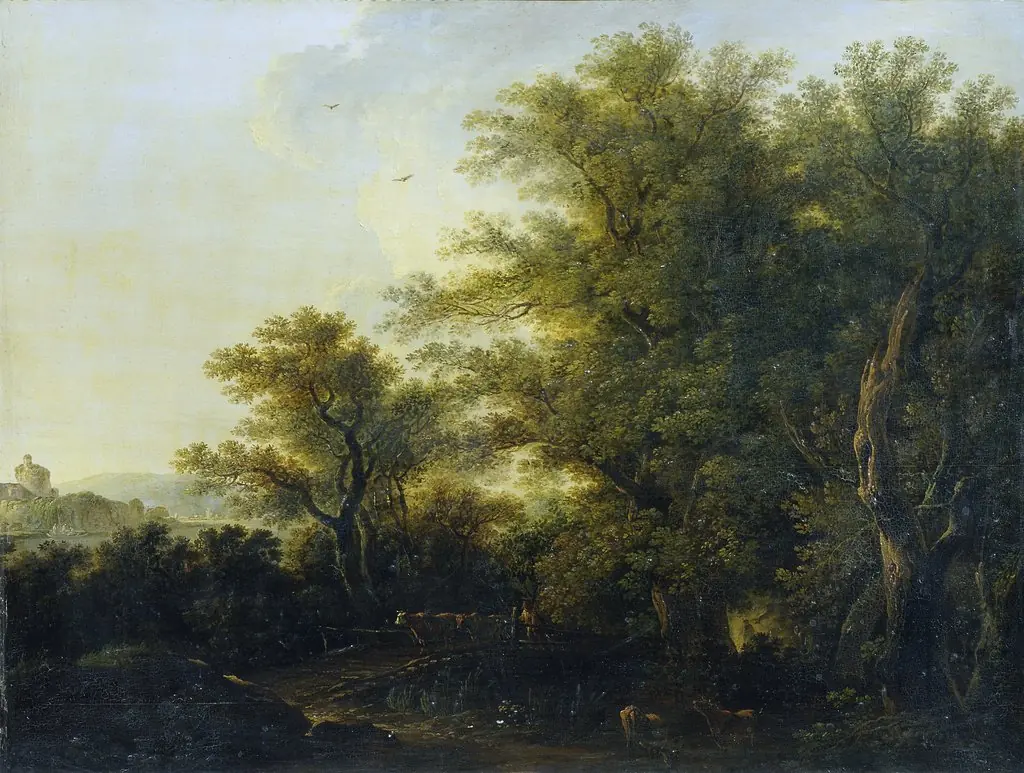 Waldausgang
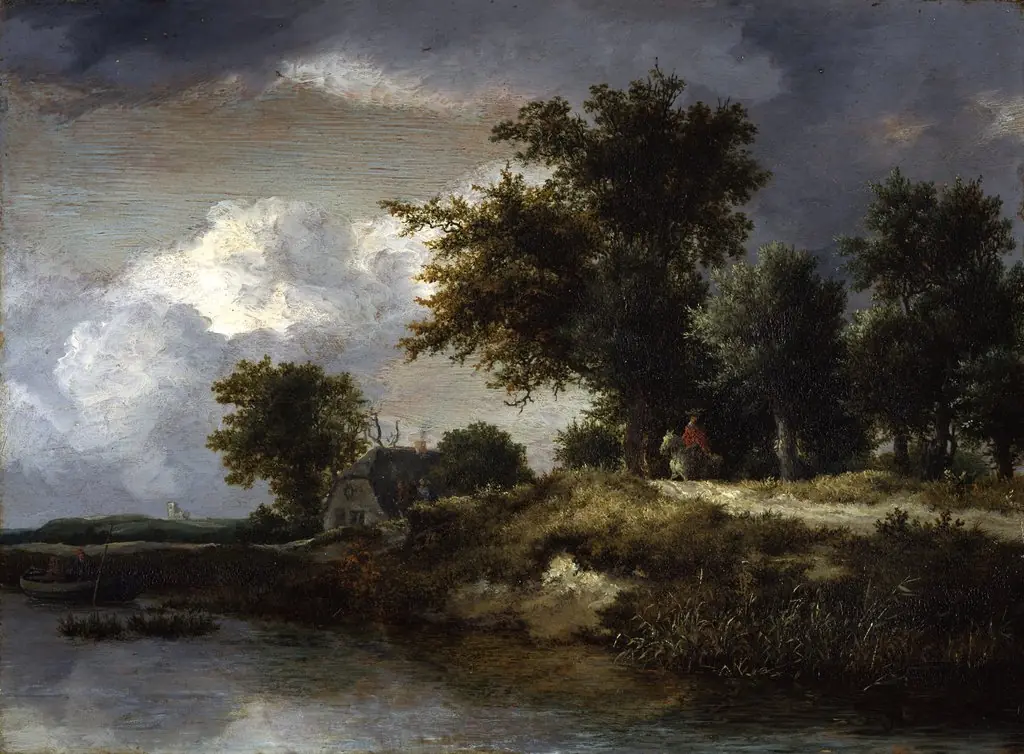 Wooded River Bank
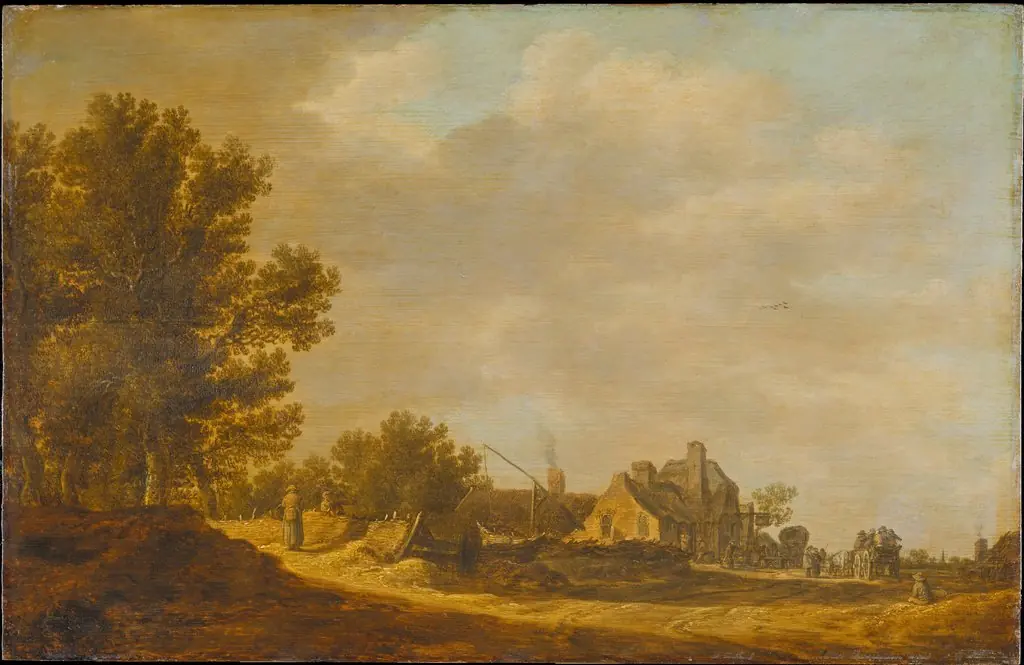 Landscape with Tavern
- Landscape with Dunes