Artwork
Marie-Thérèse-Charlotte (1778–1851), Daughter of Louis XVI
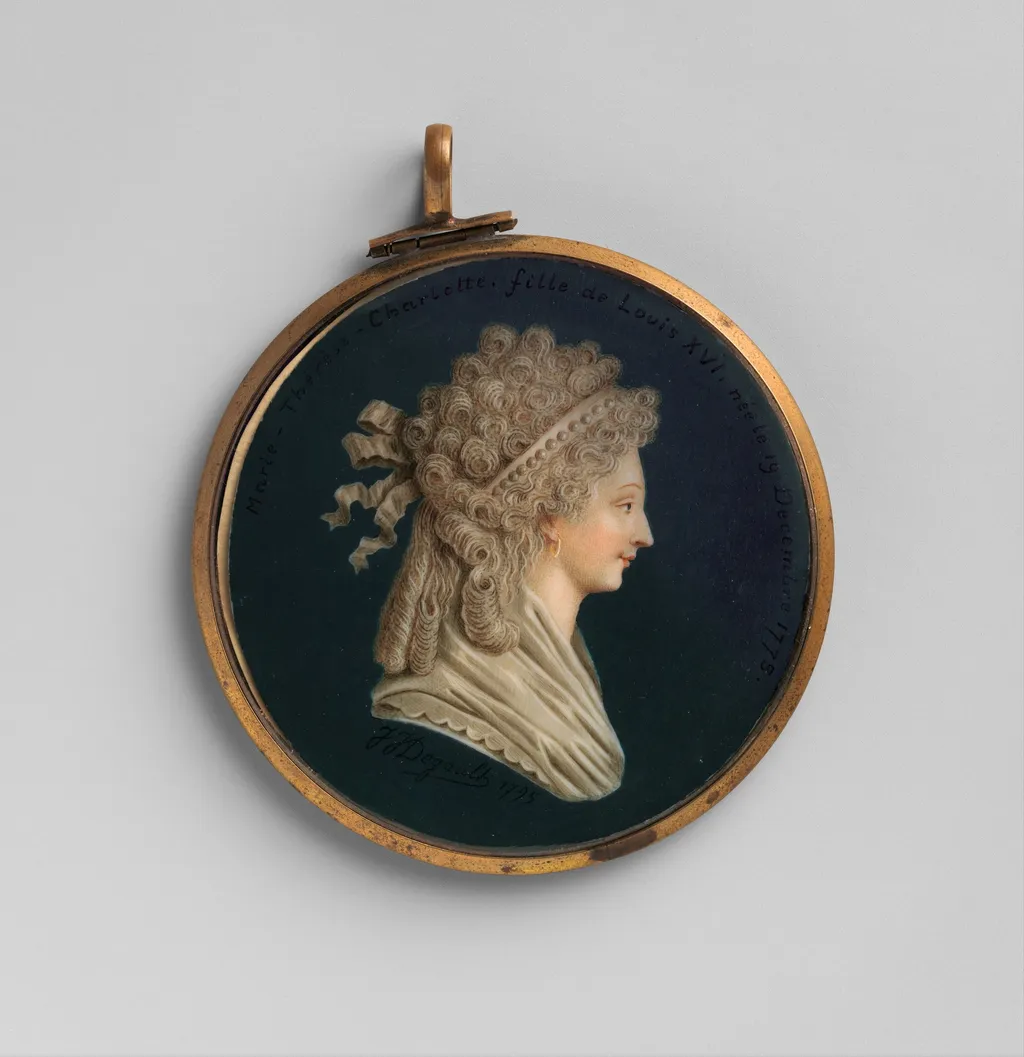
Marie-Thérèse-Charlotte (1778–1851), Daughter of Louis XVI is an ivory painting by the Neoclassicist artist Jacques-Joseph de Gault. It dates from 1798 and is held in the collection of the Metropolitan Museum of Art.
About this work
Subject & Meaning
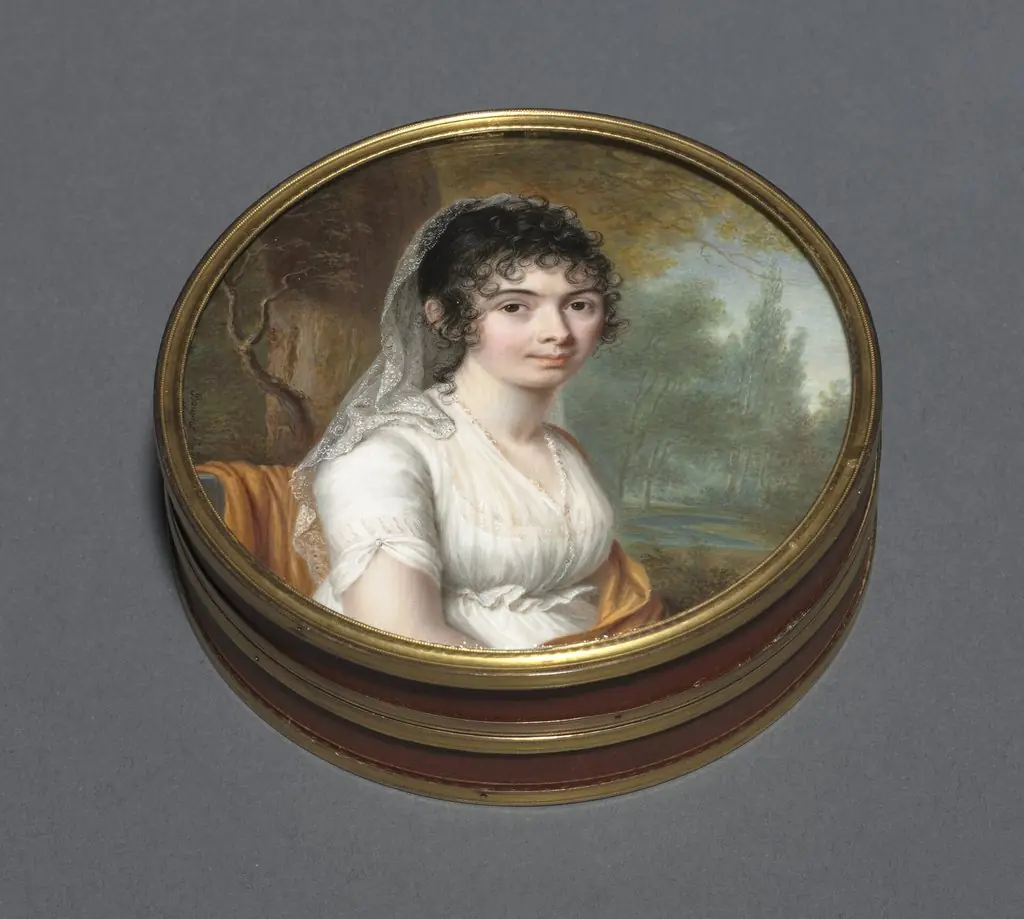
The ivory miniature presents Marie‑Thérèse‑Charlotte, the daughter of Louis XVI, in a profile pose that was typical of French portrait miniatures of the 1790s.
The ivory miniature presents Marie‑Thérèse‑Charlotte, the daughter of Louis XVI, in a profile pose that was typical of French portrait miniatures of the 1790s. Painted by Jacques‑Joseph de Gault in 1795, the work uses the delicate medium of ivory to highlight the sitter’s youthful features and noble bearing, underscoring her status within the royal family. Its inclusion in the Metropolitan Museum of Art’s collection reflects the painting’s significance as a representative example of early neoclassical portraiture, where the sitter’s dignified posture and refined attire convey both personal identity and dynastic continuity.
Technique & Style
The work is executed as a miniature portrait on a thin ivory panel, a support typical of late‑18th‑century French portraiture that enhances translucency and fine detail. The artist employs a delicate painting technique that emphasizes line and subtle tonal modulation to render the sitter’s profile with restrained elegance. The composition is characterized by a tight, frontal head‑turn, a modest drapery, and a focus on facial expression rather than narrative setting.
The ivory surface contributes to a luminous finish, while the restrained palette and precise brushwork reflect the neoclassical aesthetic of the period. The piece is housed in the Metropolitan Museum of Art, where its condition is documented as well‑preserved.
History & Provenance
The miniature ivory portrait of Marie‑Thérèse‑Charlotte, daughter of Louis XVI, was executed in 1795 by the French miniaturist Jacques‑Joseph de Gault. The work, classified as a portrait, shows the sitter in profile and is documented as a painting in contemporary records. Following its creation, the piece entered the collection of the Metropolitan Museum of Art in New York, where it has been catalogued and displayed as part of the museum’s holdings.
The painting’s provenance is limited to its production by Gault and its subsequent acquisition by the Met, with no further documented owners recorded.
The miniature portrait Marie-Thérèse-Charlotte (1778–1851), Daughter of Louis XVI (1795) by Jacques-Joseph de Gault is held in the collection of the Metropolitan Museum of Art. The work is recorded under accession number 1975.1.206 in the museum’s holdings. As of the documented sources, no exhibition history beyond its inclusion in the Met’s permanent collection is specified.
Legacy
The ivory miniature portrait of Marie‑Thérèse‑Charlotte, daughter of Louis XVI, was executed in 1795 by Jacques‑Joseph de Gault and later acquired by the Metropolitan Museum of Art. As documented in the museum’s catalogue and reproduced in scholarly literature, the work exemplifies late‑Bourbon portrait miniatures and has been cited in studies of French royal iconography after the Revolution. Its survival provides a rare visual record of the exiled dynasty and informs contemporary reconstructions of court dress and physiognomy.
The piece continues to influence exhibitions on pre‑Napoleonic French art and serves as a reference point for research on miniature painting techniques of the period.
Overview
This small portrait, executed in 1798 by Jacques-Joseph de Gault, depicts Marie-Thérèse-Charlotte, the daughter of King Louis XVI of France. Rendered on ivory, the work captures the princess in a dignified profile view. It is currently part of the collection at The Metropolitan Museum of Art, offering a glimpse into portraiture during a tumultuous period of French history.
Context
Created in 1798, this portrait places Marie-Thérèse-Charlotte in a specific historical moment following the French Revolution and the execution of her parents. At this time, she was living in exile, having been released from imprisonment. Such portraits served not only as personal mementos but also as affirmations of identity and loyalty among royalist circles, reflecting the enduring legacy of the Bourbon monarchy.
Own this work as a print
Artist & collection
Artist
Jacques-Joseph de Gault (1738 to after 1812) was a French miniaturist celebrated for grisaille work that imitated carved cameos and bas-reliefs.

- Portrait of Mary Frances (Fanny) Swinburne
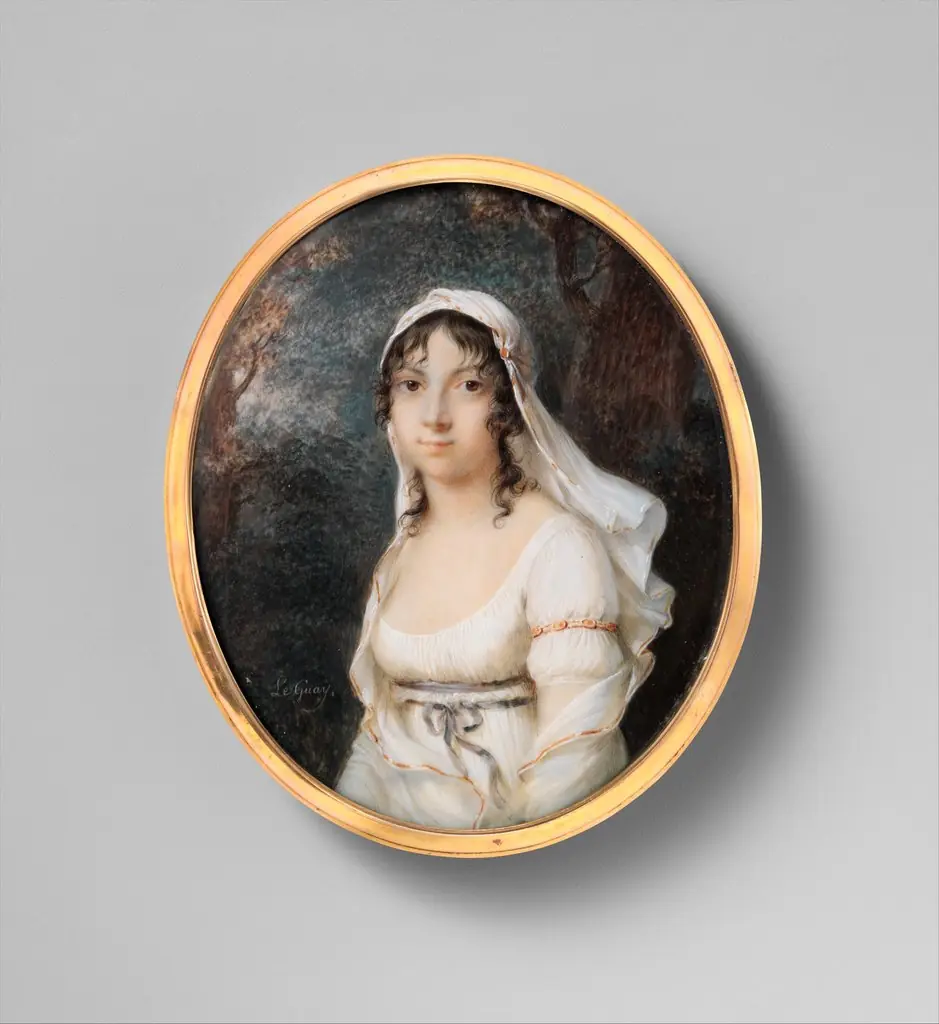 Portrait of a Woman
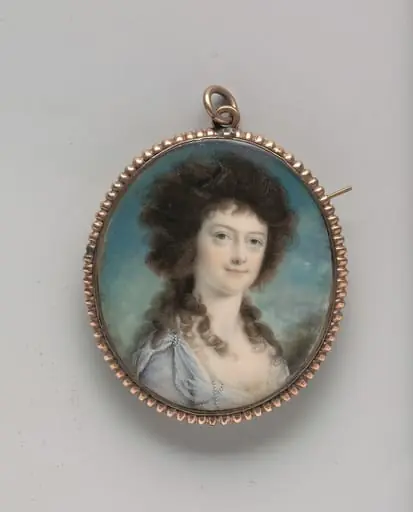 Mrs. James Bleecker (Elizabeth Garland Bache)
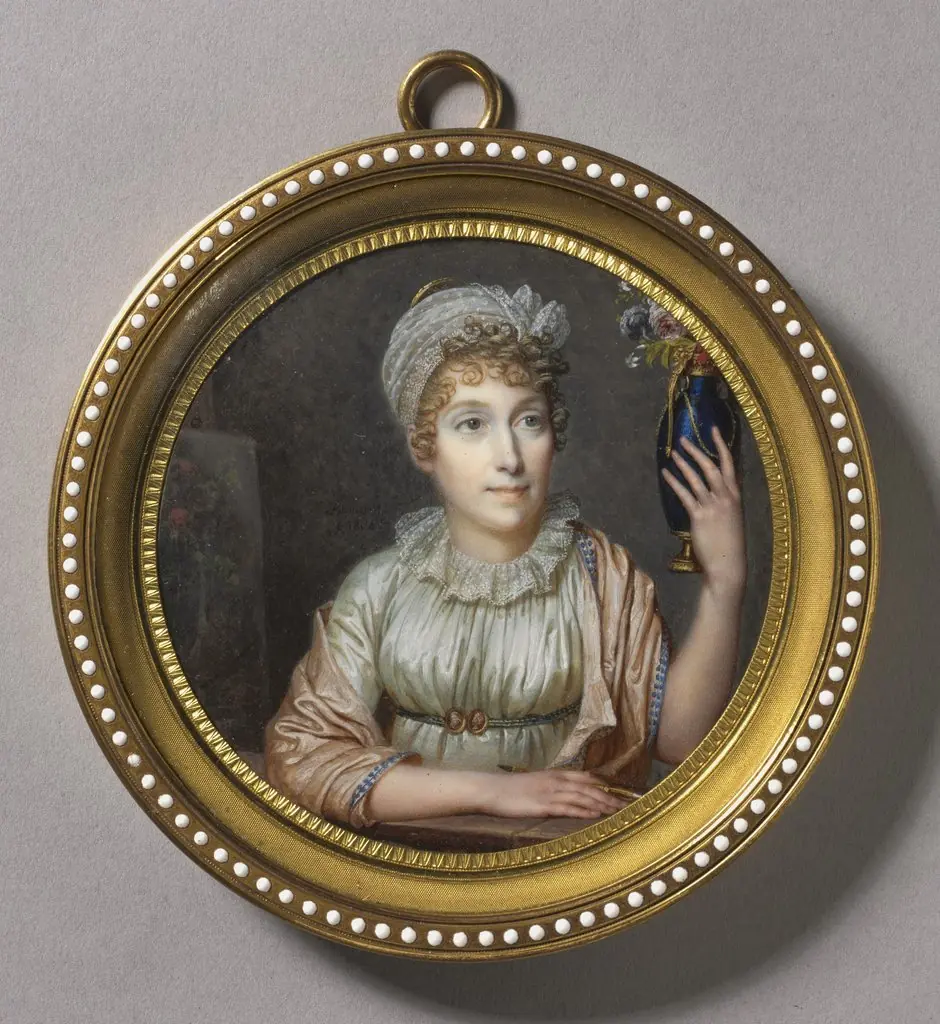 Portrait of Anne Vallayer-Coster
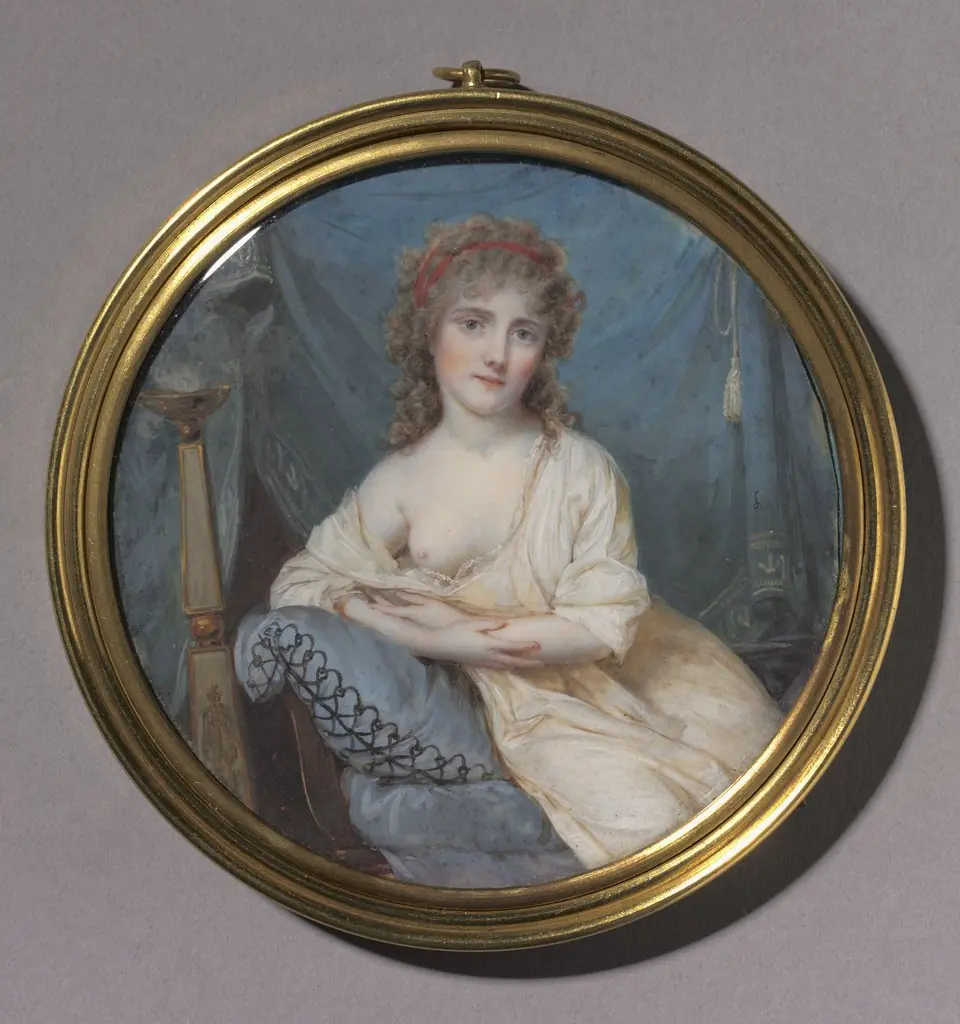 Portrait of a Woman Reclining on a Sofa
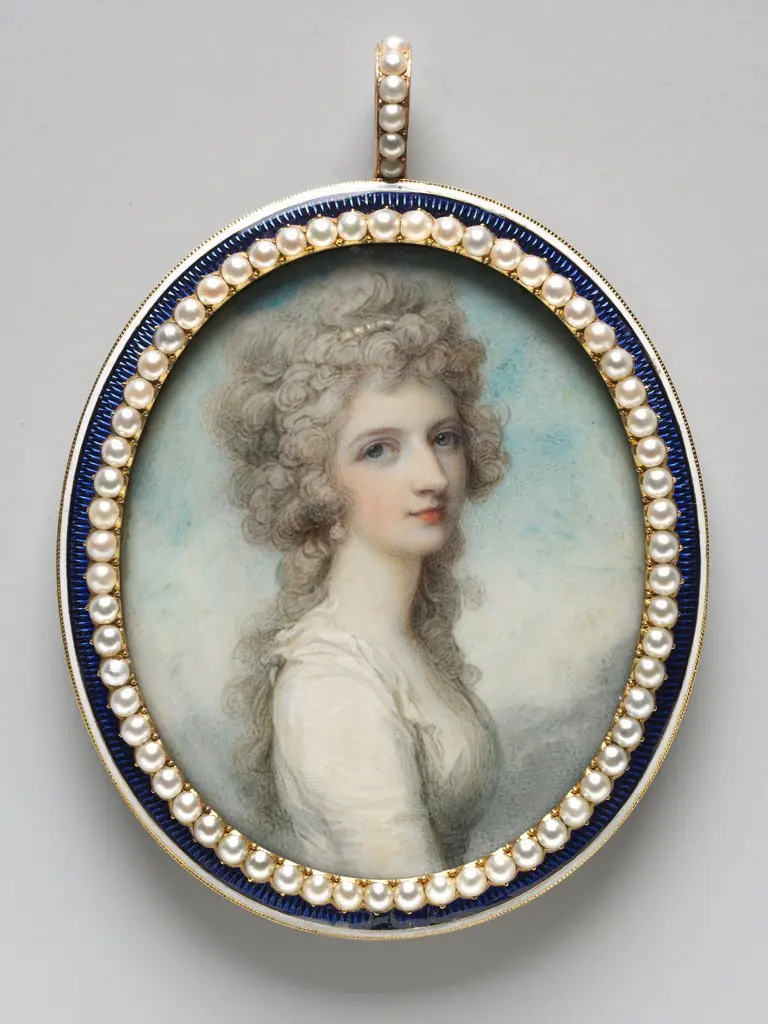
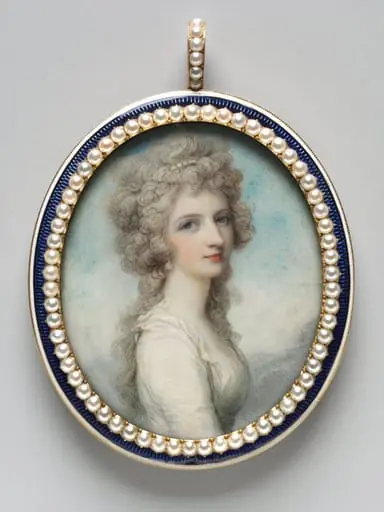 Portrait of Mary Frances (Fanny) Swinburne
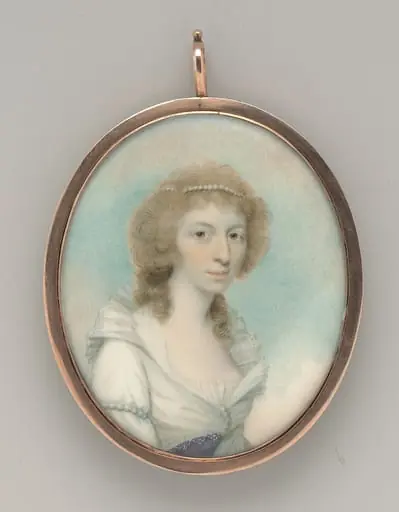 Mrs. Gabriel Manigault (Margaret Izard)
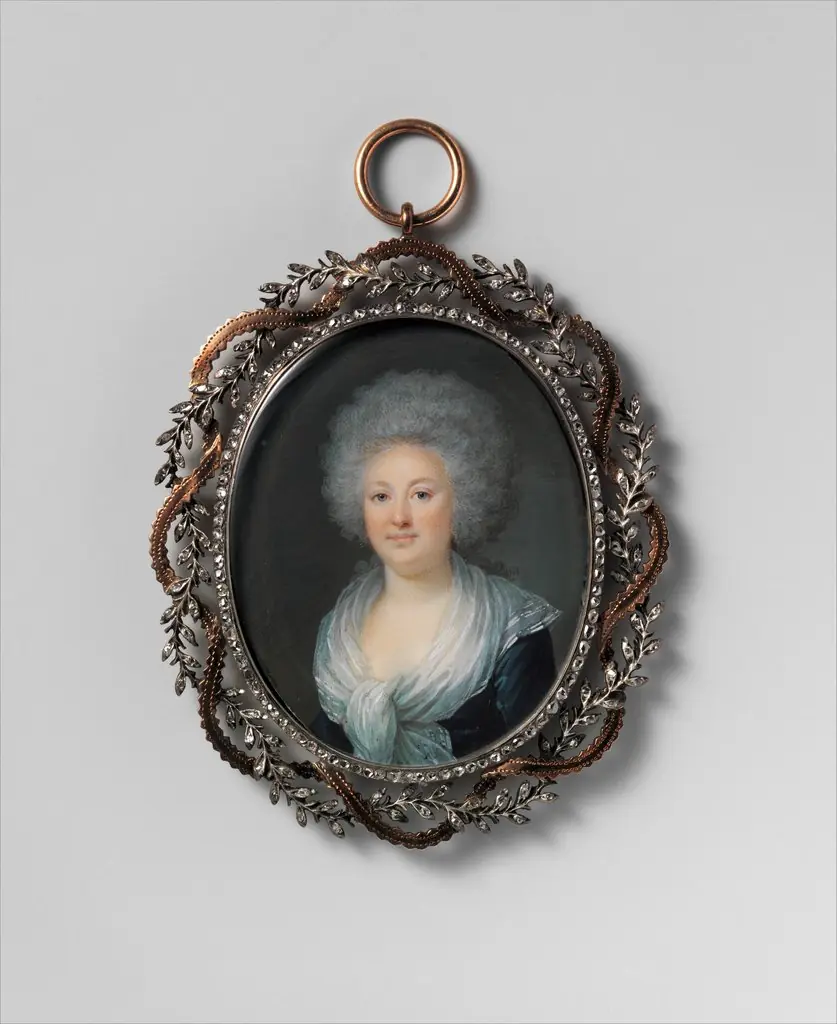 Portrait of a Woman
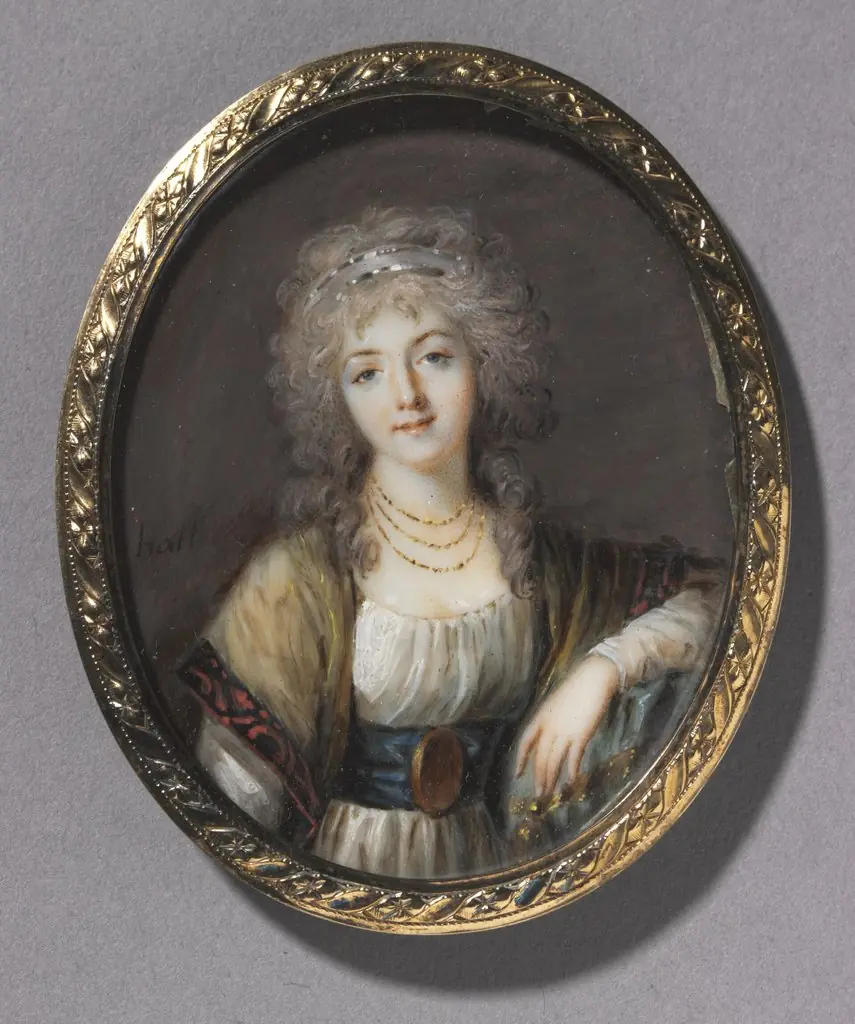 Portrait of a Young Woman
 Portrait of a Young Woman
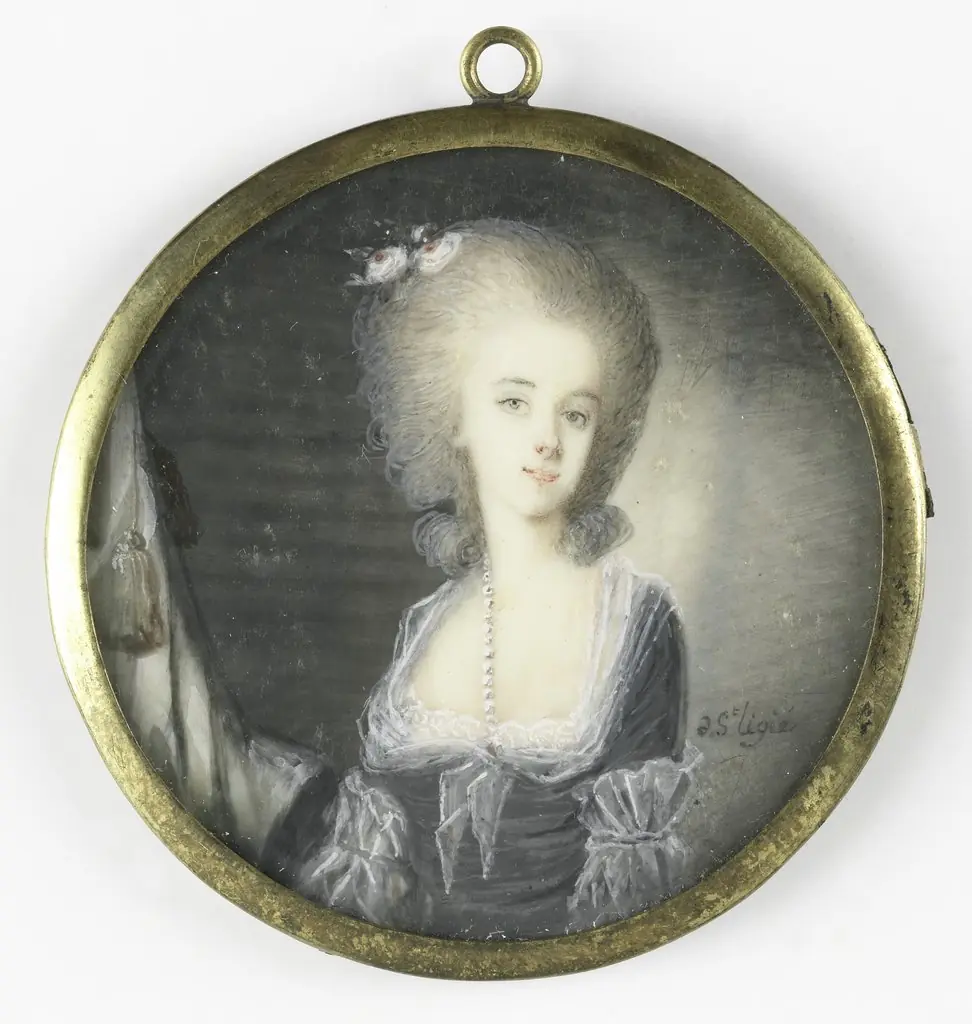 Frederica Louisa Wilhelmina (1770-1819). Prinses van Oranje-Nassau. Daughter of Willem V & Wilhelmina van Pruisen
 Snuff Box with a Portrait of a Lady