Artwork
Lady in Gray
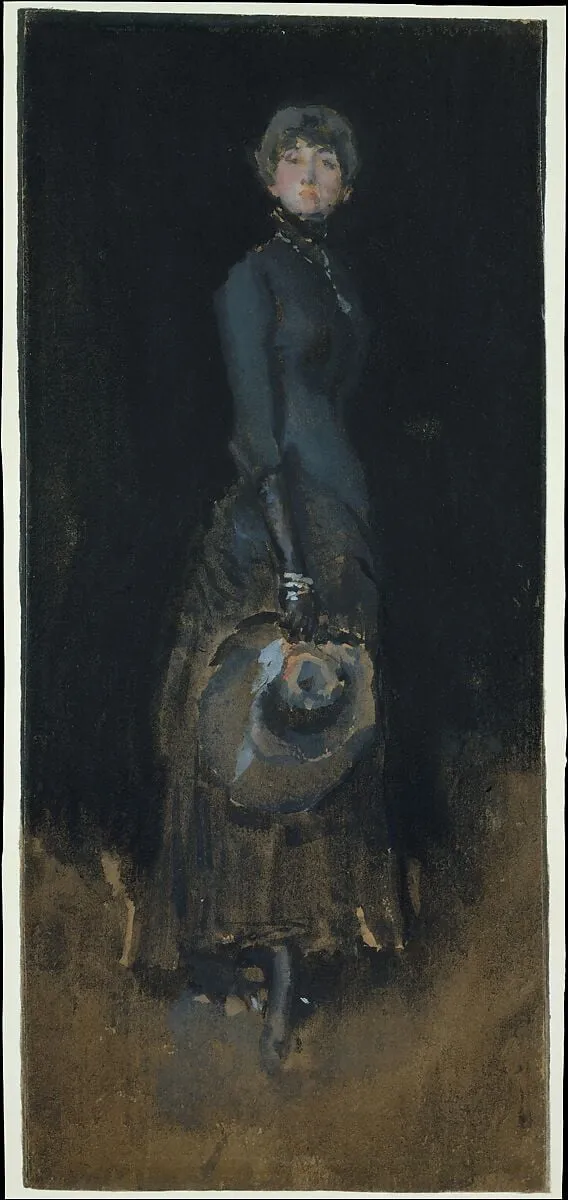
Lady in Gray is a watercolor work on paper by the American Impressionist artist James McNeill Whistler. It dates from 1883 and is held in the collection of the Metropolitan Museum of Art.
About this work
Technique & Style
James McNeill Whistler created Lady in Gray in 1883 using watercolor and gouache applied to dark brown wove paper.
James McNeill Whistler created Lady in Gray in 1883 using watercolor and gouache applied to dark brown wove paper. This work is classified as a drawing within the Aestheticism movement. The piece measures 28.6 cm in height and 12.7 cm in width.
The choice of dark brown paper as a support contrasts with the opaque white of the gouache and the translucent watercolor, a technique characteristic of Whistler's handling of the medium during this period.
History & Provenance
James McNeill Whistler created Lady in Gray in 1883 as a watercolor and gouache portrait on dark brown wove paper. The work entered the collection of the Metropolitan Museum of Art, where it remains on view in The American Wing. Its creation aligns with the Aestheticism movement, reflecting Whistler's focus on tonal harmony and artistic autonomy rather than narrative content.
The piece measures 28.6 cm in height and 12.7 cm in width, documenting a mature phase of the artist's portraiture practice.
Lady in Gray, an 1883 watercolor and gouache portrait by James McNeill Whistler, is held in the collection of the Metropolitan Museum of Art. The work belongs to the museum's American Wing classification. Its dimensions are recorded as 28.6 by 12.7.
No specific accession number or detailed exhibition history is documented in the available sources.
Overview
Created around 1883, this work by James McNeill Whistler is a watercolor and gouache portrait executed on dark brown wove paper. It belongs to the collection of the American Wing and presents a solitary figure rendered in a restrained palette.
Subject & Meaning
The composition features a woman dressed in a muted gray garment, positioned before an unadorned background. The lack of narrative detail directs attention to the quiet presence of the sitter, inviting contemplation of mood rather than a specific story.
Context
During the early 1880s Whistler increasingly described his paintings as "symphonies" or "arrangements," emphasizing the musical analogy of color and composition. This portrait exemplifies that approach, focusing on the atmospheric qualities of the scene rather than detailed likeness.
Artist & collection
Artist
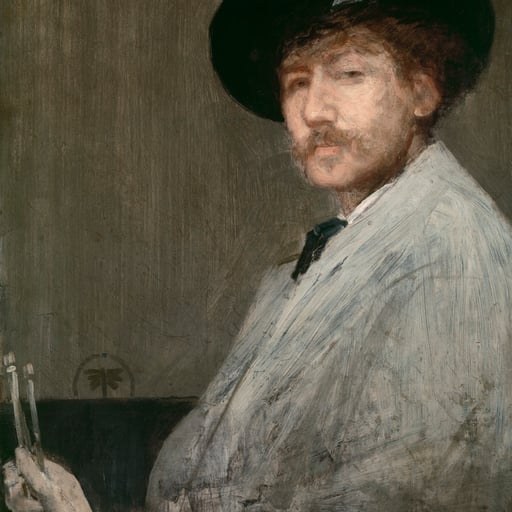
James Abbott McNeill Whistler (; July 10, 1834 – July 17, 1903) was an American painter in oils and watercolor, and printmaker, active during the American Gilded Age and based primarily in the United Kingdom.

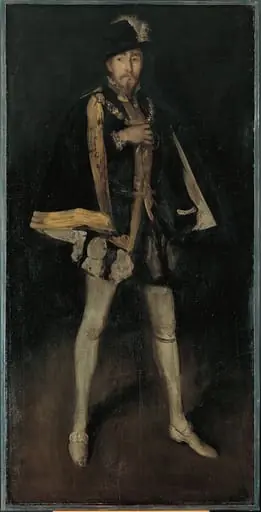 Arrangement in Black, No. 3: Sir Henry Irving as Philip II of Spain
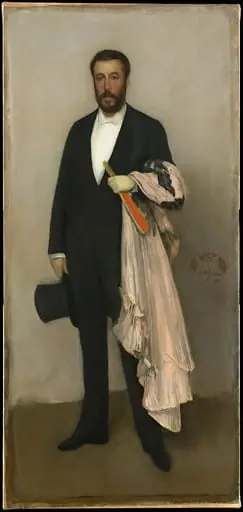 Arrangement in Flesh Colour and Black: Portrait of Theodore Duret
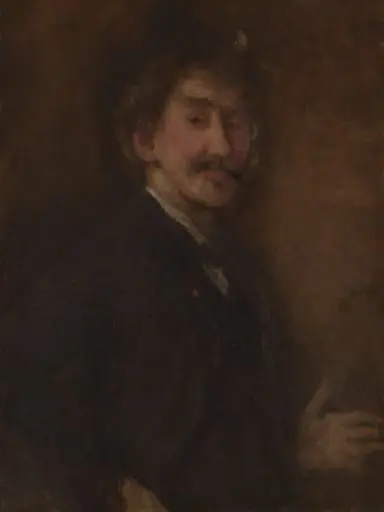 Gold and Brown: Self-Portrait
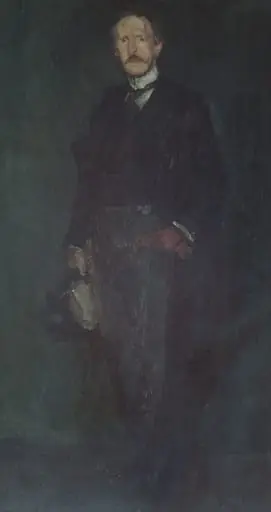 Edward Guthrie Kennedy
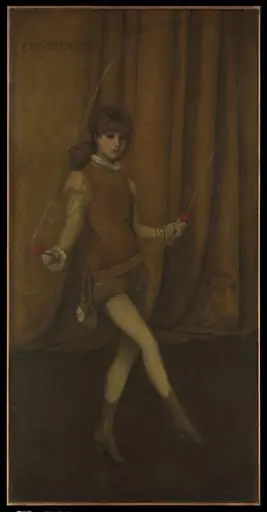 Harmony in Yellow and Gold: The Gold Girl—Connie Gilchrist
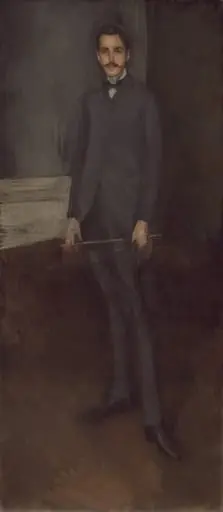 George W. Vanderbilt
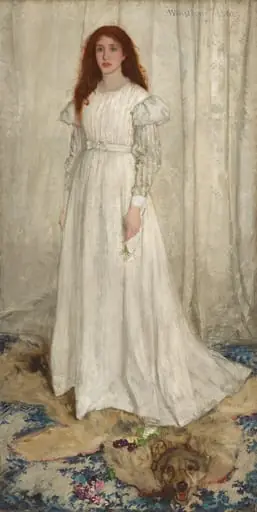 Symphony in White, No. 1: The White Girl
 Henry Irving as Philip II of Spain
- Count Robert de Montesquiou
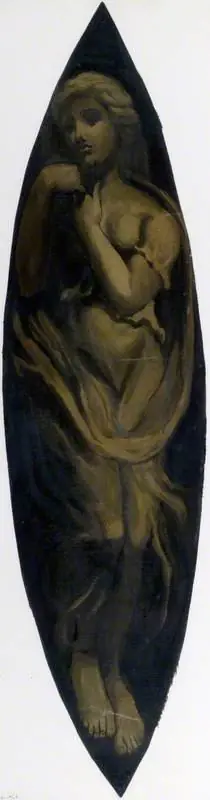 Standing Female Figure (decorative panel)
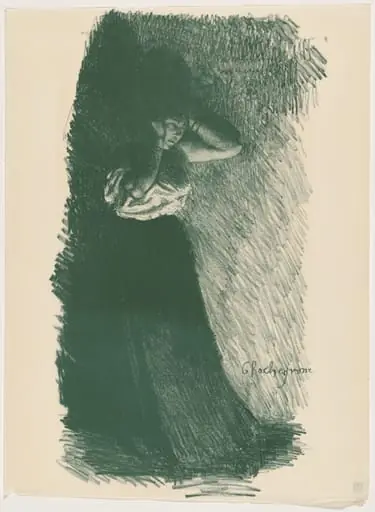 Etude
Etude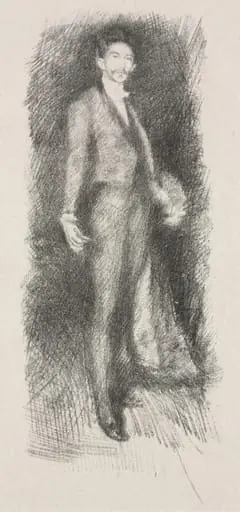 Portrait of Count Robert de Montesquiou
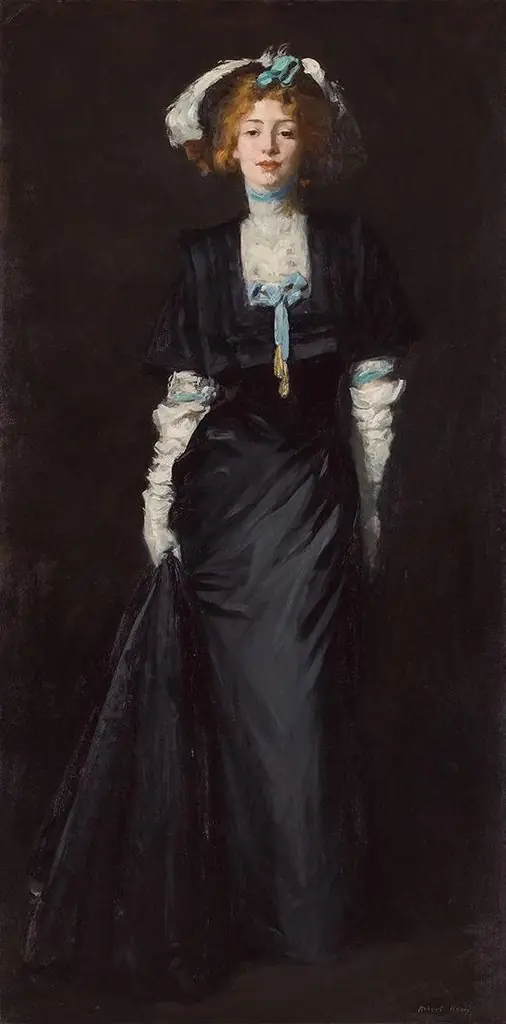 Jessica Penn in Black with White Plumes
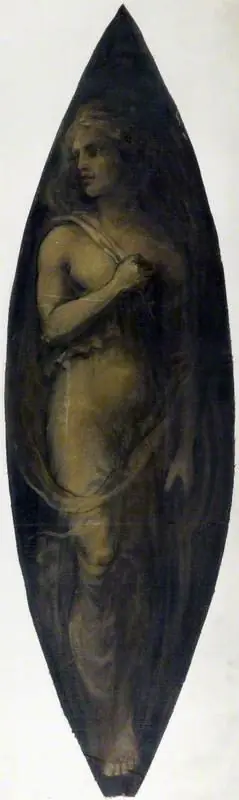 Standing Female Figure (decorative panel)
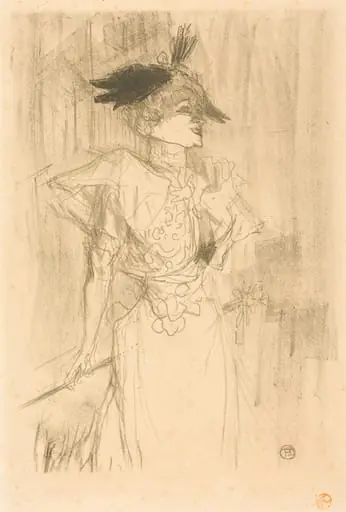 Mlle. Marcelle Lender, Standing (Mlle. Marcelle Lender, debout)
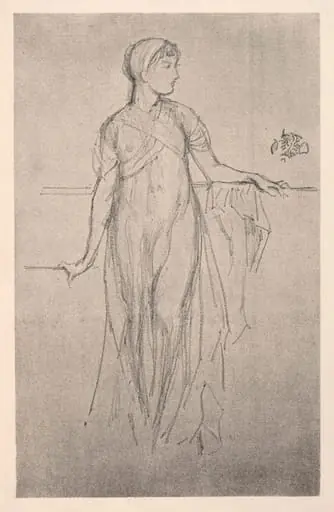 Study
Study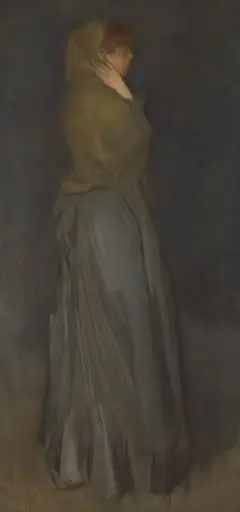 ‘Arrangement in Yellow and Gray’: Effie Deans
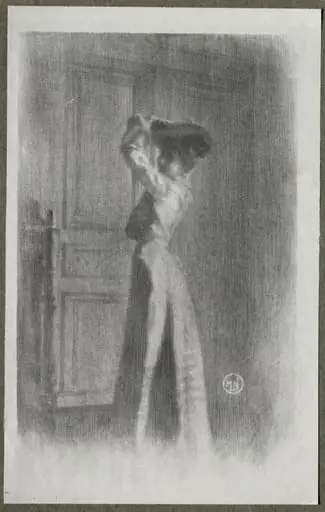 Fashionable Woman
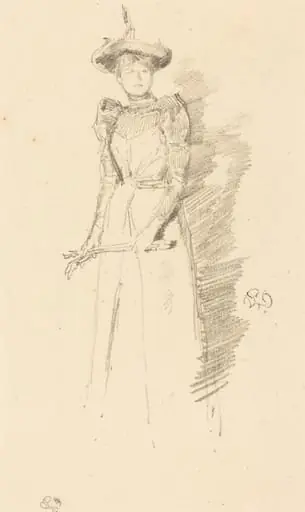 Gants de Suède
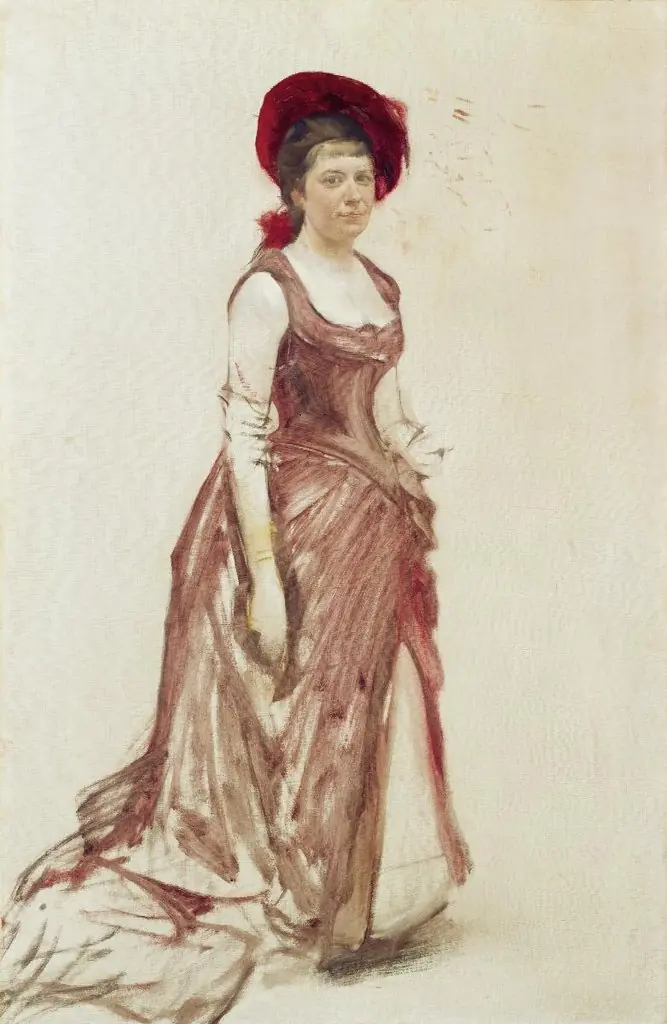 Bildnis Lydia Welti-Escher im roten Kleid