Artwork
Arrangement in Flesh Colour and Black: Portrait of Theodore Duret
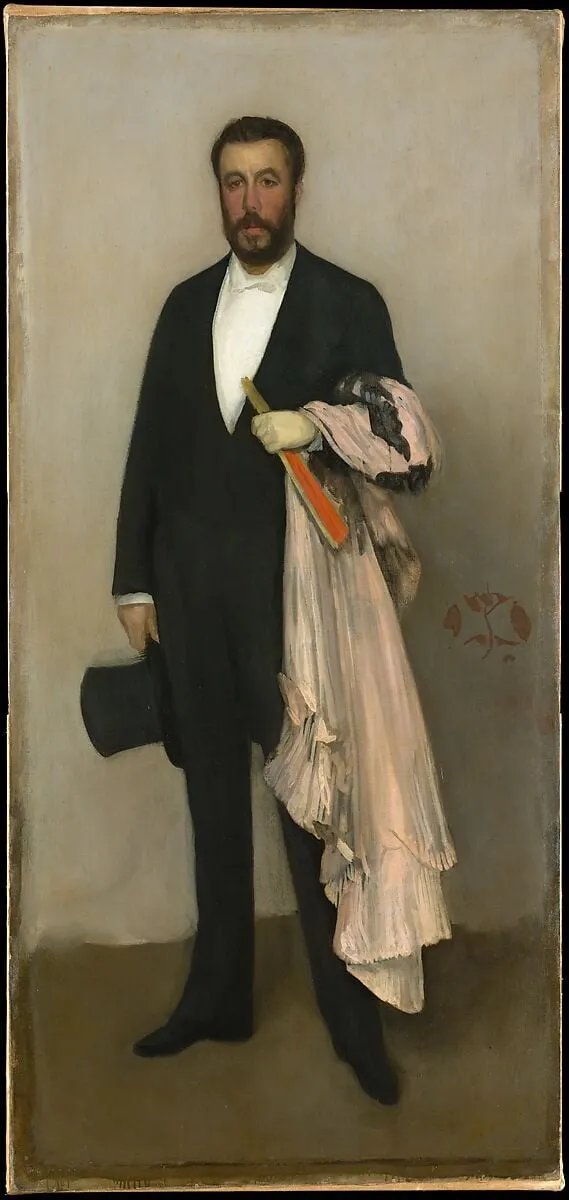
Arrangement in Flesh Colour and Black: Portrait of Theodore Duret is an oil painting by the Impressionist artist James McNeill Whistler. It dates from 1883 and is held in the collection of the Metropolitan Museum of Art.
About this work
Subject & Meaning
The painting portrays Théodore Duret, the French art critic and champion of Impressionism who was a close associate of James McNeill Whistler.
The painting portrays Théodore Duret, the French art critic and champion of Impressionism who was a close associate of James McNeill Whistler. Rendered as a full-length standing figure of a man, the portrait belongs to Whistler's broader Aesthetic movement project of arranging subjects as harmonious compositions rather than as conventional likenesses. The title itself, "Arrangement in Flesh Colour and Black," signals this priority: the sitter is identified by color tones and tonal balance rather than by narrative or psychological detail, treating the human figure as an element within a carefully orchestrated visual scheme.
By naming Duret in the subtitle, Whistler acknowledges the critic's role in defending avant-garde art, while the Aestheticist framework reflects the very principles Duret publicly endorsed. The work thus operates simultaneously as a personal tribute to a friend and ally and as a manifesto of art-for-art's-slate sensibilities.
Technique & Style
Executed in 1883, this portrait utilizes oil paint applied to a canvas support. The work measures 193.4 cm in height and 90.8 cm in width, presenting a full-length depiction of the subject. Stylistically, the painting is associated with the Aestheticism movement, a classification reflected in its title, Arrangement in Flesh Colour and Black, which prioritizes tonal harmony over strict narrative realism.
The composition focuses on the interplay between the sitter's flesh tones and the dominating black elements of his attire and the background. As a genre portrait, it captures the figure of Théodore Duret through Whistler's characteristic approach to color arrangement and form.
History & Provenance
James McNeill Whistler created Arrangement in Flesh Colour and Black: Portrait of Theodore Duret in 1883. The oil on canvas work was conceived as a portrait of the French art critic Théodore Duret. Currently held by the Metropolitan Museum of Art, the specific details regarding its initial commission or the complete chain of ownership leading to the museum's acquisition are not established by the provided sources.
Arrangement in Flesh Colour and Black: Portrait of Theodore Duret is held in the collection of the Metropolitan Museum of Art in New York. The work, an 1883 oil on canvas by James McNeill Whistler, is classified within the museum's American Wing. While the provided records confirm its current location and institutional ownership, they do not specify a unique inventory or accession number, nor do they list details regarding its past exhibition history.
Legacy
Arrangement in Flesh Colour and Black: Portrait of Théodore Duret, painted by James McNeill Whistler in 1883, exemplifies the Aestheticist emphasis on tonal harmony and compositional refinement. Its placement in the Metropolitan Museum’s American Wing and classification as a portrait underscore its enduring relevance within Whistler’s oeuvre and the broader portrait genre. Scholars cite the work as a pivotal example of Whistler’s mature style, influencing subsequent portraitists who prioritized mood over narrative.
The painting’s formal qualities and its continued display contribute to Whistler’s reputation as a master of subtle color orchestration, securing its place in art‑historical narratives of late‑19th‑century American art.
Overview
James McNeill Whistler's "Arrangement in Flesh Colour and Black: Portrait of Theodore Duret" is an oil on canvas painting that exemplifies the artist's distinctive approach to portraiture. Rather than emphasizing narrative or dramatic gesture, Whistler focused on the harmonious interplay of colors and forms. This work captures its subject with a quiet dignity, reflecting the artist's primary interest in the visual arrangement of elements within the frame.
Context
This portrait is a clear illustration of Aestheticism, an art movement that championed "art for art's sake." Whistler, a prominent figure in this movement, believed that the primary purpose of art was to be beautiful and to evoke a sensory experience, independent of moral, narrative, or didactic functions. His choice to title the work an "Arrangement" rather than simply a "Portrait" further emphasizes his focus on the formal elements of color and composition.
Artist & collection
Artist
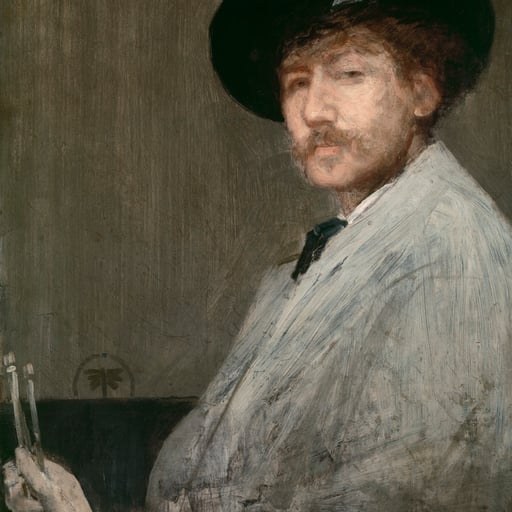
James Abbott McNeill Whistler (; July 10, 1834 – July 17, 1903) was an American painter in oils and watercolor, and printmaker, active during the American Gilded Age and based primarily in the United Kingdom.

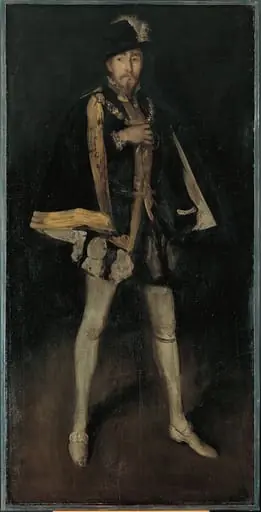 Arrangement in Black, No. 3: Sir Henry Irving as Philip II of Spain
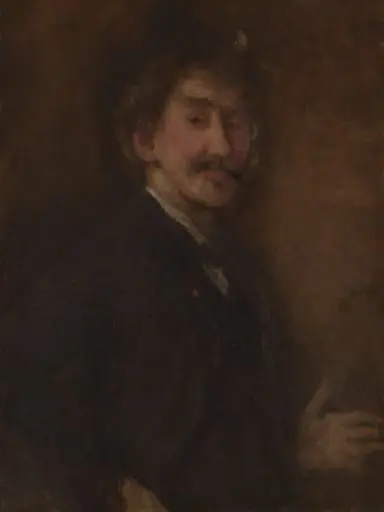 Gold and Brown: Self-Portrait
 Edward Guthrie Kennedy
 Harmony in Yellow and Gold: The Gold Girl—Connie Gilchrist
 George W. Vanderbilt
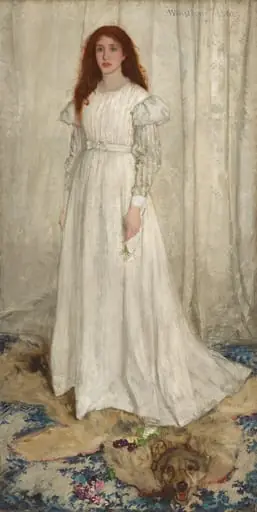 Symphony in White, No. 1: The White Girl
 Henry Irving as Philip II of Spain
 ‘Arrangement in Yellow and Gray’: Effie Deans
- Lady in Black
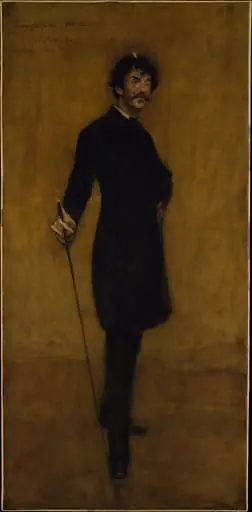 James Abbott McNeill Whistler
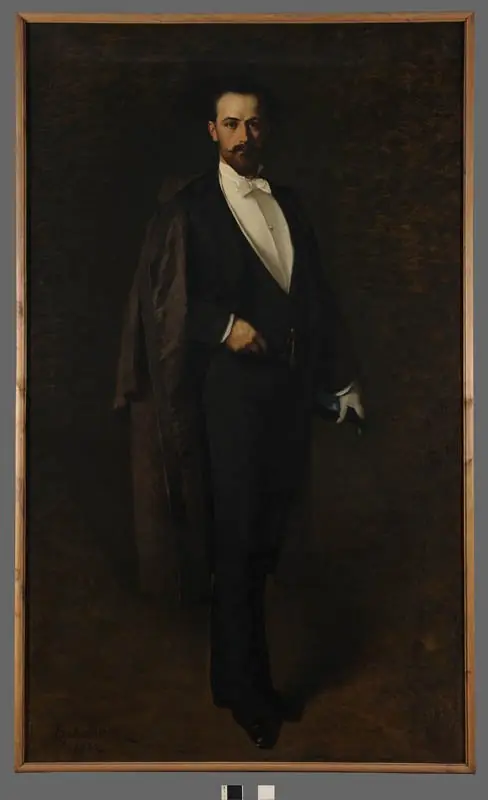 Portrait of Bronisław Amszyński
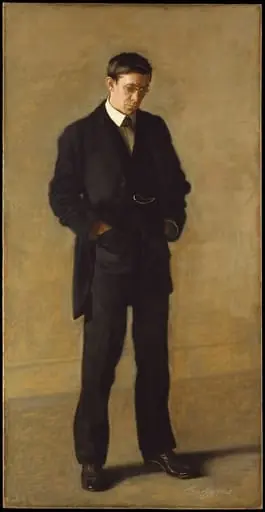 The Thinker: Portrait of Louis N. Kenton
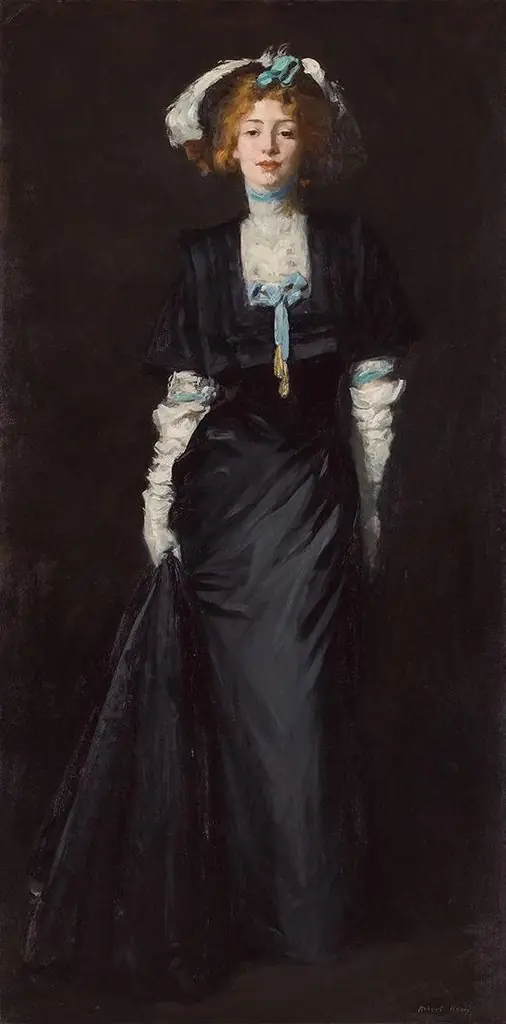 Jessica Penn in Black with White Plumes
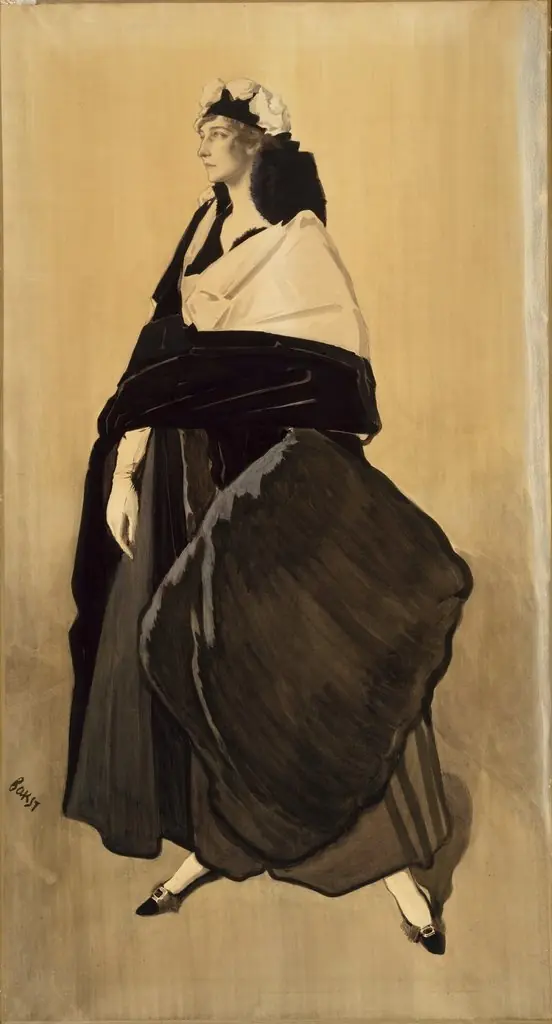 Mme Ida Rubinstein
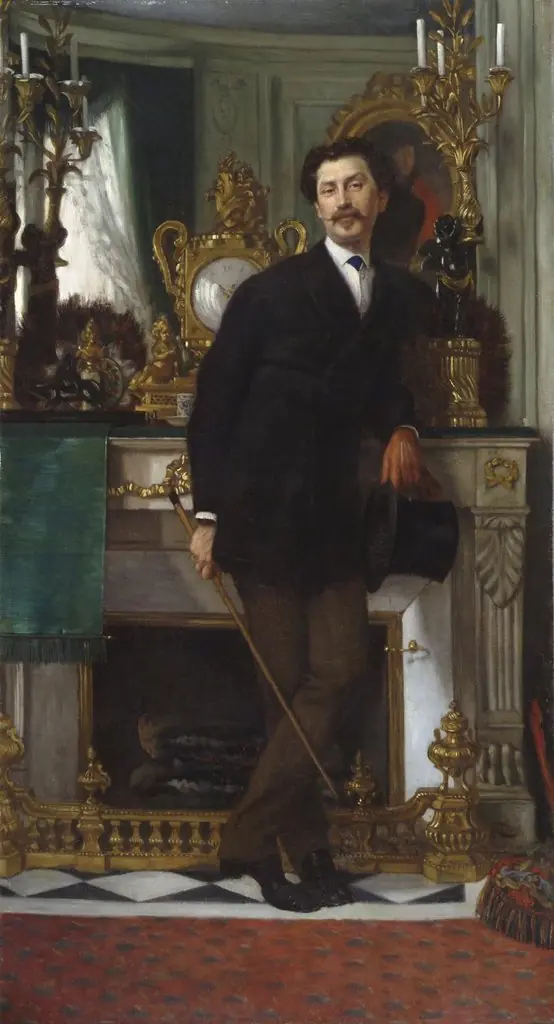 Portrait of Eugène Coppens de Fontenay
 Young Woman in Black
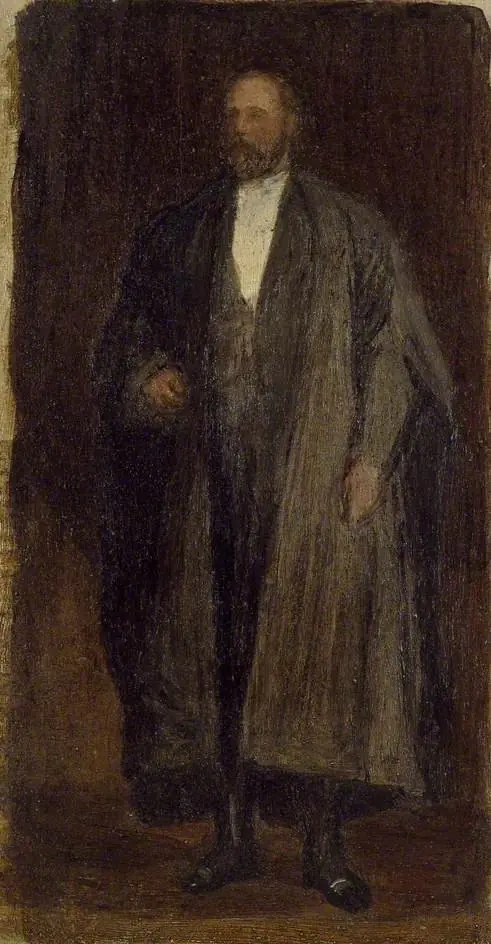 Edward VII as Prince of Wales
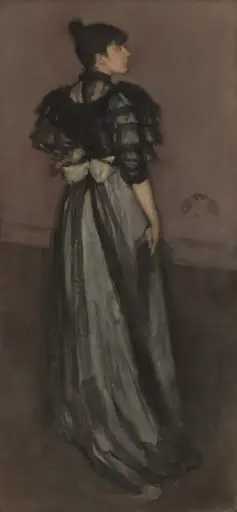 Mother of Pearl and Silver: The Andalusian
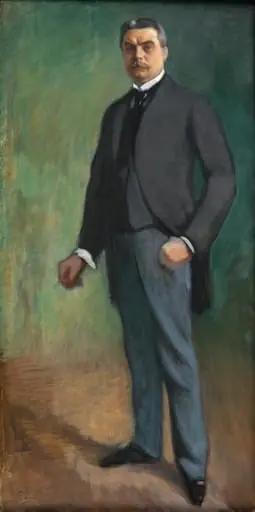 Albert Edelfelt
 Compared in the Color & Light course