Artwork
Moses Cox
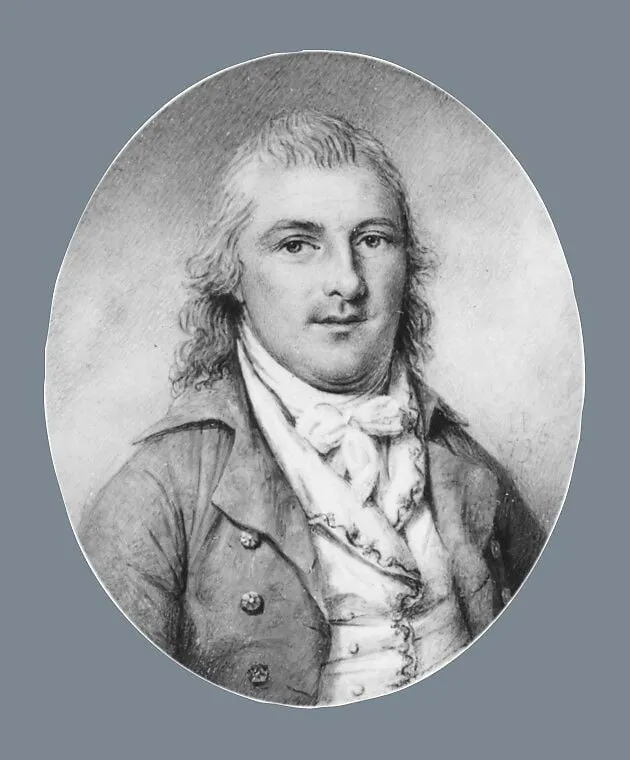
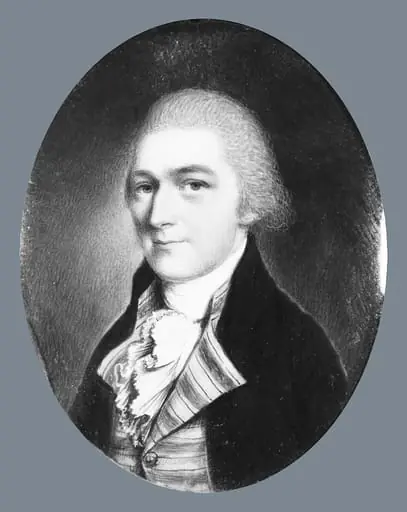
Moses Cox is a watercolor painting by the American Folk Art artist James Peale. It dates from 1796 and is held in the collection of the Metropolitan Museum of Art.
About this work
Technique & Style
The medium allows delicate tonal modulation and fine detail, while the ivory ground provides a smooth, luminous surface that enhances the sitter’s flesh tones.
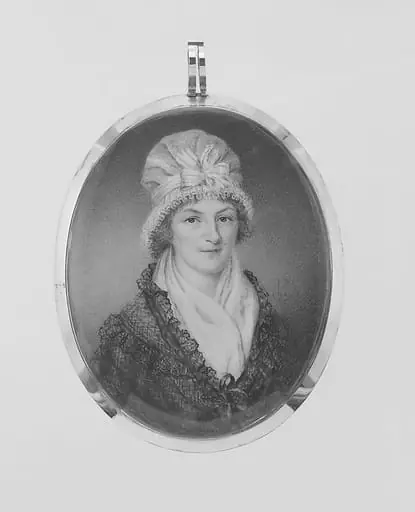
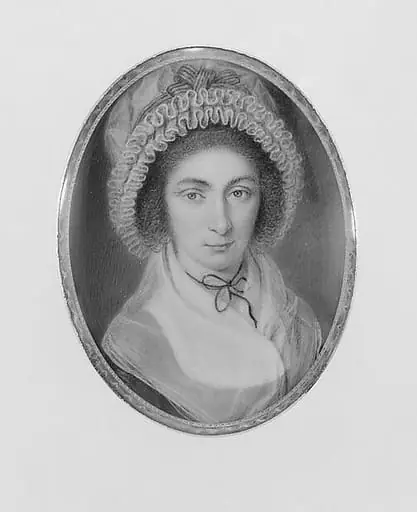
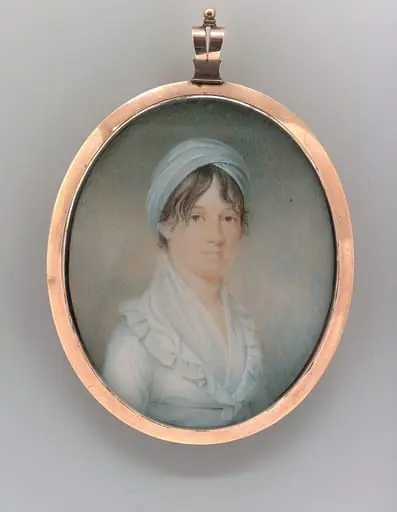
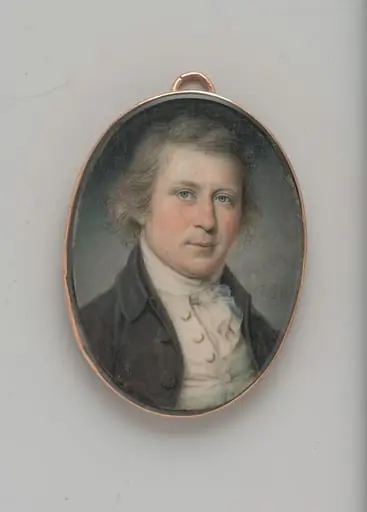
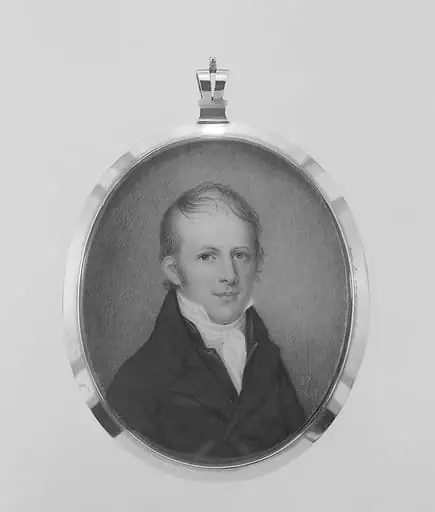
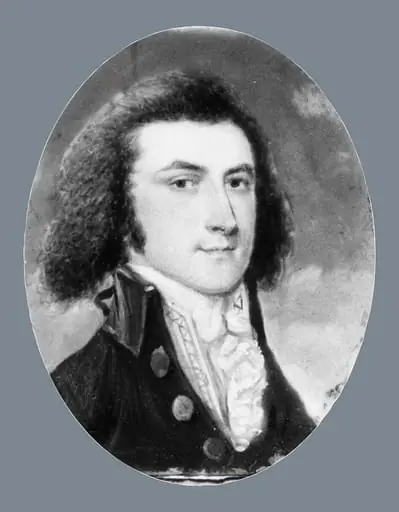
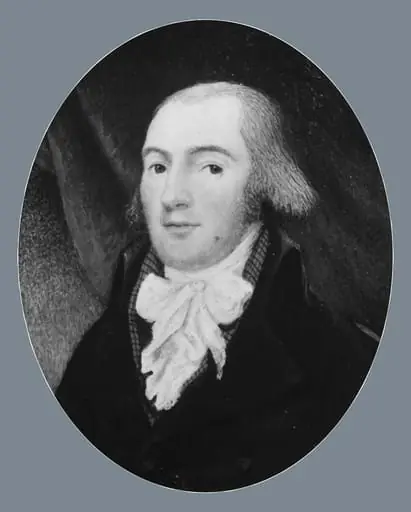
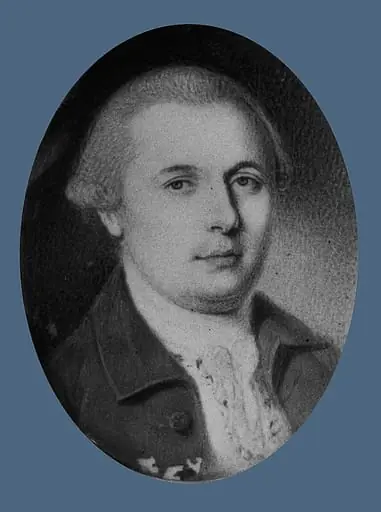
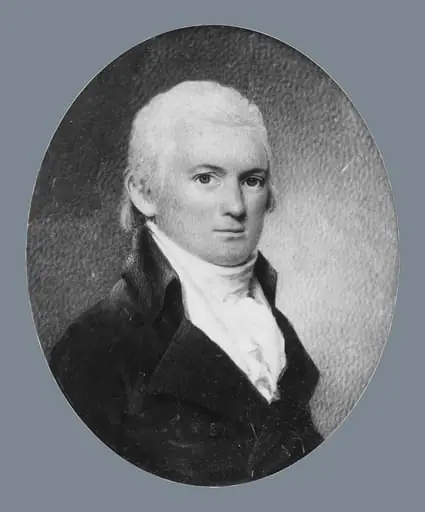
Executed in watercolor on an ivory support, the portrait of Moses Cox exemplifies early American portrait miniatures. The medium allows delicate tonal modulation and fine detail, while the ivory ground provides a smooth, luminous surface that enhances the sitter’s flesh tones. Measuring roughly 7.6 cm by 6.4 cm, the work is displayed in The American Wing of the Metropolitan Museum of Art, where it is presented as a representative example of late‑18th‑century portraiture.
Stylistically, the piece features a restrained palette, precise facial modeling, and a modest composition that emphasizes the sitter’s presence without ornamental excess.
History & Provenance
The watercolor portrait Moses Cox (1796) by James Peale is held in the collection of the Metropolitan Museum of Art, where it is classified under The American Wing. The museum's inventory records the work under the accession number 2006.235.120. No specific exhibition history is documented in the available sources.
Overview
This small-scale portrait, Moses Cox, was painted by American artist James Peale in 1796. Executed in watercolor on ivory, the work presents a direct depiction of its subject. Peale, recognized for his miniature portraits and still lifes, created this piece during a formative era for art in the United States, reflecting the period's approach to personal representation.
Subject & Meaning
The painting features Moses Cox seated, engaging the viewer with a gentle, direct gaze. His relaxed posture and composed expression contribute to the intimate character of the portrait. Dressed in period attire, Cox is presented without elaborate embellishment, emphasizing a straightforward and personal connection between the sitter and the observer.
Context
James Peale was an active painter in late 18th-century America, a period marked by the growth of a distinct national artistic identity. As the younger brother of the prominent artist Charles Willson Peale, James established his own reputation, particularly for his miniature portraits and still lifes. Moses Cox exemplifies his contribution to American portraiture during this era.
Artist & collection

Artist
James Peale (1749 – May 24, 1831) was an American painter, best known for his miniature and still life paintings, and a younger brother of noted painter Charles Willson Peale.