Artwork
Samuel Low
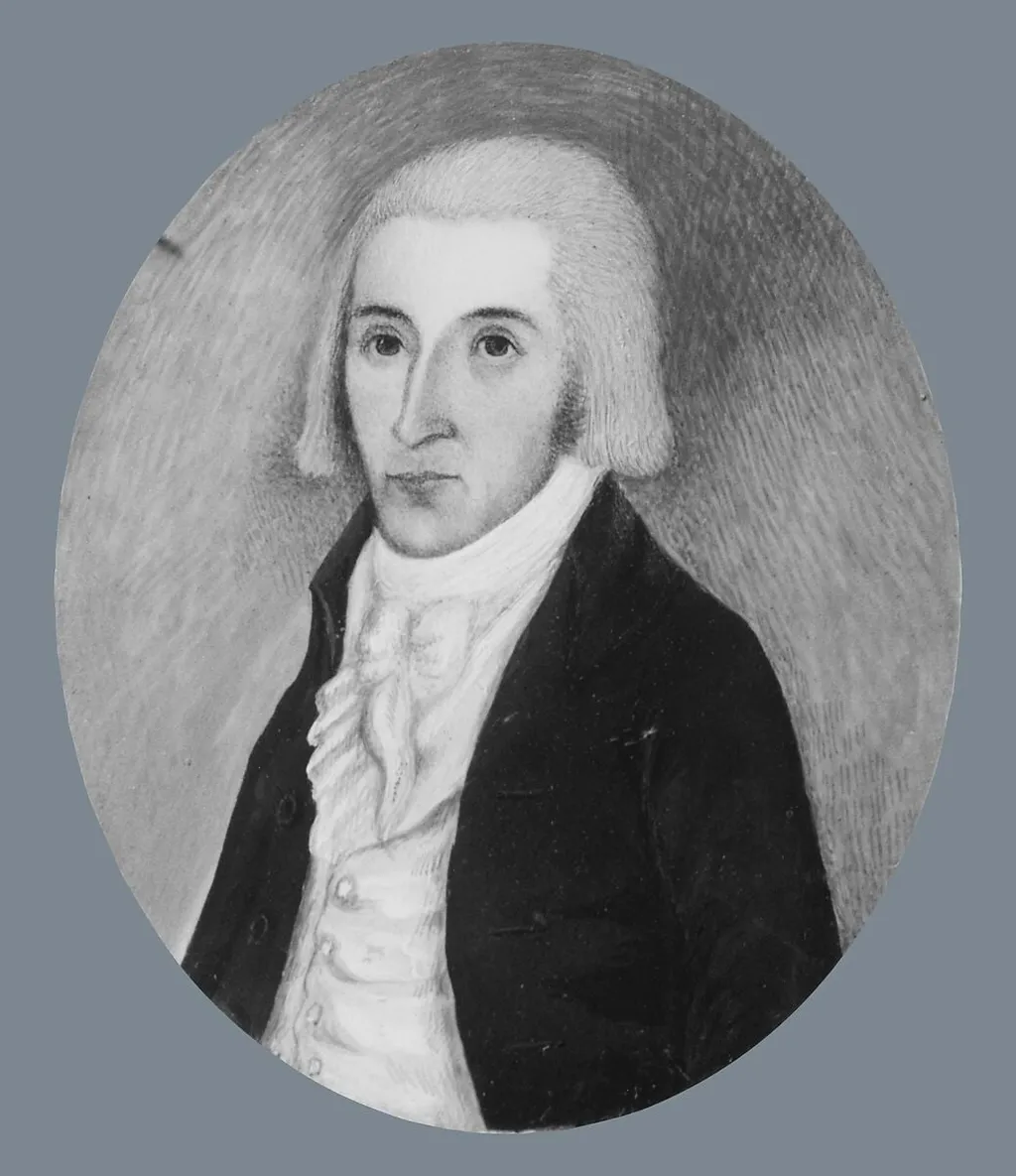
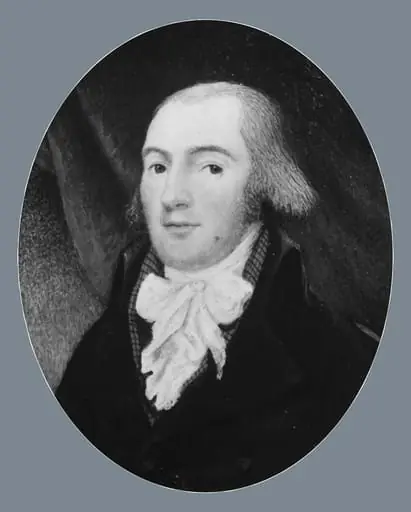
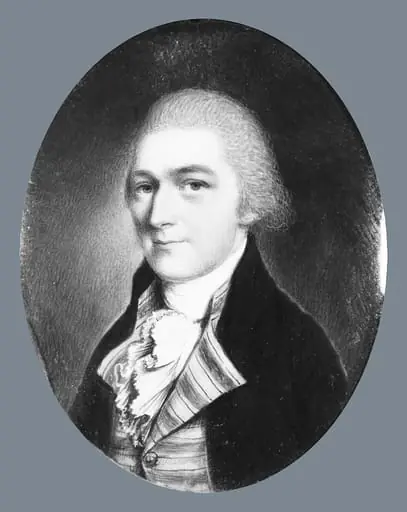
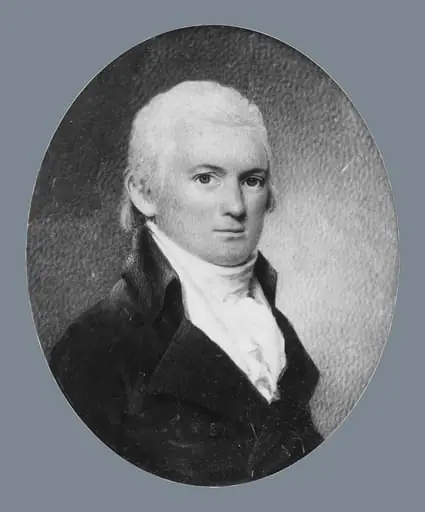
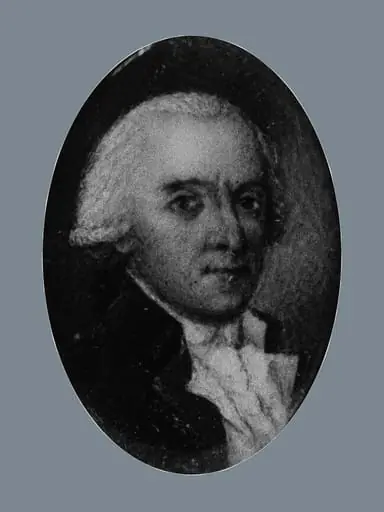
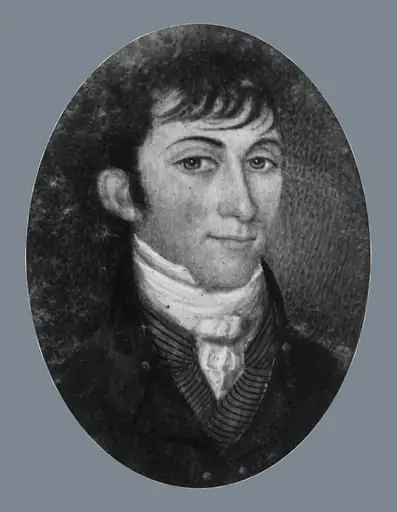
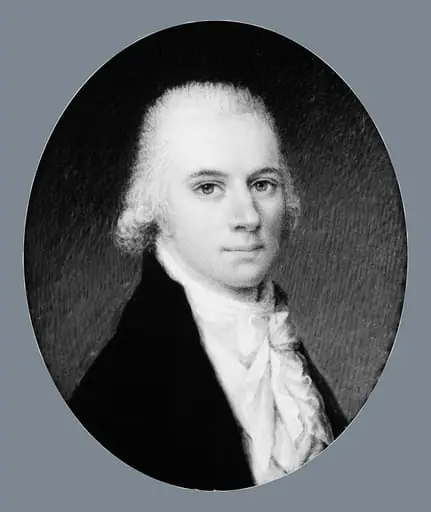
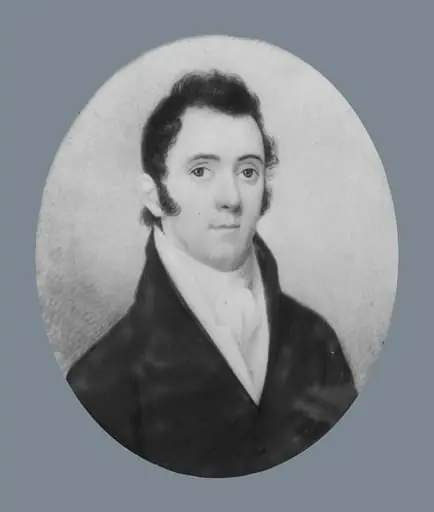
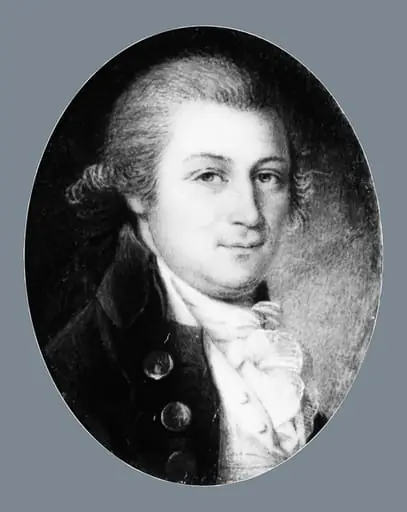
Samuel Low is a watercolor painting. It dates from 1795 and is held in the collection of the Metropolitan Museum of Art.
About this work
It’s painted on ivory, which lets light shine through the paper and makes the skin glow.
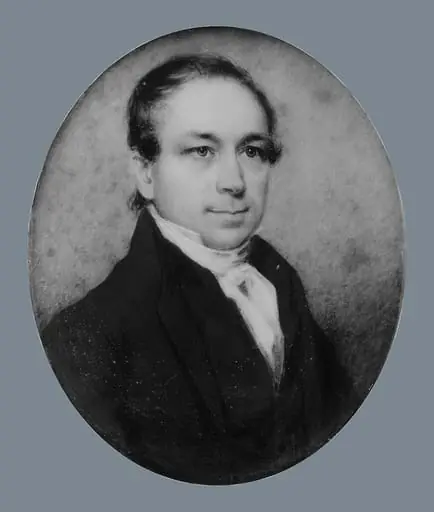
This is a tiny watercolor portrait of a young man in a dark coat and white cravat. His face is smooth, his gaze steady.
It’s painted on ivory, which lets light shine through the paper and makes the skin glow. These miniatures were meant to be carried, like a wallet photo from 1795. The artist’s name is lost, but the work feels personal, almost private.
If you like this quiet American face, look up more in the subject of portraits.
Technique & Style
Samuel Low is executed in watercolour on an ivory support, a medium typical of late-eighteenth-century American miniature portraiture. The work measures approximately 7.3 cm in height and 6 cm in width, classifying it as a small-scale portrait. As an anonymous painting in the Metropolitan Museum of Art's American Wing, it presents a bust-length likeness of a man, rendered with the delicate, translucent washes characteristic of watercolour on ivory.
The ivory ground provides a smooth, luminous surface that enhances the subtlety of the pigment, while the portrait's genre and dimensions align it with contemporary miniature conventions.
History & Provenance
The watercolour-on-ivory portrait Samuel Low is dated to 1795 and is catalogued as an anonymous work in the Metropolitan Museum of Art's holdings. Its small dimensions (height 7.3 cm, width 6 cm) align with the miniature format typical of late-eighteenth-century portraiture. The sitter's identity remains unattributed in the museum's records, and no archival evidence links the work to a specific patron or commission.
The painting entered the Metropolitan Museum's collection as part of its broader holdings of miniature portraits, though the exact provenance prior to museum accession is not documented.
Overview
The portrait of Samuel Low is a delicate watercolor miniature on ivory, depicting a young man from the late 18th century. This intimate artwork, characterized by its small scale and personal feel, was likely intended for private viewing rather than public display. Although the artist's identity is not known, the piece captures a quiet dignity and a distinct sense of the individual, reflecting the common practice of commissioning such personal mementos during the period.
Subject & Meaning
Samuel Low is presented as a youthful figure, distinguished by his smooth complexion and a steady, direct gaze. He is depicted in a dark coat complemented by a crisp white cravat, attire typical of the era. The miniature format itself suggests a deeply personal connection, indicating the portrait was likely commissioned to be cherished by the sitter's family or a close acquaintance, serving as a private reminder of his presence.
Context
Miniature portraits such as Samuel Low functioned as important personal artifacts in the late 18th century, akin to modern-day photographs. These small, portable images were frequently carried by individuals or exchanged among family members and friends, allowing them to keep an image of a loved one close. This widespread practice underscores the deeply personal and private role these artworks played in social and familial connections of the period.
Artist & collection