Artwork
Portrait of a Gentleman
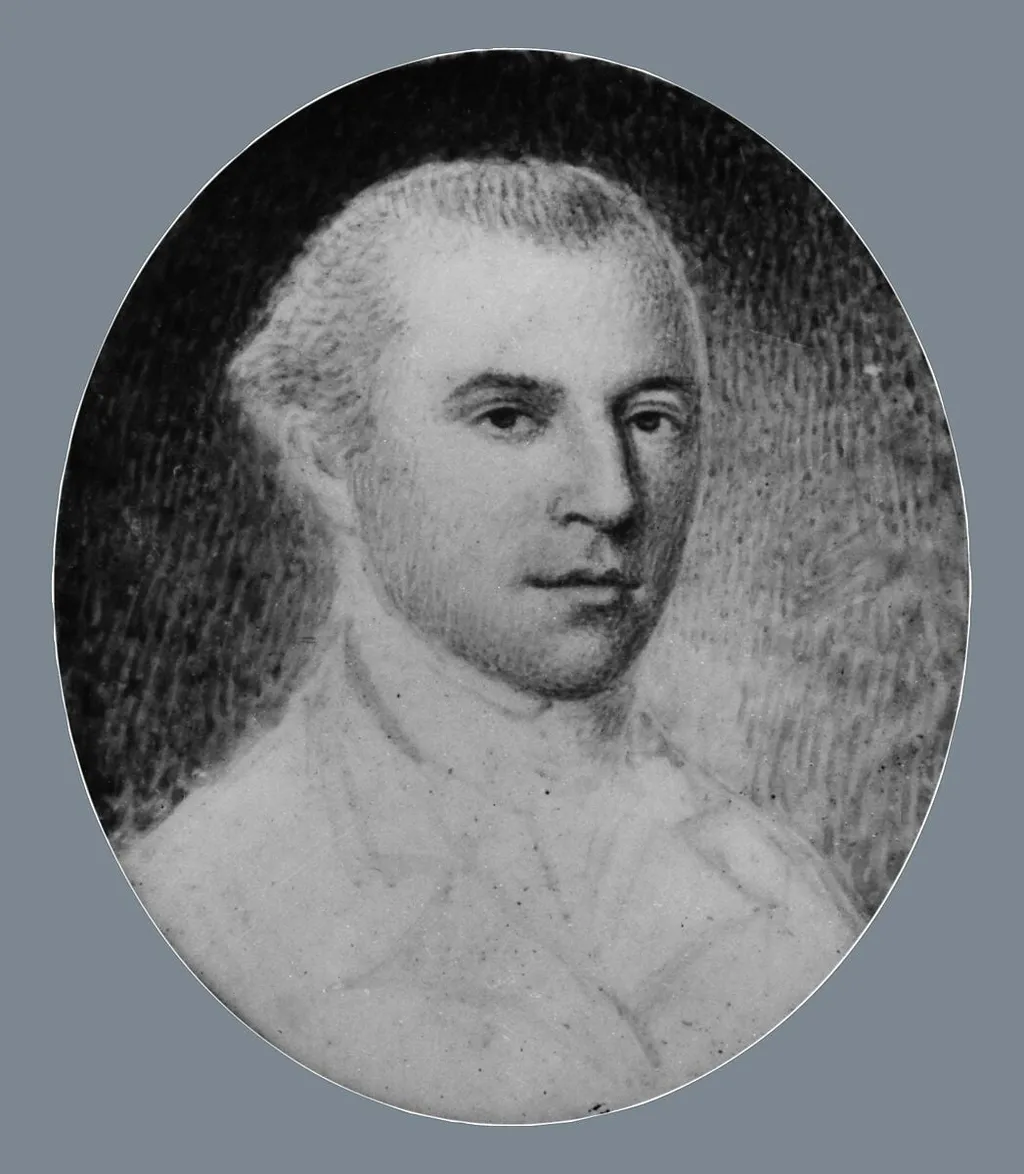
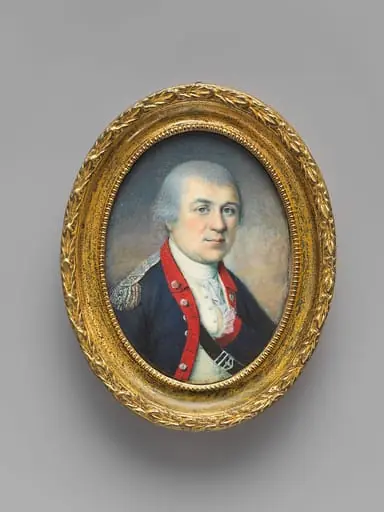
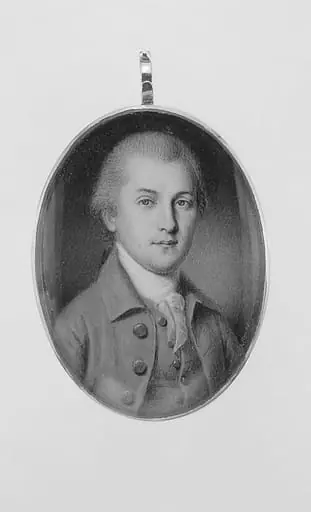
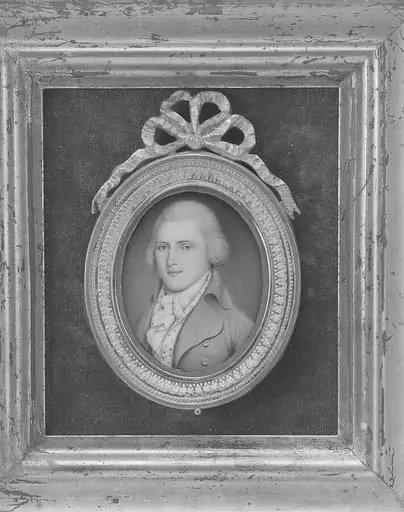
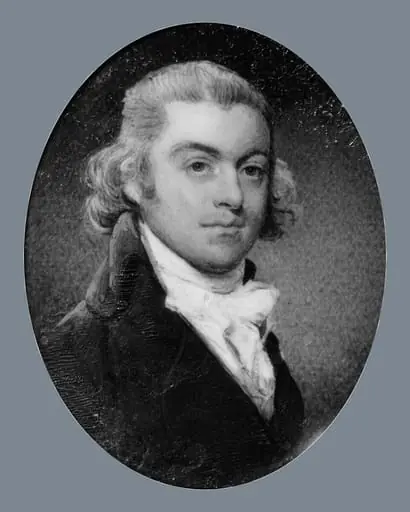
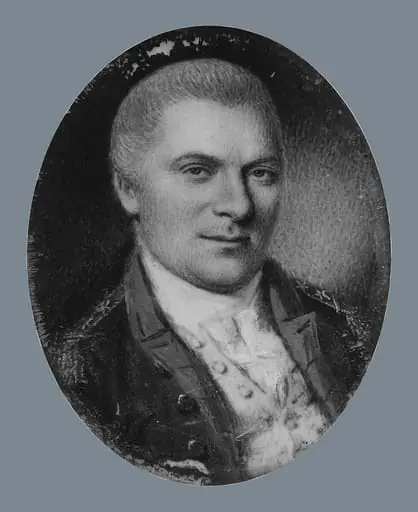
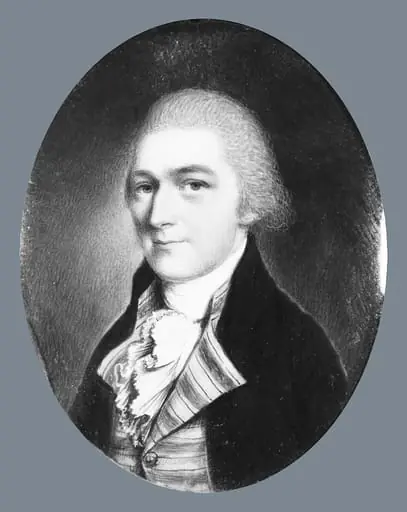
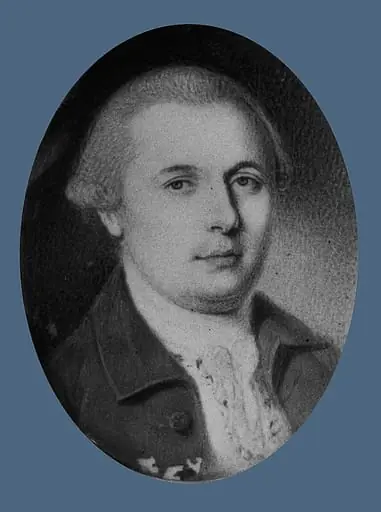
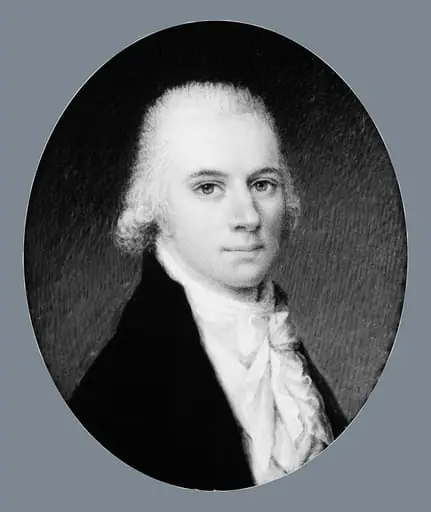
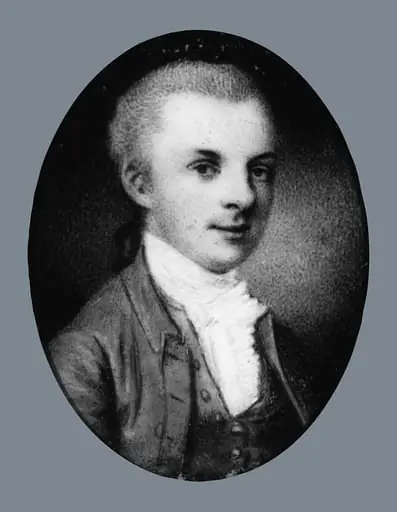
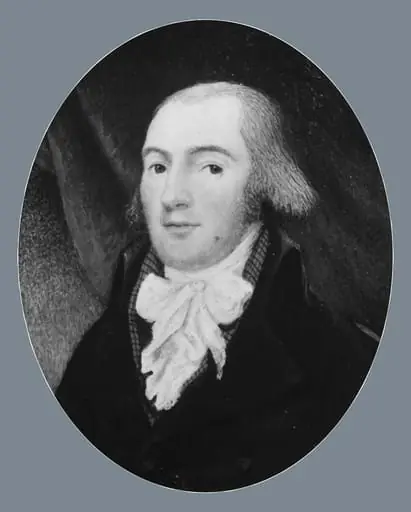
Portrait of a Gentleman is a watercolor painting by the American Impressionist artist Charles Willson Peale. It dates from 1777 and is held in the collection of the Metropolitan Museum of Art.
About this work
Subject & Meaning
The work titled Portrait of a Gentleman, painted by Charles Willson Peale in 1777, portrays a male sitter identified as a gentleman.
The work titled Portrait of a Gentleman, painted by Charles Willson Peale in 1777, portrays a male sitter identified as a gentleman. The subject is explicitly described as a man in the catalog and in the Wikidata entry, and the work is classified as a portrait within the American Wing collection of the Metropolitan Museum of Art. As a portrait, it functions to record the appearance and status of the sitter, a common practice in 18th‑century American art.
No additional iconographic symbols or allegorical attributes are noted in the available sources, leaving the meaning centered on the representation of the individual as a gentleman of his time.
Technique & Style
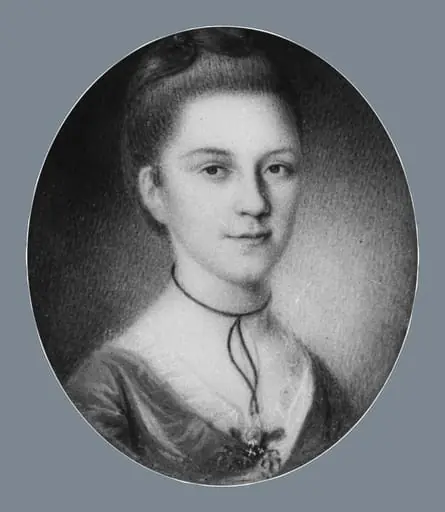
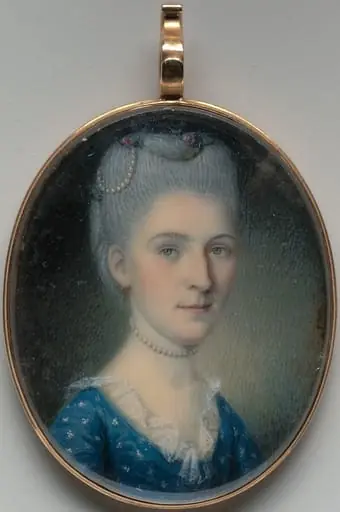
This small-scale portrait is executed in watercolor on ivory, a refined miniature technique that allowed for delicate, translucent washes and fine linear detail. The support of ivory, prized for its luminous surface, lends the work its characteristic glow beneath the watercolor pigment, a hallmark of late-eighteenth-century miniature practice. The composition is tightly focused on the sitter, with the compact dimensions of approximately 3.8 by 3.2 inches emphasizing the intimacy of the format.
Peale's handling reflects the precision associated with watercolor-on-ivory portraiture, in which the artist builds form through thin, controlled layers rather than opaque brushwork. The work is held in the Metropolitan Museum of Art's American Wing collection, consistent with its classification as a portrait miniature.
History & Provenance
The Portrait of a Gentleman was created in 1777 by the American artist Charles Willson Peale. Executed as a watercolor on ivory, the work measures 3.8 inches in height and 3.2 inches in width. Current records indicate the piece is part of the collection of the Metropolitan Museum of Art, where it is housed within The American Wing.
While the specific commission details and the identity of the original patron are not detailed in the available records, the work dates to the early years of the American Revolution. The subject is identified simply as a man, consistent with the portrait genre typical of Peale's miniature work during this period. The artwork remains a documented example of Peale's portraiture from the late 18th century.
Overview
This intimate portrait, created by Charles Willson Peale around 1777, captures an unidentified gentleman using the delicate medium of watercolor on ivory. Peale, a notable American artist, was active during the Revolutionary War period, known for his depictions of prominent individuals. The small-scale work presents a formal likeness, reflecting the era's demand for detailed personal representations.
Context
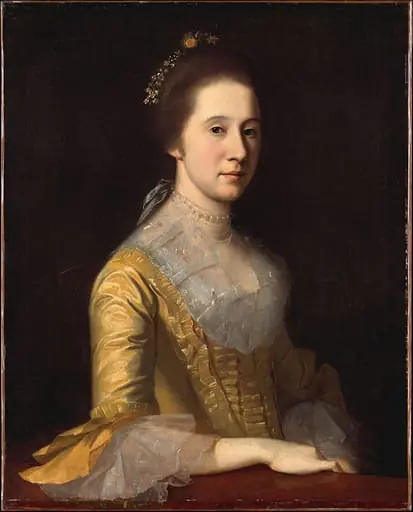
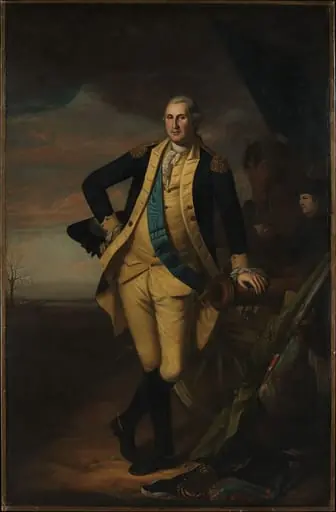
Charles Willson Peale was a significant figure in American art during the Revolutionary era, renowned for his portraits of leading political and military figures. Beyond his artistic practice, Peale was also directly involved in the period's events, serving in both military and political capacities. This portrait exemplifies his skill in capturing individual likenesses within the broader historical and cultural landscape of a nascent nation.
Artist & collection
Artist
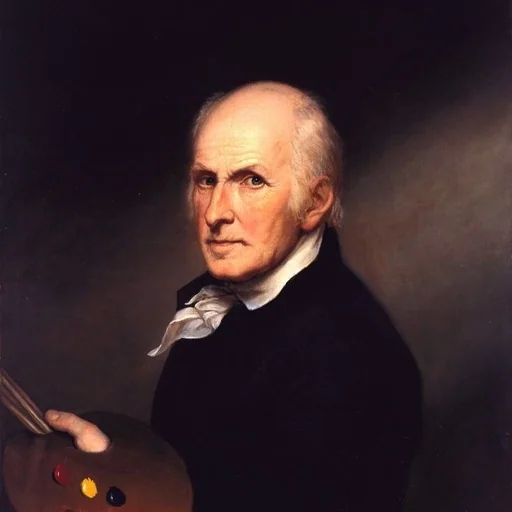
Charles Willson Peale (April 15, 1741 – February 22, 1827) was an American painter, military officer, scientist, and naturalist.