Artwork
Portrait of a Gentleman
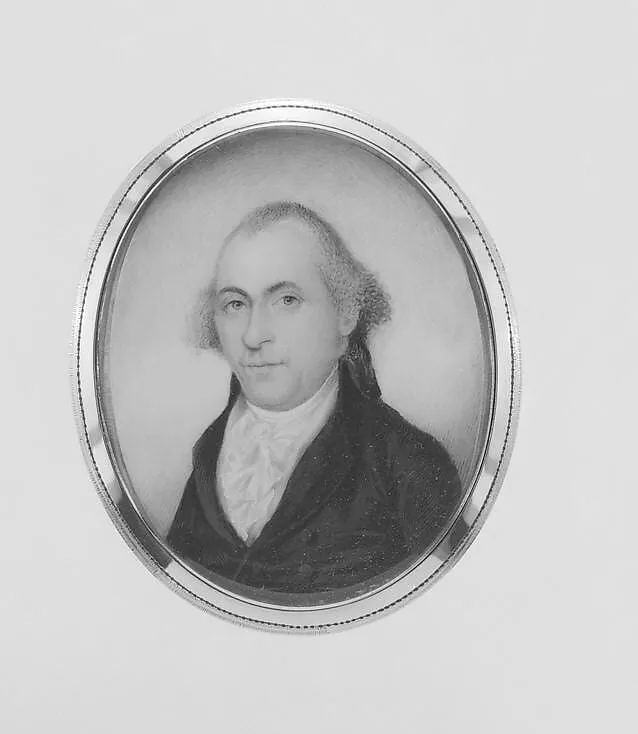
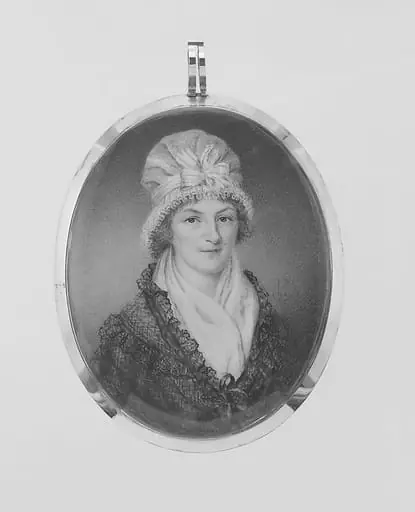
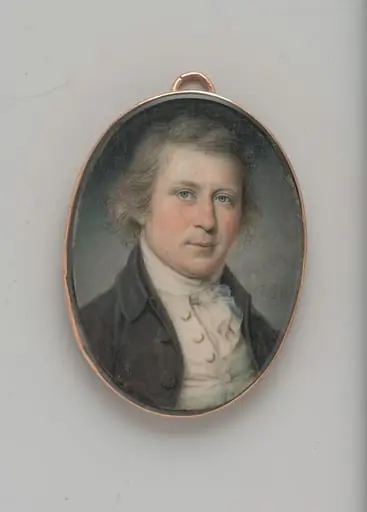
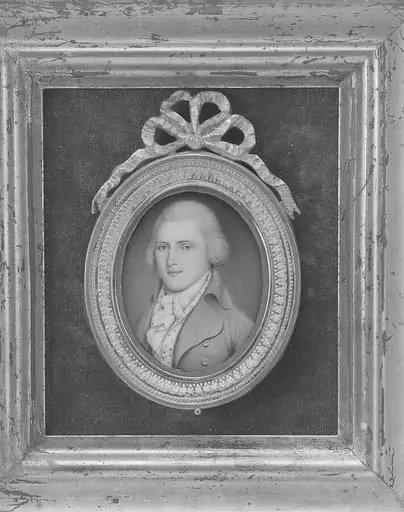
Portrait of a Gentleman is a watercolor painting by the American Folk Art artist James Peale. It dates from 1795 and is held in the collection of the Metropolitan Museum of Art.
About this work
Technique & Style
The ivory support permitted the artist to build translucent washes of pigment that, when layered, produced subtle tonal modeling of the sitter's features.
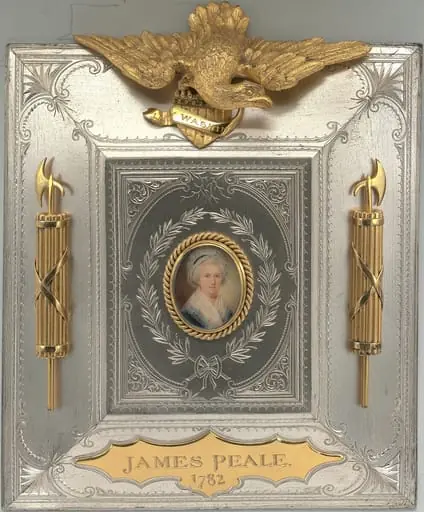
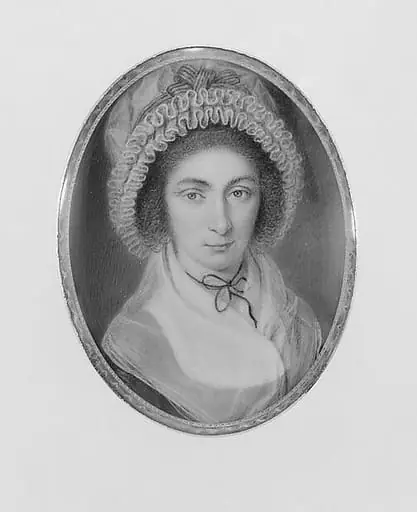
The work is executed in watercolor on ivory, a miniature-portrait technique that James Peale employed for small-scale likenesses. The ivory support permitted the artist to build translucent washes of pigment that, when layered, produced subtle tonal modeling of the sitter's features. The composition is intimate in scale, measuring approximately 5.8 by 4.6 cm, a format consistent with portrait miniatures intended for close, handheld viewing.
The handling reflects the refined, polished finish typical of late-eighteenth-century American miniature practice, with careful attention to facial detail set against a restrained ground. The piece is held in the collection of the Metropolitan Museum of Art as part of The American Wing.
History & Provenance
Portrait of a Gentleman is a watercolor on ivory painted by James Peale in 1795. The work, classified as a portrait within The American Wing, depicts a man and was created as part of Peale's portraiture of that period. It is recorded in the Metropolitan Museum of Art's collection under accession number 2006.235.138, with dimensions of 5.8 by 4.6 cm. No commission details or earlier ownership are recorded, and the painting remains in the museum's holdings.
Overview
This Portrait of a Gentleman, created by American artist James Peale around 1795, is a watercolor on ivory miniature. Peale, recognized for his small-scale portraits and still lifes, contributed to the developing visual culture of the early United States. The work exemplifies the intimate scale and detailed execution characteristic of the period's portraiture, offering a glimpse into the appearance of an individual from the late 18th century.
Context
James Peale was a significant figure in early American art, often working alongside his elder brother, the prominent painter Charles Willson Peale. While Charles specialized in larger canvases, James developed a reputation for his refined miniatures and still life compositions. His contributions were instrumental in establishing the traditions of American portraiture, particularly through these delicate, small-format works that captured individual likenesses for a growing nation.
Subject & Meaning
The painting depicts an unidentified gentleman, presented in period attire with a composed and serious demeanor. The artist focuses intently on the sitter's facial features, allowing his expression to convey a sense of character. The simple composition, devoid of distracting elements, directs the viewer's attention entirely to the subject, reflecting a common approach in American portraiture of the era to capture individual identity directly.
Artist & collection

Artist
James Peale (1749 – May 24, 1831) was an American painter, best known for his miniature and still life paintings, and a younger brother of noted painter Charles Willson Peale.