Artwork
Ceres and the Four Elements
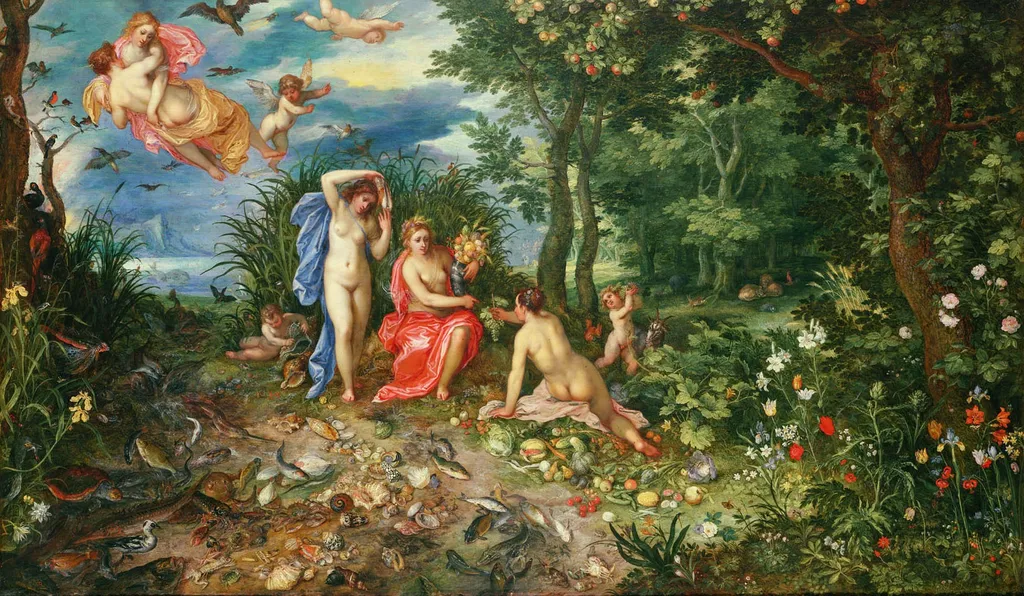
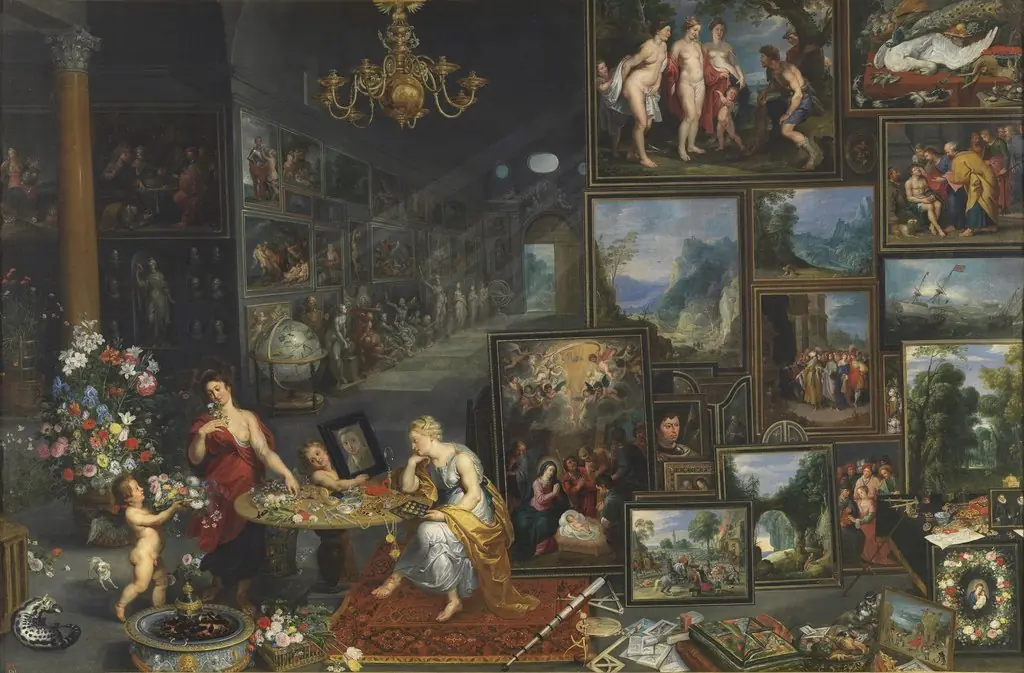
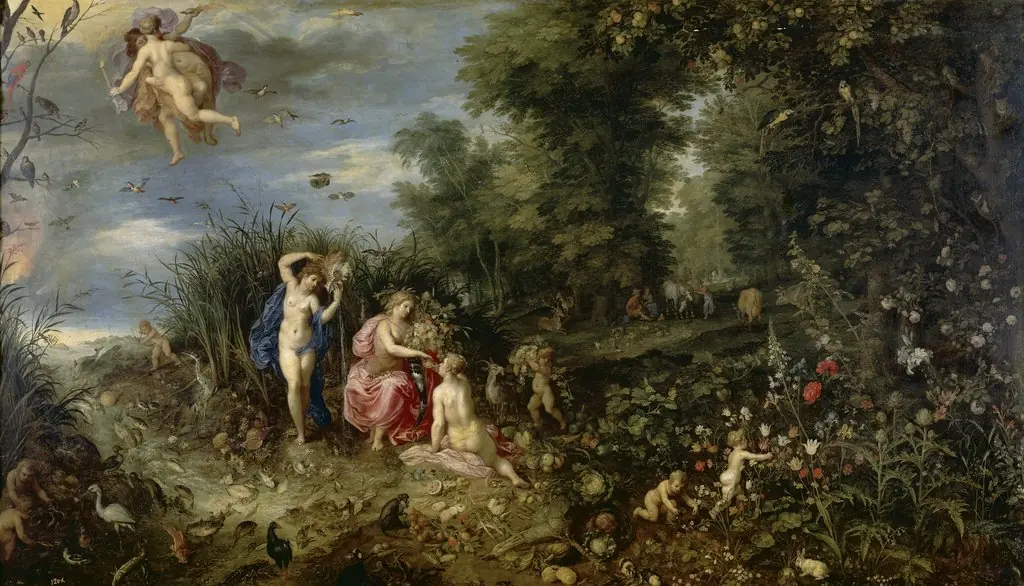
Ceres and the Four Elements is an oil painting by the Flemish Baroque painting artist Jan Brueghel, the elder. It dates from 1604 and is held in the collection of the Kunsthistorisches Museum.
About this work
Technique & Style
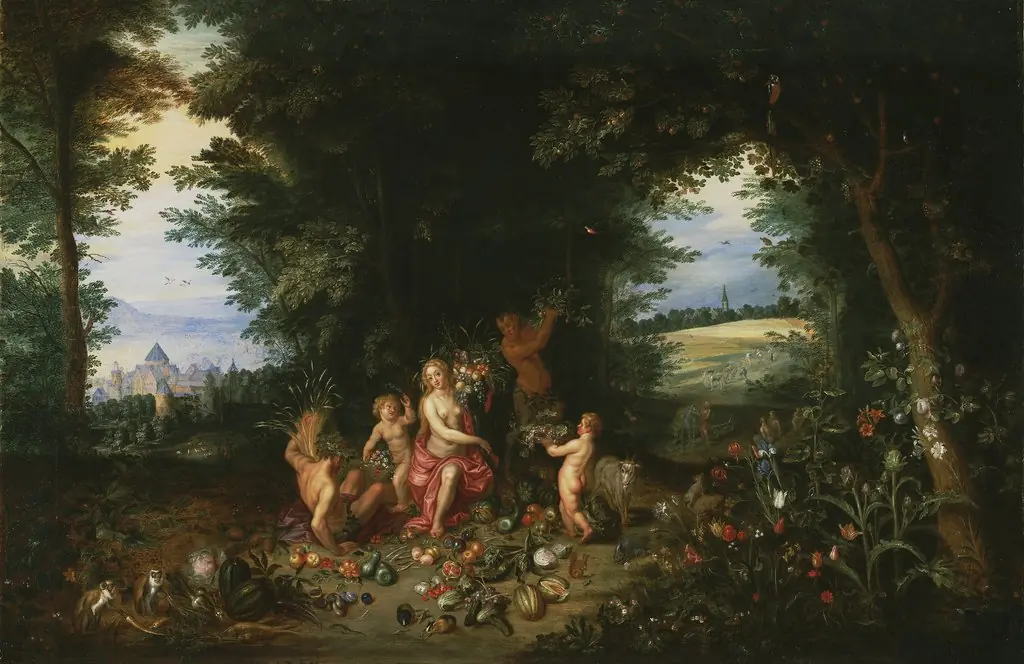
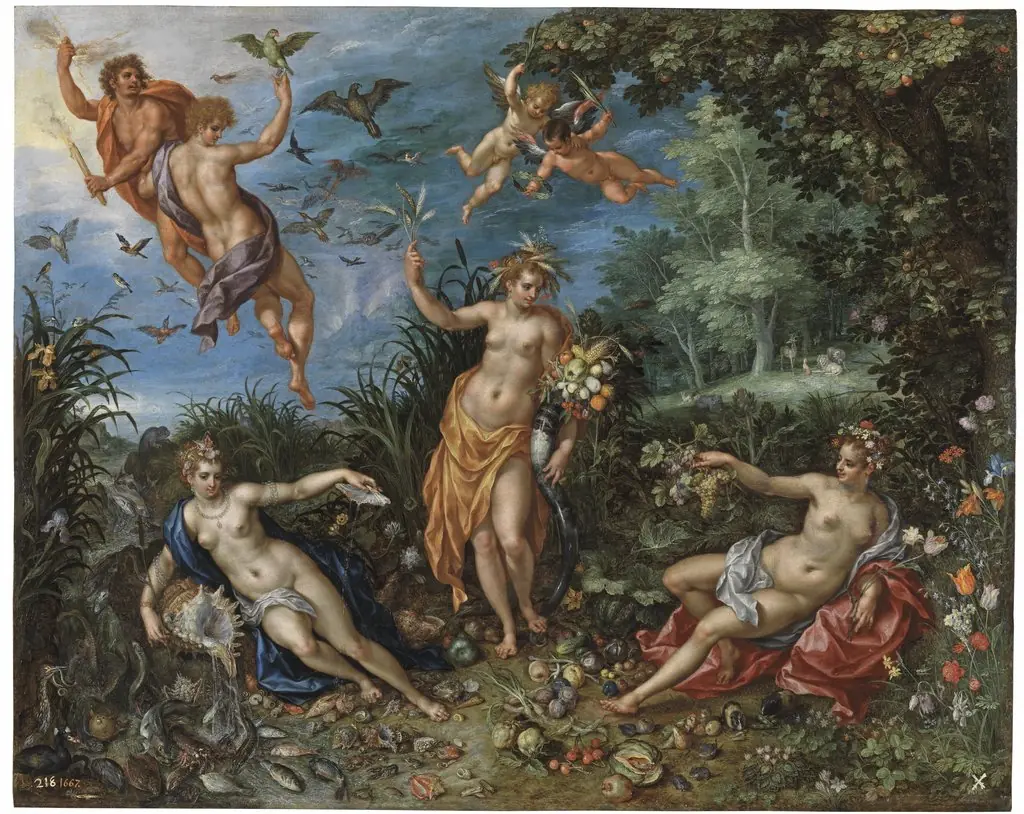
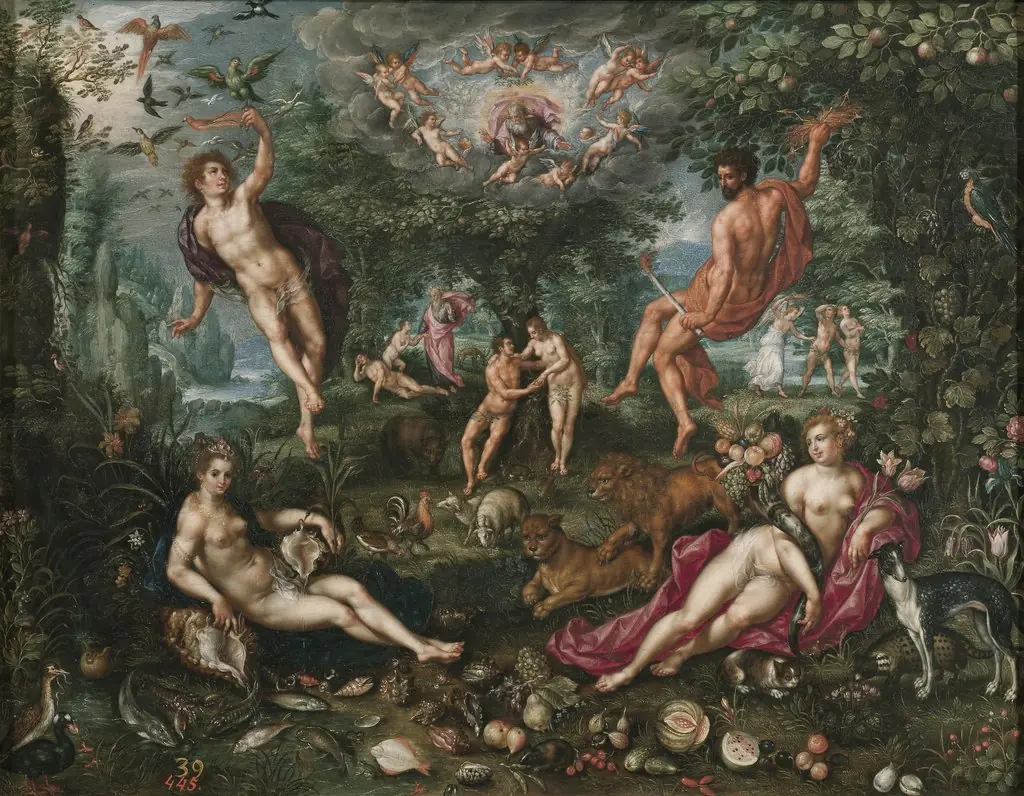
The composition depicts Ceres surrounded by personifications of the Four Elements, rendered with precise brushwork that emphasizes texture and drapery.
The painting is executed in oil on copper, a support noted for its smooth surface and archival stability. This medium allows for fine detail and luminous coloration, characteristic of the early Baroque period. The composition depicts Ceres surrounded by personifications of the Four Elements, rendered with precise brushwork that emphasizes texture and drapery.
The handling of light and spatial depth reflects the collaborative style between Jan Brueghel the Elder and Hendrick van Balen the Elder, combining allegorical narrative with decorative precision.
History & Provenance
The painting Ceres and the Four Elements was created in 1604 by Jan Brueghel the Elder, with collaboration from Hendrick van Balen the Elder. Executed in oil paint on a copper support, the work measures 42 cm in height and 71 cm in width. It is a mythological composition depicting the goddess Ceres alongside personifications of the four elements.
The piece has been part of the collection of the Kunsthistorisches Museum in Vienna since at least the time of the recorded data.
The painting is held in the Kunsthistorisches Museum, Vienna, where it is inventoried as 1064. Executed in 1604 on copper, it measures 42 cm in height and 71 cm in width.
It was shown in the exhibition “The Age of Rubens” held at the Kunsthistorisches Museum in 1985.
Overview
Created in 1604 by Jan Brueghel the Elder, Ceres and the Four Elements is a small‑scale painting executed on copper. The composition presents a verdant garden teeming with fruit, fish, shells and a variety of fauna, centered on a red‑clad female figure identified as the Roman goddess Ceres. The work now belongs to the collection of the Kunsthistorisches Museum in Vienna.
Subject & Meaning
The central figure, draped in red, embodies Ceres, the deity of agriculture and abundance. Surrounding her, a blue‑clothed woman reaches upward, while cherubic figures hover above, suggesting the four classical elements that sustain the harvest. The profusion of produce and wildlife underscores themes of fertility, nourishment, and the harmonious interplay between humanity and nature.
Context
In early 17th‑century Flanders, mythological subjects were often merged with detailed genre scenes to appeal to affluent patrons. Brueghel’s integration of allegorical figures with a banquet‑like garden reflects contemporary tastes for both classical learning and visual opulence, situating the work within the broader cultural milieu of the Counter‑Reformation’s artistic patronage.
Artist & collection
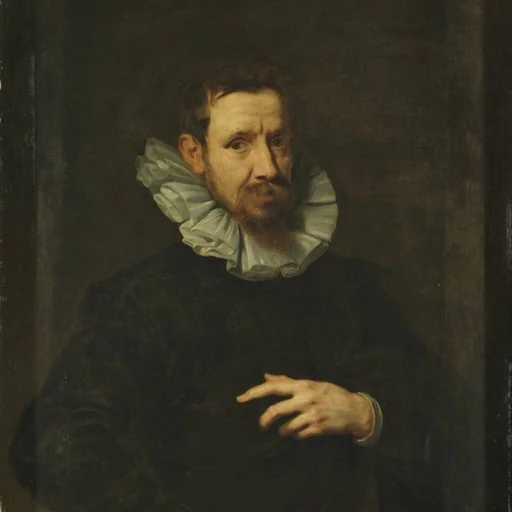
Artist
Jan Brueghel the Elder ( BROY-gəl, US also BROO-gəl; Dutch:; 1568 – 13 January 1625) was a Flemish painter and draughtsman.