Artwork
Village Kermis in Schelle with Self Portrait
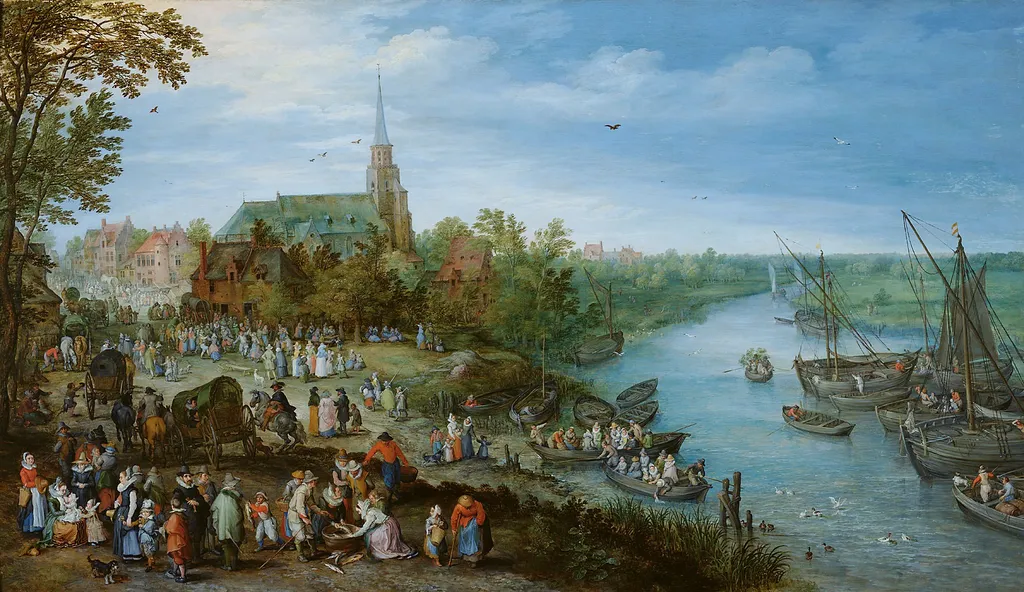
Village Kermis in Schelle with Self Portrait is an unspecified painting by the Flemish Baroque painting artist Jan Brueghel, the elder. It dates from 1614 and is held in the collection of the Kunsthistorisches Museum. Created in 1614, this oil painting by Jan Brueghel the Elder captures a bustling riverside fair in the Flemish village of Schelle.
About this work
Subject & Meaning
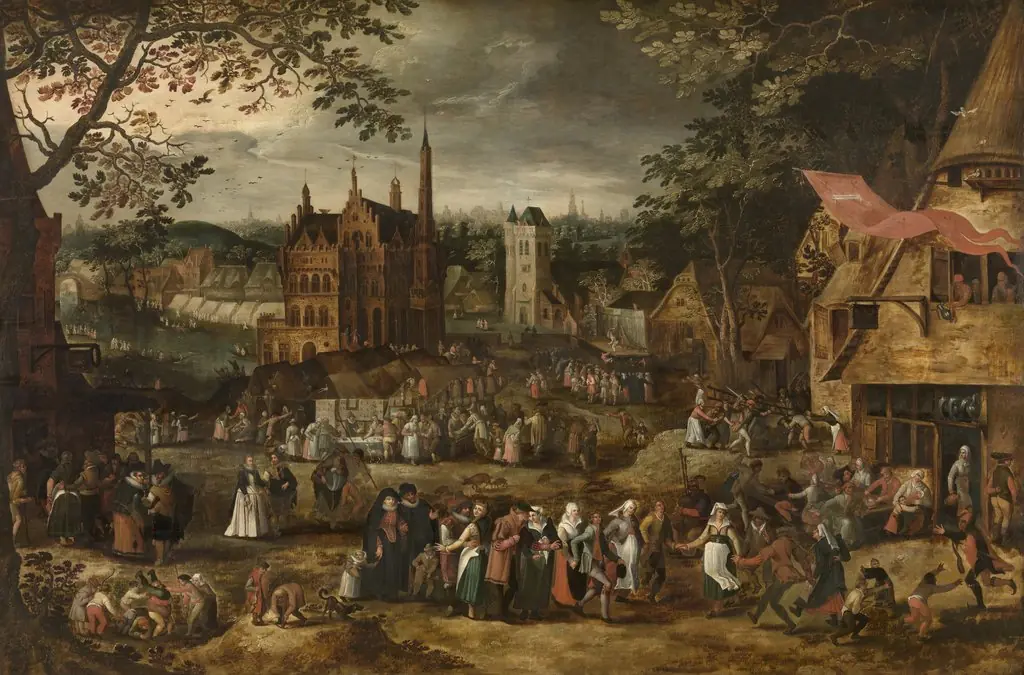
The painting depicts a kermis, a traditional Flemish village festival, set in Schelle and populated by peasants, musicians, and dancers.
The painting depicts a kermis, a traditional Flemish village festival, set in Schelle and populated by peasants, musicians, and dancers. Brueghel includes a small self-portrait among the revelers, situating himself in the lower left with a palette and brushes, thereby asserting his presence within the festive community. The scene emphasizes abundance and communal joy, with food, drink, and games signaling prosperity and social harmony.
The work likely represents the ideal of a flourishing, harmonious rural life under Habsburg rule, a theme Brueghel often explored. By embedding his self-image within the kermis, he frames artistic creation as integral to this shared prosperity, intertwining personal identity with collective celebration.
Technique & Style
The work is an oil painting executed on wood panel, measuring 52 cm in height by 90.5 cm in width. Jan Brueghel the Elder applied delicate brushwork to render the bustling carnival scene of Schelle alongside a self‑portrait, employing a naturalistic palette and precise detail that highlight the festive atmosphere. The composition balances figure and setting with careful handling of light, resulting in a harmonious yet lively visual narrative.
The painting’s surface shows minimal wear, preserving the integrity of the original pigments and brushstrokes. Its stylistic qualities reflect the early Baroque emphasis on vivid coloration and intricate figuration, while the integration of portraiture within a genre scene demonstrates the artist’s innovative approach to combining personal identity with communal celebration.
History & Provenance
The painting Village Kermis in Schelle with Self Portrait was created by Jan Brueghel the Elder in 1614. This work, which depicts a travelling carnival in Schelle and includes a self-portrait of the artist, is currently held in the collection of the Kunsthistorisches Museum. The specific inception date recorded for the work is January 1, 1614.
The painting is held in the Kunsthistorisches Museum, Vienna, where it forms part of the permanent collection. Its accession details remain linked to the museum’s inventory, though specific catalog numbers are not publicly documented in the available sources.
The work has been exhibited within the museum’s galleries, primarily as part of displays dedicated to Flemish Baroque painting. No external loan exhibitions featuring this painting are recorded in the provided sources.
Overview
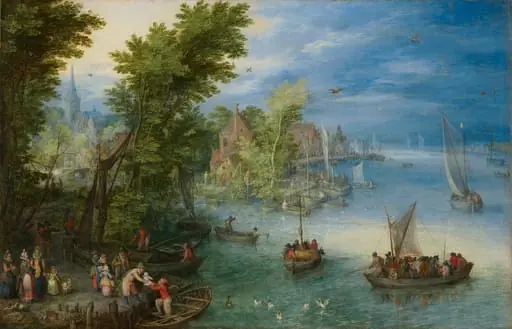
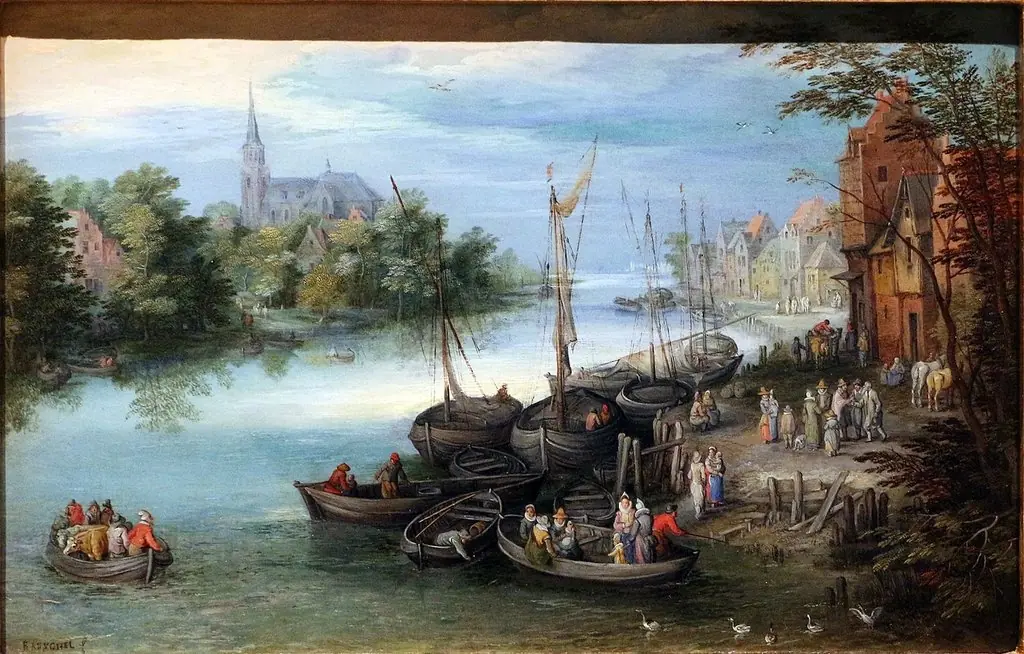
Created in 1614, this oil painting by Jan Brueghel the Elder captures a bustling riverside fair in the Flemish village of Schelle. A steep‑topped church rises behind a row of modest houses, while a crowd gathers around a wagon on the bank. Boats laden with figures in colourful period dress drift on the water, filling the scene with movement and everyday activity.
Context
Jan Brueghel the Elder, son of Pieter Bruegel the Elder and brother of Pieter Brueghel the Younger, was a central figure in the artistic life of Antwerp. His work often combined naturalistic detail with genre scenes, and this piece exemplifies the period’s interest in documenting local customs and the vitality of rural communities.
Artist & collection
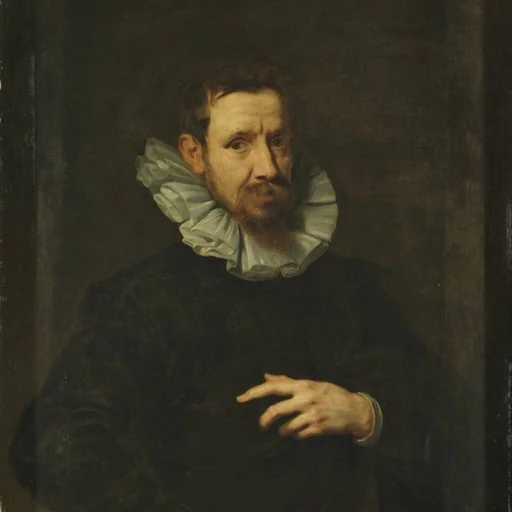
Artist
Jan Brueghel the Elder ( BROY-gəl, US also BROO-gəl; Dutch:; 1568 – 13 January 1625) was a Flemish painter and draughtsman.