Artwork
The Feast of the Gods. The Wedding of Peleus and Thetis
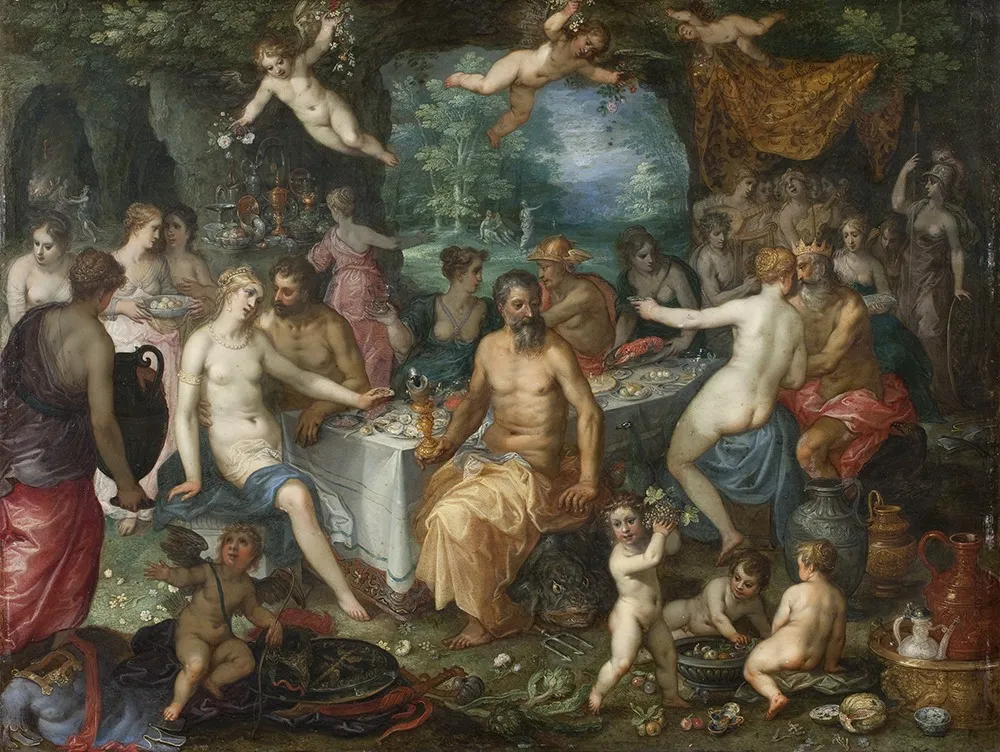
The Feast of the Gods. The Wedding of Peleus and Thetis is an oil painting by the Flemish Baroque painting artist Jan Brueghel, the elder. It dates from 1610 and is held in the collection of the Statens Museum for Kunst. Jan Brueghel the Elder, a Flemish painter of the early 17th century, completed The Feast of the Gods.
About this work
Subject & Meaning
Classical attributes such as Neptune's trident appear among the gathering, underscoring the divine presence and the myth's setting in the natural world.
The painting depicts the mythological Wedding of Peleus and Thetis, a foundational event in Greek mythology where the mortal Peleus marries the sea nymph Thetis. The scene centers on a feast attended by gods and mythical figures, arranged within a densely wooded landscape. Classical attributes such as Neptune's trident appear among the gathering, underscoring the divine presence and the myth's setting in the natural world.
The composition emphasizes harmony and abundance, aligning with the joyous occasion of the wedding. The inclusion of forested surroundings and classical figures reflects the Flemish tradition of rendering mythological narratives through naturalistic and allegorical imagery.
Technique & Style
Created in 1610, The Feast of the Gods. The Wedding of Peleus and Thetis is an oil painting executed on a copper support. The work measures 35.5 cm in height and 46.5 cm in width.
It was produced through a collaboration between Jan Brueghel the Elder and Hendrick van Balen the Elder. The painting depicts a mythological wedding scene set within a forest environment, featuring figures such as Peleus and Thetis alongside symbolic elements like a trident. The use of copper as a support was a distinctive choice for this period, often allowing for fine detail and vibrant color saturation in the oil medium.
History & Provenance
The Feast of the Gods, depicting the Wedding of Peleus and Thetis, was created in 1610 by Jan Brueghel the Elder. The work is an oil painting on a copper support, measuring 35.5 cm in height and 46.5 cm in width. Hendrick van Balen the Elder is also credited as a creator, indicating a collaborative effort typical of the period. The painting is currently held in the collection of the Statens Museum for Kunst.
Overview
Jan Brueghel the Elder, a Flemish painter of the early 17th century, completed The Feast of the Gods. The Wedding of Peleus and Thetis in 1610. This painting, executed on a copper support, exemplifies the Flemish Baroque style prevalent during his active period.
It depicts a complex mythological gathering, characteristic of Brueghel's diverse oeuvre, which often included scenes from classical antiquity and collaborations with contemporaries like Peter Paul Rubens.
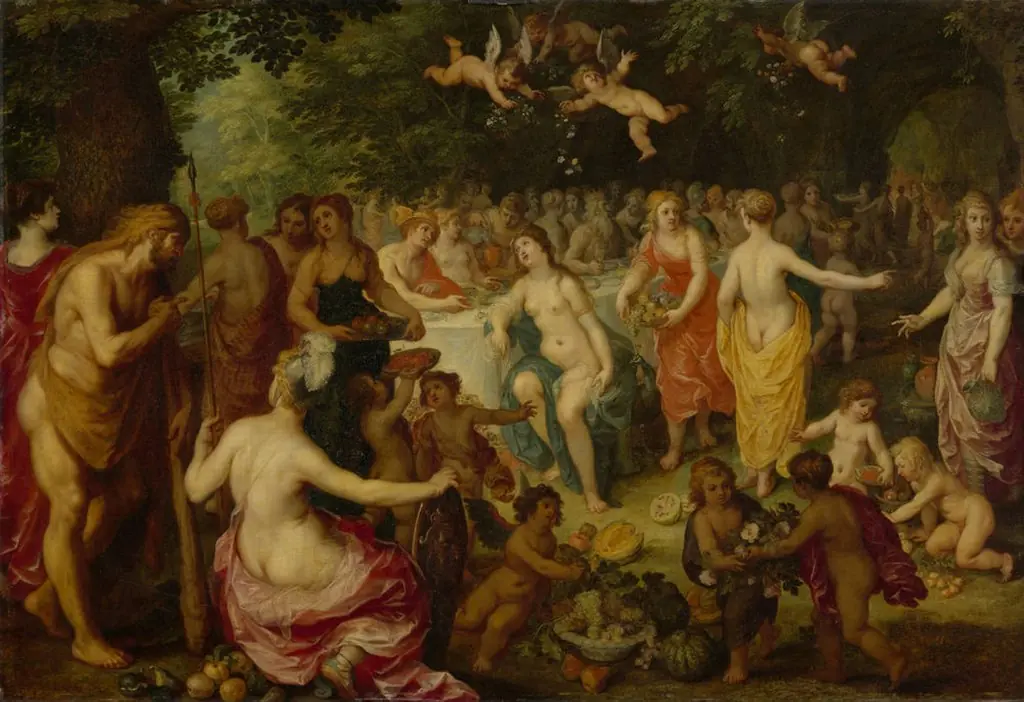
Artist & collection
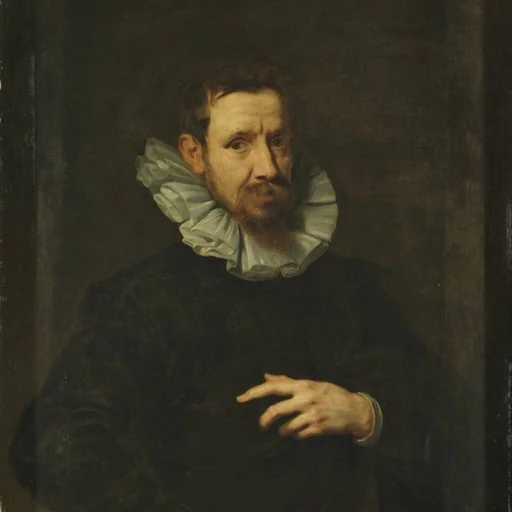
Artist
Jan Brueghel the Elder ( BROY-gəl, US also BROO-gəl; Dutch:; 1568 – 13 January 1625) was a Flemish painter and draughtsman.

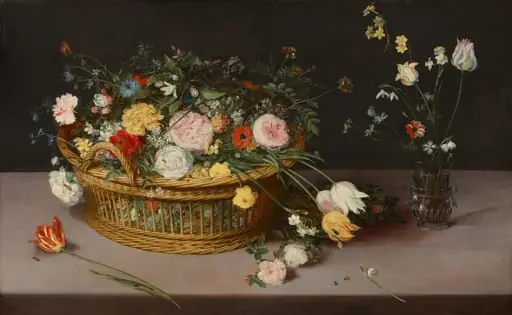
- The Feast of the Gods
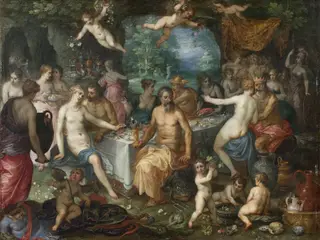 The Feast of the Gods. The Wedding of Peleus and Thetis
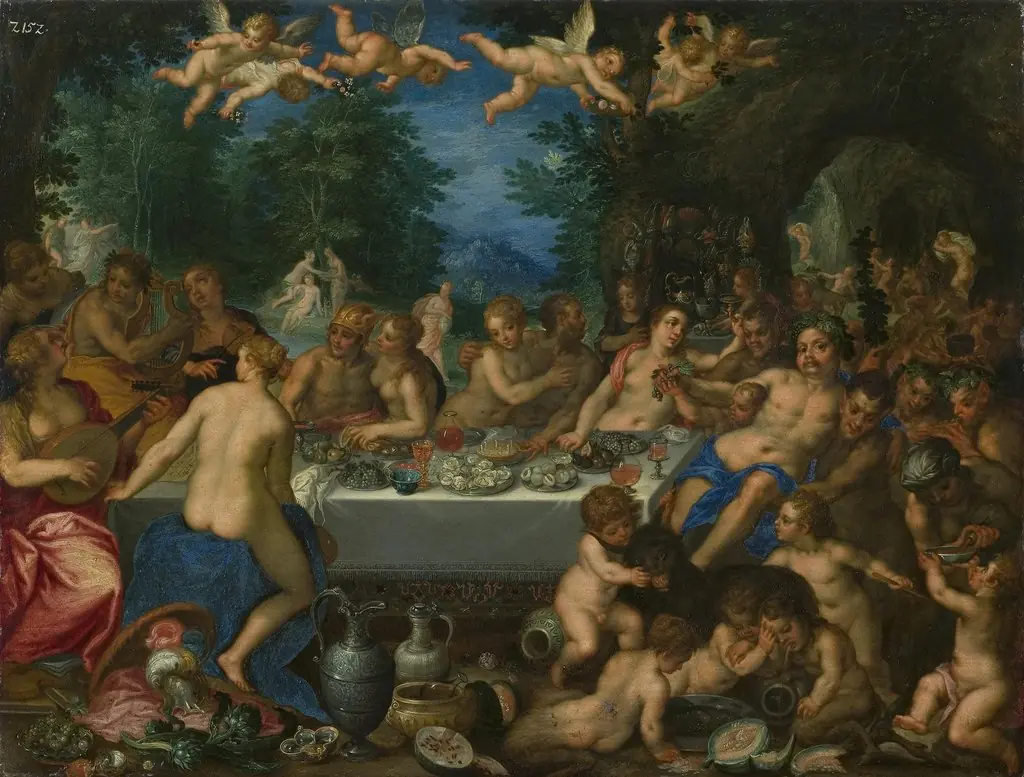 Feast of the Gods - The Marriage of Peleus and Thetis
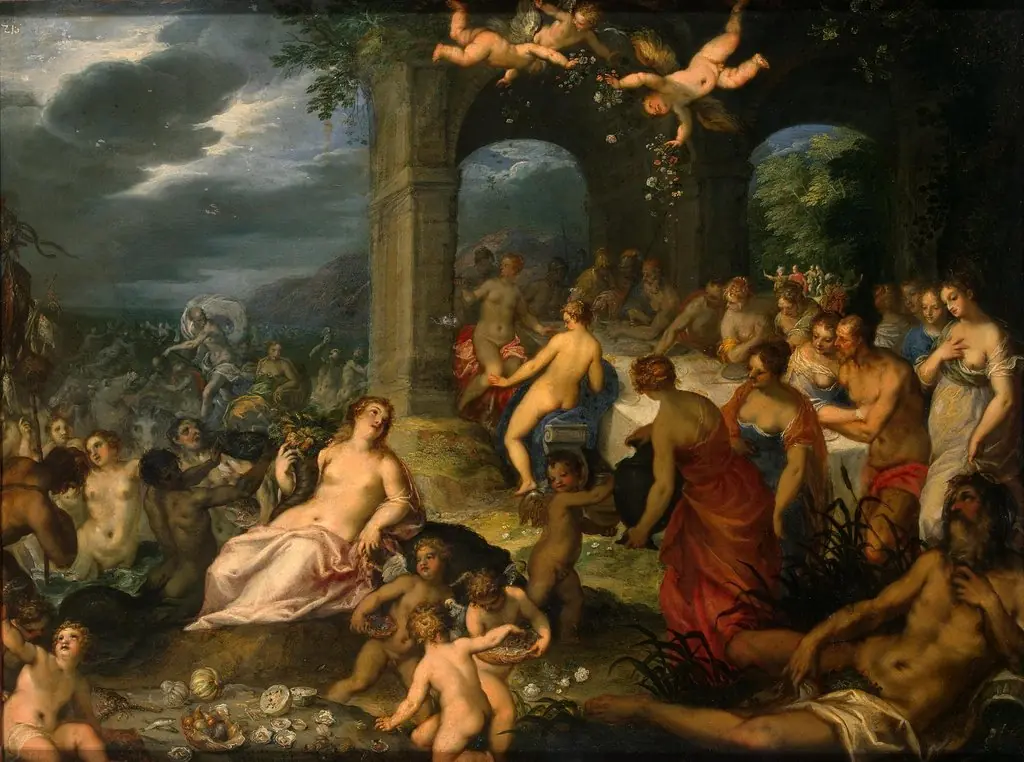 Feast of the Gods (The Marriage of Peleus and Thetis)
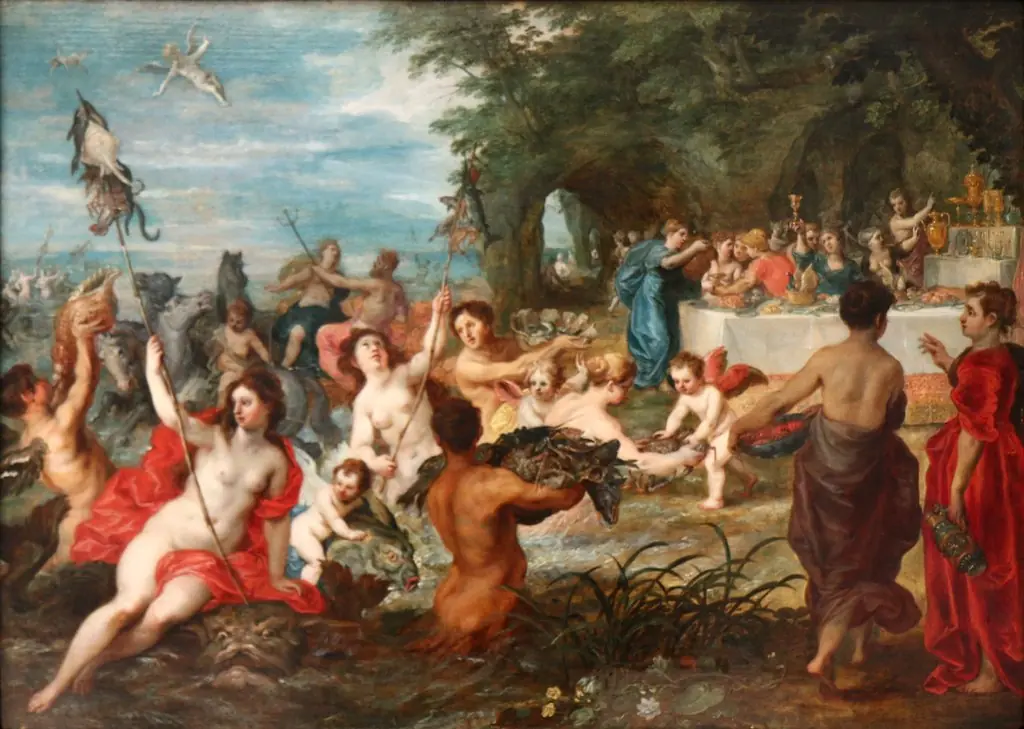 The wedding of Thetis and Peleus
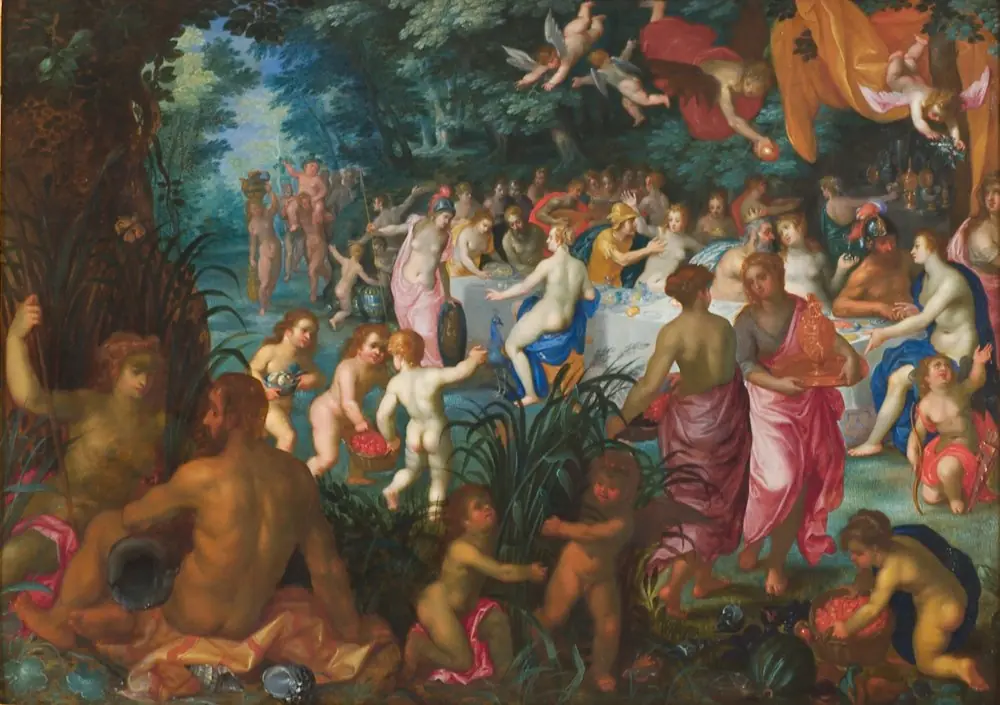 The Marriage of Peleus and Thetis
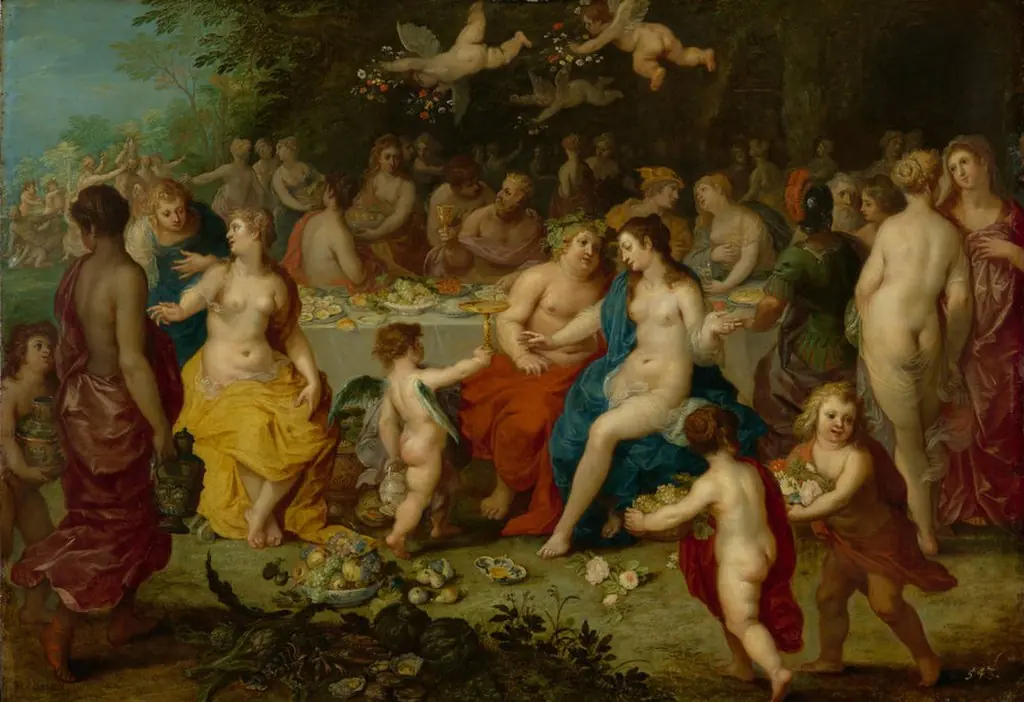 The wedding banquet of Bacchus and Ariadne
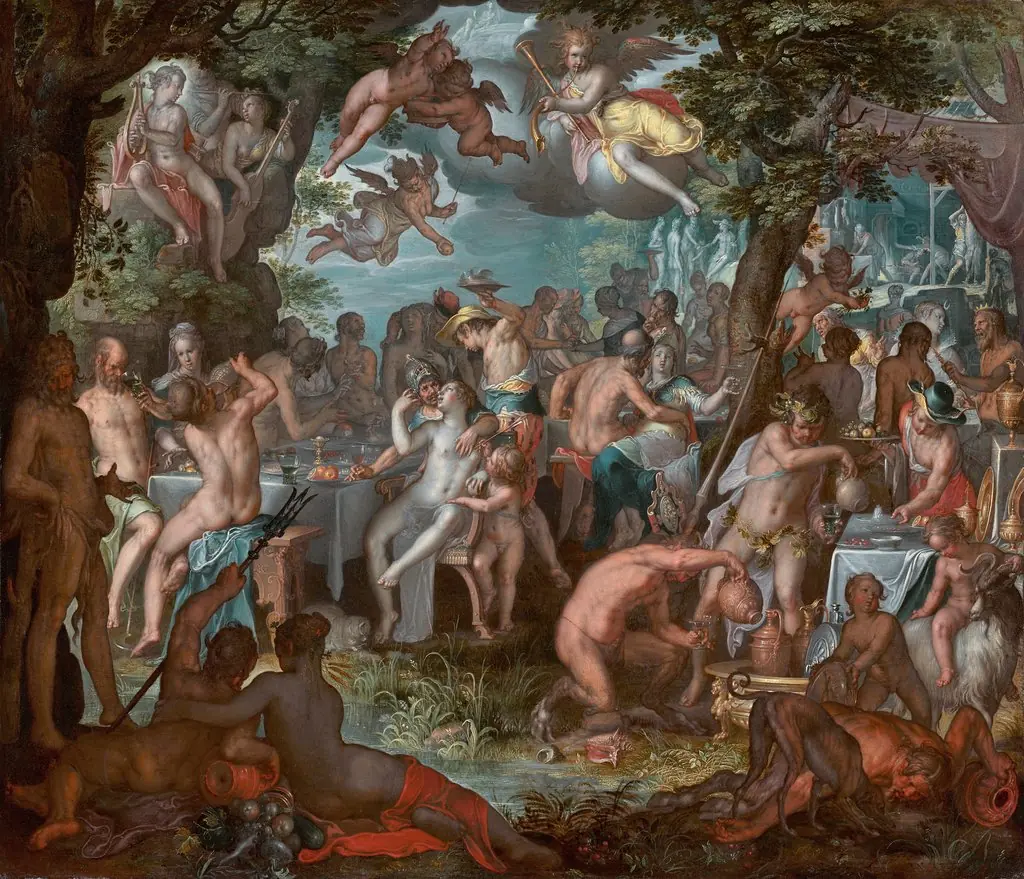 The Wedding of Peleus and Thetis
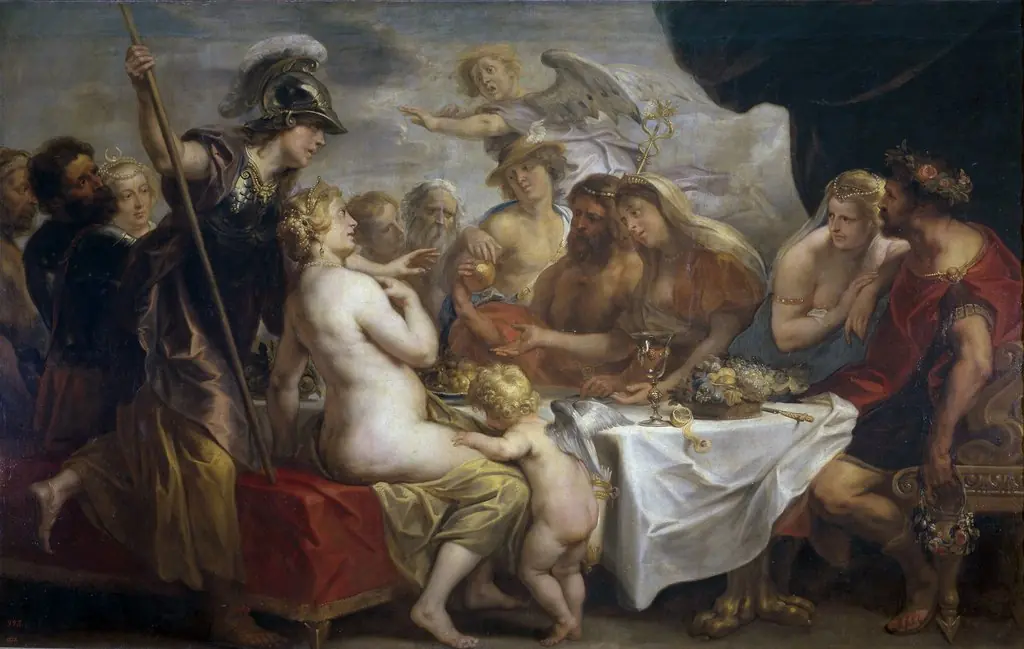 The wedding of Thetis and Peleus
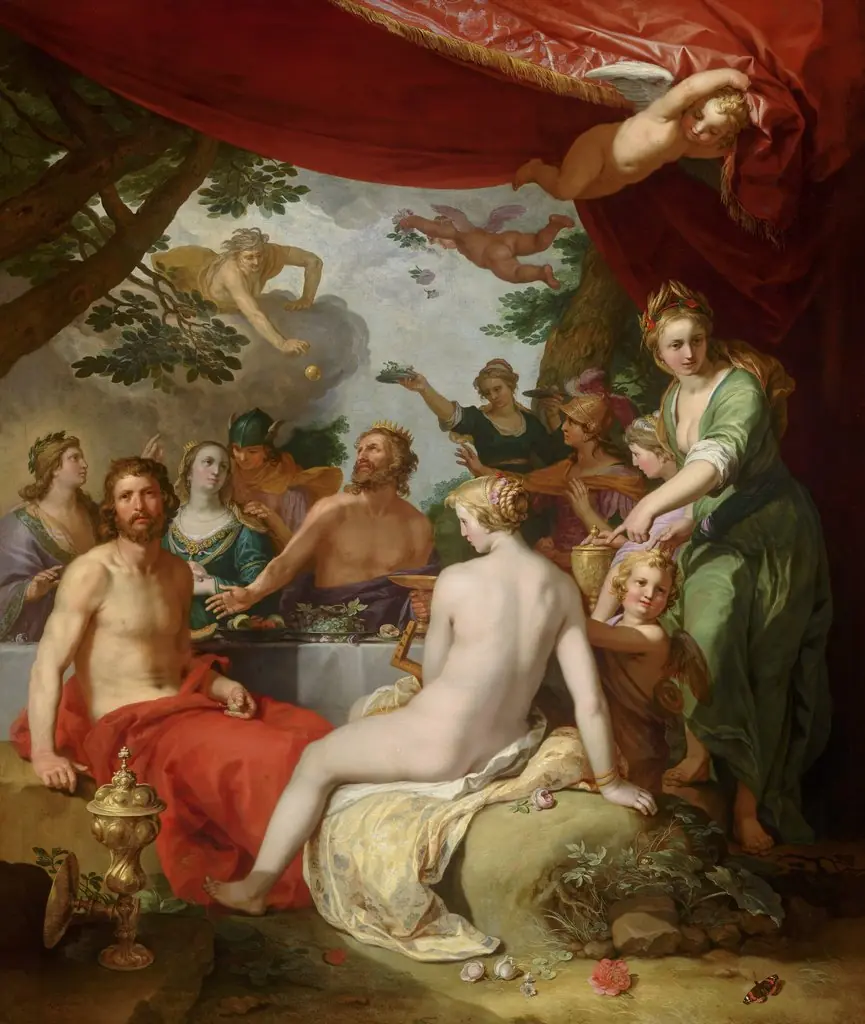 The feast of the gods at the wedding of Peleus and Thetis
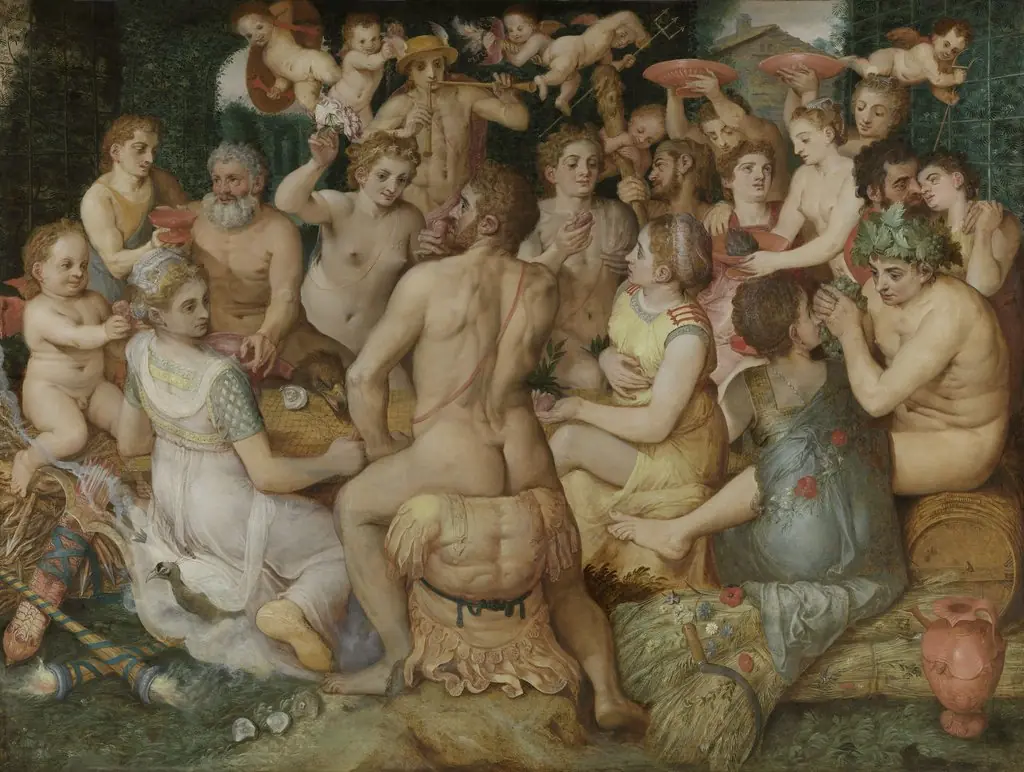 Banquet of the Gods
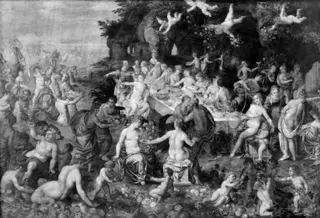 The Banquet of the Gods. The Wedding of Peleus and Thetis