Artwork
The wedding of Thetis and Peleus
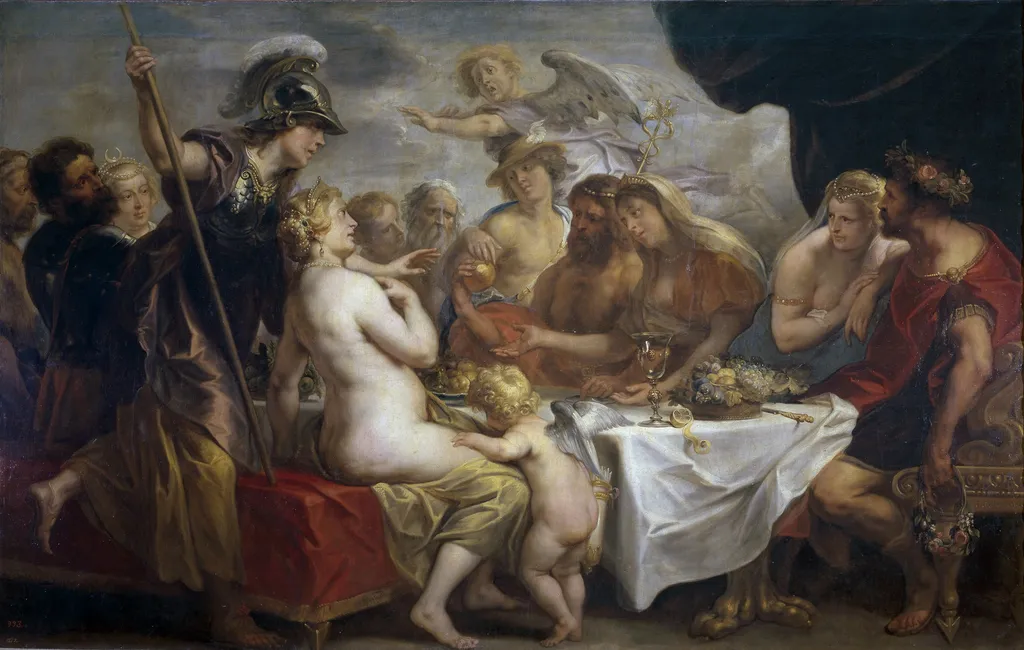
The wedding of Thetis and Peleus is an oil painting by the Flemish Baroque painting artist Peter Paul Rubens. It dates from 1633 and is held in the collection of the Museo del Prado.
About this work
Subject & Meaning
The painting portrays the mythological marriage between the sea goddess Thetis and the mortal hero Peleus, a union celebrated as the origin of Achilles.
The painting portrays the mythological marriage between the sea goddess Thetis and the mortal hero Peleus, a union celebrated as the origin of Achilles. Rubens and Jordaens rendered the scene with figures drawn from classical antiquity, using symbolic elements such as the bridal veil, wedding feast, and attendant deities to emphasize themes of divine favor and heroic destiny. The composition reflects Baroque interest in narrative grandeur and the fusion of sacred and earthly love, conveying both a festive union and the foretelling of Achilles' future greatness.
Technique & Style
The painting was executed in oil on canvas, a common support for Baroque mythological works. The composition shows the divine wedding of Peleus and Thetis rendered with rich coloration and dynamic brushwork characteristic of Rubens' collaborative style. The canvas measures 181 by 288 centimeters and was painted between 1633 and 1636 for the Spanish court, reflecting the monarch's patronage of mythological subjects.
The work remains in the collection of the Museo del Prado in Madrid, where it is displayed as part of the royal decorative program.
History & Provenance
Jacob Jordaens and Peter Paul Rubens created The Wedding of Peleus and Thetis in 1633, an oil painting on canvas measuring 181 cm by 288 cm. The work entered the Spanish royal collection under Ferdinand VII and is now housed in the Museo del Prado in Madrid. Its subject derives from the mythological wedding of Thetis and Peleus, a theme Rubens had previously explored, and the painting was executed during the mid‑1630s, with its creation dated between 1633 and 1636.
The painting is held in the Museo del Prado in Madrid, where it is part of the museum's collection. It is associated with the Royal Palace of Madrid as a related location. The work was formerly owned by Ferdinand VII of Spain before entering the Prado's holdings.
No specific inventory or accession number is recorded in the available sources, and no exhibition history is documented beyond its current placement in the Prado's collection.
Overview
Peter Paul Rubens painted The Wedding of Thetis and Peleus in 1633. Executed in oil on canvas, the work exemplifies the Flemish Baroque style with its energetic composition and saturated palette. It is part of the Museo del Prado’s collection.
Context
Rubens frequently turned to classical mythology, a genre favored by patrons seeking allegorical content. The wedding of Thetis and Peleus, a precursor to the Trojan War, offered an opportunity to explore themes of union, divine intervention, and the interplay between mortal and immortal realms.
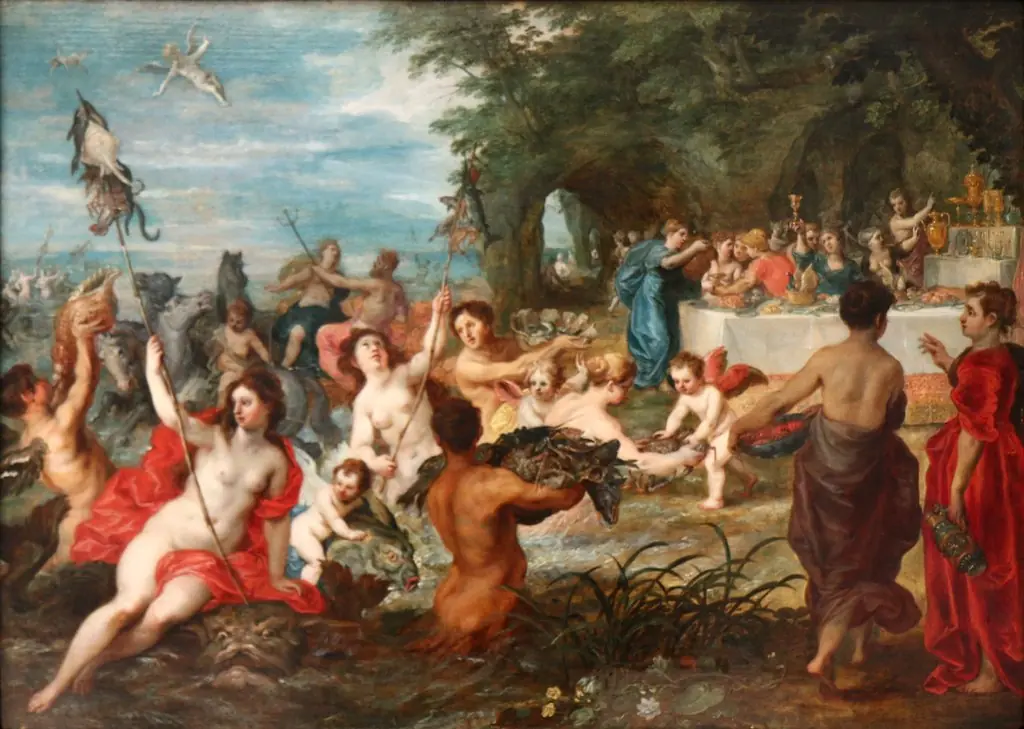
Own this work as a print
Artist & collection
Artist
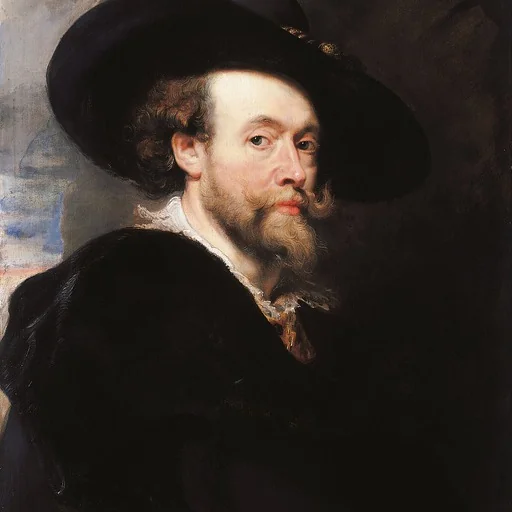
Sir Peter Paul Rubens ( ROO-bənz; Dutch:; 28 June 1577 – 30 May 1640) was a Flemish artist and diplomat.

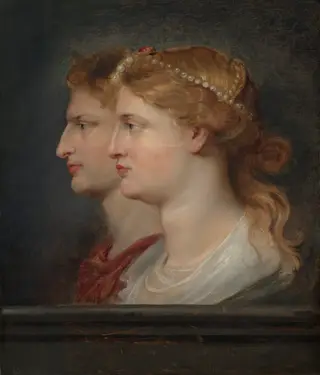
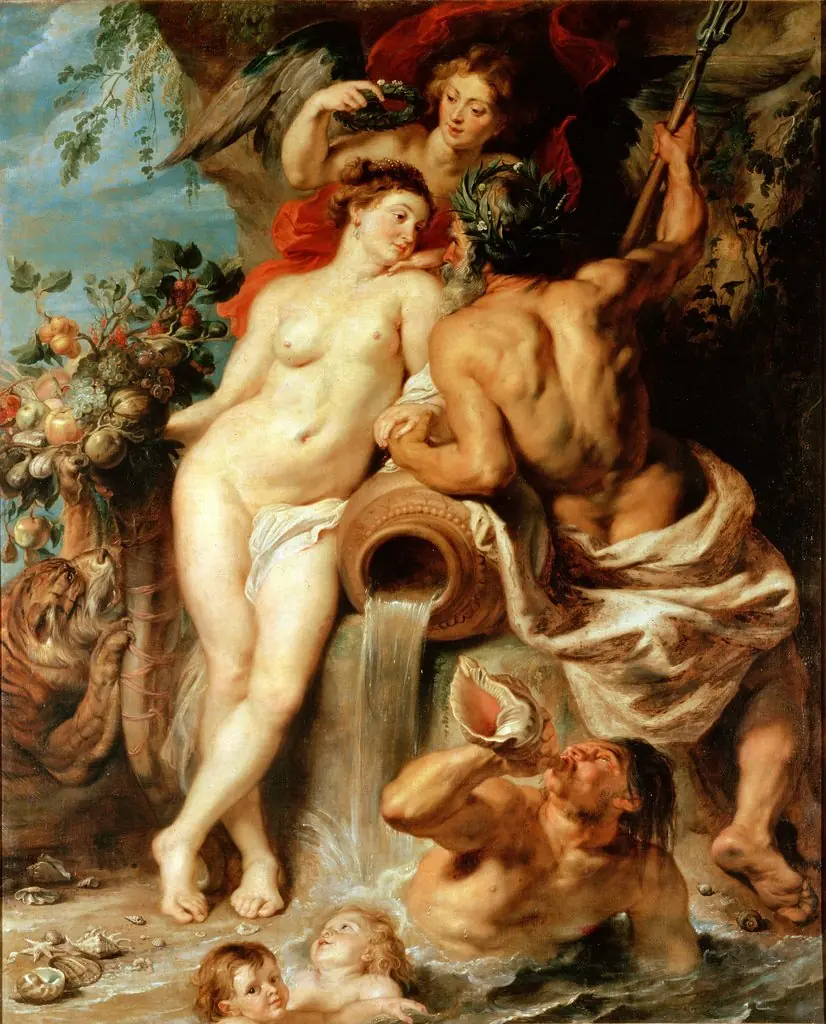
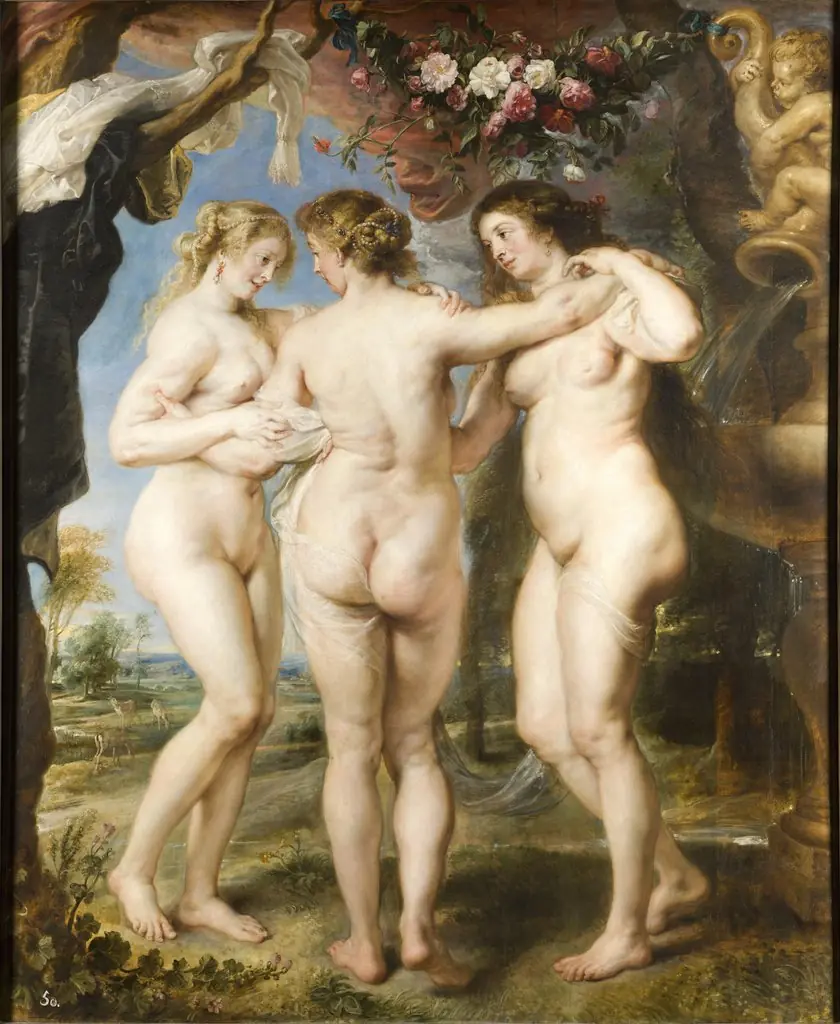
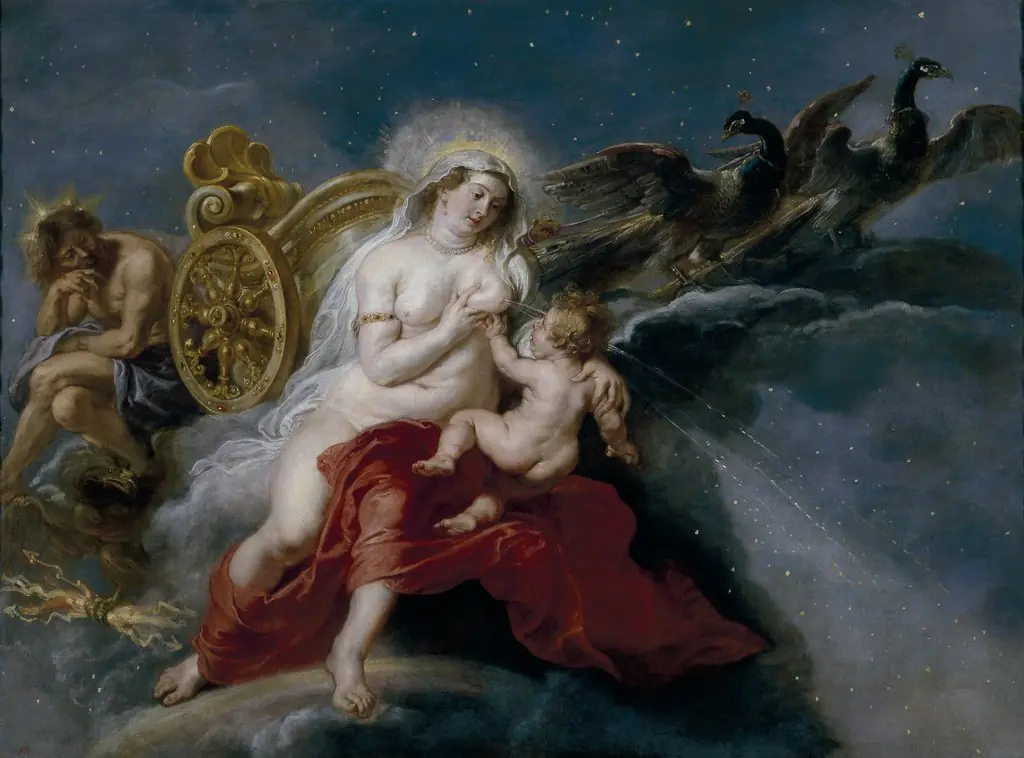
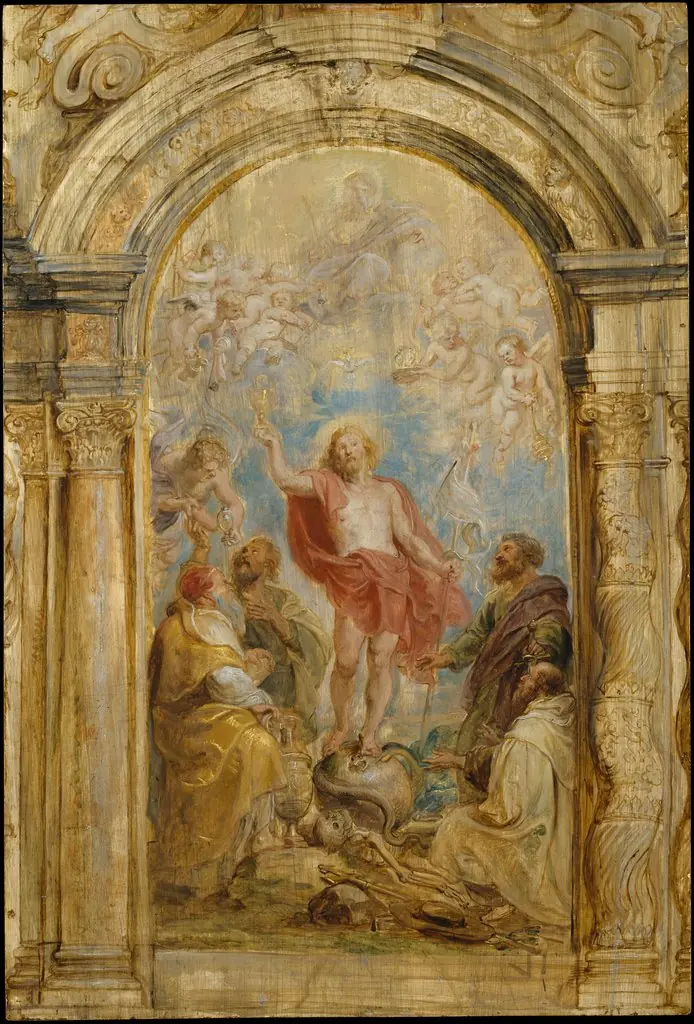
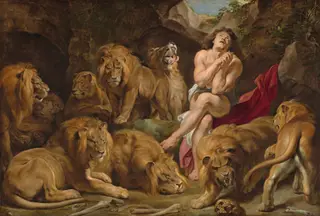
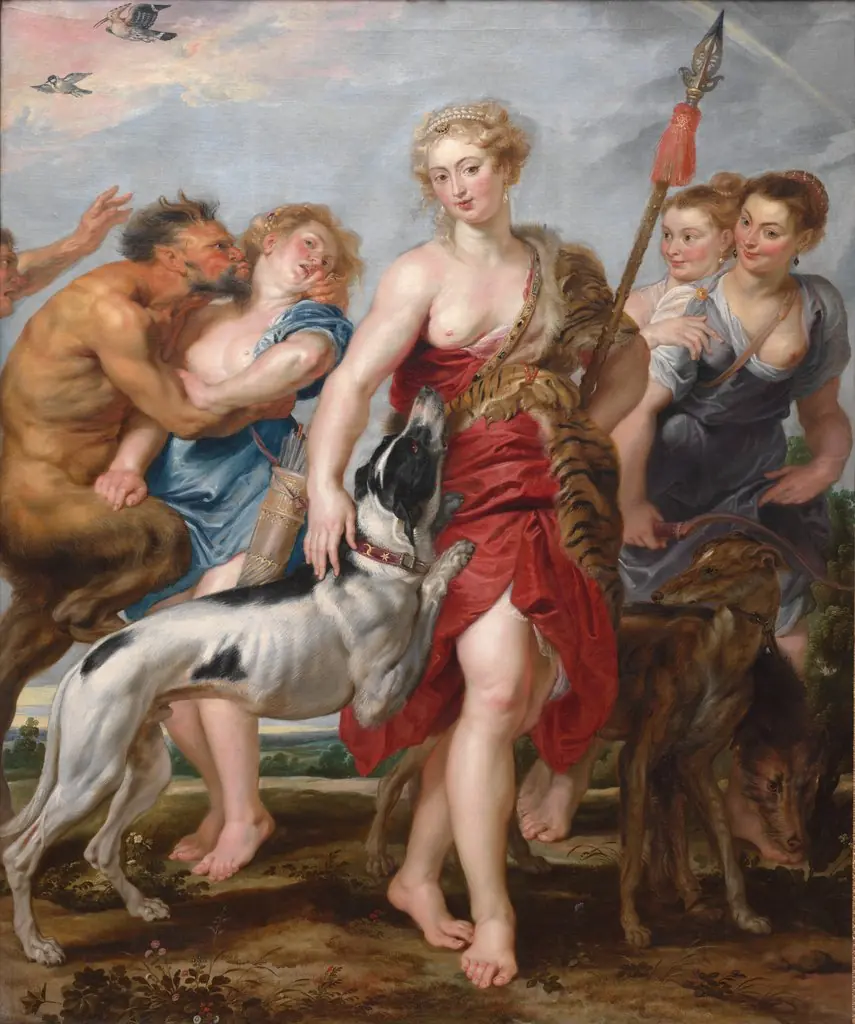
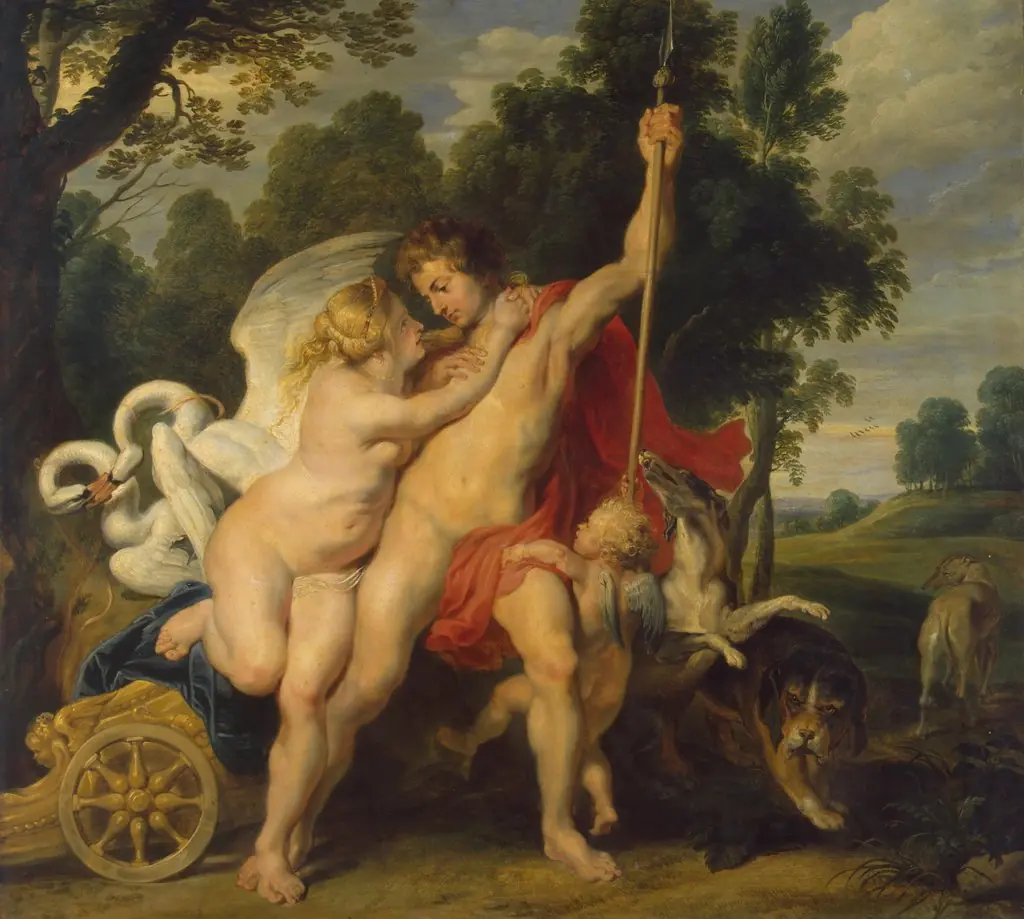
- The wedding of Thetis and Peleus
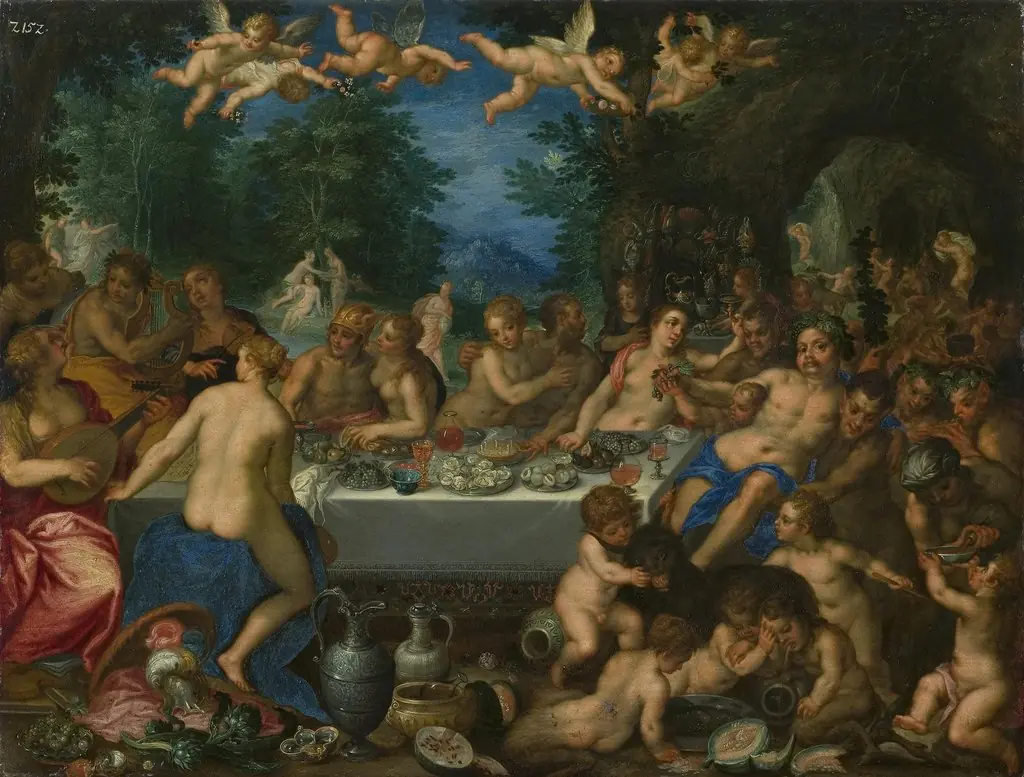 Feast of the Gods - The Marriage of Peleus and Thetis
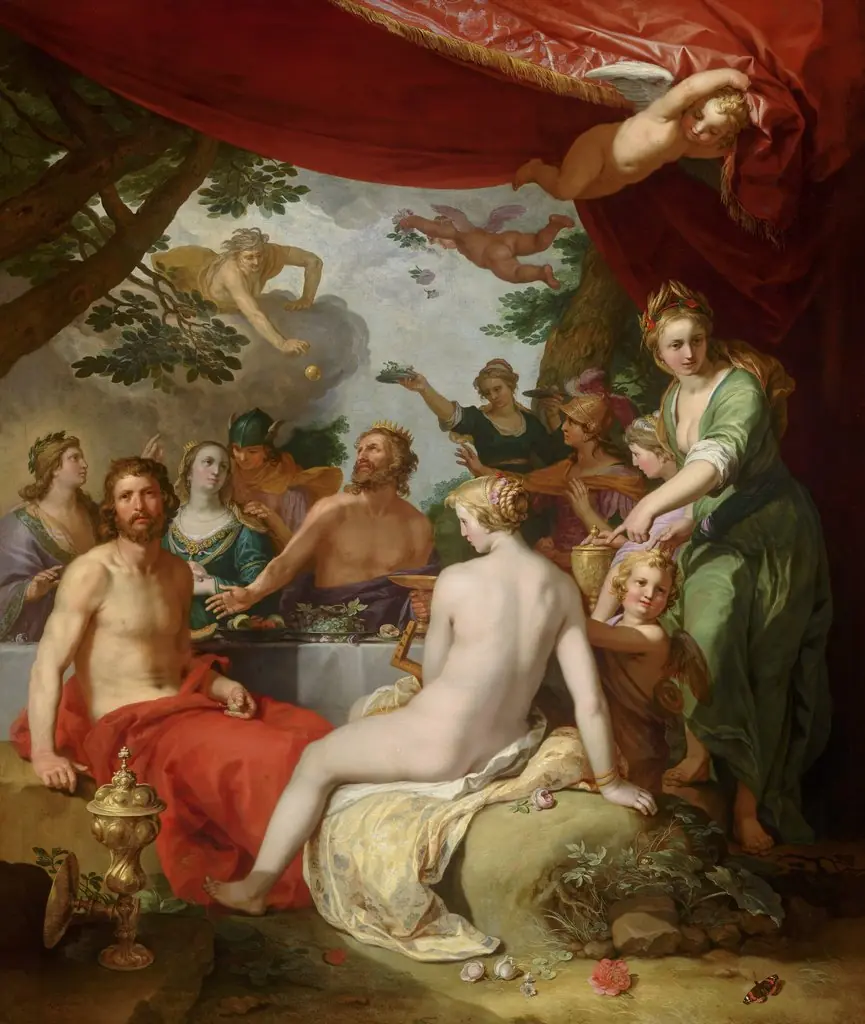 The feast of the gods at the wedding of Peleus and Thetis
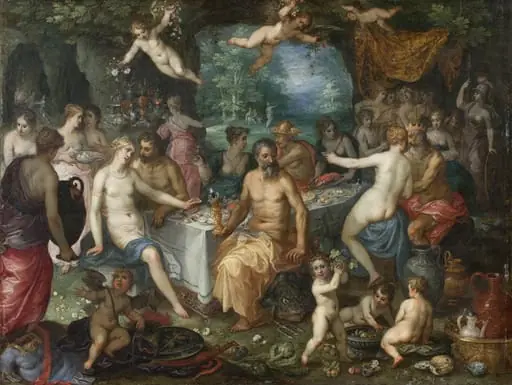 The Feast of the Gods. The Wedding of Peleus and Thetis
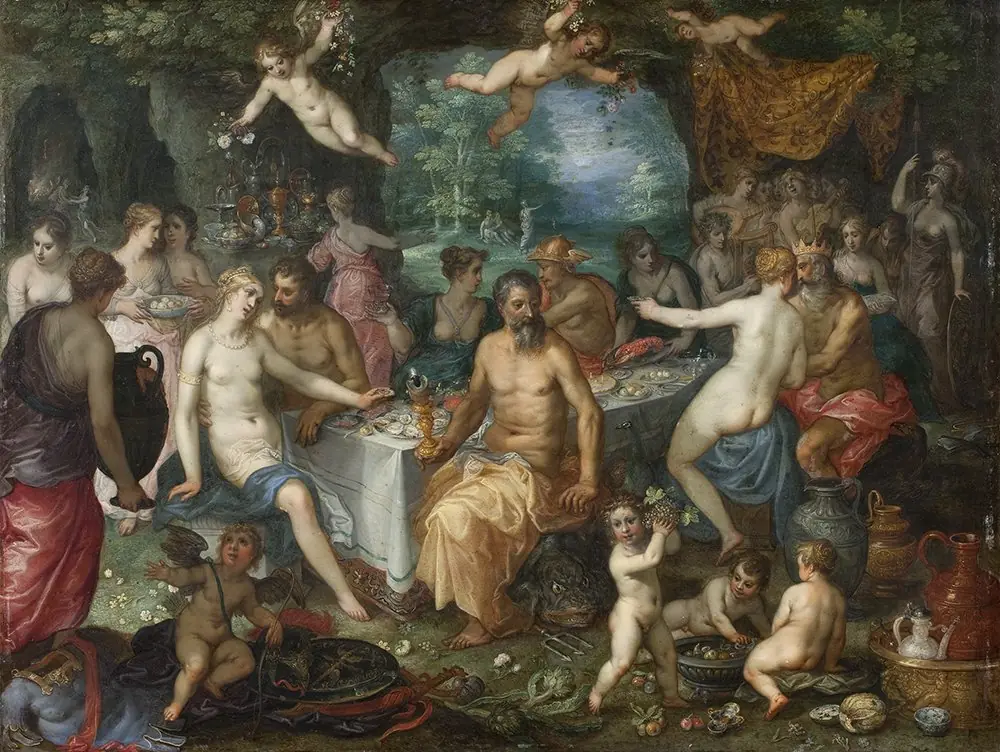 The Feast of the Gods. The Wedding of Peleus and Thetis
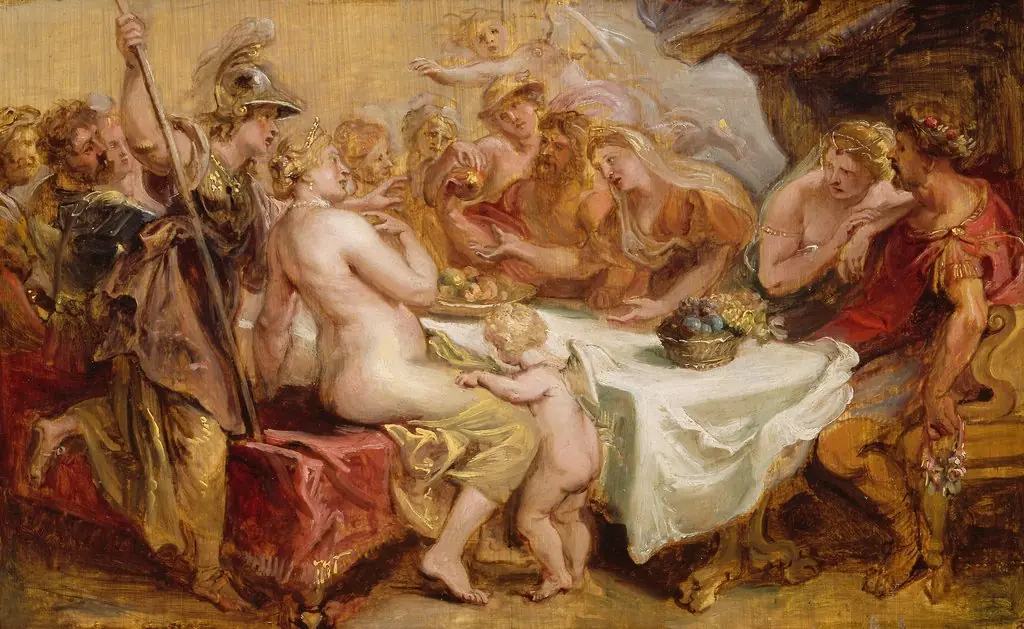 The Wedding of Peleus and Thetis
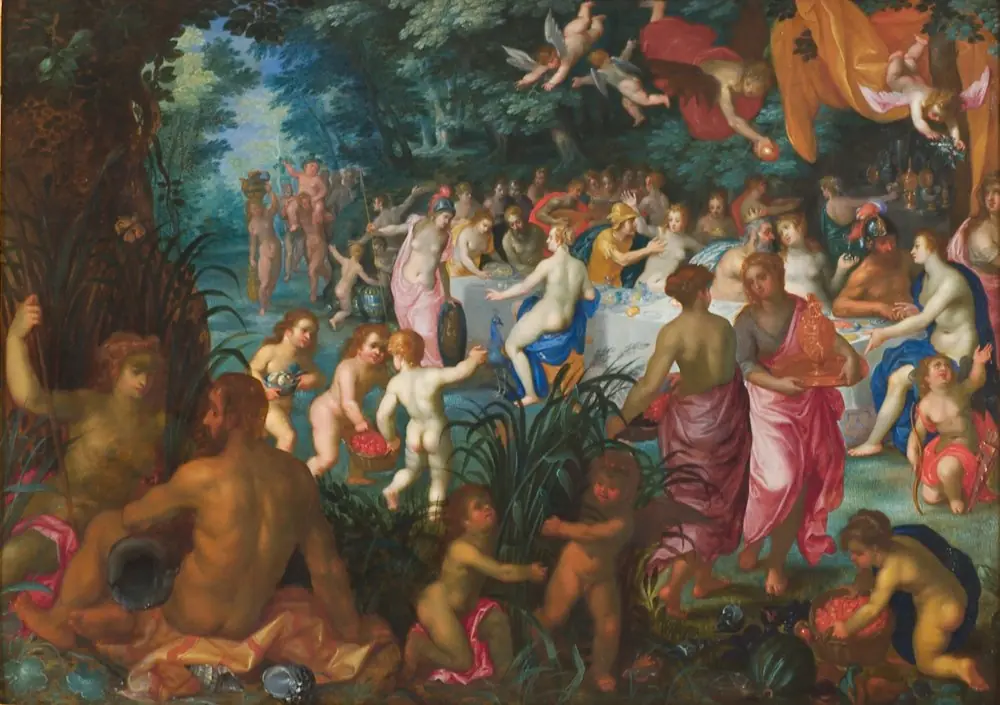 The Marriage of Peleus and Thetis
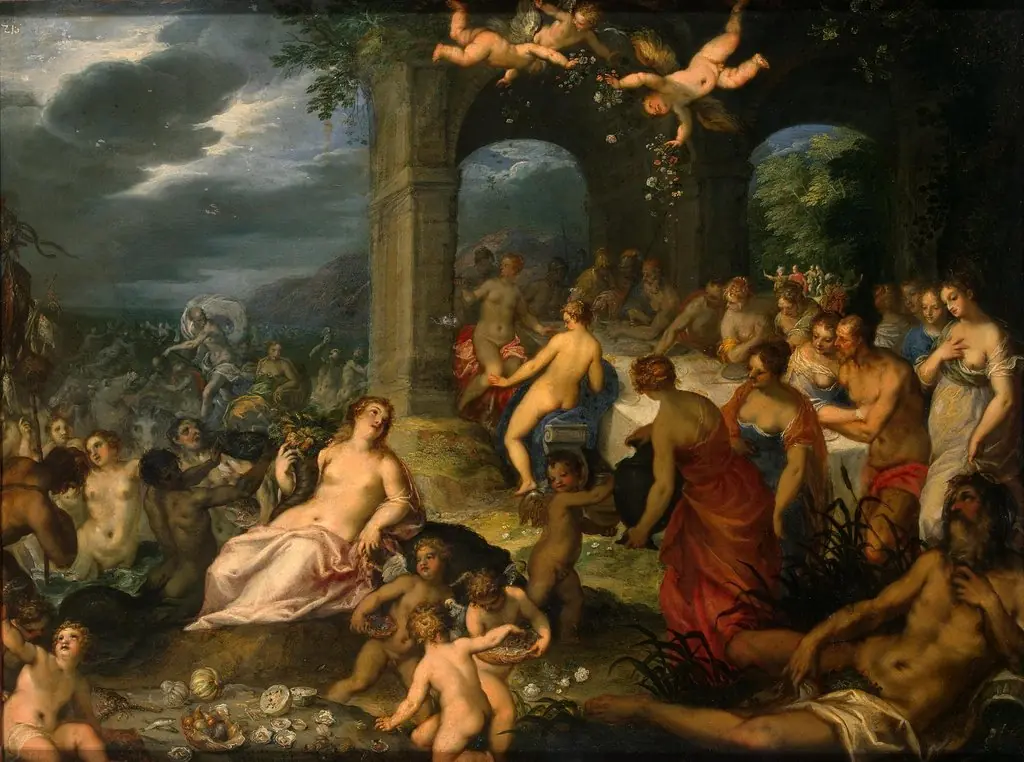 Feast of the Gods (The Marriage of Peleus and Thetis)
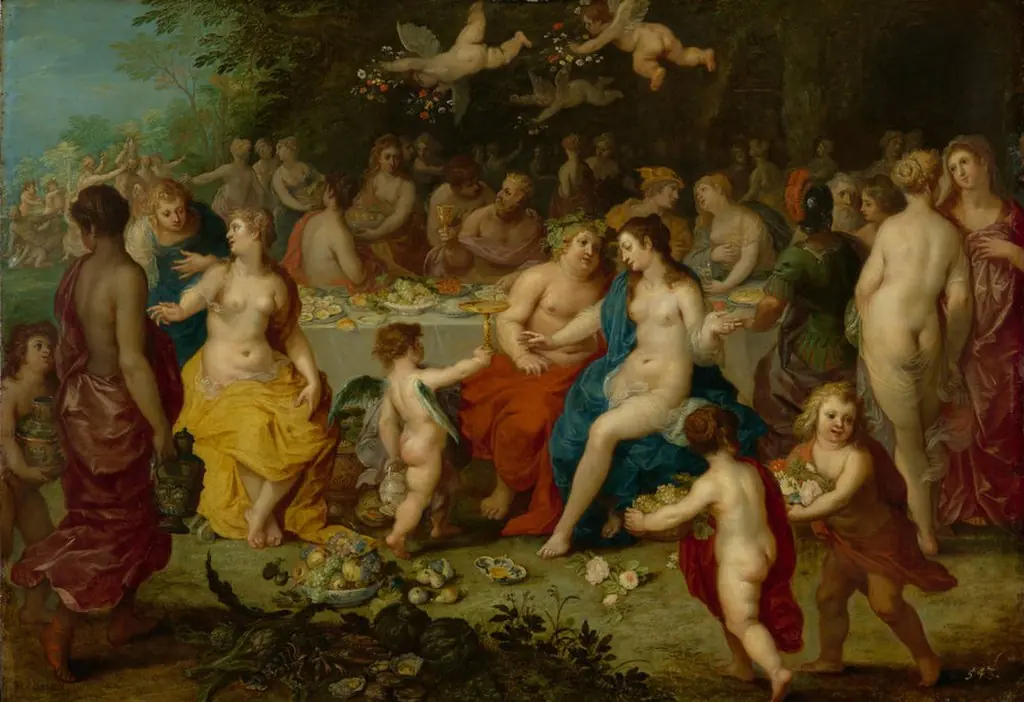 The wedding banquet of Bacchus and Ariadne
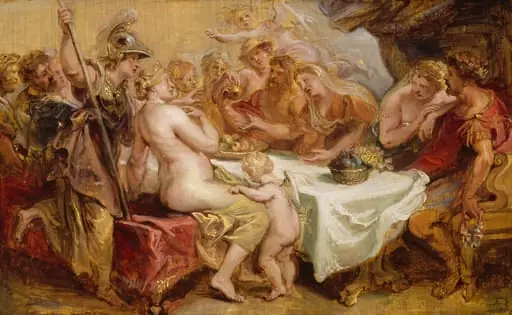 The Wedding of Peleus and Thetis