Artwork
The Prophecy of Isaiah
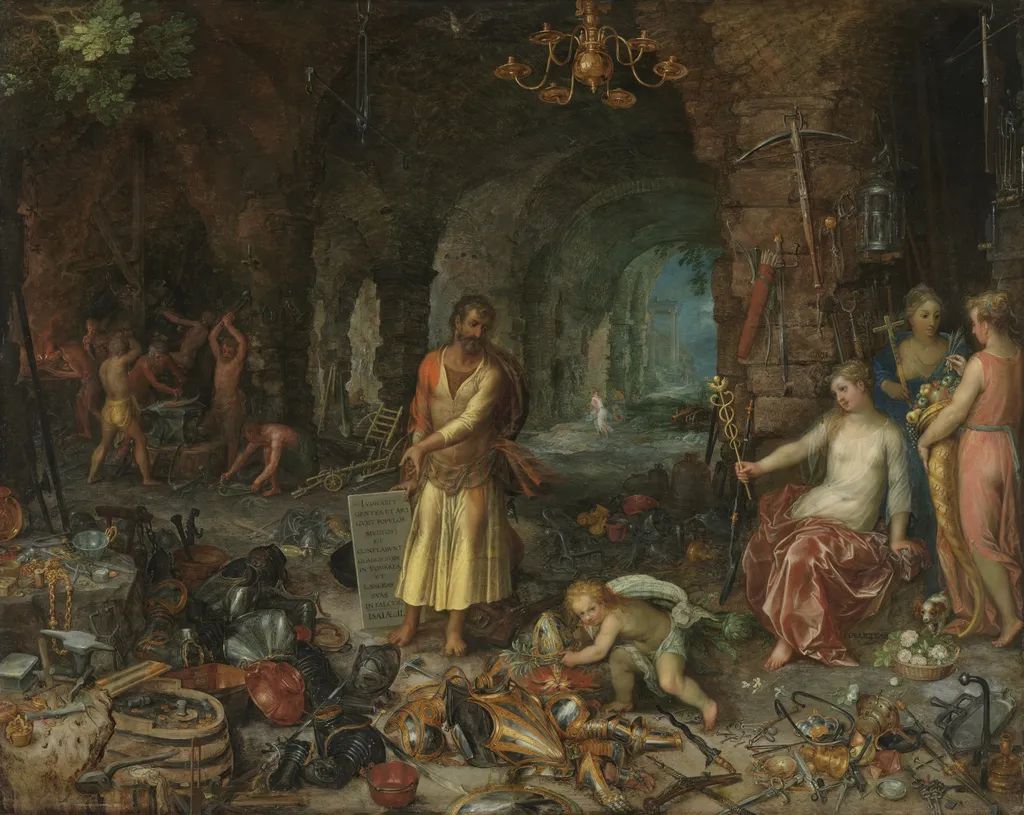
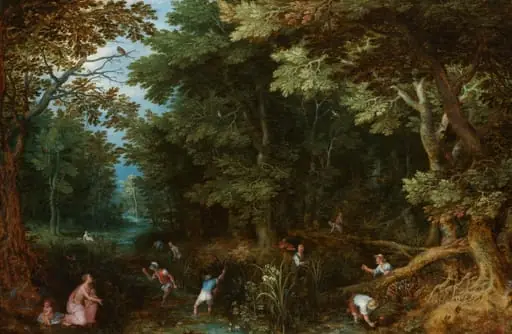
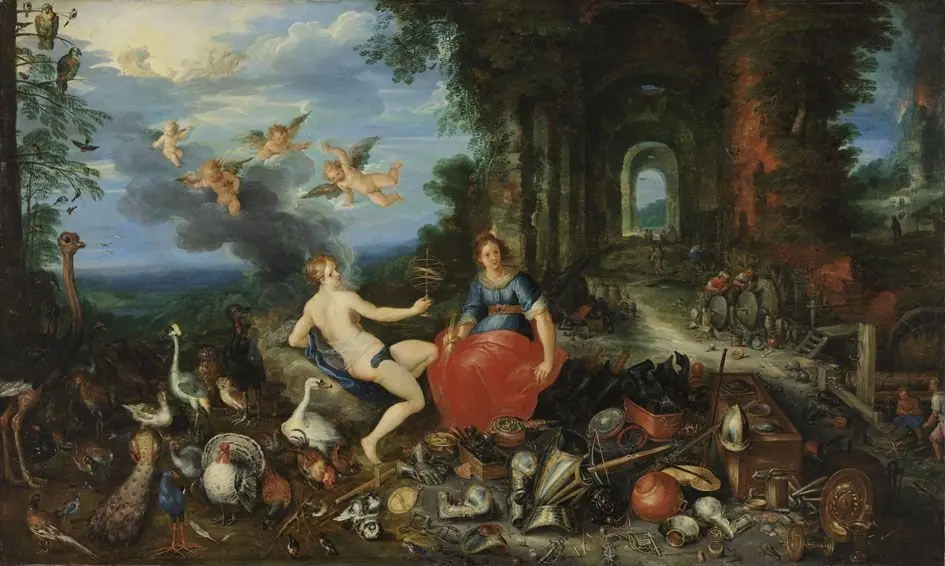
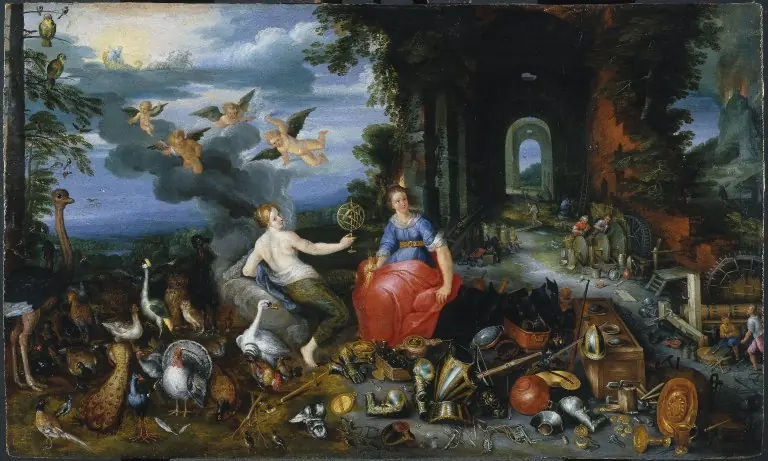
The Prophecy of Isaiah is an oil painting by the Flemish Baroque painting artist Jan Brueghel, the elder. It dates from 1609 and is held in the collection of the Bavarian State Painting Collections.
About this work
Subject & Meaning
4 centimeters, the work belongs to a tradition of finely detailed cabinet paintings produced for private devotion and contemplation of biblical prophecy.
The painting depicts the Old Testament prophet Isaiah, as indicated by its title and the subject listed in the work's cataloguing. Isaiah is shown within a religious devotional context, consistent with the genre classification of religious art. The collaboration between Jan Brueghel the Elder and Hendrick van Balen the Elder, who is known for figure painting, suggests that the prophet figure was rendered by van Balen, while Brueghel contributed to the surrounding composition.
Executed on a small copper panel measuring 40.2 by 50.4 centimeters, the work belongs to a tradition of finely detailed cabinet paintings produced for private devotion and contemplation of biblical prophecy.
The choice of Isaiah as subject reflects the early seventeenth-century interest in Old Testament figures as vehicles for spiritual reflection. As a major Hebrew prophet, Isaiah traditionally symbolizes divine foresight, messianic prophecy, and the communication of God's word to humanity.
Technique & Style
The Prophecy of Isaiah is an oil painting executed on a copper panel, a support that allowed for the fine, enamel-like finish characteristic of Jan Brueghel the Elder's cabinet pictures. The work measures 40.2 cm in height by 50.4 cm in width, a modest horizontal format suited to its religious subject matter. The medium and support are consistent with Brueghel's collaborative practice, in which he frequently painted figures together with specialists such as Hendrick van Balen the Elder.
The small scale and copper ground would have permitted meticulous handling of detail, particularly in the rendering of the figure of Isaiah.
The painting is classified as a religious work and forms part of the Bavarian State Painting Collections held at the Alte Pinakothek.
History & Provenance
Painted in 1609, The Prophecy of Isaiah is a collaborative work by Jan Brueghel the Elder and Hendrick van Balen the Elder. The painting is executed in oil on copper panel, measuring 40.2 × 50.4 cm. It is held in the collection of the Bavarian State Painting Collections and is located at the Alte Pinakothek.
Overview
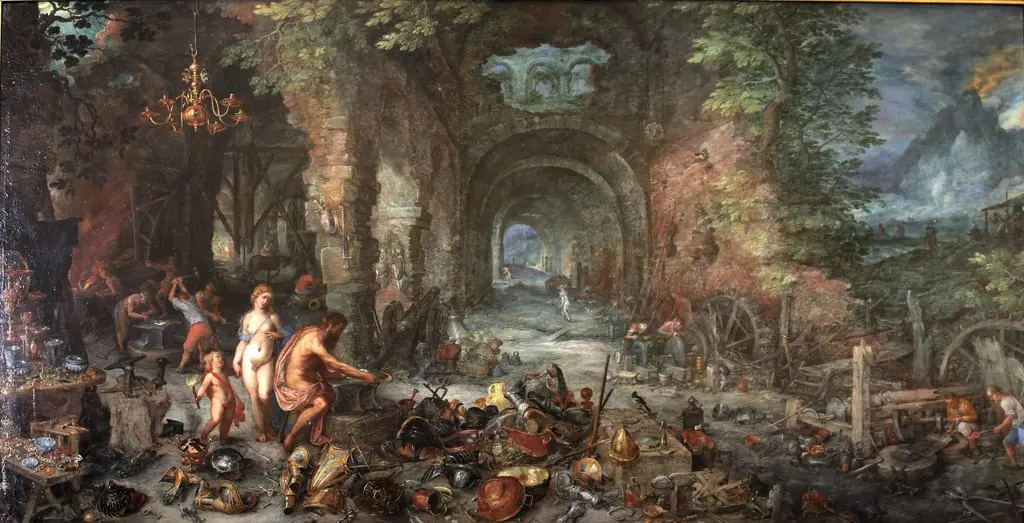
Jan Brueghel the Elder painted The Prophecy of Isaiah in 1609 using oil on canvas. The work belongs to the Flemish Baroque period and is part of the Alte Pinakothek’s collection in Munich. It presents a densely populated interior that blends workshop activity with symbolic elements drawn from biblical and medical iconography.
Context
The work exemplifies the 17th‑century Flemish fascination with combining religious subjects with scientific and artisanal motifs, mirroring the period’s burgeoning interest in alchemy and early medicine. By juxtaposing a prophetic figure with a workshop setting, Brueghel contributes to a visual discourse that links spiritual insight with material transformation.
Own this work as a print
Artist & collection
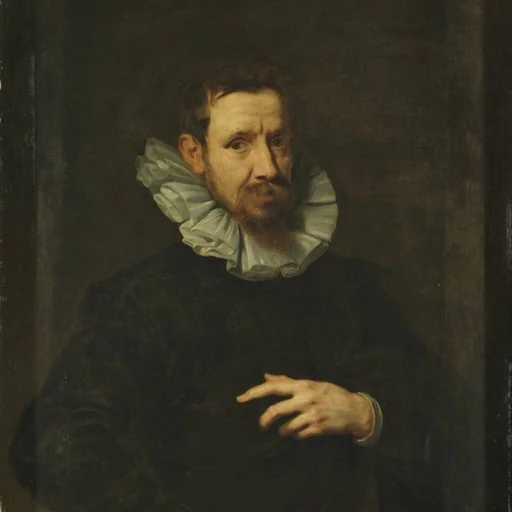
Artist
Jan Brueghel the Elder ( BROY-gəl, US also BROO-gəl; Dutch:; 1568 – 13 January 1625) was a Flemish painter and draughtsman.