Artwork
Touch
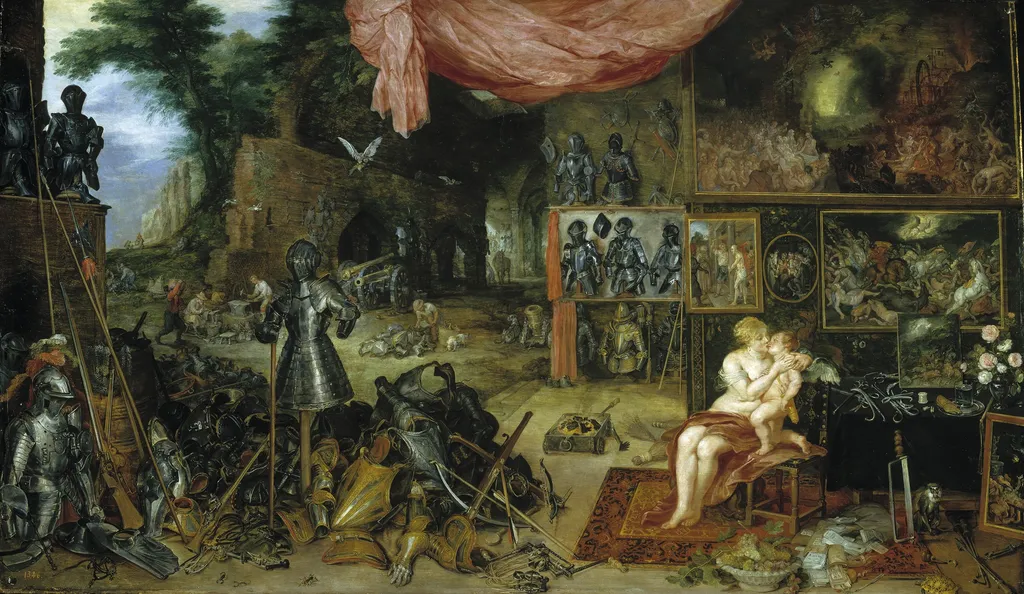
Touch is an oil painting by the Flemish Baroque painting artist Peter Paul Rubens. It dates from 1618 and is held in the collection of the Museo del Prado.
About this work
Subject & Meaning
Touch is an allegorical painting in which the sense of haptic perception is given visual form through a dense arrangement of tactile and martial objects.
Touch is an allegorical painting in which the sense of haptic perception is given visual form through a dense arrangement of tactile and martial objects. The composition gathers items associated with physical contact and the handling of weapons and armor: a body armor, cannon, shotgun, combat helmet, shield, and sword appear alongside a vase and a painting, with a kiss serving as the most direct human expression of touch. By pairing such weaponry and metalwork, objects meant to be gripped, struck, or worn, with more delicate items like the vase and the depicted painting, the work stages a contrast between harsh and gentle forms of tactile experience.
Classified as an allegory, the painting translates the abstract idea of the sense of touch into a still-life-like inventory of surfaces and substances that invite the viewer's eye to imagine their feel, while the kiss anchors the allegory in human intimacy.
Technique & Style
Executed in 1618, the work is an oil painting on panel measuring 64 × 111 cm, combining Jan Brueghel the Elder's meticulous rendering with Rubens's broader, tactile handling to visualize haptic perception. The composition integrates polished armor, weaponry, and vessels within a softly lit interior, emphasizing the interplay of light and surface texture. Rubens's brushwork alternates between fine detailing and broader, animated strokes, while Brueghel's precision contributes to the allegory's descriptive clarity. The panel support remains stable, with no structural damage reported in conservation records.
History & Provenance
Created in 1618, Touch is an allegorical oil painting on panel, attributed to the collaborative efforts of Peter Paul Rubens and Jan Brueghel the Elder. The painting entered the Spanish Royal Collection and was owned by King Ferdinand VII of Spain before passing into the care of the Museo del Prado in Madrid, where it remains today as part of the museum's permanent holdings.
Overview
Peter Paul Rubens, a prominent Flemish artist and diplomat, completed Touch in 1618. This oil painting exemplifies the Flemish Baroque style and functions as an allegorical work. Currently housed in the Museo del Prado, the piece juxtaposes scenes of conflict with moments of intimacy, reflecting Rubens's characteristic engagement with complex themes. The artwork showcases his command of dynamic composition and rich color.
Context
As both a celebrated artist and an active diplomat, Peter Paul Rubens frequently explored profound narratives in his extensive body of work. Touch aligns with his broader practice of creating allegorical paintings, alongside history paintings and altarpieces. He often drew inspiration from classical mythology and Christian doctrine, infusing his compositions with symbolic depth and intellectual resonance, a characteristic evident in this 1618 oil painting.
Artist & collection
Artist
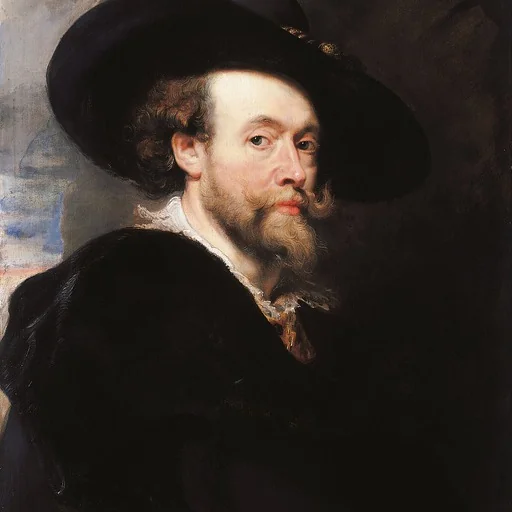
Sir Peter Paul Rubens ( ROO-bənz; Dutch:; 28 June 1577 – 30 May 1640) was a Flemish artist and diplomat.

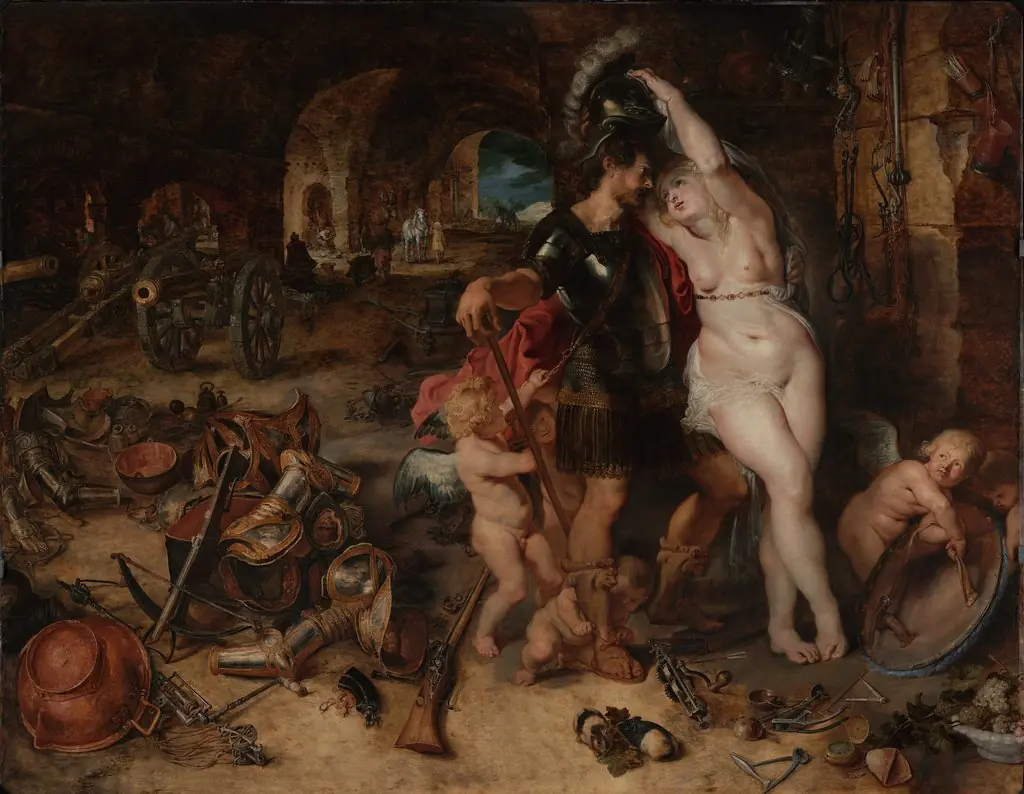 The Return from War: Mars Disarmed by Venus
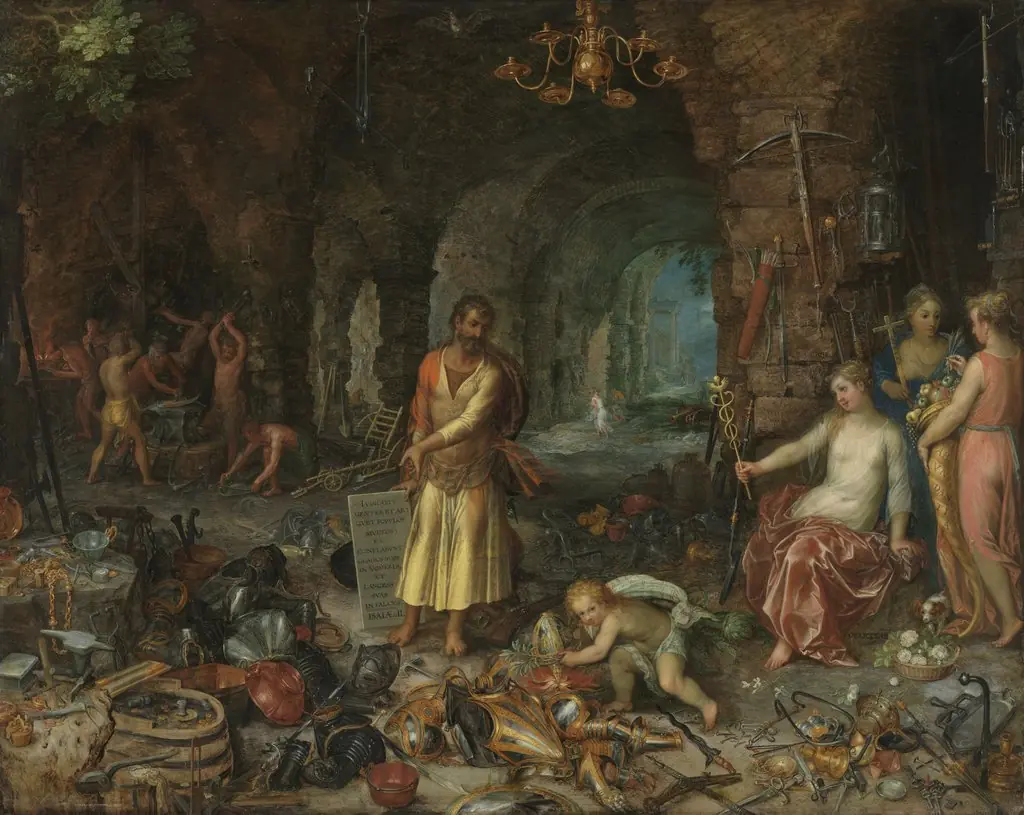 The Prophecy of Isaiah
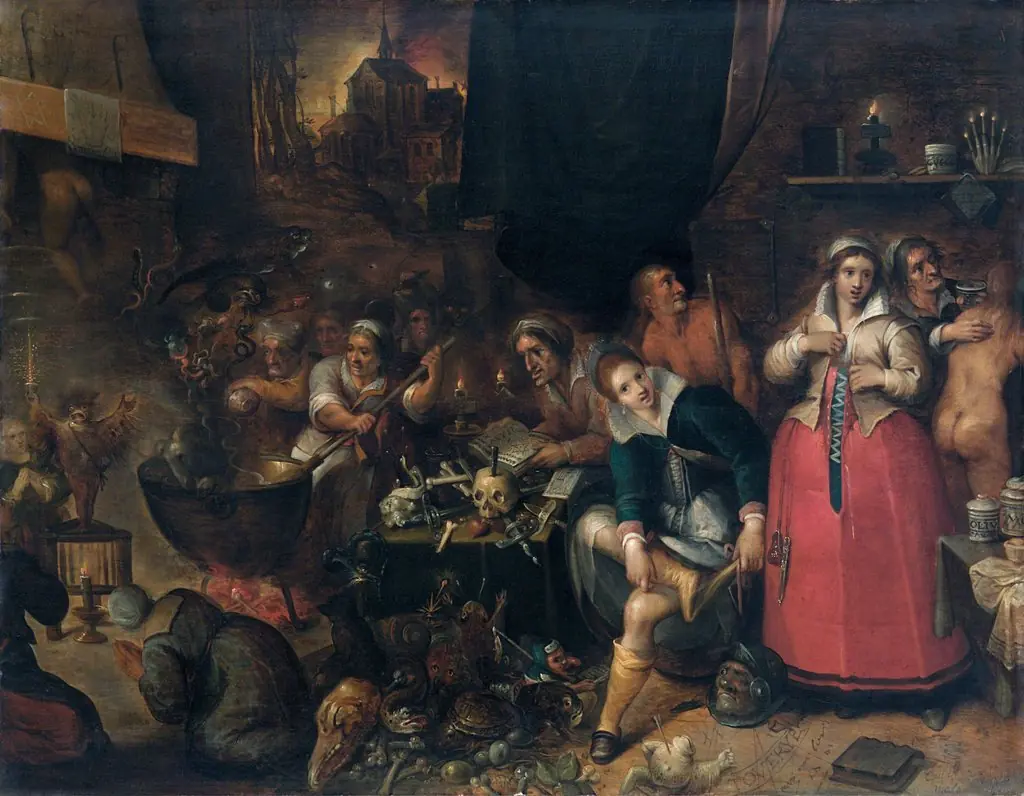 A Witches' Kitchen
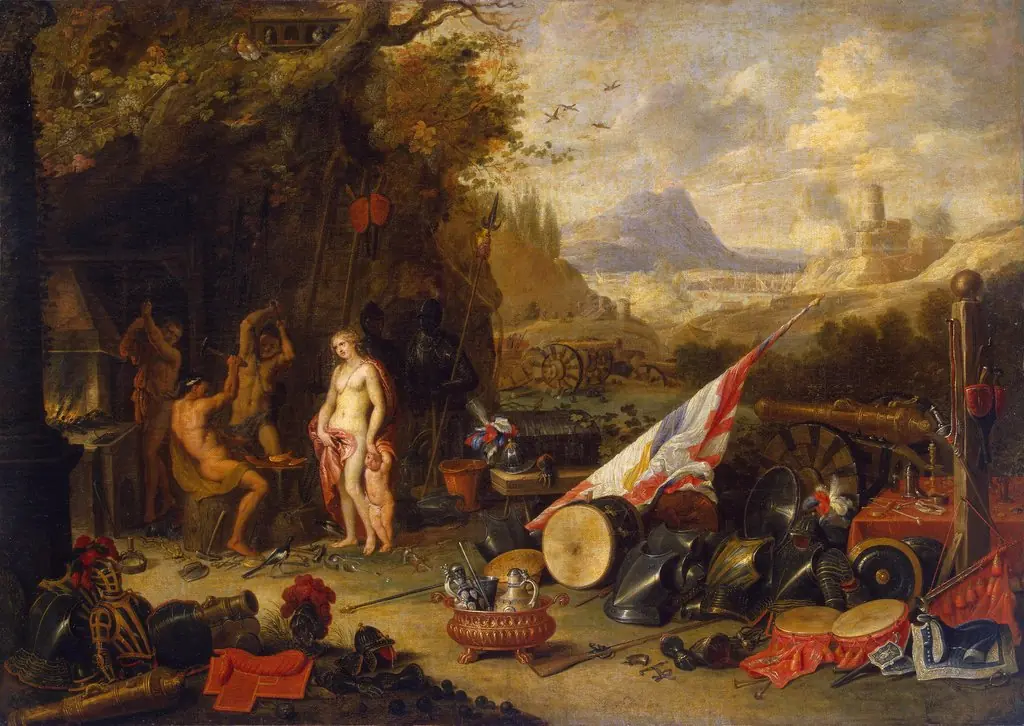 Venus at the Forge of Vulcan (Allegory of the Fire)
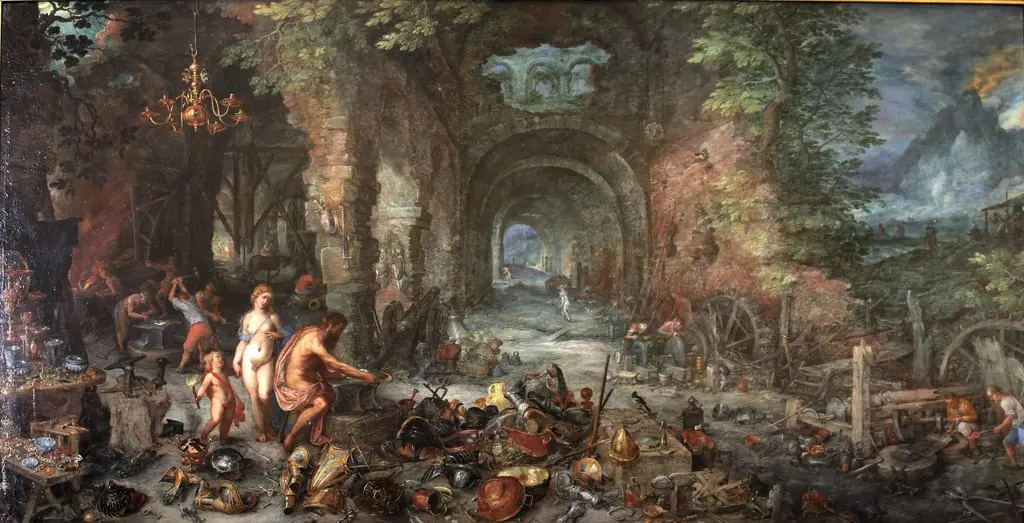 Fire
Fire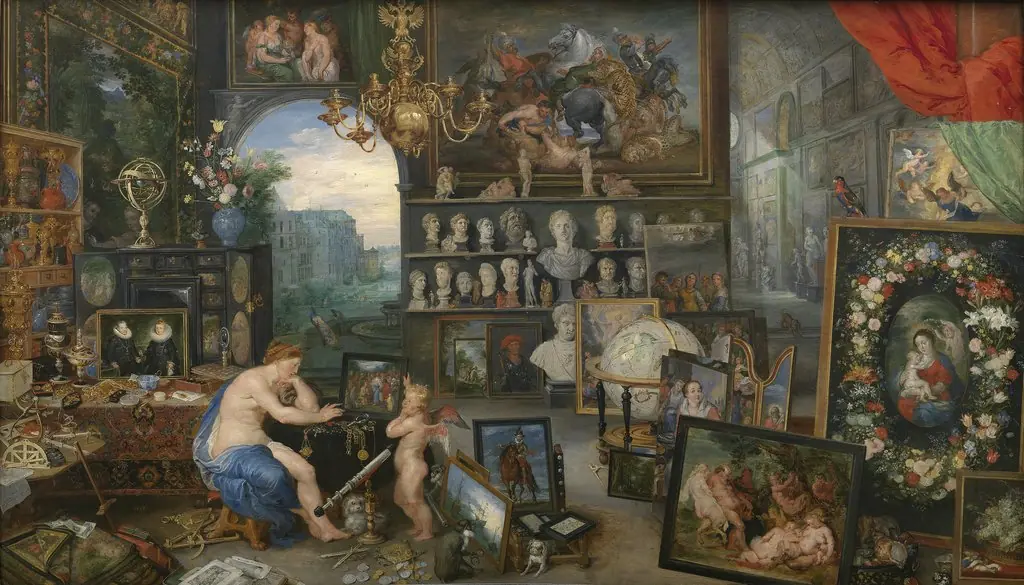 The Sense of Sight
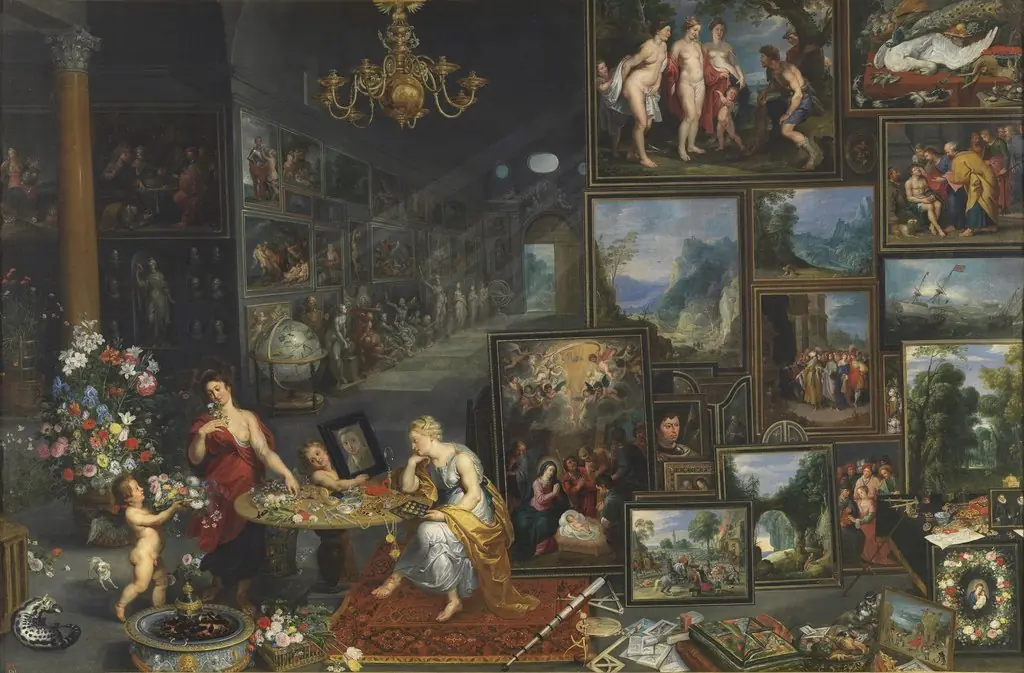 Allegory of Sight and Smell
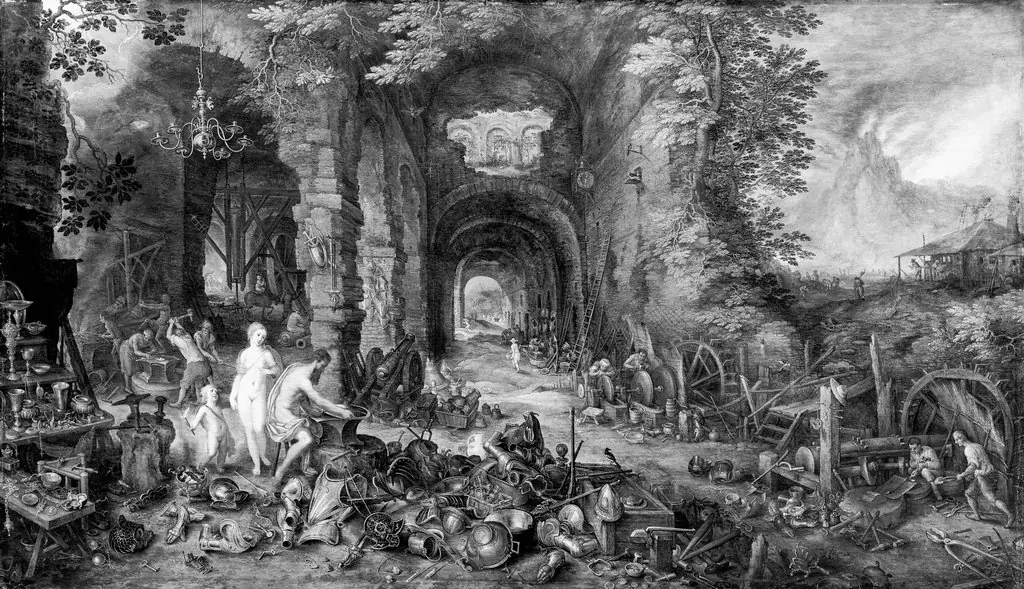 The forge of the volcano
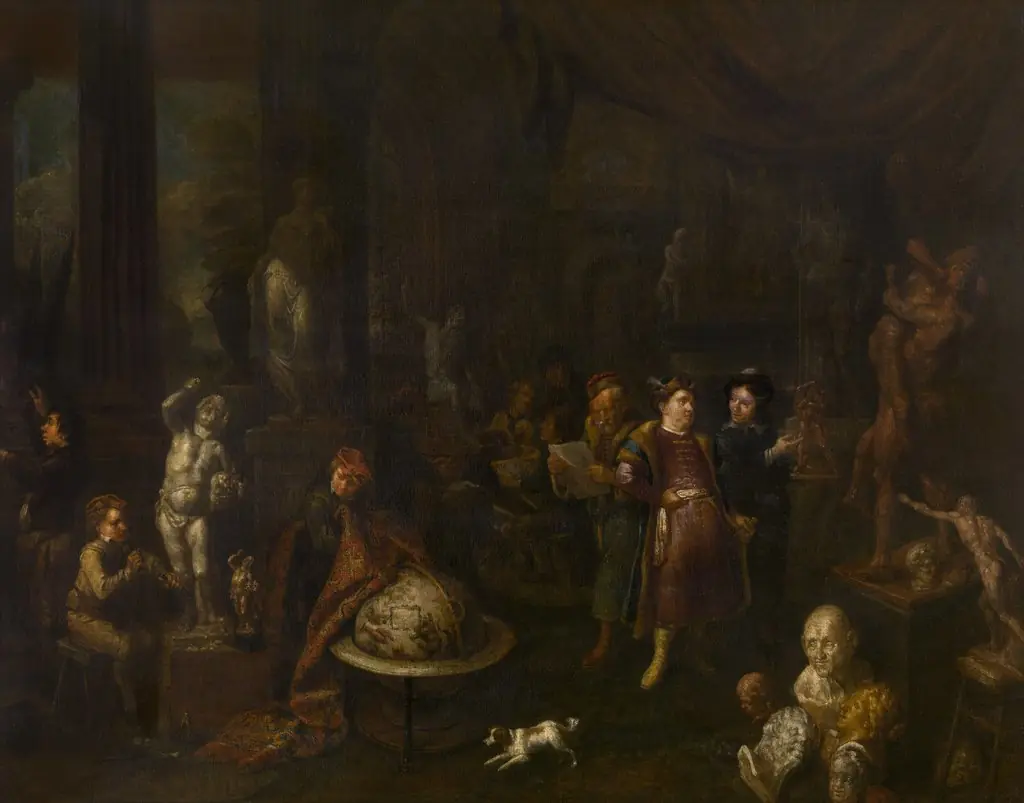 The Sculptors' Workshop
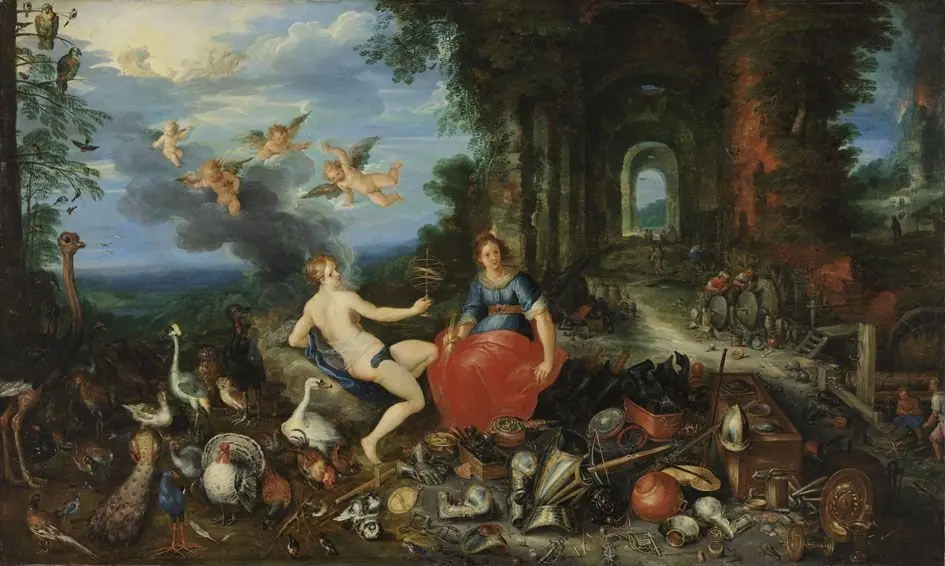 Allegory of fire and air (two of the four elements)
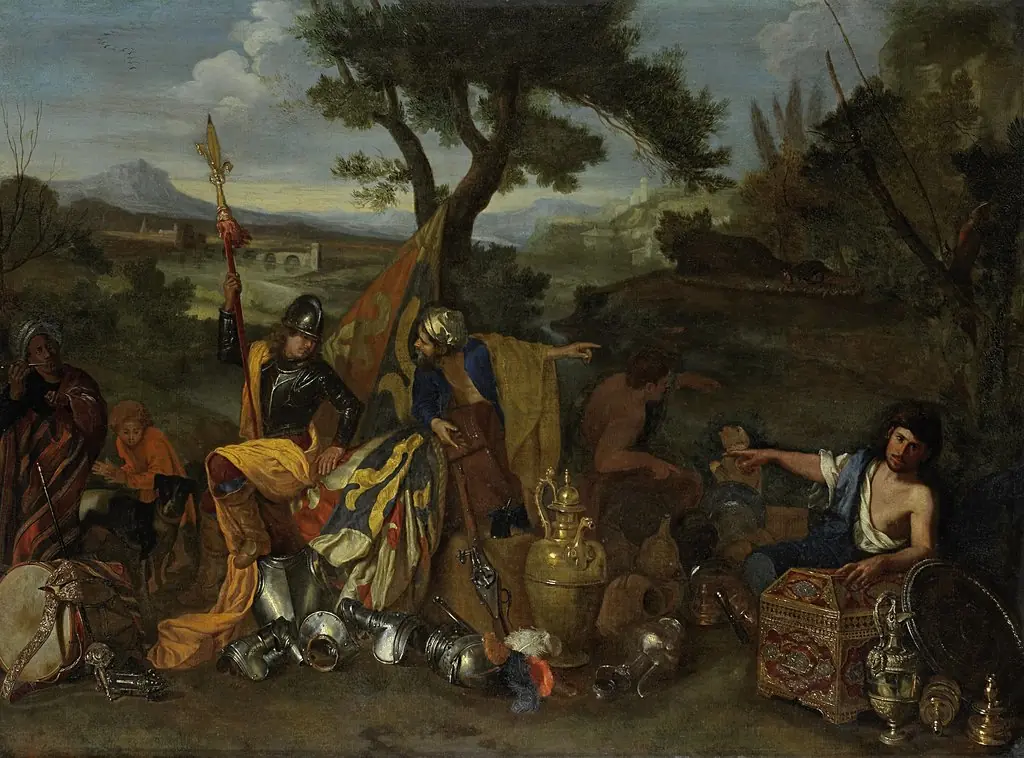 The Peddlers
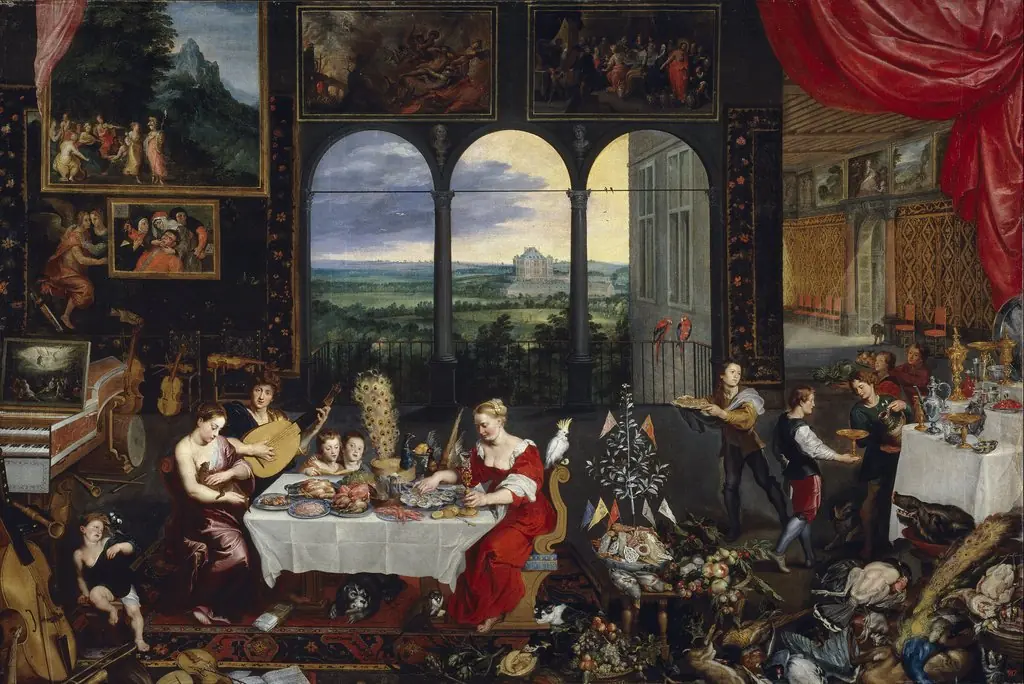
- The Senses of Hearing, Touch and Taste