Artwork
Still Life with Nautilus Shell
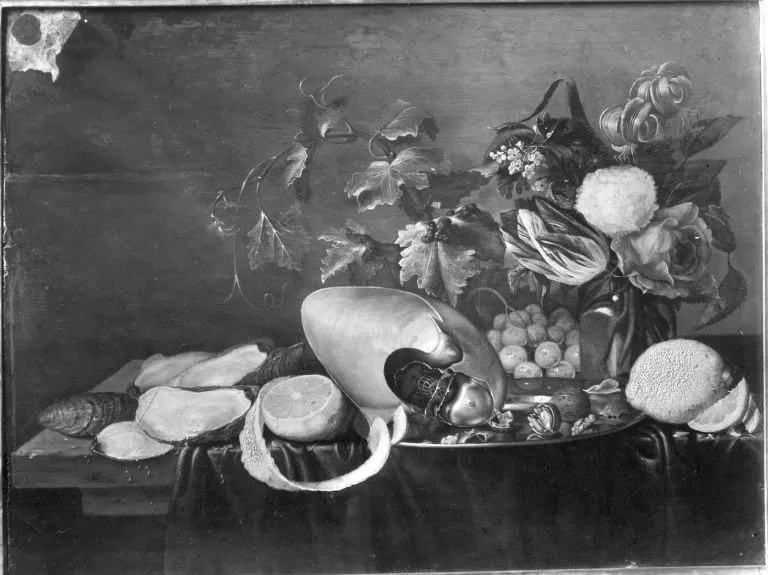
Still Life with Nautilus Shell is an unspecified painting by the Dutch Golden Age artist Jan Davidsz. de Heem. It dates from 1645 and is held in the collection of the Bavarian State Painting Collections. Created in 1645, this oil on canvas presents a meticulously arranged still life typical of the Dutch Golden Age.
About this work
History & Provenance
It was featured in the exhibition "Dutch and Flemish Masterpieces from the Bavarian State Painting Collections," presented at the Alte Pinakothek in 2015.
Jan Davidsz. de Heem created the still life painting Still Life with Nautilus Shell in 1645. The work depicts a nautilus shell, lemon, and tulip, measuring 47.6 cm in height and 63.5 cm in width. It is currently held in the collection of the Bavarian State Painting Collections at the Alte Pinakothek.
Still Life with Nautilus Shell is housed in the Bavarian State Painting Collections, specifically at the Alte Pinakothek in Munich.
The work is cataloged under the accession number 1827.
It was featured in the exhibition "Dutch and Flemish Masterpieces from the Bavarian State Painting Collections," presented at the Alte Pinakothek in 2015.
Context
The painting exemplifies the opulent still-life tradition of Dutch Golden Age art, showcasing de Heem's mastery in rendering luxurious textures and intricate natural motifs. Its depiction of a nautilus shell alongside lemon and tulip reflects contemporary fascination with exotic shells and scientific curiosity, situating it within the broader context of 17th-century Dutch naturalism and the artist's specialization in pronkstilleven. The work's precise composition and vibrant color palette underscore the technical virtuosity characteristic of Haarlem school still-life painters during this period.
Overview
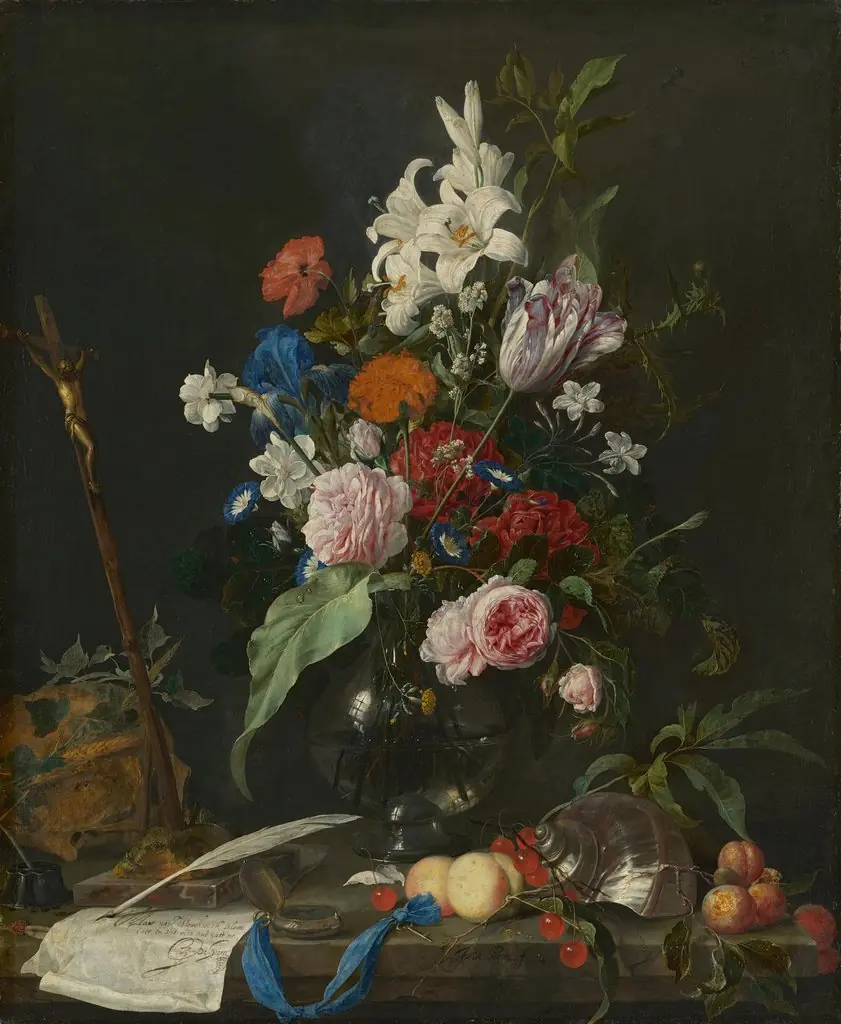
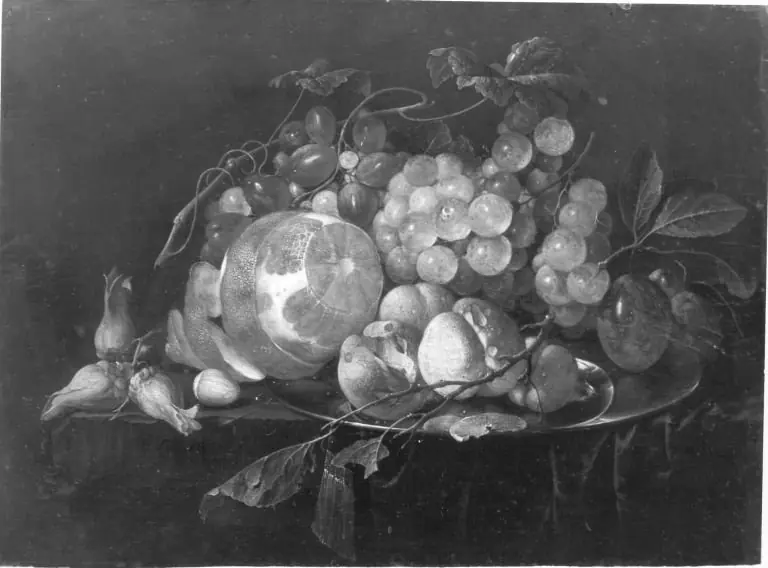
Created in 1645, this oil on canvas presents a meticulously arranged still life typical of the Dutch Golden Age. Central to the composition is a large nautilus shell, surrounded by lemons, grapes, and a vase of flowers, all set against a deep, muted background that accentuates their colors and textures.
Subject & Meaning
The selection of exotic and domestic items, an intricate marine shell, citrus fruit, and cultivated blossoms, reflects the period’s fascination with natural abundance and the transitory nature of material wealth. The juxtaposition of the shell’s spiral form with the ripe fruit suggests a contemplation of growth, decay, and the passage of time.
Technique & Style
De Heem employs a finely detailed brushwork that renders the glossy surface of the shell and the delicate translucency of the citrus peel. Subtle chiaroscuro creates a luminous effect, especially on the nautilus, where reflected light gives the impression of an inner glow. The dark ground enhances contrast, lending depth and three‑dimensionality to the arrangement.
Artist & collection
Artist
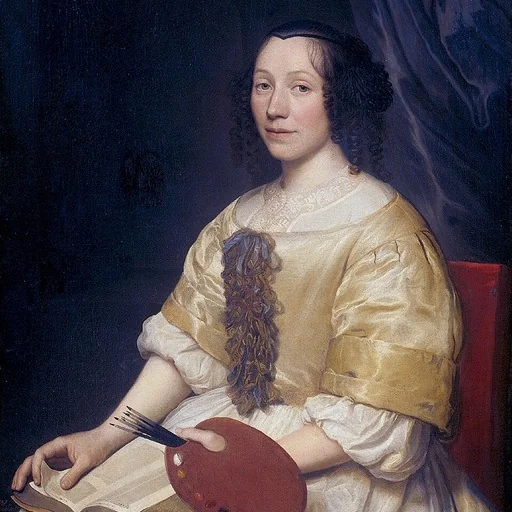
Maria van Oosterwijck (1630–1693), also spelled Oosterwyck, was a Dutch Golden Age painter, specialising in richly detailed flower paintings and other still lifes.

 Stillleben mit Schweinskeule und Eichhörnchen
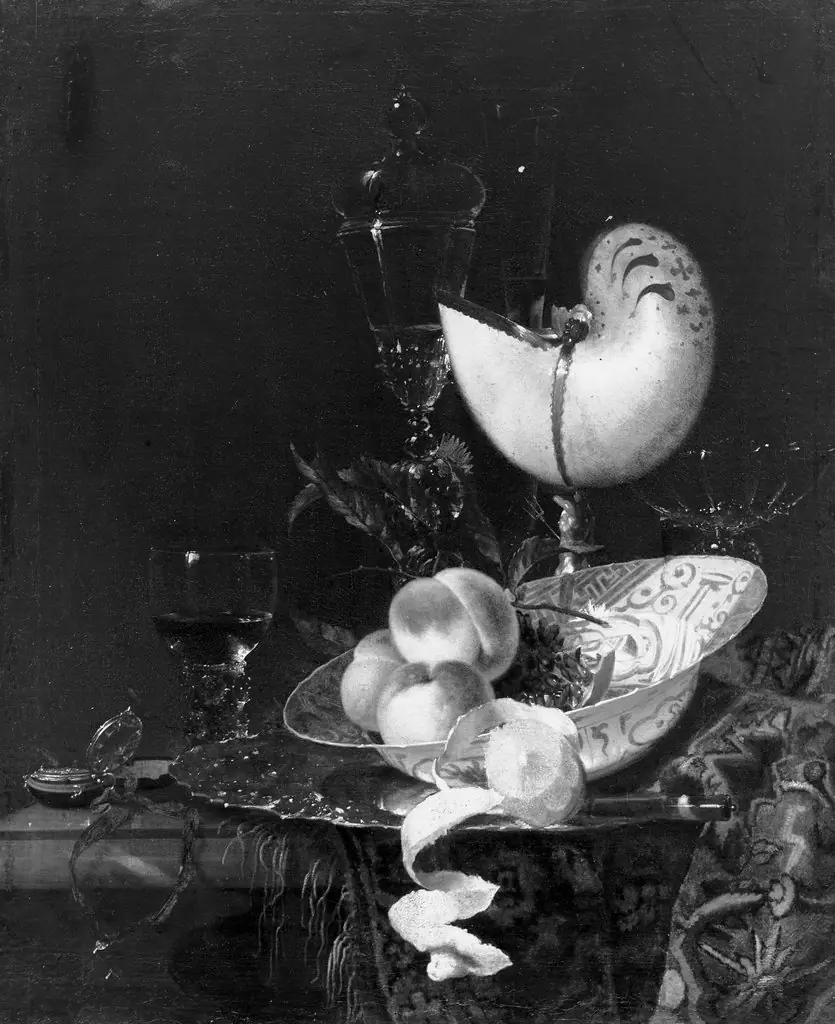
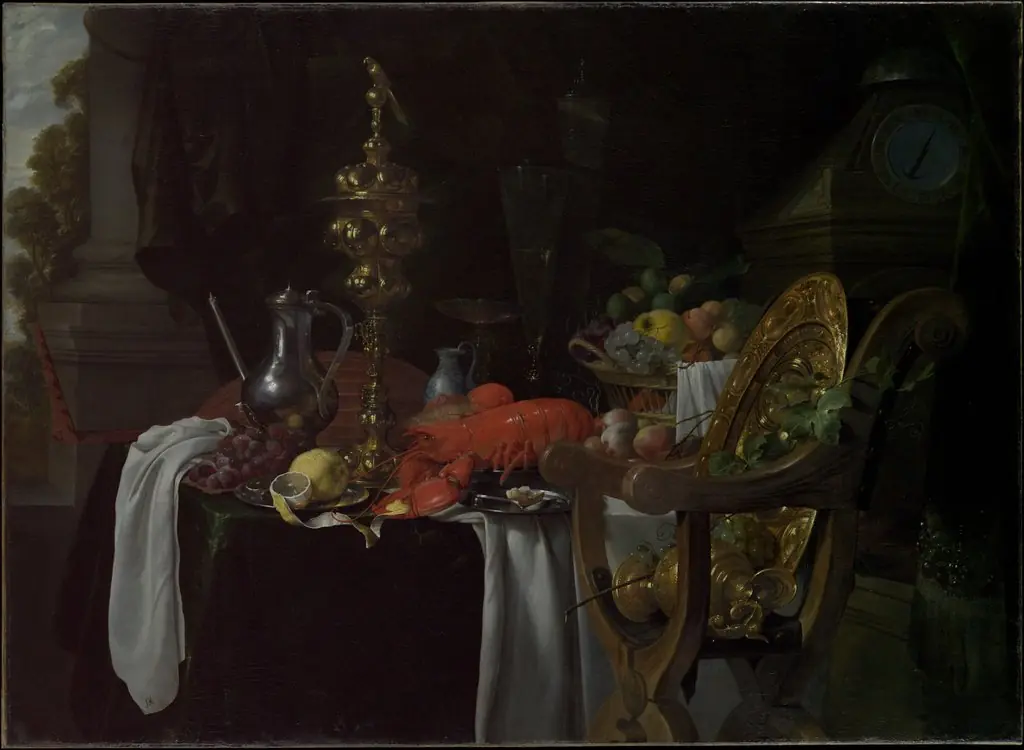
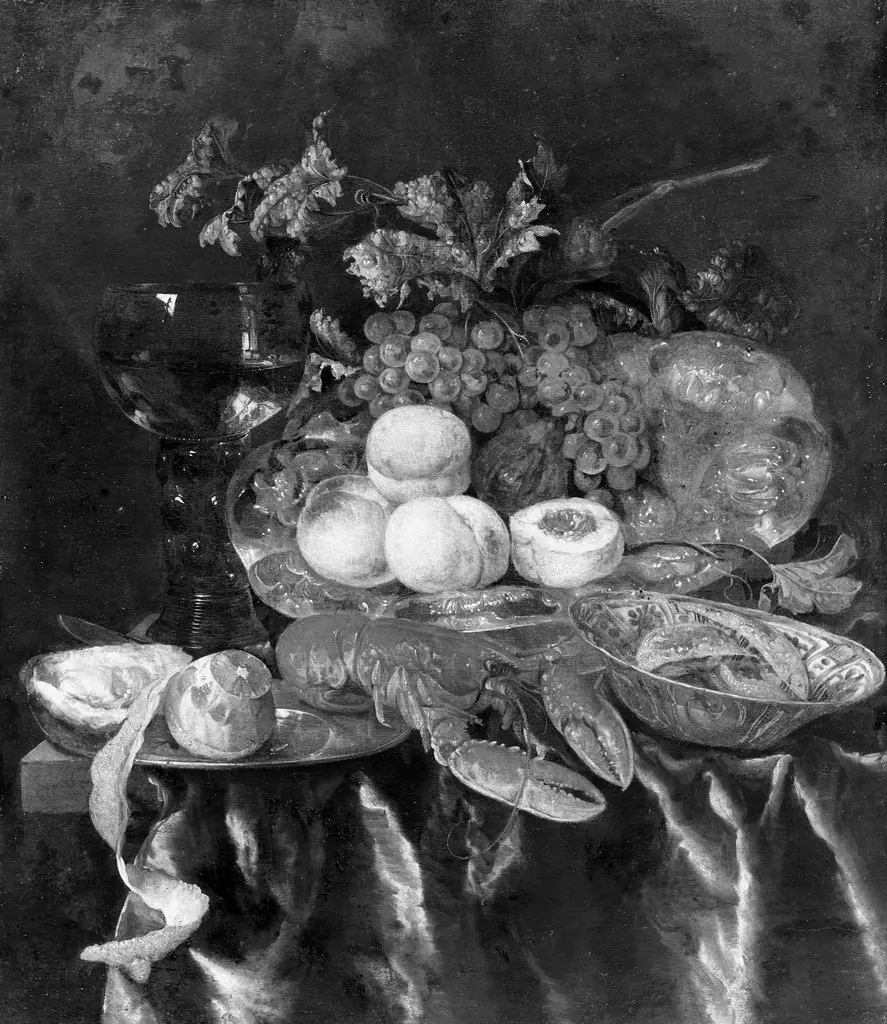 Still life with lobster, fruit, peeled lemon, rummer, silver dish and faience dish on a dark tablecloth
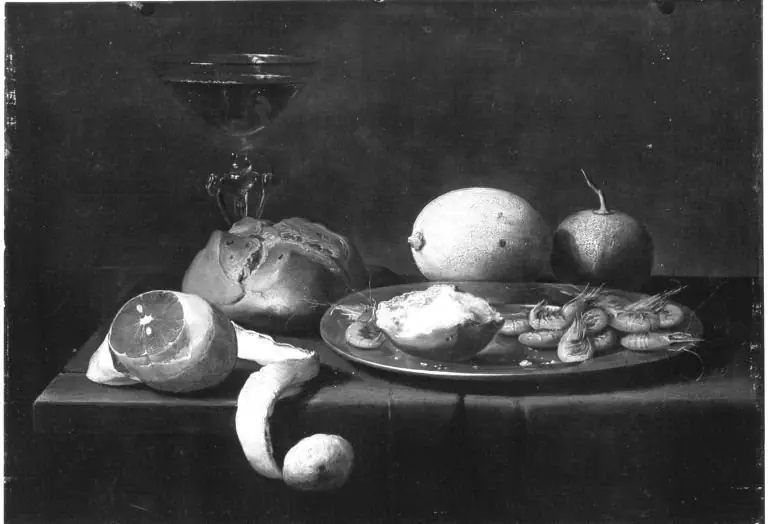 Stillleben
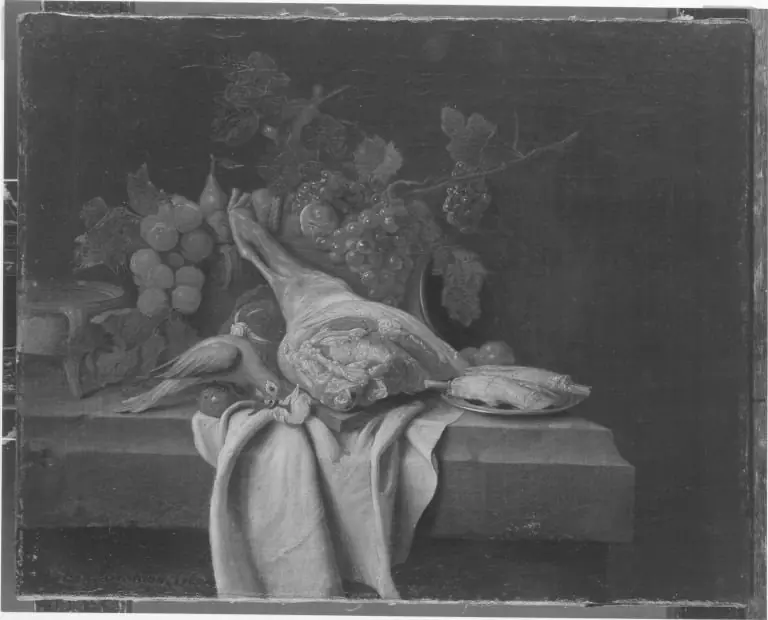 Stillleben mit Schweinskeule und Papagei
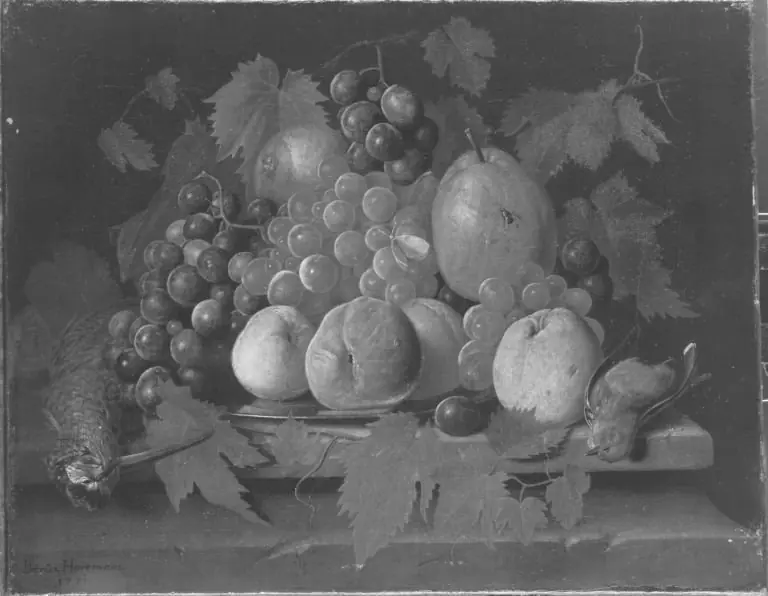 Stillleben mit Früchten und toten Vögeln
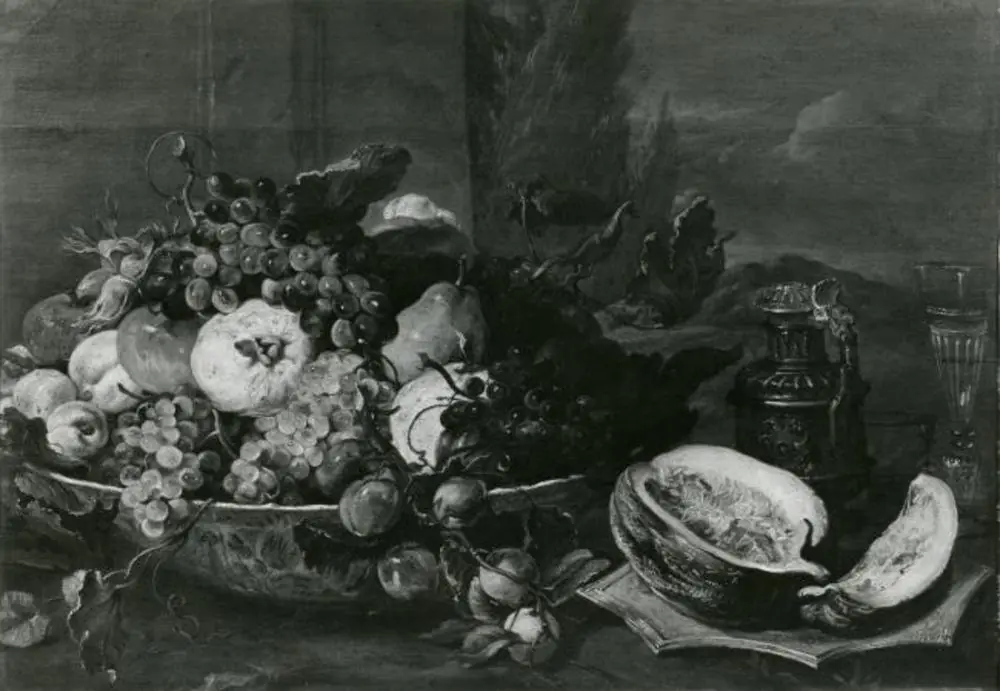 Still Life
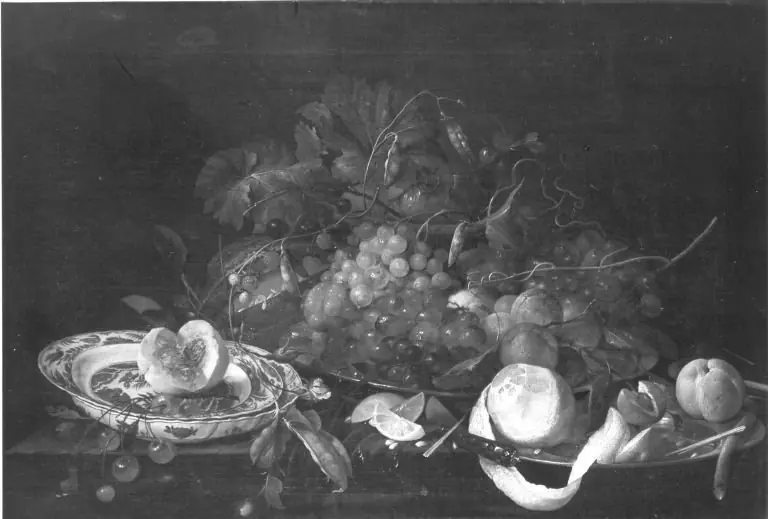 Früchtestück
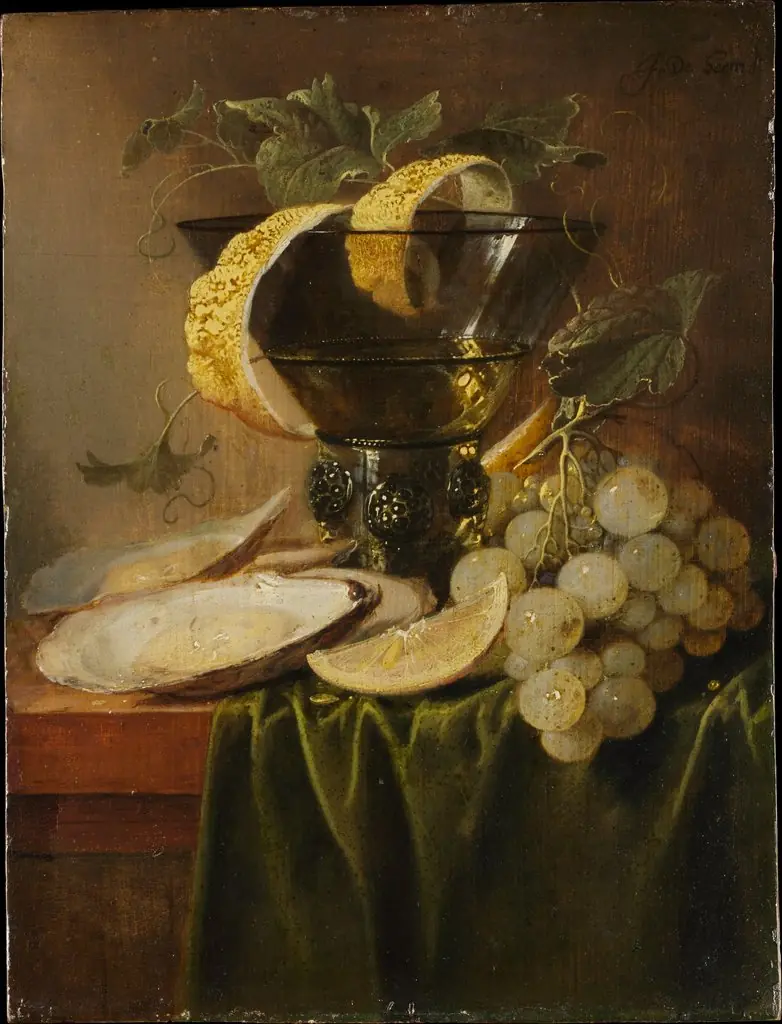
 Still life with fruits
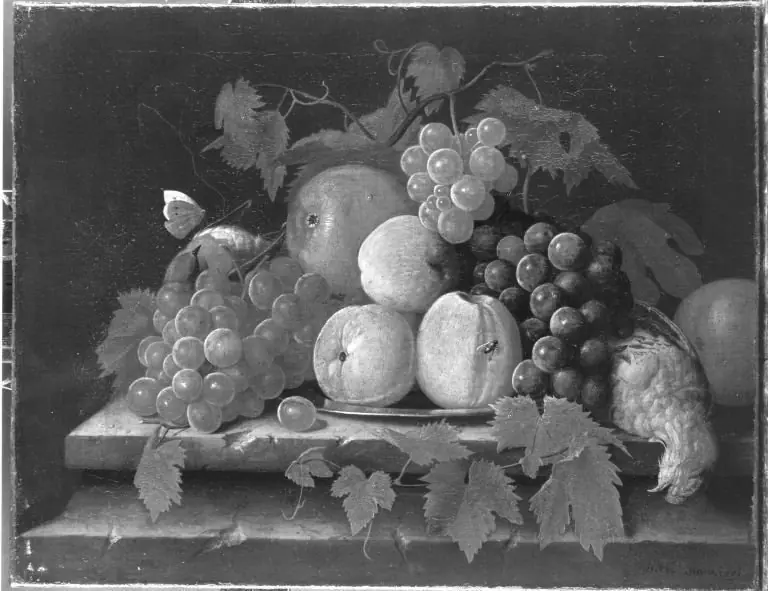 Stillleben mit Früchten und toten Vögeln
 Früchtestück
- Still life with a nautilus cup