Artwork
Vivat Oraenge
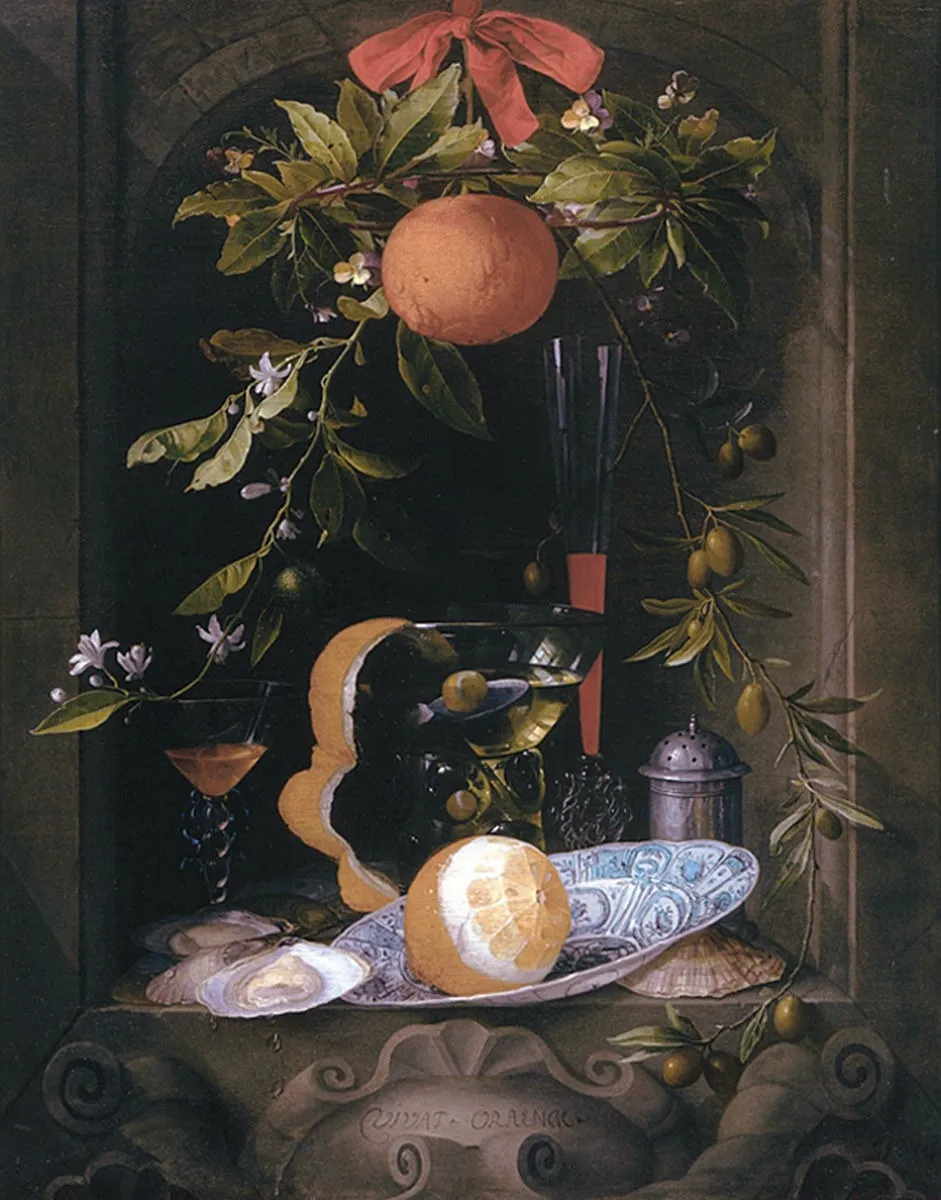
Vivat Oraenge is an oil painting by the Dutch Golden Age artist Jan Davidsz. de Heem. It dates from 1670 and is held in the collection of the Rijksmuseum. Jan Davidsz.
About this work
Subject & Meaning
These objects serve as the painting's iconographic elements, highlighting themes of abundance and celebration common in Dutch still-life of the period.
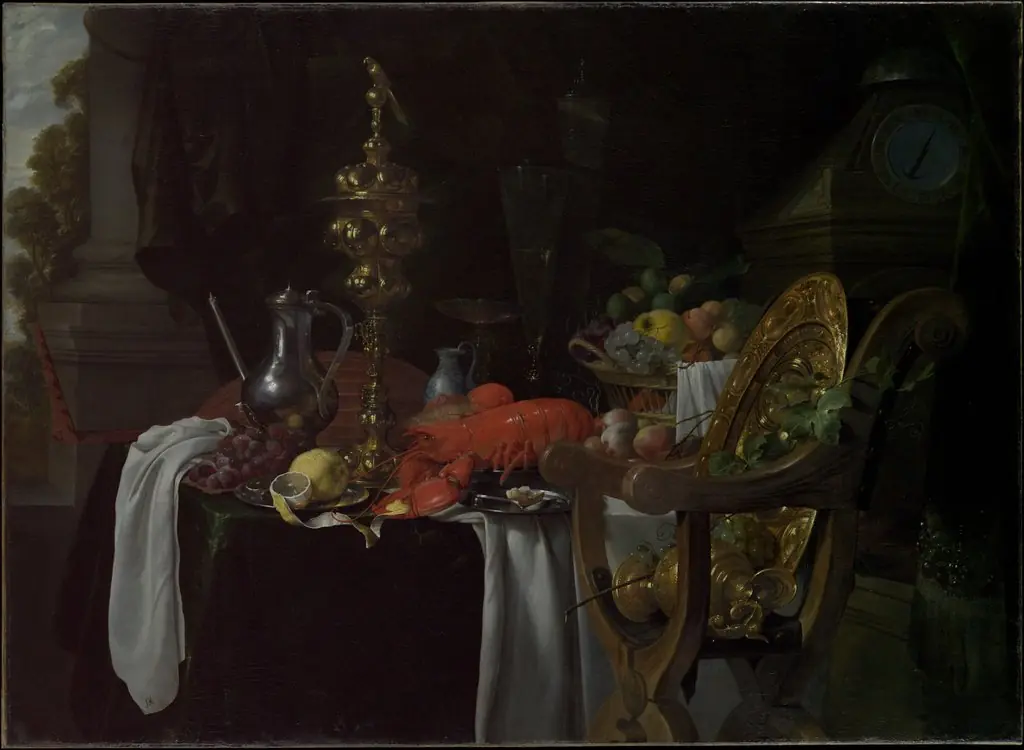
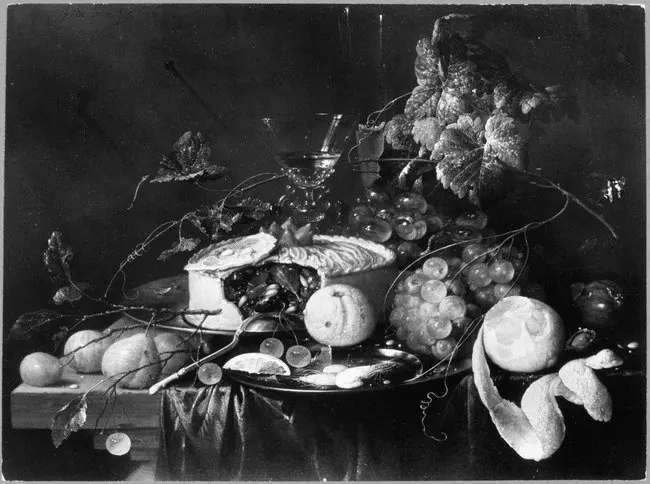
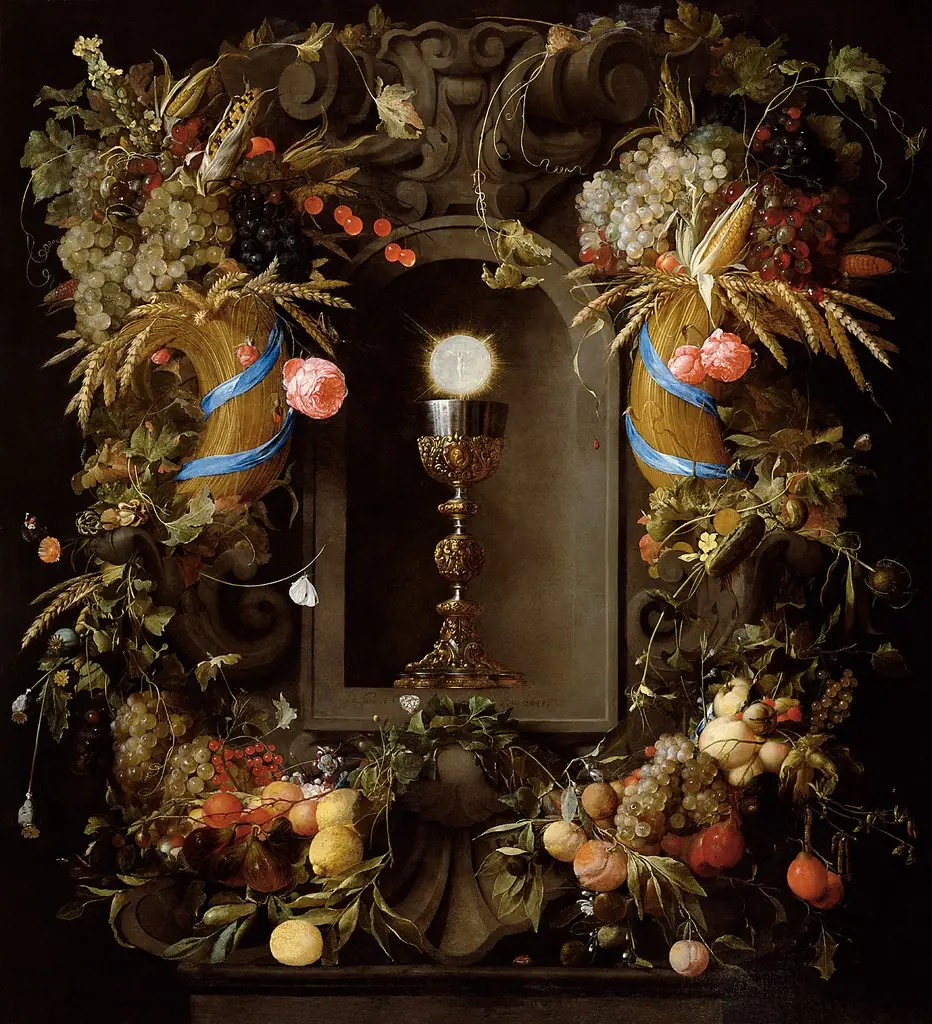
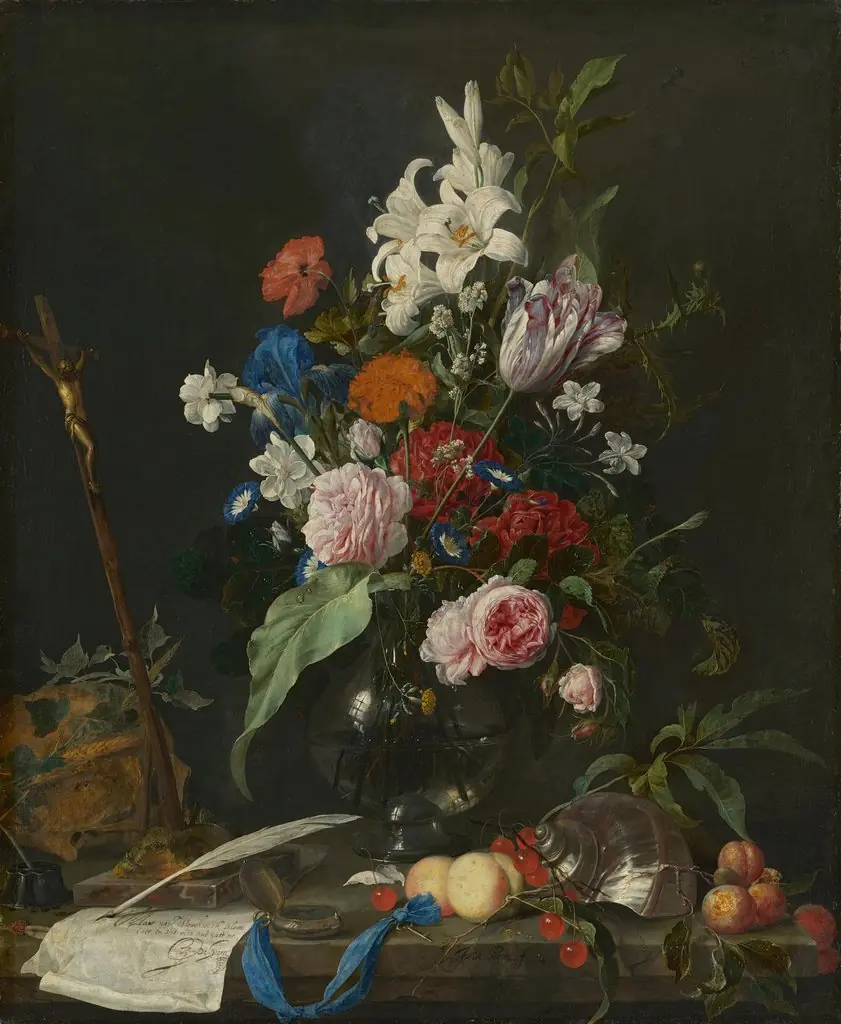
Vivat Oraenge is a 1670 oil painting by Jan Davidsz. de Heem that functions as a still-life composition. The canvas shows a wine glass, a ribbon, a decorative niche, a bay leaf and an orange, each rendered with meticulous attention to texture and light. These objects serve as the painting's iconographic elements, highlighting themes of abundance and celebration common in Dutch still-life of the period.
The work is housed in the Het Loo Palace collection, where its dimensions measure 63 cm by 49 cm.
Technique & Style
The work is painted in oil on canvas using a fine, layered technique typical of Northern European still-life traditions of the late seventeenth century. Handling is meticulous, with smooth transitions in glazes that render the reflective surfaces of glass and metal, while the fabrics and foliage are described through delicate, controlled brushwork.
Composition is arranged within a shallow niche, where a silver-gilt cup and a glass vessel containing wine are placed beside a still-life of bay leaves and a ribbon. The palette is restrained yet luminous, with warm ochres and deep crimsons set against the cool sheen of metals and glass. Stylistic qualities align with de Heem's mature phase, combining naturalistic detail with a restrained elegance in the arrangement of objects.
History & Provenance
The painting Vivat Oraenge was created by Jan Davidsz. de Heem in 1670. Executed in oil paint on canvas, the work measures 63 cm in height and 49 cm in width. It depicts a still life arrangement featuring wine, a ribbon, a niche, bay leaves, and an orange. The artwork is held in the collection of Het Loo Palace.
Context
Jan Davidsz. de Heem's Vivat Oraenge (1670) occupies a nuanced position within the Dutch Golden Age still-life tradition, reflecting both the artist's technical mastery and the political symbolism of its era. The inclusion of oranges, bay leaves, and a ribbon has been read as an allusion to the House of Orange-Nassau, suggesting a celebratory function tied to Dutch identity. De Heem's still lifes were renowned for their meticulous realism and layered allegory, and Vivat Oraenge exemplifies this duality by merging opulent naturalism with coded references to contemporary power.
The painting is often cited as an example of the pronkstilleven (sumptuous still life) genre, which de Heem helped popularize. Its compositional complexity, balancing texture, light, and symbolic detail, reflects the artist's broader influence on later still-life painters in the Low Countries.
Overview
Jan Davidsz. de Heem's Vivat Oraenge, painted in 1670, is an oil still life from the Dutch Golden Age. This work exemplifies the artist's renowned precision and vivid compositions. It features a carefully arranged collection of objects, including a partially peeled orange, set against a dark background, characteristic of the period's interest in detailed and often symbolic representations. The painting is part of the Rijksmuseum's collection.
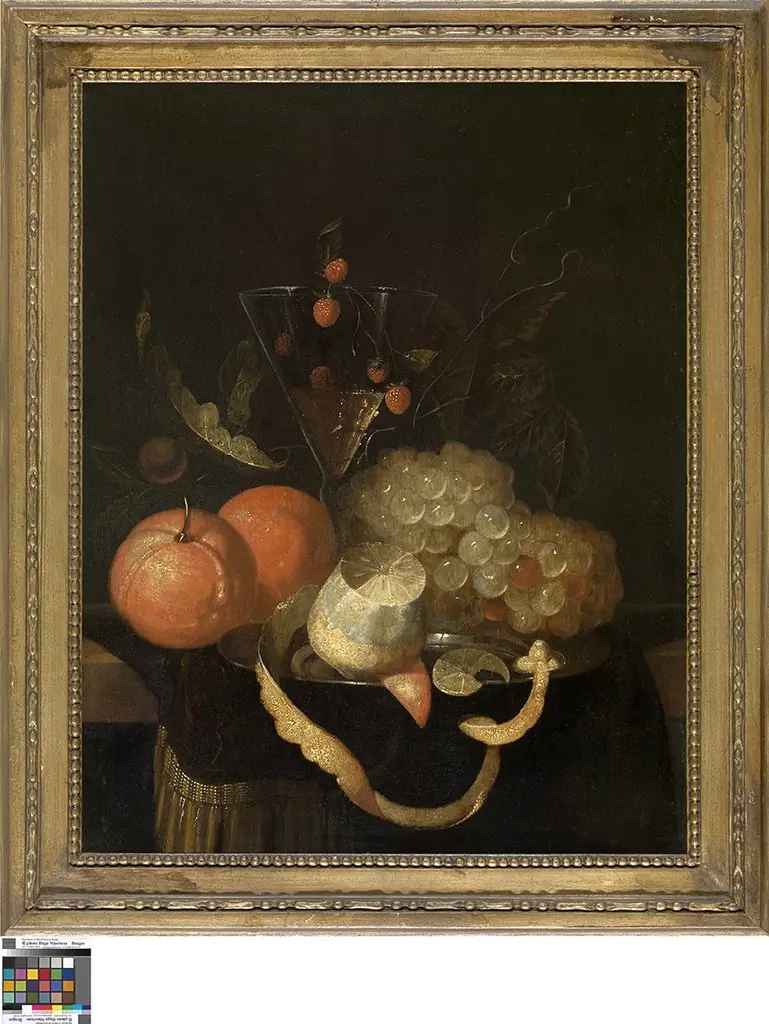
Artist & collection
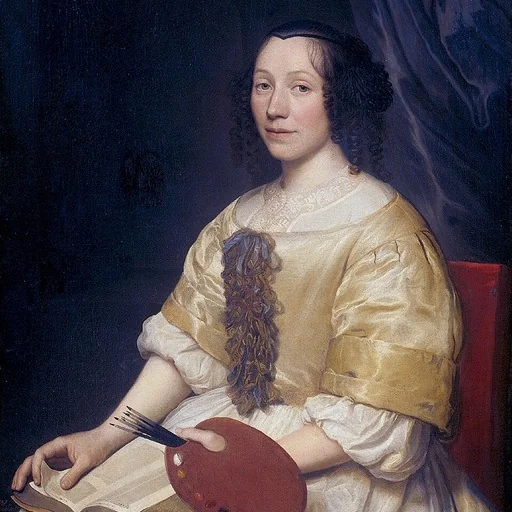
Artist
Maria van Oosterwijck (1630–1693), also spelled Oosterwyck, was a Dutch Golden Age painter, specialising in richly detailed flower paintings and other still lifes.

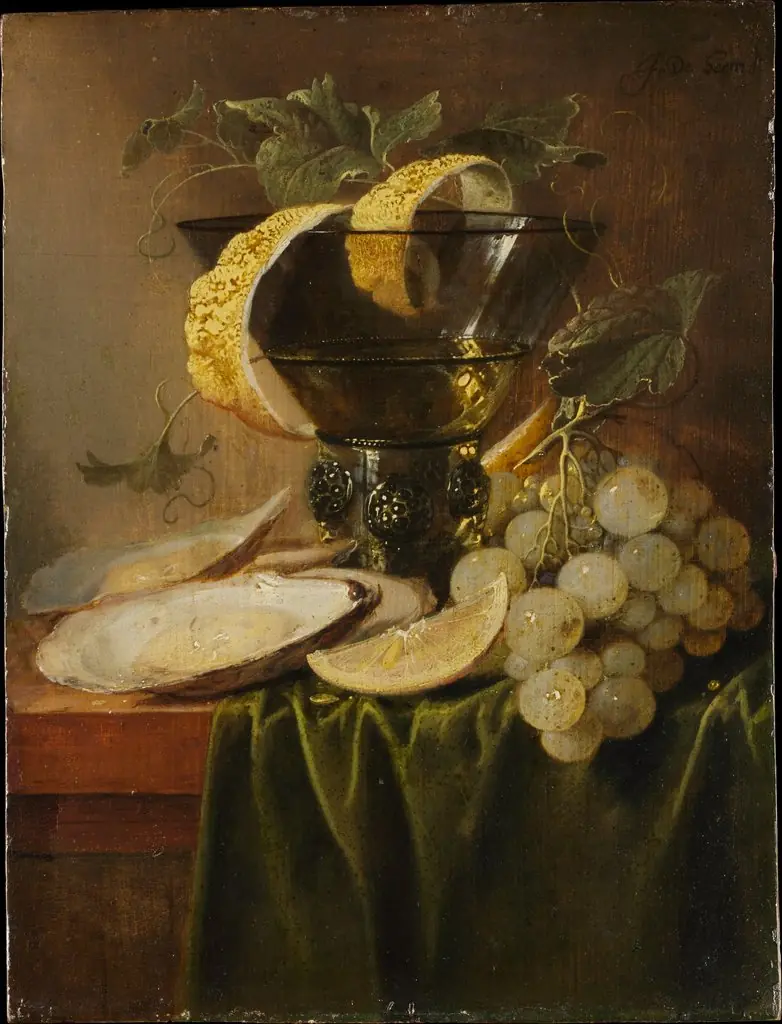
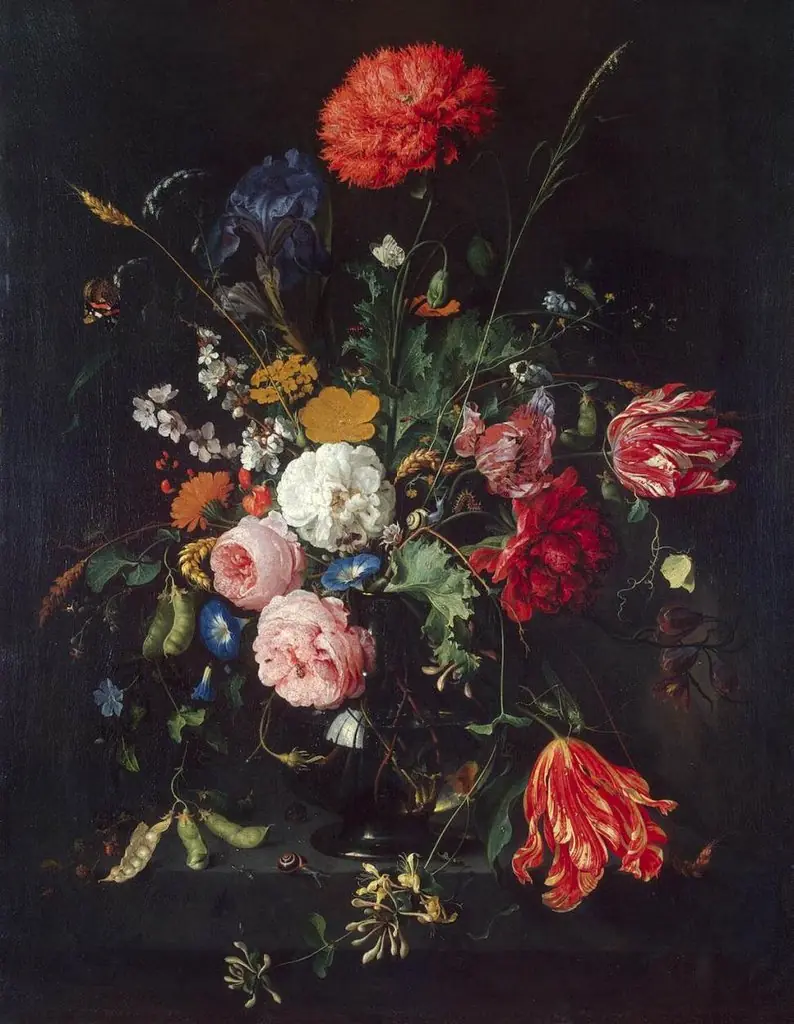
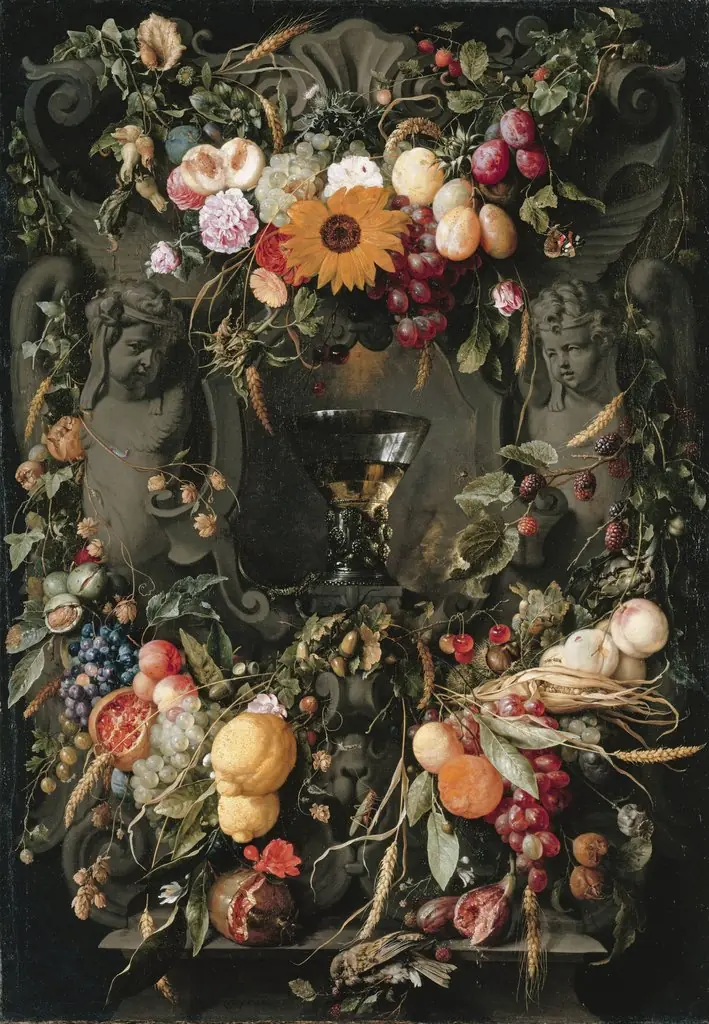
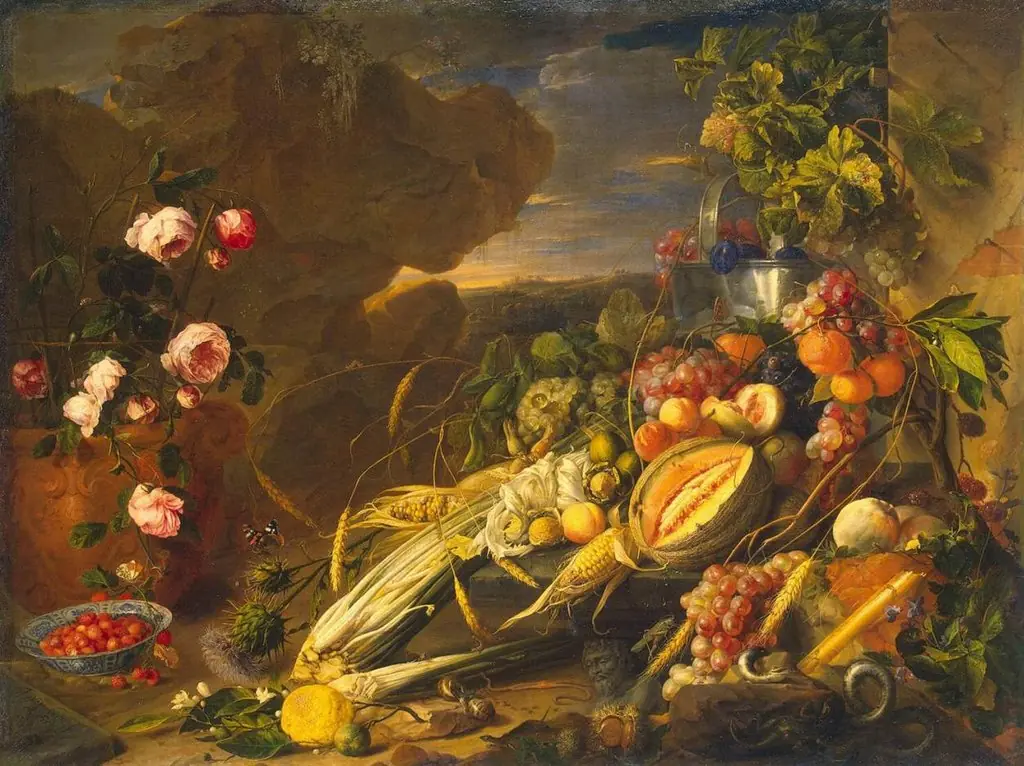
- Stilleven met fruit
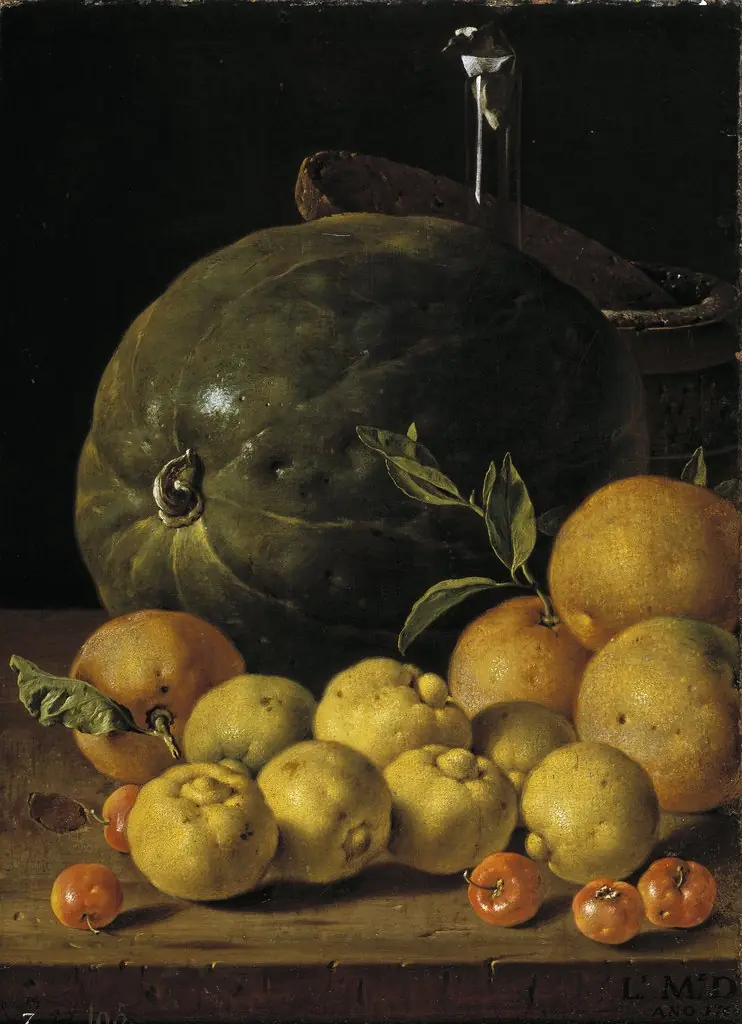 Still Life with Limes Oranges Haw Berries and Watermelon
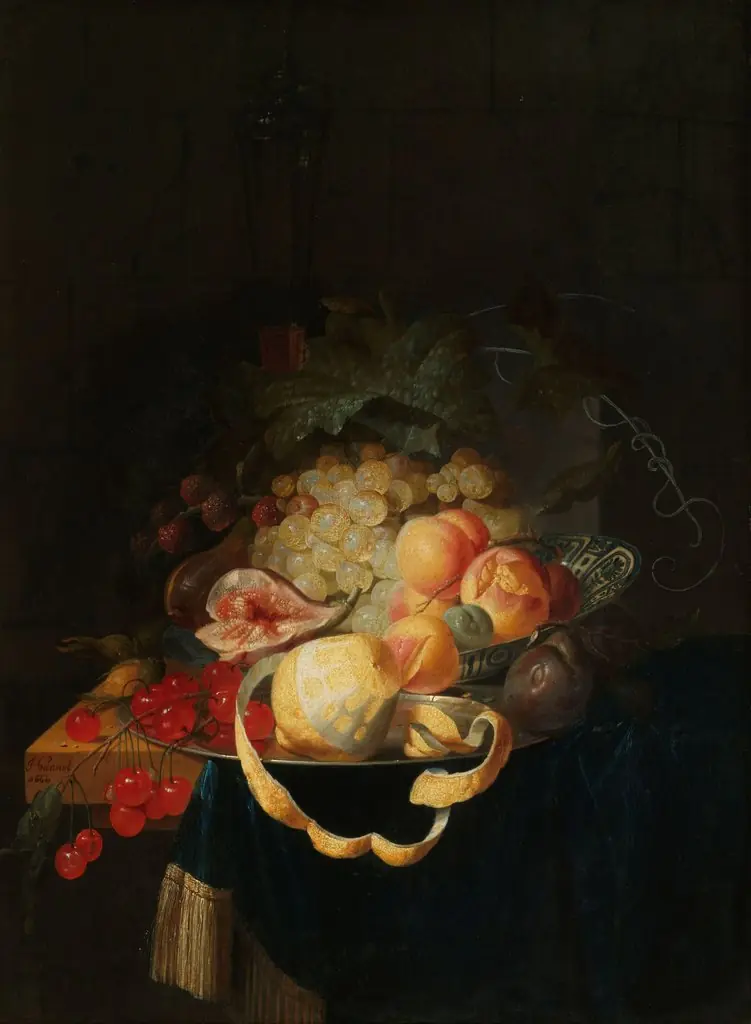 Still life with fruit
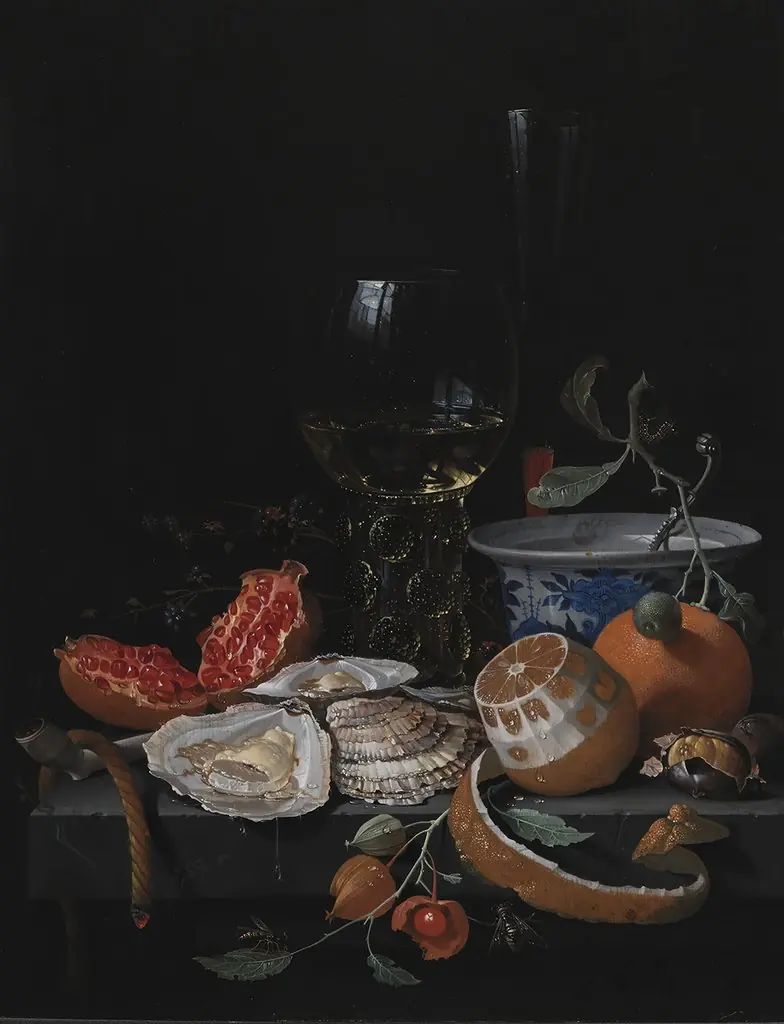 Oysters, Fruit and a Wineglass on a Stone Table
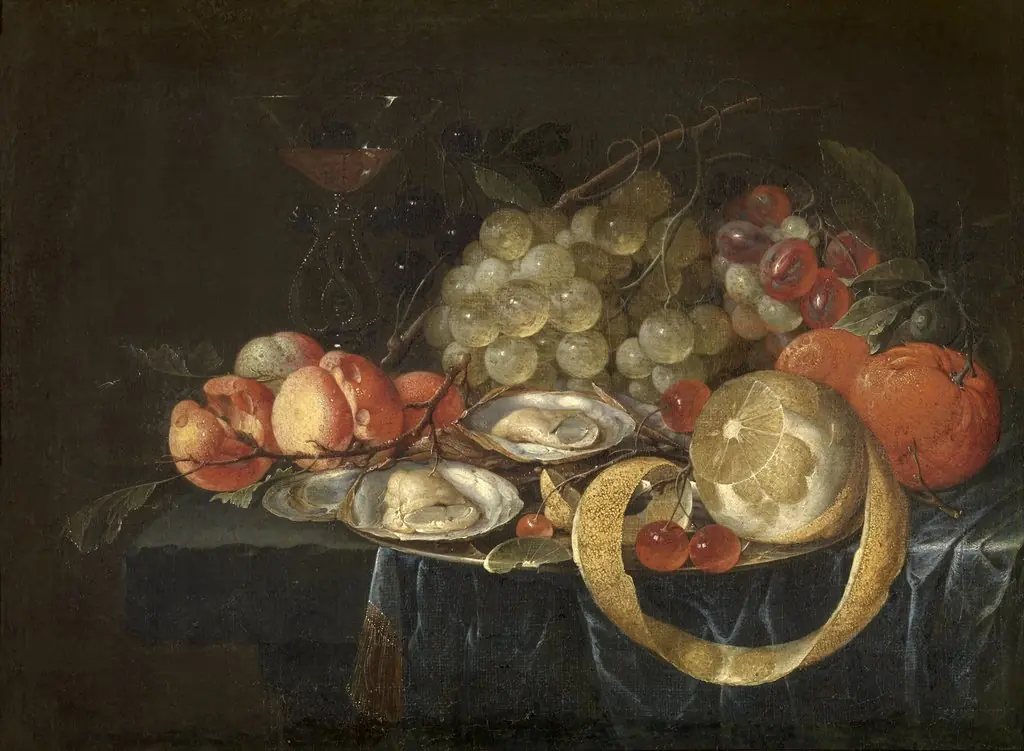 Still Life
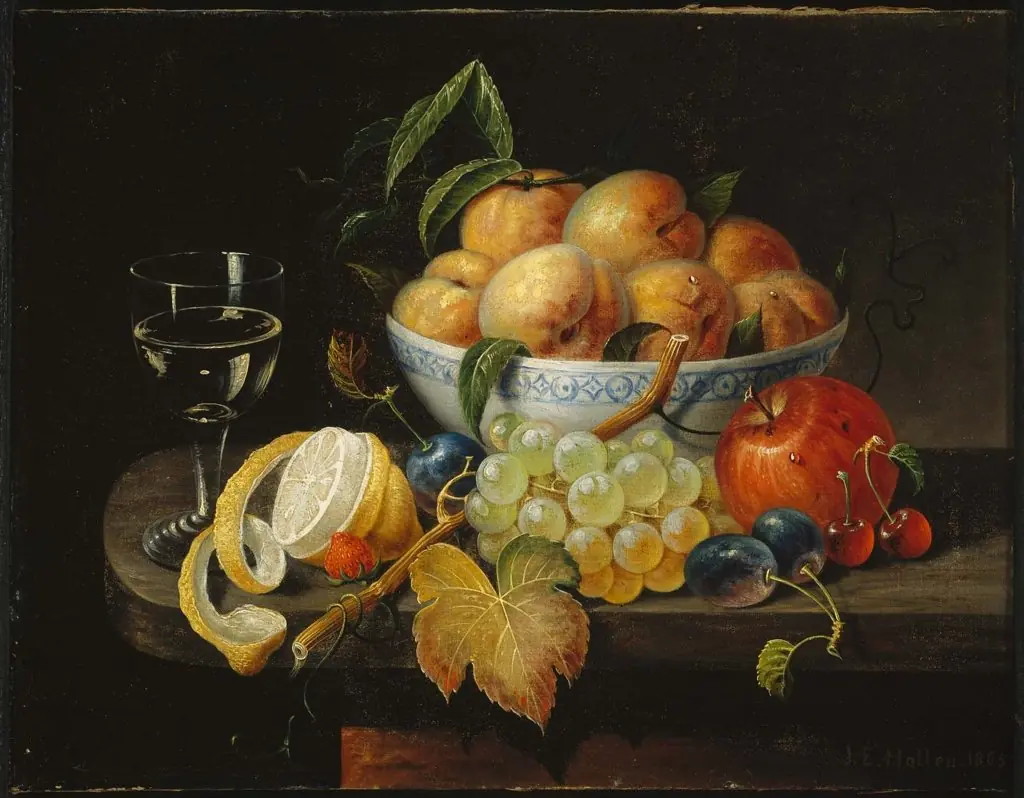 Still Life: Bowl with Fruit and Wine Glass
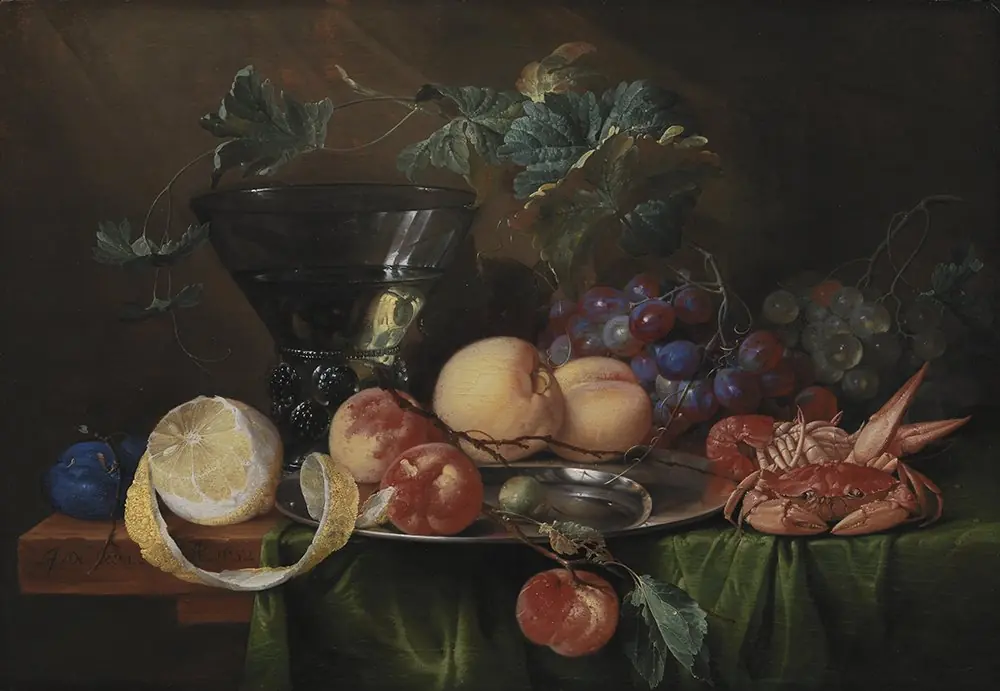 Still Life with a Roemer
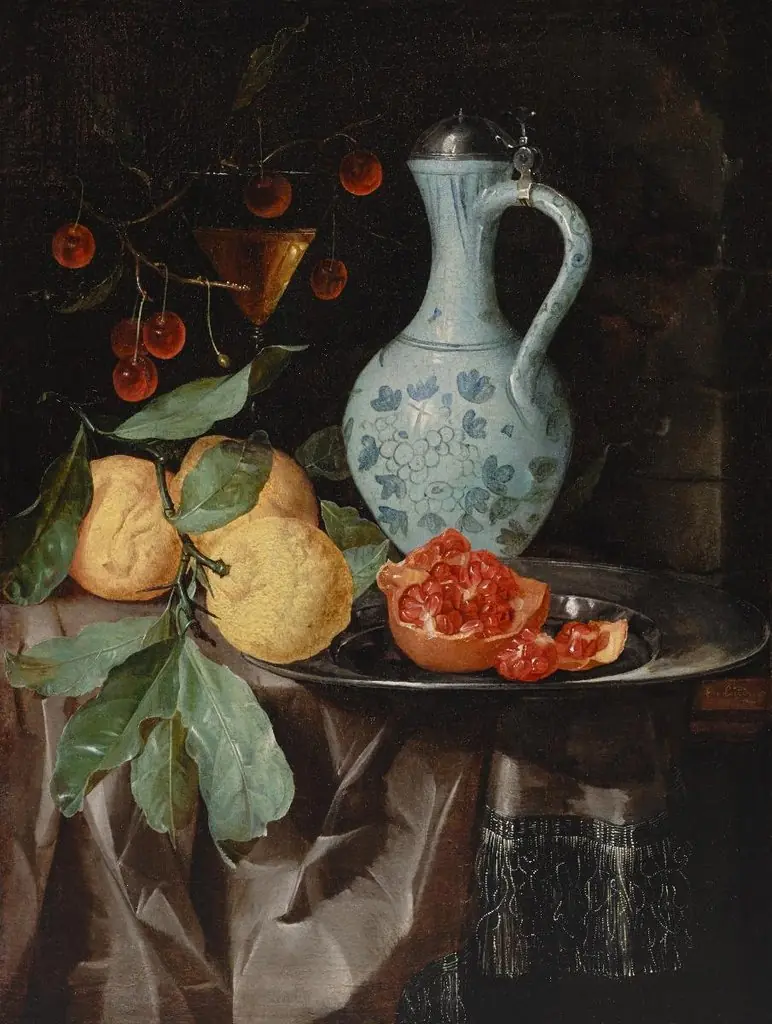 Stillleben mit Porzellankanne und Früchten
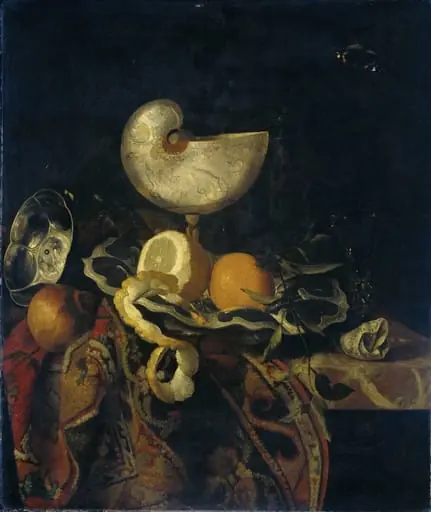 Still Life with Nautilus Cup
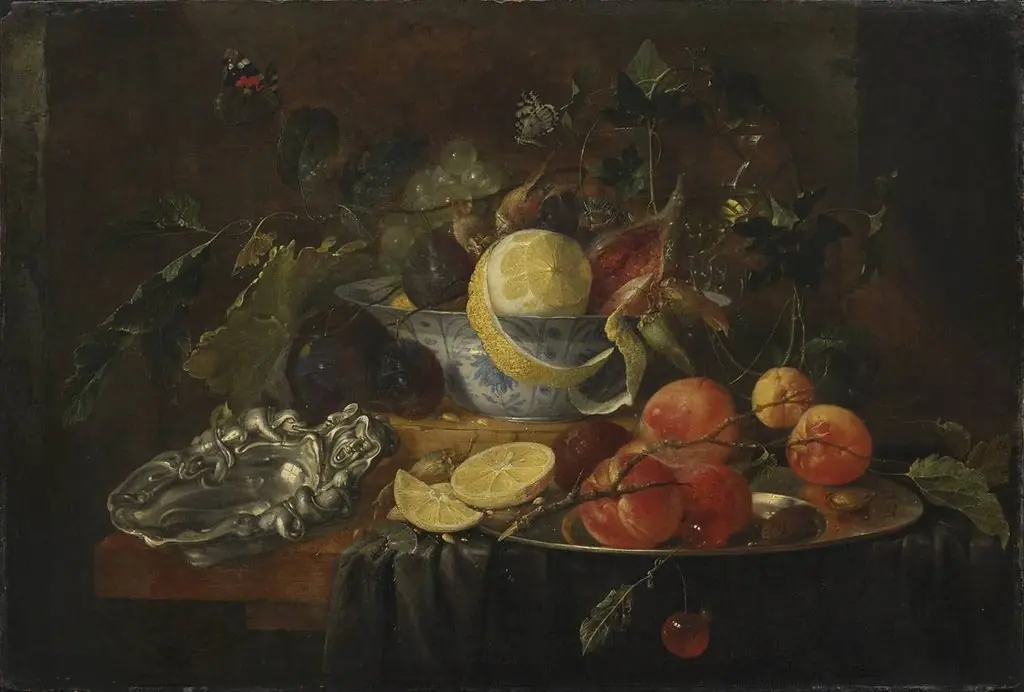 Stillleben mit Früchten und Silberschale
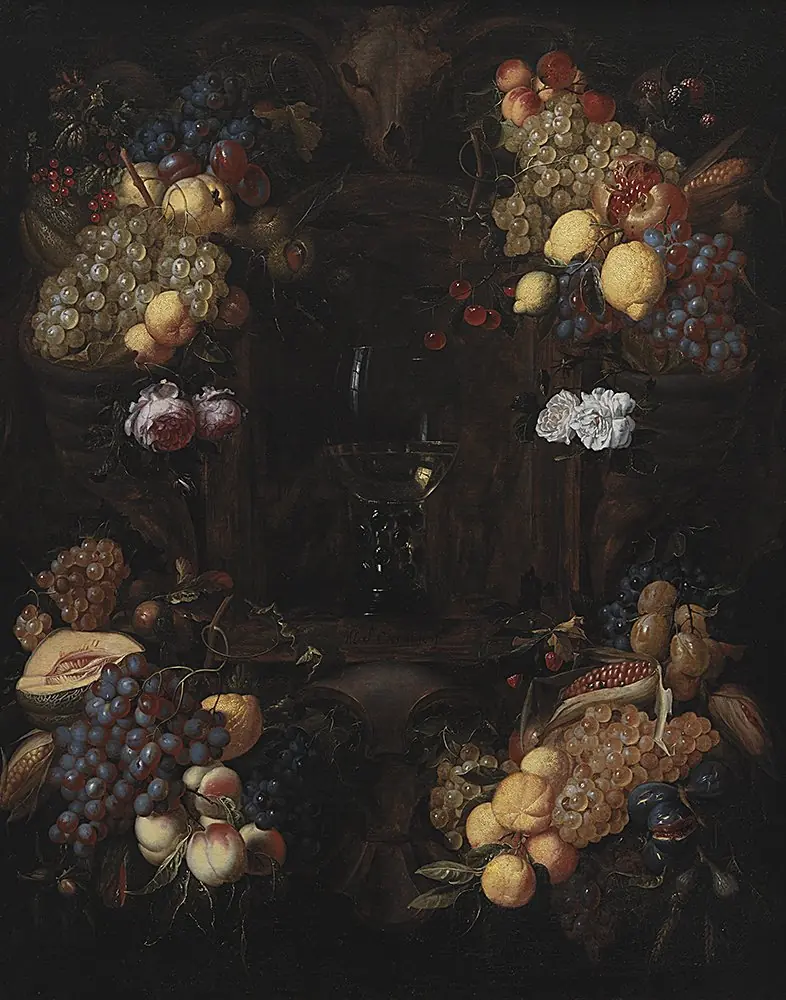 Cartouche with Garlands of Fruit and a Wine Glass
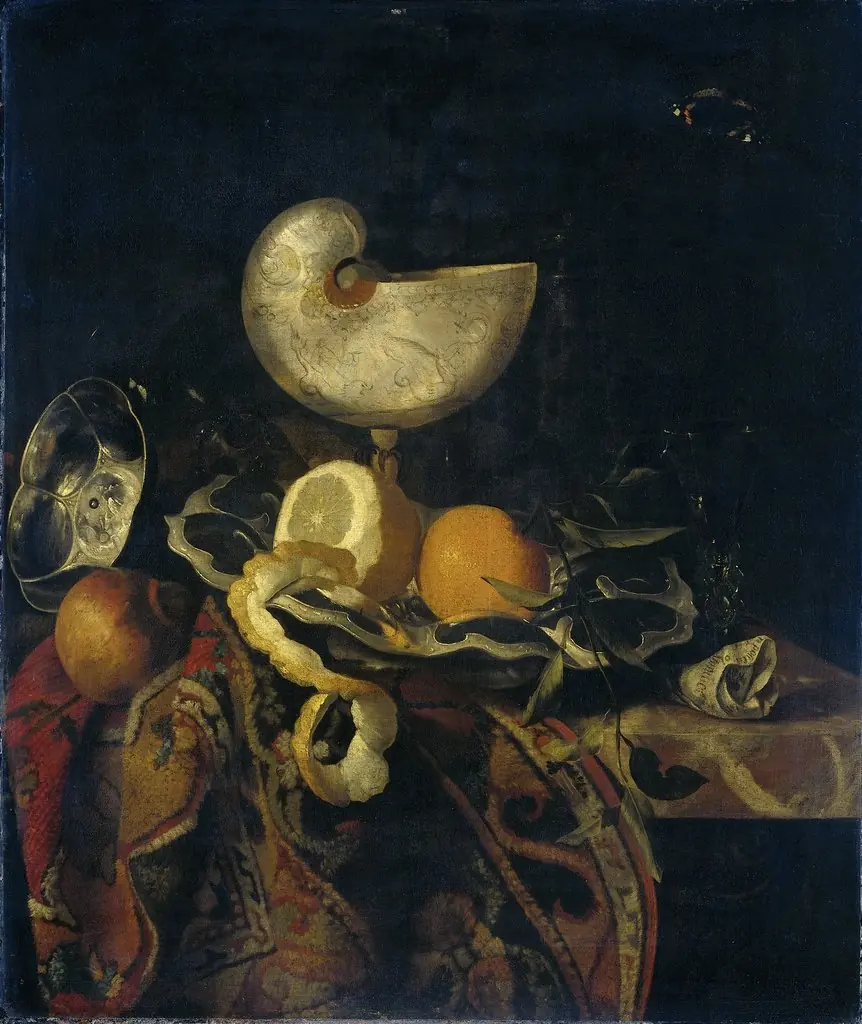 Still Life with Nautilus Cup