Artwork
The Fruit Pie
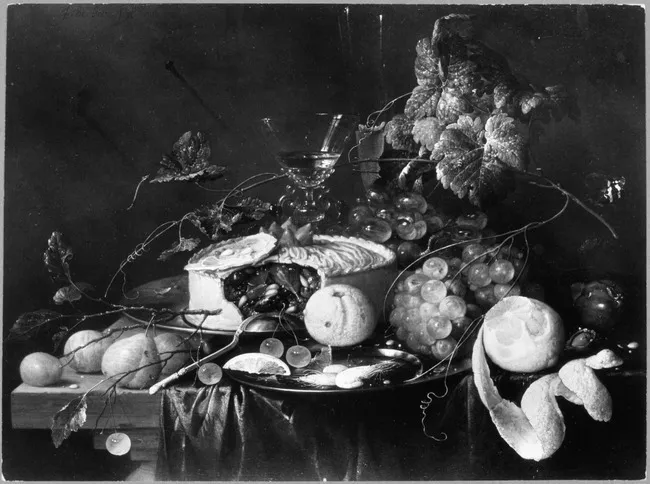
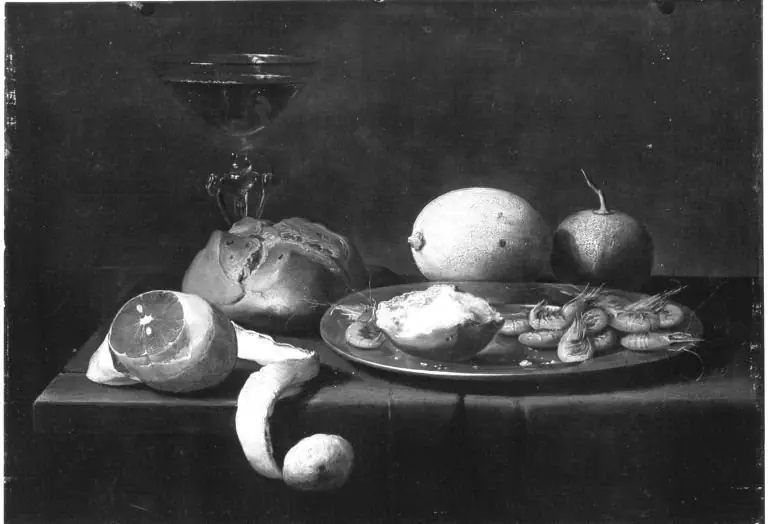
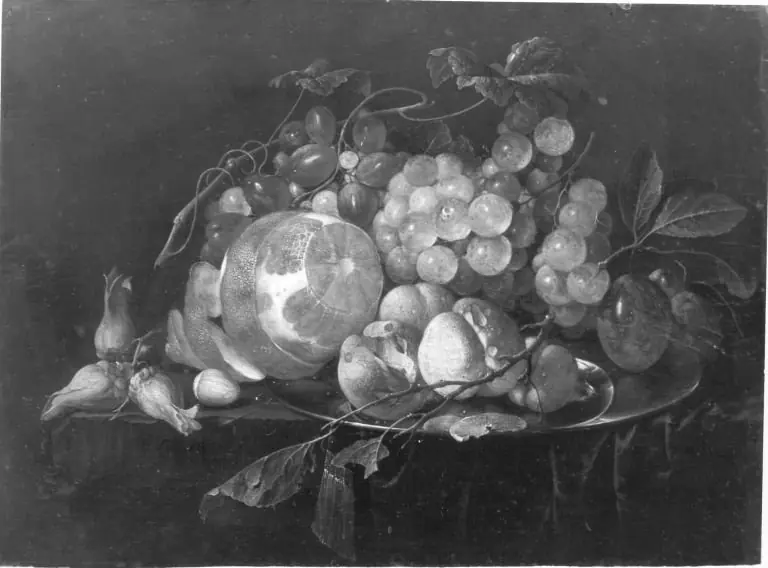
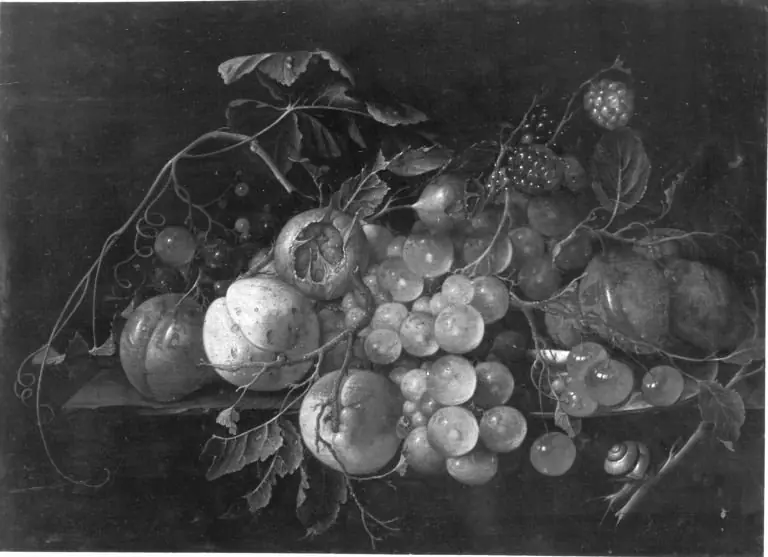
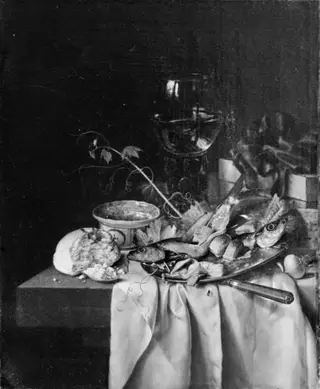
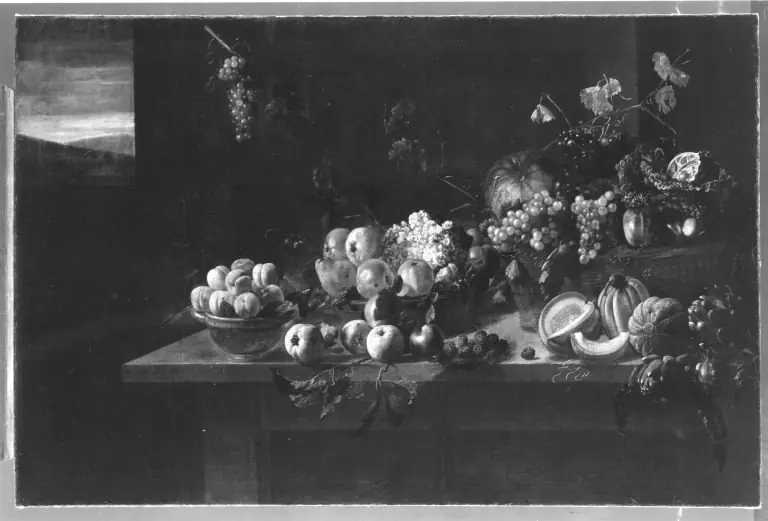
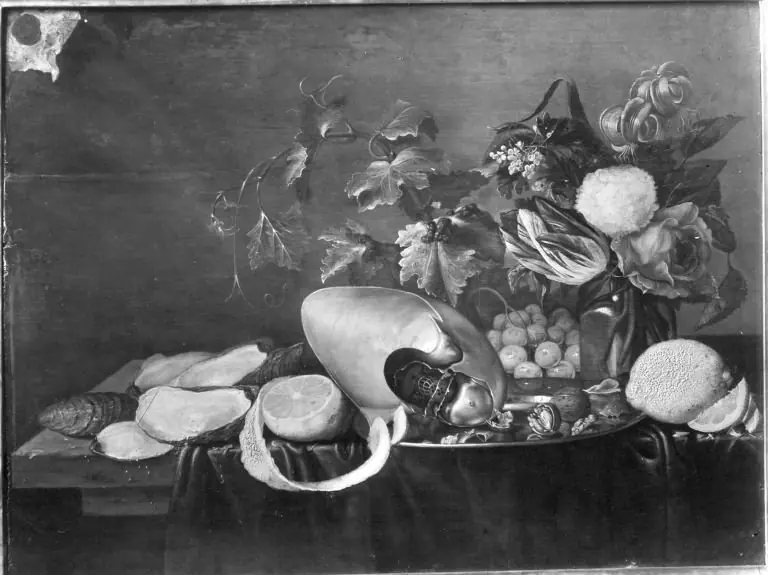
The Fruit Pie is an oil painting by the Dutch Golden Age artist Jan Davidsz. de Heem. It dates from 1651 and is held in the collection of the Richard Green Fine Paintings. Jan Davidsz.
About this work
Subject & Meaning
The composition exemplifies the genre’s focus on edible abundance, presenting the pie and its fruit as the primary subject.
The Fruit Pie (1651) by Jan Davidsz. de Heem is a Dutch still‑life canvas that centers on a freshly baked pie surrounded by assorted fruit. The composition exemplifies the genre’s focus on edible abundance, presenting the pie and its fruit as the primary subject. Executed in oil on canvas, the work measures 43 × 57.2 cm and was originally owned by collector Charles Sedelmeyer, later entering the Charles Sedelmeyer collection, Richard Green Fine Paintings, and the National Gallery of Art in Washington, D.C. As a product of the mid‑17th‑century Dutch painting market, the painting reflects contemporary interest in domestic prosperity and the transitory nature of material pleasures.
Technique & Style
The Fruit Pie is executed in oil paint on canvas, a standard support for seventeenth-century Dutch still life painting. The work is relatively modest in scale, measuring 43 cm in height by 57.2 cm in width. Jan Davidsz. de Heem's handling of the medium is suited to the still life genre, in which the depiction of a pie and fruit demands careful attention to surface texture, translucency, and the rendering of varied organic matter.
The oil medium allows for the layered glazes and fine detail characteristic of the artist's approach to such subjects. No information regarding the painting's current condition or specific stylistic classification beyond its genre identification as a still life is available from the provided sources.
History & Provenance
The Fruit Pie was created by Jan Davidsz. de Heem in 1651, executed in oil paint on canvas as a still life depicting a pie and fruit. The work subsequently entered the collection of the art dealer Charles Sedelmeyer, who is recorded as an owner. From there, the painting passed through Richard Green Fine Paintings before being acquired by the National Gallery of Art in Washington, D.C., where it is now held.
The documented ownership chain therefore traces from the artist's studio in 1651 through the Sedelmeyer collection, the Richard Green gallery, and ultimately the National Gallery of Art.
As of its most recent documented ownership, The Fruit Pie (1651) by Jan Davidsz. de Heem is held in the collection of the National Gallery of Art in Washington, D.C. The work’s accession details remain unconfirmed in the available sources, though it was previously part of the Charles Sedelmeyer collection and later passed through the hands of Richard Green Fine Paintings. No specific exhibitions featuring the painting are recorded in the provided documentation.
Overview
Jan Davidsz. de Heem, a prominent Dutch artist of the 17th century, completed The Fruit Pie in 1651. This oil painting exemplifies the still life genre, for which de Heem was highly regarded. It presents a meticulously composed arrangement of various foodstuffs and objects, reflecting the artistic trends of the Dutch Golden Age. The work is now part of the collection at the National Gallery of Art in Washington.
Context
The Fruit Pie was created during the Dutch Golden Age, a period in the Netherlands marked by significant economic prosperity and a flourishing of the arts. Still life painting, in particular, gained immense popularity, appealing to a burgeoning merchant class. De Heem's detailed and luxurious depictions of food and objects resonated with the era's appreciation for material wealth and artistic skill.
Artist & collection
Artist
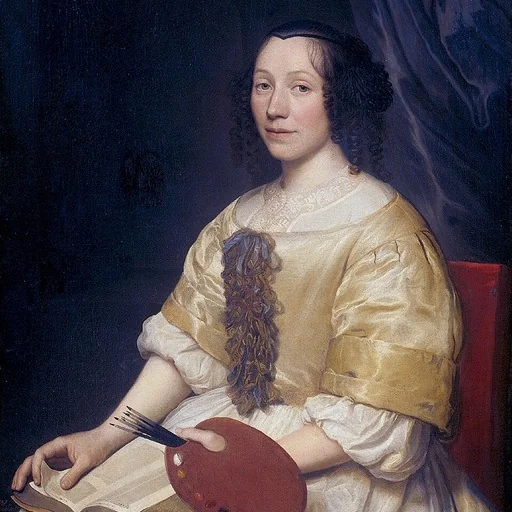
Maria van Oosterwijck (1630–1693), also spelled Oosterwyck, was a Dutch Golden Age painter, specialising in richly detailed flower paintings and other still lifes.