Artwork
Flower still-life with a skull and crucifix
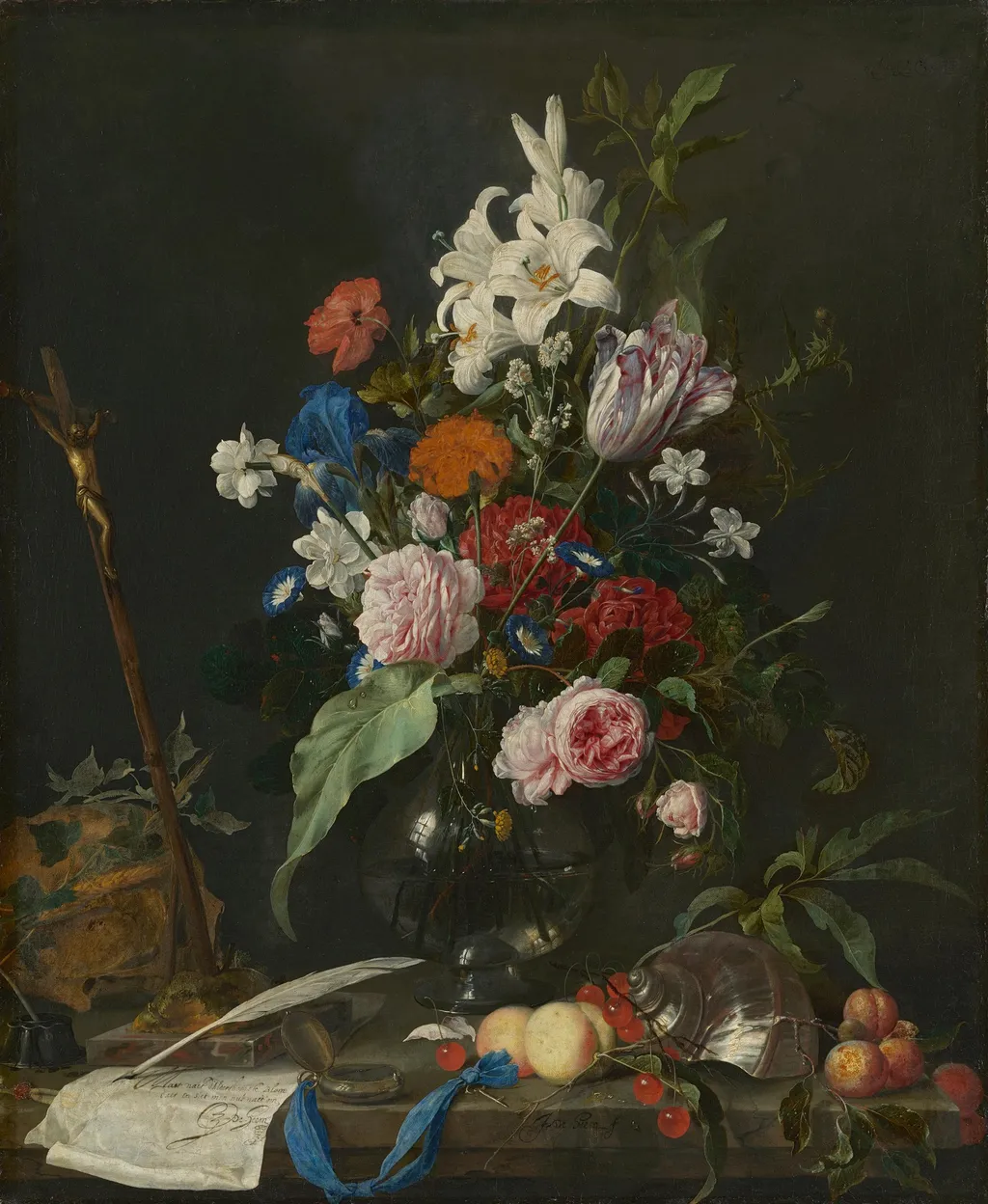
Flower still-life with a skull and crucifix is an oil painting by the Dutch Golden Age artist Jan Davidsz. de Heem. It dates from 1630 and is held in the collection of the Bavarian State Painting Collections. Jan Davidsz.
About this work
Subject & Meaning
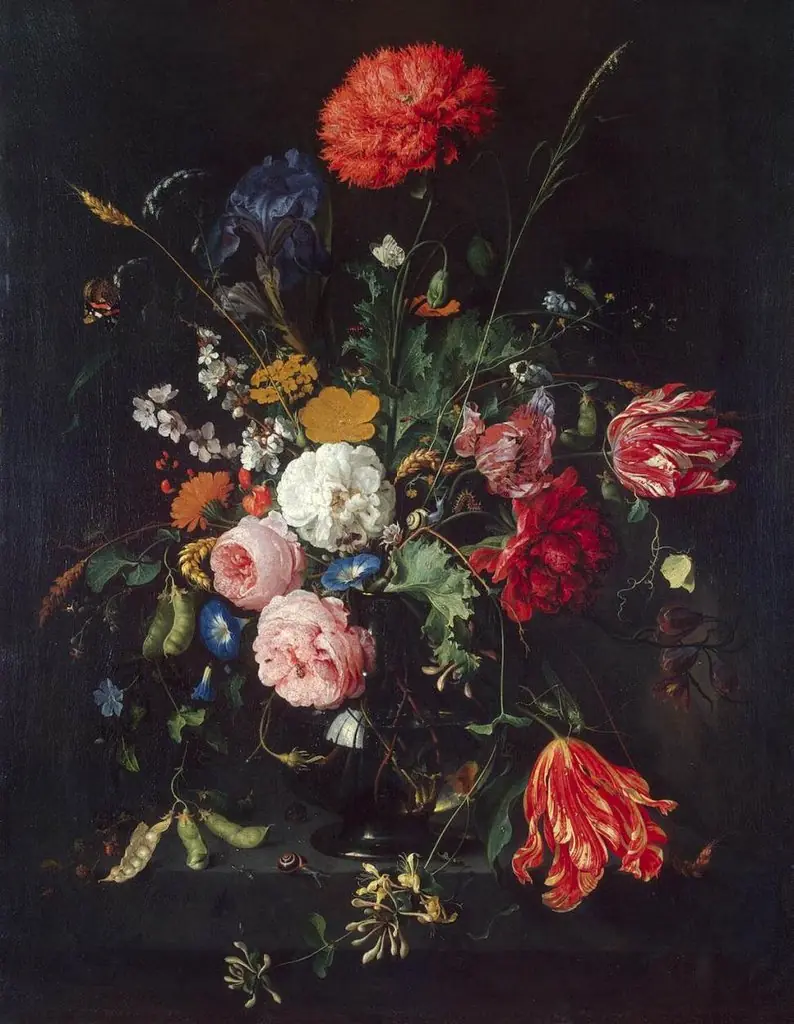
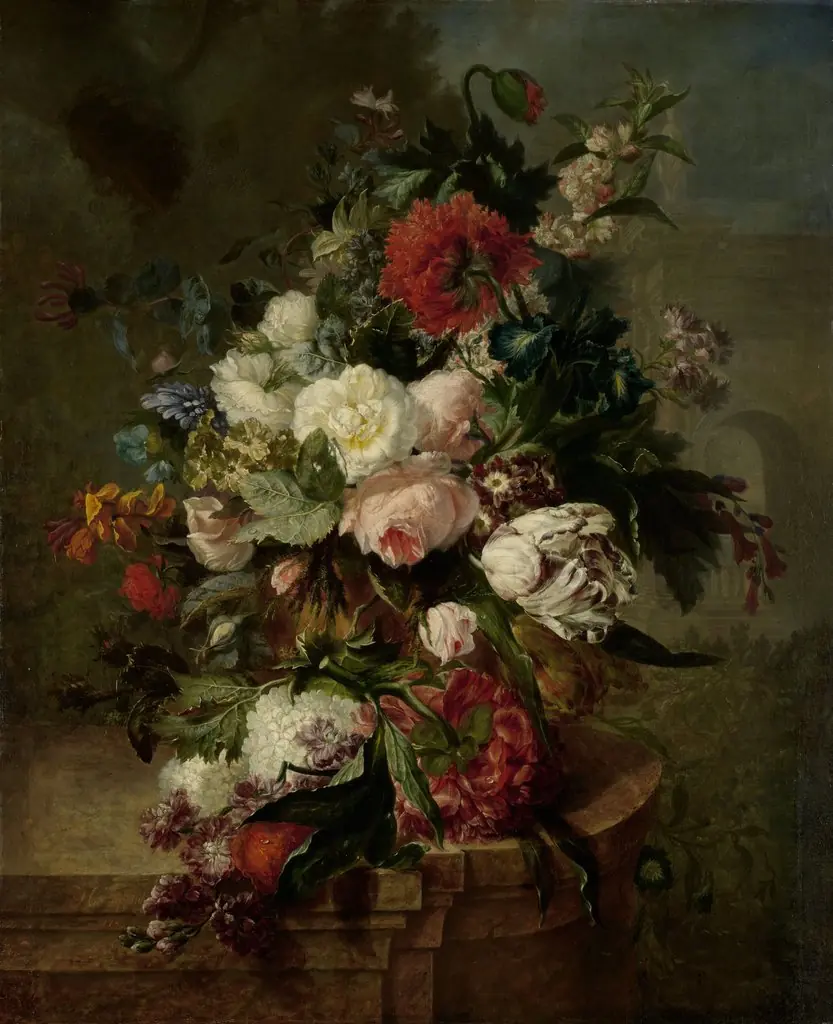
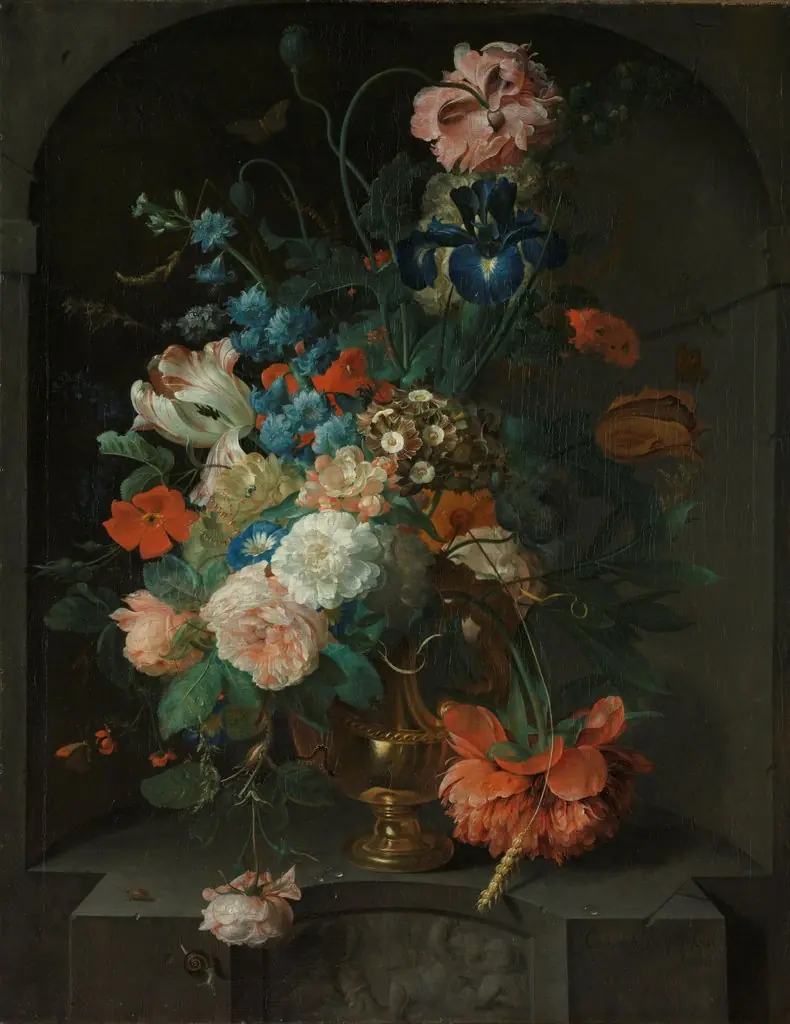
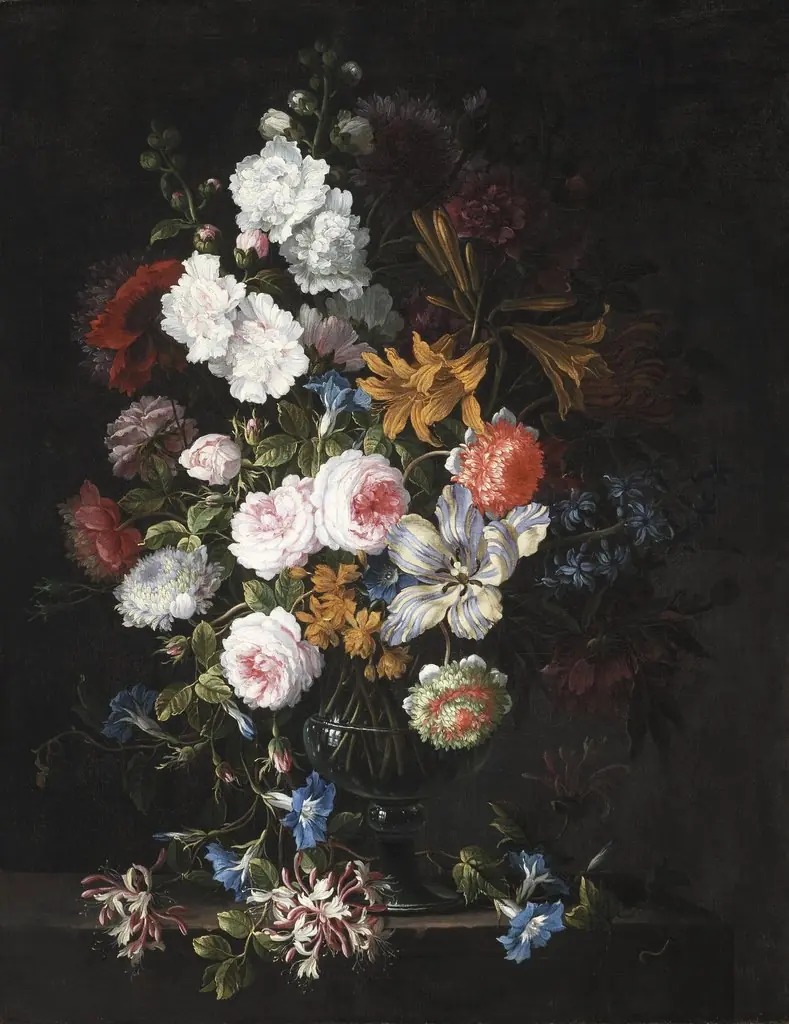
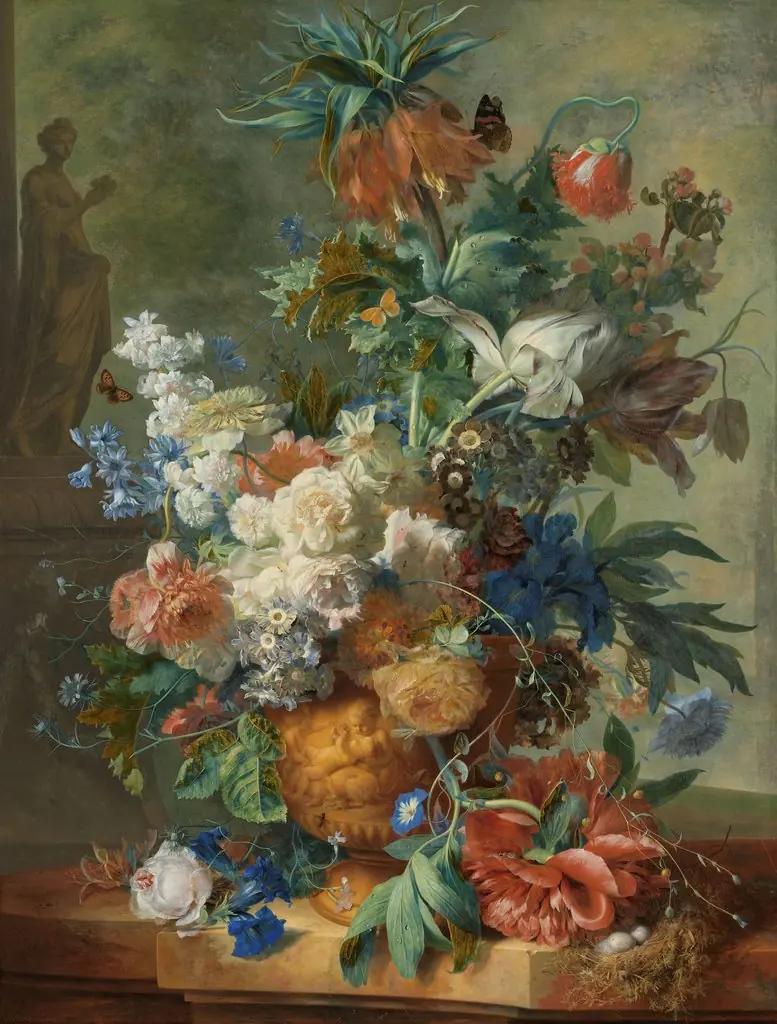
A bouquet of flowers, including roses, tulips, and lilies, dominates the composition, their beauty and fragility signaling the brevity of earthly pleasures.
The painting belongs to the vanitas genre, a tradition that uses symbolic objects to meditate on the transience of life. A bouquet of flowers, including roses, tulips, and lilies, dominates the composition, their beauty and fragility signaling the brevity of earthly pleasures. Among the blooms are inserted a quill and a pocket watch, both emblems of time's relentless passage and the futility of human pursuits once death arrives.
The human skull and the crucifix form the moral core of the imagery: the skull is an explicit memento mori reminding the viewer of mortality, while the crucifix introduces a Christian framework of redemption, suggesting that faith offers the only lasting answer to the decay represented by the surrounding objects. Together, these elements transform a floral display into a meditation on death, the vanity of worldly beauty, and the hope of spiritual salvation.
Technique & Style
The painting is executed in oil, a standard medium for Dutch still-life works of the period.
Technically, de Heem employs a layered handling to render the luminous petals and translucent glass, while more opaque passages anchor darker elements such as the skull and crucifix. The bouquet’s varied textures, silky tulip petals, velvety roses, and the reflective watch, are articulated through fine brushwork, and the overall composition balances dense, naturalistic detail with a controlled arrangement.
Stylistically, the work exemplifies seventeenth-century Dutch vanitas still life, merging naturalistic observation with allegorical intent.
History & Provenance
Flower still-life with a skull and crucifix is dated to 1630 and executed in oil. The work is attributed to Jan Davidsz. de Heem. It is currently held within the Bavarian State Painting Collections at the Alte Pinakothek in Munich.
While the specific commission details and the full chain of prior ownership are not detailed in the available records, the work's inception is firmly established in the early 1630s.
Overview
Jan Davidsz. de Heem’s Flower still-life with a skull and crucifix, created in 1630, is an oil painting from the Dutch Golden Age. This work exemplifies the period's detailed still-life tradition, featuring a lavish floral arrangement alongside symbolic elements. De Heem, known for his intricate compositions, was a leading artist in this genre. The painting is part of the collection at the Alte Pinakothek.
Context
Jan Davidsz. de Heem belonged to a generation of Dutch artists who specialized in still-life painting during the 17th century. These artists developed complex arrangements that often combined opulent displays of natural objects with deeper symbolic meanings. This work reflects the era's appreciation for both detailed observation of the natural world and the integration of moral or philosophical narratives within the genre.
Own this work as a print
Artist & collection
Artist
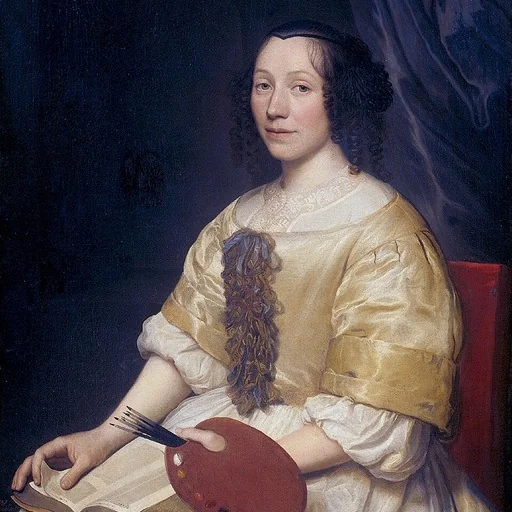
Maria van Oosterwijck (1630–1693), also spelled Oosterwyck, was a Dutch Golden Age painter, specialising in richly detailed flower paintings and other still lifes.