Artwork
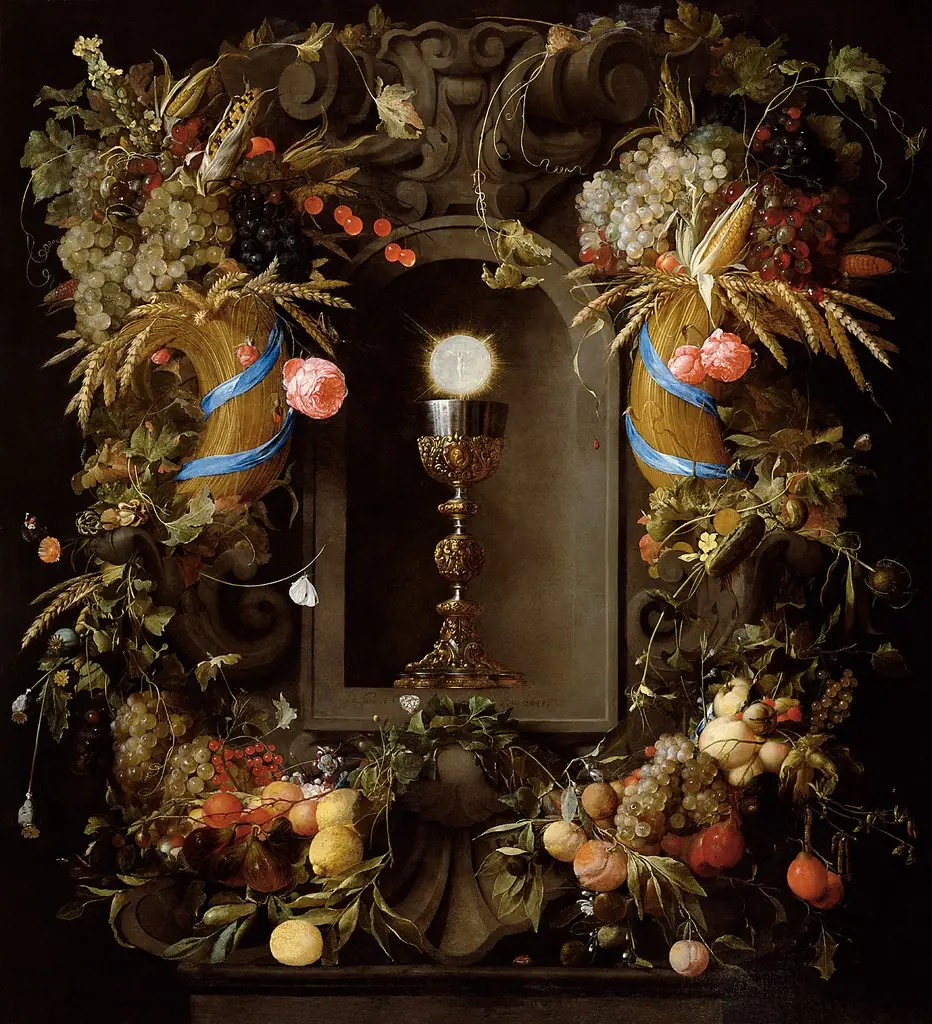
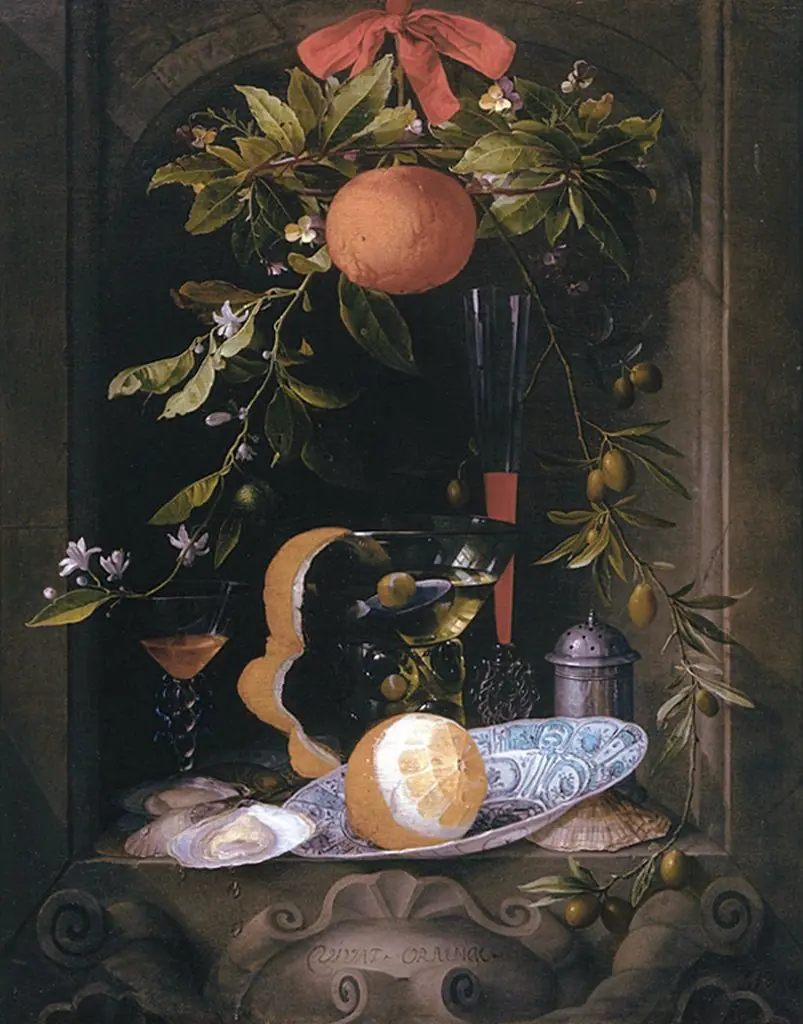
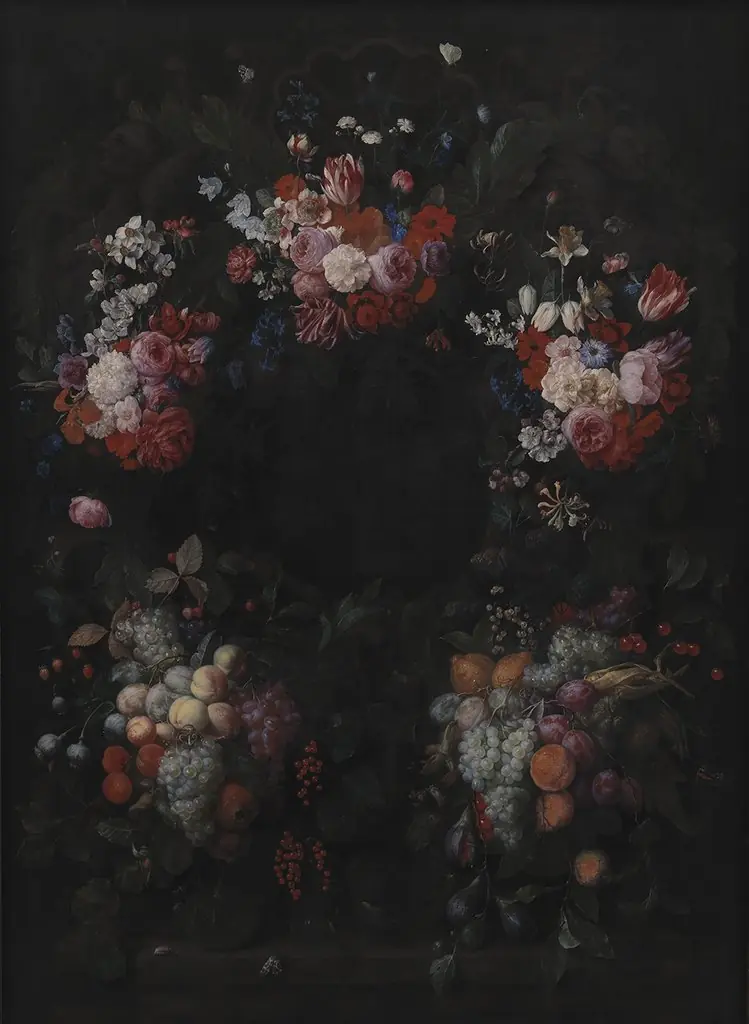
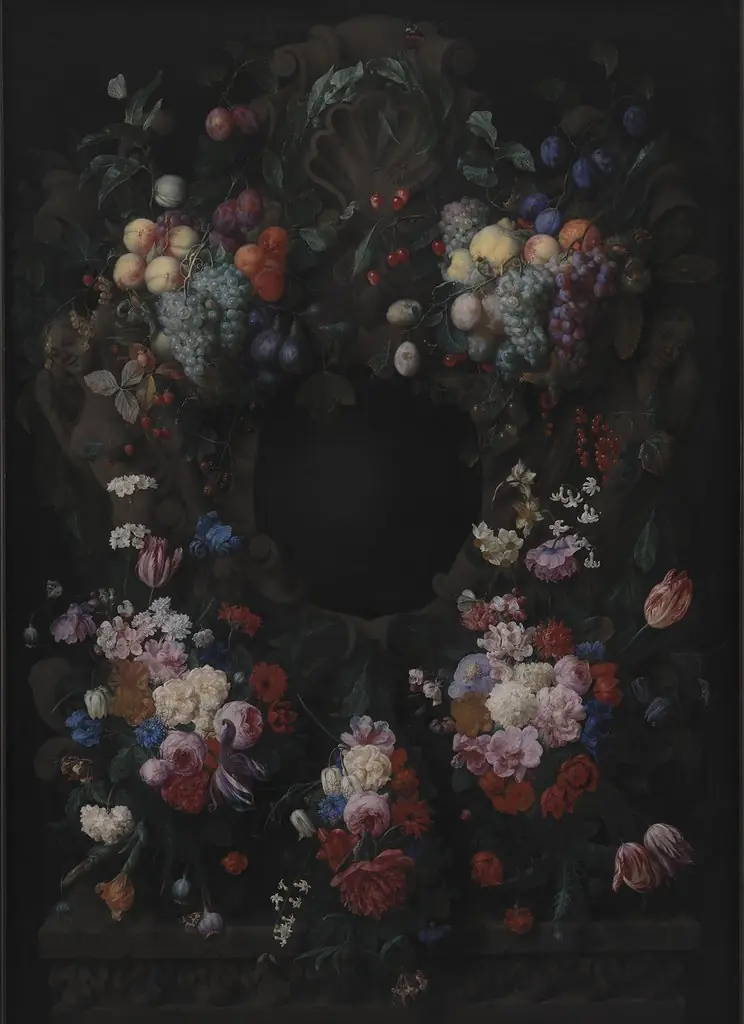
Cartouche with fruit and flowers and wine glass
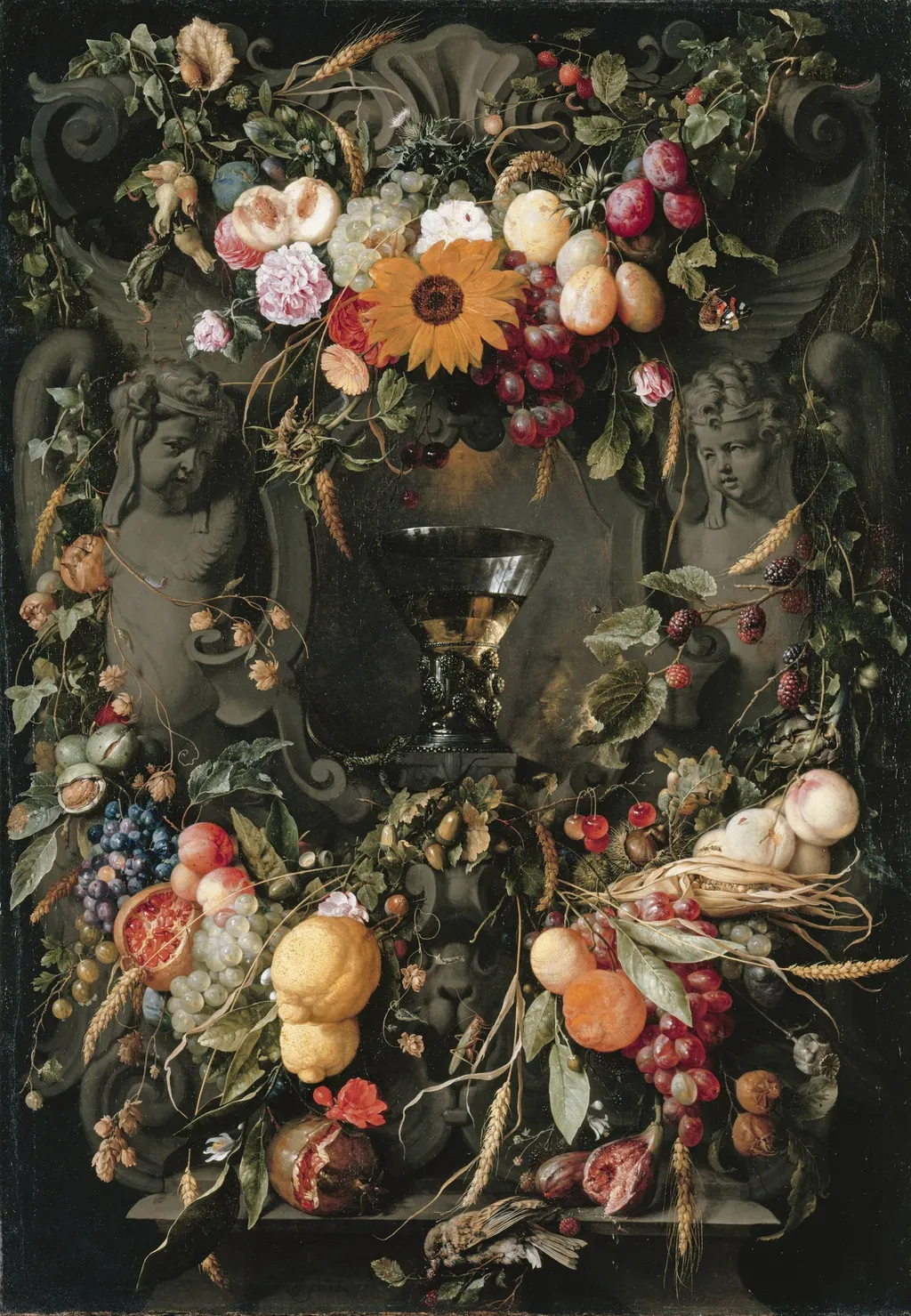
Cartouche with fruit and flowers and wine glass is an oil painting by the Dutch Golden Age artist Jan Davidsz. de Heem. It dates from 1680 and is held in the collection of the Gemäldegalerie Berlin. Jan Davidsz.
About this work
Subject & Meaning
The depicted elements include a putto, roses, a pomegranate, a peach, wheat, an orange, a common sunflower, and a garland, all rendered in oil on panel.
The painting is a floral still life organized within a cartouche, a decorative frame-like device, and incorporates a wine glass among its motifs. The depicted elements include a putto, roses, a pomegranate, a peach, wheat, an orange, a common sunflower, and a garland, all rendered in oil on panel.
In the iconographic tradition of Dutch and Flemish floral painting, such combinations carry layered meanings. The fruits, flowers, and grains evoke the abundance and transience of nature, while the wine glass and putto introduce themes of pleasure and abundance drawn from classical and Baroque visual vocabulary. The cartouche framing device transforms the still life into a decorative emblem, blending naturalistic observation with ornamental design.
Technique & Style
Executed in oil on panel in 1651, the work is characterized by meticulous handling typical of De Heem’s mature still-life practice.
The composition deploys a shallow, planar arrangement where fruits, flowers, and a glass vessel are rendered with heightened realism and luminous color. Brushwork is refined yet varied: dense glazes articulate translucent petals and reflective glass, while delicate highlights model textures of peach skin and pomegranate seeds. A cartouche frame encloses the scene, and a garland of roses and sunflowers curves across the upper register, lending rhythmic movement.
The palette favors warm ochres and deep crimsons, punctuated by the cool transparency of the wine glass and the pale gold of wheat stalks, producing a harmonious balance between opulence and restraint.
History & Provenance
Jan Davidsz. de Heem created the oil-on-panel painting Cartouche with fruit and flowers and wine glass in 1651. The work, which depicts a floral cartouche alongside a wine glass, pomegranate, peach, and other fruits, was originally owned by the Amsterdam merchant Jan Gildemeester. It later entered the collection of Joseph Fesch, the cardinal and art collector. The painting is currently held by the Gemäldegalerie in Berlin.
While the primary creation date is recorded as 1651, some records also associate the work with the year 1680, suggesting possible confusion or a later attribution in historical documentation. The piece remains a significant example of Dutch floral still life from the mid-seventeenth century.
The painting is held in the collection of the Gemäldegalerie in Berlin. Historical records indicate that the work was previously owned by Joseph Fesch and Jan Gildemeester before entering its current institutional home. The provided sources do not contain specific inventory numbers or details regarding the artwork's exhibition history.
Overview
Jan Davidsz. de Heem, a Dutch painter from the 17th century, completed Cartouche with fruit and flowers and wine glass in 1680. This oil painting presents a decorative cartouche, encircled by a vibrant garland of various fruits and blossoms, with a prominent wine glass centrally placed. The artwork is part of the collection at the Gemäldegalerie Berlin.
Context
Created during the Dutch Golden Age, this painting exemplifies the period's artistic trends. The 17th century in the Netherlands saw a significant rise in the popularity of highly detailed still lifes and genre scenes. De Heem's work contributes to this tradition, showcasing a meticulous attention to natural forms and a sophisticated compositional approach characteristic of the era.
Own this work as a print
Artist & collection
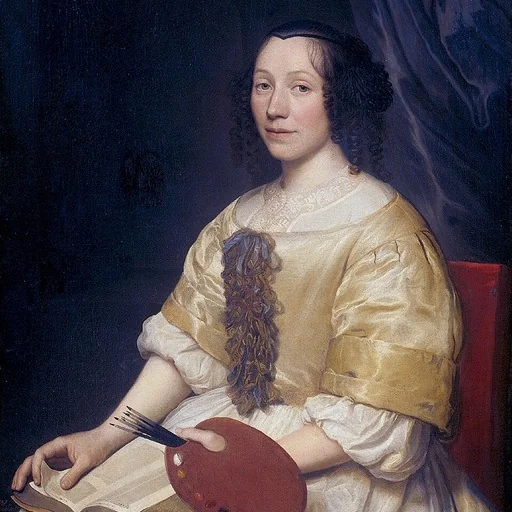
Artist
Maria van Oosterwijck (1630–1693), also spelled Oosterwyck, was a Dutch Golden Age painter, specialising in richly detailed flower paintings and other still lifes.