Artwork
Abraham Casteleyn and his Wife, Margarieta van Bancken
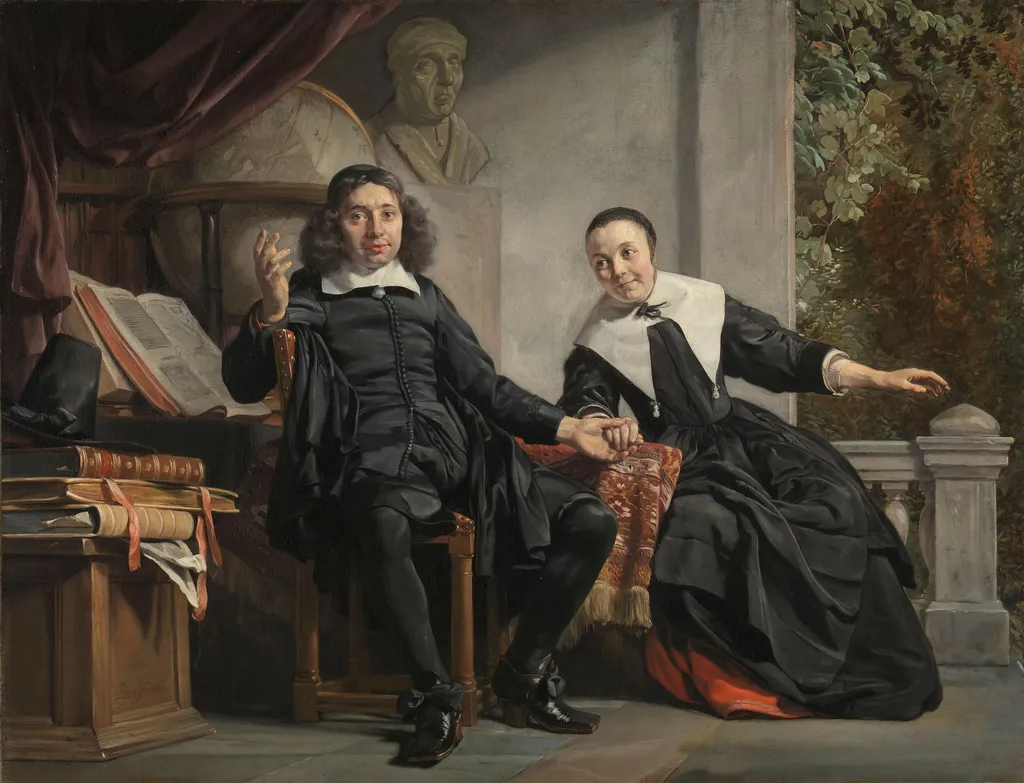
Abraham Casteleyn and his Wife, Margarieta van Bancken is an oil painting by the Dutch Golden Age artist Jan de Bray. It dates from 1663 and is held in the collection of the Rijksmuseum.
About this work
Subject & Meaning
Together these elements convey both domestic union and the couple’s commercial and cultural stature in the Dutch Golden Age.
The work shows Abraham Casteleyn standing beside his wife Margaretha van Bancken, a married couple identified in the painting by their joined hands and matching attire. A prominent globe rests on a table to the left, alluding to the family’s involvement in global trade and printing, while a bust of the scholar Laurens Jansz Coster above them references the Casteleyn printing firm and the intellectual climate of Haarlem. The couple’s home, known as “In de Blije Druk,” was a centre for producing the city’s first newspaper, a fact recorded in archival drawings that confirmed the portrait’s identification.
Together these elements convey both domestic union and the couple’s commercial and cultural stature in the Dutch Golden Age.
Technique & Style
The painting, executed in oil on canvas in 1663 by Haarlem artist Jan de Bray, measures 83 × 106.5 cm and depicts the married couple Abraham Casteleyn and Margaretha van Bancken. Rendered in oil paint, the work exemplifies Dutch Golden Age portraiture through its careful handling of light, precise characterization, and modest realism. Symbolic details such as a globe are incorporated into the composition.
The canvas support and formal stylistic qualities reflect contemporary 17th‑century practices, and the piece has been part of the Rijksmuseum collection since its acquisition in 1939.
History & Provenance
The oil on canvas portrait of Abraham Casteleyn and Margaretha van Bancken was painted by Jan de Bray in Haarlem in 1663. It remained in the Casteleyn‑van Bancken family until 1834, after which it passed through private hands before entering the Rijksmuseum in 1939 as part of the Frans Ernst Blaauw bequest. Prior to its correct identification, the work was mistakenly thought to depict members of the Blaeu family; the error was resolved after a drawn self‑portrait of Casteleyn was found in the North Holland Archives.
The painting’s creation and early ownership are thus documented, while no explicit commission record is cited in the sources.
The painting has been held by the Rijksmuseum since its acquisition in 1939, when it entered the collection through the Frans Ernst Blaauw bequest. Before that, the work had remained with the Blaauw family since 1834. Its current location at the Rijksmuseum is confirmed by Wikidata records, which also document its physical dimensions and Haarlem origin. No prior exhibition history beyond the Blaauw family ownership is recorded in the available sources.
Context
Jan de Bray's 1663 double portrait of Abraham Casteleyn and Margaretha van Bancken stands as a significant example of Dutch Golden Age portraiture, currently held by the Rijksmuseum. The work's art-historical identity was long obscured; following its 1939 acquisition from the Frans Ernst Blaauw bequest, scholars initially misidentified the sitters as the Blaeu family, first Joan Blaeu and later his son Willem II, based on the presence of a globe. Correct attribution to the Casteleyn printing couple was achieved only after the discovery of a drawn self-portrait by Casteleyn in the North Holland Archives.
This correction clarified the painting's connection to Haarlem's civic life, as the subjects operated the "In de Blije Druck" printing house and produced the city's first newspaper. The prominent bust of Laurens Janszoon Coster further anchors the work within local Haarlem heritage, while the artist's familial link to the Casteleyn firm through his brother Dirck underscores the painting's specific social context.
Overview
Jan de Bray's 1663 oil painting, "Abraham Casteleyn and his Wife, Margarieta van Bancken," is a notable example of Dutch Golden Age portraiture. This double portrait, now housed in the Rijksmuseum, captures the prominent Haarlem printer and his spouse in a domestic setting, reflecting the era's focus on individual and family representation. The work is recognized for its detailed depiction and the historical significance of its subjects.
Own this work as a print
Artist & collection

Artist
Jan de Bray (c. 1627 – April 4, 1697) was a Dutch Golden Age painter. He lived and worked in Haarlem until the age of 60, when he went bankrupt and moved to Amsterdam. Jan de Bray was influenced by his father Salomon…

 Johan van Musschenbroek and His Wife
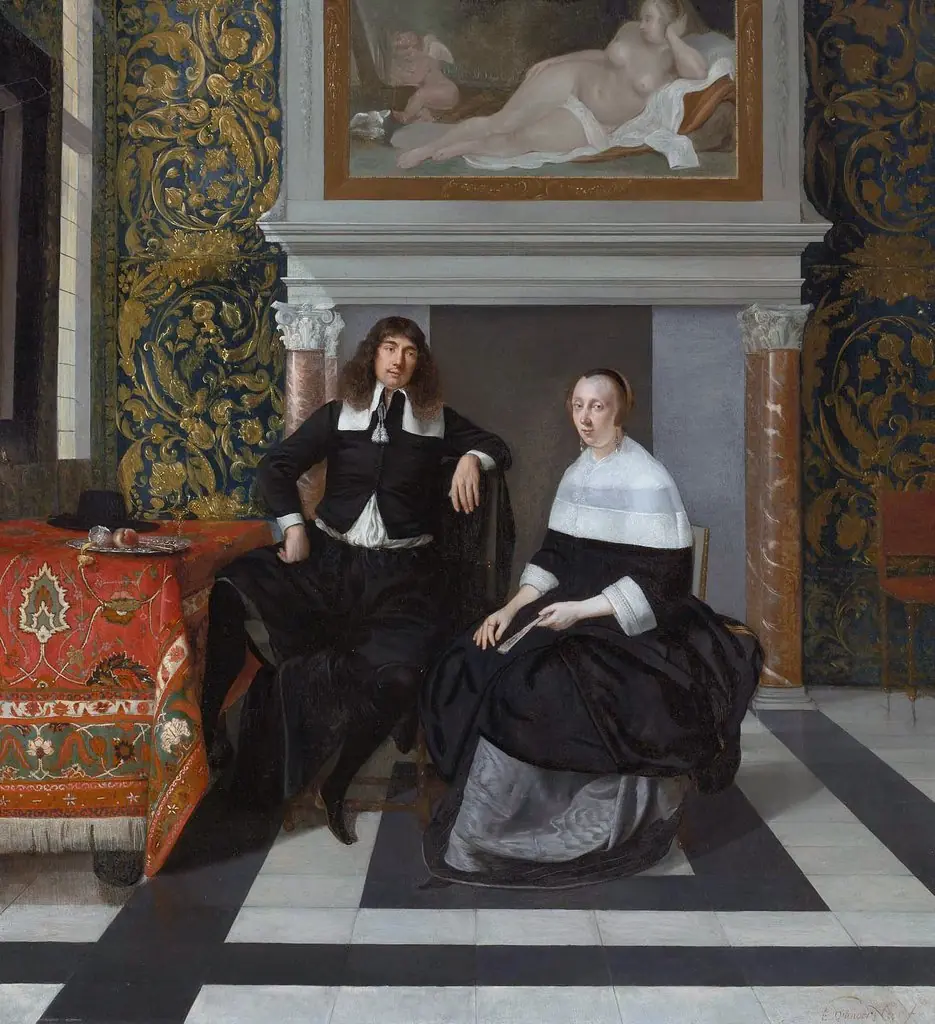 Portrait of a Man and Woman in an Interior
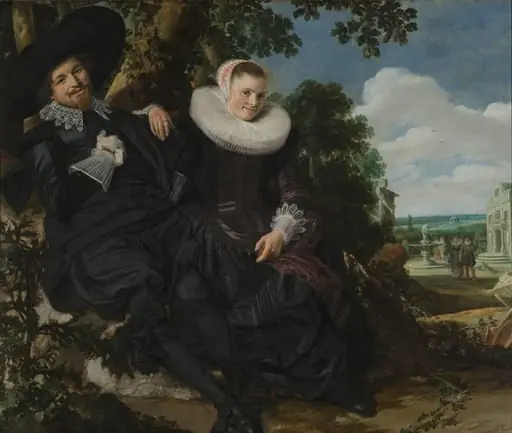 Portrait of a Couple, Probably Isaac Abrahamsz Massa and Beatrix van der Laen
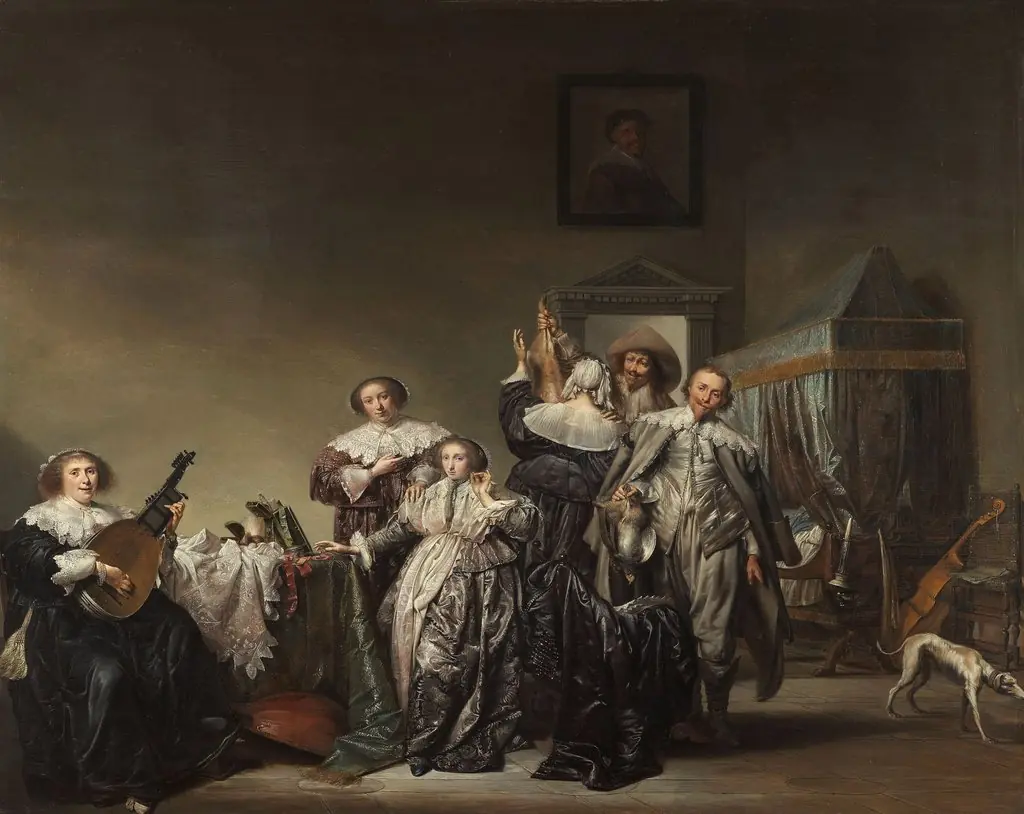 Gallant Company
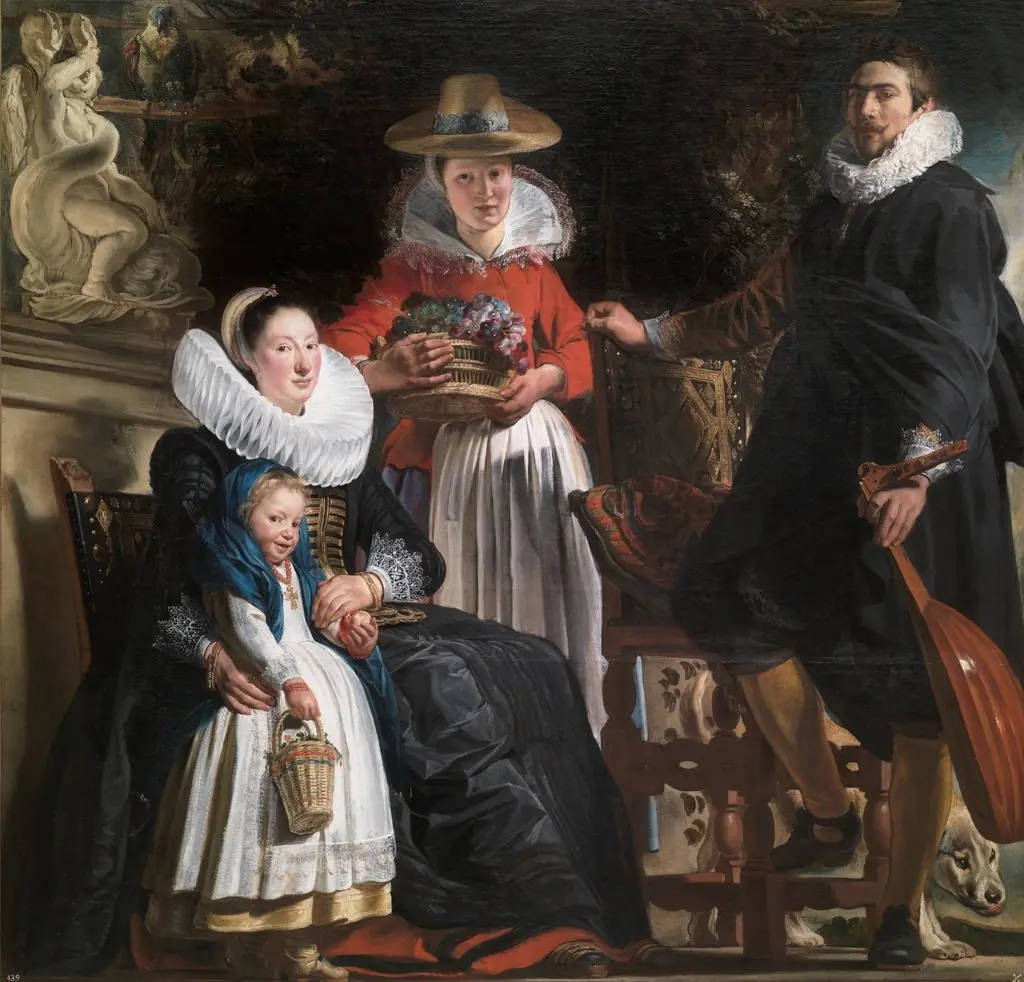 Portrait of the artist with his family
 A Seated Woman with a Letter, a Gentleman Standing by Her
 A young Woman Writing Music
 Distinguished Company in a Room
 Family Portrait