Artwork
Judith en Holofernes
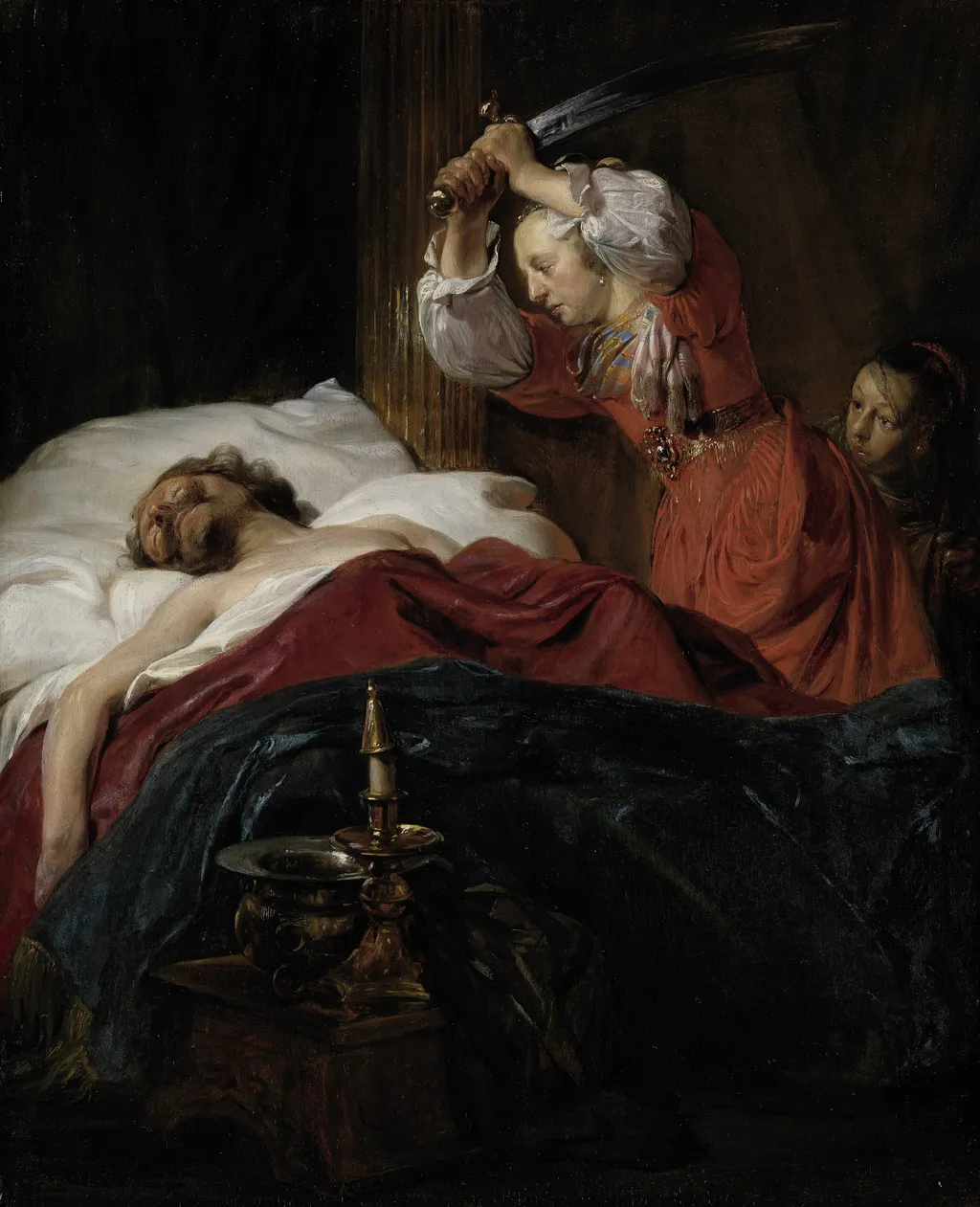
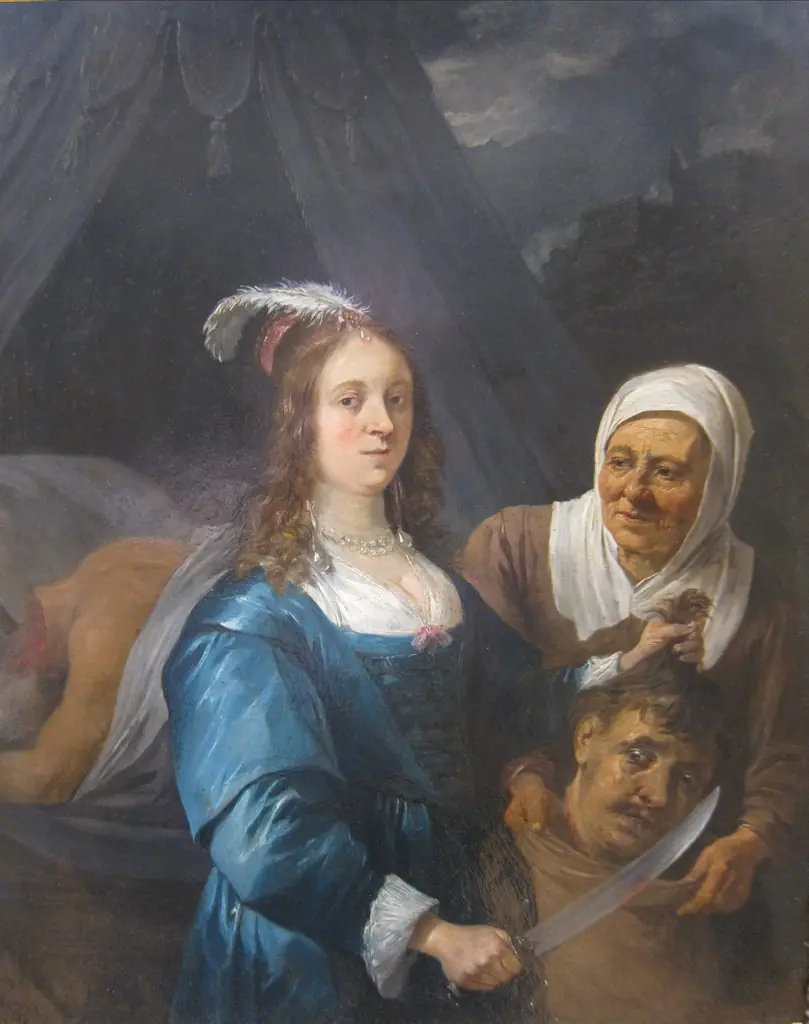
Judith en Holofernes is an oil painting by the Dutch Golden Age artist Jan de Bray. It dates from 1659 and is held in the collection of the Rijksmuseum.
About this work
Subject & Meaning
Judith en Holofernes depicts the moment of Judith beheading the Assyrian general Holofernes, an episode drawn from the deuterocanonical Book of Judith.
Judith en Holofernes depicts the moment of Judith beheading the Assyrian general Holofernes, an episode drawn from the deuterocanonical Book of Judith. The scene functions as a biblical narrative of violent heroism and divine justice, often interpreted as an emblem of courage and the triumph of good over tyranny. Symbolically, Judith’s act has been read as a representation of female agency and righteous retribution within a religious framework.
Technique & Style
Jan de Bray employed oil paint on a wooden panel, a common support in 17th-century Dutch religious painting. The work measures 40 cm in height by 32.5 cm in width, reflecting typical dimensions for intimate biblical scenes of the period. Executed in 1659 in Haarlem, the painting demonstrates meticulous brushwork and naturalistic modeling characteristic of the Dutch Golden Age, with careful handling of light and texture to render the dramatic narrative of Judith and Holofernes from the Book of Judith.
The composition balances narrative clarity with subtle psychological depth, using restrained color and precise detail to emphasize the decisive moment of violence.
History & Provenance
Judith en Holofernes is an oil-on-panel work by Jan de Bray, dated 1659 and produced in Haarlem. The painting depicts the biblical narrative of Judith and Holofernes drawn from the Book of Judith. Measuring 40 by 32.5 cm, it is held in the collection of the Rijksmuseum, where it remains located.
No further details regarding an original commission, intermediate ownership, or acquisition history are documented in the available sources.
Overview
Jan de Bray’s 1659 oil on canvas, Judith en Holofernes, presents a dramatic moment from the biblical tale in which Judith prepares to behead the Assyrian general Holofernes. The composition centers on a woman in a vivid red gown, sword raised above a sleeping figure, while a second female figure observes from the side. The work is held in the collection of the Rijksmuseum in Amsterdam.
Context
During the Dutch Golden Age, biblical subjects were often rendered with a moralizing tone, and de Bray’s approach aligns with the period’s interest in combining narrative content with portraiture. Influences from his father Salomon de Bray and the lively brushwork of Frans Hals can be discerned in the composition’s lively figures and subtle psychological depth.
Own this work as a print
Artist & collection

Artist
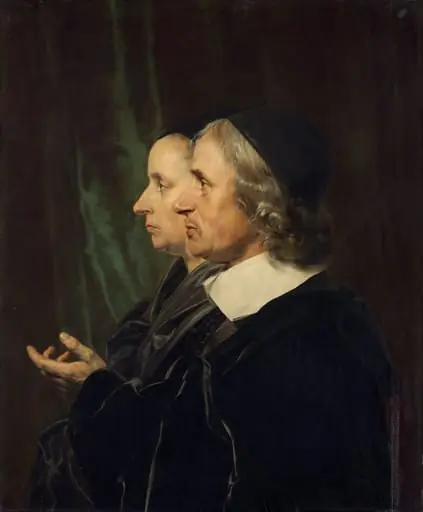
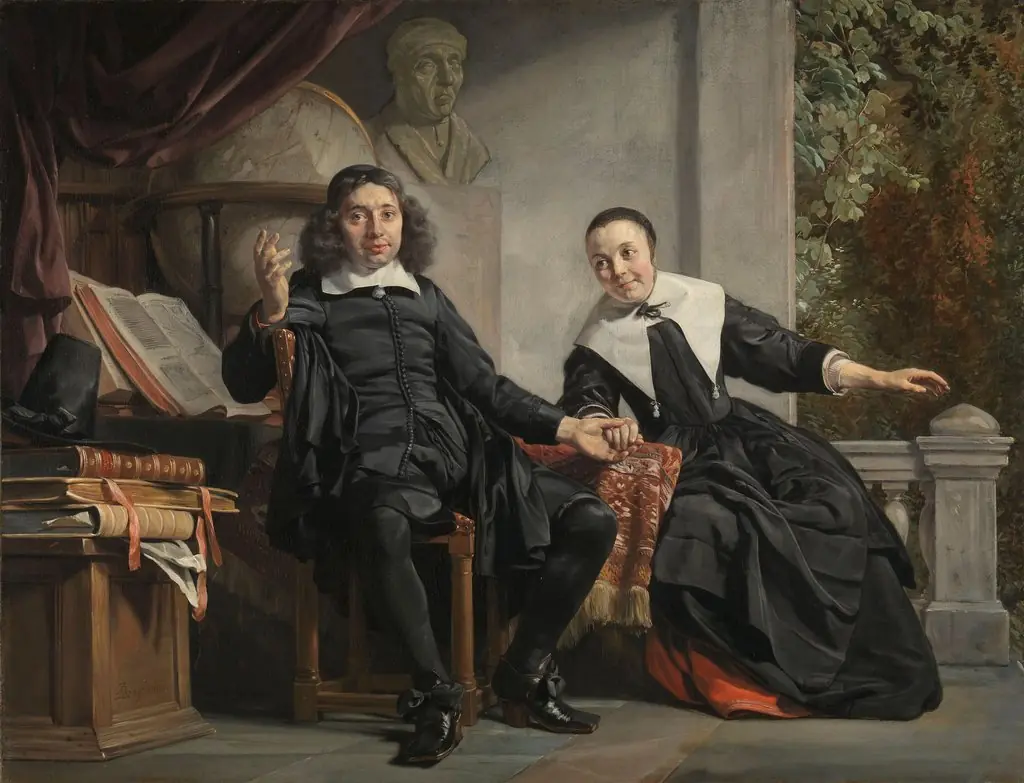
Jan de Bray (c. 1627 – April 4, 1697) was a Dutch Golden Age painter. He lived and worked in Haarlem until the age of 60, when he went bankrupt and moved to Amsterdam. Jan de Bray was influenced by his father Salomon…

 Judith with the Head of Holofernes
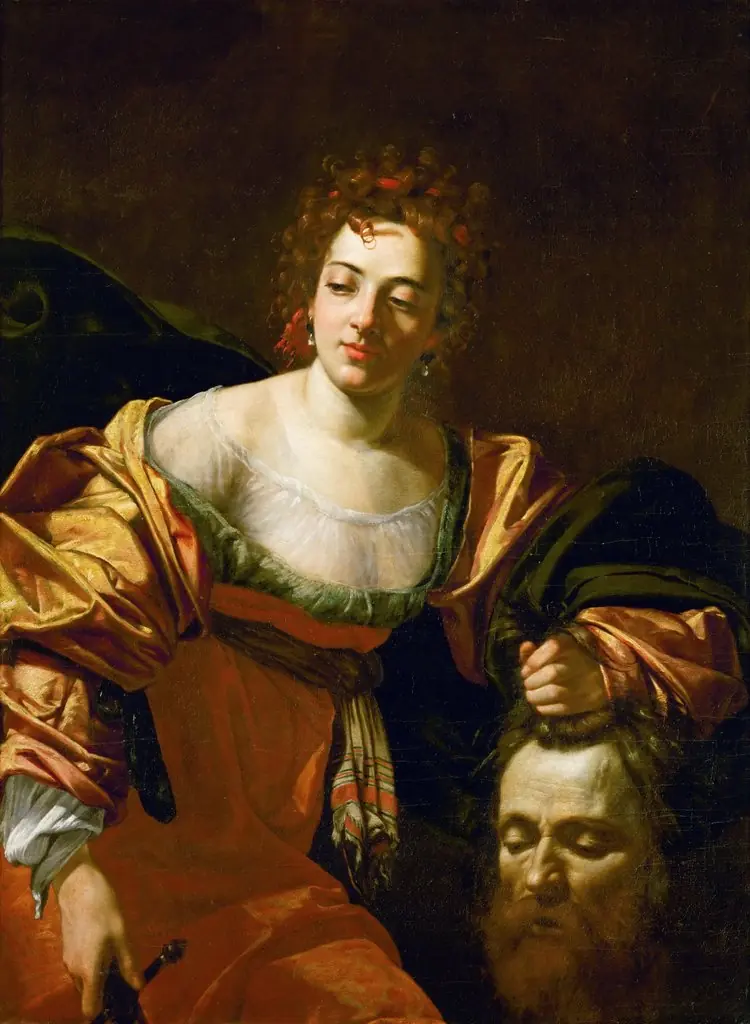 Judith with the Head of Holofernes
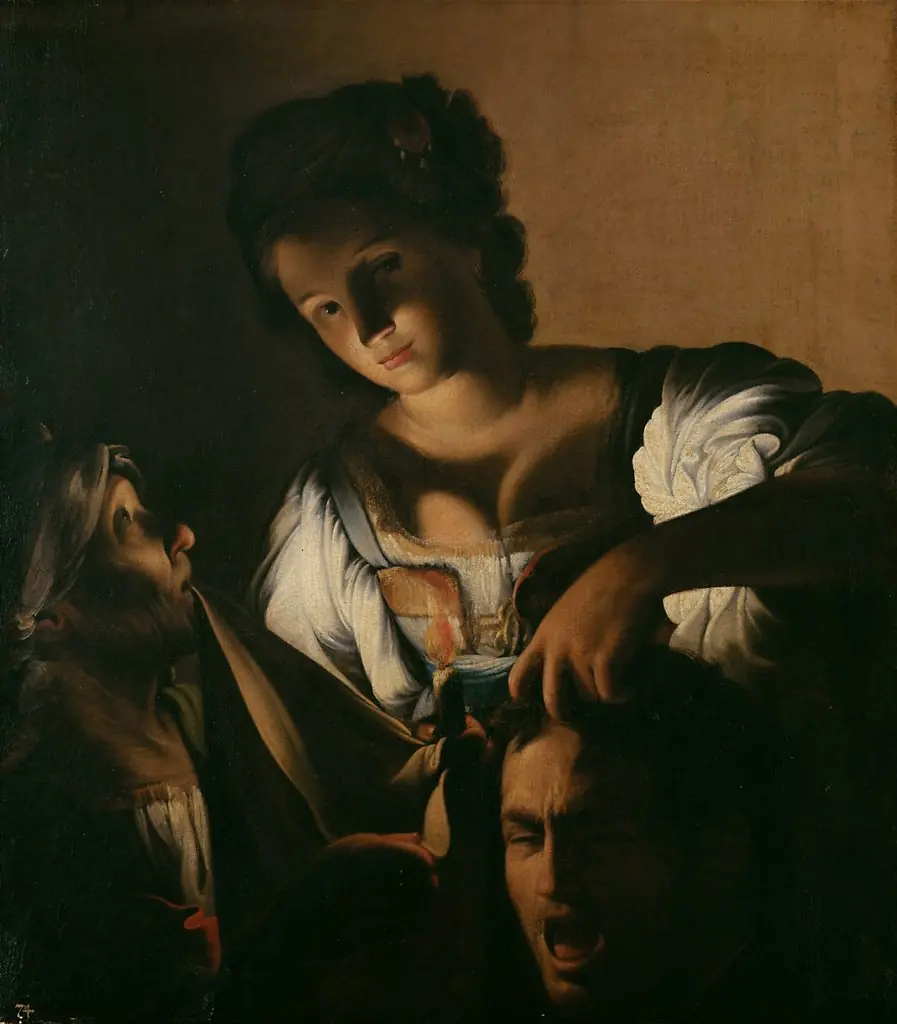 Judith with the head of Holofernes
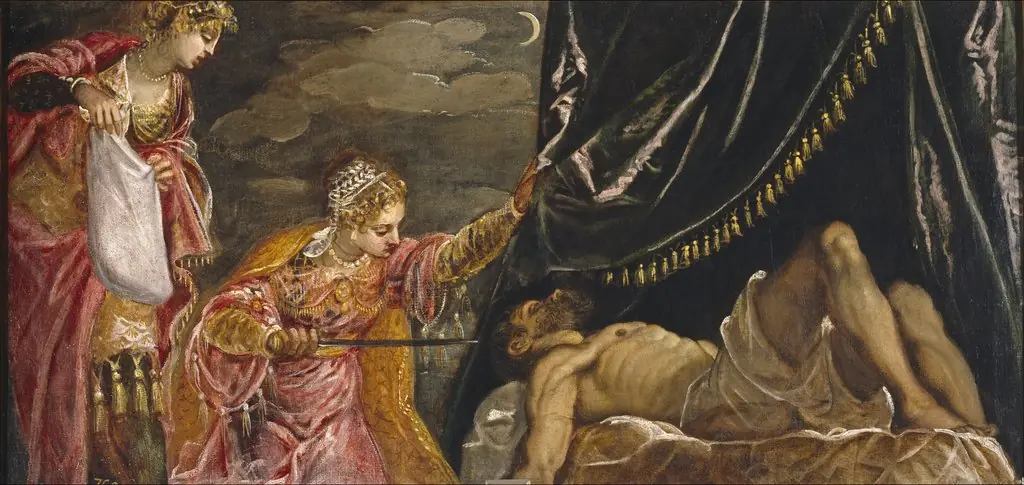
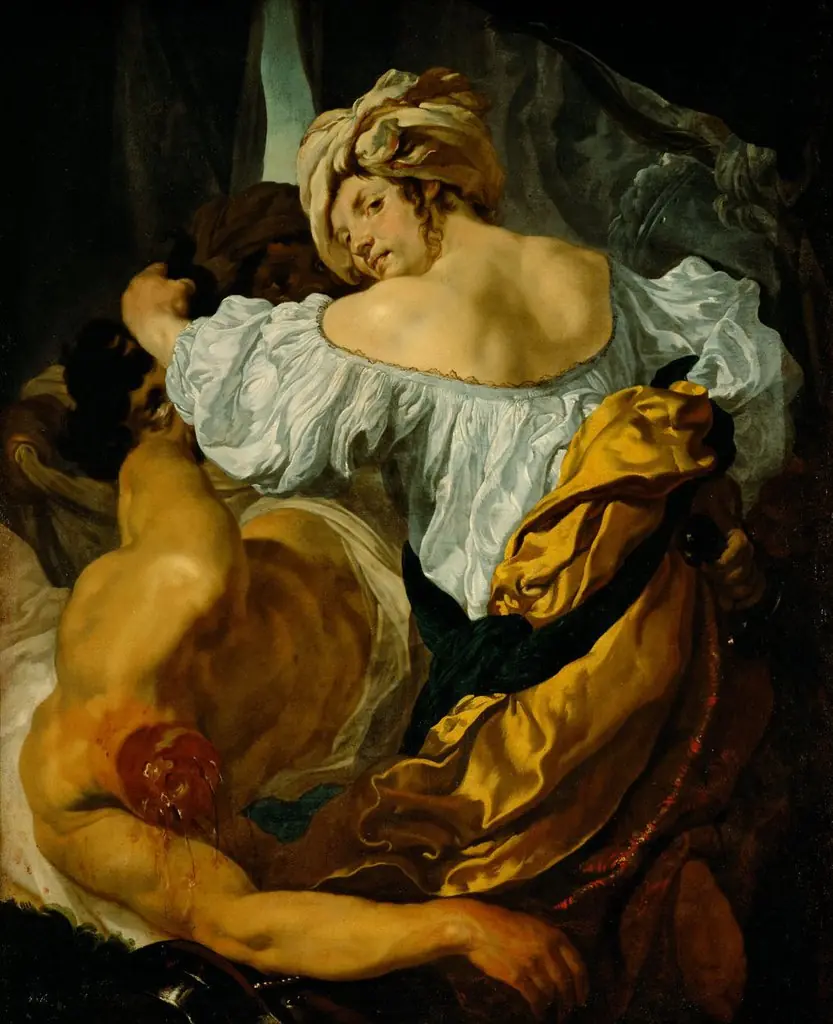 Judith and Holophernes
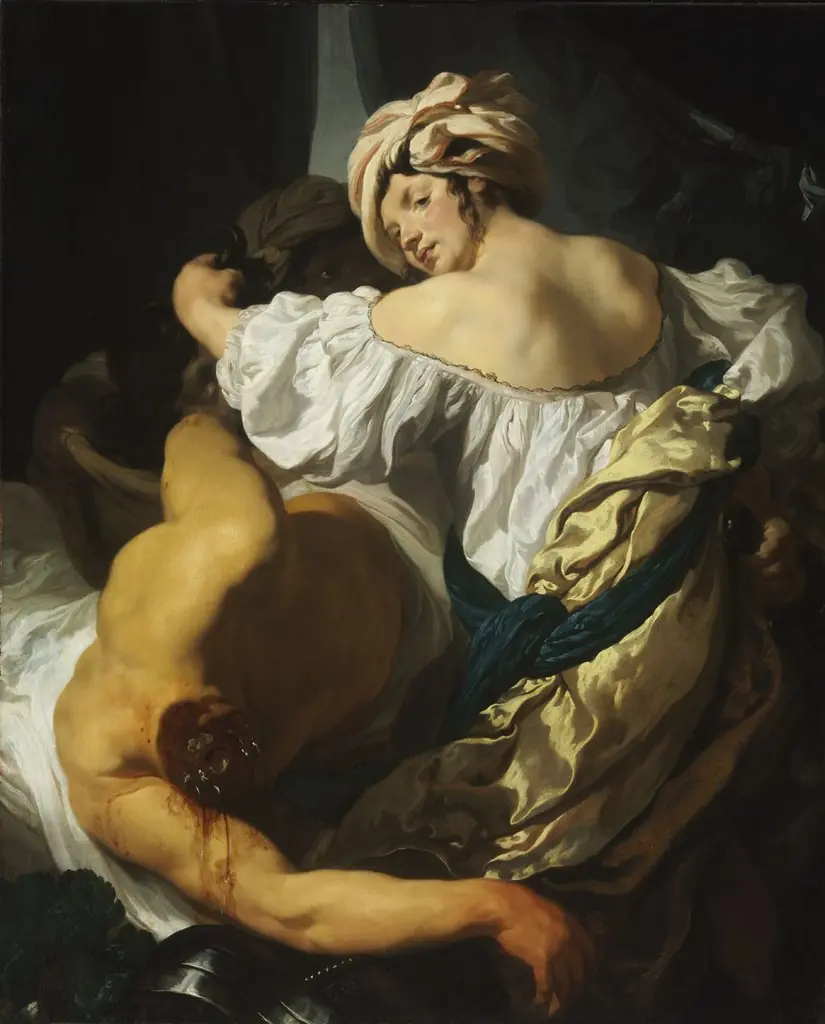 Judith in the Tent of Holofernes
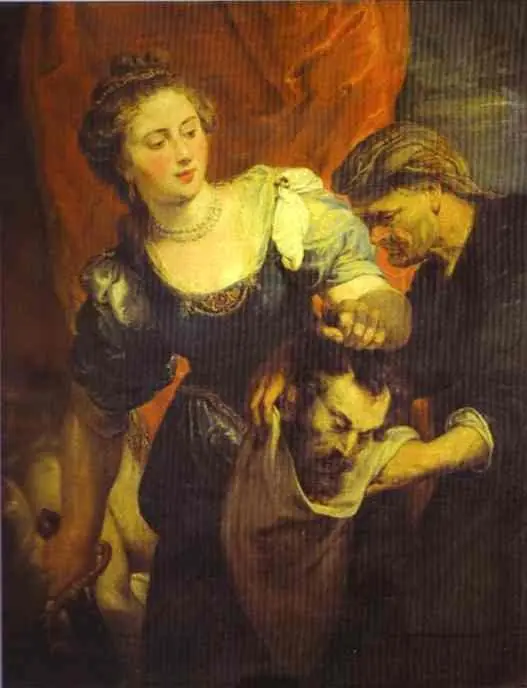 Portrait of Judith with the Head of Holofernes
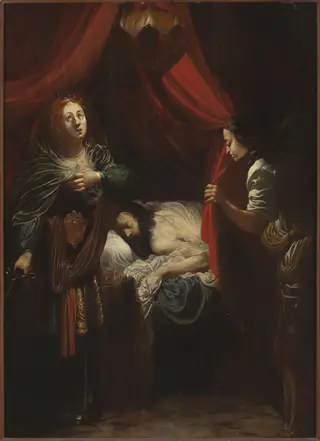 Judith in the tent of Holofernes (Judith 13:4-6)
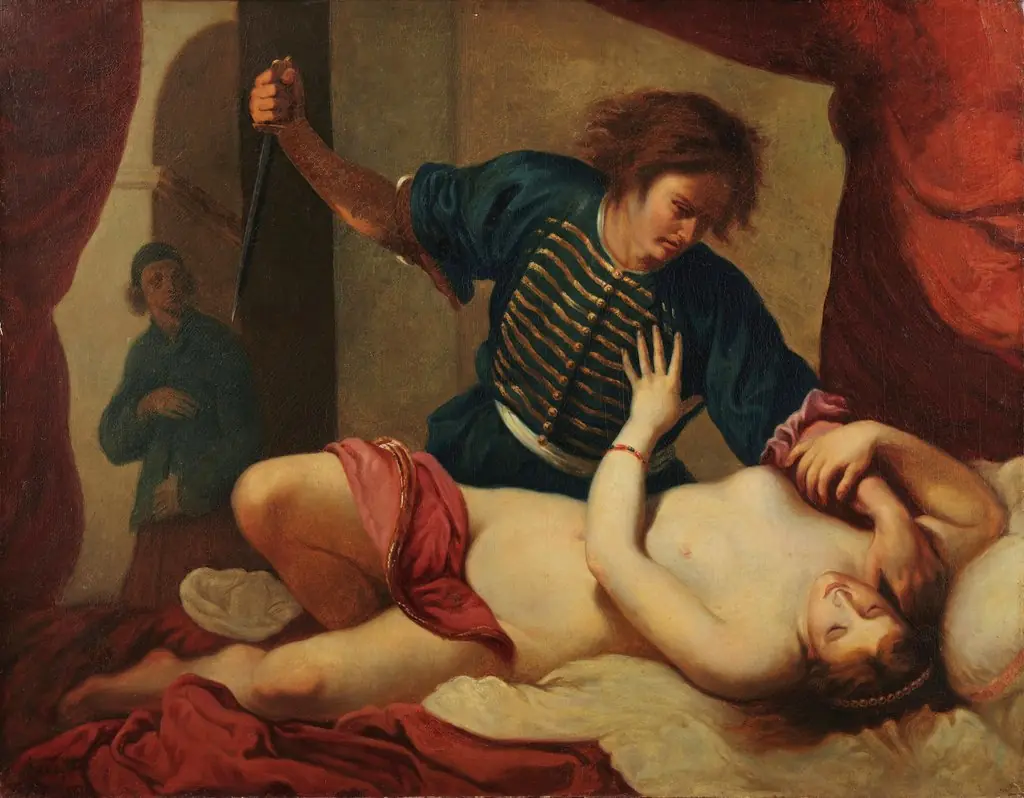 Tarquin and Lucretia
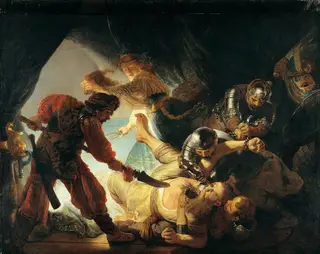 The Blinding of Samson
 Lamentation