Artwork
Portrait of Egbert van Drielst, Painter
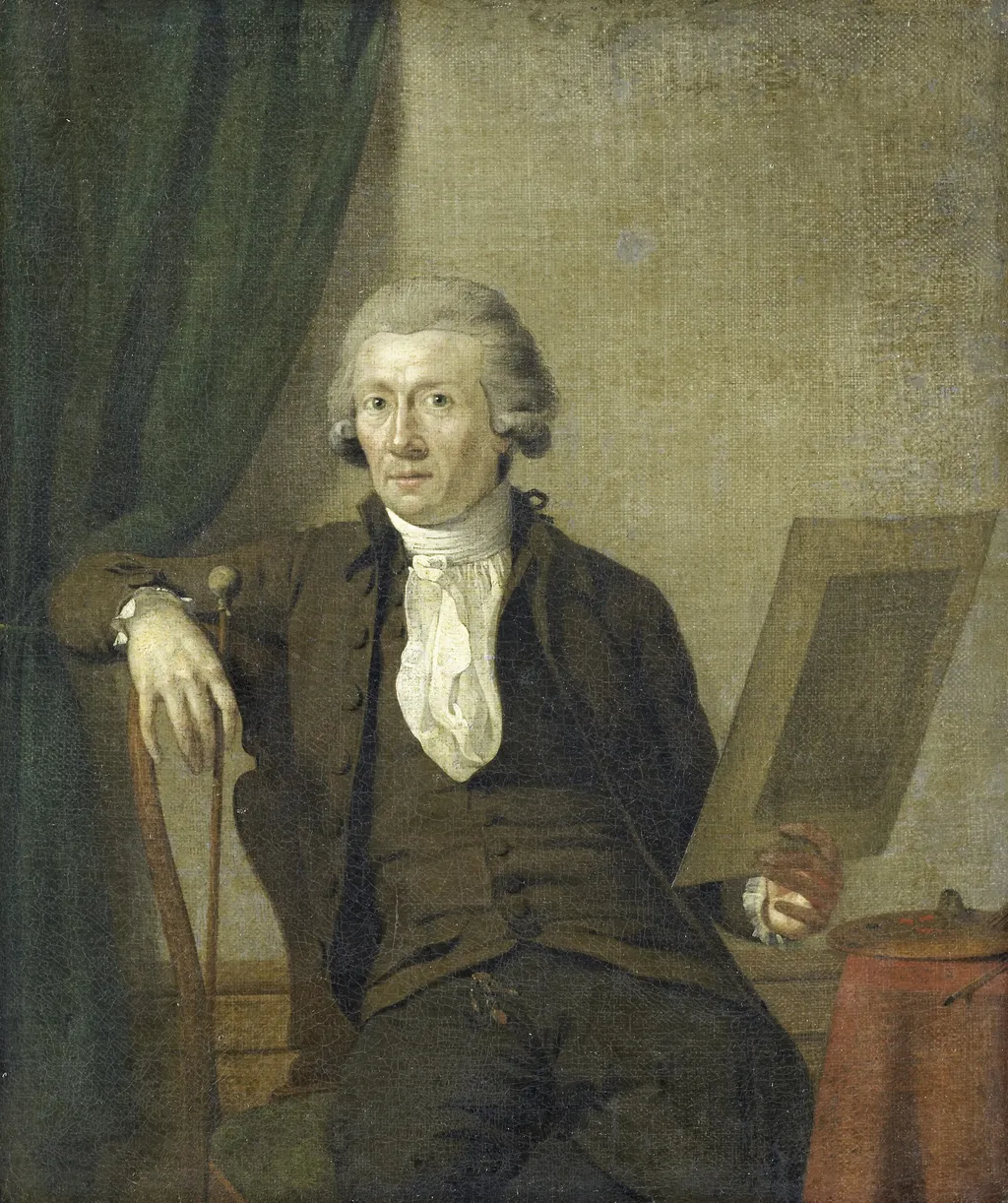
Portrait of Egbert van Drielst, Painter is an oil painting by the Biedermeier artist Jan Ekels the Younger. It is held in the collection of the Rijksmuseum.
About this work
If you're interested in learning more about the artist who created this portrait, look up Jan Ekels the Younger.
The painting depicts a man sitting in a chair, holding a piece of paper. He is dressed in dark attire with a white cravat and has a powdered wig. His right arm rests on the back of the chair, while his left hand holds the paper. The background features a wall with a dark curtain on the left side.
The man's attire and hairstyle suggest a formal portrait from the 18th century. The artist's use of chiaroscuro creates a sense of depth and dimensionality in the painting.
If you're interested in learning more about the artist who created this portrait, look up Jan Ekels the Younger.
Subject & Meaning
The painting depicts the painter Egbert van Drielst, likely portrayed as a figure engaged in artistic practice within the portrait genre. The subject embodies the neoclassical ideal of the cultivated artist, reflecting Enlightenment-era values of intellectual refinement and professional identity through visual representation. The work's formal composition and restrained palette underscore the dignity accorded to artistic vocation in Dutch portraiture of the late 18th century.
The depicted figure stands as a representation of the professional artist-sitter, where attire and posture convey scholarly distinction without overt symbolism. This aligns with contemporary portrait conventions that emphasized status and intellectual achievement through restrained visual cues rather than allegorical motifs.
The painting's presence in the Rijksmuseum collection affirms its significance as a representative example of Dutch portraiture from 1793, maintaining its original function as a record of artistic identity within the cultural milieu of the period.
Technique & Style
The portrait is executed in oil paint on canvas, a standard support for late eighteenth-century Dutch cabinet pictures. The relatively small dimensions of 32 by 26.5 cm indicate an intimate format suited to a sitter-portrait rather than a formal commission. Classified simply as a painting within the portrait genre, the work conforms to the modest, observational style typical of Jan Ekels the Younger's likenesses of fellow artists.
No source addresses specific handling, brushwork, condition, or stylistic analysis in further detail.
History & Provenance
The work was painted in 1793 by Jan Ekels the Younger, as recorded in the artist’s dated inscription on the canvas.
The painting entered the Rijksmuseum’s holdings, where it remains located. It depicts Egbert van Drielst and measures 32 cm in height and 26.5 cm in width.
Legacy
The portrait of Egbert van Drielst painted by Jan Ekels the Younger in 1793 has been recognized for its contribution to Dutch portraiture of the late 18th century and continues to be referenced in studies of Amsterdam painters active around the turn of the century. Its inclusion in the Rijksmuseum collection highlights its significance within institutional holdings of the period, and it is frequently cited in scholarly work examining the evolution of portrait genre conventions. The work's technical execution in oil on canvas and its depiction of a notable Amsterdam figure have informed later interpretations of Ekels' artistic approach.
Overview
Jan Ekels the Younger painted the oil portrait of fellow artist Egbert van Drielst in 1797. The work shows a seated man in formal eighteenth‑century dress, his hand holding a sheet of paper, set against a muted wall and a dark curtain. It is part of the Rijksmuseum’s collection and is classified within the Biedermeier period.
Own this work as a print
Artist & collection
Artist
Jan Ekels the Younger (1759–1793) was a Dutch painter and draftsman of genre pieces and an imitator of the old masters, especially of J.

 Self-Portrait
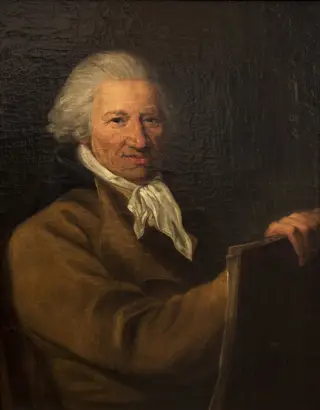 Henry, Susanne: Porträt Daniel Chodowiecki
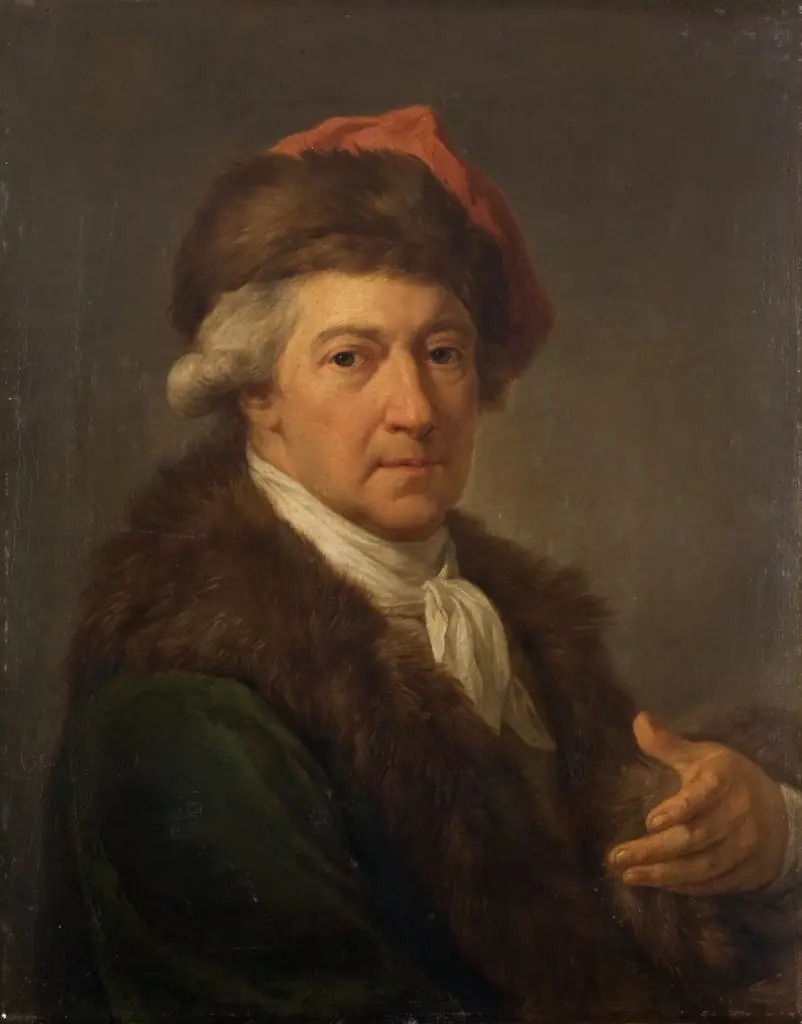 Self-Portrait in the Polish National Costume
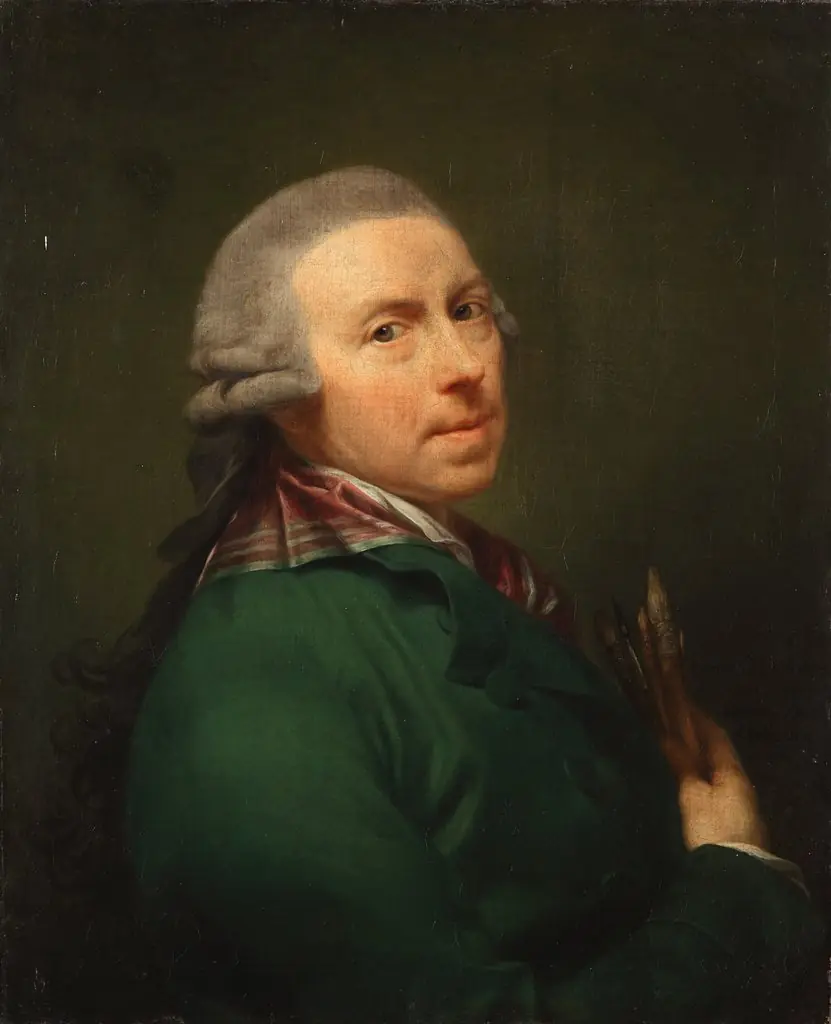 Self-Portrait
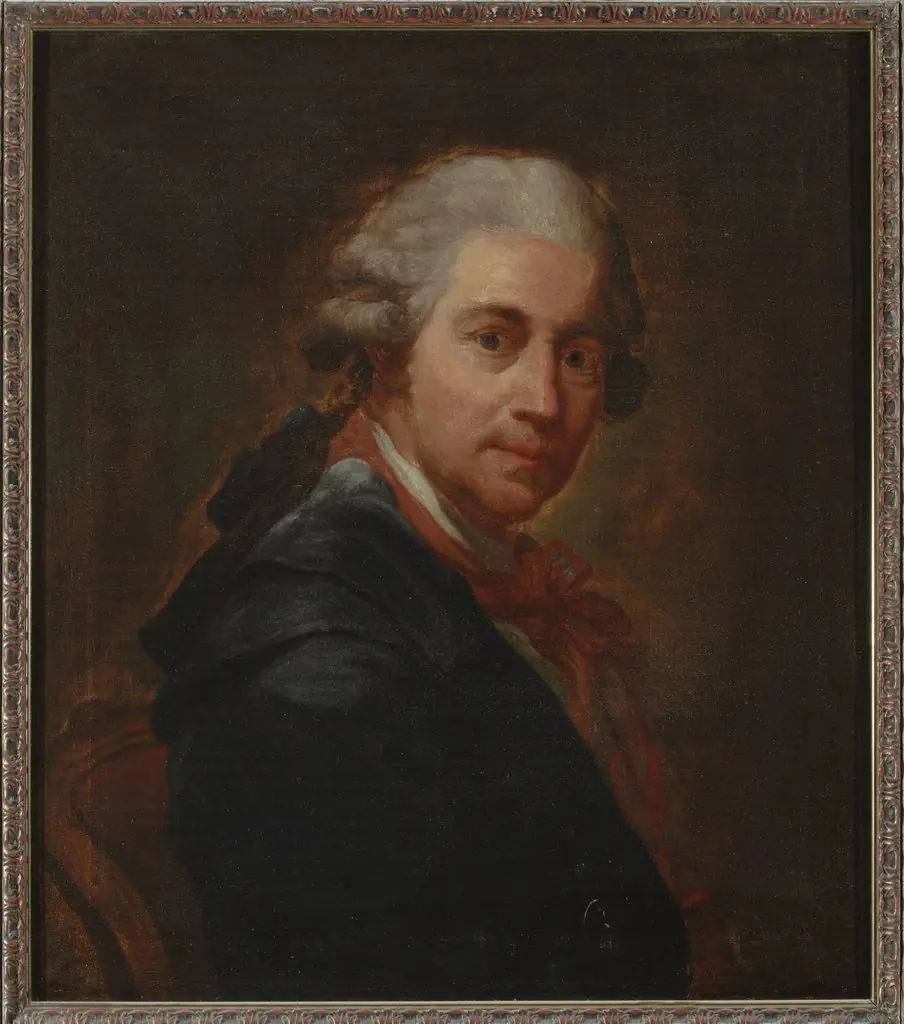 Self-portrait of Bacciarelli in a redingote
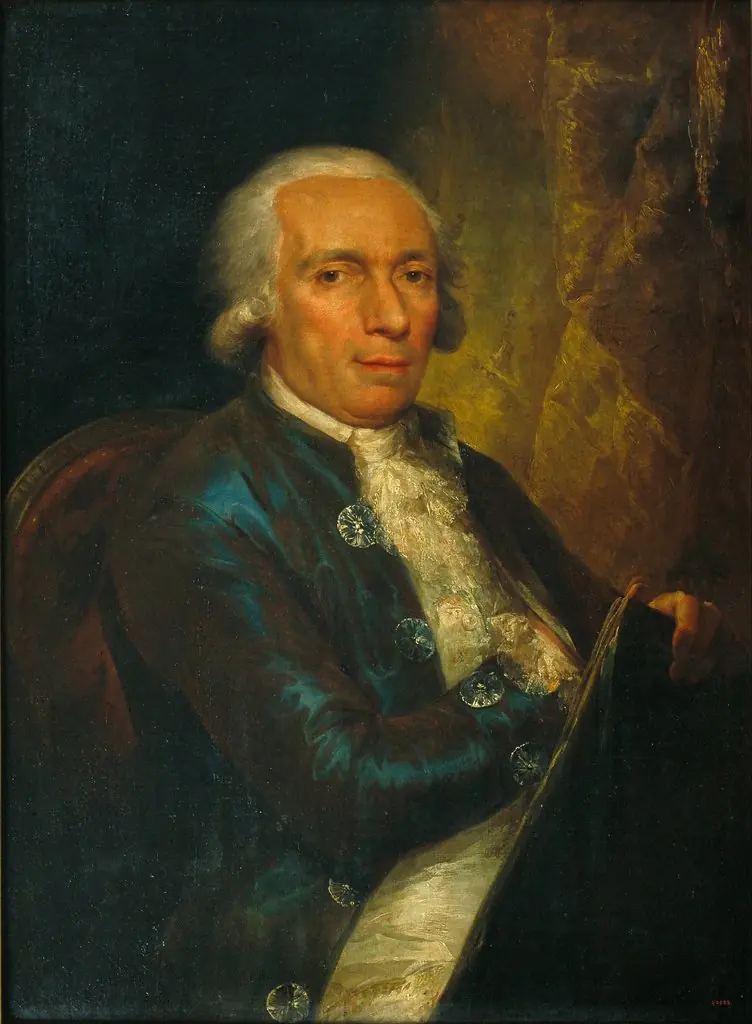 Portrait of the Engraver Pasqual Pere Moles, first director of the Escola de Llotja
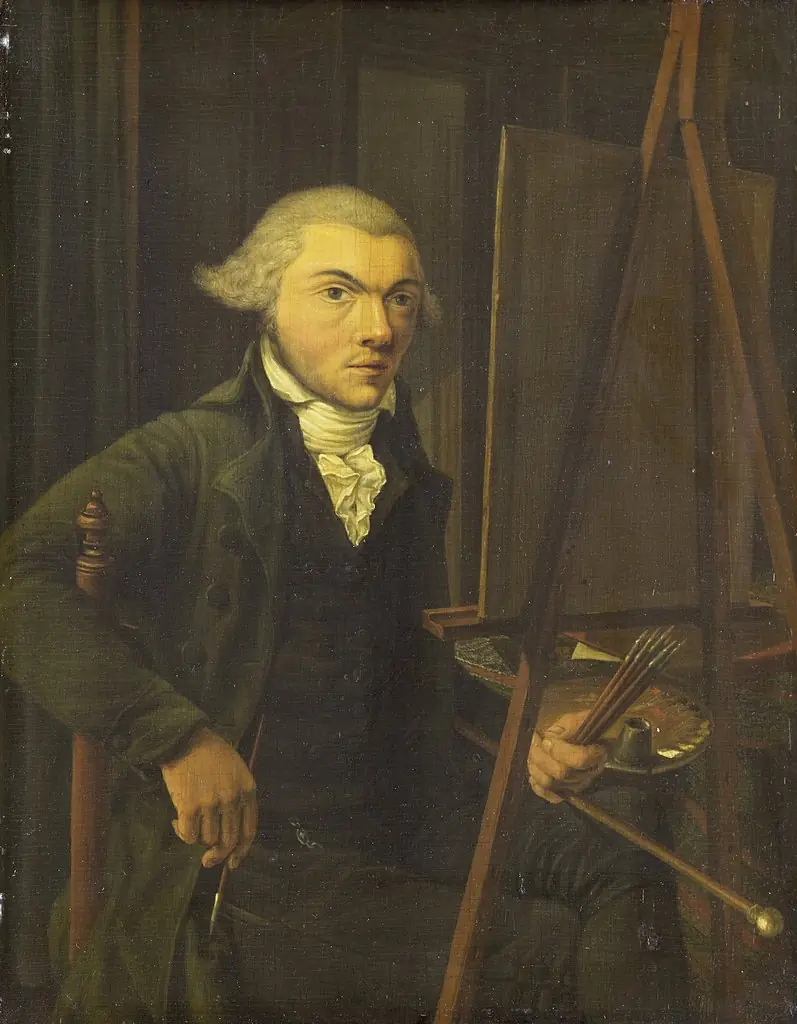 Portrait of a Painter, probably Harmanus Uppink
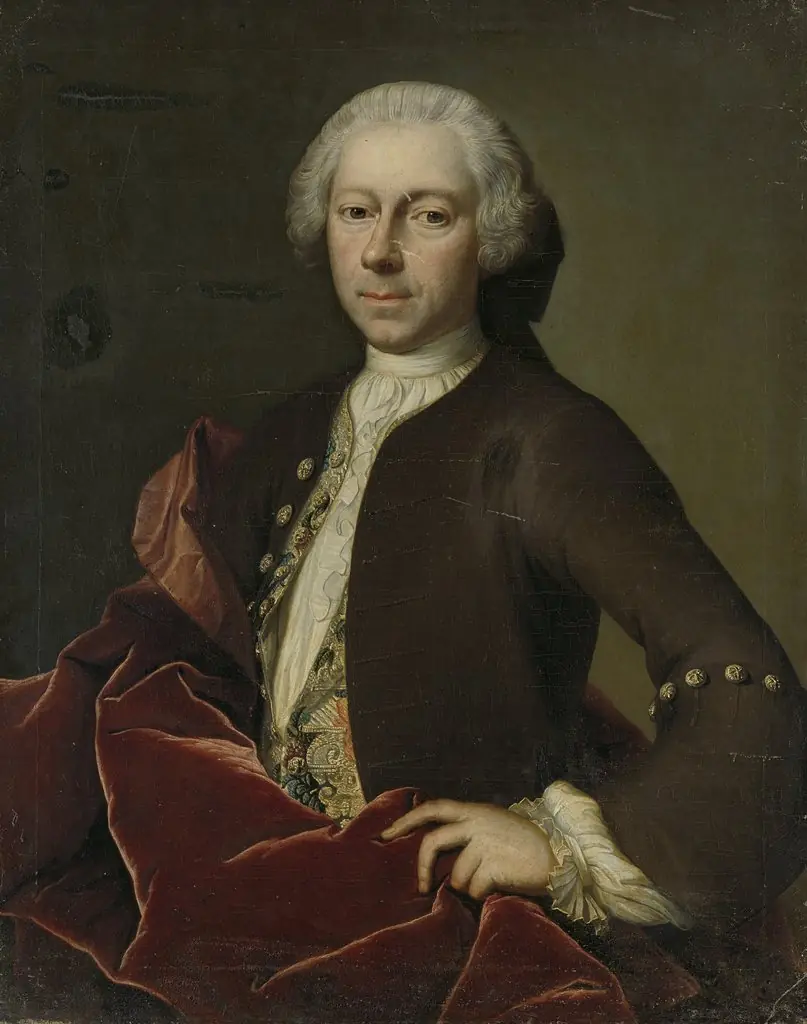 Portrait of Pieter Parker, Alderman, Burgomaster and Councilor of Goes
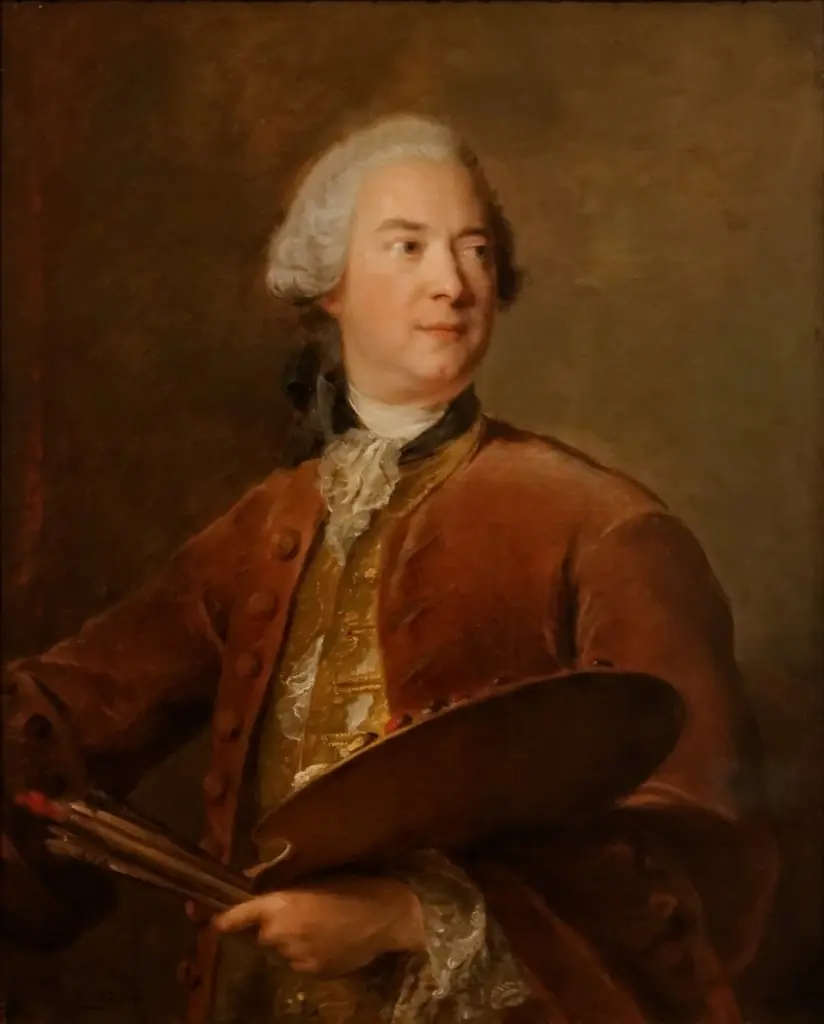 Portrait of Louis Tocqué
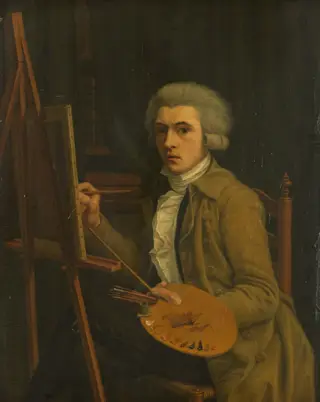 Portrait of a Painter, probably the Artist himself
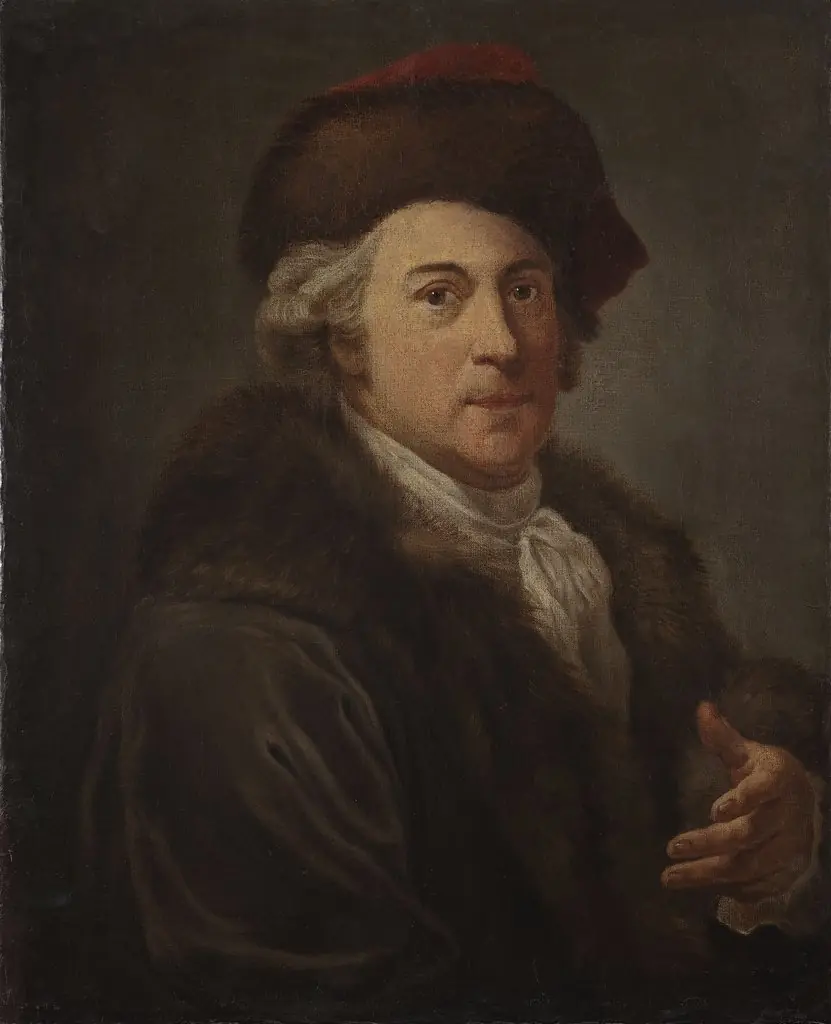 Portrait of Marcello Bacciarelli (1731–1818)
- Portrait of Cornelis Ploos van Amstel