Artwork
The Immaculate Conception
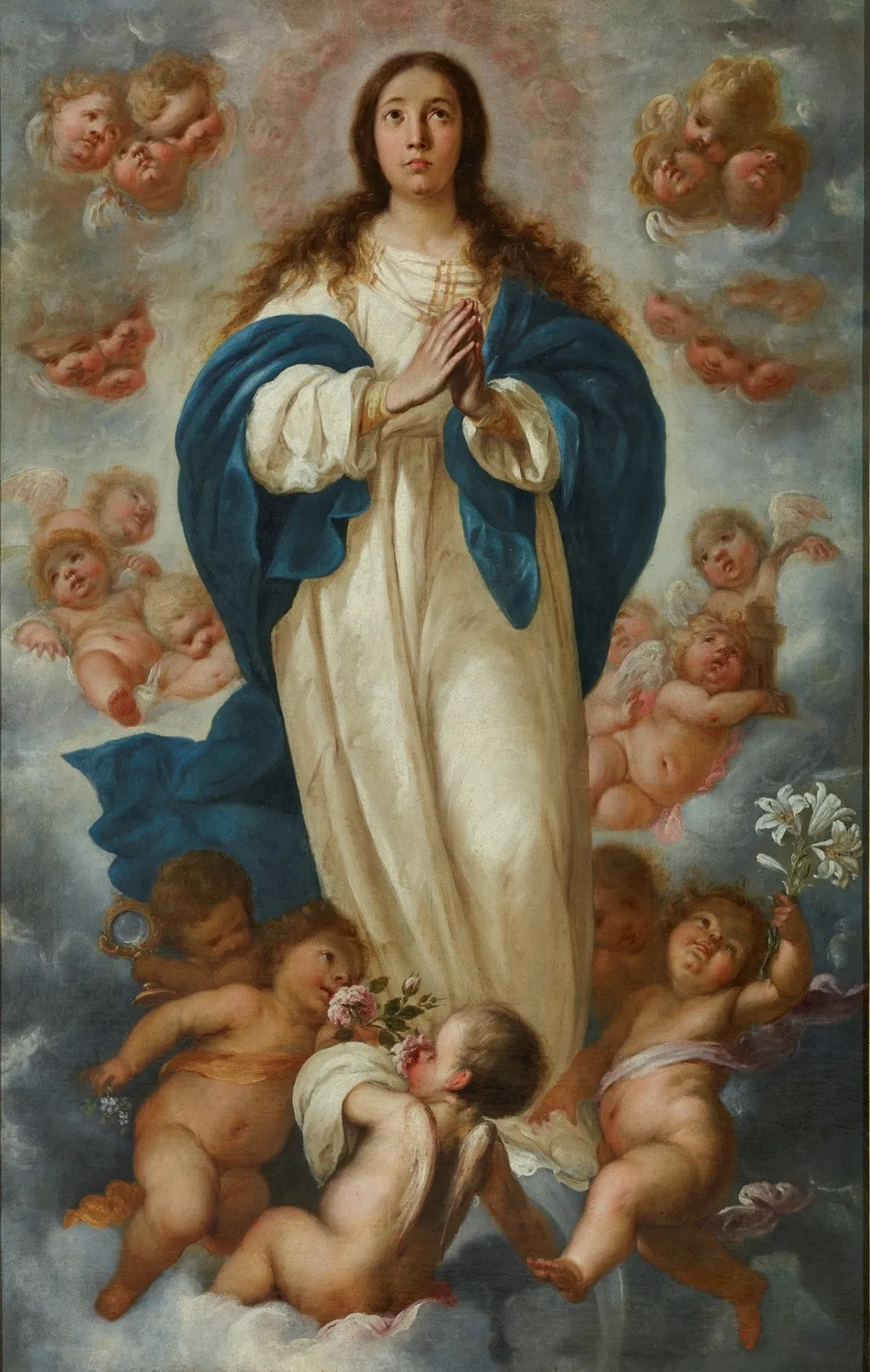
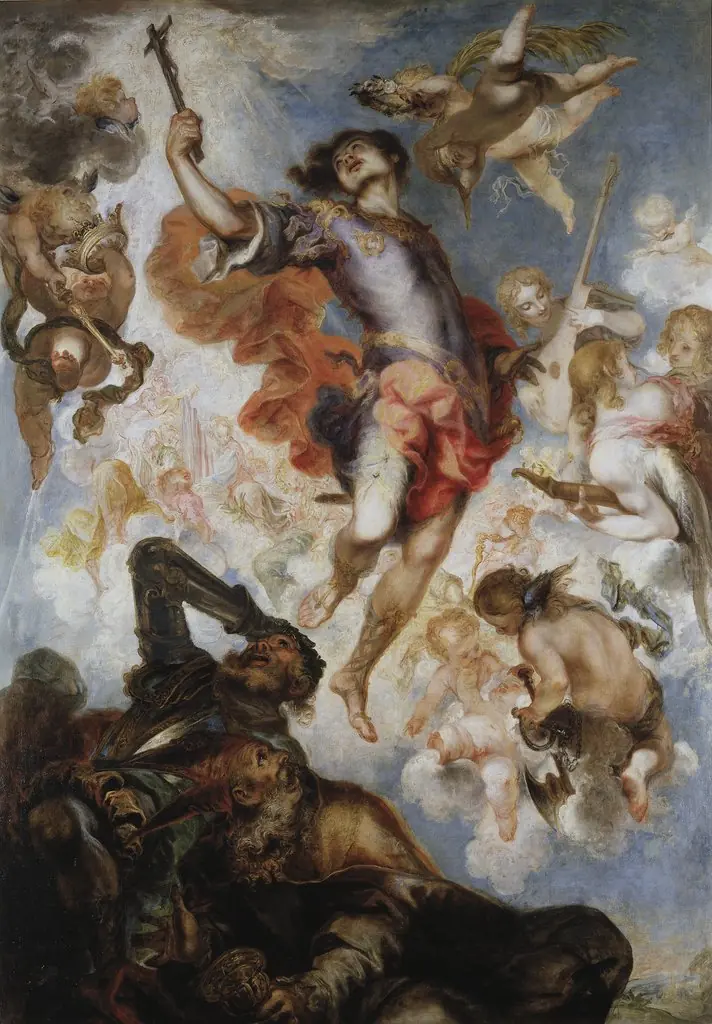
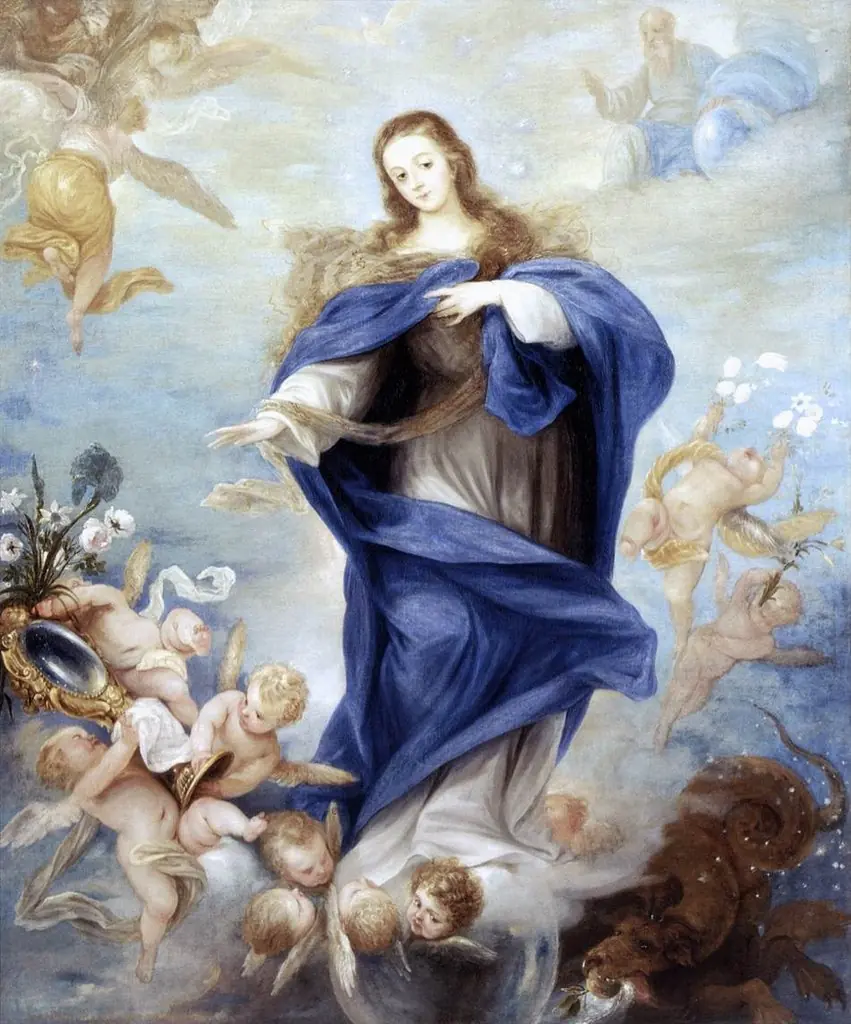
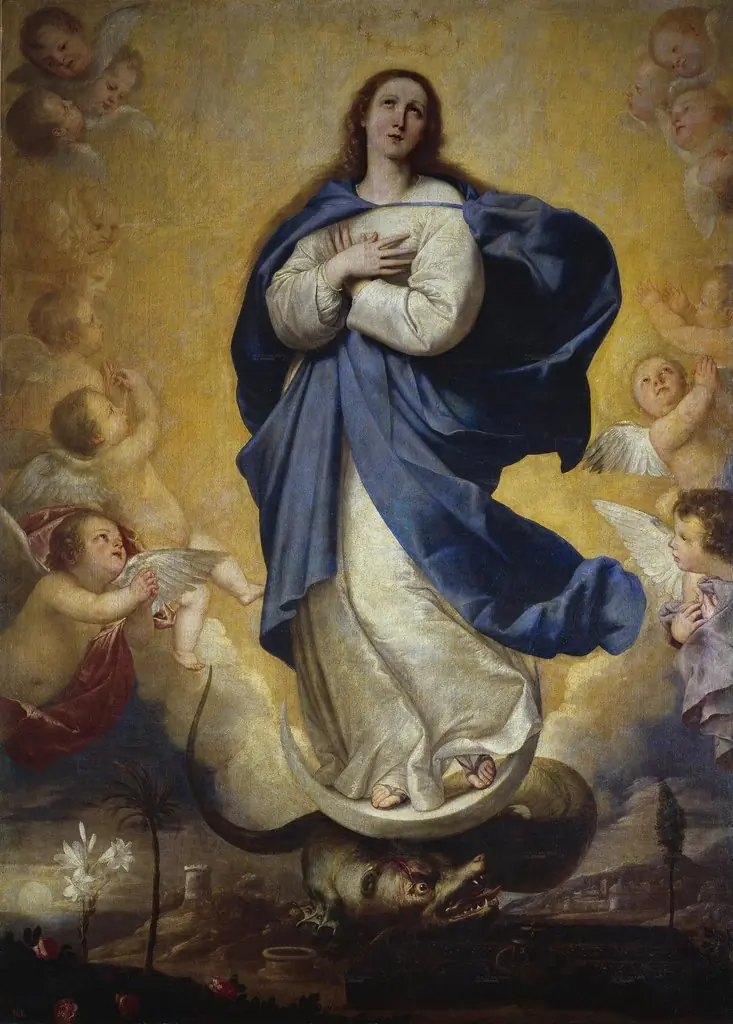
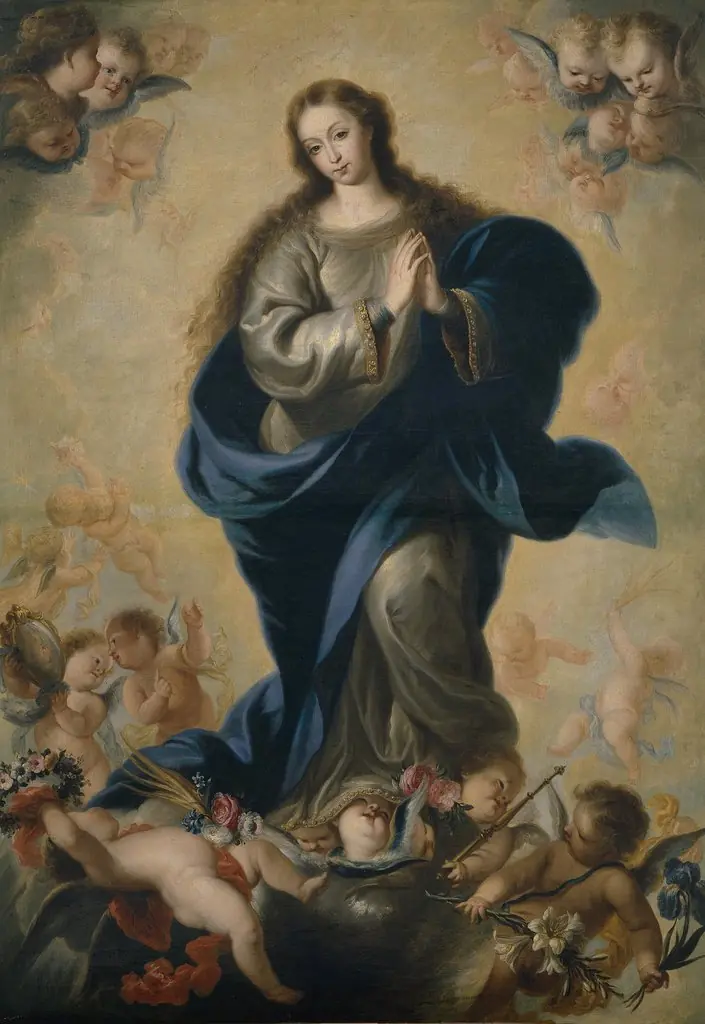
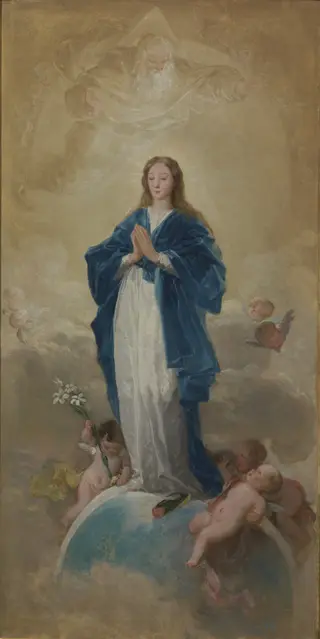
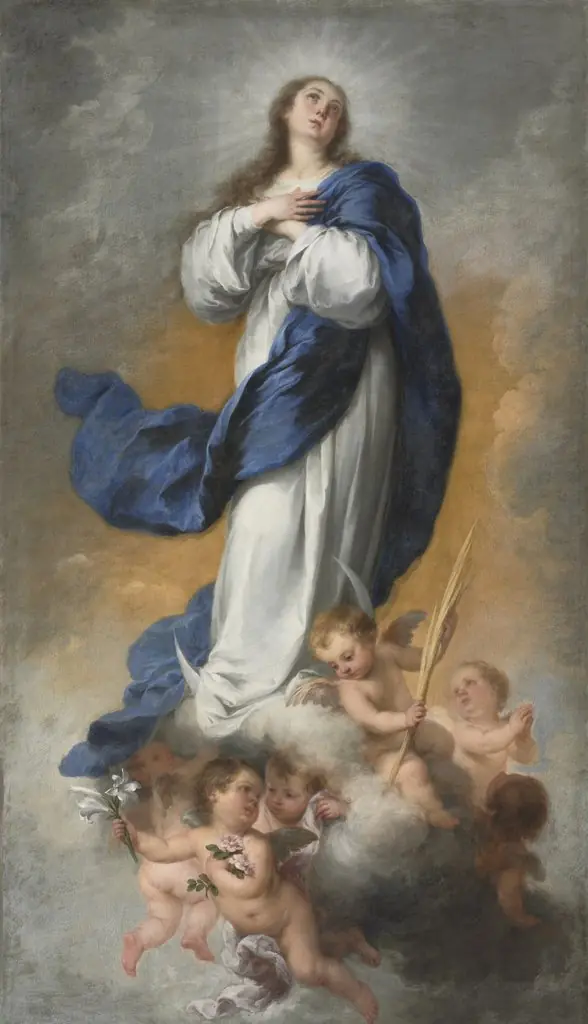
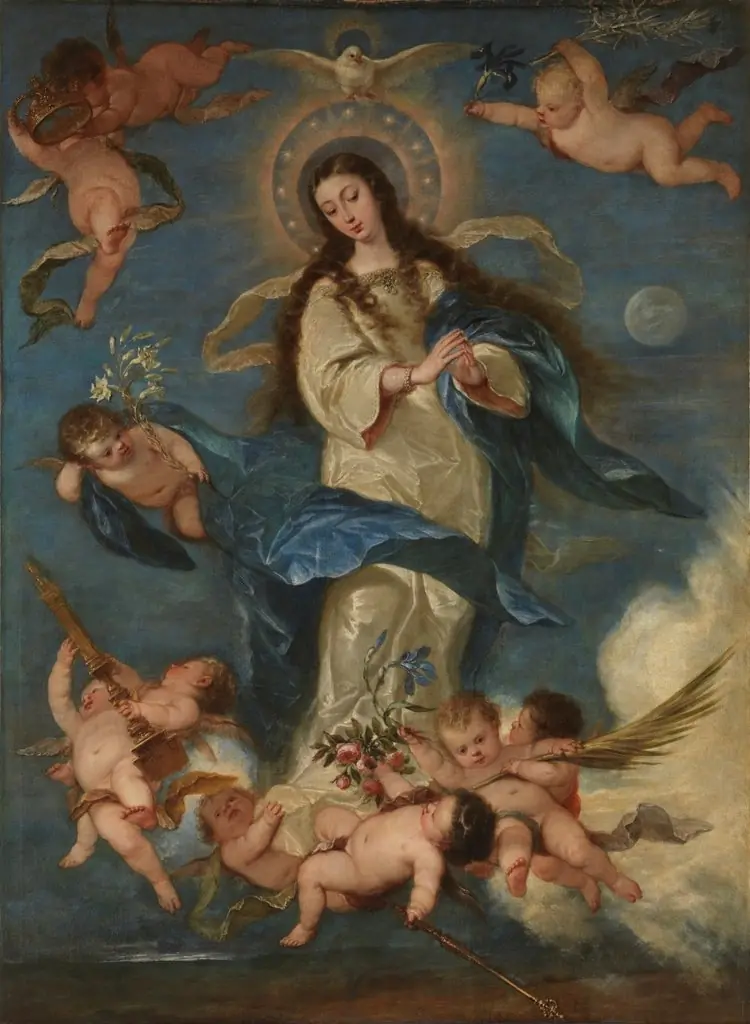
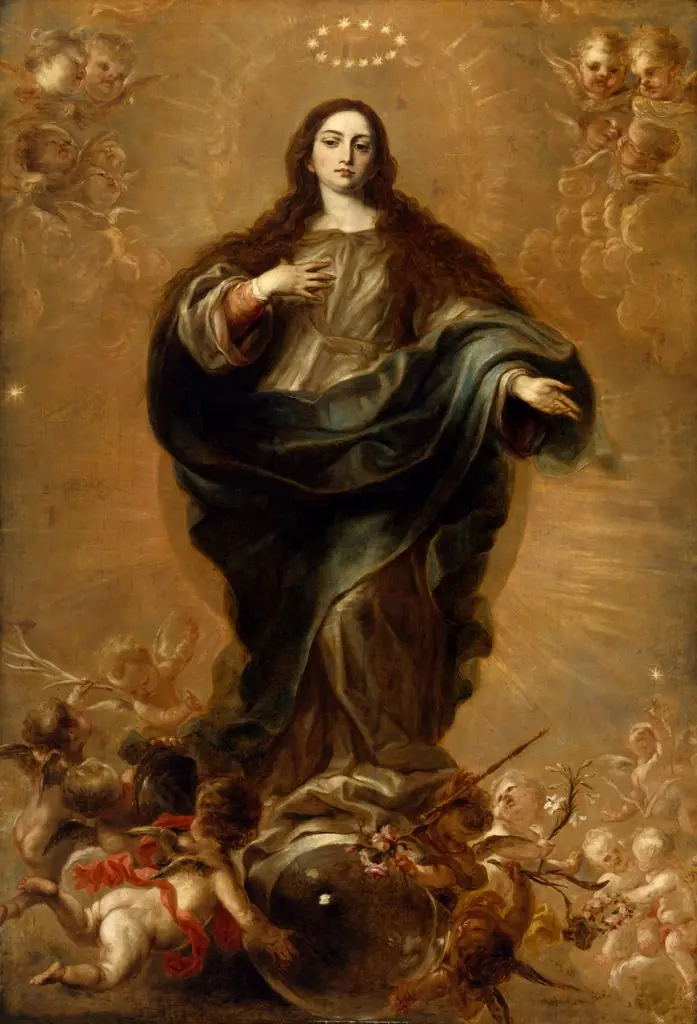
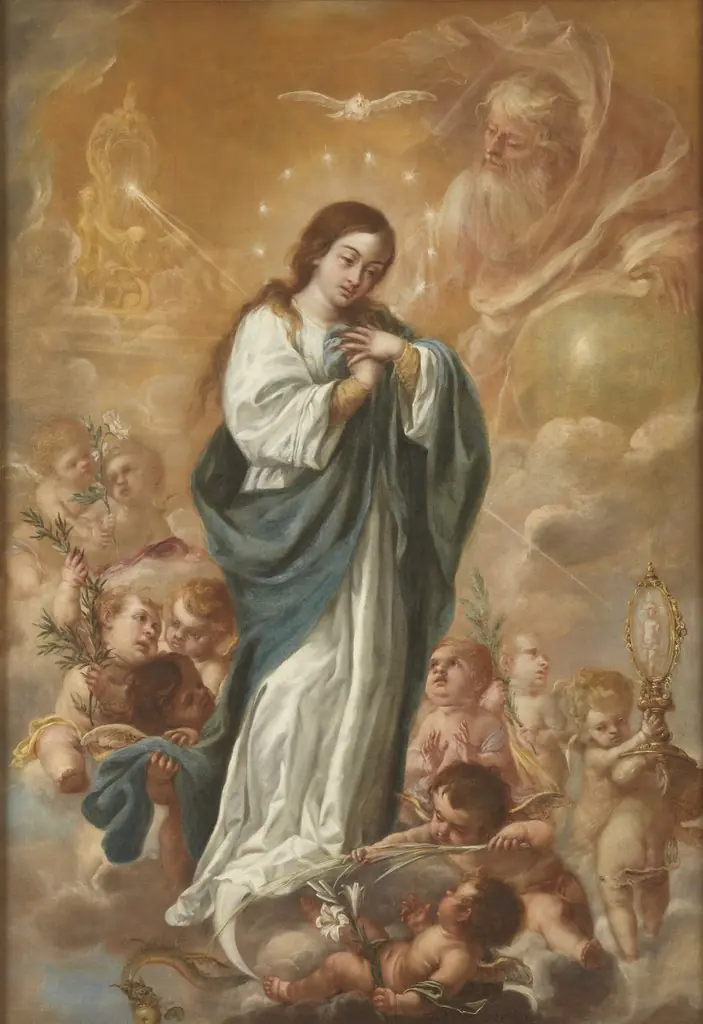
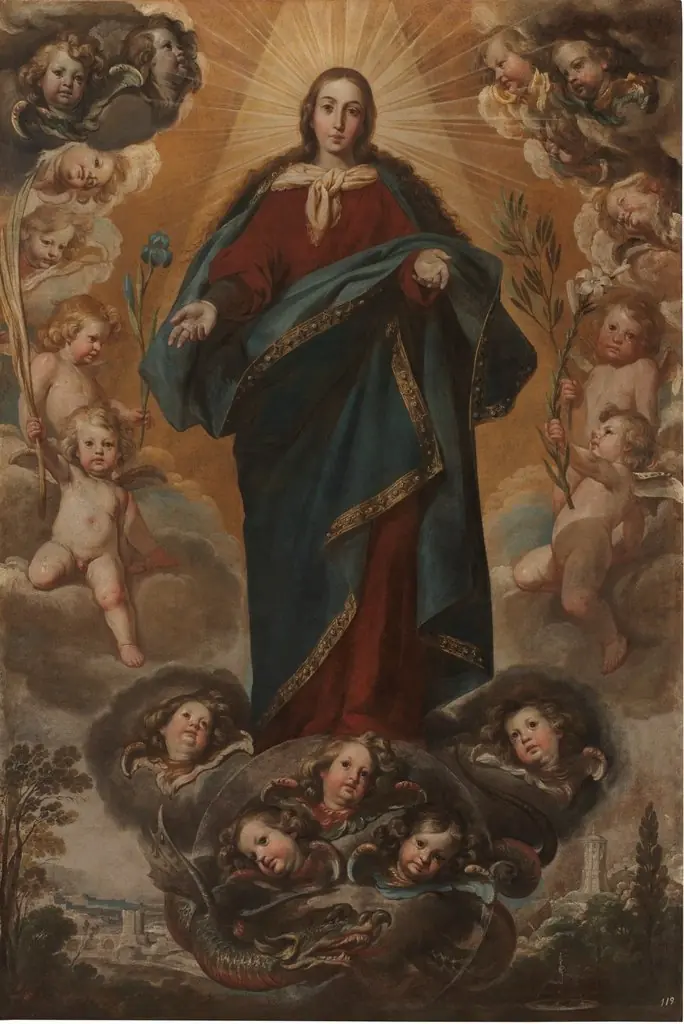
The Immaculate Conception is an oil painting by the Early Baroque Italian artist Francisco Herrera the Younger. It dates from 1670 and is held in the collection of the Museo del Prado.
About this work
Technique & Style
Created in 1670, The Immaculate Conception is an oil painting executed on a canvas support. The work measures 165 cm in height and 105 cm in width. Classified as religious art, the piece depicts the Immaculate Conception of Mary.
As a creation of Francisco Herrera the Younger, it exemplifies the artist's handling of oil paint within the religious genre during the late 17th century.
History & Provenance
The sources provided do not supply a specific inventory or accession number for the painting, nor do they document any exhibition history or loans.
The Immaculate Conception is an oil painting on canvas by Francisco Herrera the Younger, created in 1670. The work was produced during the artist's mature period and entered the collection of the Museo del Prado, where it remains held today. Its dimensions are recorded as 165 cm in height by 105 cm in width, and the painting is classified as a religious work depicting the Immaculate Conception of Mary.
The Immaculate Conception by Francisco Herrera the Younger is held in the collection of the Museo del Prado, where it is recorded as part of the museum's holdings. According to the Wikidata record for the work, the painting's location is the Museo del Prado.
The sources provided do not supply a specific inventory or accession number for the painting, nor do they document any exhibition history or loans. No record of past displays, temporary exhibitions, or institutional transfers is indicated in the available material.
Overview
Francisco Herrera the Younger’s oil painting titled The Immaculate Conception was executed in 1670. The work presents the Virgin Mary in a serene, floating pose, surrounded by a host of cherubic figures. Currently, the canvas forms part of the collection at Madrid’s Museo del Prado, where it is displayed among other Baroque religious works.
Subject & Meaning
The composition illustrates the Catholic doctrine of the Immaculate Conception, portraying Mary as pure and untouched by original sin. She is shown in a flowing white garment with blue sleeves, hands clasped in prayer, embodying both humility and divine grace. The surrounding infant angels, bearing flowers and symbolic objects, reinforce themes of innocence and heavenly intercession.
Context
Created during the Spanish Baroque period, the work aligns with contemporary Counter‑Reformation aims to inspire devotion through emotionally resonant imagery. Herrera’s depiction follows a tradition established by earlier masters such as Murillo, yet his use of luminous color and gentle modeling distinguishes the piece within the broader visual language of Marian devotion.
Artist & collection
Artist
Francisco Herrera the Younger (born in Seville around 1627, died in Madrid in 1685) was a Spanish painter and architect of the Baroque, the son and pupil of Francisco Herrera the Elder.