Artwork
Samson and Delilah
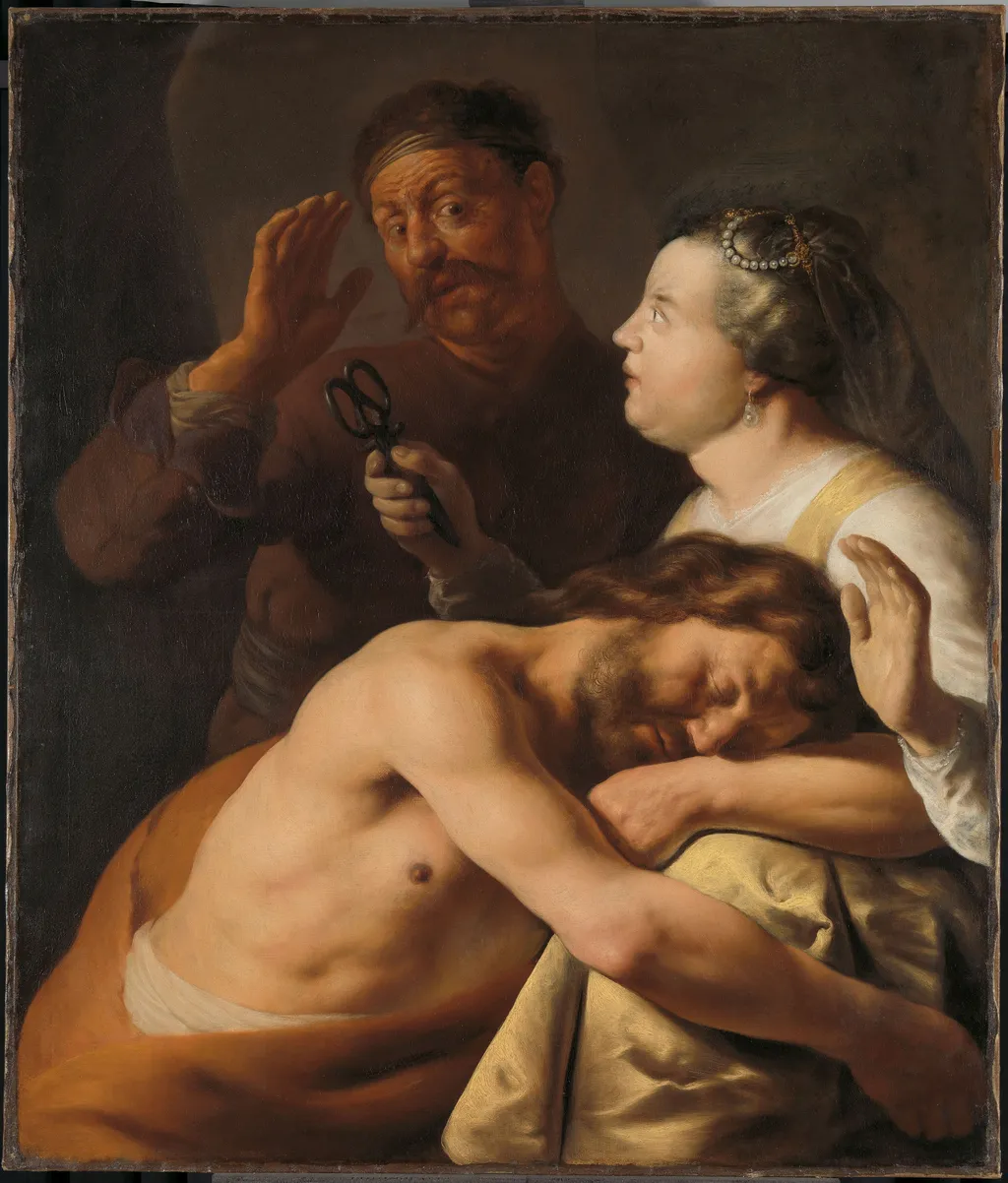
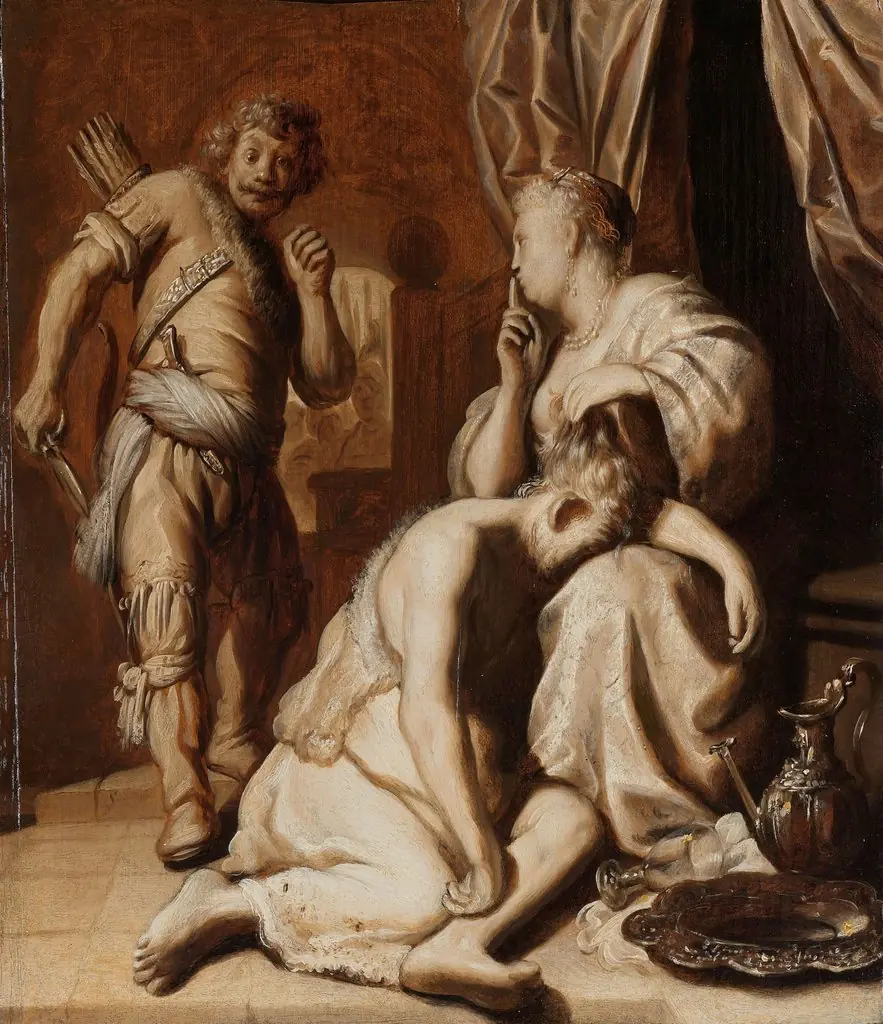
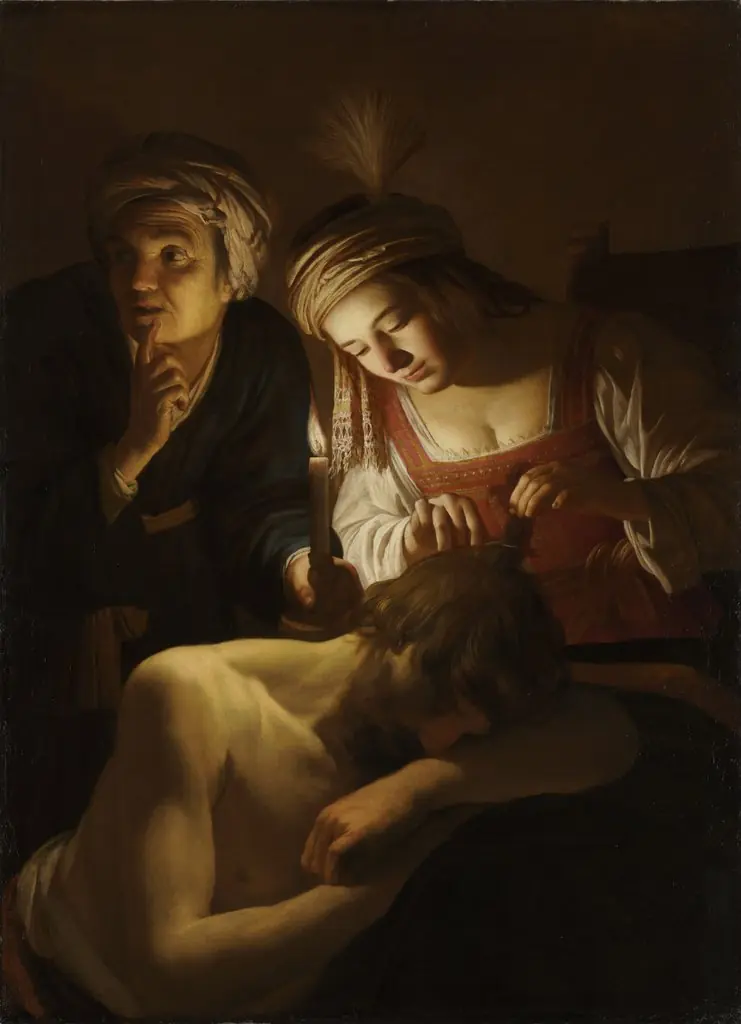
Samson and Delilah is an oil painting by the Dutch Golden Age artist Jan Lievens. It dates from 1630 and is held in the collection of the Rijksmuseum.
About this work
Subject & Meaning
The work belongs to the religious genre, portraying a narrative that underscores moral warning about deceit and the consequences of yielding to temptation.
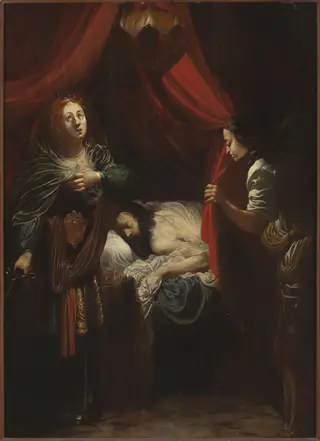
The painting shows the biblical figures Samson and Delilah in a moment of vulnerability as Delilah cuts his hair, a scene drawn from the Book of Judges that symbolizes the loss of strength tied to betrayal and the interplay of power and seduction. The composition emphasizes Samson's muscular form restrained by a woman, highlighting themes of trust broken and divine favor withdrawn, reflecting the dramatic tension common in 17th‑century religious art. The work belongs to the religious genre, portraying a narrative that underscores moral warning about deceit and the consequences of yielding to temptation.
Technique & Style
Executed in 1630, this religious painting by Jan Lievens utilizes oil paint applied to a canvas support. The work measures 131 cm in height and 111 cm in width. As a depiction of the biblical figures Samson and Delilah, the piece exemplifies the artist's engagement with religious genre subjects during this period.
The combination of oil medium and canvas was a standard approach for large-scale figurative compositions in the seventeenth century, allowing for the detailed rendering of narrative scenes.
History & Provenance
Jan Lievens executed the oil painting Samson and Delilah in 1630. Created on canvas, the work measures 131 cm in height and 111 cm in width. The piece depicts the biblical figures of Samson and Delilah within a religious context. Today, the painting is held in the collection of the Rijksmuseum, where it remains on display.
The painting Samson and Delilah by Jan Lievens is held in the collection of the Rijksmuseum. Created in 1630, the work is executed in oil on canvas and measures 131 cm in height by 111 cm in width. The piece depicts the biblical figures of Samson and Delilah within a religious genre context. No specific inventory number or detailed exhibition history for this work is provided in the available sources.
Context
Jan Lievens painted Samson and Delilah in 1630, a work classified as religious art and depicted in the Rijksmuseum collection. Executed in oil on canvas, the painting measures 131 cm in height and 111 cm in width, focusing on the biblical figures of Samson and Delilah. It is categorized as a religious painting within the artist's oeuvre and has been studied in scholarship concerning Dutch Golden Age art.
Overview
Jan Lievens, a Dutch painter of the Golden Age, created an oil work in 1630 that interprets the biblical episode of Samson and Delilah. The canvas, now held by the Rijksmuseum, belongs to the religious‑genre tradition and presents a compact, intimate scene rather than a grandiose narrative tableau.
Own this work as a print
Artist & collection

Artist
Jan Lievens (24 October 1607 – 4 June 1674) was a Dutch Golden Age painter who was associated with his close contemporary Rembrandt, a year older, in the early parts of their careers.