Artwork
Portrait of Fryderyk Czartoryski
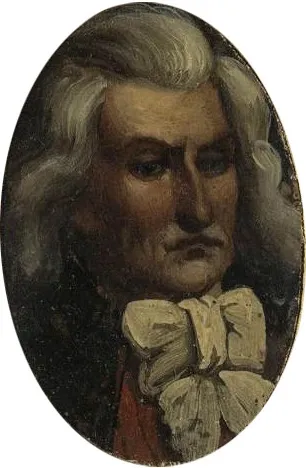
Portrait of Fryderyk Czartoryski is an oil painting by the Realist artist Jan Matejko. It dates from 1850 and is held in the collection of the Hermitage Museum.
About this work
Overview
5 centimeters, it is a small-scale work that depicts the Polish nobleman Michał Fryderyk Czartoryski.
The Portrait of Fryderyk Czartoryski is an oil-on-canvas portrait painted by Jan Matejko in 1850. Measuring 10.5 by 14.5 centimeters, it is a small-scale work that depicts the Polish nobleman Michał Fryderyk Czartoryski. The painting is held in the collection of the Hermitage Museum in Saint Petersburg. Though modest in size, the portrait is significant as an early work by Matejko, who would become the foremost Polish painter of historical subjects in the nineteenth century. The attribution to Matejko is recorded in museum and encyclopedic databases, though the work has received limited scholarly attention compared to his larger historical compositions.
Subject & Meaning
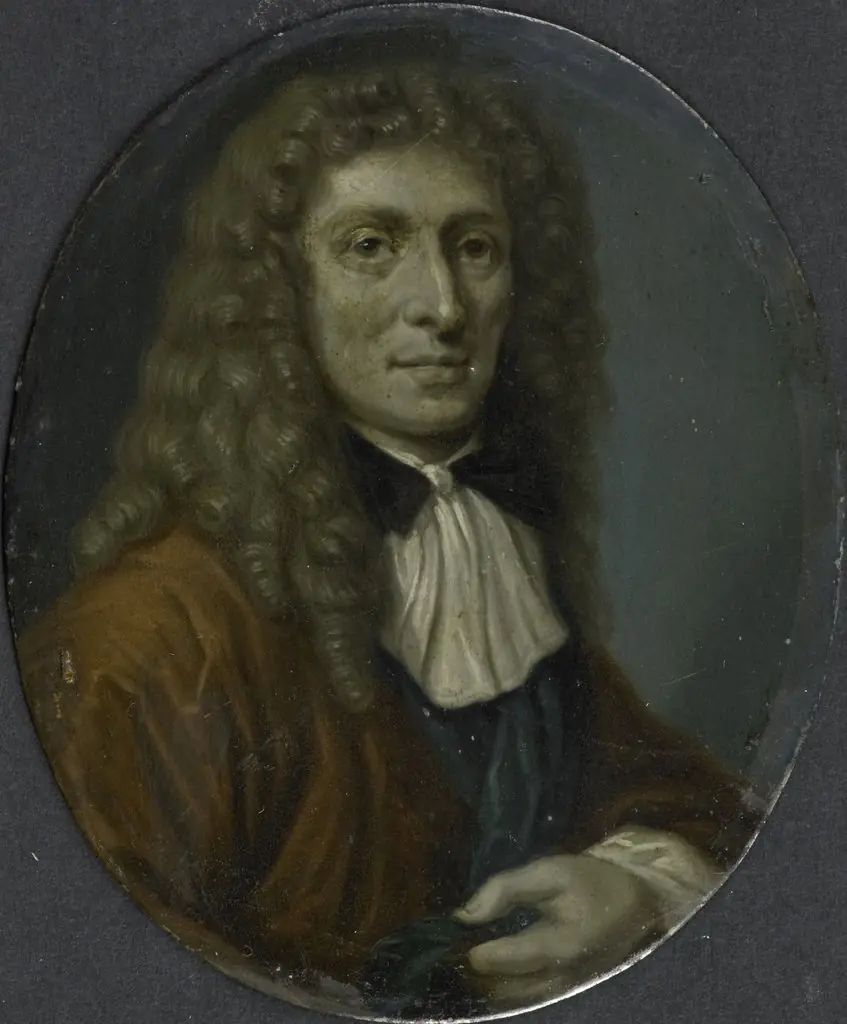
The portrait depicts Michał Fryderyk Czartoryski, a member of the influential Czartoryski family, one of the most powerful noble houses in Polish history. The sitter is shown from the chest up, turned slightly to the right, with voluminous wavy gray or powdered hair falling past his shoulders. His face is characterized by a prominent nose, heavy-lidded eyes gazing downward, and a downturned mouth, conveying a contemplative or solemn demeanor. He wears a large, elaborate white bow at the neck, with visible folds and creases in the fabric, and a glimpse of red garment appears below. The dark, indistinct background creates strong contrast with the lighter hair and cravat, focusing attention entirely on the sitter's physiognomy and social status as signaled by his formal attire. The downward gaze and serious expression suggest introspection or dignified reserve, typical conventions of male portraiture in the period.
Technique & Style
The painting is executed in oil on canvas. The brushwork is relatively smooth on the face, with more visible, textured strokes in the hair and bow, demonstrating Matejko's control over varied surface effects even at this small scale. Light falls from the upper left, illuminating the forehead, nose, and bow while casting shadows across the right side of the face, creating a subtle modeling of the features. The palette consists mainly of browns, grays, whites, and a touch of red. The oval format, mentioned in visual observation, was a common choice for intimate portraiture in the nineteenth century. The overall finish suggests moderate detail appropriate to the work's modest dimensions. This handling is consistent with Matejko's early training and his capacity for precise observation before he developed the more elaborate narrative style of his mature historical paintings.
History & Provenance
The portrait was painted in 1850, early in Matejko's career when he was still establishing himself as an artist. The work was created in Russia, according to available records. Its provenance before entering the Hermitage Museum is not documented in the available sources. The painting is currently held by the Hermitage Museum, though the exact date of accession is not specified in the sources. No exhibition history is recorded in the provided materials. The work's small size, 10.5 by 14.5 centimeters, suggests it may have been intended as a private keepsake or study rather than a public commission, though this remains speculative without further documentation.
Legacy
The Portrait of Fryderyk Czartoryski occupies a minor but representative place in Matejko's oeuvre. Its primary significance lies in illustrating the artist's early engagement with portraiture before he committed to the historical genre that defined his reputation. The work's afterlife is largely that of a reproduced image: numerous commercial art galleries offer hand-painted reproductions of the portrait in various sizes, indicating its continued circulation as a recognizable image associated with Matejko's name, even if the original remains little studied in scholarly literature. The painting's small scale and its residence in the Hermitage, far from Poland, have limited its visibility in Polish art historical narratives. No direct influence on later artists or works has been documented in the available sources. The portrait serves primarily as a biographical footnote and as evidence of Matejko's technical competence in conventional portraiture before his historical turn.
Artist & collection
Artist
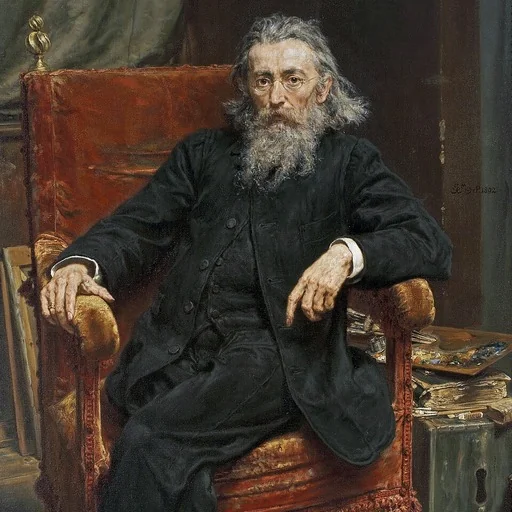
Jan Alojzy Matejko (Polish pronunciation:; also known as Jan Mateyko; 24 June 1838 – 1 November 1893) was a Polish painter, a leading 19th-century exponent of history painting, known for depicting nodal events from Polish history.

- Self-portrait
 Portrait of Govert Bidloo
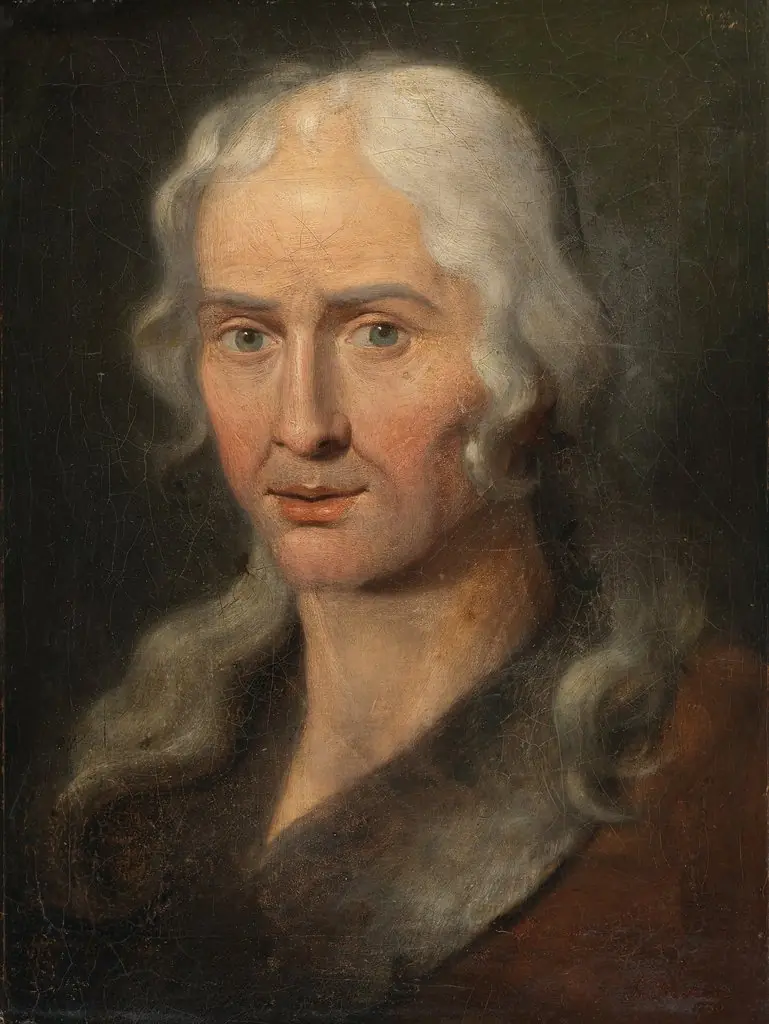 Portrait of a Man
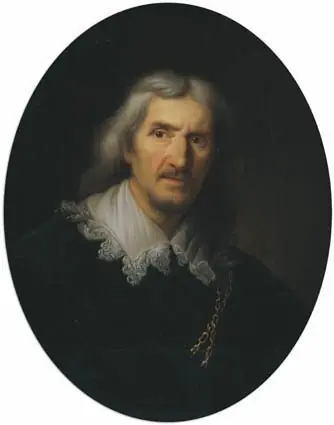 Portrait of a Man
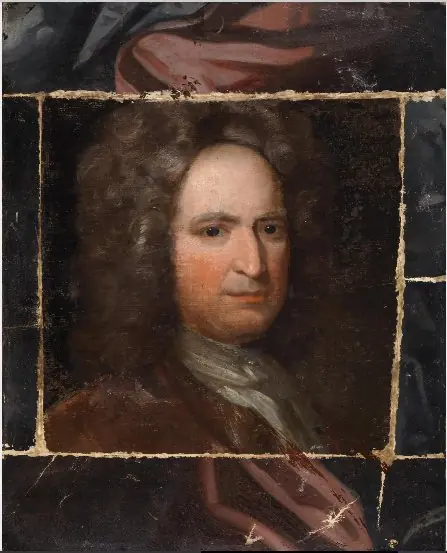 Portrait of the Reverend Samuel Madden (1686-1765), Philanthropist
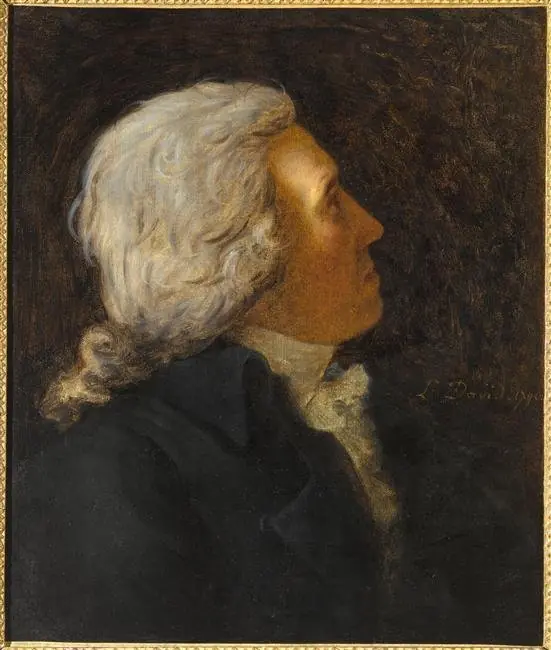 Portrait of Bertrand Barère de Vieuzac
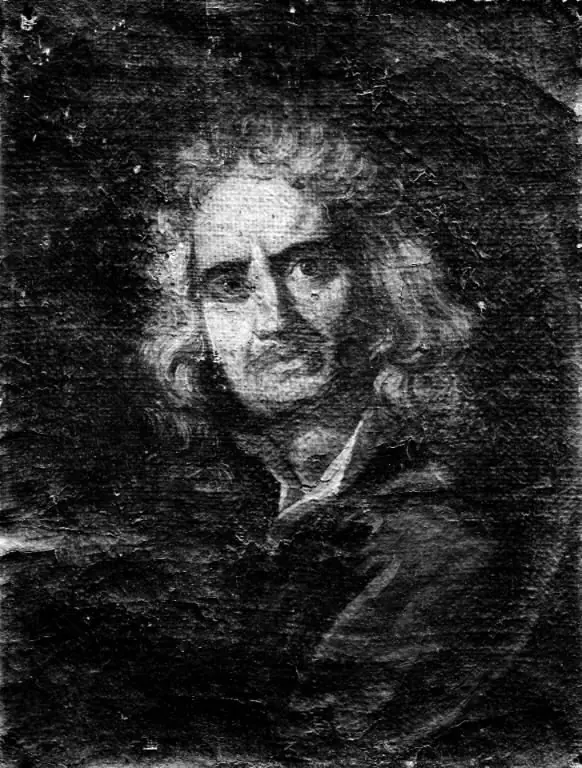 Portrait of Cavalier Burnes
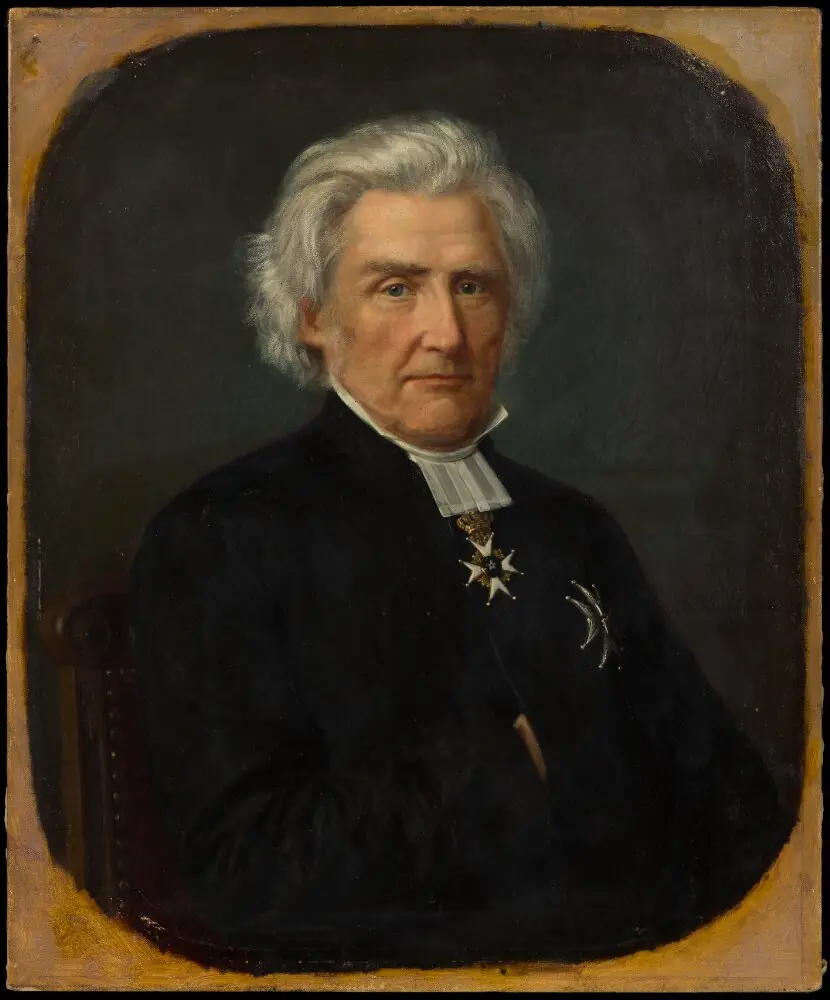 Peter Wieselgren (1800-1877), associate professor, dean, literature historian, temperance advocate, married to Mathilda Rosenqvist
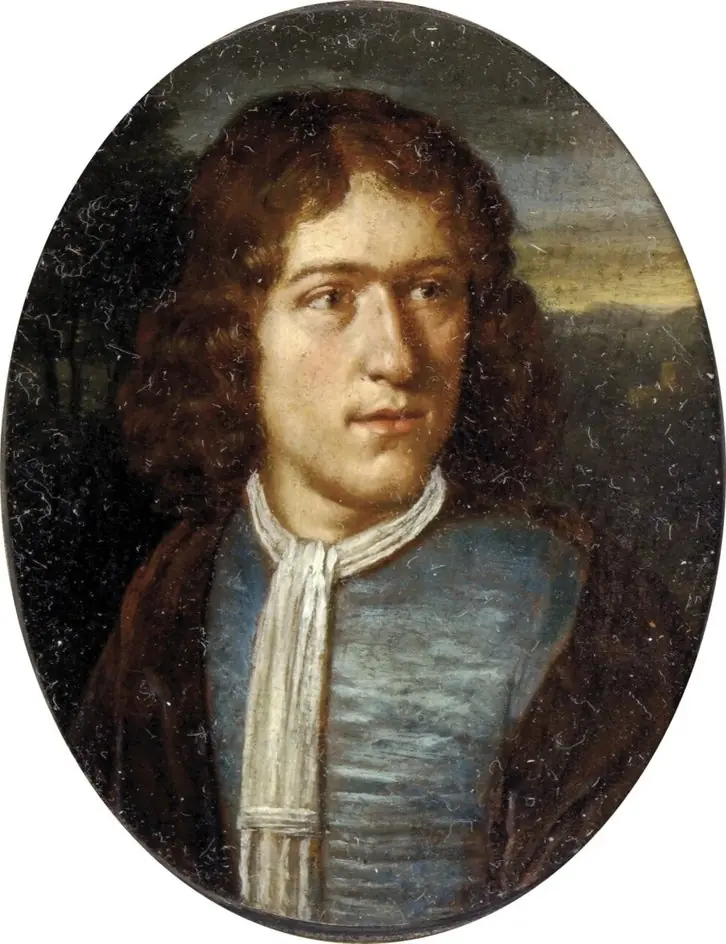 Portrait of a young Man
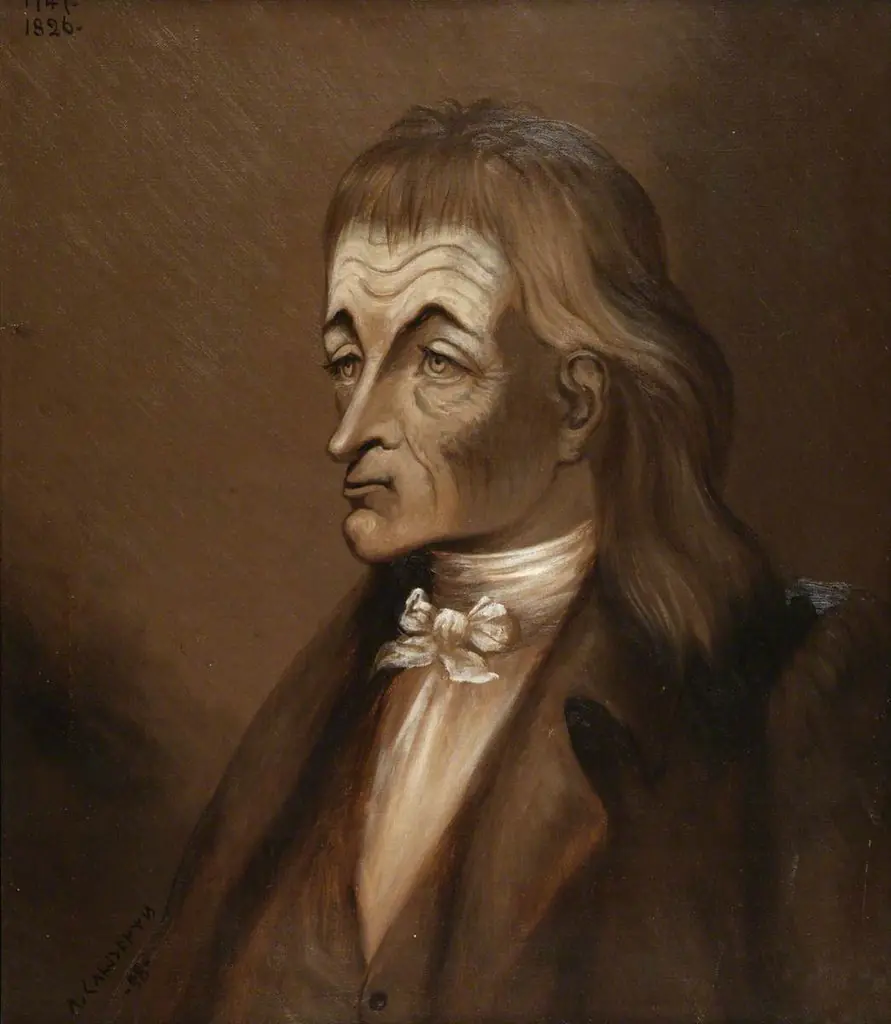 Iolo Morganwg (Edward Williams) (1747–1826)
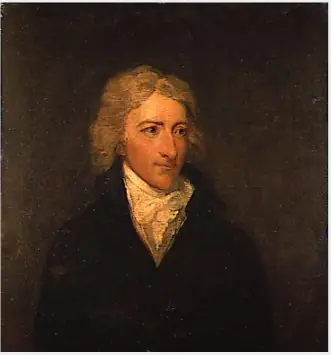 Portrait of Henry Grattan (1746-1820), Statesman
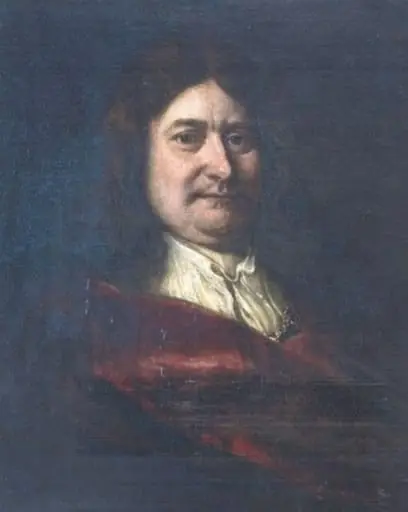 Portret de bărbat