Artwork
Prussian Homage
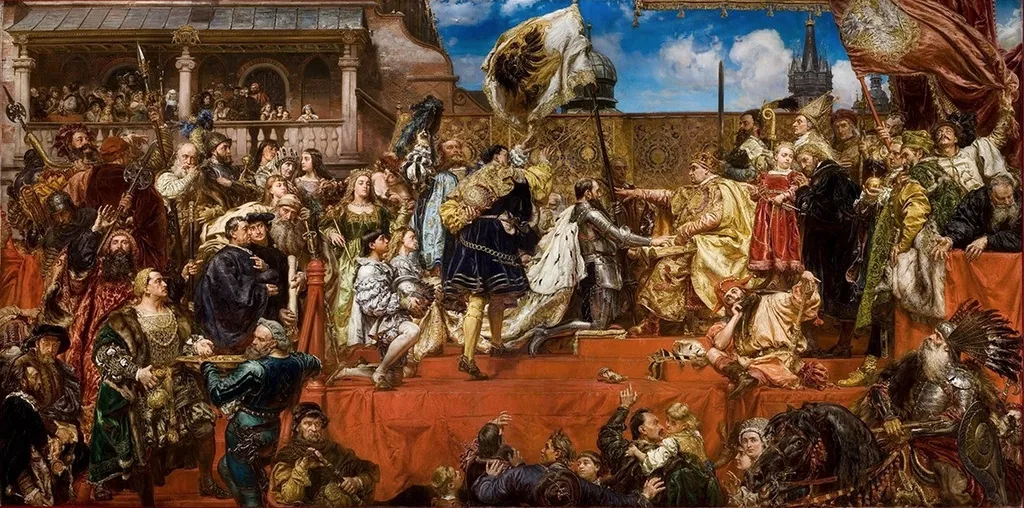
Prussian Homage is an oil painting by the Realist artist Jan Matejko. It dates from 1890 and is held in the collection of the National Museum in Kraków.
About this work
Donated to the nation in 1882, it later survived Nazi confiscation by hiding in Zamość.
On Christmas Eve 1879, Jan Matejko began a canvas nearly eight meters wide, showing Albrecht Hohenzollern kneeling before King Sigismund I the Old in Kraków's market square in 1525. The Prussian Homage packs over thirty Polish Renaissance figures into one tense scene, including the court jester Stańczyk, who alone senses the triumph will curdle into future partition. Donated to the nation in 1882, it later survived Nazi confiscation by hiding in Zamość.
Subject & Meaning
The painting depicts the Prussian Homage of 10 April 1525, when Duke Albrecht of Hohenzollern knelt before King Sigismund I the Old in Kraków's market square to swear allegiance. Matejko populated the scene with over thirty figures from the Polish Renaissance, including some anachronistic portraits. Symbolically, the work glorifies Poland's past triumphs but carries darker undertones that foreshadow the country's later partitions.
King Sigismund appears regal yet mild, treating Albrecht lightly, signifying only a temporary victory. Albrecht, kneeling on both knees (an act reserved for God, not a sovereign), grips his standard firmly but touches the Bible only tentatively; a gauntlet lies on the ground as an implied challenge, and the standard flies on a military lance, hinting at future ambition. No one smiles except a gossiping court lady.
These details critique both Prussia's betrayal and Poland's failure to secure lasting dominance, reflecting Matejko's message that the homage was a hollow, wasted victory.
Technique & Style
The painting is executed in oil on canvas, measuring 388 × 785 cm, making it one of Matejko's largest works. As a history painting, it glorifies the 1525 Prussian Homage but incorporates symbolic elements that foreshadow future tragedies. Stylistically, Matejko employs bright, luminous colors and includes over thirty figures, some anachronistic, with meticulous attention to gesture and expression.
For example, Albrecht kneels on both knees, grips his standard firmly, touches the Bible lightly, and a gauntlet lies on the ground, implying future conflict. The condition has been preserved through multiple restorations (1915, 1938, 1945, 1974, and a major one in 2006–2008) after damage during World War II.
History & Provenance
Jan Matejko began painting Prussian Homage on Christmas Eve 1879 and finished it in 1882, working in Kraków (then part of Austria-Hungary). He donated the large canvas to the Polish nation on 7 October 1882 during a meeting of the Diet of Galicia in Lwów, with the aim of supporting the renovation of Wawel Castle. The painting is owned by Poland and held in the National Museum in Kraków (Sukiennice Museum).
During World War II it was hidden in Zamość to protect it from Nazi destruction. It underwent restorations in 1915, 1938, 1945, 1974, and most recently between 2006 and 2008. No external commission is recorded; Matejko conceived the work independently.
The painting is held by the National Museum in Kraków, where it has been displayed for most of the 20th and early 21st centuries in the Sukiennice Museum's Prussian Homage Hall. After its donation to the Polish nation in 1882, it was exhibited in Kraków, Lwów, Warsaw, and internationally in Berlin, Paris, Budapest, Rome, and Vienna. In 2011, it was lent to the Martin-Gropius-Bau in Berlin for the exhibition 'Side by Side Poland – Germany' (23 September 2011 – 9 January 2012).
Context
Prussian Homage is widely regarded as one of Jan Matejko's masterpieces and a key example of Polish historical painting. Executed during the partitions, the work reflects Matejko's patriotic mission to preserve national identity through art, which he likened to a weapon against cultural suppression. Critics have noted the painting's dual nature: it glorifies a past Polish triumph while simultaneously critiquing the event as an empty victory that foreshadowed later partitions.
This ambivalence has sparked enduring scholarly debate. The painting has been the subject of numerous art historical studies and was even reinterpreted by avant-garde artist Tadeusz Kantor. Its large scale and complex symbolism cement its place in art history as a seminal work of 19th-century Polish nationalism.
Legacy
Regarded as a masterpiece, the painting has been the subject of numerous art historical studies. Its legacy extends into performing arts, with reinterpretations by artist Tadeusz Kantor and a 1992 reenactment by the cabaret Piwnica pod Baranami. During World War II, it was on the Nazi's most wanted list and hidden for protection.
Exhibited internationally, including in Berlin, Paris, and Rome, it was displayed in Berlin in 2011 as part of a German-Polish exhibition. The work remains a highlight of the National Museum in Kraków's collection.
Overview
Jan Matejko's "Prussian Homage" is a large-scale oil painting created between 1879 and 1882. It captures a pivotal moment in Polish history: the 1525 act of homage by Albrecht of Hohenzollern, Duke of Prussia, to King Sigismund I the Old. This historical event, set in Kraków's main market square, symbolized the Polish Crown's suzerainty over Prussia. The artwork is notable for its grand scale and numerous historical figures.
Artist & collection
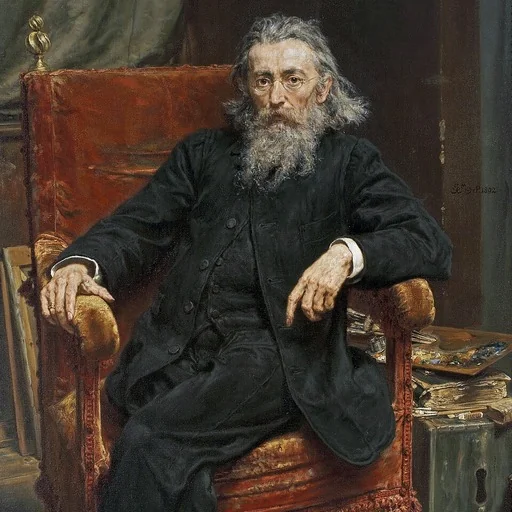
Artist
Jan Alojzy Matejko (Polish pronunciation:; also known as Jan Mateyko; 24 June 1838 – 1 November 1893) was a Polish painter, a leading 19th-century exponent of history painting, known for depicting nodal events from Polish history.

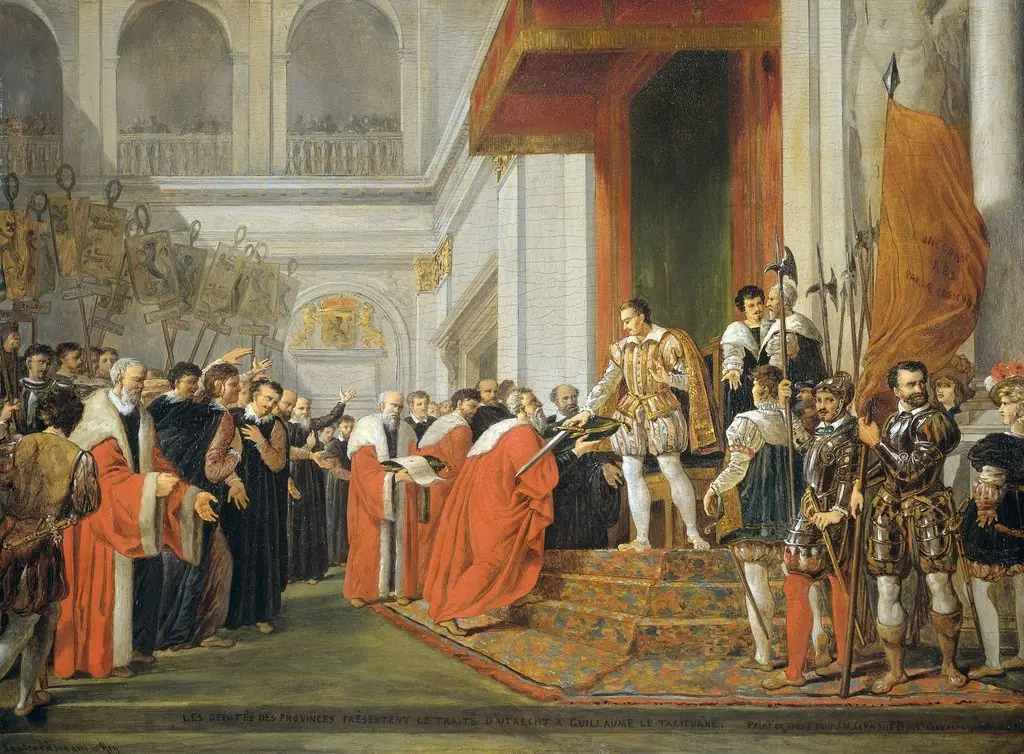
- The Union of Utrecht
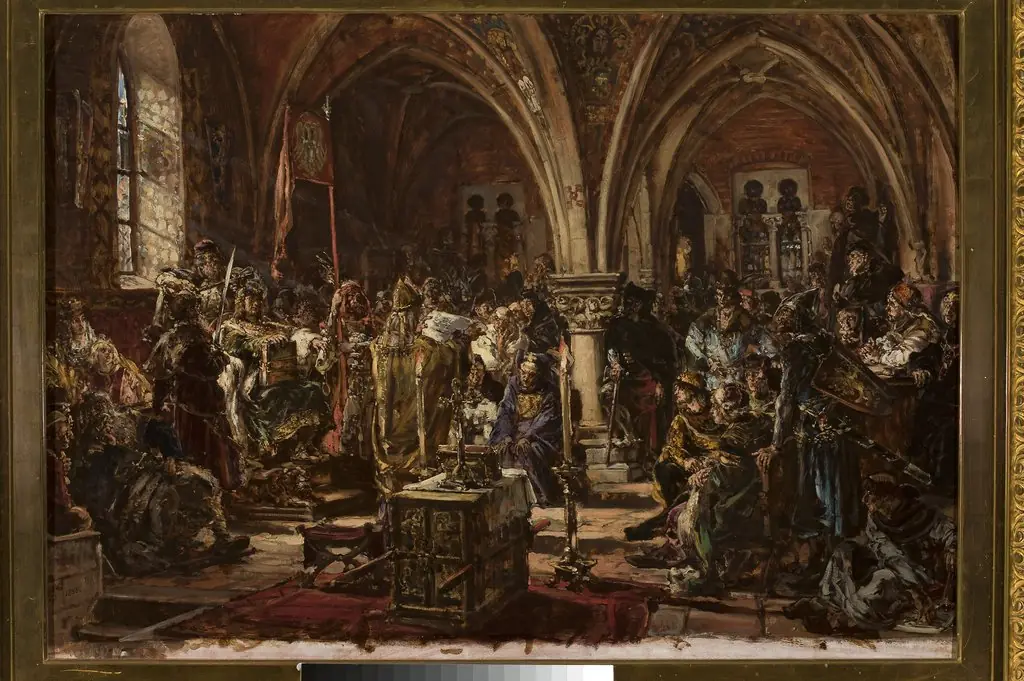 The First Parliament in Łęczyca, from the series “History of Civilization in Poland”
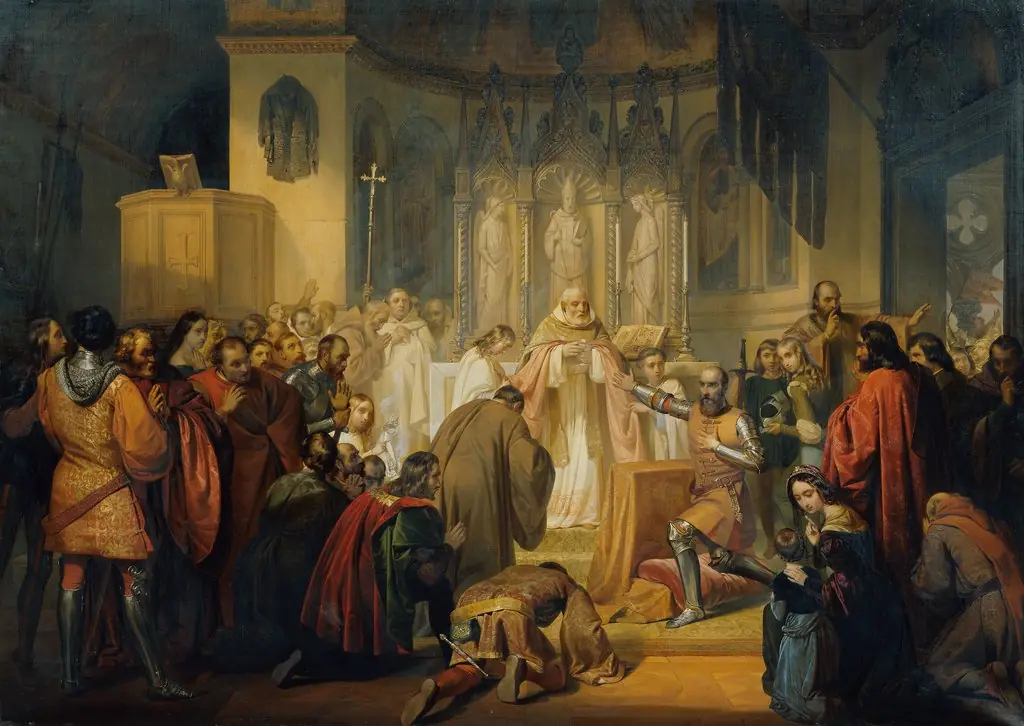 Vittore Pisani receives Holy Communion before taking command of an expedition against the Genoese
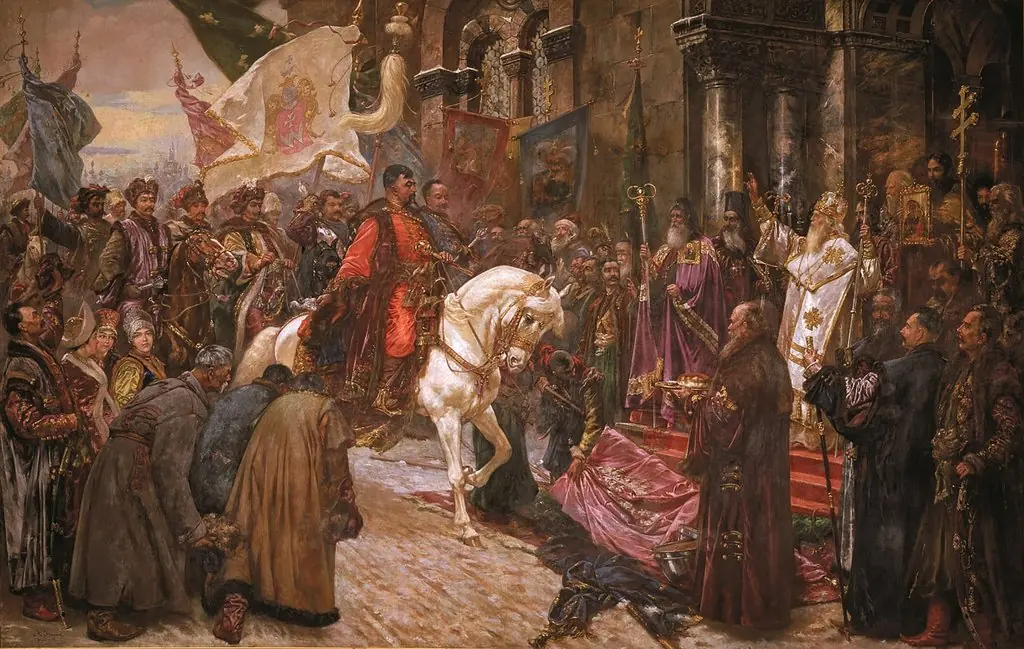 В'їзд Богдана Хмельницького до Києва 1649 року
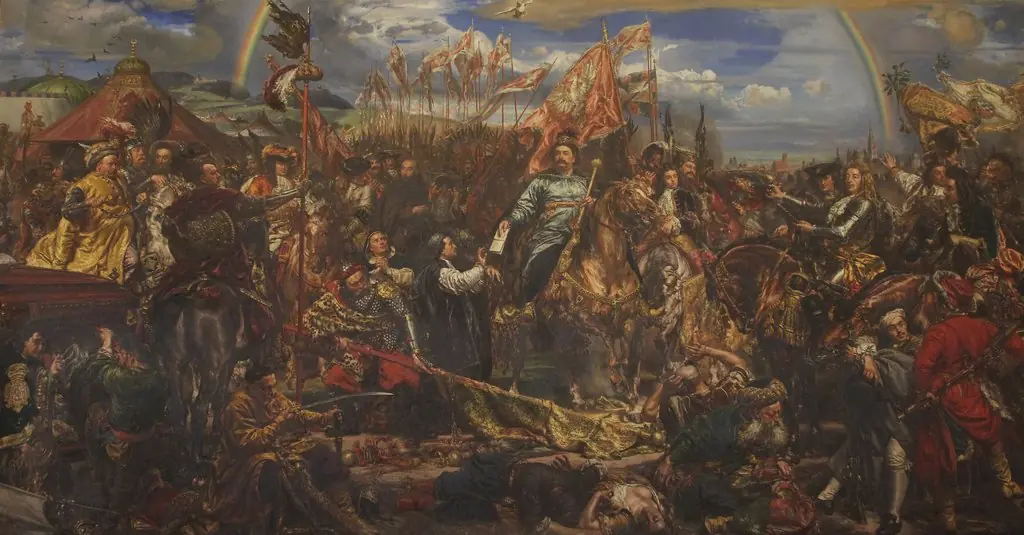 Jan Sobieski at Vienna
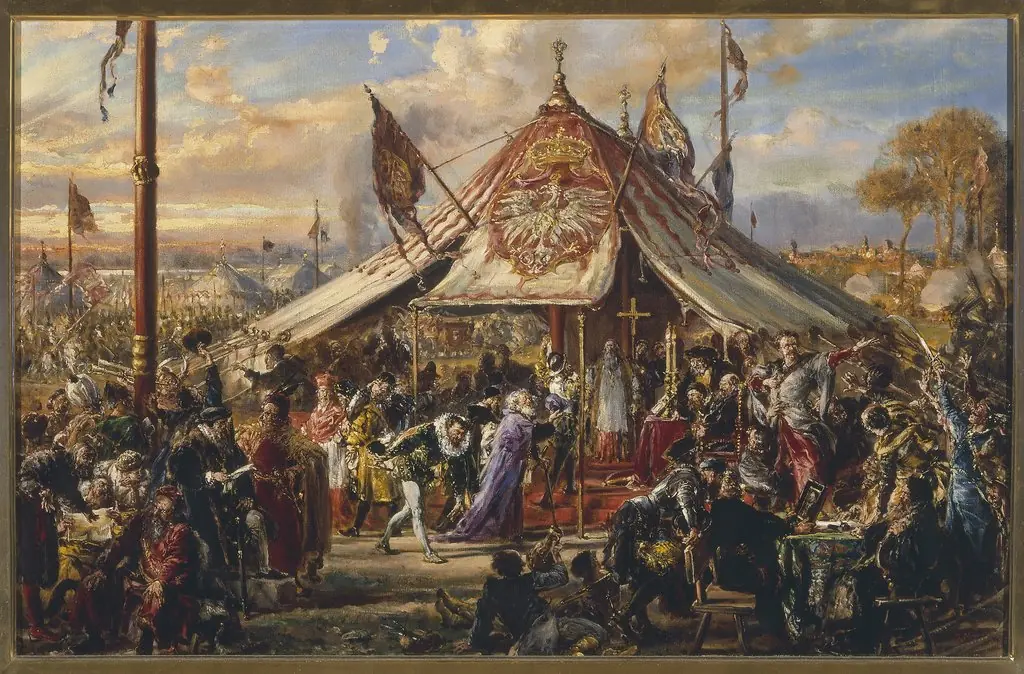 Power of Commonwealth at its Zenith, from the series “History of Civilization in Poland”
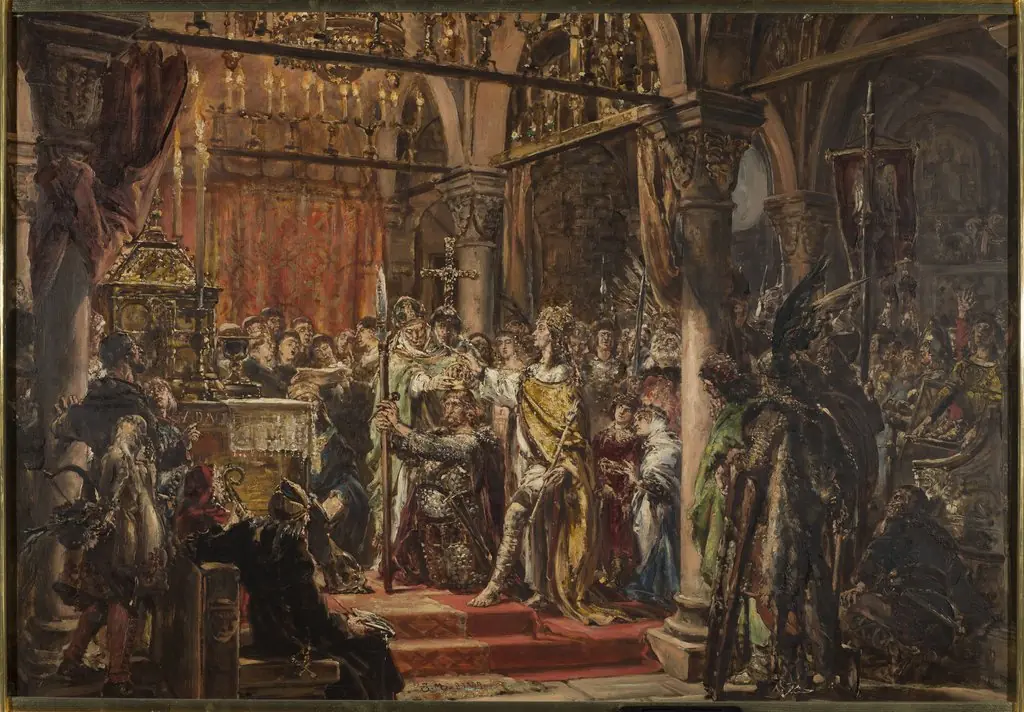 Coronation of the First King, 1001 AD, from the series “History of Civilization in Poland”
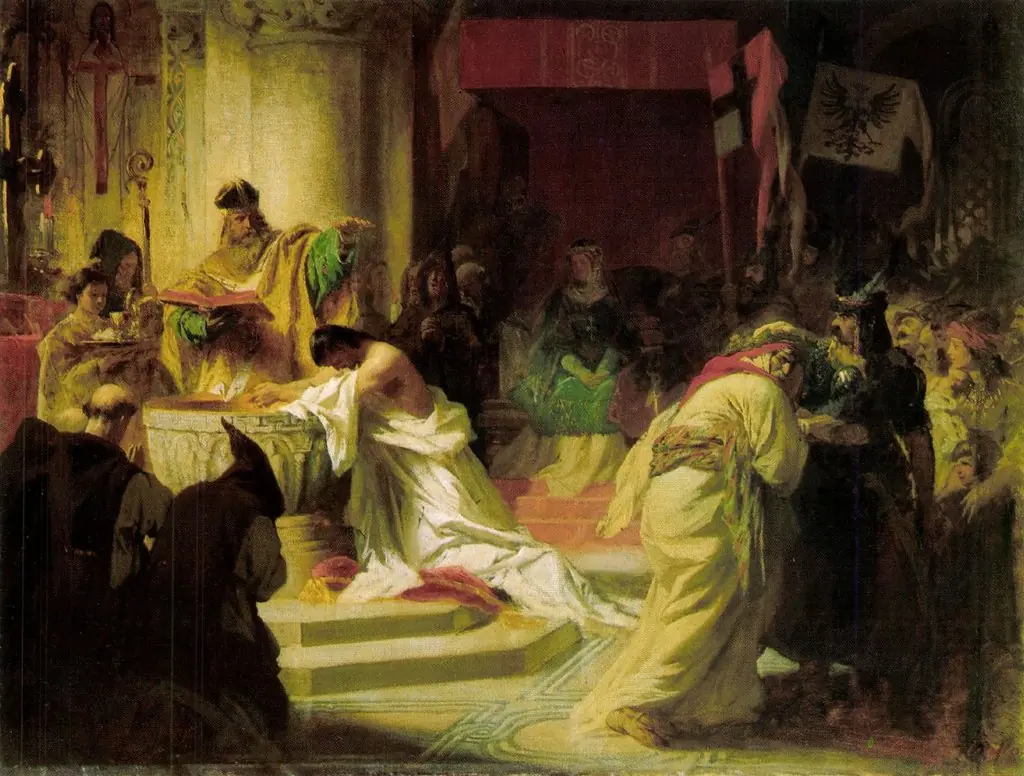 The Baptism of Vajk
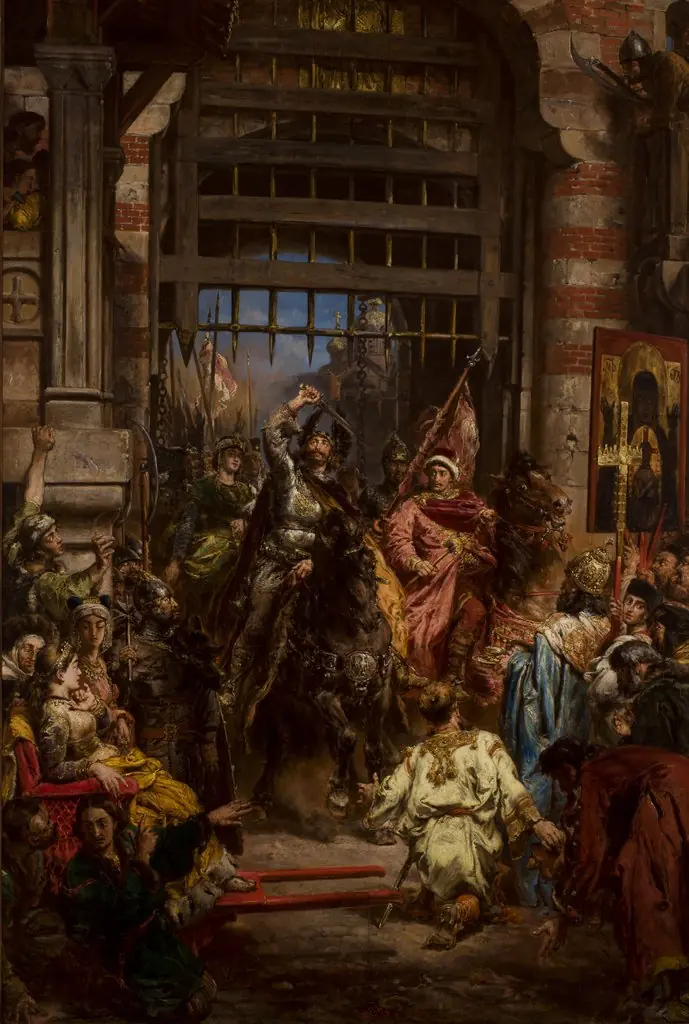 Boleslaw the Brave with Svyatopolk at the Golden Gate in Kiev
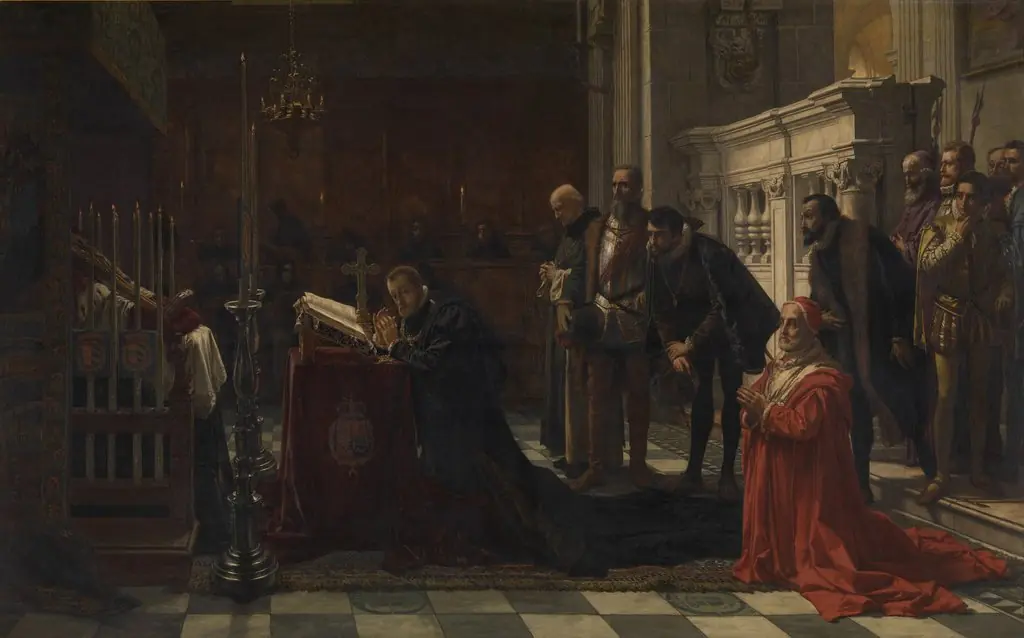 Philip II of Spain Honours Don John of Austria
 Tsars Shuyski brought by Żółkiewski to the Warsaw Sejm in front of Zygmunt III
 The Reception of Peter Paul Rubens by the Antwerp Arquebusiers