Artwork
The Veneration of St. Lambert
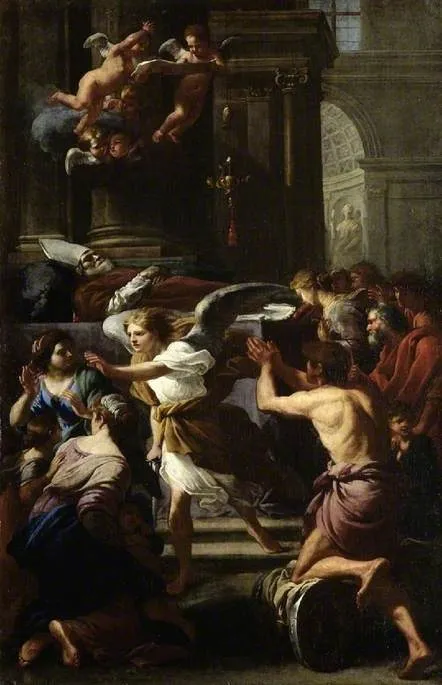
The Veneration of St. Lambert is an oil painting by the Caravaggisti artist Jan Miel. It dates from 1648 and is held in the collection of the Fitzwilliam Museum.
About this work
Overview
Painted in 1648 by the Flemish artist Jan Miel, this oil-on-canvas work depicts a religious scene of veneration centered on St.
Painted in 1648 by the Flemish artist Jan Miel, this oil-on-canvas work depicts a religious scene of veneration centered on St. Lambert. Though Miel began his career in Rome among the Bamboccianti, known for genre scenes of everyday life, this piece reflects his later turn toward elevated religious subjects. Executed in a Caravaggist idiom, it combines dramatic lighting with restrained color to convey solemnity. The painting is now part of the Fitzwilliam Museum’s collection in Cambridge.
Subject & Meaning
The painting portrays a moment of communal devotion to St. Lambert, a bishop and martyr venerated in the Low Countries. Figures gather in reverent stillness around his presence, their gestures and postures signaling piety rather than spectacle. The setting, a monumental interior with arched windows and ornate stonework, elevates the event beyond the mundane, suggesting sacred space. The absence of overt miracles or divine intervention emphasizes quiet, human-centered reverence.
Technique & Style
Miel employs chiaroscuro to model forms and guide the viewer’s gaze toward the central figure, using deep shadows and soft, diffused light to create spatial depth. The palette favors muted earth tones, ochres, umbers, and slate grays, with subtle variations in tone to suggest texture in fabric, stone, and skin. Details in clothing and architecture are rendered with precision but without flamboyance, reinforcing the painting’s restrained, contemplative mood.
History & Provenance
Created during Miel’s mature period in Rome, the painting marks his transition from genre scenes to religious history painting. It likely originated as a private commission, possibly for a devotional setting in the Southern Netherlands or among Flemish expatriates in Italy. The work entered the Fitzwilliam Museum’s collection in the 19th century, where it has remained as part of its European Old Master holdings.
Context
In mid-17th-century Rome, Caravaggism remained influential among Northern European artists, even as classicism gained ground. Miel’s work reflects this tension: the lighting and realism owe much to Caravaggio, yet the composition’s order and dignity align with emerging classical ideals. The choice of St. Lambert, a regional saint, suggests the painting may have served a Flemish patron’s devotional needs, bridging Italian style with Northern religious identity.
Legacy
The painting stands as a testament to Miel’s artistic evolution and the adaptability of Caravaggist techniques in religious contexts. While not widely reproduced, it exemplifies how Northern artists in Italy synthesized local traditions with Italian innovations. Its presence in a major British museum underscores its role in the broader transmission of Flemish-Italian artistic dialogue during the Baroque era.
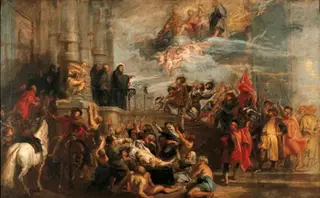
Artist & collection
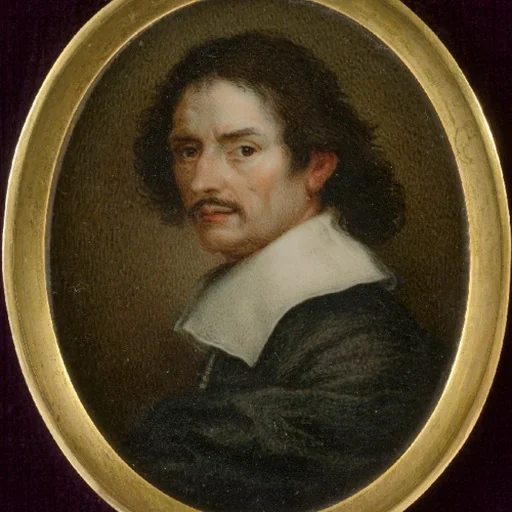
Artist
Jan Miel (1599 – April 1664) was a Flemish painter and engraver who was active in Italy.

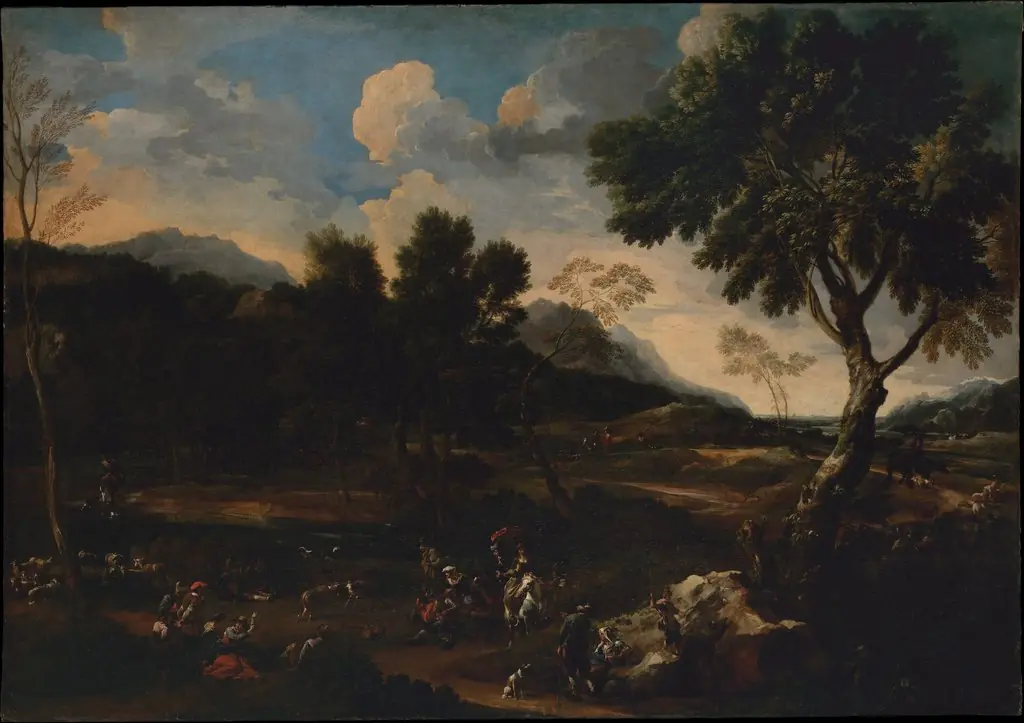

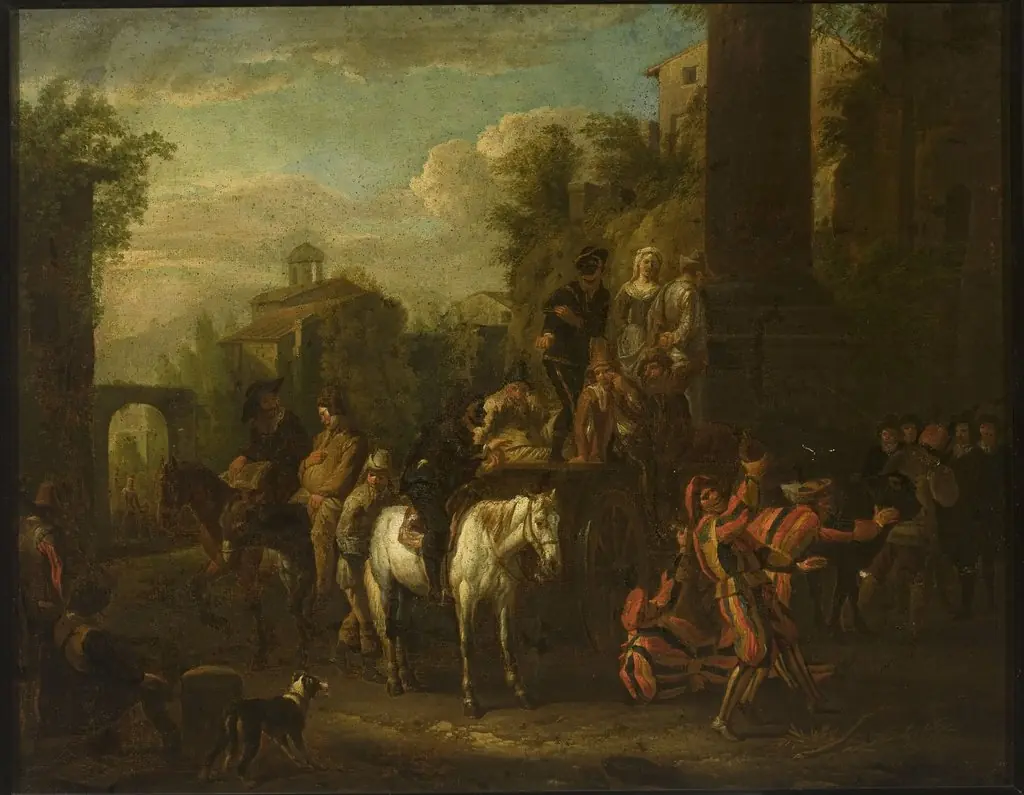
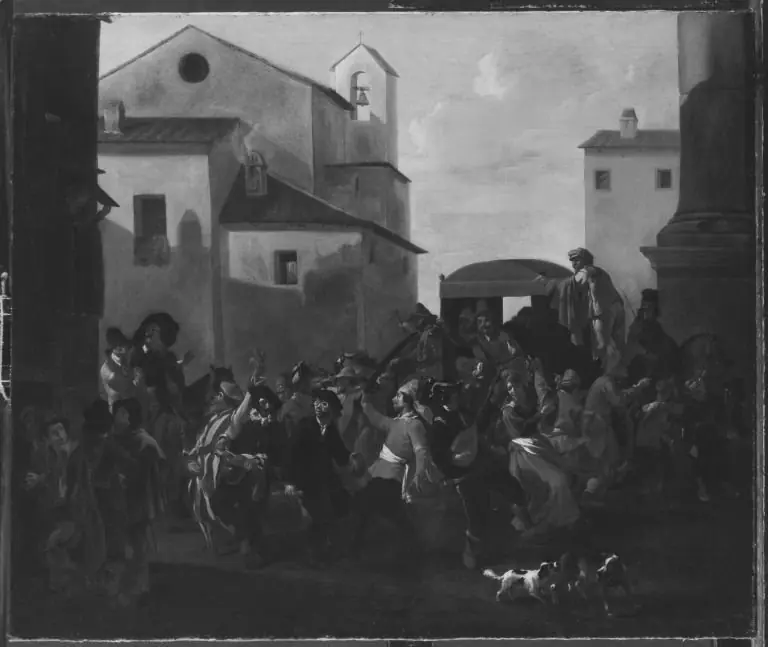
 The Martyrdom of St Stephen
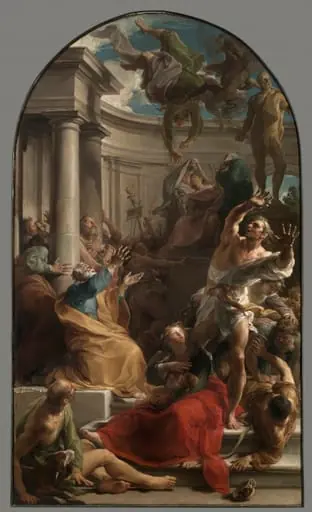 The Fall of Simon Magus
 Saint Pierre ressuscite la veuve Tabitha
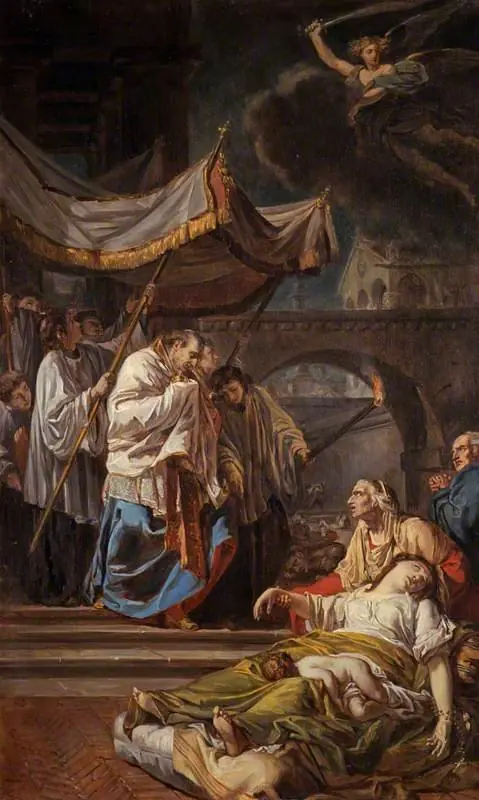 Saint Charles Borromeo Bringing the Assistance of Religion to the Plague Victims of Milan
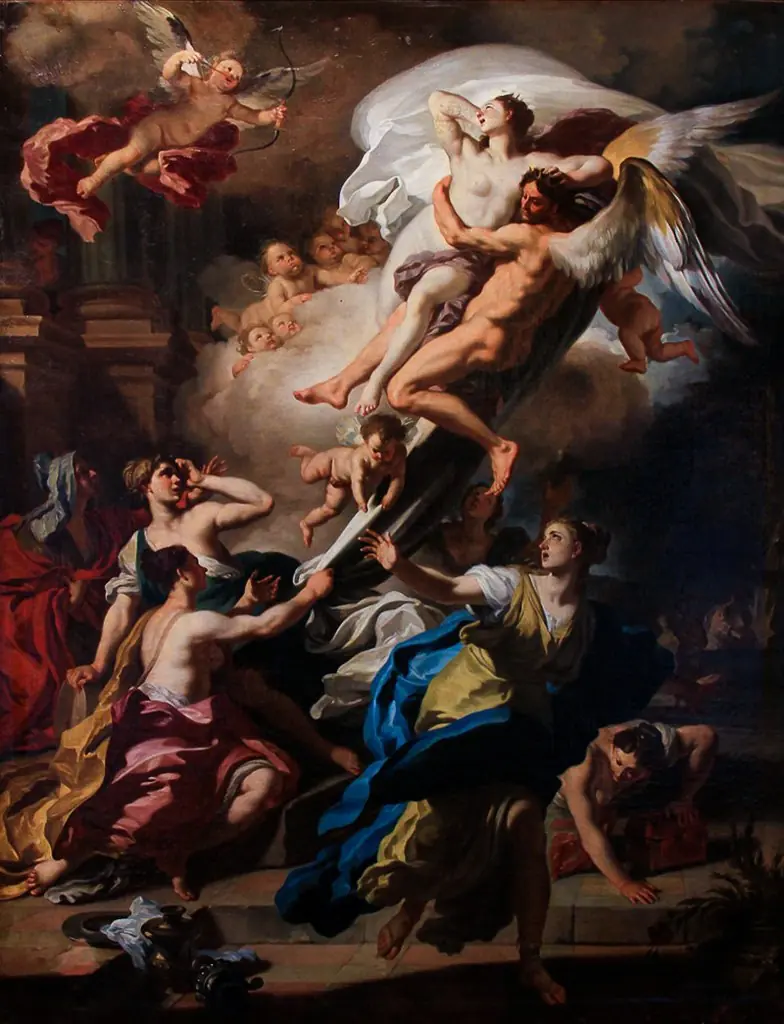 Boreas Abducting Oreithyia, Daughter of Erechteus
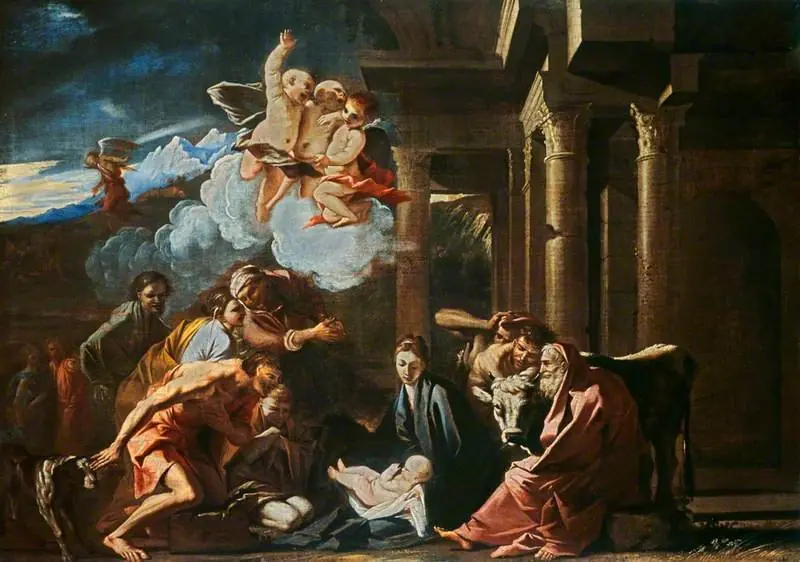 The Adoration of the Shepherds
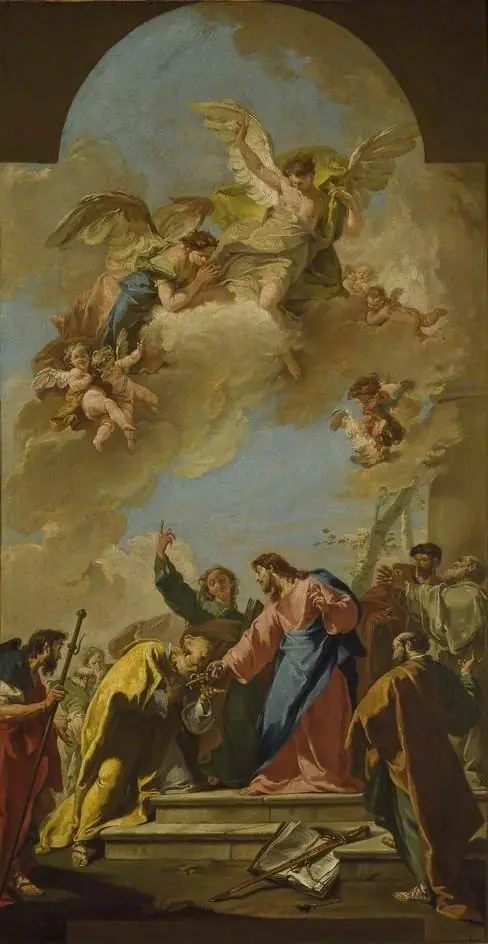 Christ's Charge to St Peter
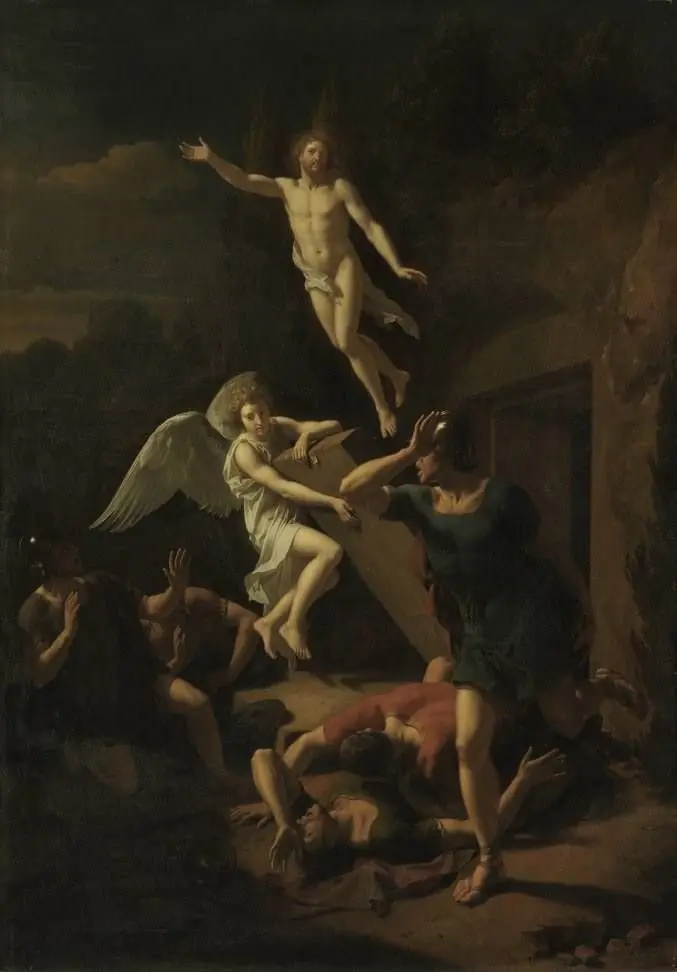 The Resurrection
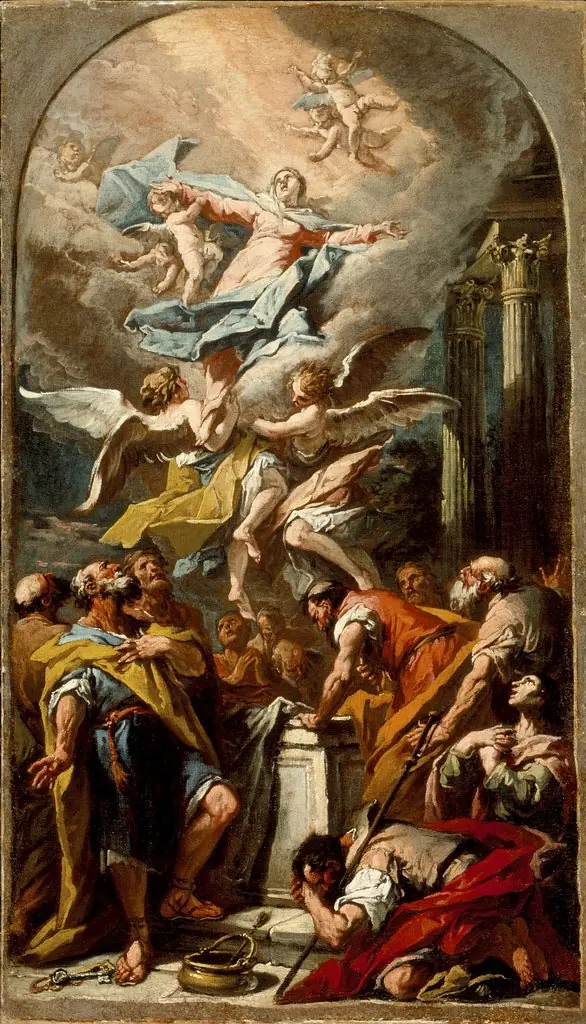 The Assumption of the Virgin
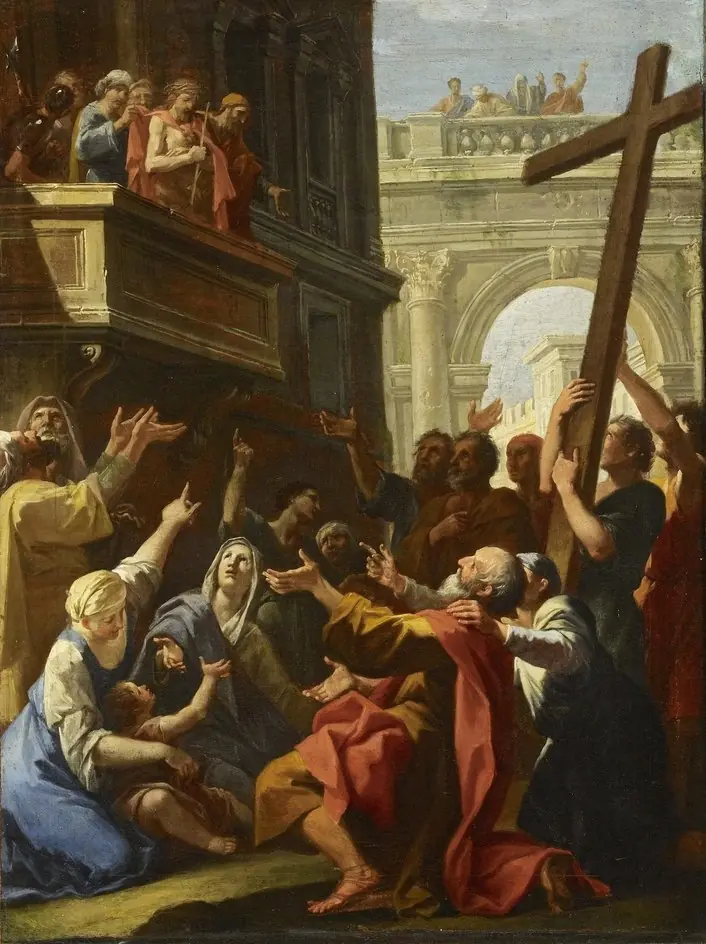 Ecce Homo