Artwork
"View of Wawel" by Jan Nepomucen Głowacki
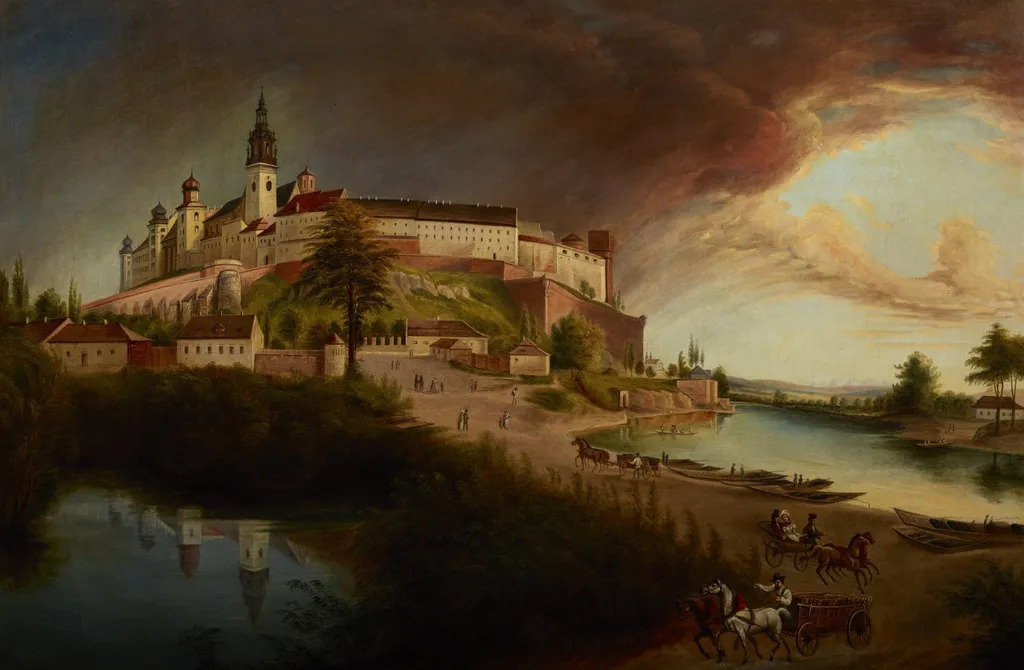
"View of Wawel" by Jan Nepomucen Głowacki is an oil painting by the Plein Air artist Jan Nepomucen Głowacki. It is held in the collection of the National Museum in Kraków.
About this work
Overview
Painted in 1888 by Jan Nepomucen Głowacki, 'View of Wawel' is an oil-on-canvas landscape depicting the historic Wawel Castle in Kraków.
Painted in 1888 by Jan Nepomucen Głowacki, 'View of Wawel' is an oil-on-canvas landscape depicting the historic Wawel Castle in Kraków. The work reflects the artist’s commitment to capturing the Polish countryside with observational precision. Though created during the late Romantic period, its approach aligns with plein air practices, emphasizing direct engagement with natural conditions rather than studio idealization.
Subject & Meaning
The painting presents Wawel Hill as a monumental presence rising above the Vistula River, framed by dense foliage and dotted with figures and animals along the water’s edge. The castle, a symbol of Polish sovereignty and cultural memory, is rendered not as a ruin or relic but as a living part of the landscape. The quiet activity of daily life below grounds the scene in realism, suggesting continuity between history and the present.
Technique & Style
Głowacki employed fine brushwork to render textures of stone, foliage, and water with careful attention to atmospheric effects. The sky, partially obscured by drifting clouds, allows shafts of sunlight to break through, casting subtle shifts in tone across the terrain. His palette favors earthy greens, muted grays, and warm ochres, avoiding dramatic contrasts in favor of naturalistic harmony and tonal nuance.
History & Provenance
Głowacki trained in Kraków, Prague, Vienna, Rome, and Munich before returning to his native city in 1828 to teach. 'View of Wawel' was completed decades later, in 1888, near the end of his career. It entered the collection of the National Museum in Kraków, where it remains today as part of a broader effort to document Poland’s cultural heritage through art during a period of national partition.
Context
Created during the late 19th century, when Poland was divided among neighboring empires, the painting subtly asserts national identity through its focus on a historic Polish landmark. While not overtly political, its detailed depiction of Wawel resonated with audiences seeking cultural continuity. The plein air method aligned with broader European trends but was adapted to serve local topography and memory.
Legacy
Głowacki’s work helped establish landscape painting as a serious genre in Polish art. 'View of Wawel' exemplifies his role in bridging Romantic sensibility with emerging realist practices. Though less widely known internationally, his contributions influenced subsequent generations of Polish artists who sought to portray the nation’s terrain with dignity and fidelity.
Own this work as a print
Artist & collection
Artist
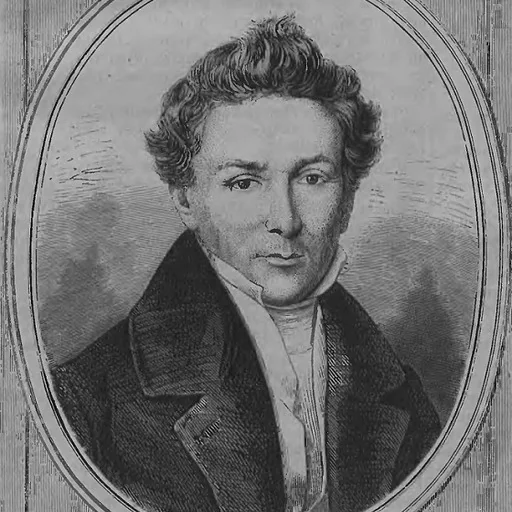
Jan Nepomucen Głowacki (1802 – July 28, 1847) was a Polish realist painter of the Romantic era, regarded as the most outstanding landscape painter of the early 19th century in Poland under the foreign partitions.

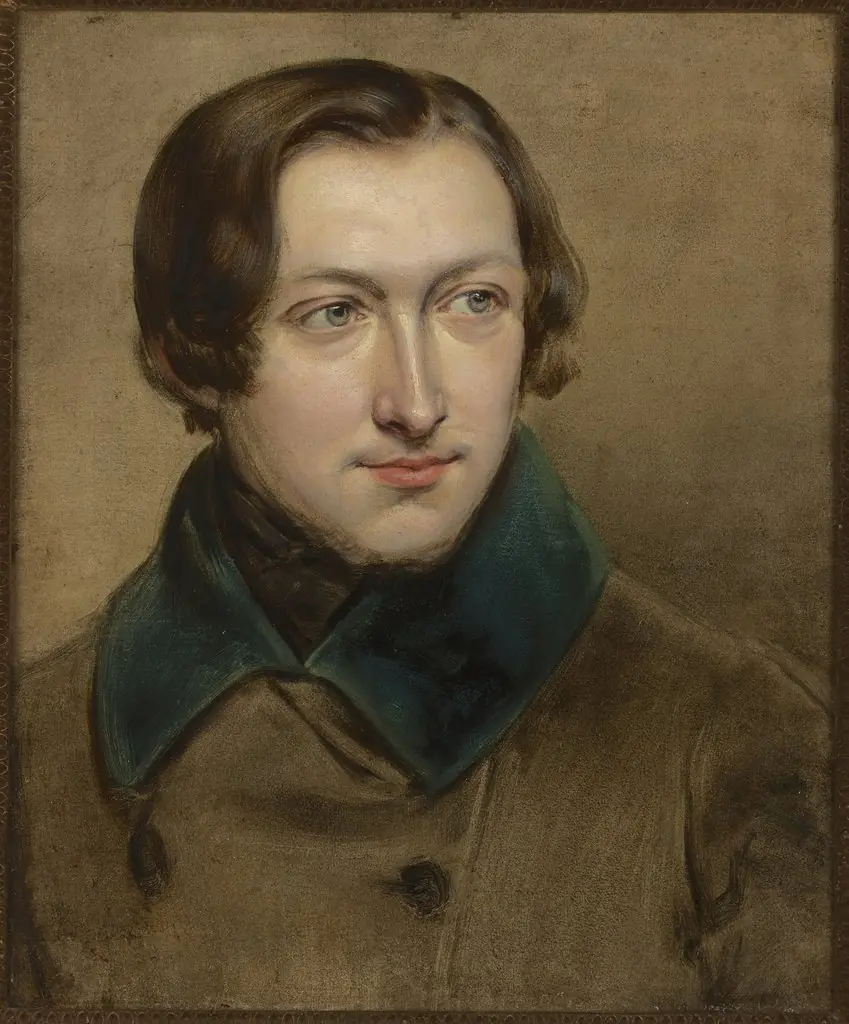
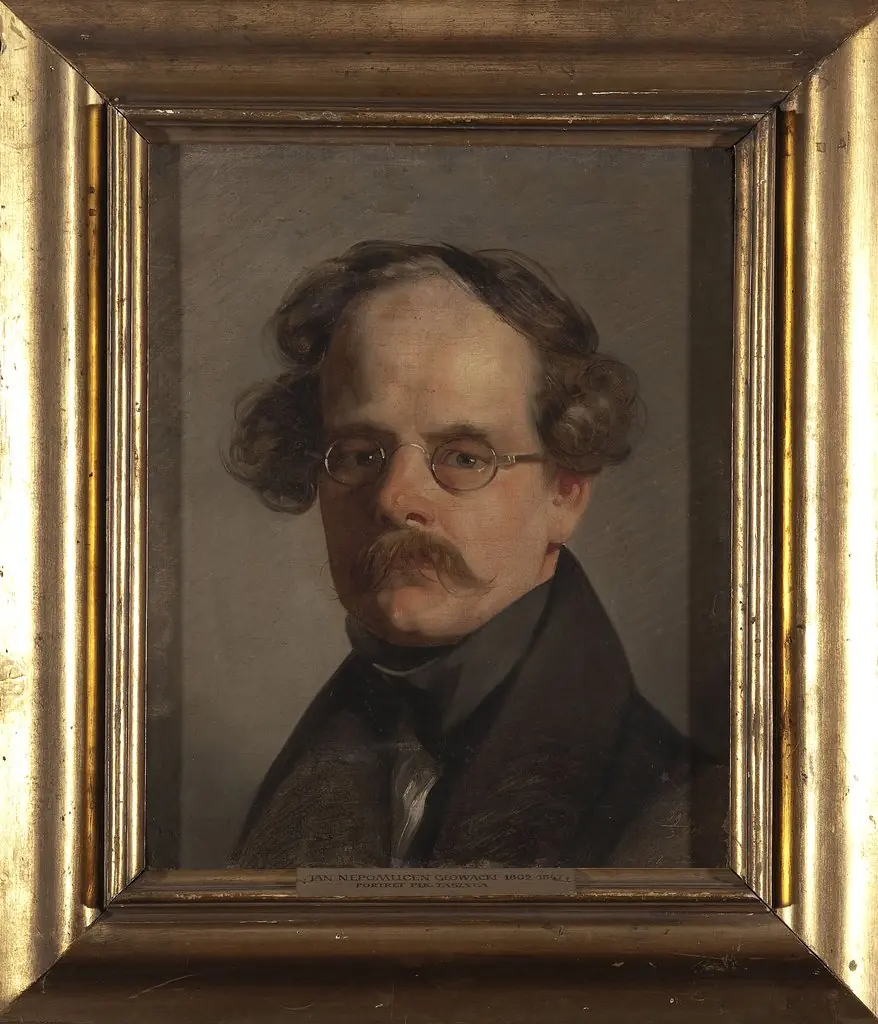
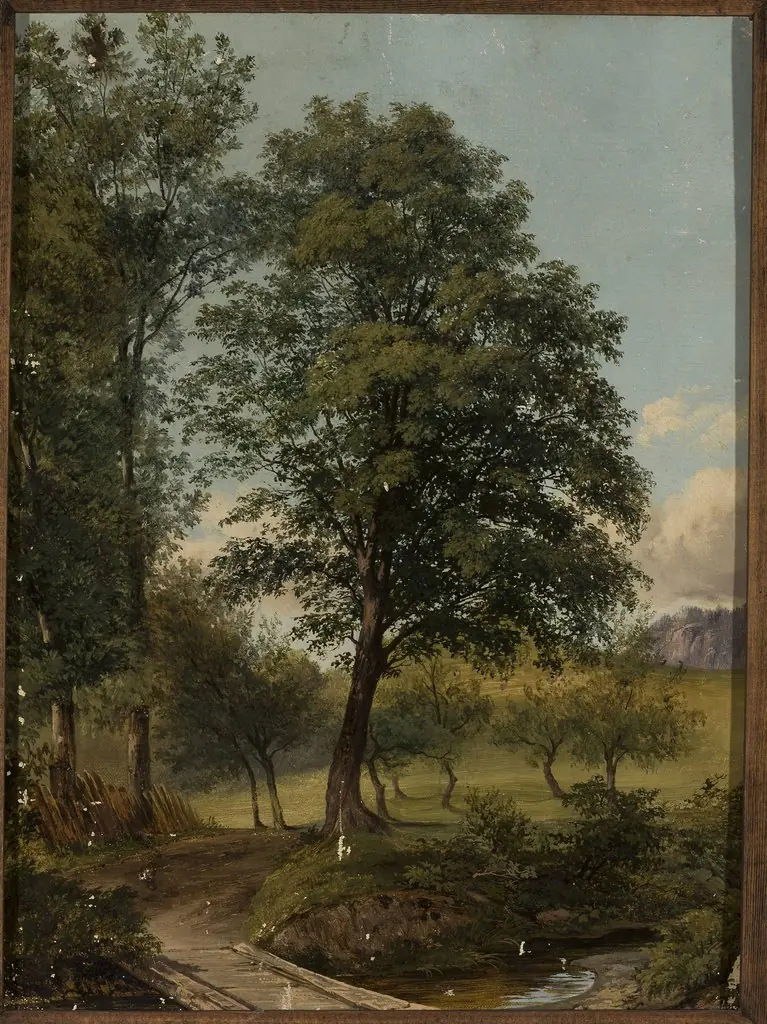
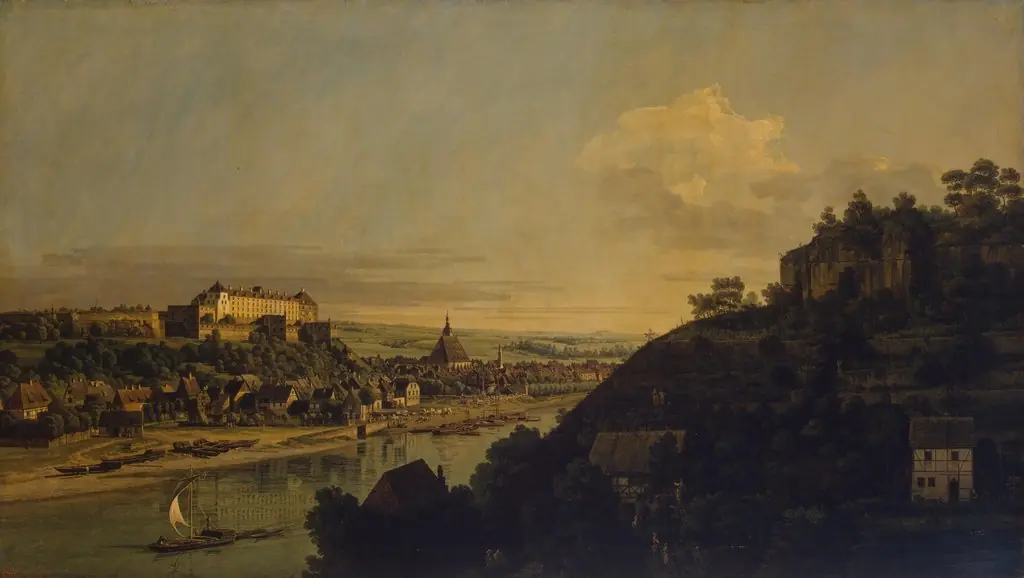 View of Pirna from the Right Bank of the Elba above the Town
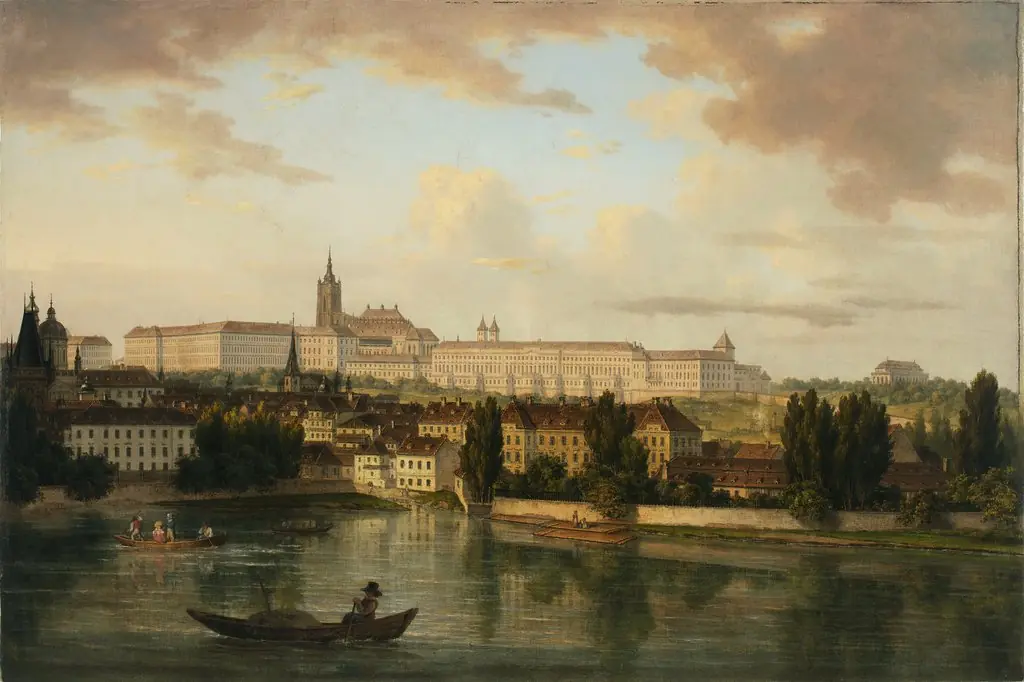 Prague Castle - Hradčany
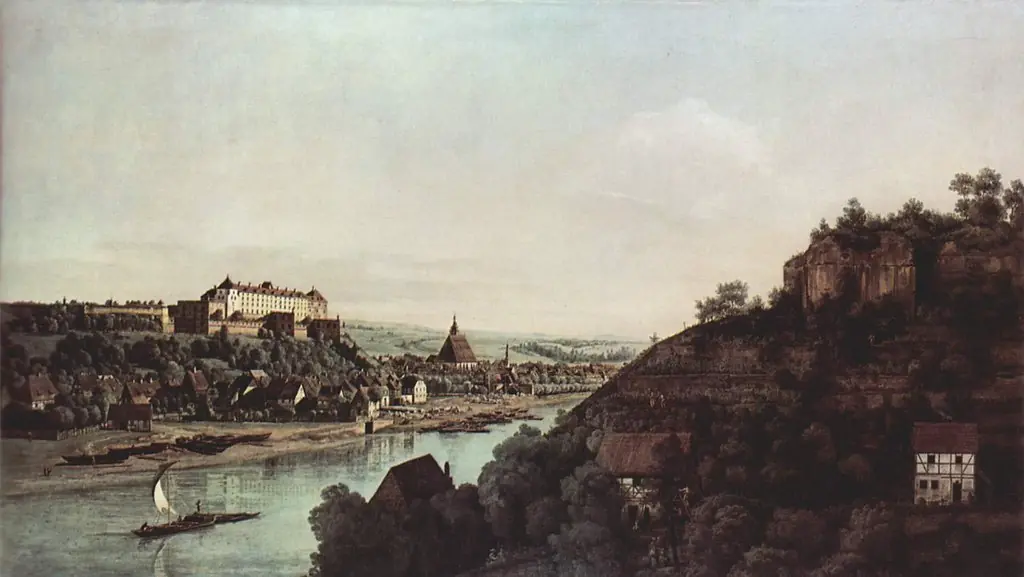 Pirna from Posta
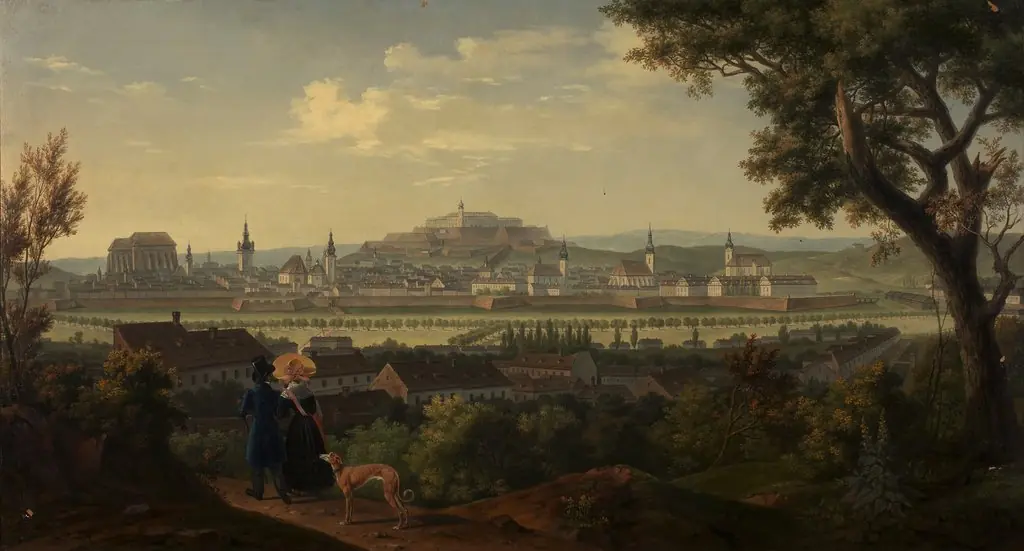 Brünn mit Spielberg
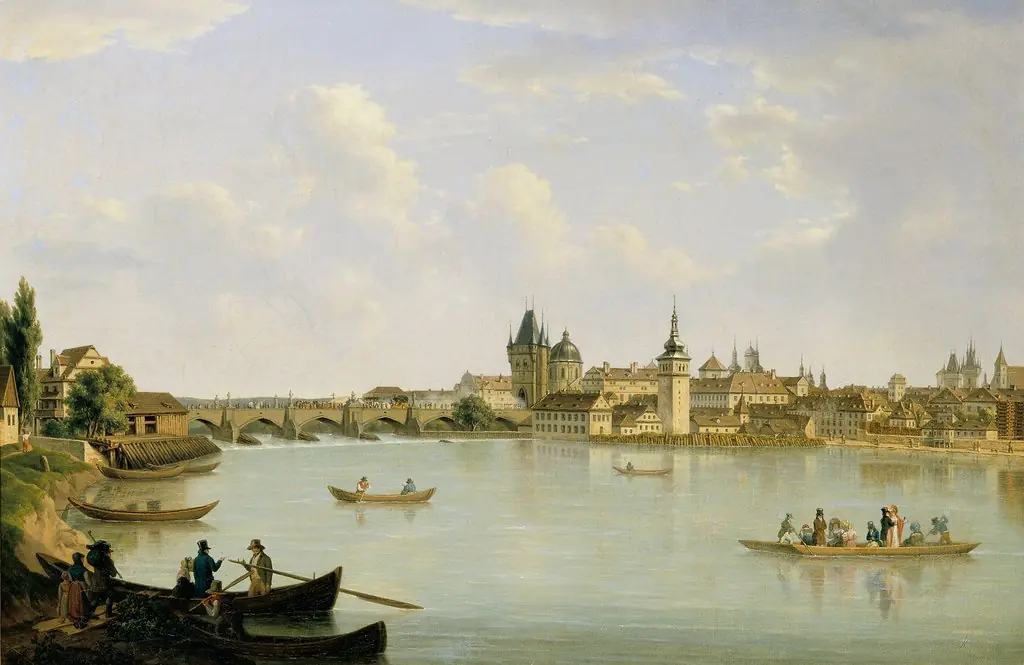 Ansicht von Prag mit der Moldaubrücke (Karlsbrücke)
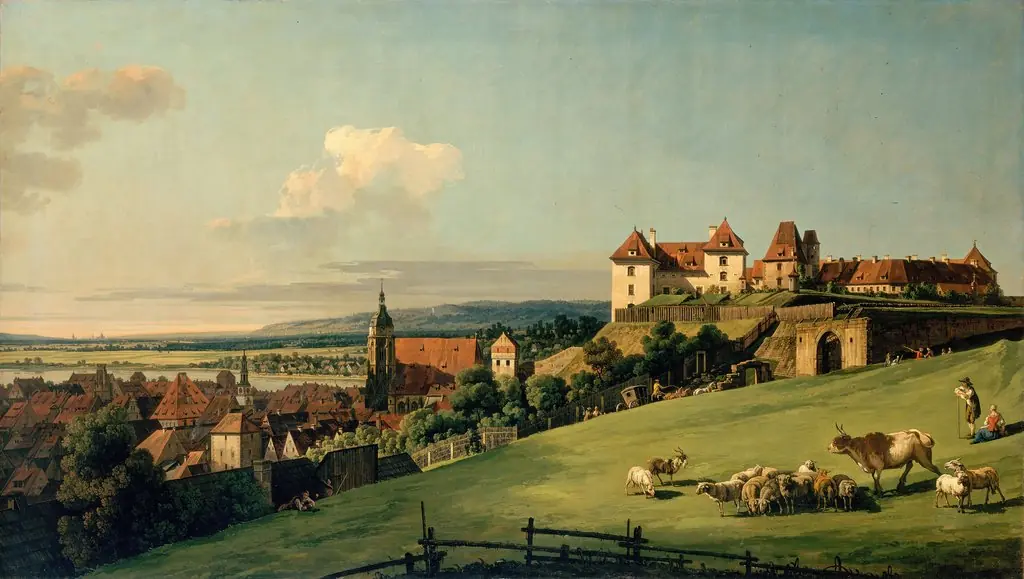 View of Pirna from the Sonnenstein Castle
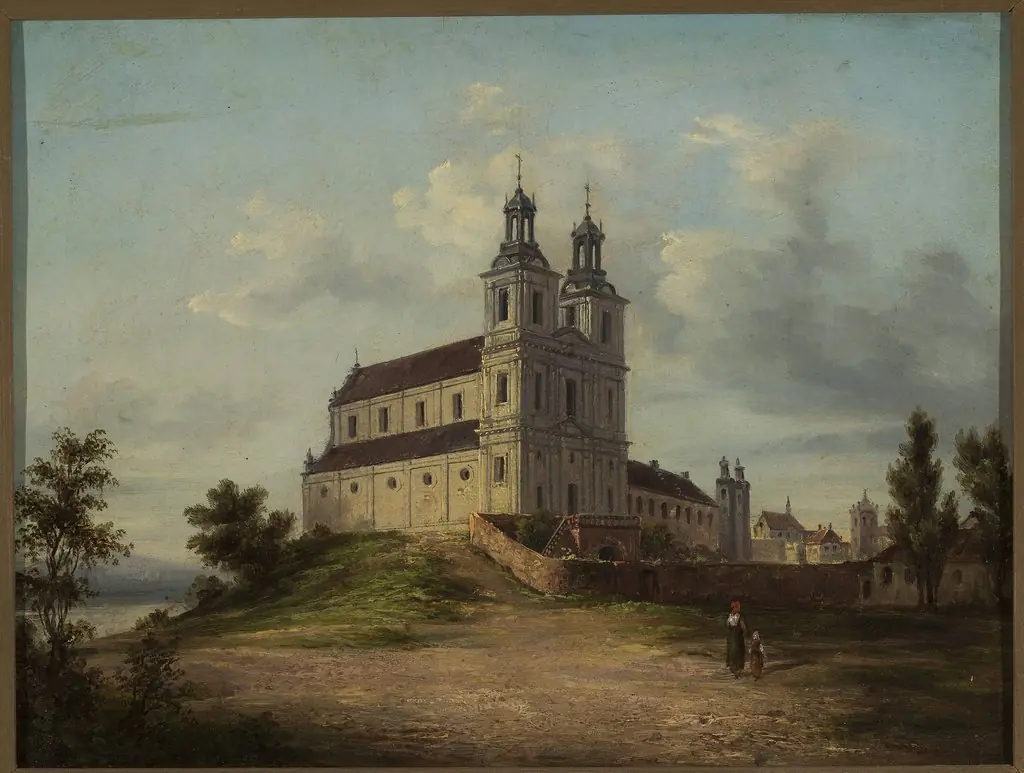 Pauline church and monastery at Skałka, Kraków
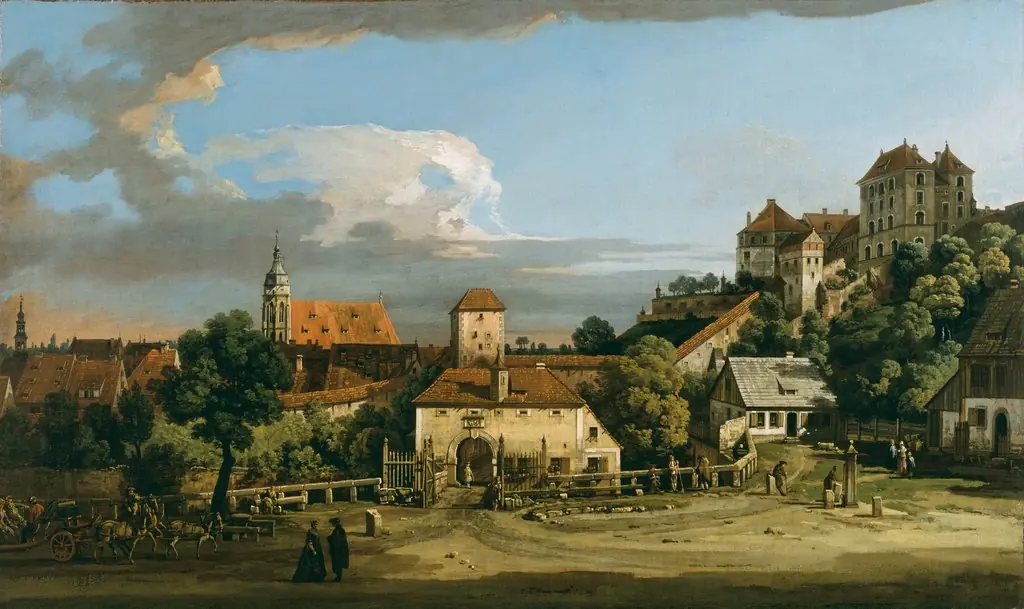 Pirna: The Obertor from the South
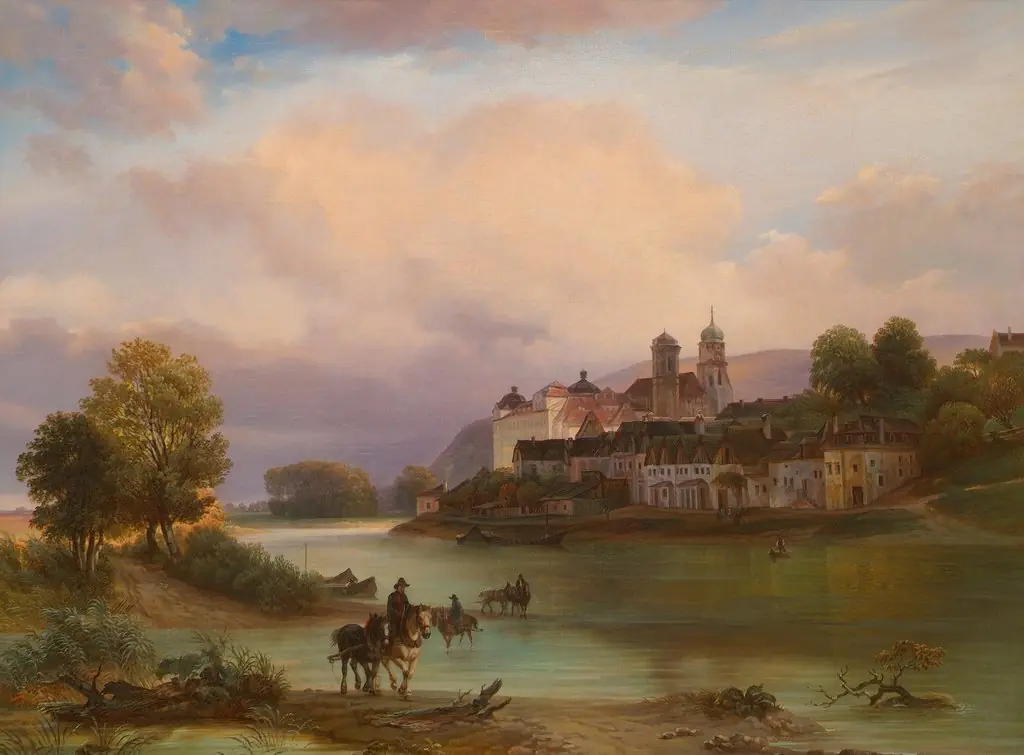 Stift Klosterneuburg
 View of Pirna in Saxony
 Ofen with Blocksberg
- "View from Wawel" by Jan Nepomucen Głowacki