Artist
Subject
Carriage is a subject in art. The gallery holds 119 works in this subject in art, including works by Édouard Manet, Jean Léon Gérôme and Albert Bierstadt.
The carriage—a two- or four-wheeled horse-drawn vehicle for passengers—has shadowed the history of art as both a practical subject and a potent emblem of status, speed, and modernity. Wheeled passenger vehicles were known in the Roman Empire, but the carriage as Europe understood it crystallized in the fifteenth and sixteenth centuries, with the suspended coach often traced to the Hungarian town of Kocs. By around 1600 the coach had spread across the Continent as the standard conveyance of the aristocracy, and it remained so until the motor car displaced it about 1900. Technical refinements drove its evolution: early bodies hung on leather thoroughbraces, and from the seventeenth century steel-spring systems and lighter forms such as the French gig (invented in 1667) improved comfort and speed, while hackney carriages for hire appeared in early-1600s London.
In art, the carriage long signified rank. Renaissance and Baroque painters set gilded coaches into triumphal processions and dynastic portraits, where a sumptuous equipage—culminating in objects like Britain's Gold State Coach (commissioned 1760, designed by William Chambers)—announced wealth and ceremony. Genre and Rococo scenes used the vehicle more intimately as a marker of leisured country life, as in Giovanni Domenico Tiepolo's *A Dance in the Country*, where elegant figures gather amid the trappings of rural amusement.
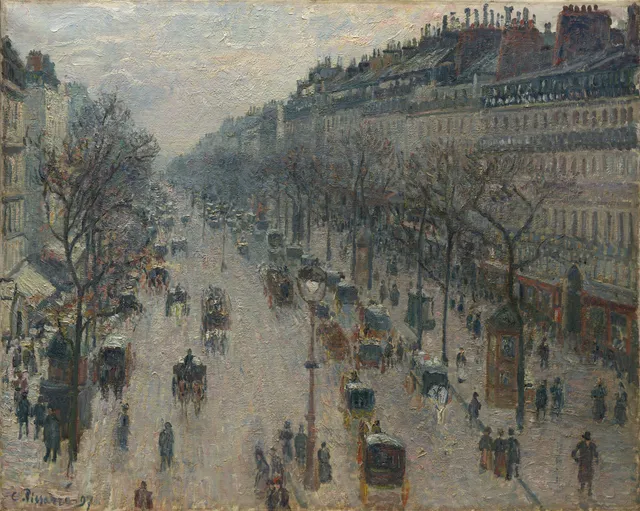
The carriage found its richest pictorial life in the nineteenth century, when Realists and Impressionists embraced it as an icon of modern existence. Edgar Degas's *A Carriage at the Races* (1869, Museum of Fine Arts, Boston), shown at the first Impressionist exhibition in 1874, frames a private family outing with a cropped, photographic immediacy. Camille Pissarro's boulevard series—including *The Boulevard Montmartre on a Winter Morning*—dissolves cabs and carriages into the flickering traffic of Haussmann's Paris, evoking the tempo of the modern street, a project shared by Caillebotte and Monet.
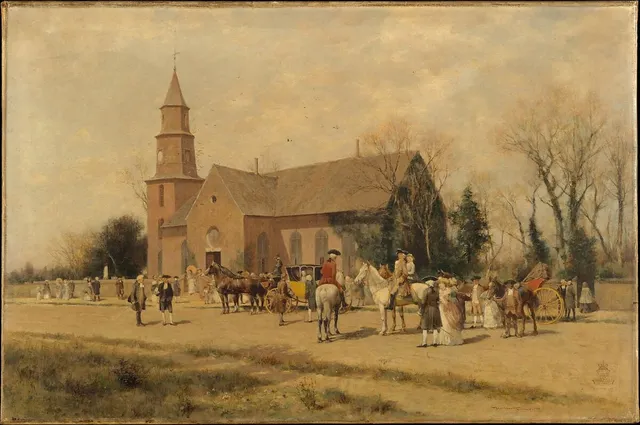
The motif crossed the Atlantic too: Jean-François Raffaëlli's *The Fletcher Mansion, New York City* and Alfred Wordsworth Thompson's *Old Bruton Church, Williamsburg* deploy the carriage to evoke wealth and colonial-era pageantry, while Albert Bierstadt's *Lake Lucerne* situates it within the Romantic grandeur of landscape. As the automobile rose, the carriage receded into nostalgia, surviving in art as shorthand for a vanished aristocratic and pre-industrial world.
Artist


Artist

A carriage is a two- or four-wheeled horse-drawn vehicle designed to carry passengers. From the early modern period until the rise of railways and motor vehicles in the late 19th and early 20th centuries, carriages served as a principal means of road transport across Europe and the Americas. The subject appears in 129 works in the collection, reflecting its ubiquity in visual culture from urban street scenes to pastoral landscapes. Whether depicted as a marker of aristocratic status, a utilitarian conveyance, or a symbol of modernizing transportation networks, the carriage occupies a significant place in the history of art.
In art, the carriage carries layered meanings tied to social hierarchy, technological progress, and daily life. As a vehicle historically associated with royalty and the aristocracy, it signals wealth, power, and ceremonial authority. The enclosed coach, with its four corner posts and fixed roof, became an especially potent emblem of rank. Conversely, simpler open carriages and public omnibuses represented democratized mobility and the expanding public sphere. The carriage also embodies transition: its presence in 19th-century paintings often marks the threshold between rural and urban economies, or between traditional and industrial modes of transport. Artists employed carriages to animate street scenes, create narrative tension, or punctuate compositions with directional movement. The vehicle's eventual obsolescence lent it nostalgic connotations even before the motor car fully replaced it around 1900.
The treatment of carriages in art evolved considerably across periods. In European painting from the 17th through 19th centuries, carriages appeared in aristocratic portraiture and court spectacle, reflecting their role as luxury goods. The 18th century saw the proliferation of lighter, faster coaches, and artists captured these vehicles in scenes of fashionable society. By the 19th century, Realist and Impressionist painters integrated carriages into modern life subjects: urban boulevards, rural outings, and commercial activity. The Boulevard Montmartre on a Winter Morning exemplifies this tendency, using the carriage as an integral component of metropolitan experience. In American art, the carriage served as a marker of westward expansion, as with Wells Fargo coaches, and of regional identity, as in the Rockaway carriage originating on Long Island. The decline of carriage use in the early 20th century transformed its artistic treatment into historical documentation and nostalgic evocation.
The carriage's cultural afterlife persists in museum collections and ceremonial practice. The Long Island Museum of American Art, History, and Carriages in Stony Brook, New York, holds one of the most significant collections of horse-drawn vehicles in the United States, with over 200 carriages including the Grace Darling omnibus and a Chariot D'Orsay once owned by the Vanderbilt family. The museum's Carriage Exposition Gallery, inspired by the 1893 World's Columbian Exposition, contextualizes these vehicles within industrial and consumer history. Across Europe and North America, dedicated carriage museums preserve the craft of coachbuilding and the social history of horse-drawn transport. Carriages remain in limited use for ceremonial occasions, tourism, and equestrian sport, maintaining a visible if diminished presence in contemporary culture. The Northwest Carriage Museum in Raymond, Washington, and numerous European institutions including the Imperial Carriage Museum at Schönbrunn Palace and the National Coach Museum in Lisbon further attest to the enduring institutional investment in preserving this transportation heritage.
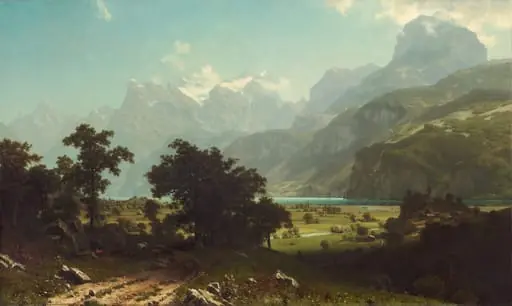 Lake Lucerne
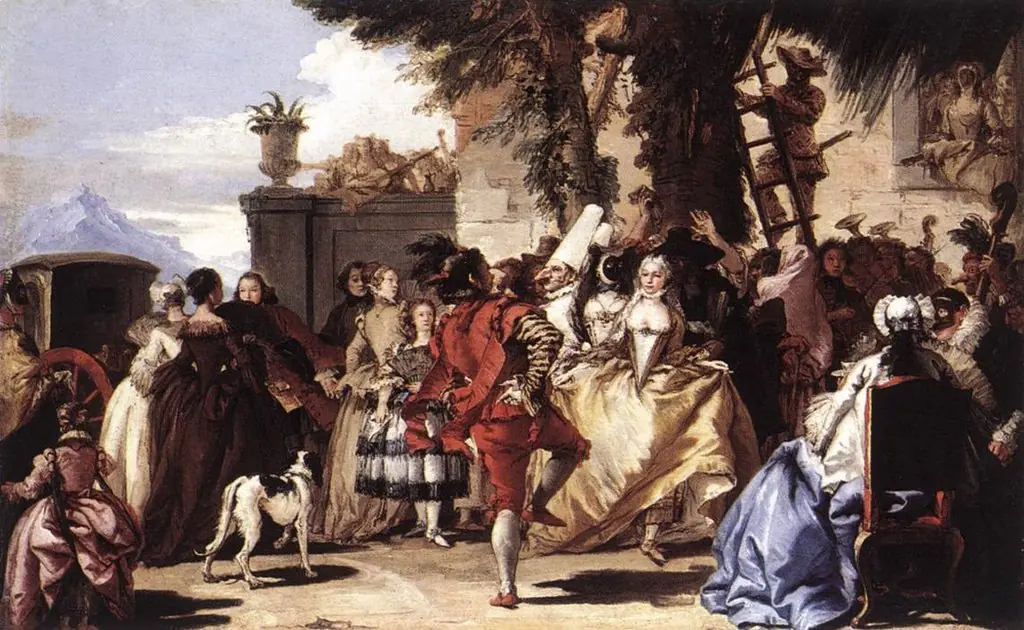 A Dance in the Country
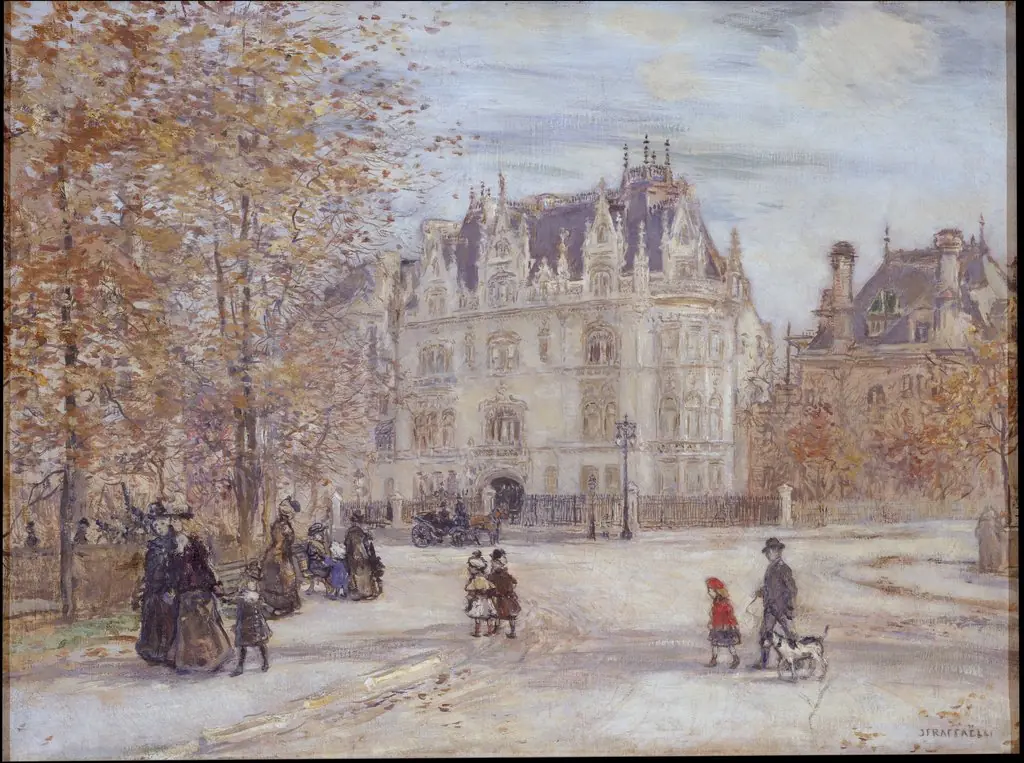 The Fletcher Mansion, New York City
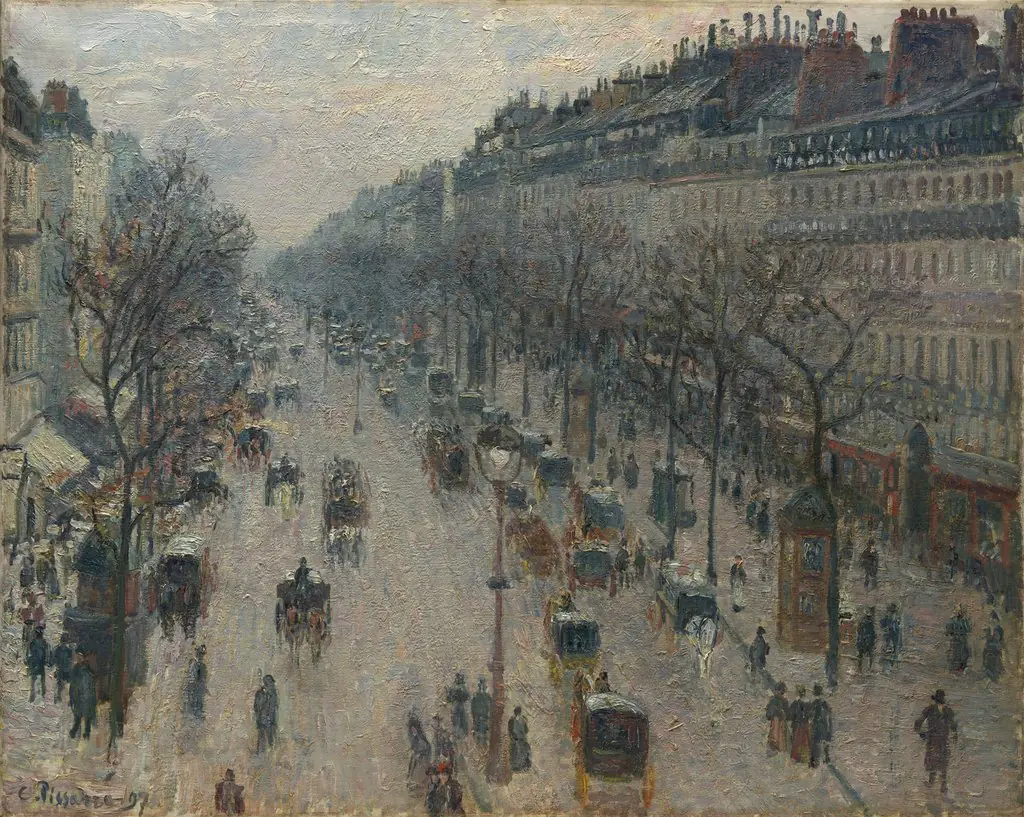 The Boulevard Montmartre on a Winter Morning
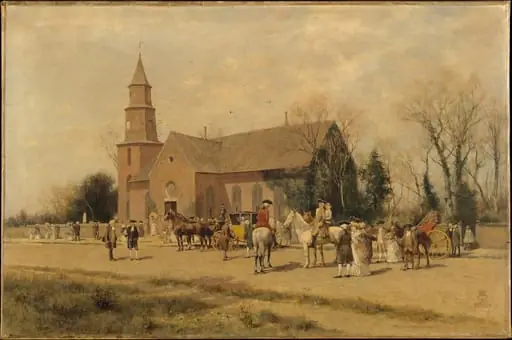 Old Bruton Church, Williamsburg, Virginia, in the Time of Lord Dunmore
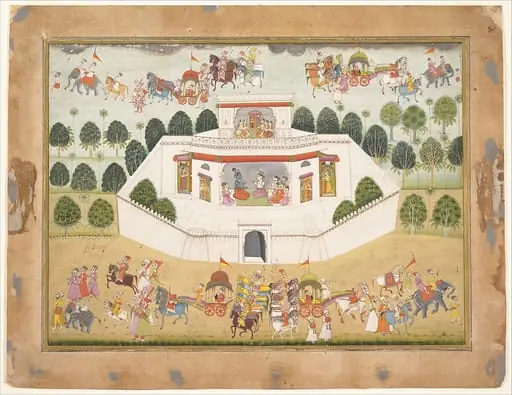 Untitled
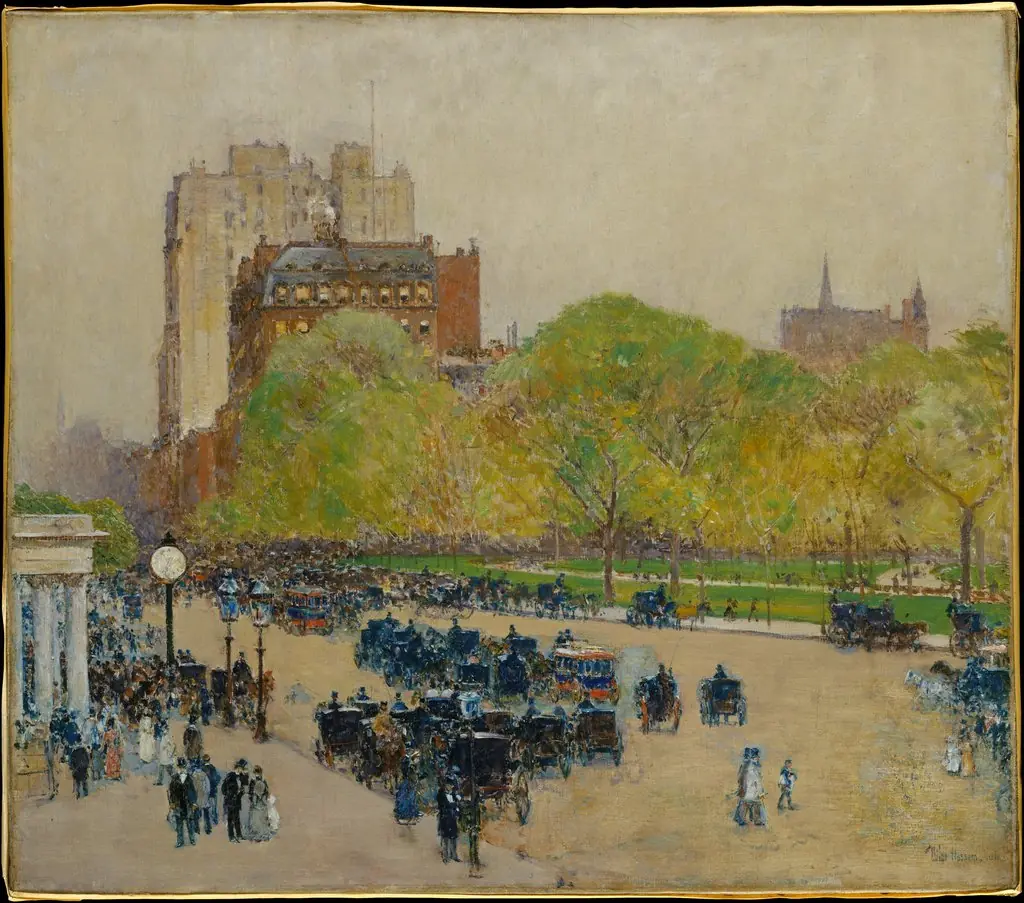 Spring Morning in the Heart of the City
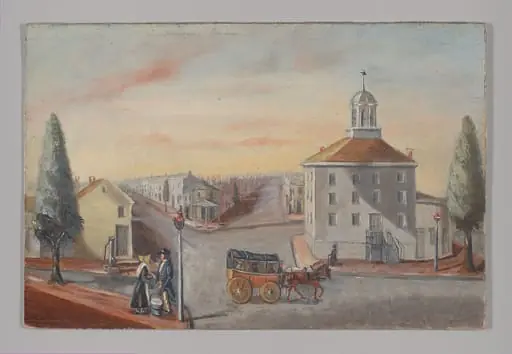 Hot Corn Seller
 On the Beach at Trouville
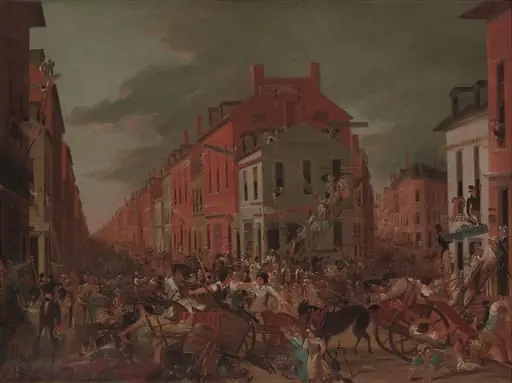 Moving Day (in Little Old New York)
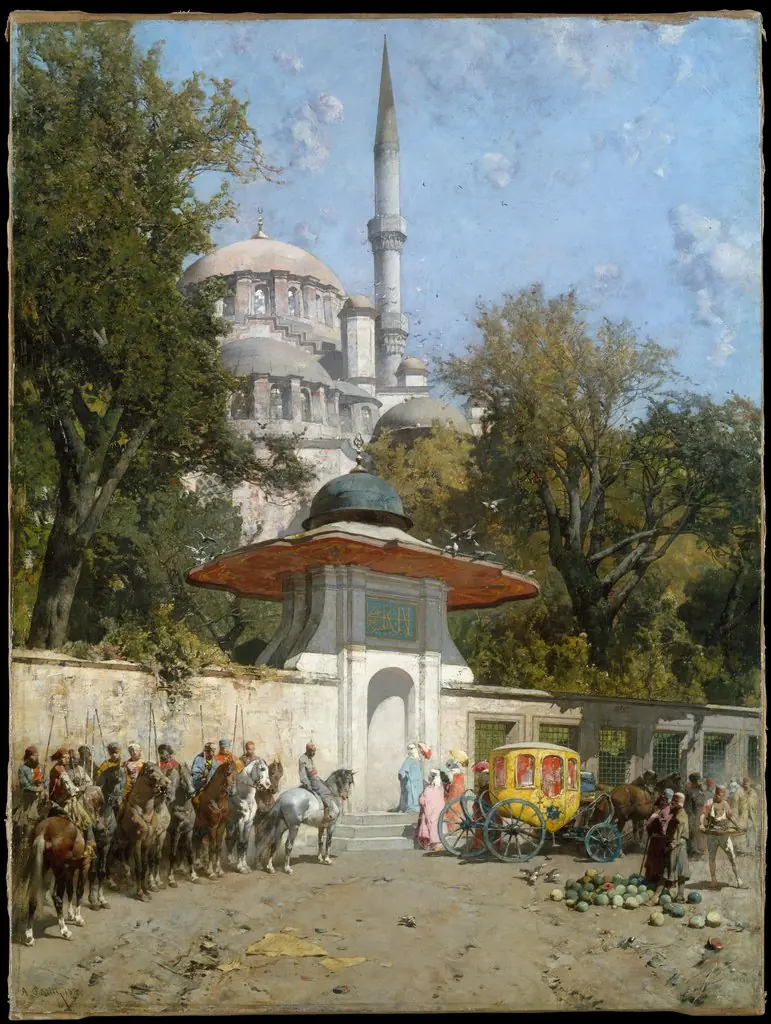 A Mosque
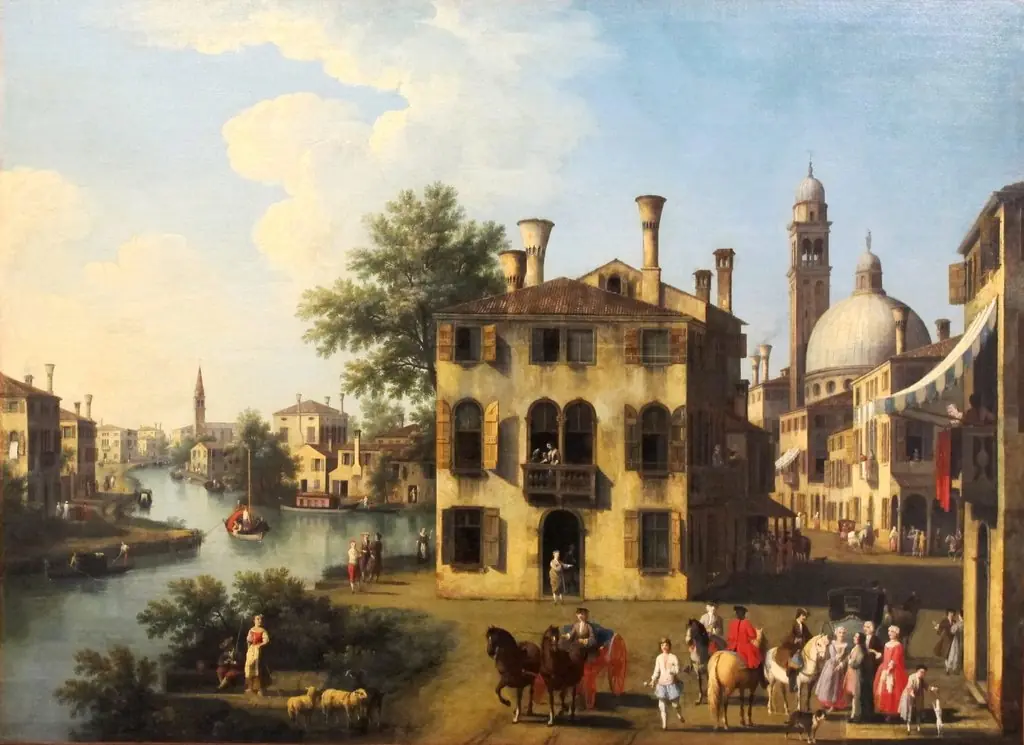 View of the Brenta, near Dolo
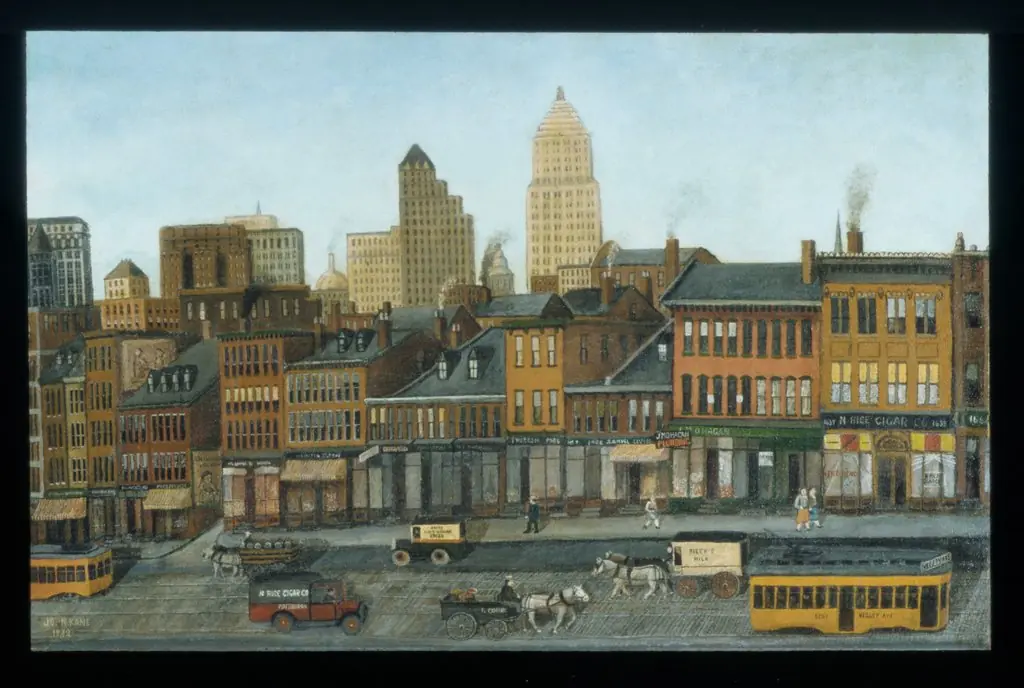 From My Studio Window
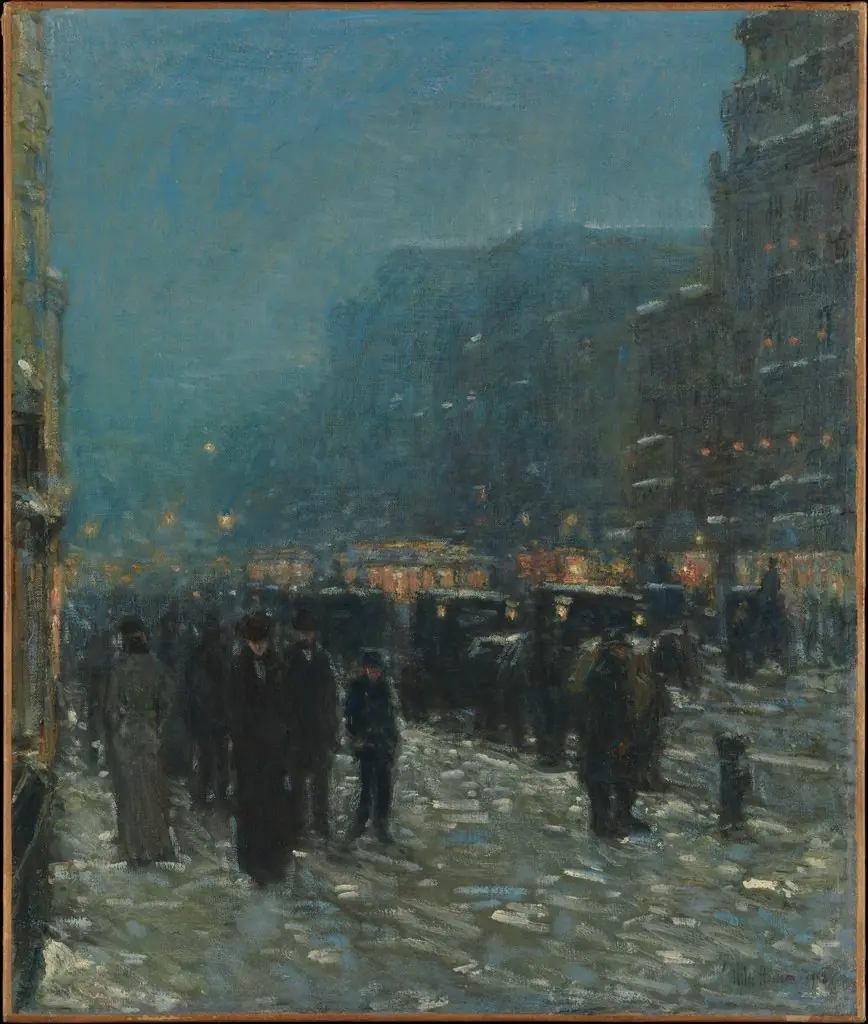 Broadway and 42nd Street
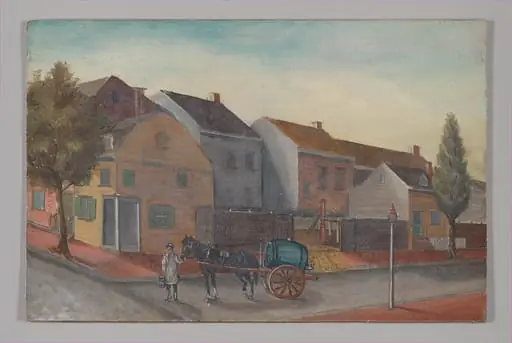 Tea water pump
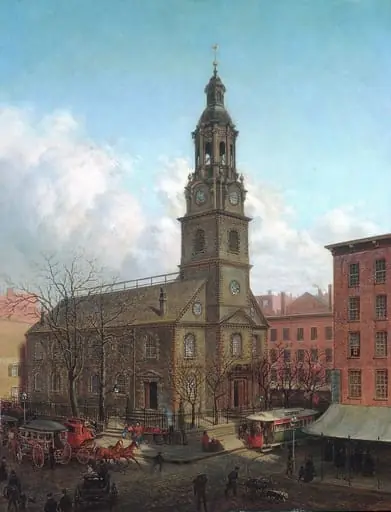 The North Dutch Church, Fulton and William Streets, New York
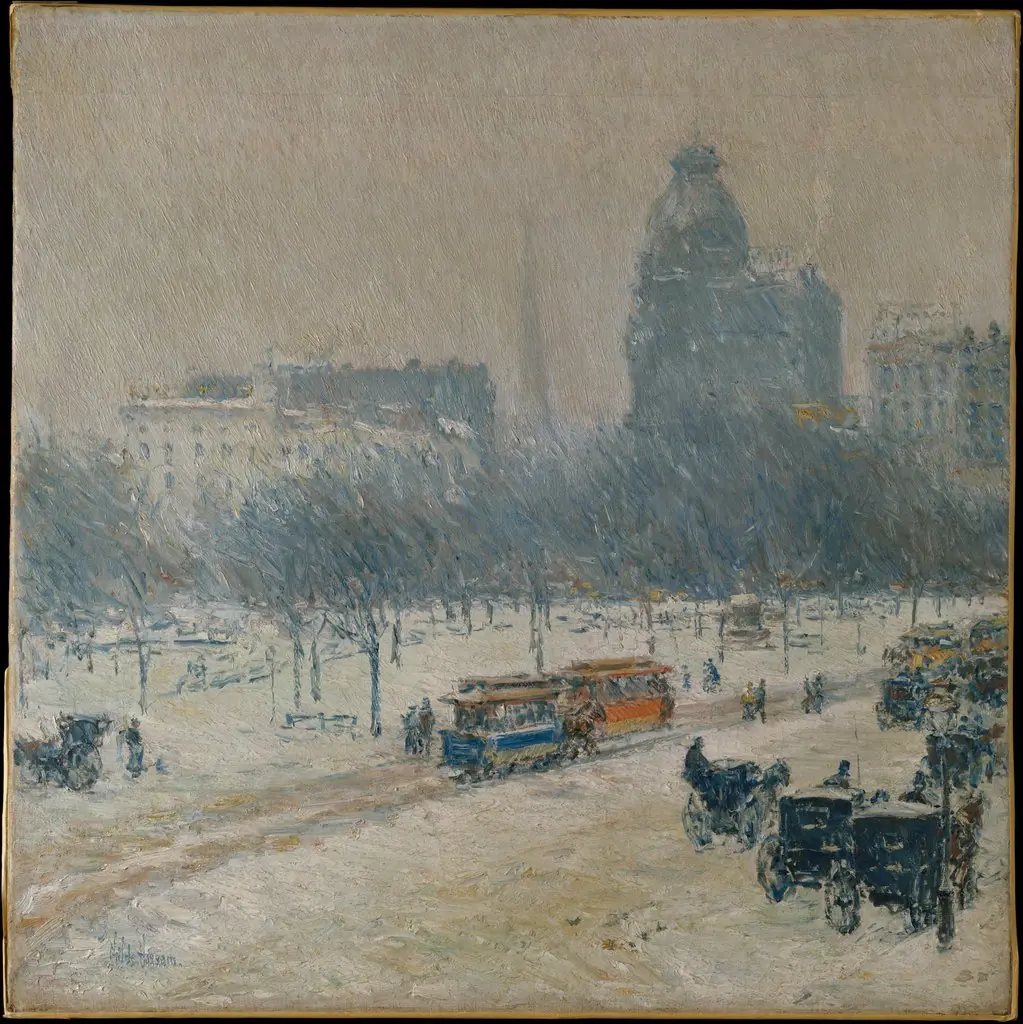 Winter in Union Square
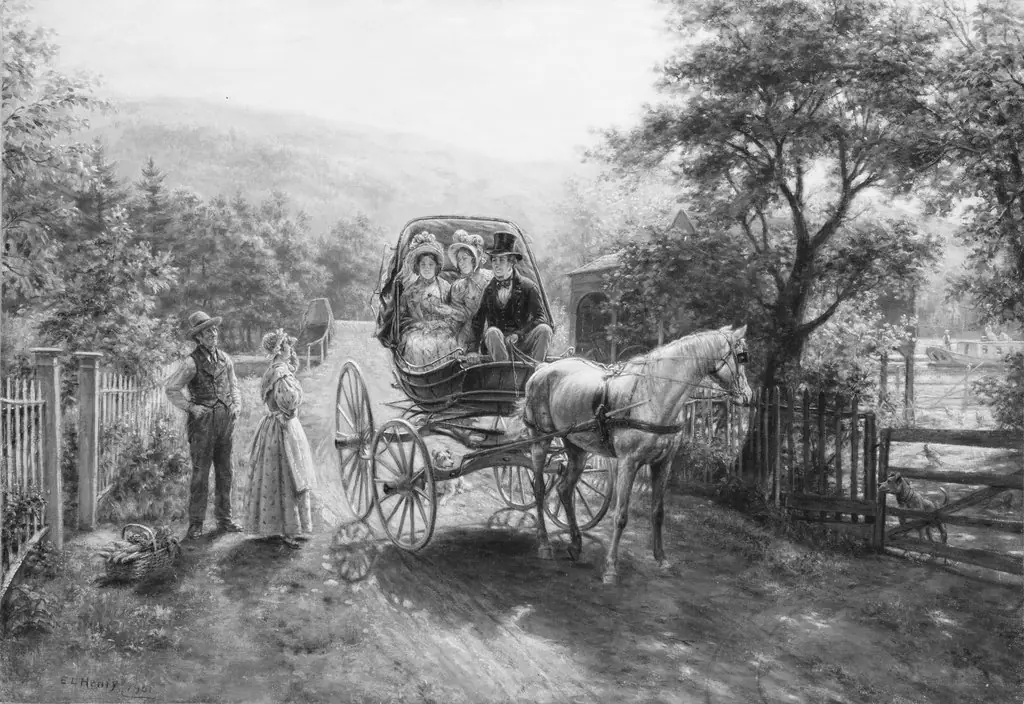 A Carriage Ride
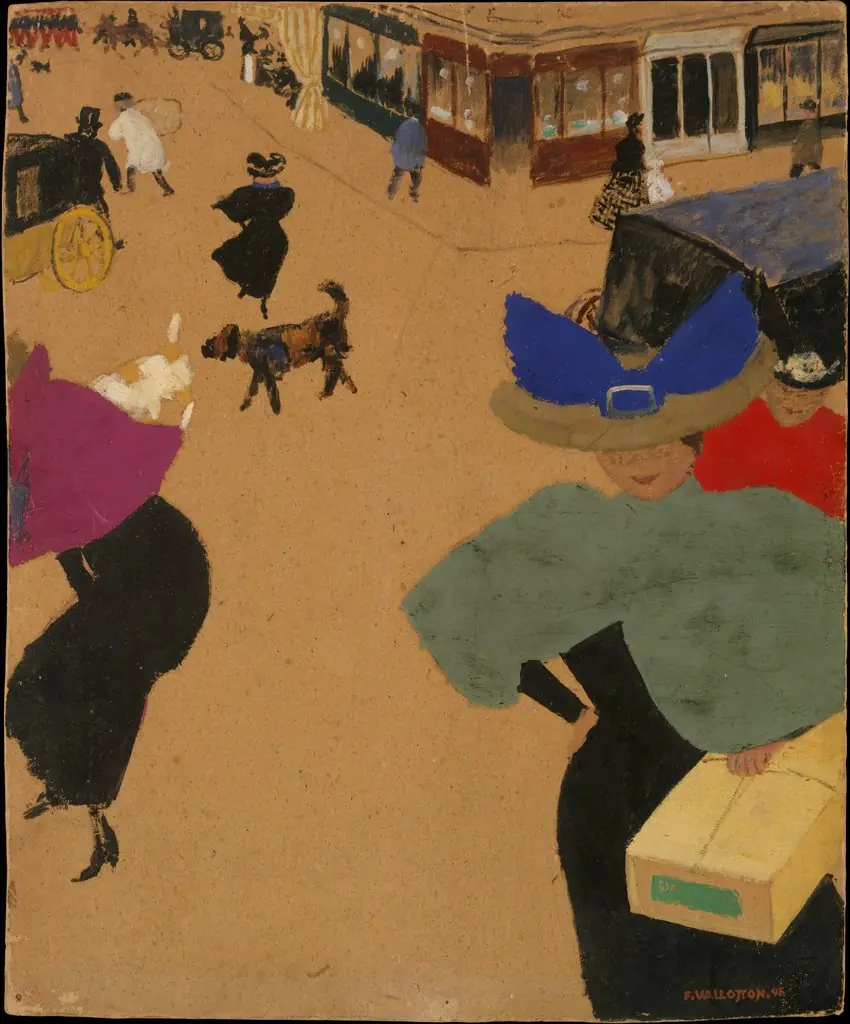 Street Scene in Paris (Coin de rue à Paris)
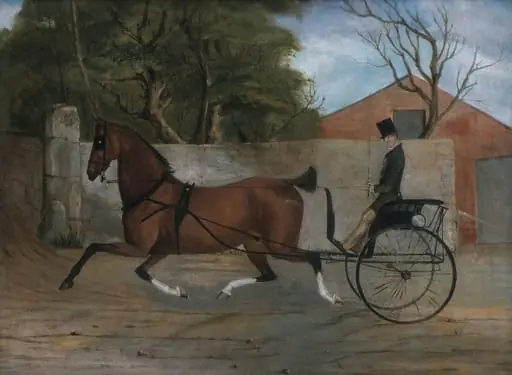 Portrait of a Gentleman in a Carriage
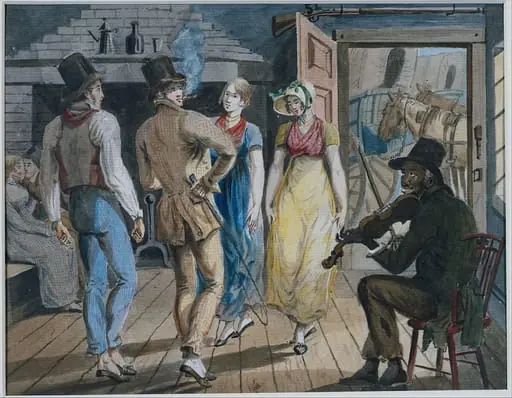 Merrymaking at a Wayside Inn
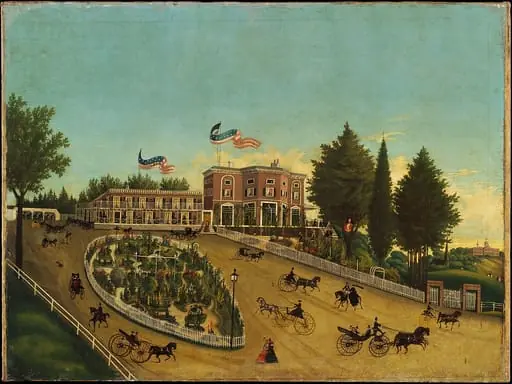 The Claremont
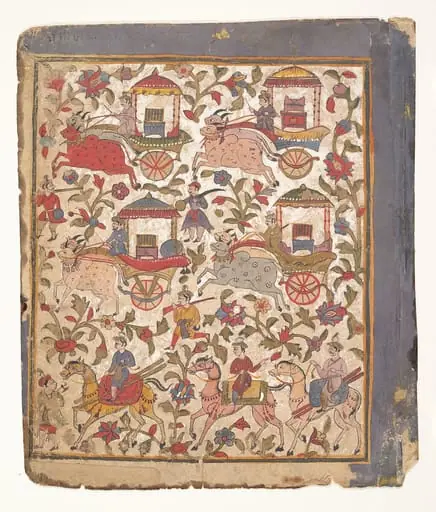 Untitled
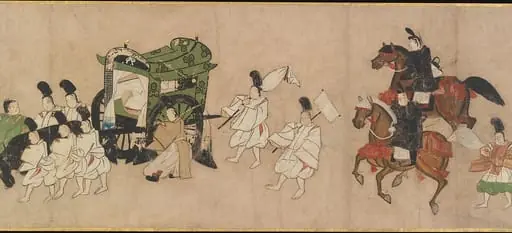 源氏物語絵巻 「澪標」|“Channel Markers” (Miotsukushi)
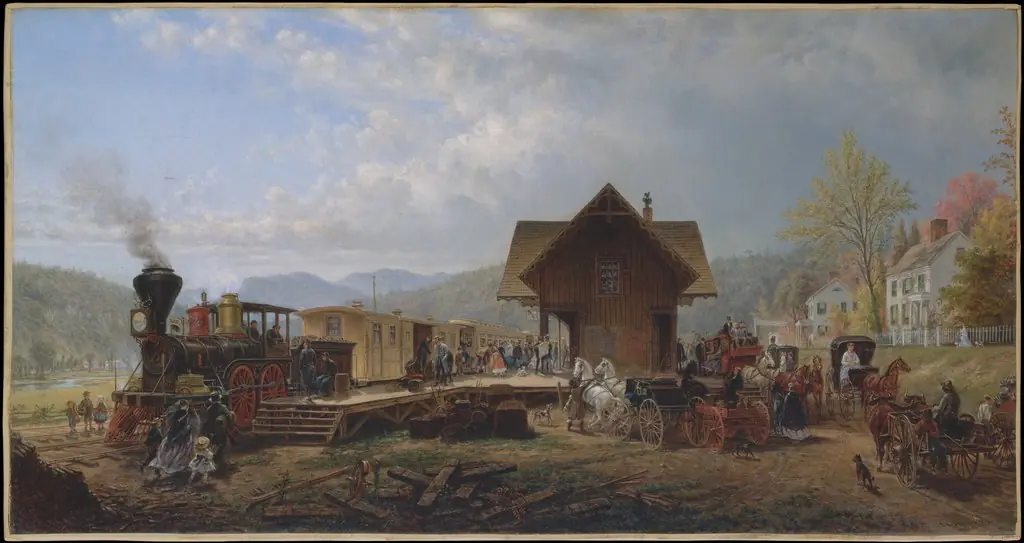 The 9:45 Accommodation
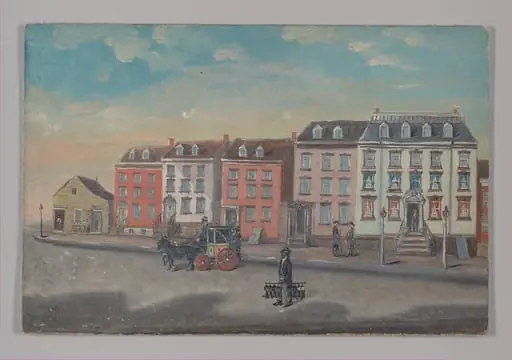 The Boot Black
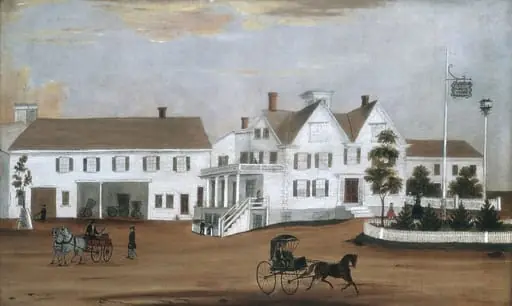 Hudson House
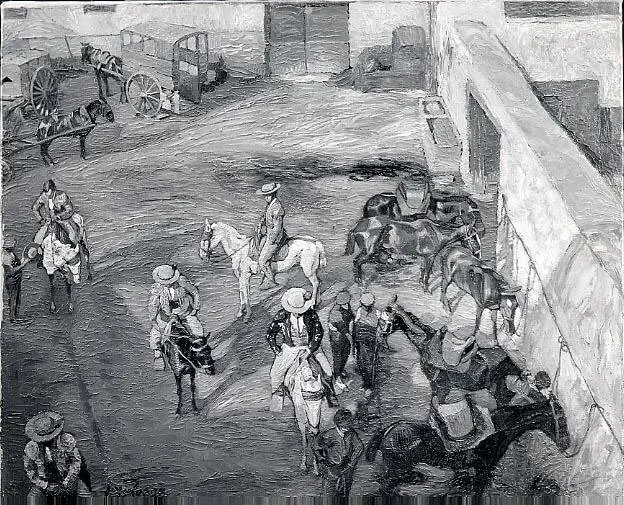 Victims of the Fiesta
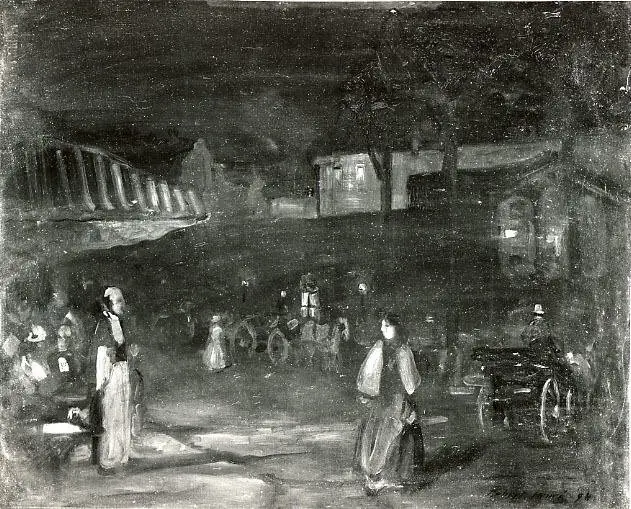 Paris Night
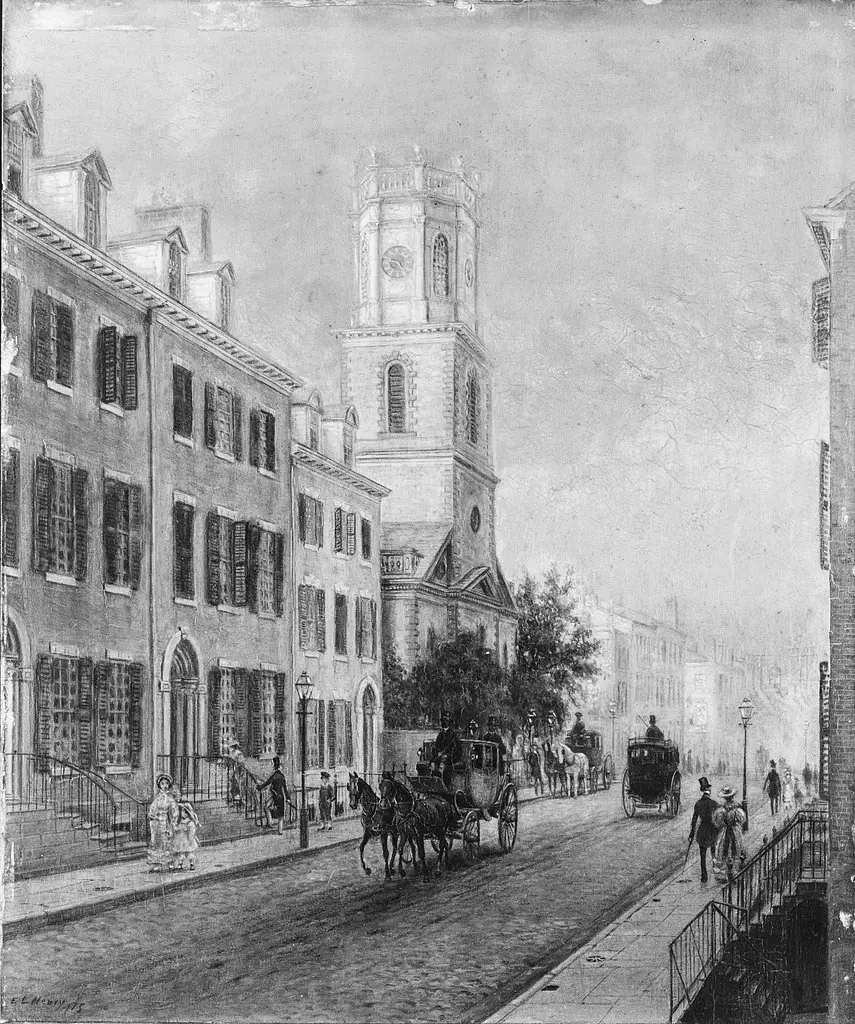 Saint George's Church, New York
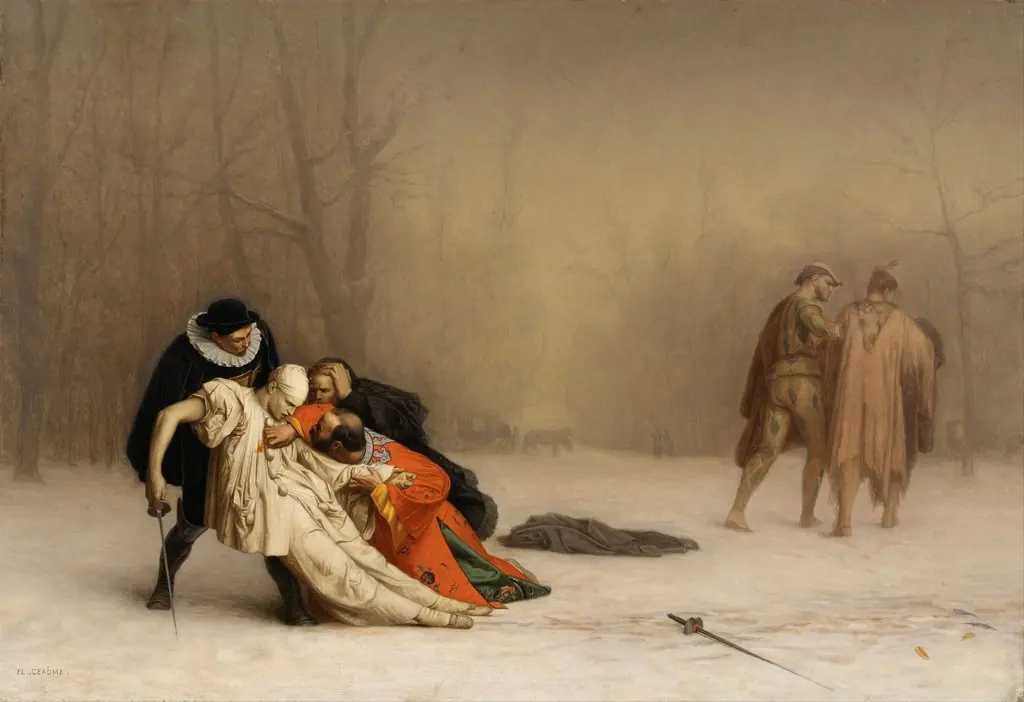 The Duel After the Masquerade
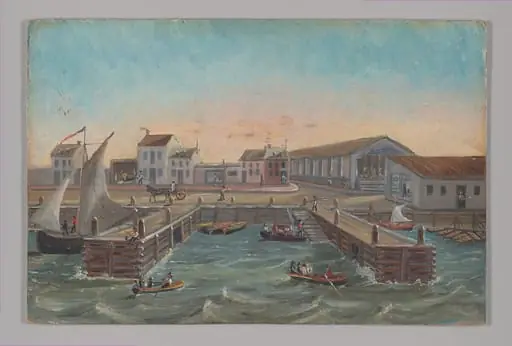 Old Ferry Stairs
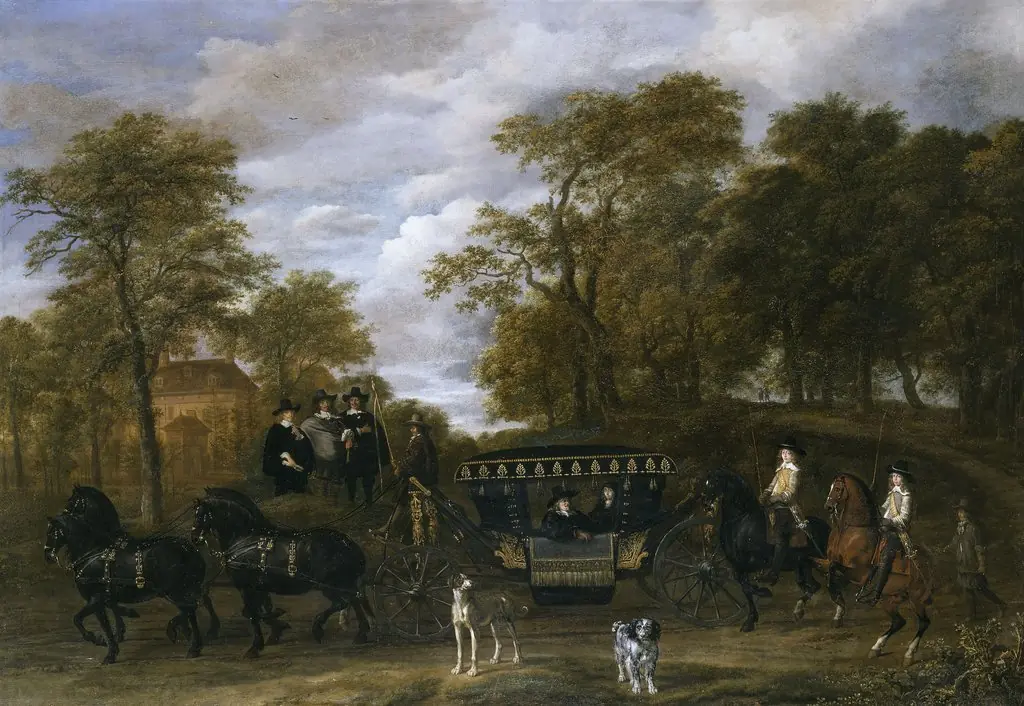 Cornelis de Graeff with his Wife and Sons
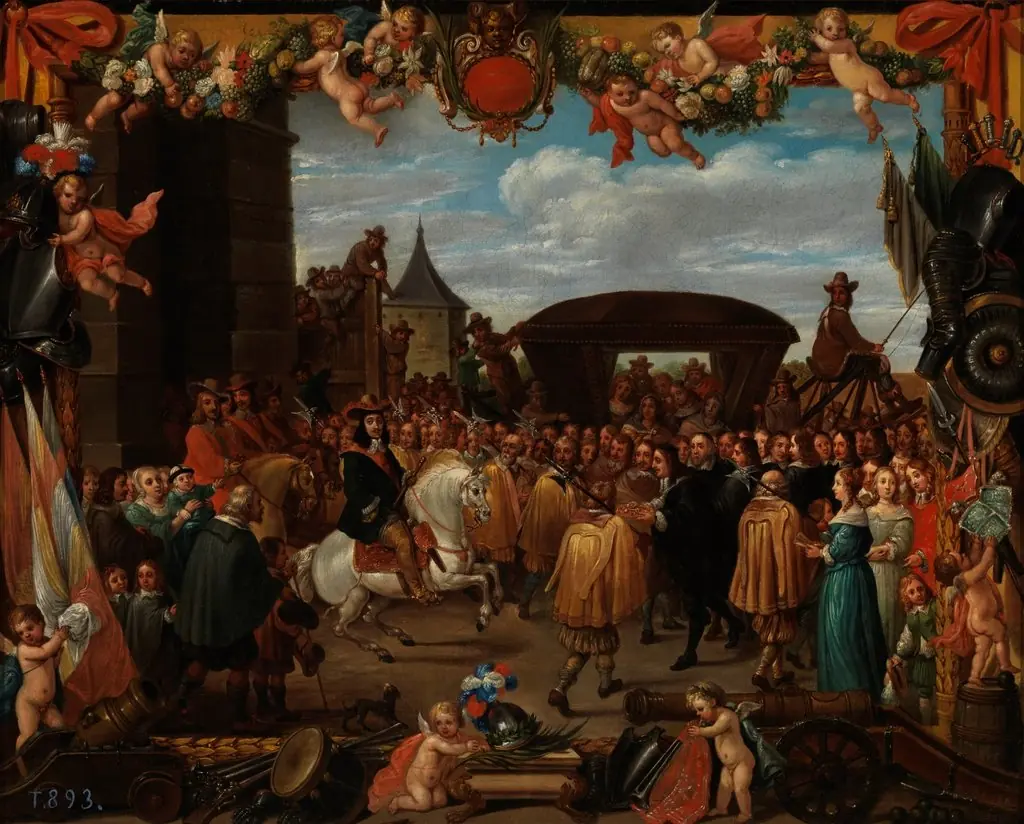 Entrada triunfal de don Juan José de Austria (?)
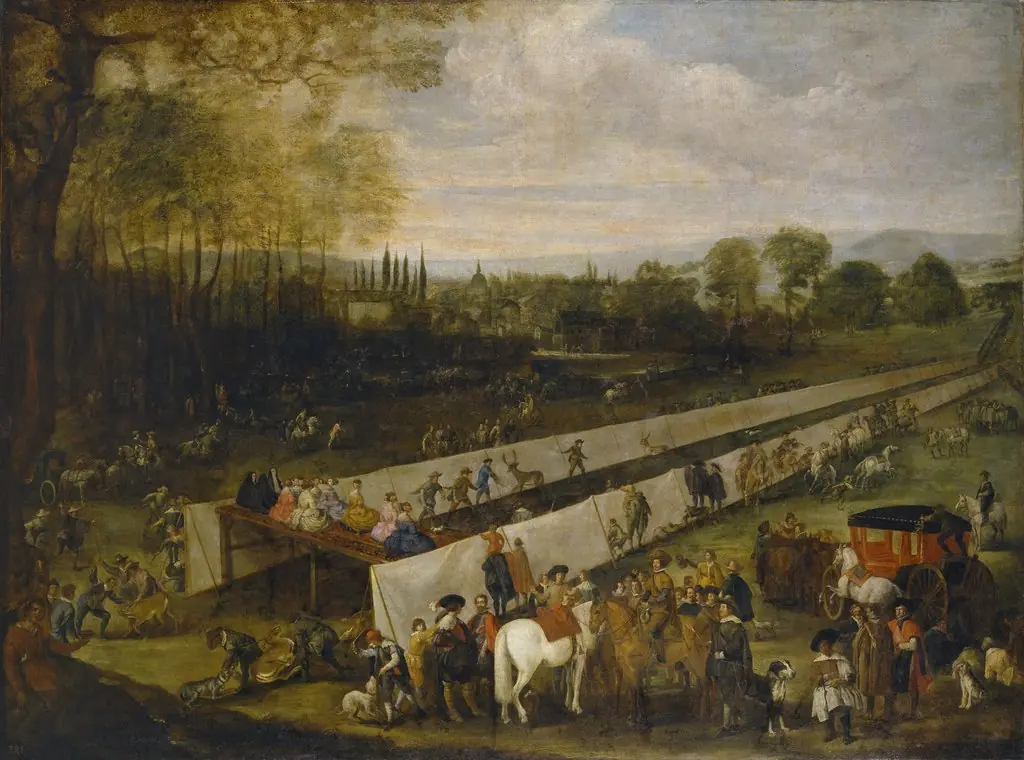 Watching the Hunt in Aranjuez
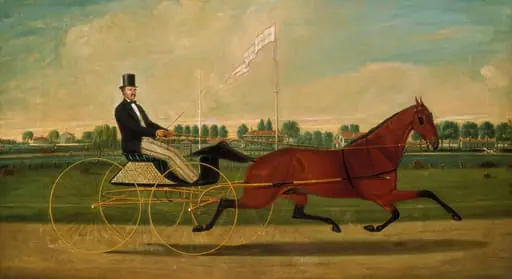 The Trotter
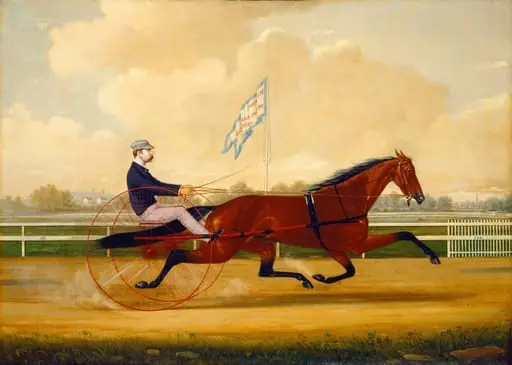 Budd Doble Driving Goldsmith Maid at Belmont Driving Park
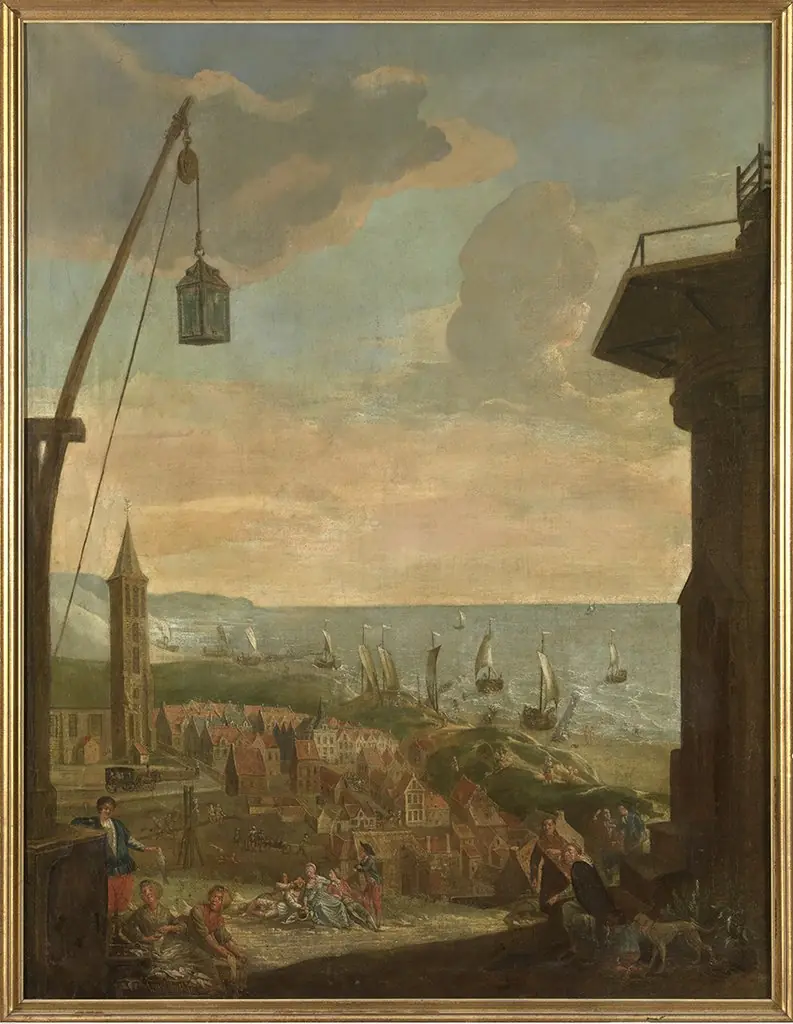 Gezicht op Blankenberghe
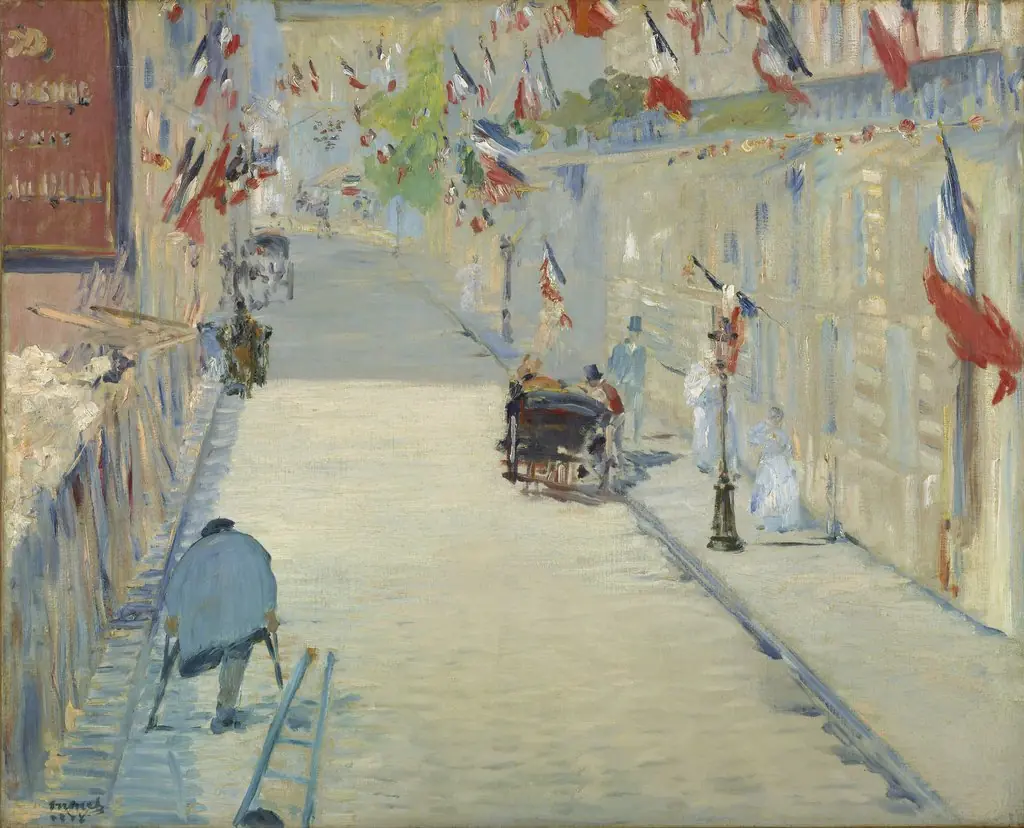 The Rue Mosnier Dressed with Flags
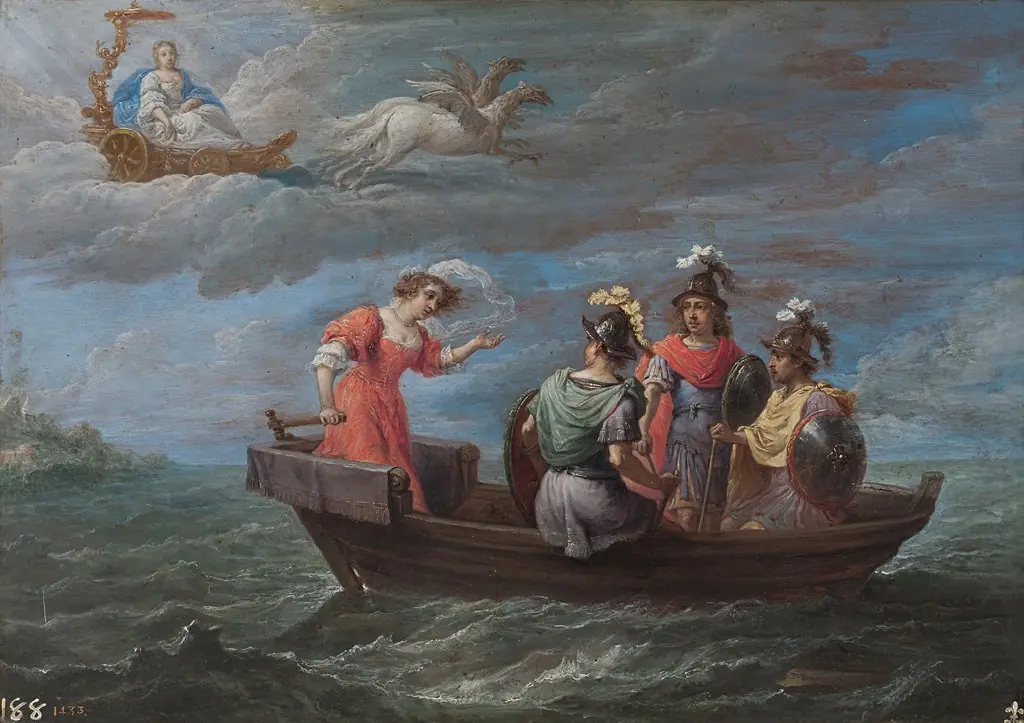 Reinaldo huye de las islas Afortunadas
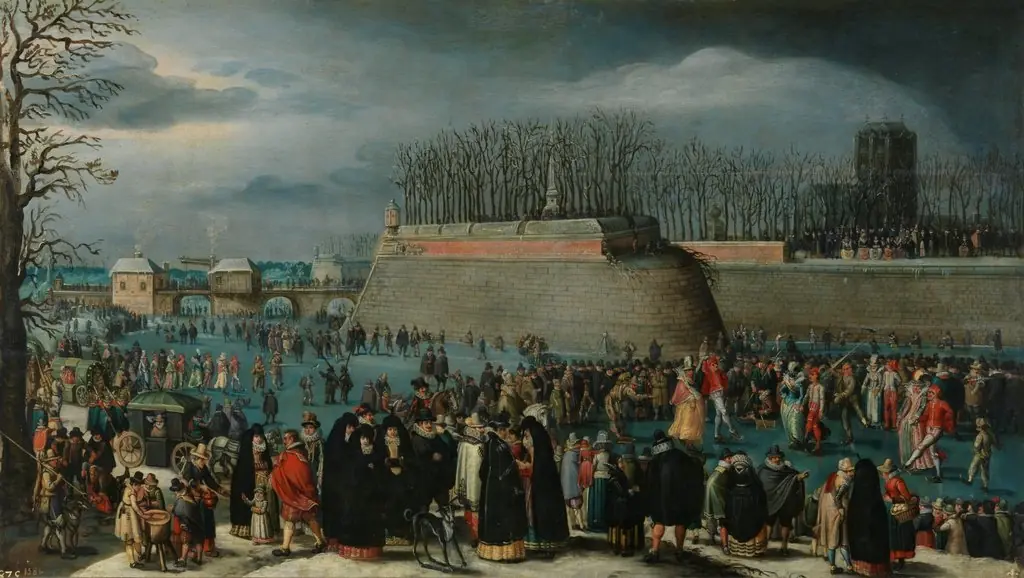 Skating Masquerade, or Carnival on Ice at the Kipdorppoort Moats in Antwerp
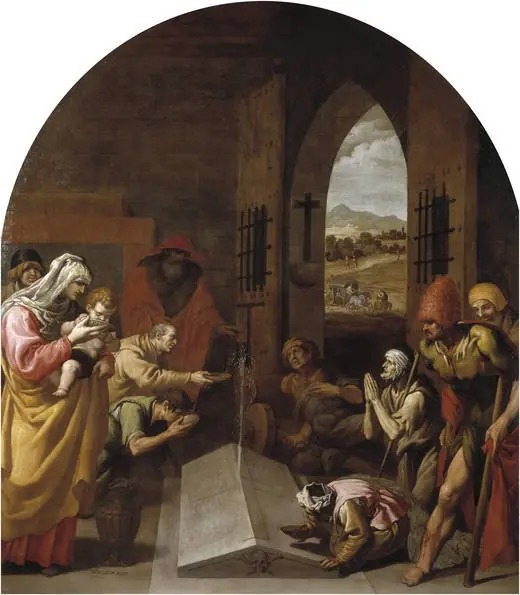 The Miraculous Spring at Saint Bruno’s Tomb
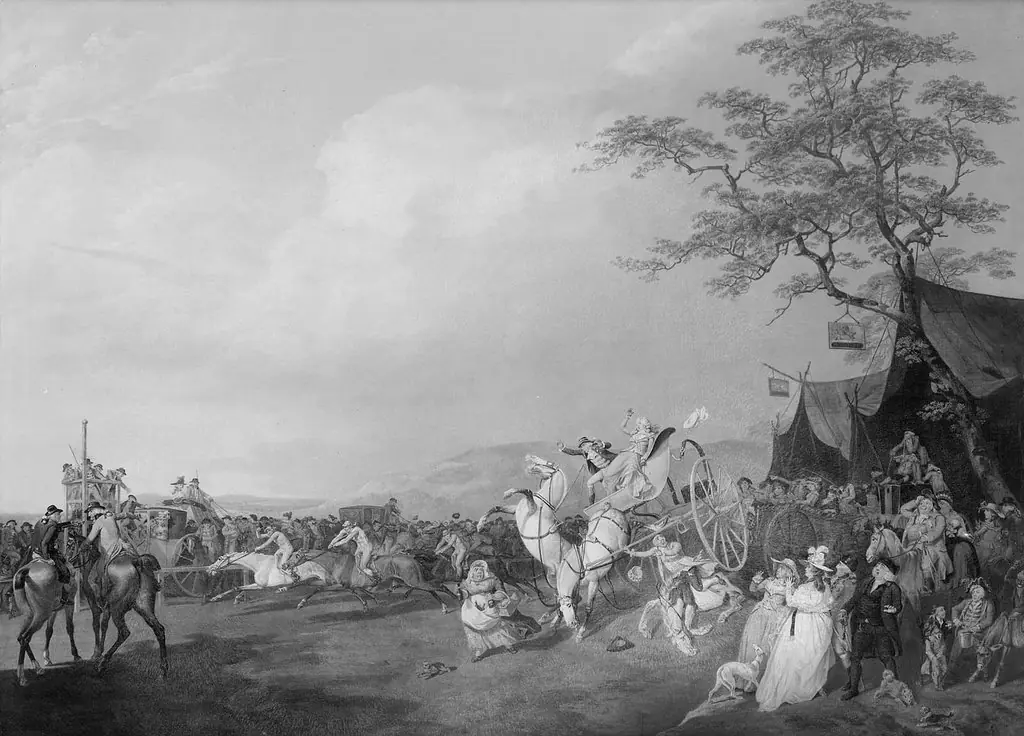 Gig Upsetting at the Races
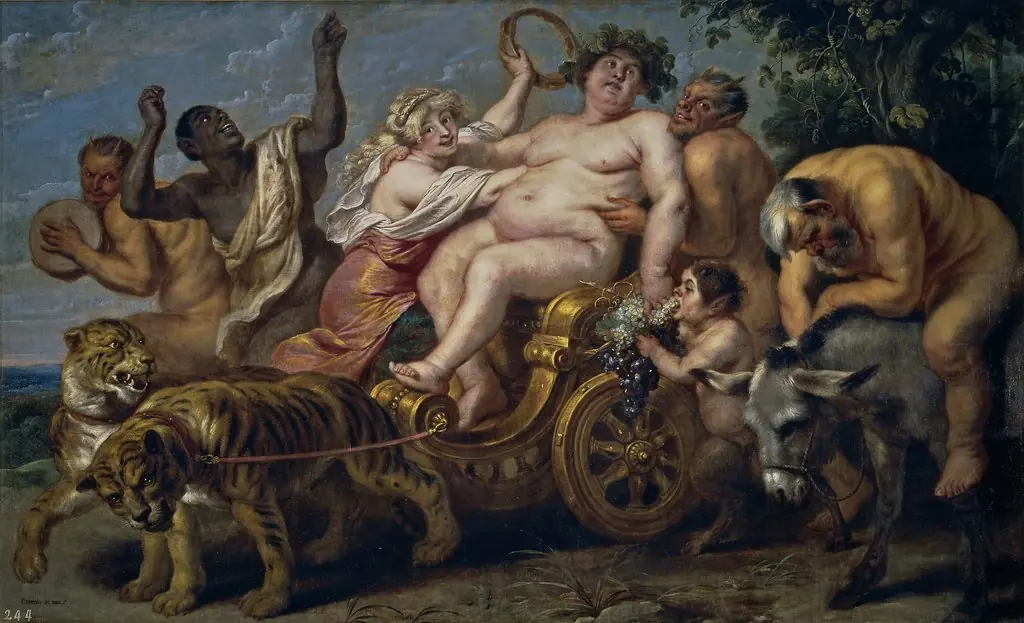 The Triumph of Bacchus
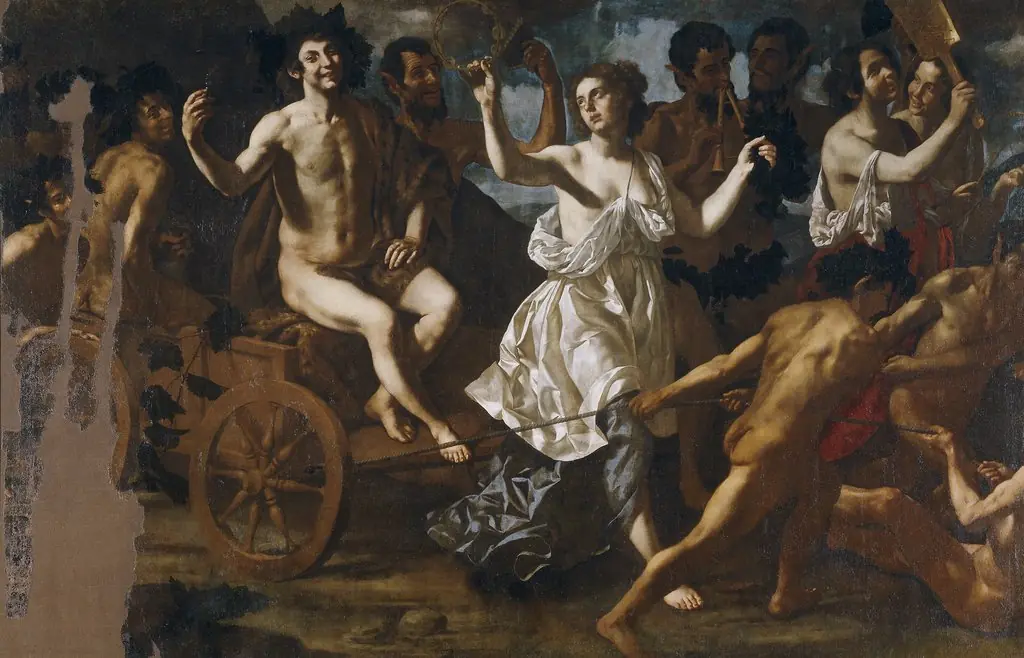 The Triumph of Bacchus
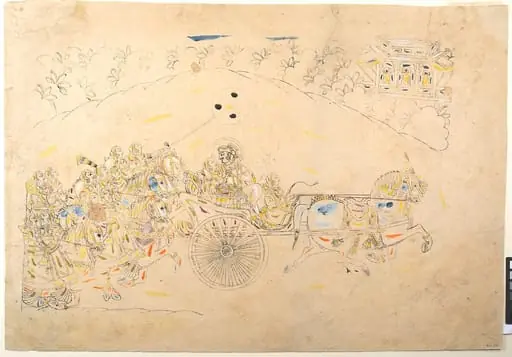 Untitled
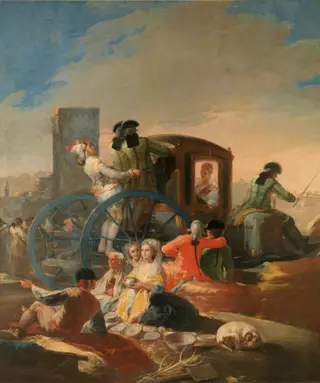 The Crockery Vendor
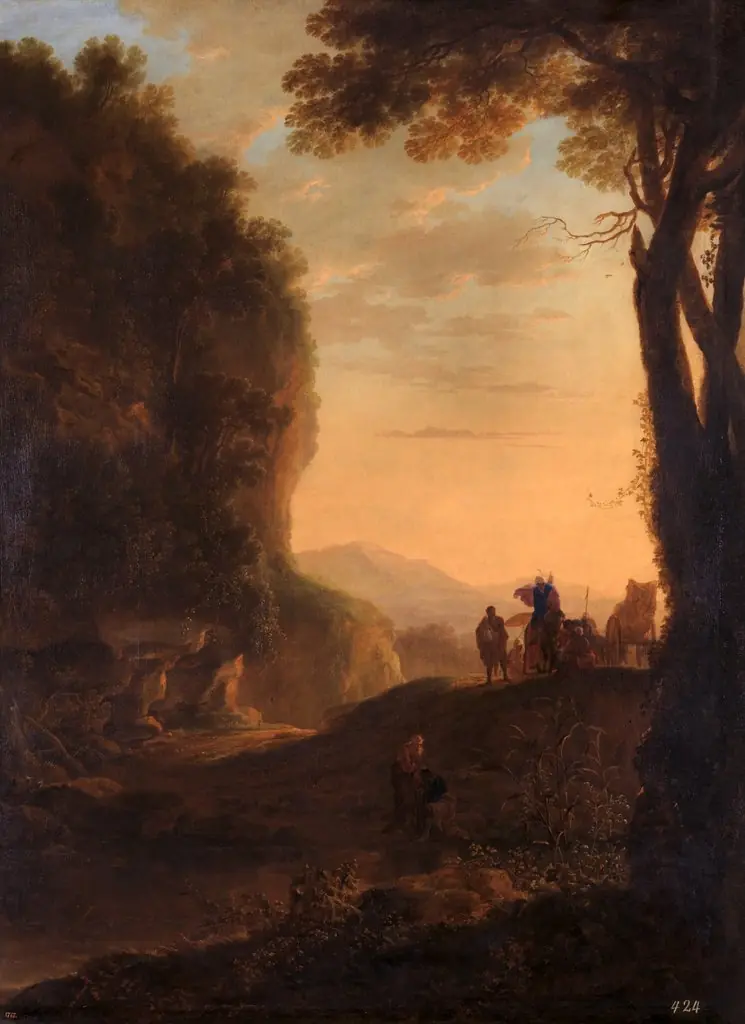 Baptism of the Eunuch of Queen Candace
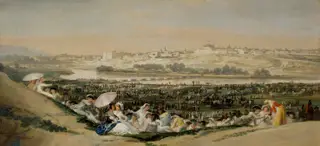 The Meadow of San Isidro
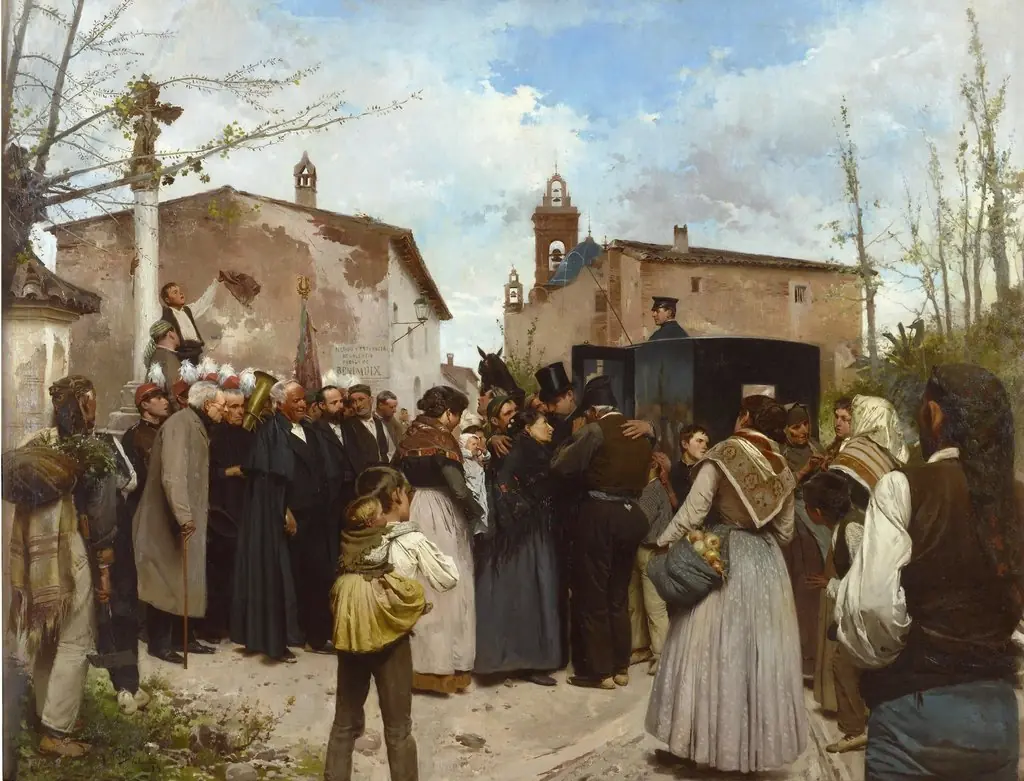 La gloria del pueblo
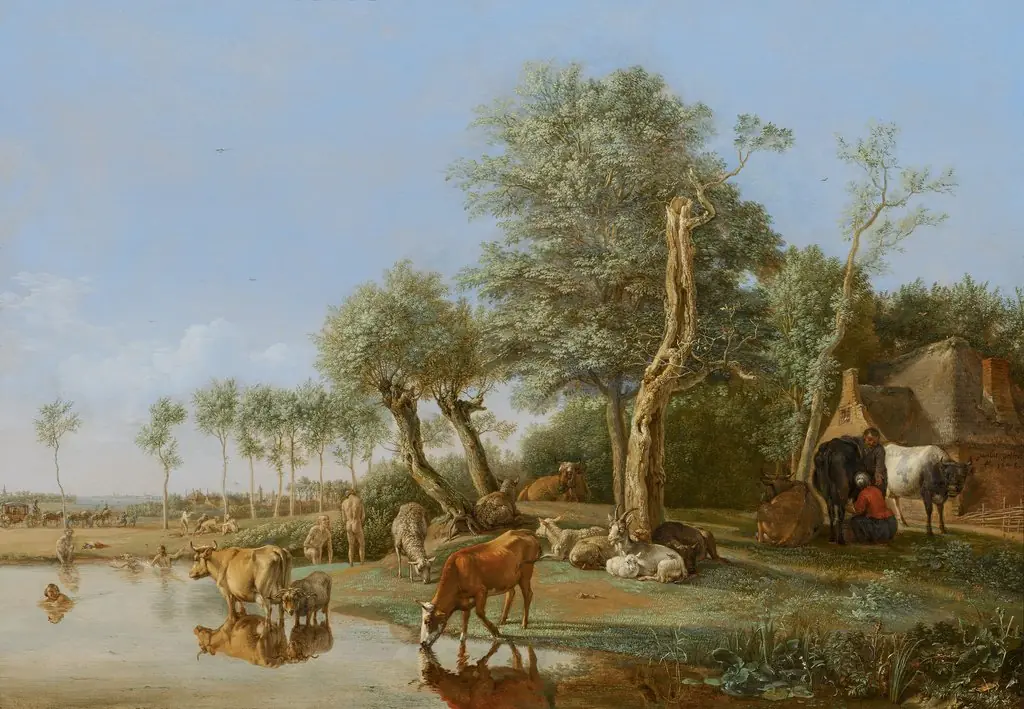 Cows reflected in the water
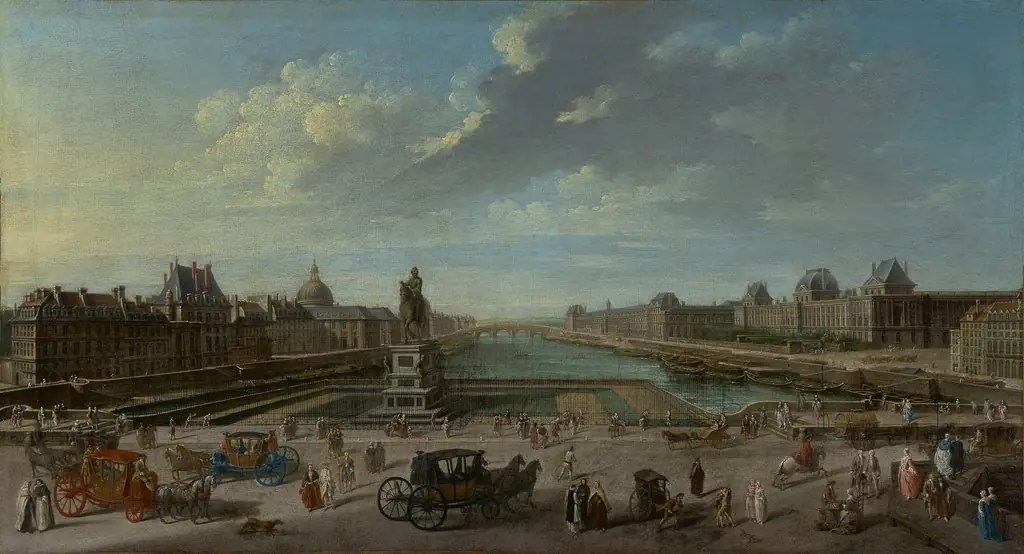 A View of Paris from the Pont Neuf
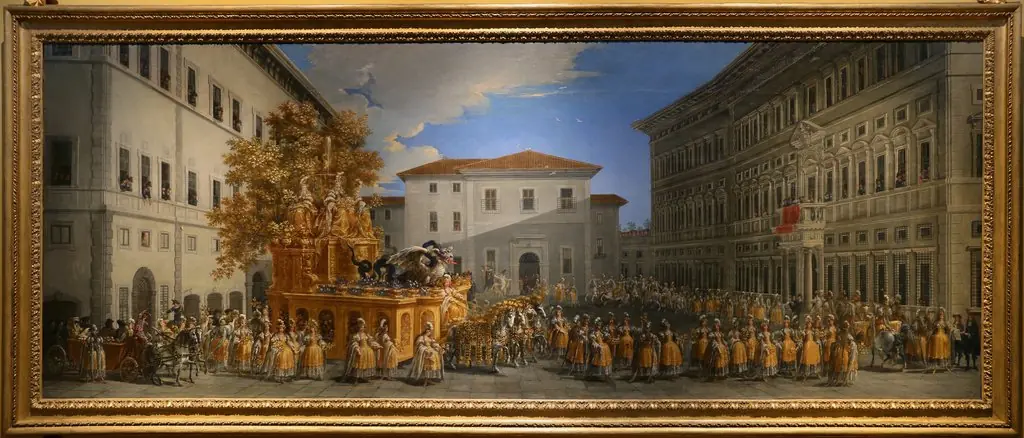 Procession of the Prince Giovanni Battista Borghese for the 1664 Carnival of Rome
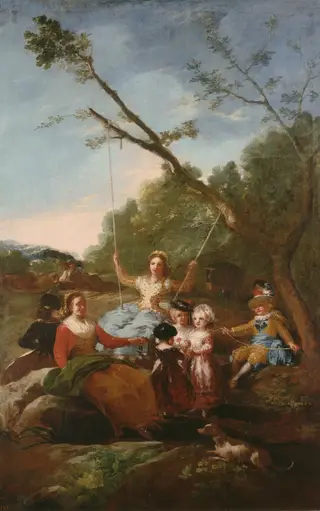 The Swing
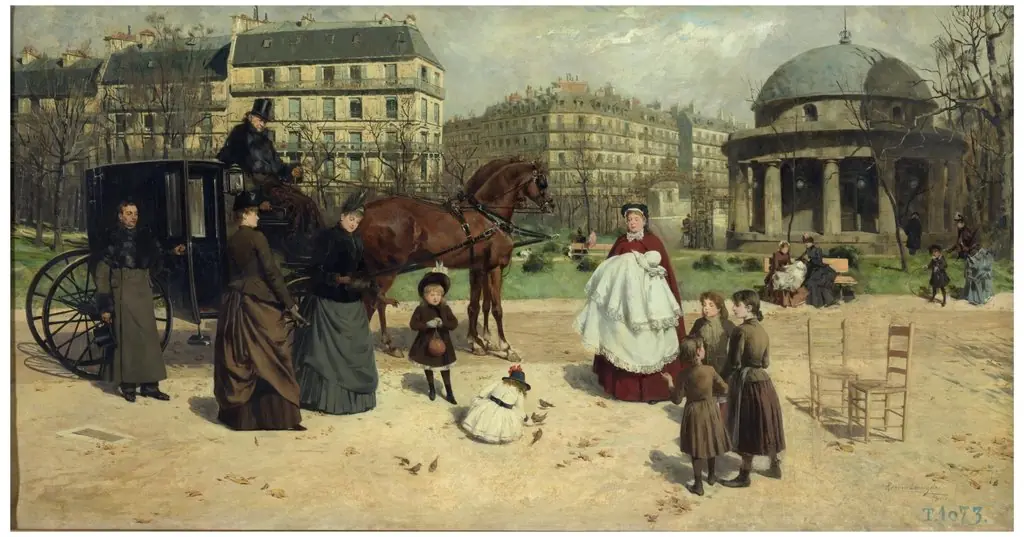 Tomando el sol
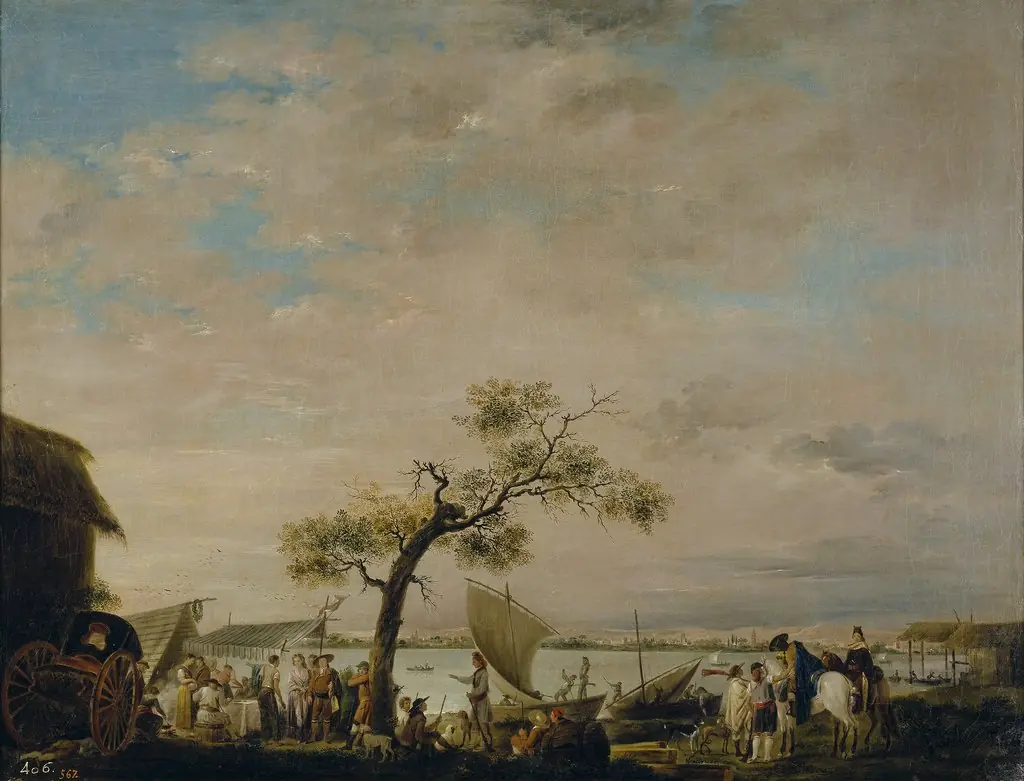 View of the Albufera in Valencia
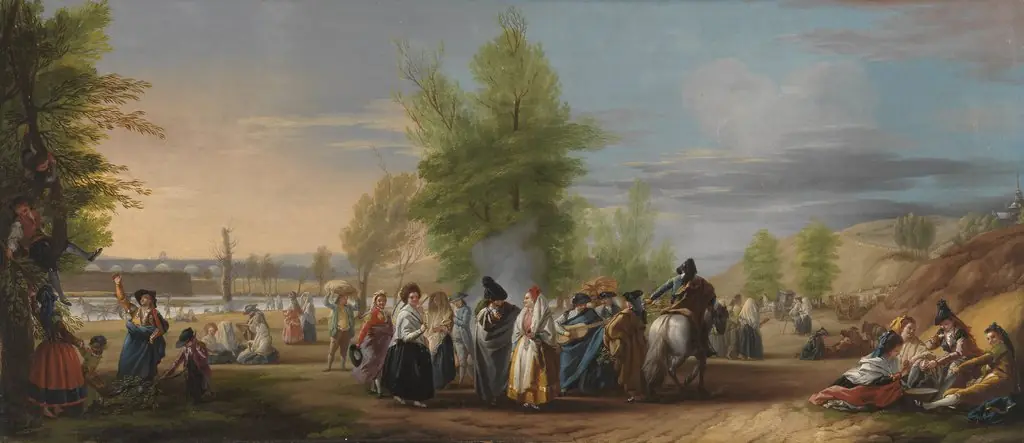 The Meadow of San Isidro
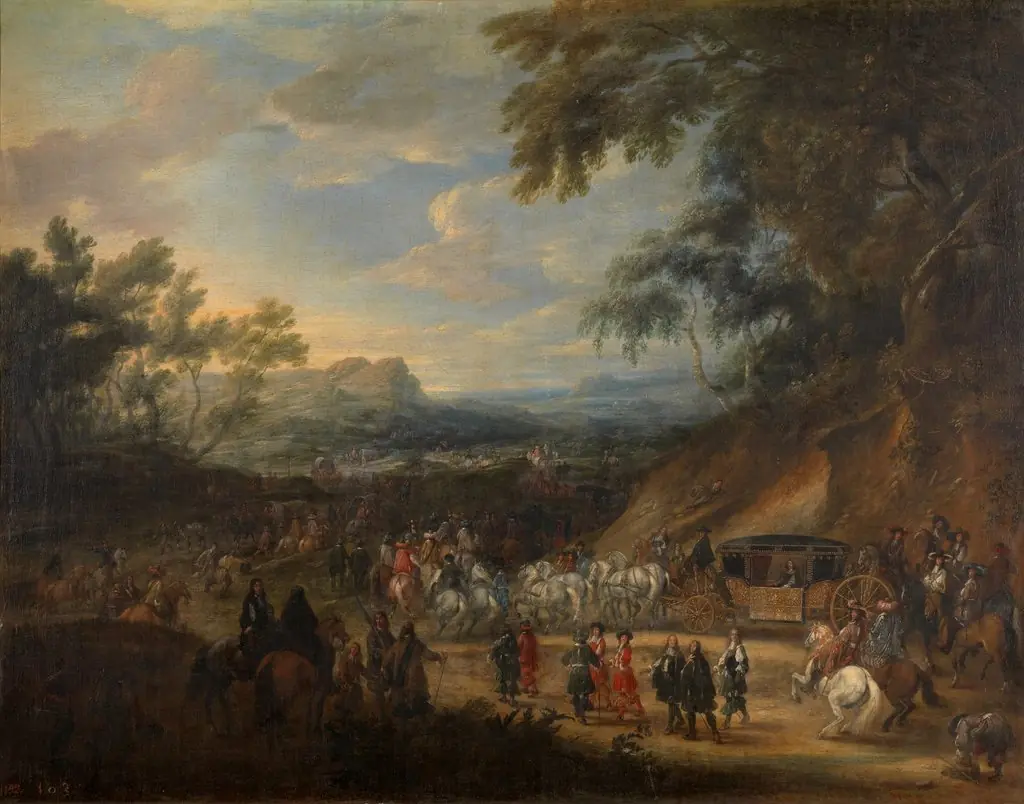 Louis XIV near Vincennes
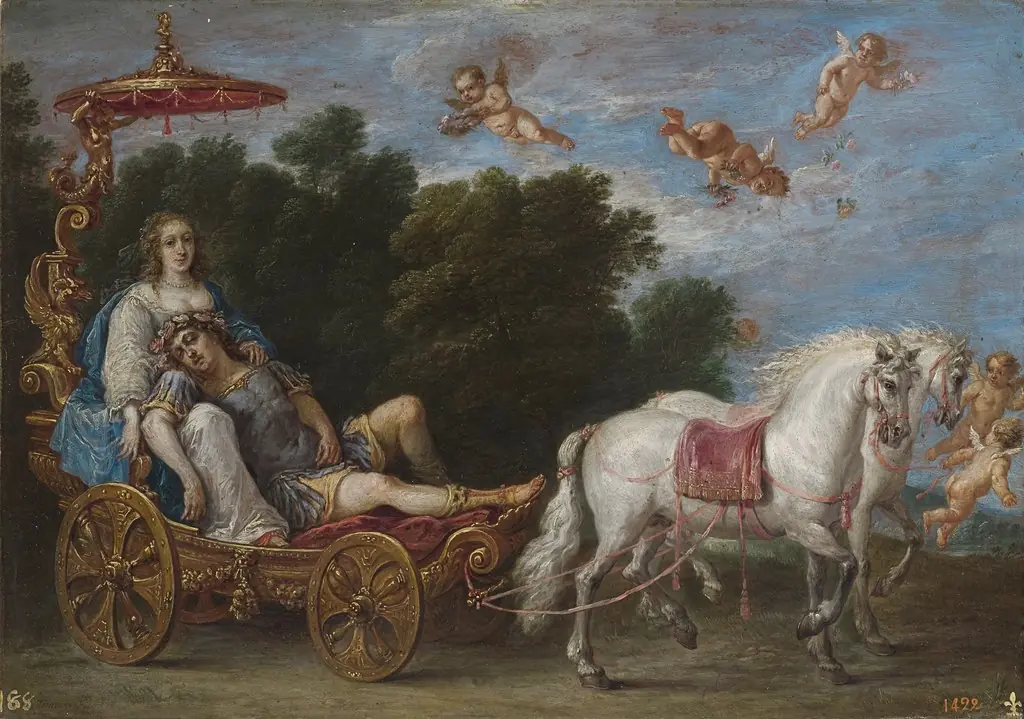 Reinaldo llevado en sueños a las islas Afortunadas
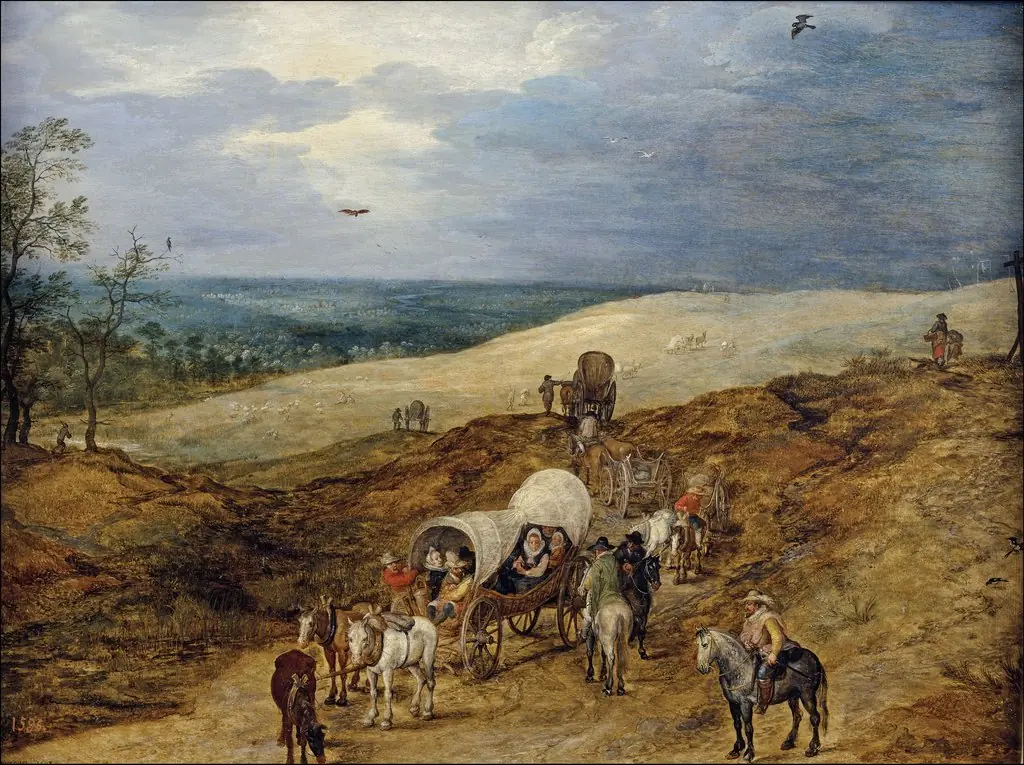 Landscape with Wagons
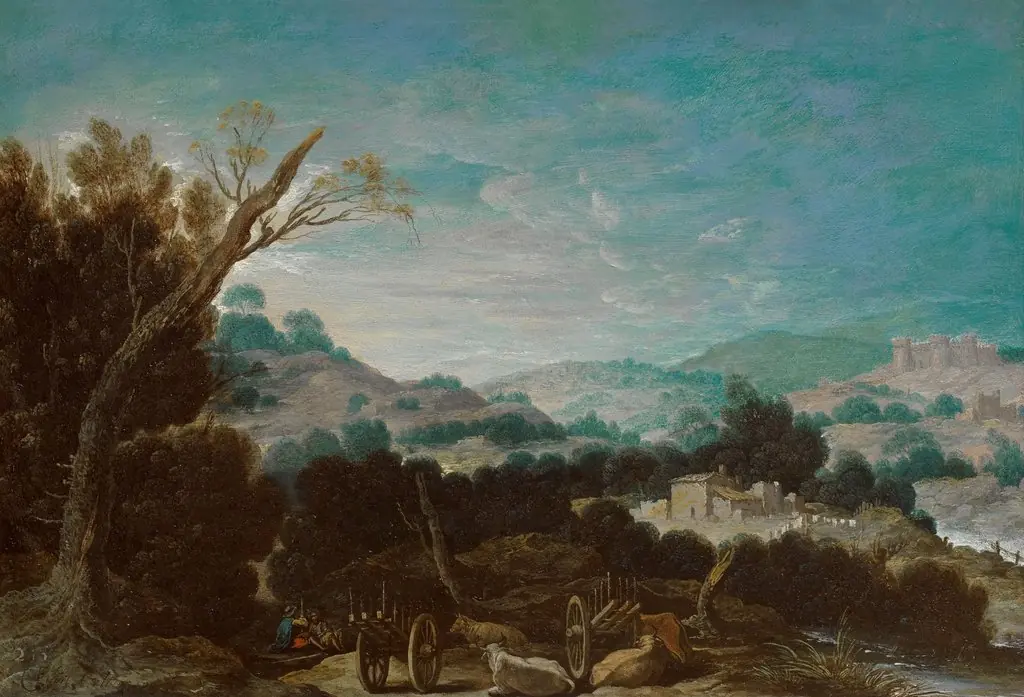 Landscape with Shepherds
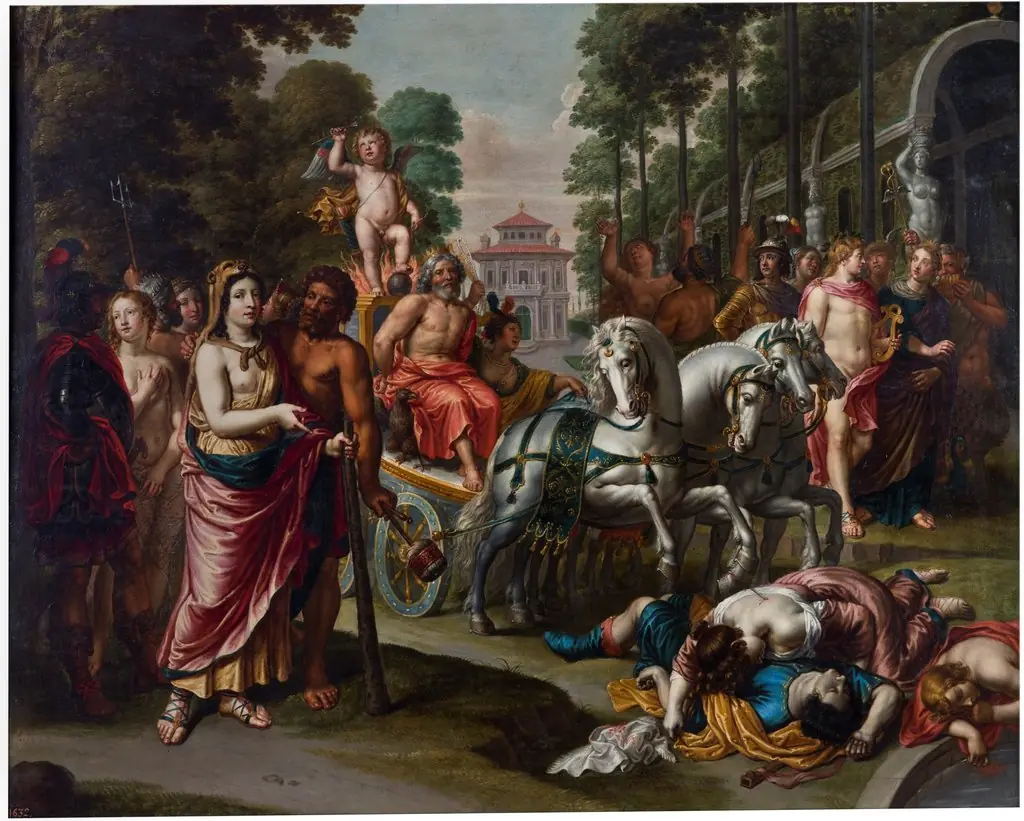 Triumph of Love
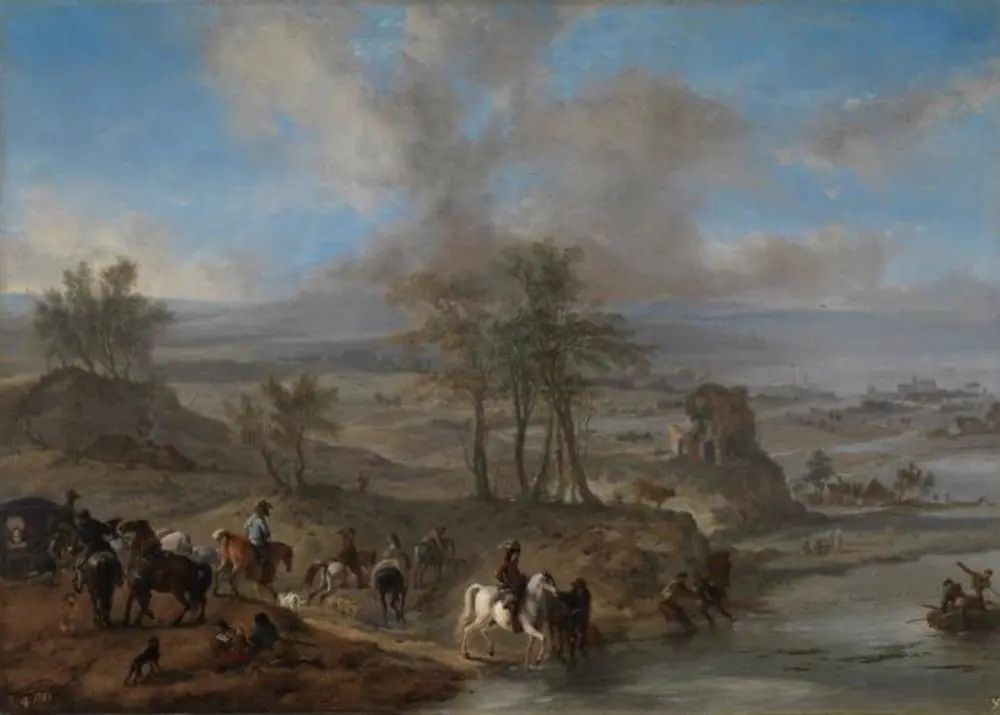 Hunting Party and Fishermen
 Riña en el Mesón del Gallo
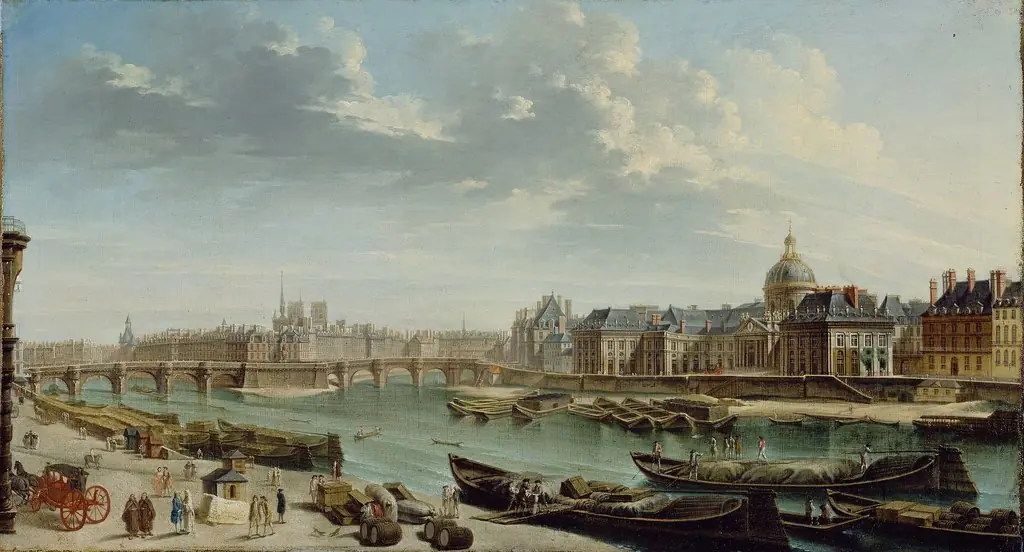 A View of Paris with the Ile de la Cité
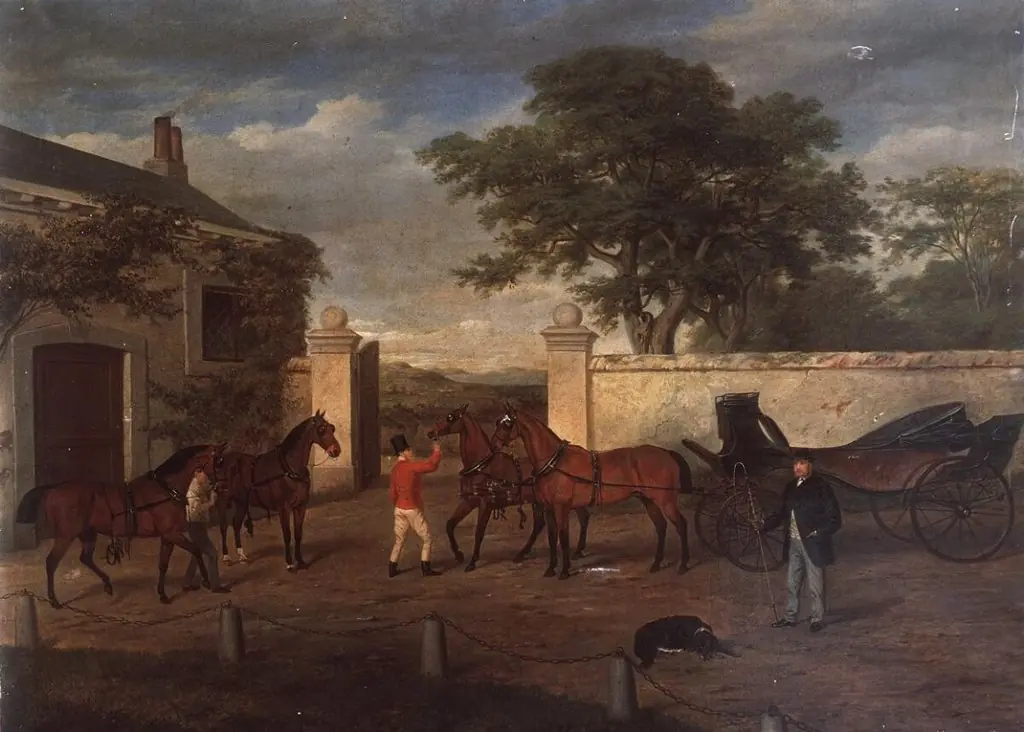 Stable yard scene
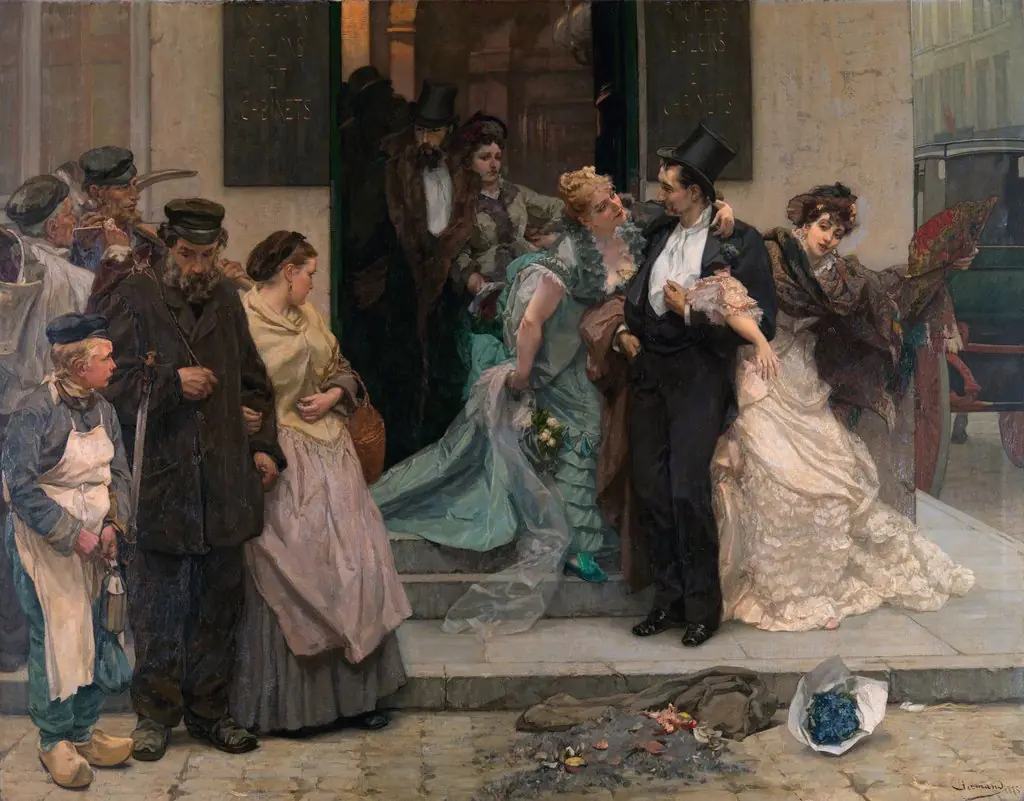 At Dawn
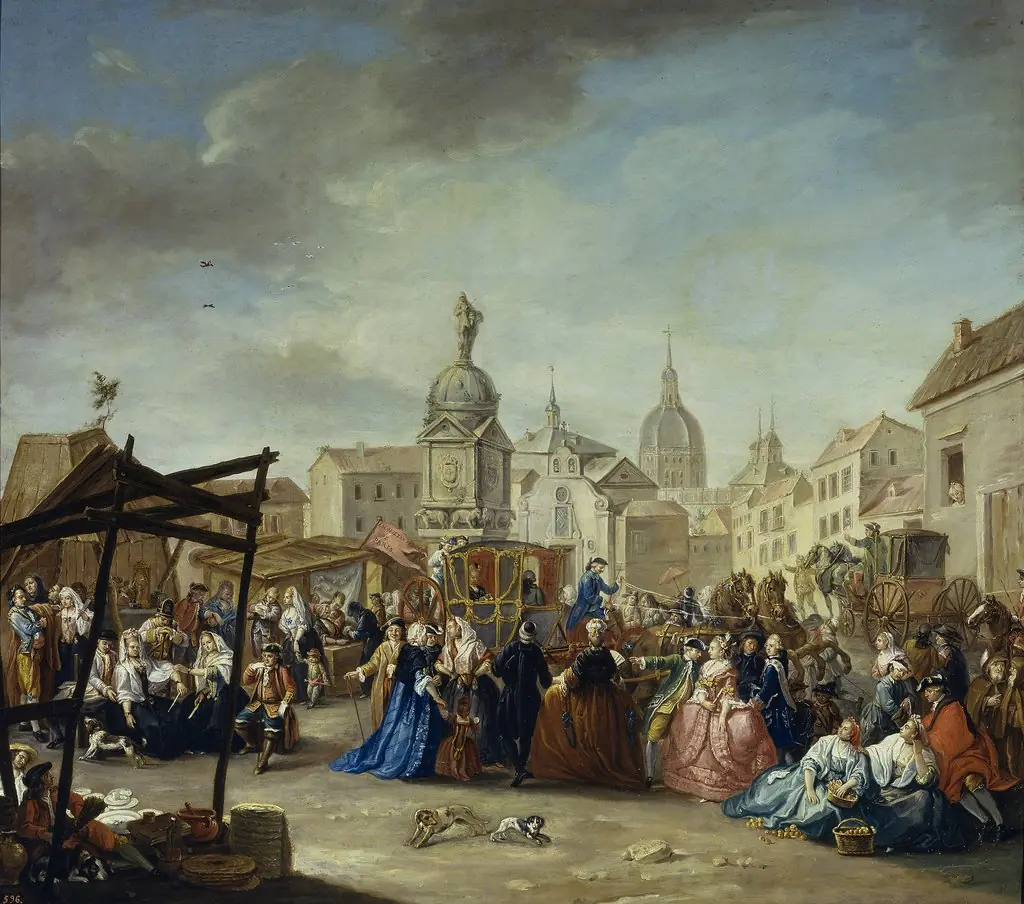 "Madrid Fair in Cebada Square"
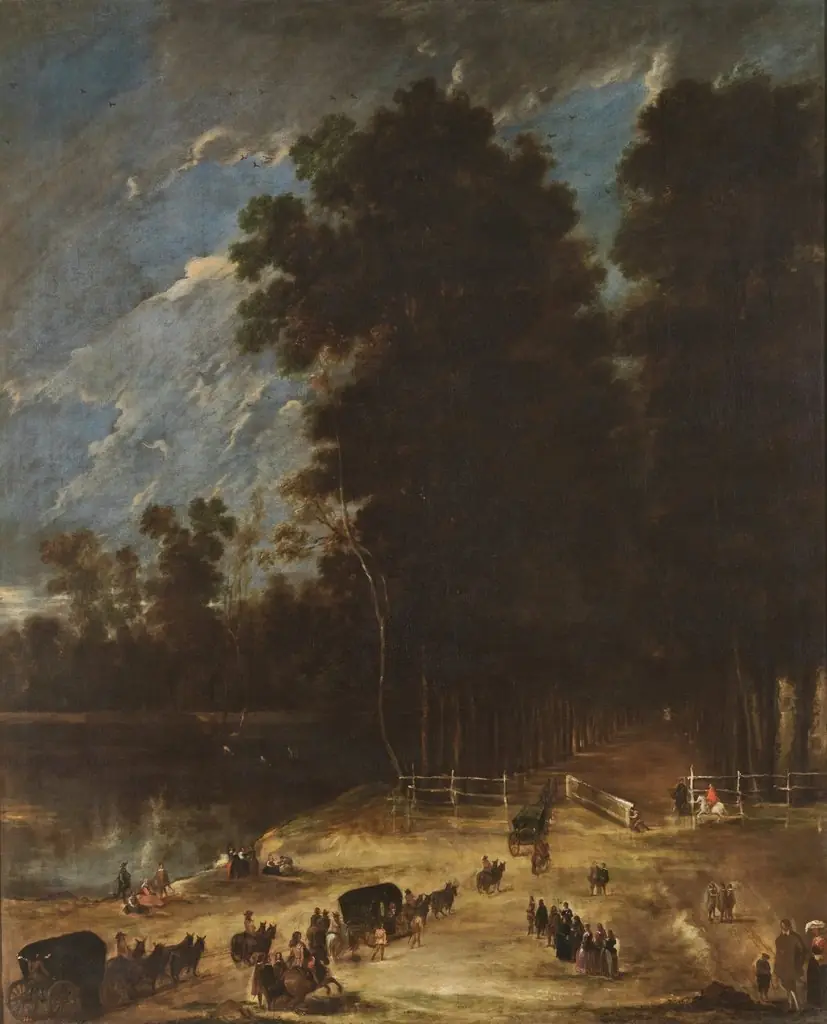 The calle de la Reina in Aranjuez
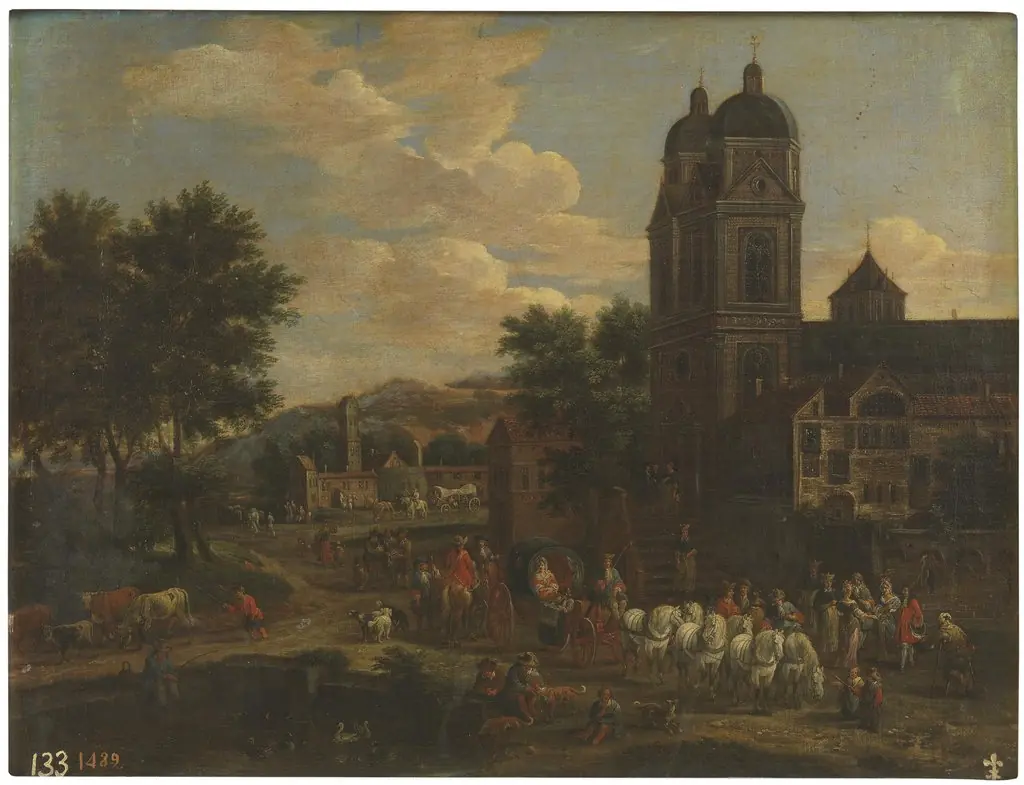 Un santuario
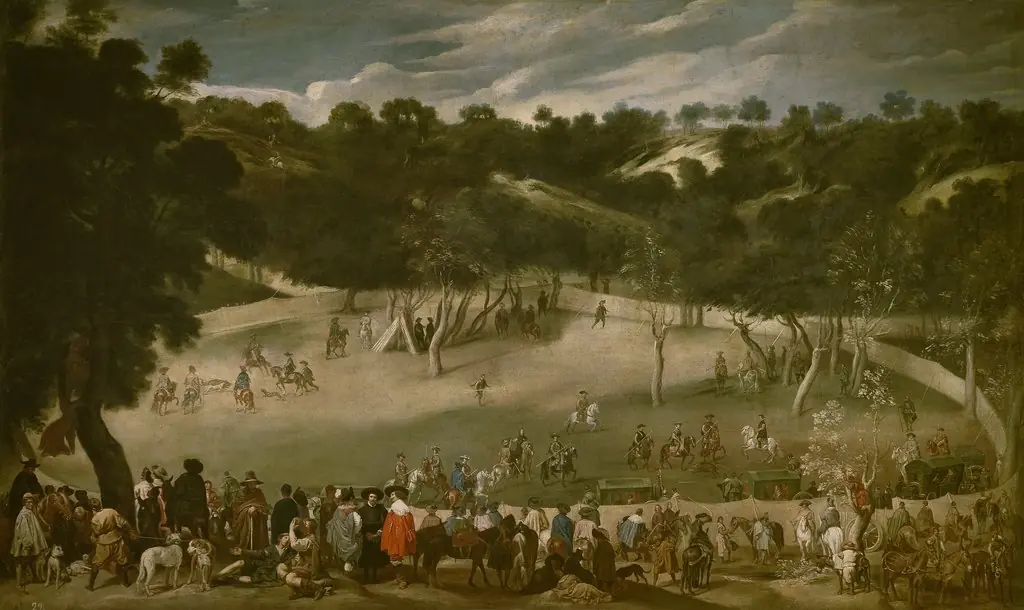 Cacería de jabalíes en el Hoyo
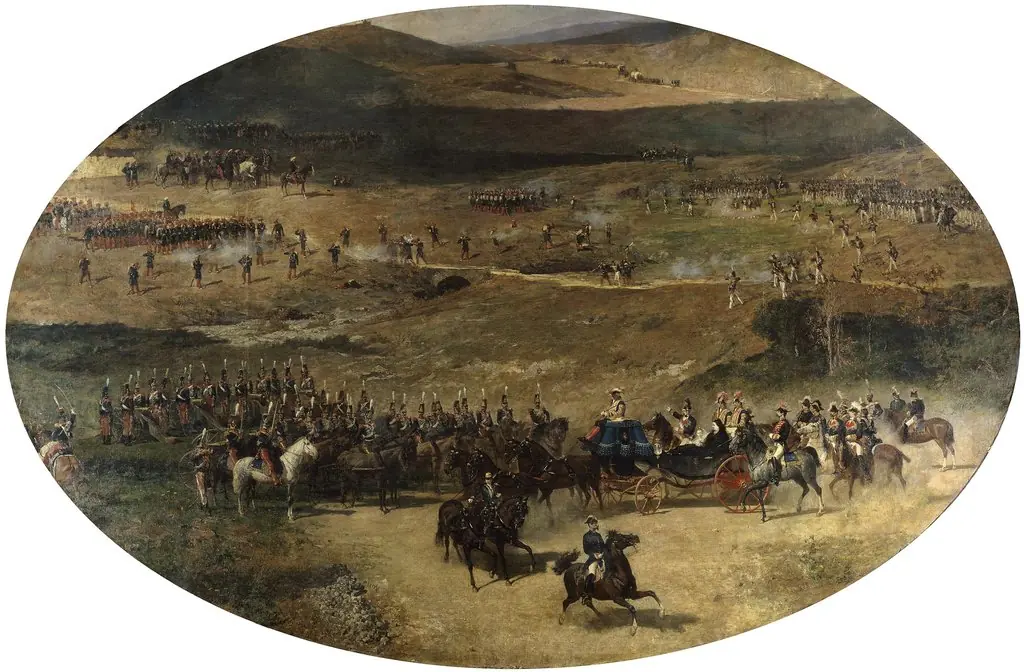 Queen María Cristina and her Daughter, Isabel II, reviewing the Artillery Batteries defending Madrid in 1837
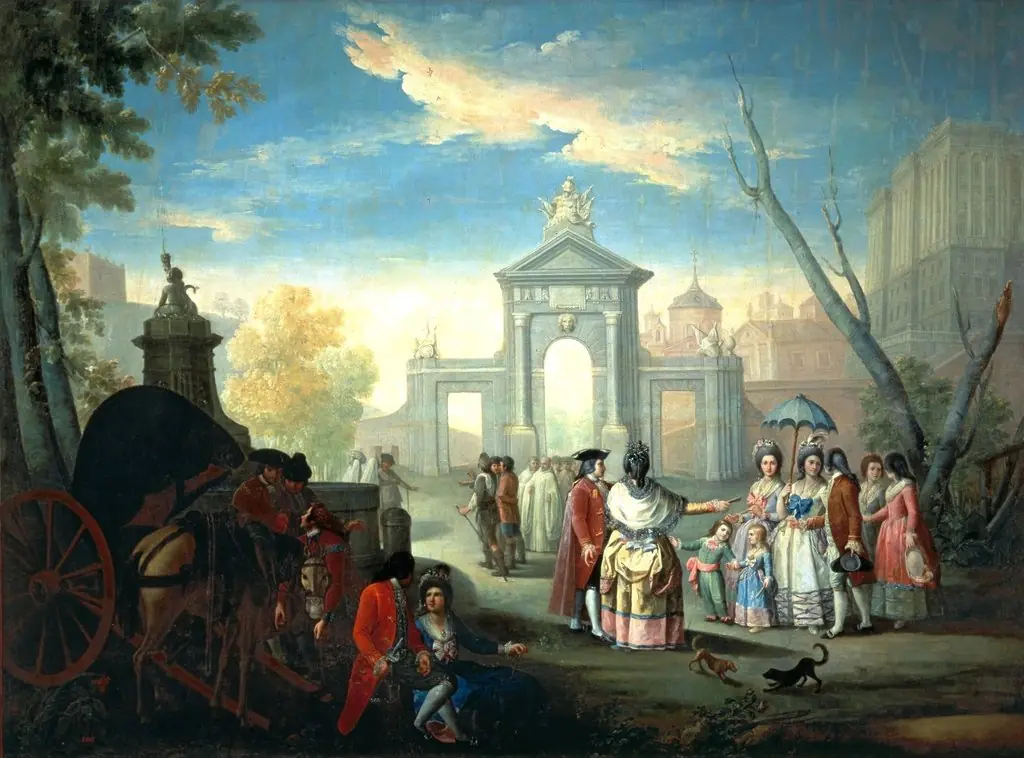 La Puerta de San Vicente, de Ginés Andrés de Aguirre
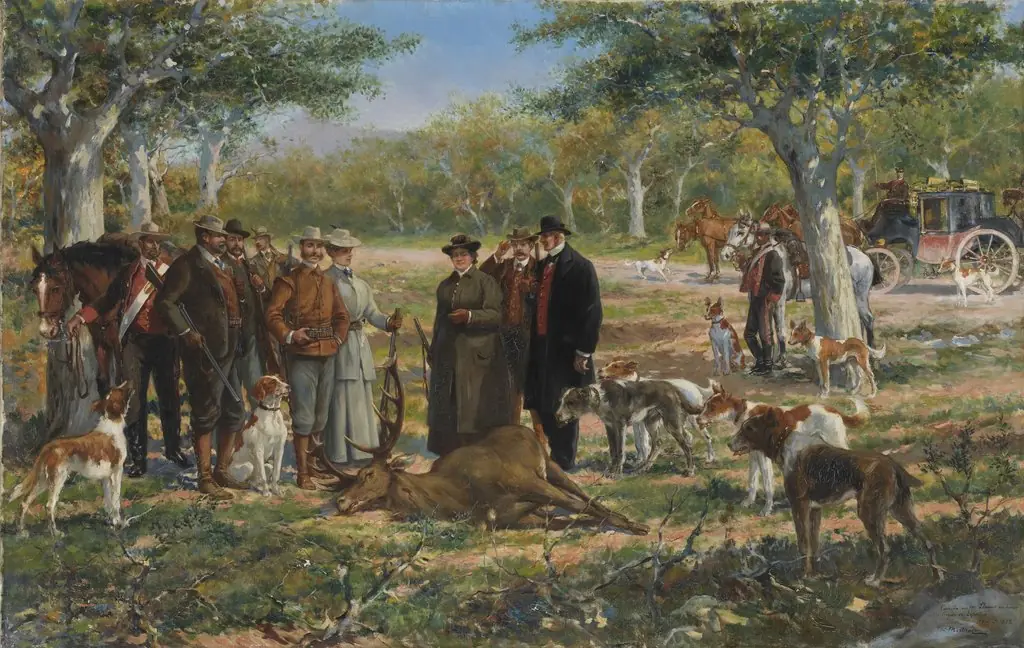 Cacería en los Llanos
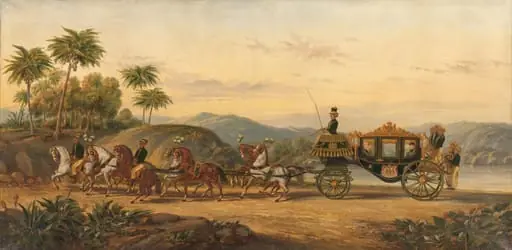 De koets van Mangkoe Nagoro IV
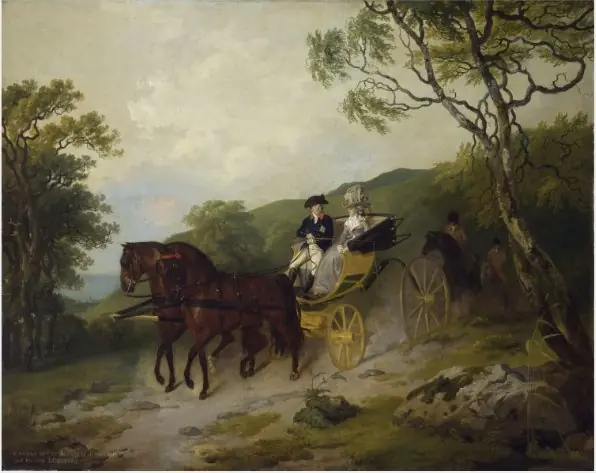 Portrait of The Marquess and Marchioness of Antrim
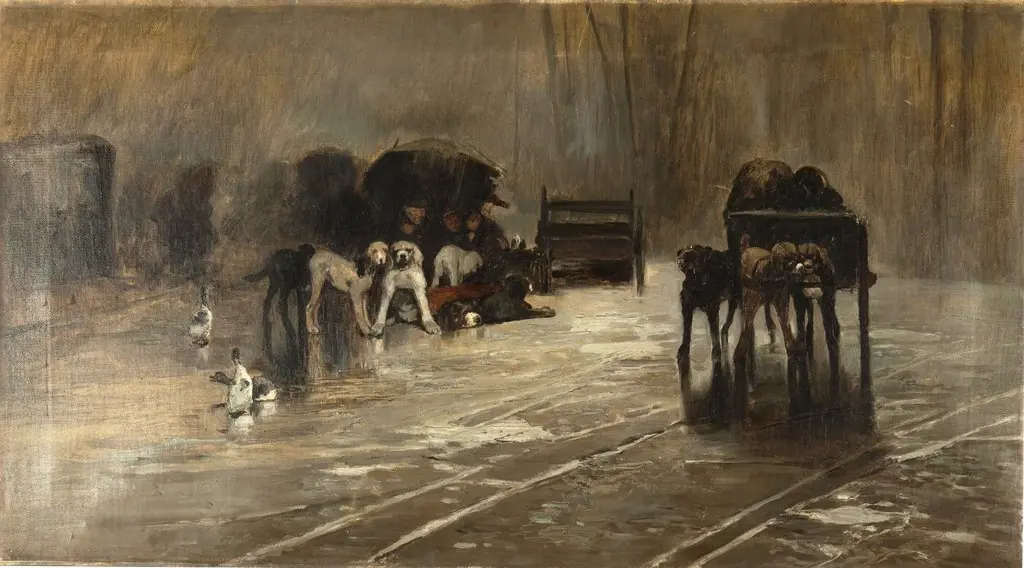 Perros del mercado (Recuerdo de Holanda)
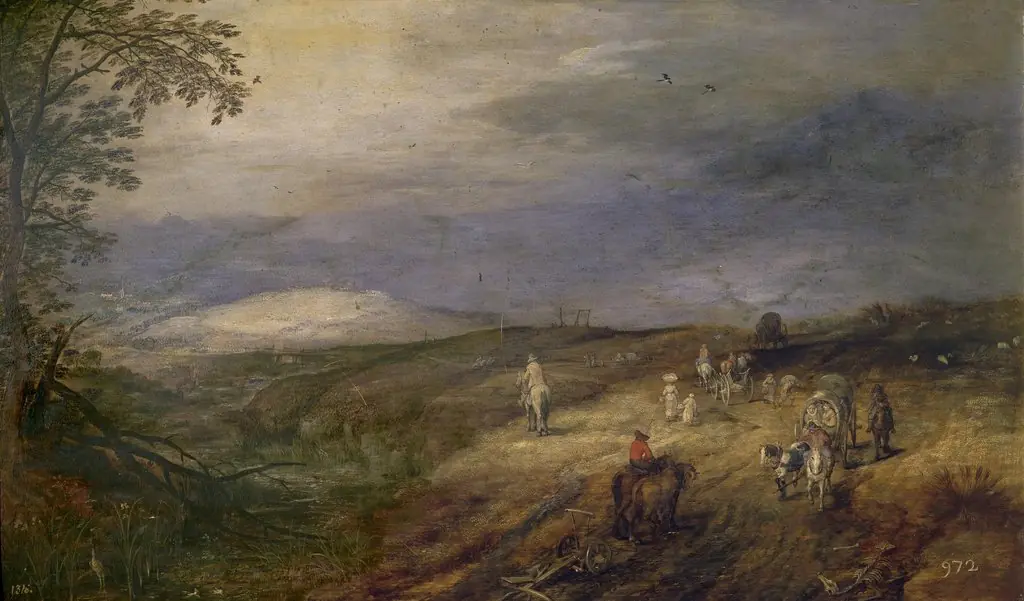 Path in a Forest
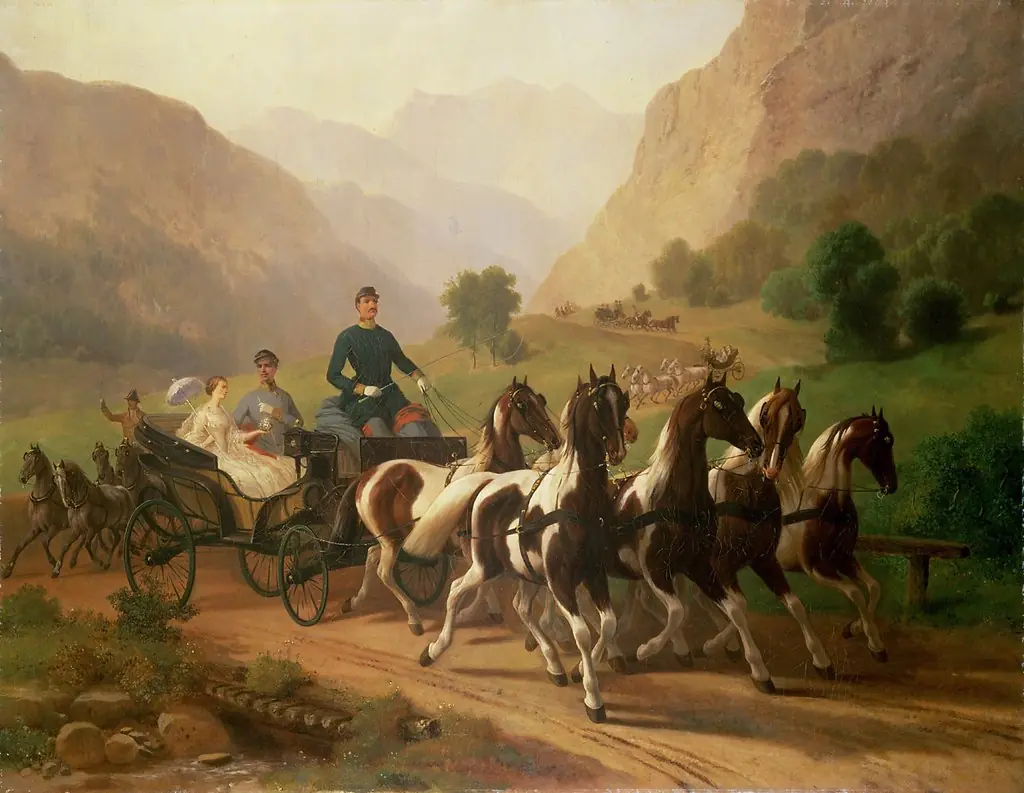 Kaiser Franz Joseph (1830 - 1916) und seine Braut bei einer Ausfahrt in der Umgebung von Ischl
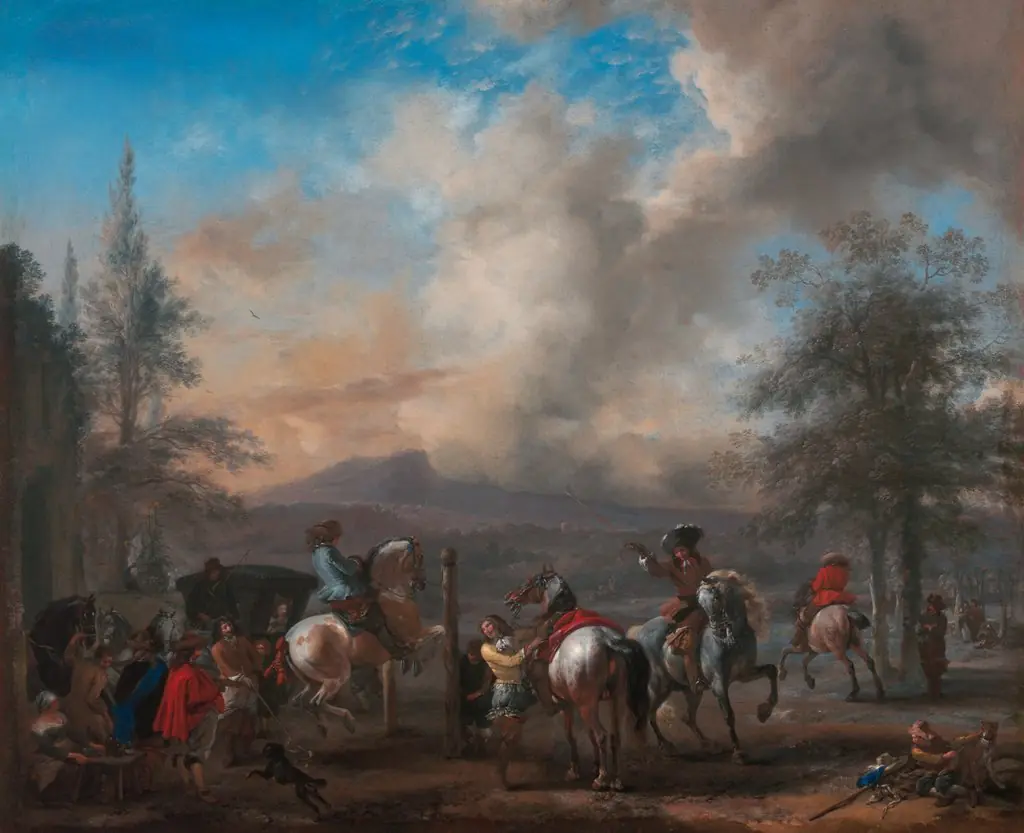 Riding School
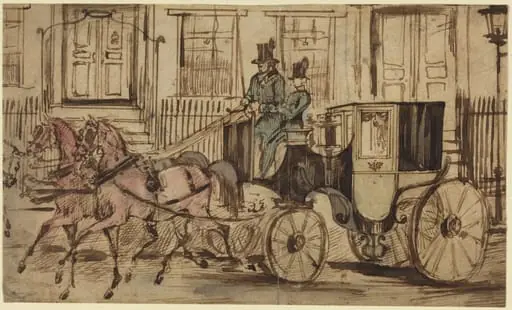 The Strawberry Roans
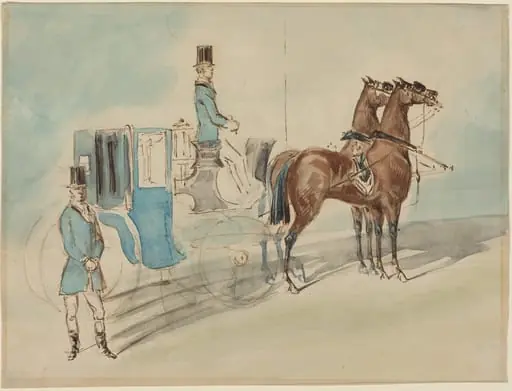 Carriage with Driver and Groom: Spring
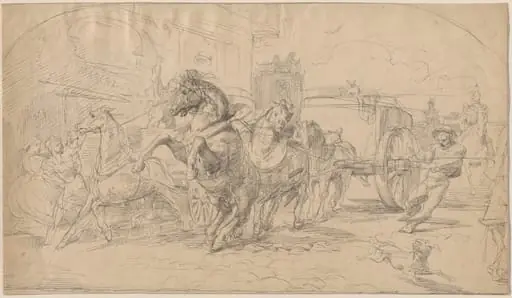 The Runaway Carriage
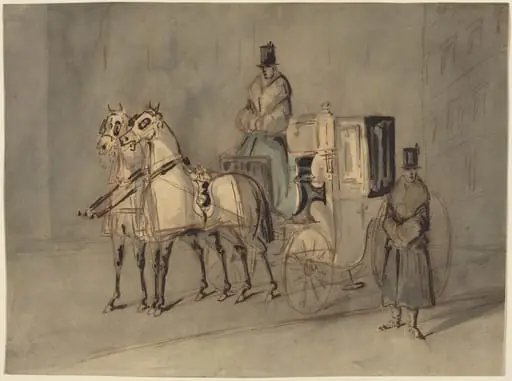 Carriage with Driver and Groom: Autumn
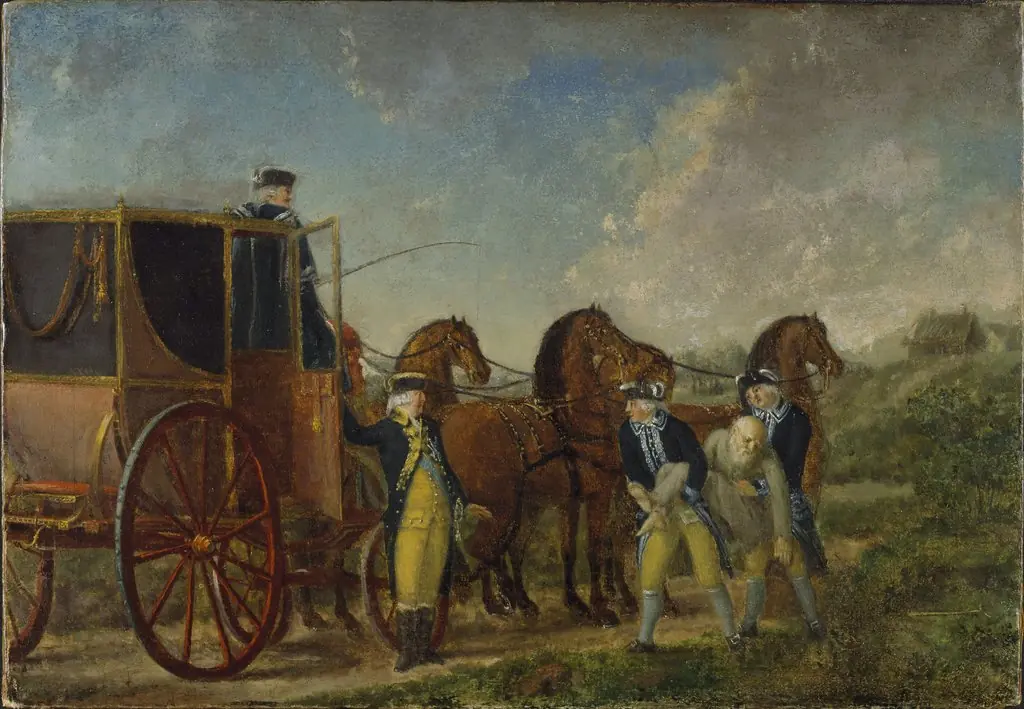 Konung Adolf Fredrik (1710-1771) vid Loka Brunn 1762
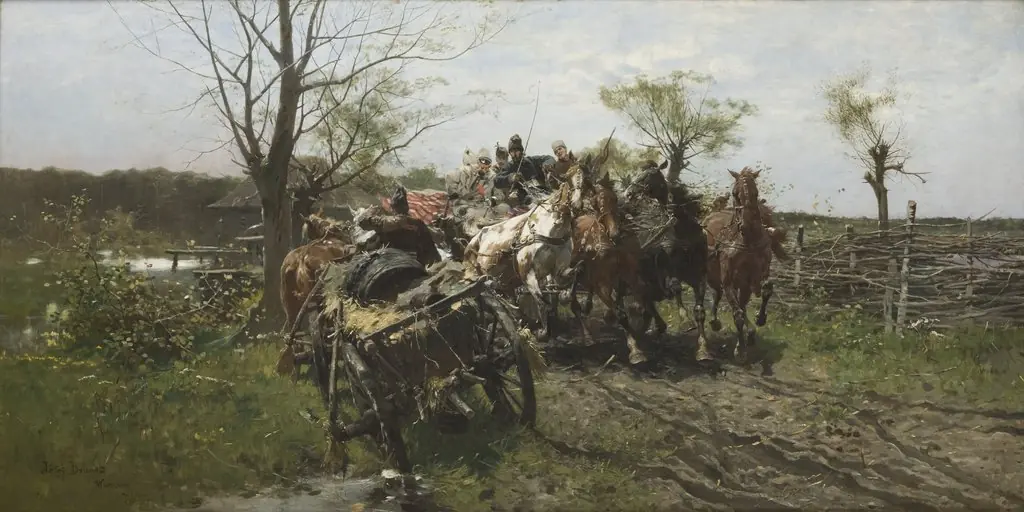 Meeting on a Bridge
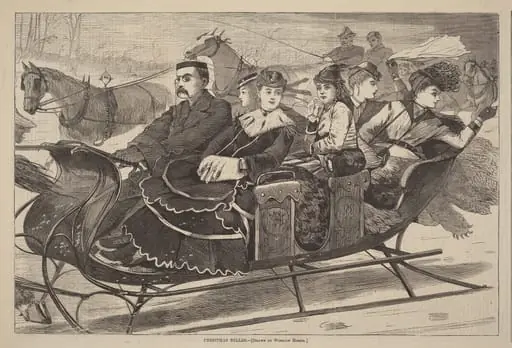 Christmas Belles
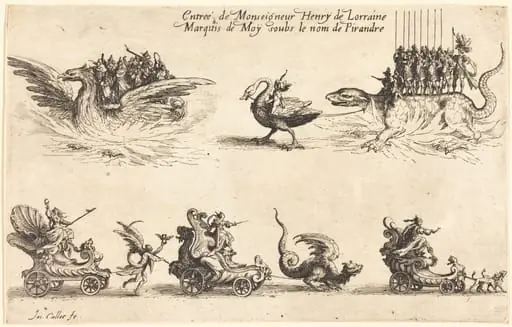 Entry of Monseigneur Henry de Lorraine, Marquis de Moy, under the Name of Pirandre
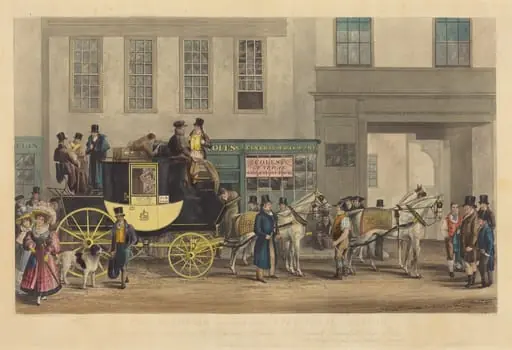 The Blenheim, Leaving the Star Hotel, Oxford
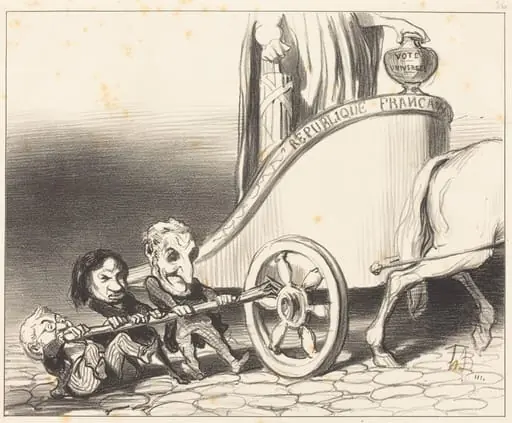 Ce char marchera toujours...
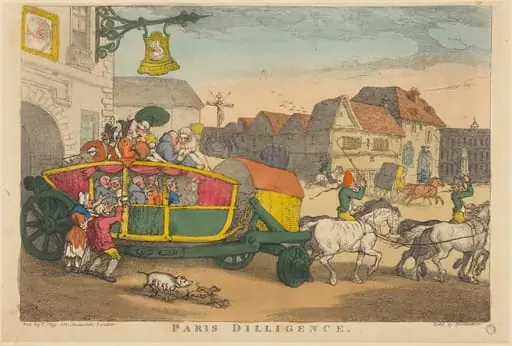 Paris Diligence
![Her Majesty Leaving Buckingham Palace, June 28, 1838 [left half]](https://artifactworldgallery.com/img/her-majesty-leaving-buckingham-palace-june-28-1838-left-half--89605c7062182303-w320.webp) Her Majesty Leaving Buckingham Palace, June 28, 1838 [left half]
Her Majesty Leaving Buckingham Palace, June 28, 1838 [left half]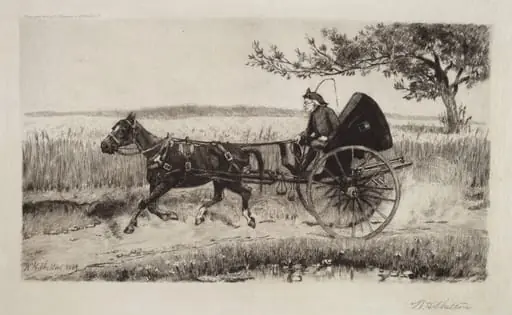 The One Hoss Shay
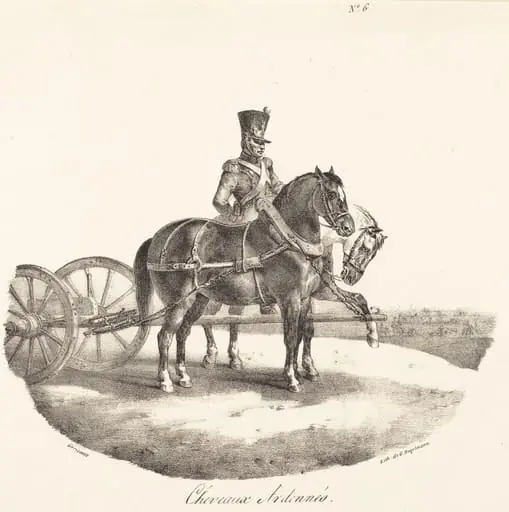 Cheveaux des Ardennes
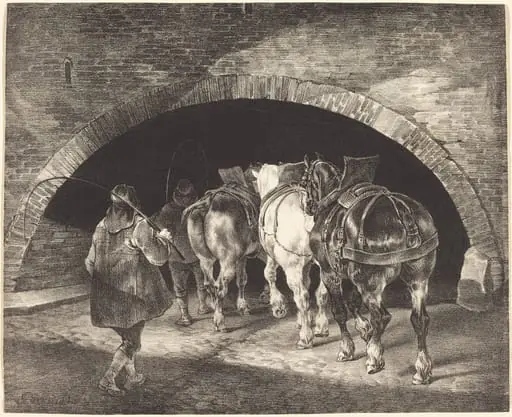 Adelphi Wharf
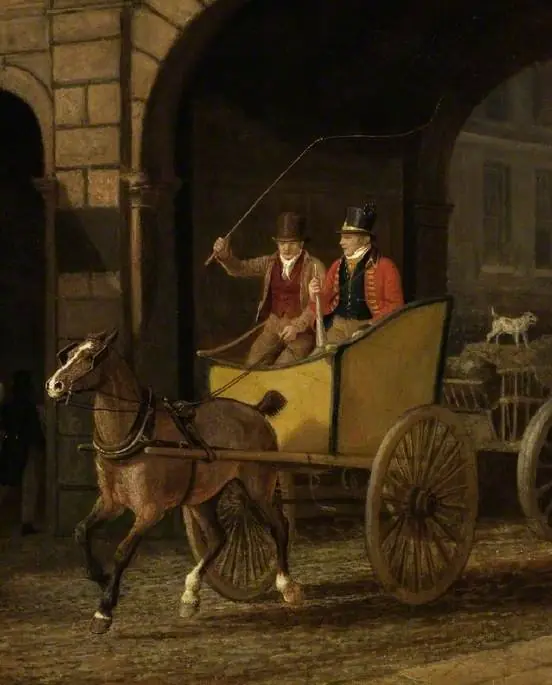 The Mail Guard
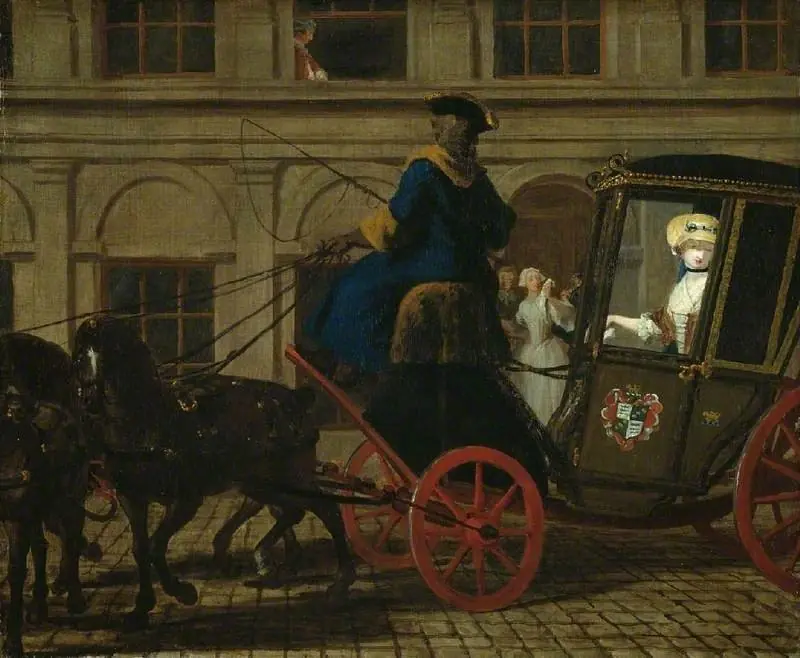 Pamela leaves Mr B's house in Bedfordshire
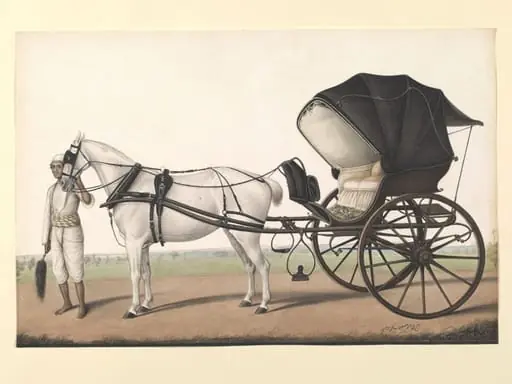 A groom with a horse and carriage
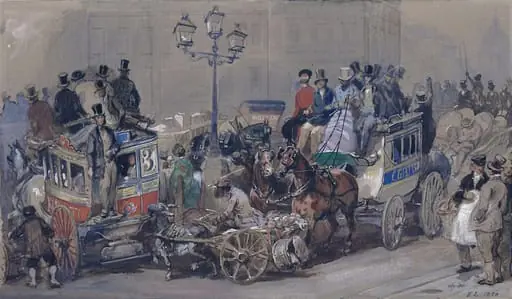 Ludgate Circus, London
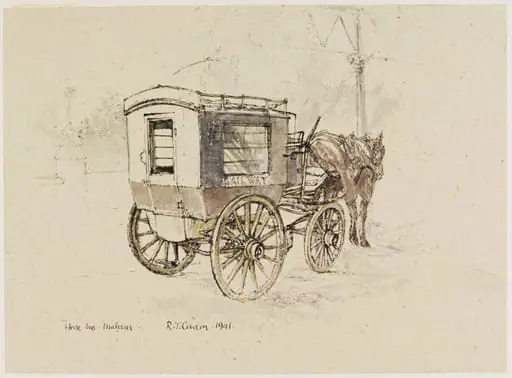 Horse Bus, Malvern
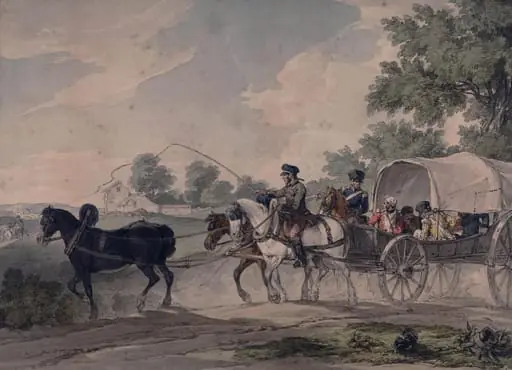 A Belgian Waggon Conveying Wounded from the Field after the Battle of Waterloo
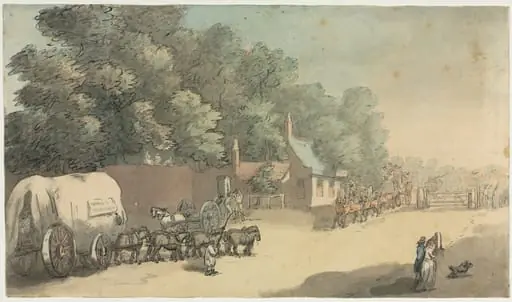 The Turnpike Gate
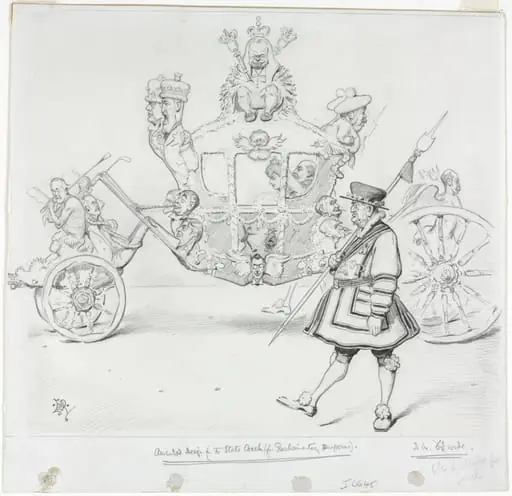 The Stagecoach for Parliamentary Purposes (recto)
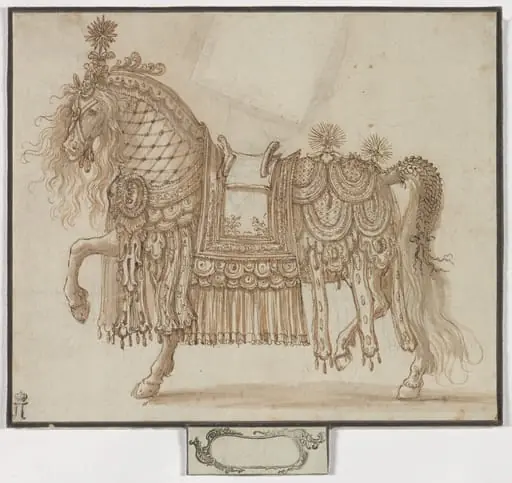 Parade Horse
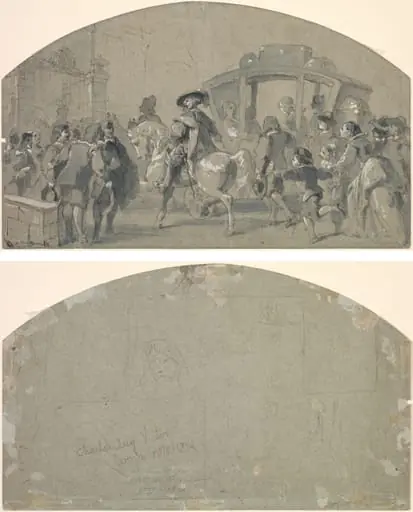 Street Scene (recto); Sketches (verso)
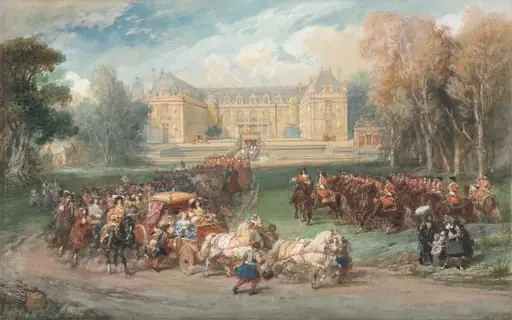 Louis XIV Driving his Coach in the Park of Versailles
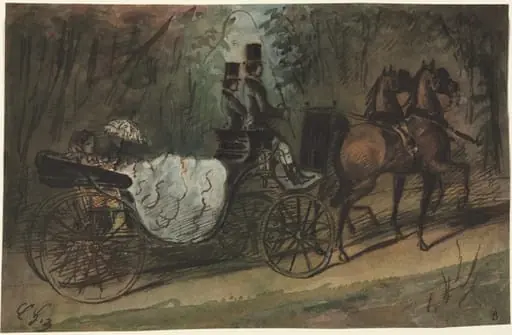 Carriage in the Bois de Boulogne
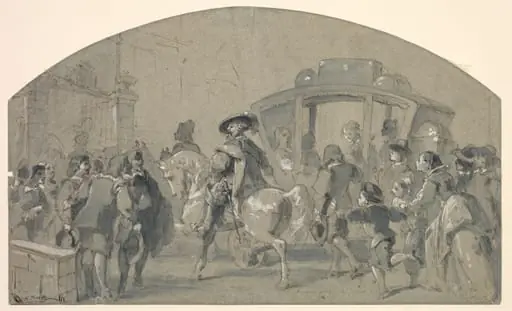 Street Scene (recto)
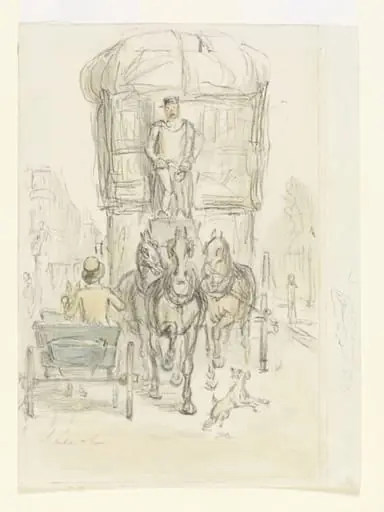 Untitled
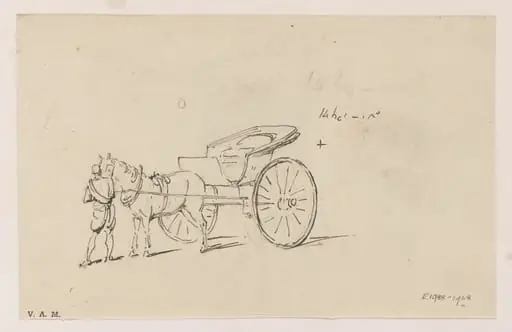 An Indian figure with a horse and carriage
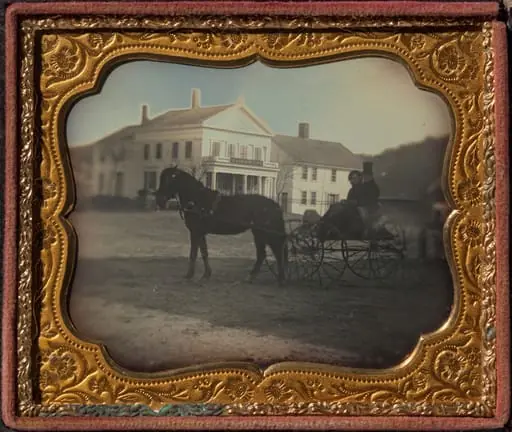 Solomon Clark Spelman and Martha W. Spelman in front of S.C. Spelman General Store, Hampden, MA
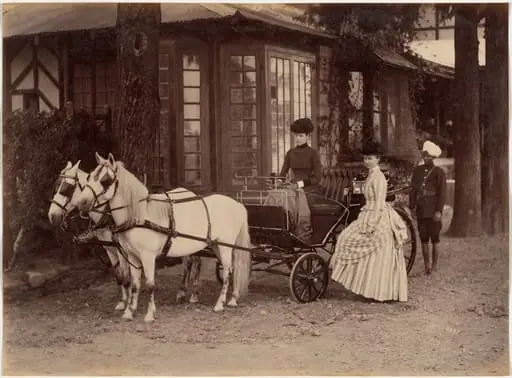 Mrs. and Miss Lyall, Shimla
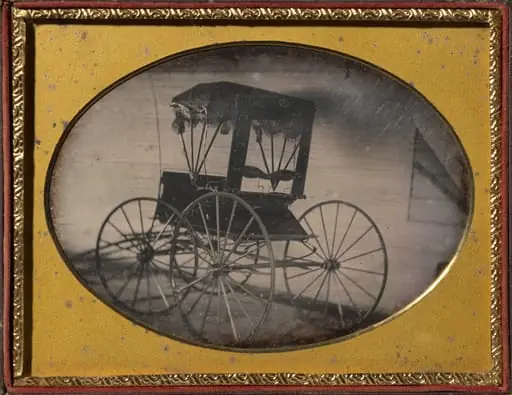 Buggy
Buggy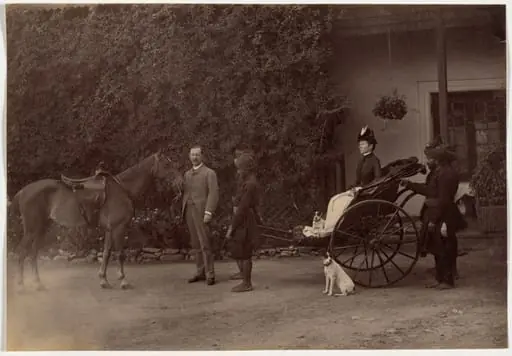 Colonel H.R. Thuillier and His Wife Emmeline Williams Thuillier, Shimla
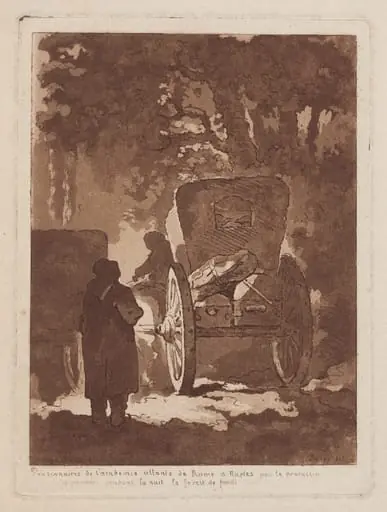 Pensionnaires de l’Académie allants de Rome à Naples par le procaccio et passants pendant la nuit la forest de fondi (Pensionnaires from the French Academy Going from Rome to Naples by Carriage and Passing through a Forest in Fondi during the Night)
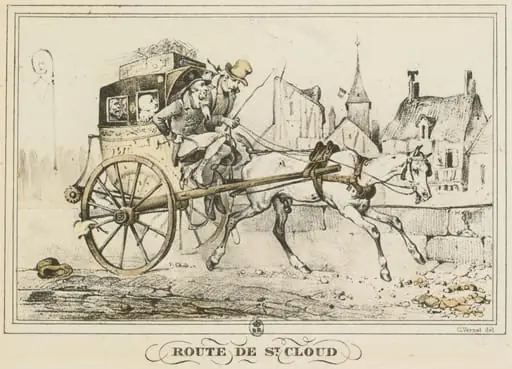 Scenes of Daily Life, Roads and Paths: Road to Saint-Cloud (Scènes de la vie quotidienne, Route et Chemins: Route de Saint-Cloud)
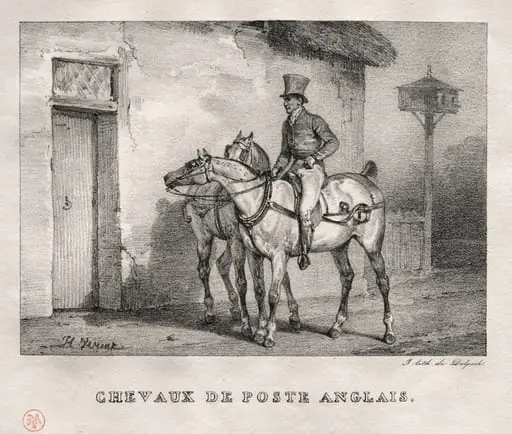 Postal Horses
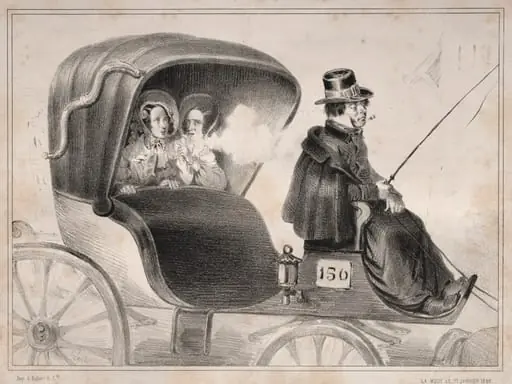 Actualités: Les Inconvénients des voitures publique: Le cocher de...
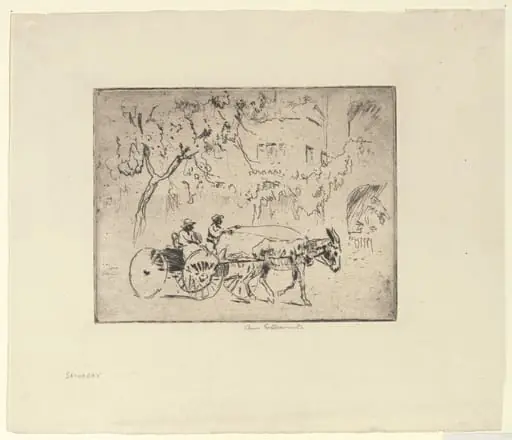 Untitled
Carriage is a subject in art. A carriage is a two- or four-wheeled horse-drawn vehicle for passengers.
Artifact World Gallery holds 119 public-domain Carriage works, all free to view and download.
Key Carriage artists in the collection include Édouard Manet, Jean Léon Gérôme and Albert Bierstadt.
Carriage works in the collection are held by Metropolitan Museum of Art, Museo del Prado and National Gallery of Art.
Your cart is empty
Browse artworks →