Artwork
Allert Boelisse (1523-59)
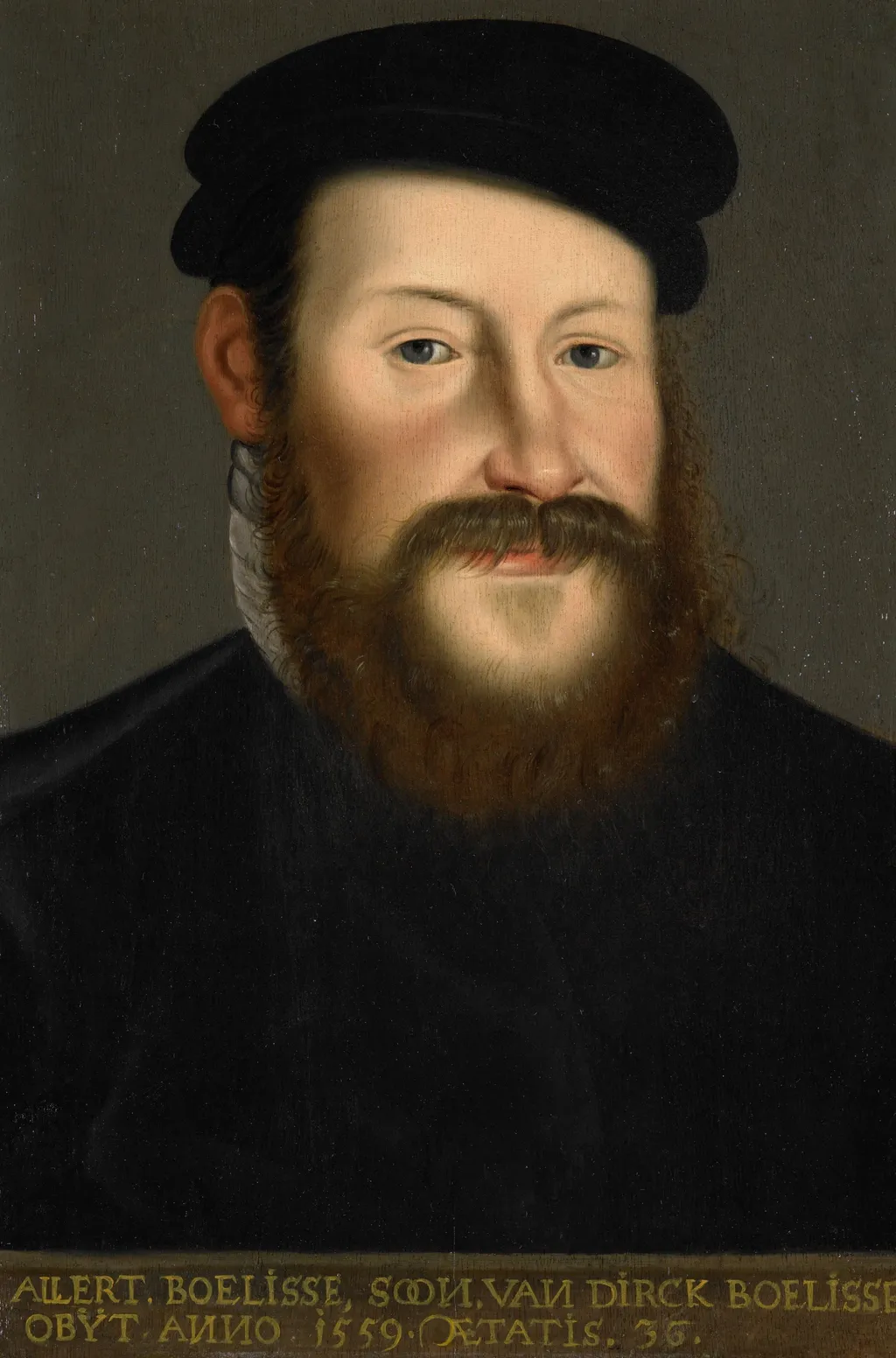
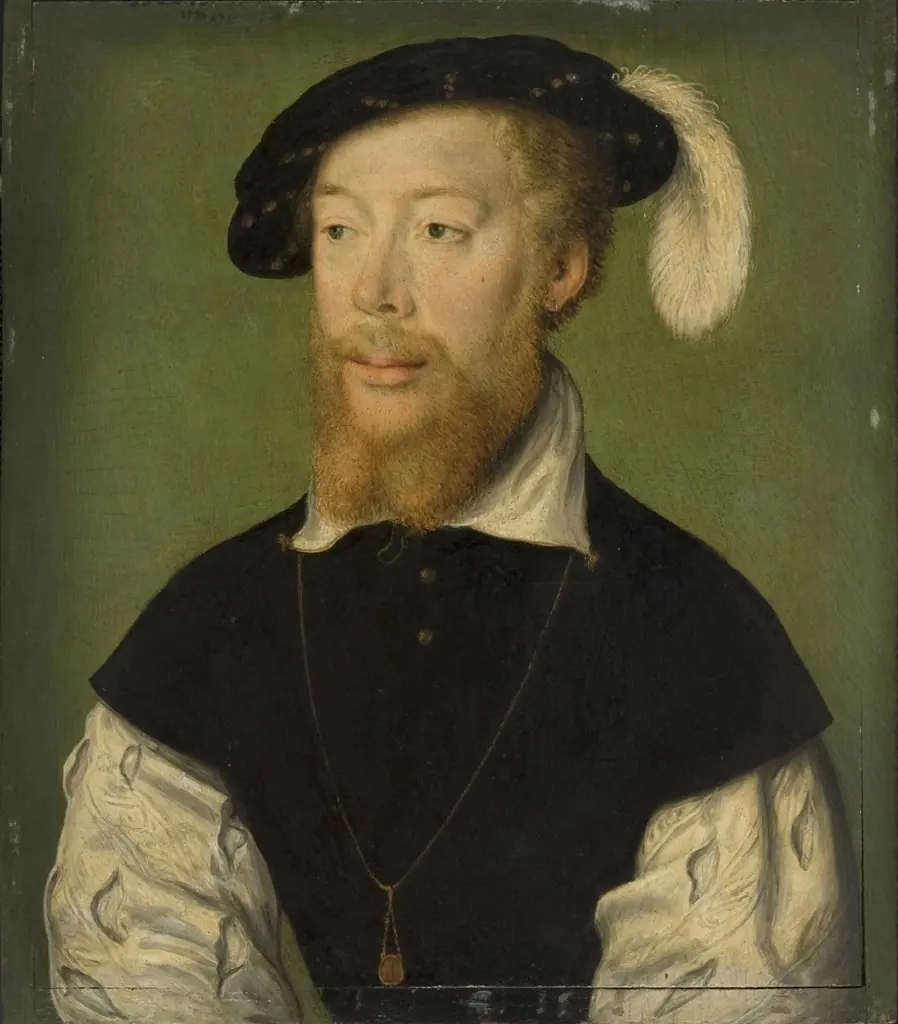
Allert Boelisse (1523-59) is an oil painting by the Northern Renaissance artist Unknown. It dates from 1550 and is held in the collection of the Rijksmuseum.
About this work
Technique & Style
The portrait is executed in oil paint on a wooden panel, a standard support for mid-sixteenth-century Netherlandish panel painting.
The portrait is executed in oil paint on a wooden panel, a standard support for mid-sixteenth-century Netherlandish panel painting. According to the cataloguing data, the work was produced in 1550 in the Low Countries and measures 49.5 cm in height by 33 cm in width, giving it a distinctly upright, half-length portrait format suited to a single sitter. The modest dimensions and panel support are consistent with the intimate scale typical of small private portraits of the period.
History & Provenance
The portrait of Allert Boelisse was painted in 1550 in the Low Countries, executed in oil on panel. According to the Wikidata record, the work is associated with two collections: the Rijksmuseum and the Westfries Museum, with the Rijksmuseum identified as its current location. The painting measures 49.5 cm in height by 33 cm in width.
No information is available regarding the original commissioner, the sitter's relationship to the artist, or the chain of ownership prior to its acquisition by these institutions.
The painting is held in the collection of the Rijksmuseum, with the Westfries Museum also listed as a collecting institution. Its medium is oil on panel, measuring 49.5 × 33 cm. No inventory or accession number is provided in the available sources, and no exhibition history is documented.
Overview
Allert Boelisse (1523-59) executed this portrait in oil paint, featuring a bearded man set against a uniform gray background. The subject's direct gaze and neutral expression characterize the work.
Subject & Meaning
The painting depicts an unidentified man with a brown beard and mustache, dressed in a black hat and shirt. His neutral facial expression and direct engagement with the viewer suggest a portrait intended to convey the sitter's presence rather than a specific emotion or narrative.
Context
Given the artist's period, the work aligns with 16th-century European portraiture trends, emphasizing realism and the use of chiaroscuro, though the subject's identity and the painting's original context remain unspecified.
Legacy
The painting's impact or influence on subsequent art movements or its reception over time is not detailed in the provided information.
Artist & collection









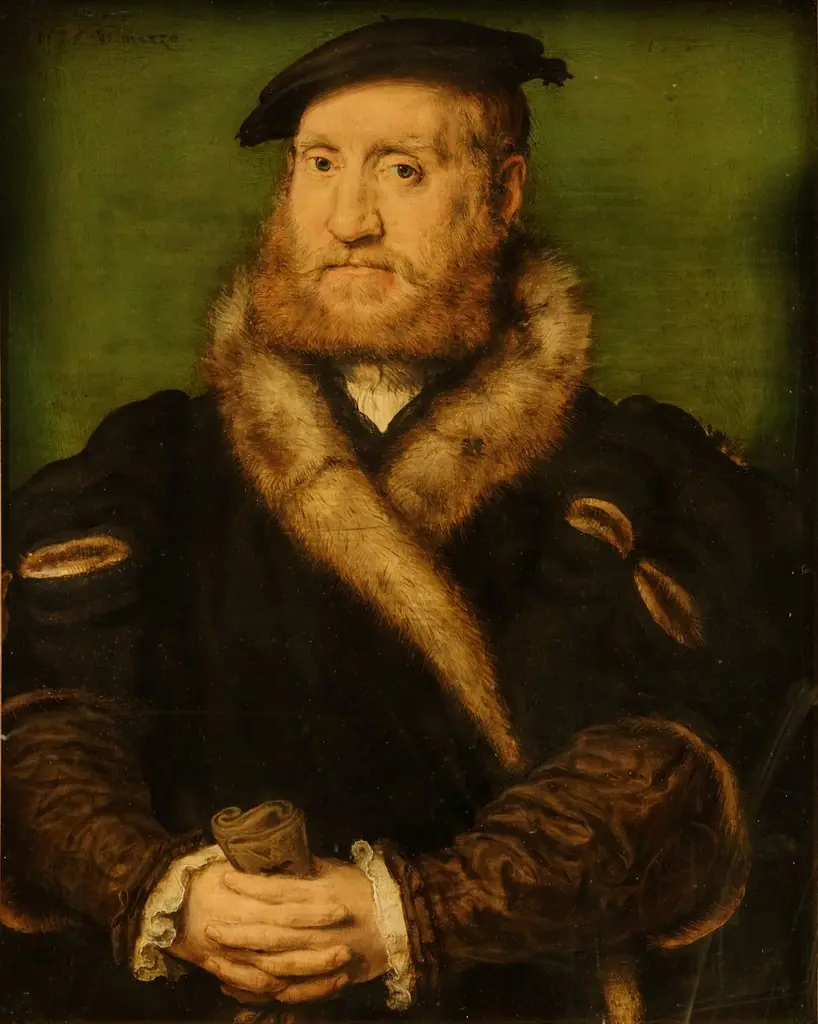 Bearded Man in a Fur Coat
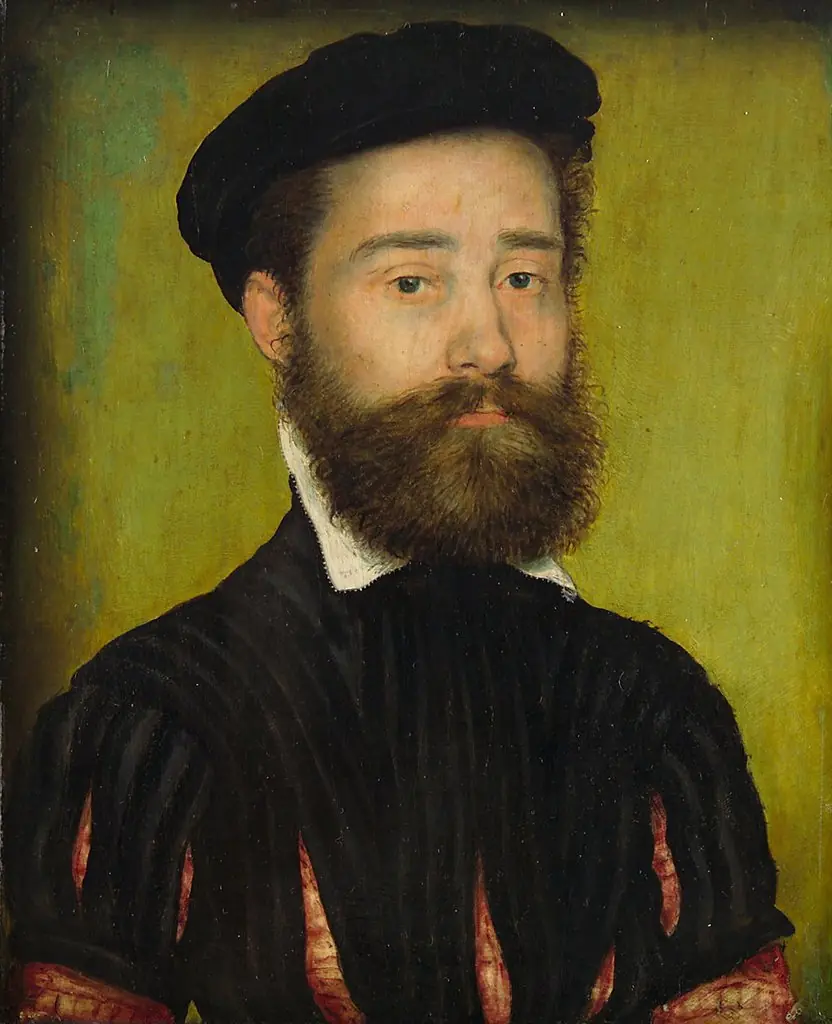 Bildnis eines bärtigen Mannes
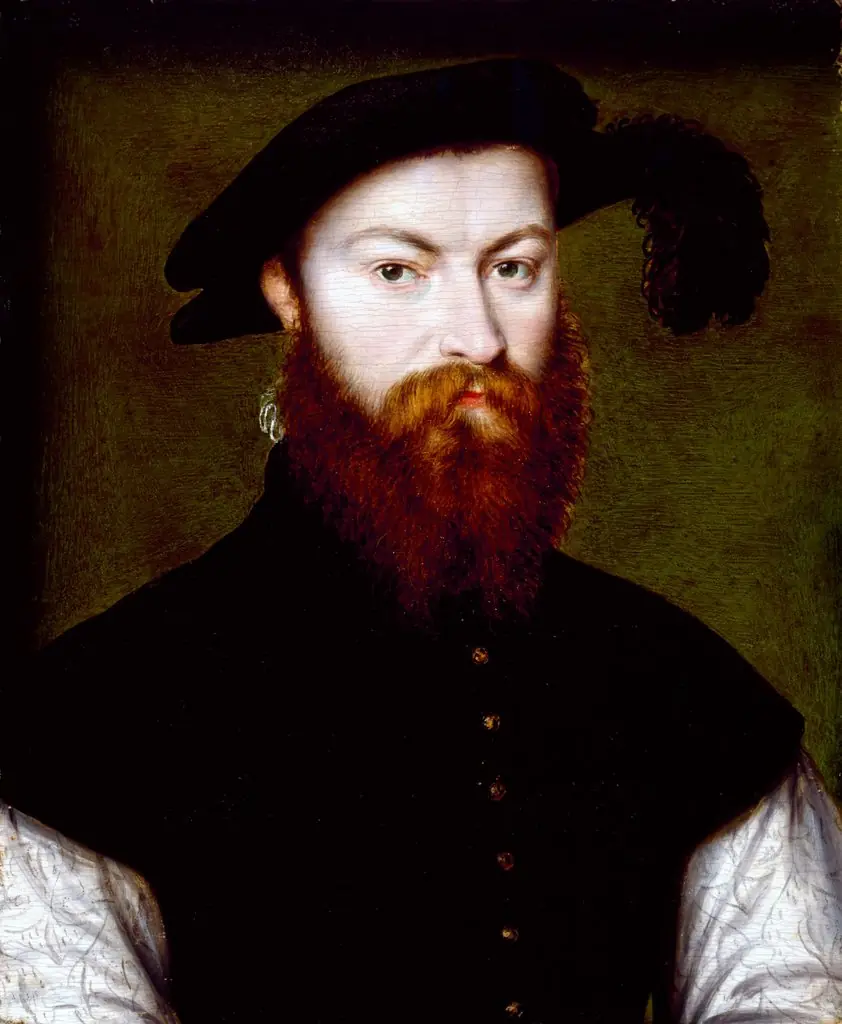 René de Batarnay, Comte du Bouchage
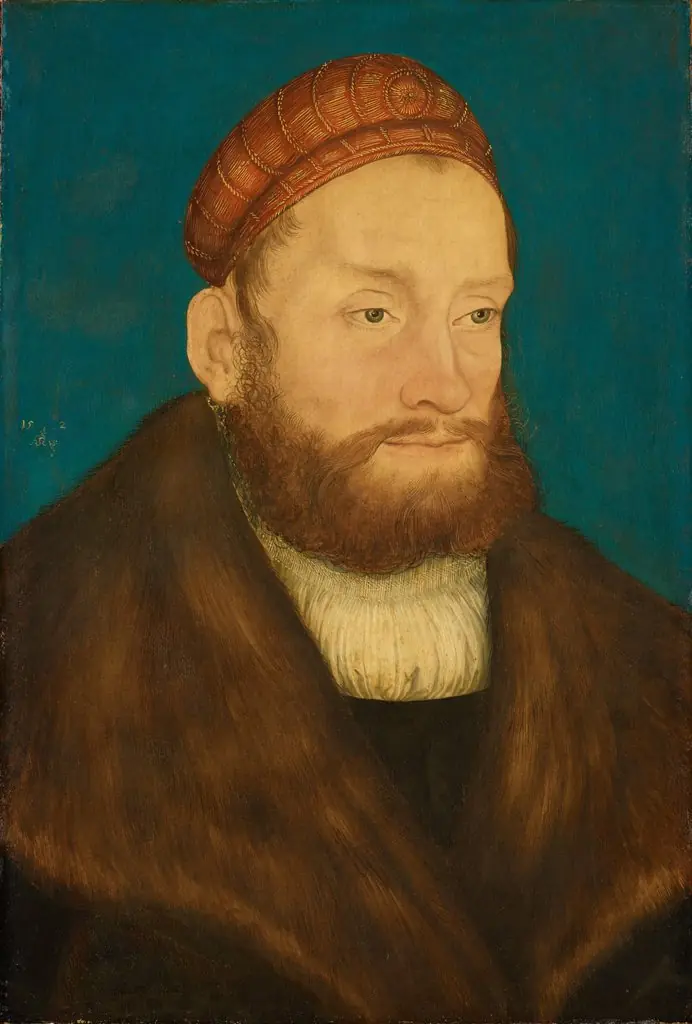 Portrait Margrave Casimir of Brandenburg-Kulmbach
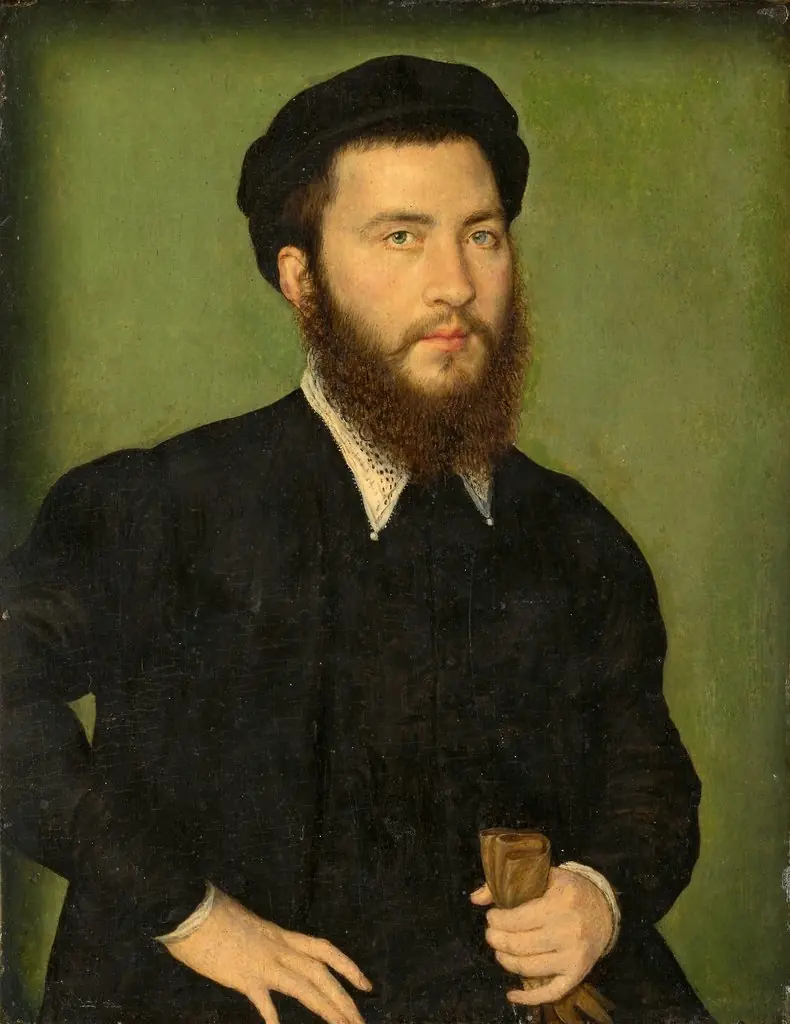 Portrait of a Man
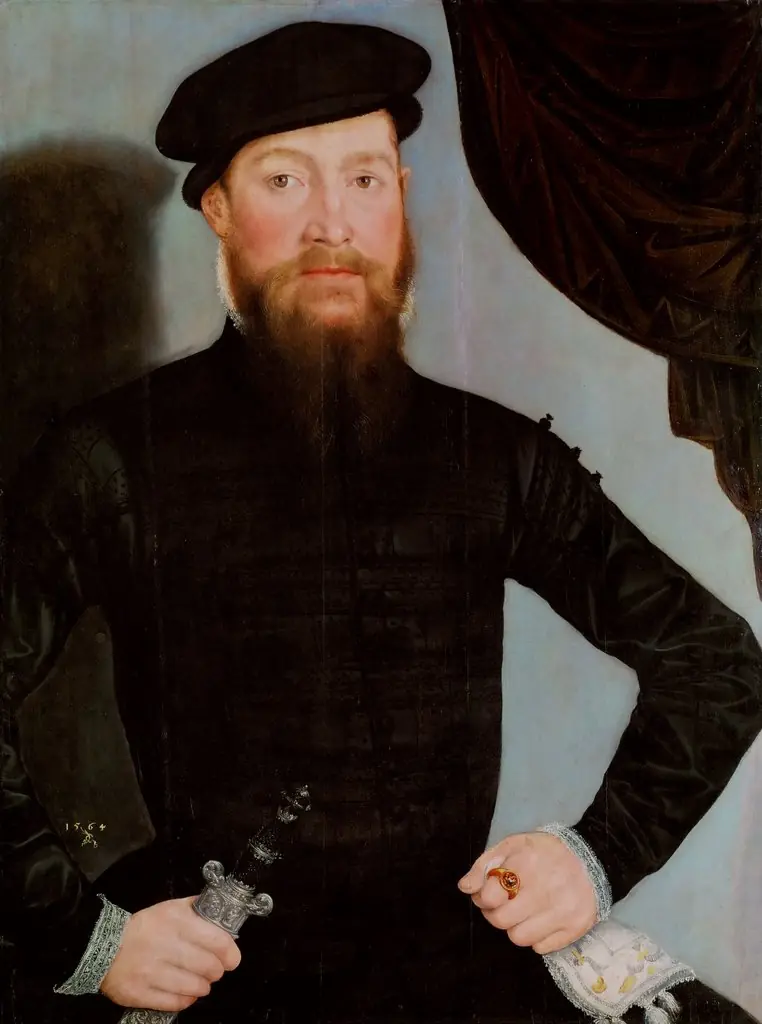 Male Portrait
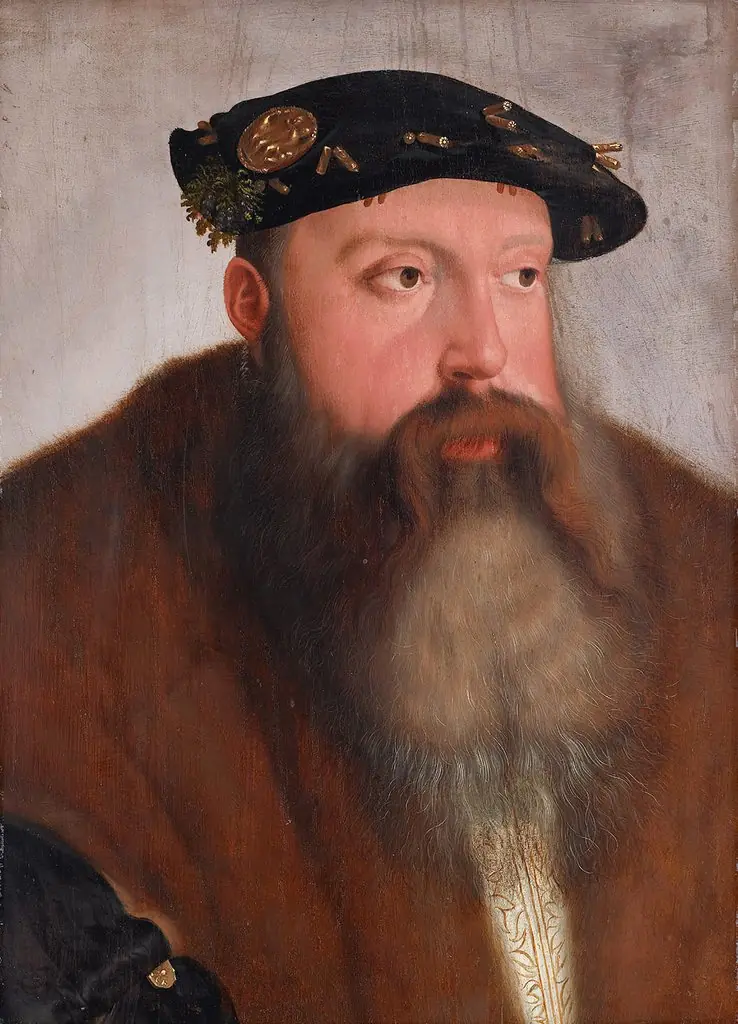 Louis X, Duke of Bavaria
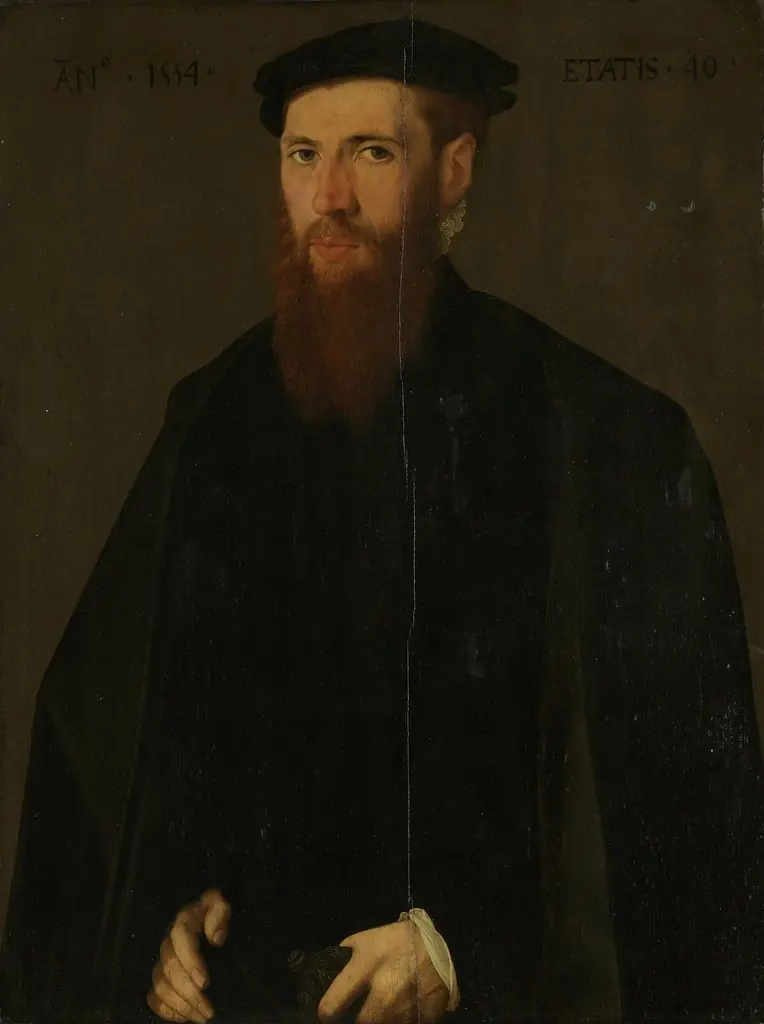 Portrait of Willem van Lokhorst (1514-64)
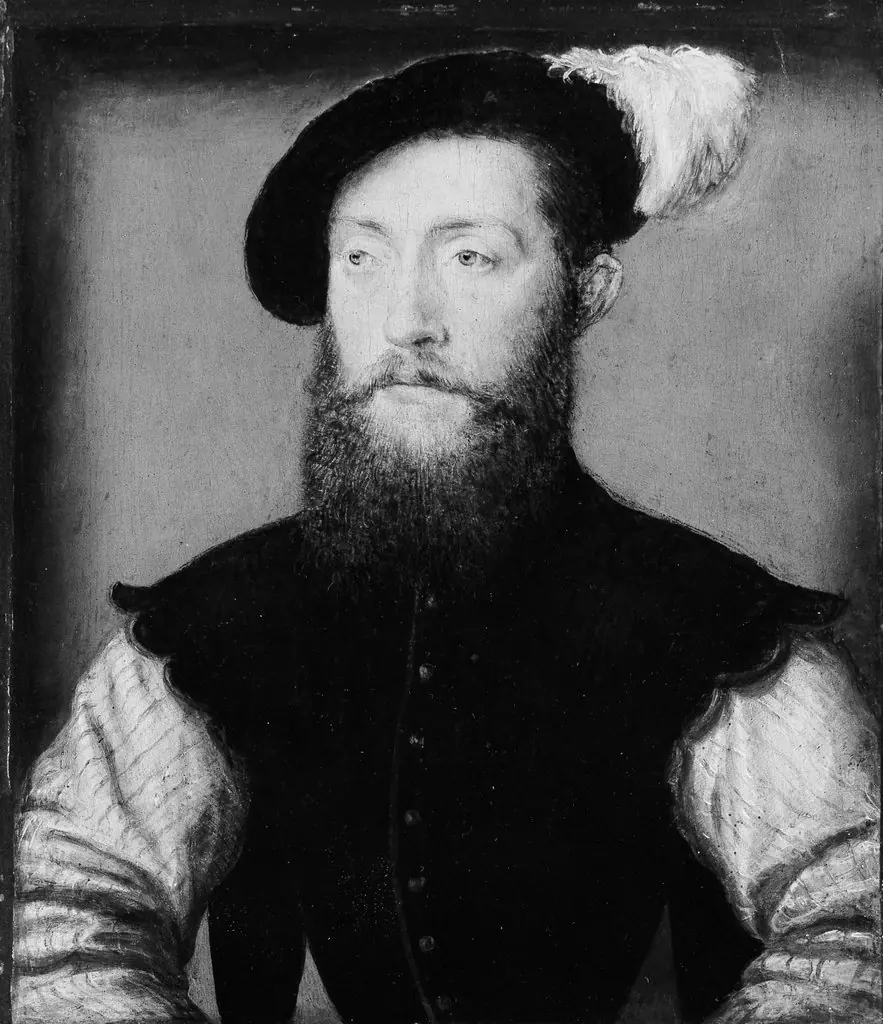 Charles de Cossé (1506–1563), Comte de Brissac
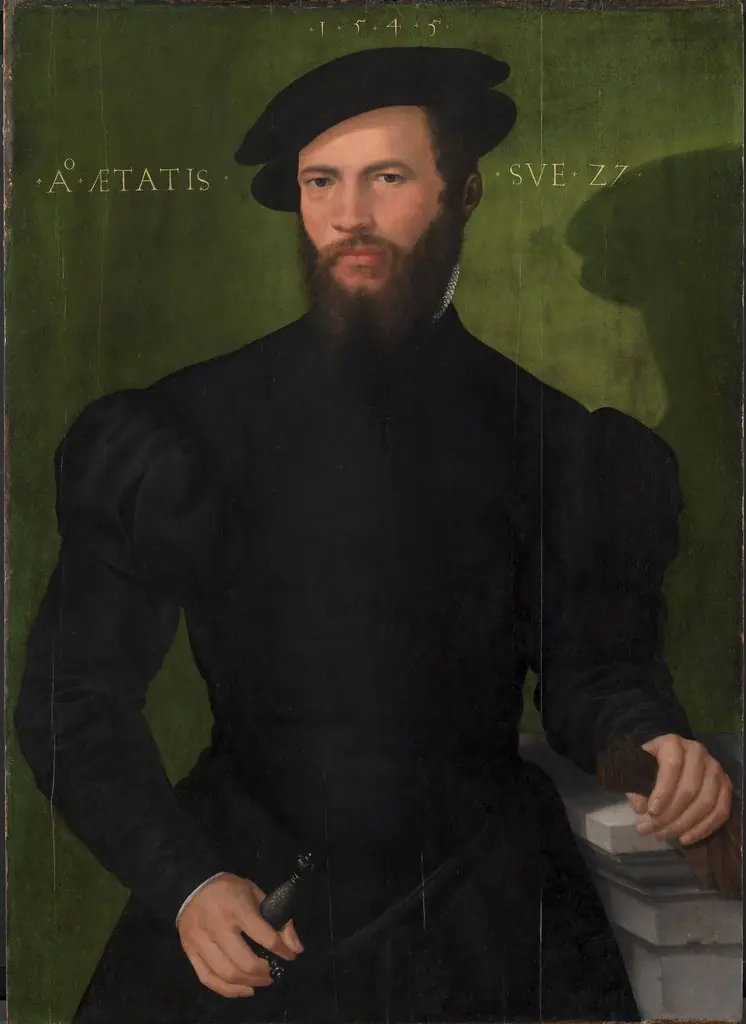 Portrait of a Gentleman aged 27
 Portrait of a Man
- Allert Boelisse (1523-59)