Artwork
The Fair at Oegstgeest
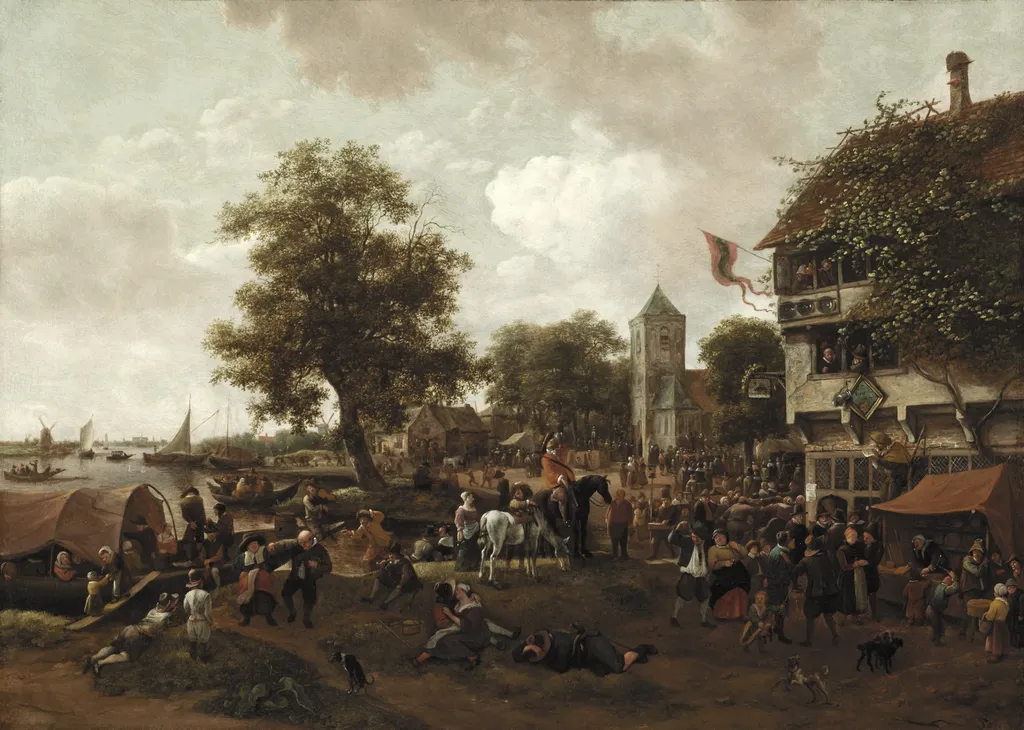
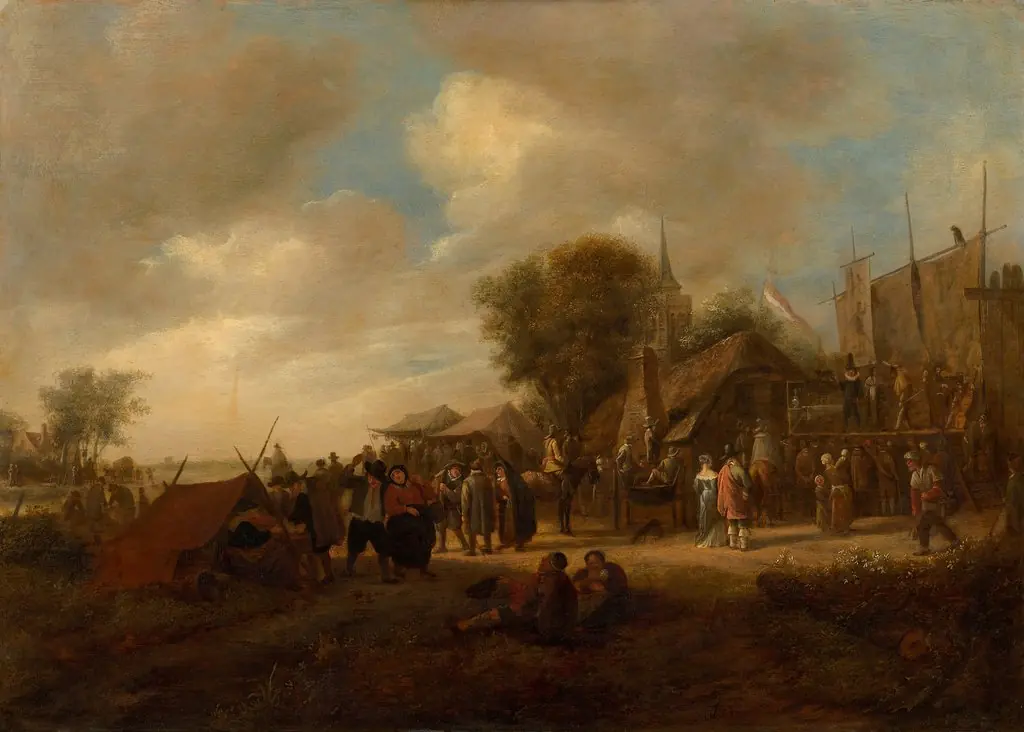
The Fair at Oegstgeest is an oil painting by the Dutch Golden Age artist Jan Steen. It dates from 1657 and is held in the collection of the Detroit Institute of Arts.
About this work
Subject & Meaning
As a genre scene, the work illustrates the everyday life and social interactions of a 17th-century Dutch village during a period of public celebration.
The painting represents a bustling festival scene set in the village of Oegstgeest. The composition is filled with a crowd of men and women engaging in the lively festivities, capturing the energetic and chaotic atmosphere typical of a local fair. A horse is prominently featured among the figures, adding to the dynamic movement of the scene.
Anchoring the background is a church building, which provides a specific spatial and communal context for the celebration. As a genre scene, the work illustrates the everyday life and social interactions of a 17th-century Dutch village during a period of public celebration.
Technique & Style
Jan Steen's The Fair at Oegstgeest, executed in 1657, is an oil painting on canvas. The work functions as a genre scene depicting a festival atmosphere populated by figures, horses, and architectural elements such as a church building. Physically, the painting measures 71.1 cm in height and 99.1 cm in width.
As a genre work, it captures the dynamic interactions of men and women within a fair setting, utilizing the medium of oil paint to render the specific details of the event and its participants.
History & Provenance
Jan Steen created The Fair at Oegstgeest in 1657. Executed in oil on canvas, the work measures 71.1 cm in height and 99.1 cm in width. The painting is currently held in the collection of the Detroit Institute of Arts.
The Fair at Oegstgeest (1657) by Jan Steen is held in the Detroit Institute of Arts. The painting is part of the museum’s permanent collection, though its specific accession or inventory number is not documented in available sources.
The work has been associated with the Detroit Institute of Arts since its acquisition, though detailed exhibition history beyond the museum’s holdings is not specified in the provided records.
Legacy
The Fair at Oegstgeest, painted by Jan Steen in 1657, contributed to the development of Dutch genre painting through its lively depiction of communal celebration and everyday detail. The work's composition and narrative elements influenced later artists in the genre scene tradition, particularly in their treatment of festive subjects and character interactions. Its presence in a major institutional collection such as the Detroit Institute of Arts has ensured continued public and scholarly attention to Steen's body of work, reinforcing his reputation as a master of 17th-century Dutch painting.
Overview
Jan Steen’s oil painting The Fair at Oegstgeest, executed in 1657, presents a bustling village celebration set beside a river. The composition captures a crowd of townspeople engaged in various activities, watching a horse race, strolling beneath tents, and lounging on the grass, while a church tower and a flaged building frame the scene. The work is part of the collection of the Detroit Institute of Arts.
Context
Jan Steen (1626–1679) was renowned for his lively depictions of everyday Dutch life, often infused with humor and moral undertones. This painting aligns with his broader oeuvre, which frequently features crowded interiors and public gatherings, offering insight into contemporary customs, dress, and architecture while subtly commenting on the pleasures and follies of communal celebration.
Own this work as a print
Artist & collection
Artist
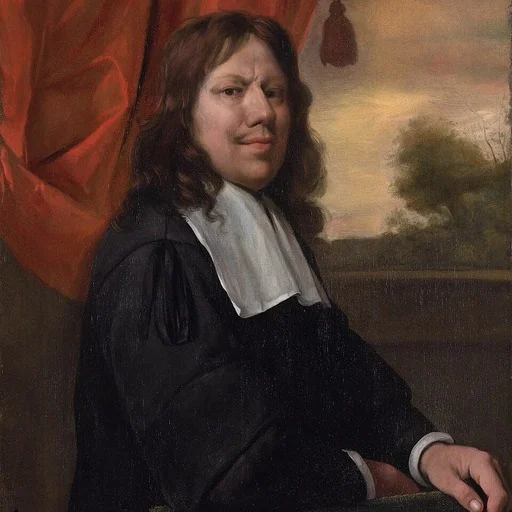
Jan Havickszoon Steen was a Dutch Golden Age painter, one of the leading genre painters of the 17th century.

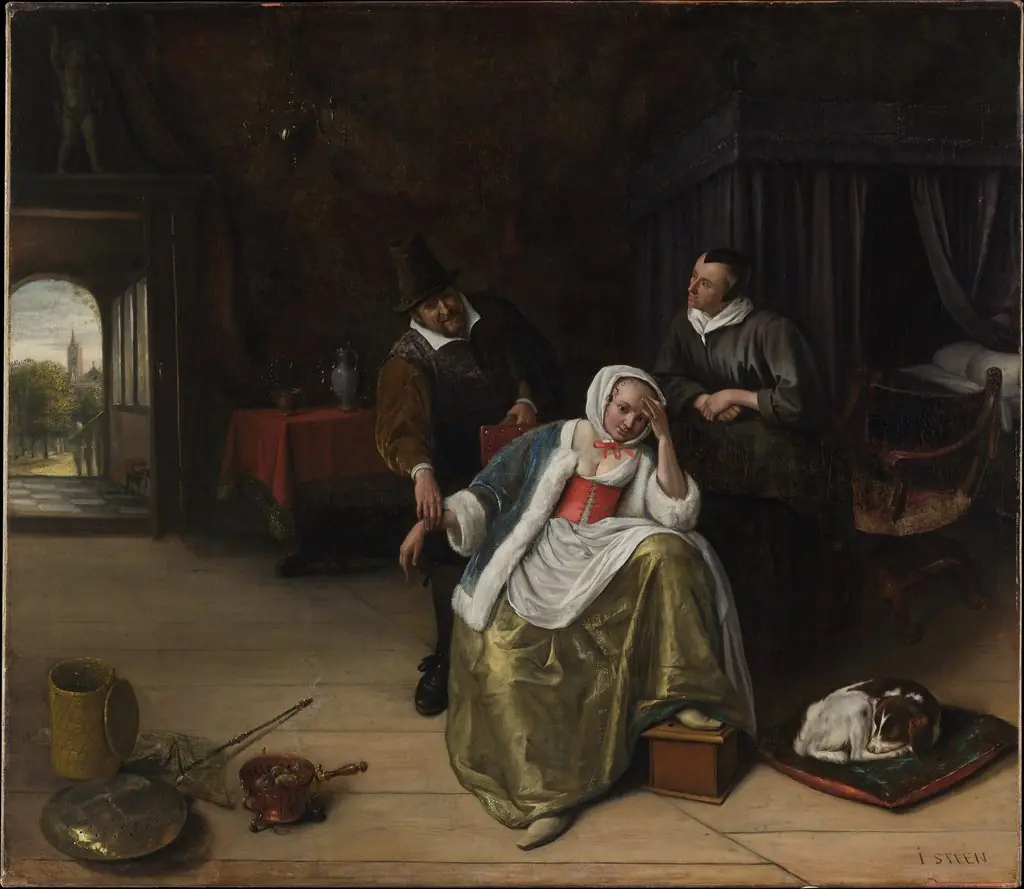 Paintings of physicians by Jan Steen
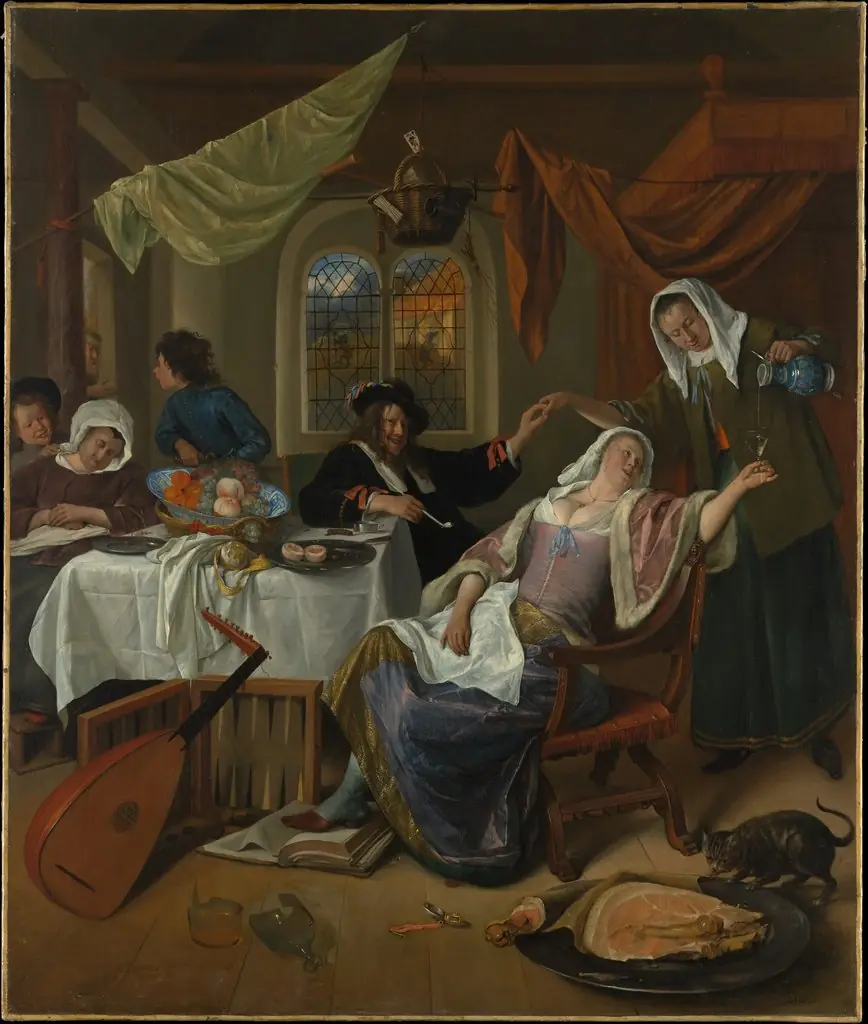 The Dissolute Household
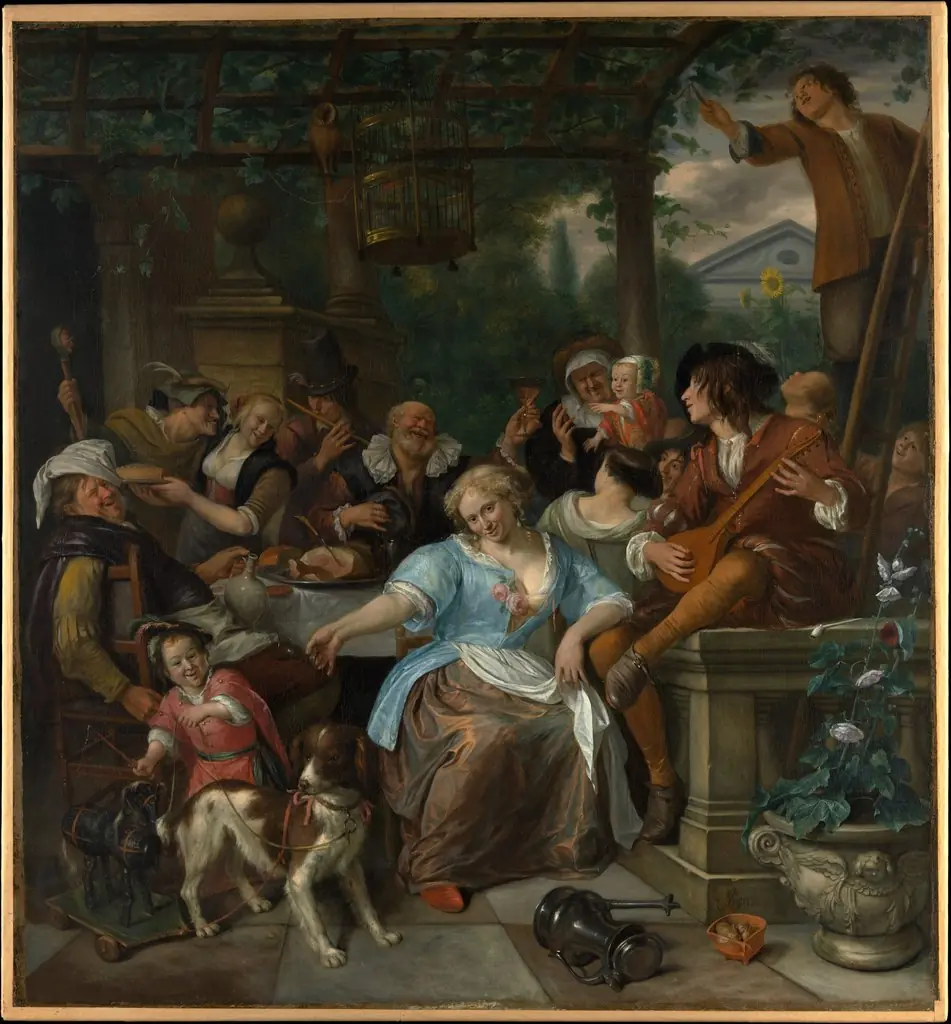 Merry Company on a Terrace
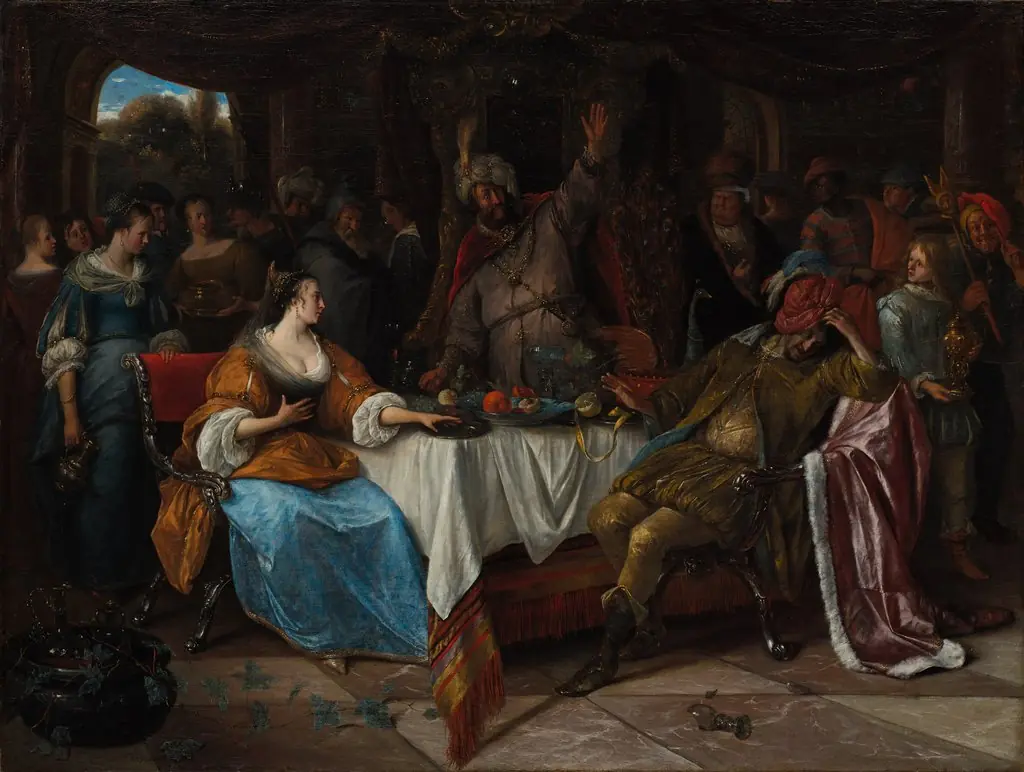 Esther, Ahasuerus, and Haman
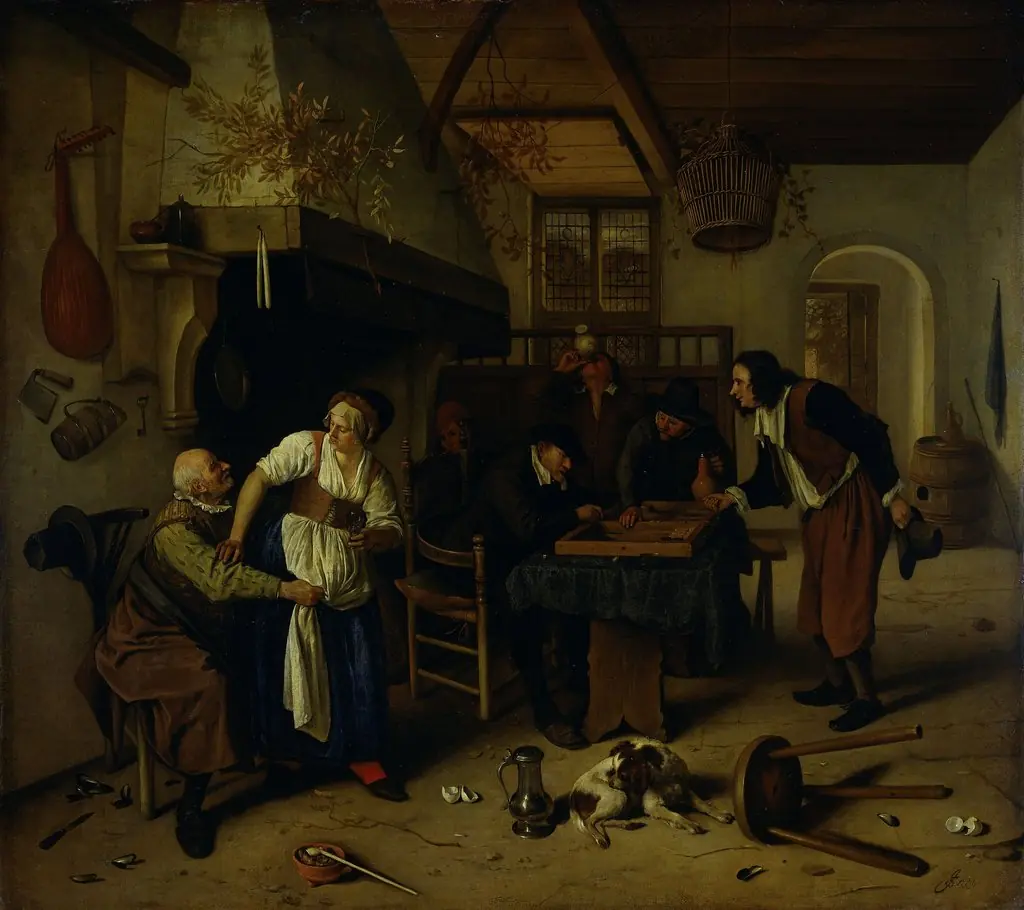 Interior of an inn with an old man amusing himself with the landlady and two men playing backgammon, known as 'Two kinds of games'
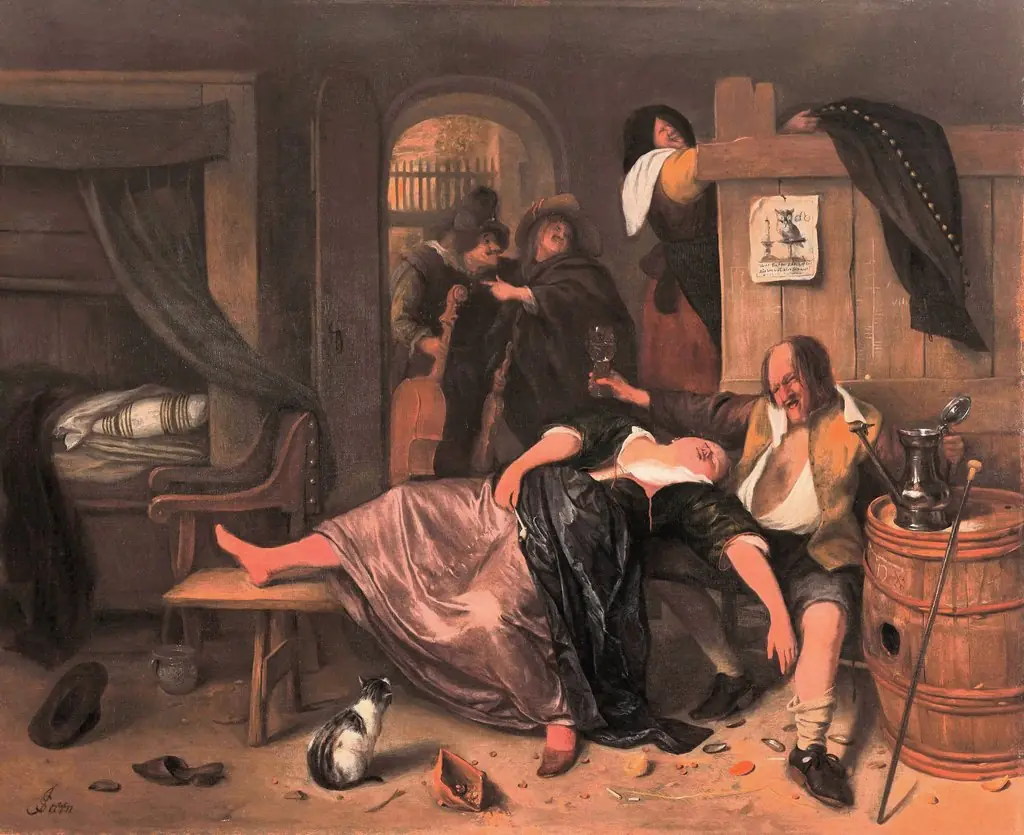 The Drunken Couple
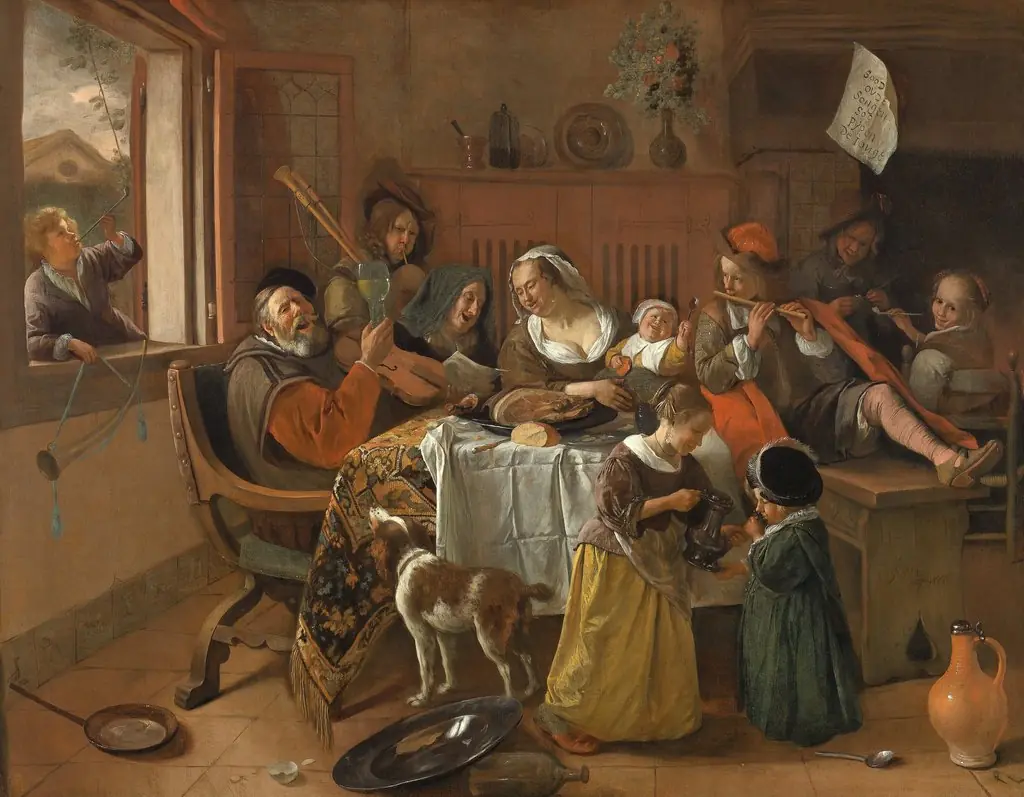 The Happy Family
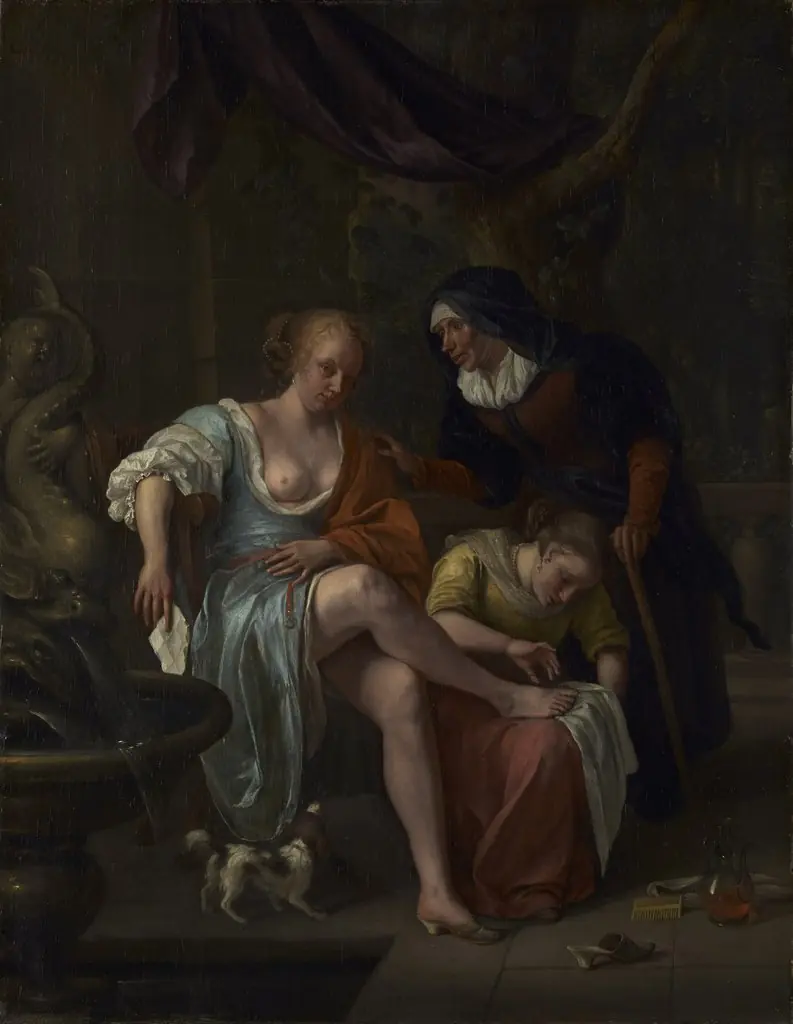 Bathsheba after the Bath