Artwork
The Twelve Months: Title Page
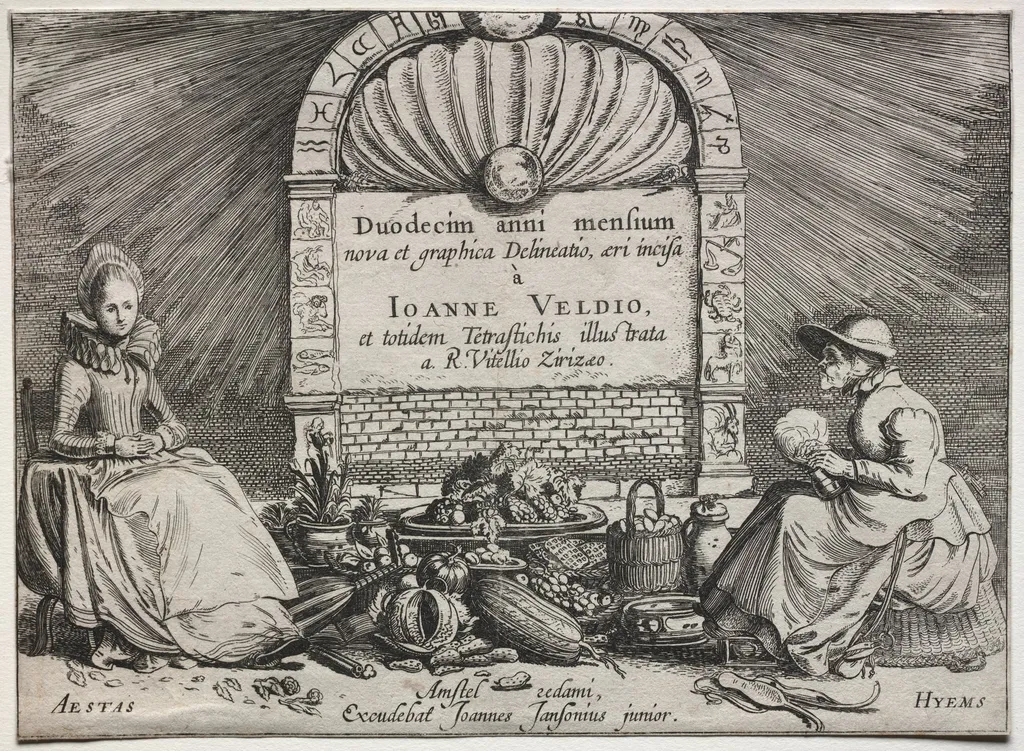
The Twelve Months: Title Page is a print by the Baroque artist Velde, Jan van de, II. It dates from 1613 and is held in the collection of the Cleveland Museum of Art. Created in 1613 by Jan van de Velde II, this black-and-white print serves as the title page for a series depicting the twelve months.
- Accession no.
- 1960.143.1
- Credit line
- Mr. and Mrs. Lewis B. Williams Collection
About this work
Overview
The print combines allegorical imagery with decorative elements, functioning both as an introduction to a seasonal cycle and as a standalone composition.
Created in 1613 by Jan van de Velde II, this black-and-white print serves as the title page for a series depicting the twelve months. A skilled Dutch engraver and painter, van de Velde specialized in detailed graphic work. The print combines allegorical imagery with decorative elements, functioning both as an introduction to a seasonal cycle and as a standalone composition.
It is part of the Cleveland Museum of Art’s collection and reflects the printmaking traditions of the early 17th-century Netherlands.
Subject & Meaning
The scene features a woman and man flanking a table laden with fruit, jars, and a basket, symbols often associated with abundance and the passage of time. Above them, an ornate arch supports a crown and Latin inscriptions, suggesting authority or divine order over the calendar. Peering figures beyond a brick wall may represent observers of seasonal change.
The imagery subtly links human activity with natural cycles, aligning with contemporary interests in time, labor, and the rhythms of rural life.
Technique & Style
Executed in fine line engraving, the print demonstrates precise control of cross-hatching and tonal gradation. The textures of fabric, fruit, and stone are rendered with meticulous attention, characteristic of Dutch graphic art of the period. The composition is balanced yet dynamic, with vertical elements guiding the eye upward toward the arch and inscriptions.
The monochrome palette enhances clarity and emphasizes structure over color, typical of prints intended for scholarly or decorative use.
History & Provenance
Jan van de Velde II, son of Jan van de Velde the Elder and father of Jan Jansz van de Velde, belonged to a family of artists active in printmaking and painting. This work was produced during his early career, when he was refining his technique in Haarlem. The print likely circulated as part of a larger series, though few complete sets survive.
It entered the Cleveland Museum of Art’s collection in the 20th century, where it remains a key example of Dutch graphic art from the early Baroque era.
Context
In early 17th-century Holland, prints illustrating the months or seasons were popular among educated audiences, often tied to almanacs or calendars. Van de Velde’s work aligns with a broader trend of combining humanist symbolism with natural observation. Latin inscriptions and classical motifs reflect the era’s intellectual climate, while the detailed rendering of everyday objects shows the rising appreciation for realism in Northern European art.
Legacy
Though not widely reproduced today, this print exemplifies the sophistication of Dutch engraving before the rise of etching as the dominant medium. Van de Velde’s influence extended through his family and students, contributing to the development of still-life and genre printmaking. His precise draftsmanship and integration of allegory helped shape the visual language of time and season in Northern European graphic arts of the period.
Own this work as a print
Artist & collection
Artist
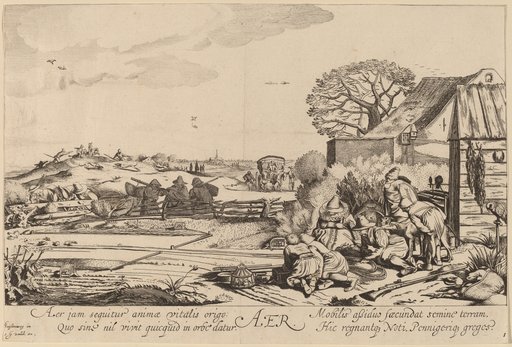
Jan van de Velde the younger (1593 – c. 1 November 1641) was a Dutch Golden Age painter and printmaker, mostly of animal, landscape and still-life subjects. He was the son of Jan van de Velde the Elder and the father of…

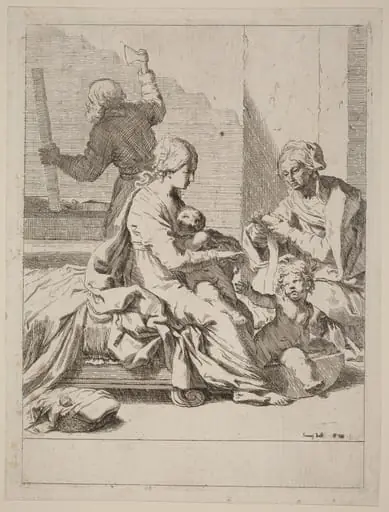 The Holy Family with Saint Elizabeth and Saint John the Baptist
 Vanitas, Vanitatum et Omnia Vanitas
 La belle jardinière
 The Dissolute Household
 Mädel mit Honig und Obst (Girl Selling Honey and Fruit)
 Shrove Tuesday
 Bride
Bride La Mèlancolie
 The Genius of Castiglione
 The Apocalypse: St. John on the Island of Patmos
 Rest on the Flight into Egypt
- The Twelve Months