Artwork
River Landscape with a Ferry and a Church
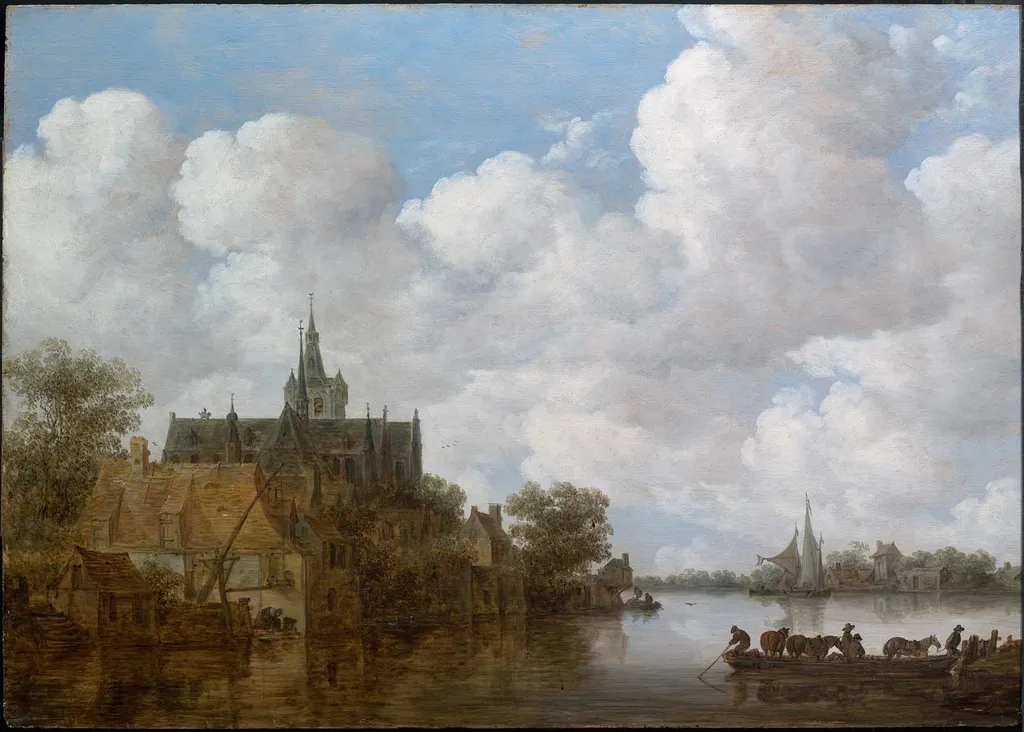
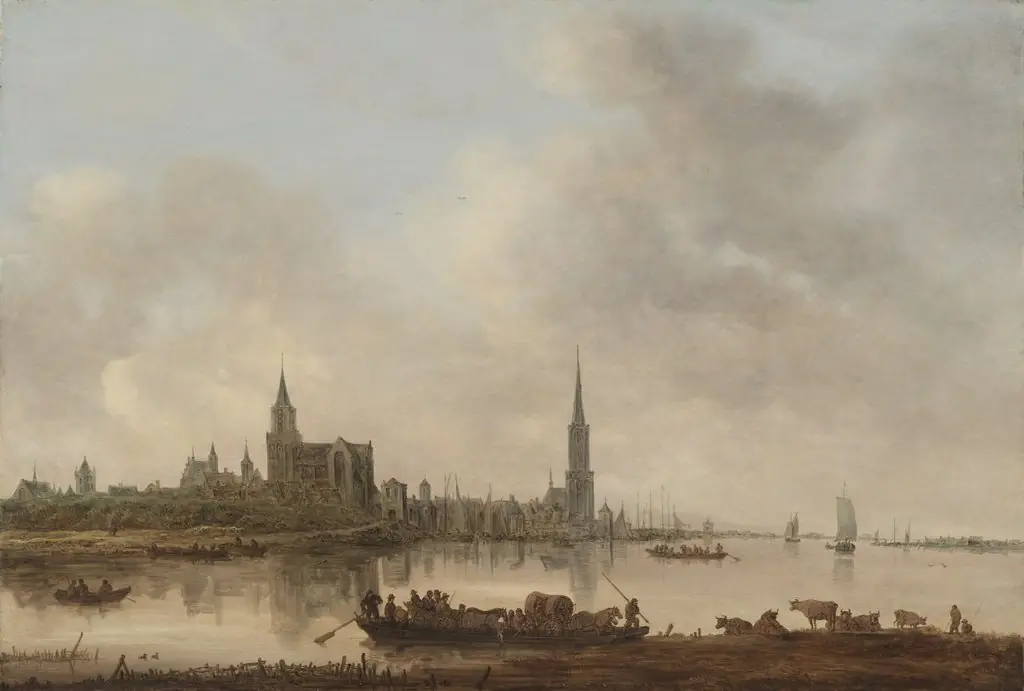
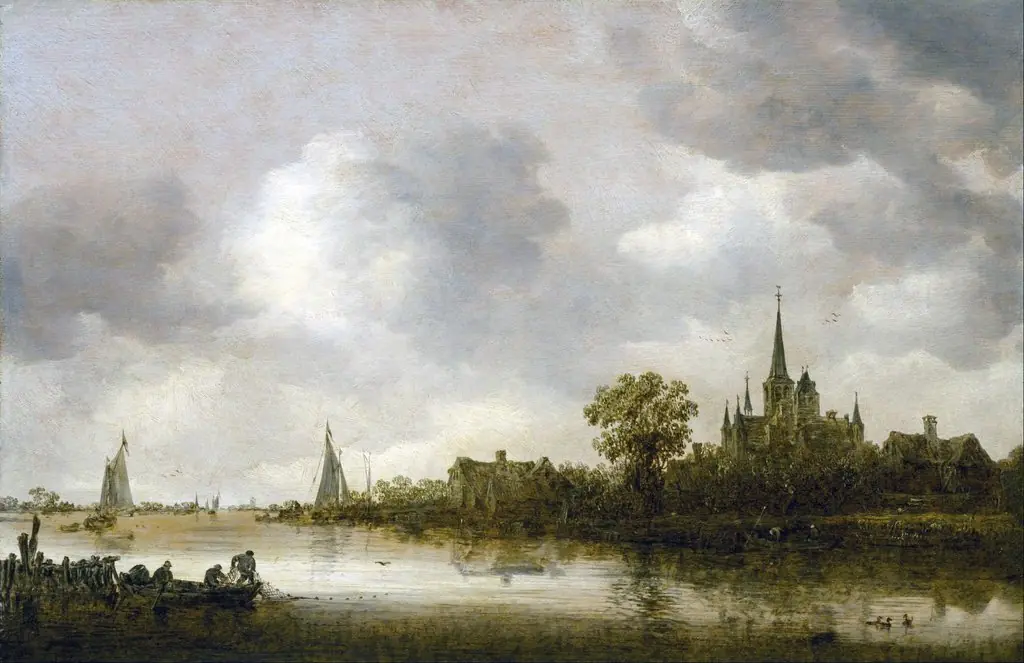
River Landscape with a Ferry and a Church is an oil painting by the Dutch Golden Age artist Jan van Goyen. It dates from 1656 and is held in the collection of the Museum of Fine Arts Boston.
About this work
Subject & Meaning
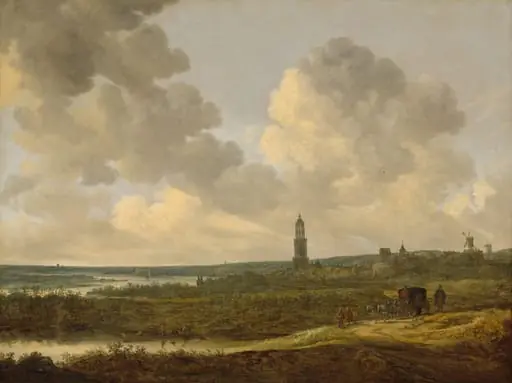
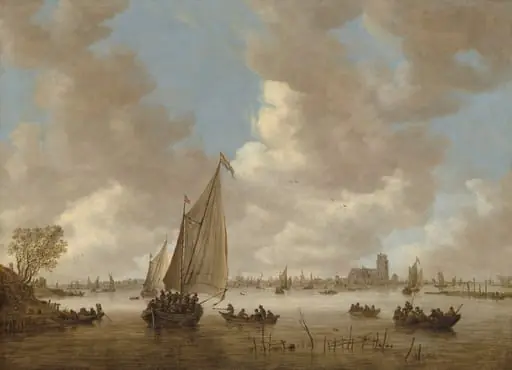
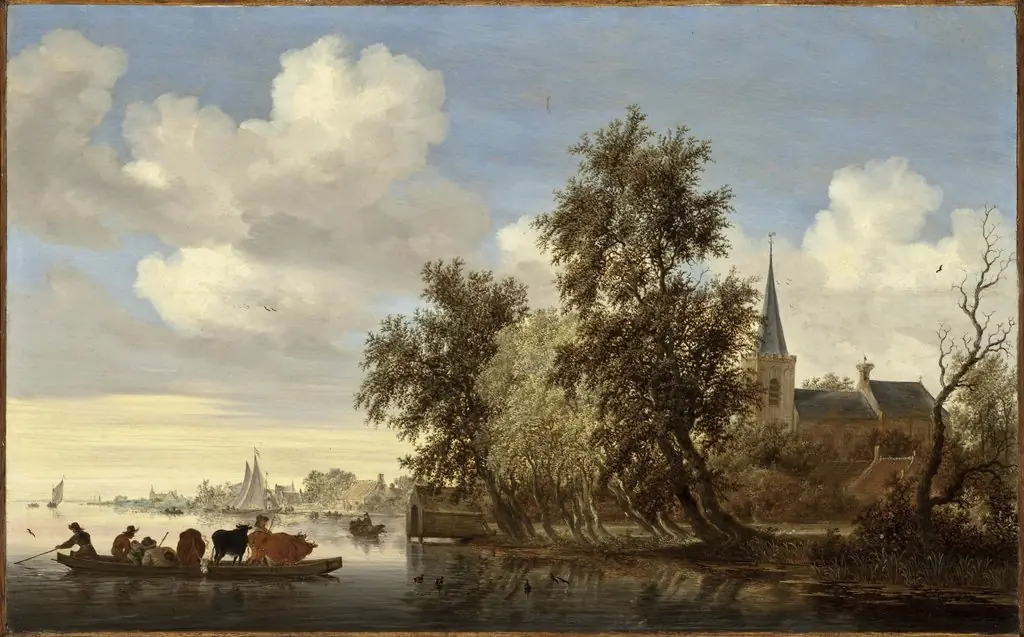
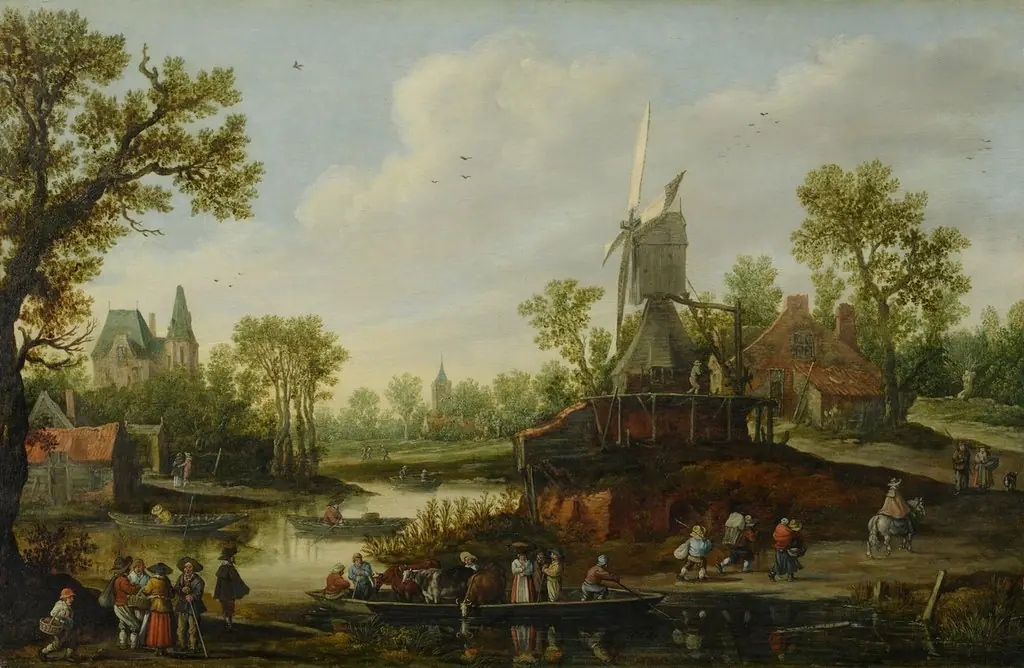
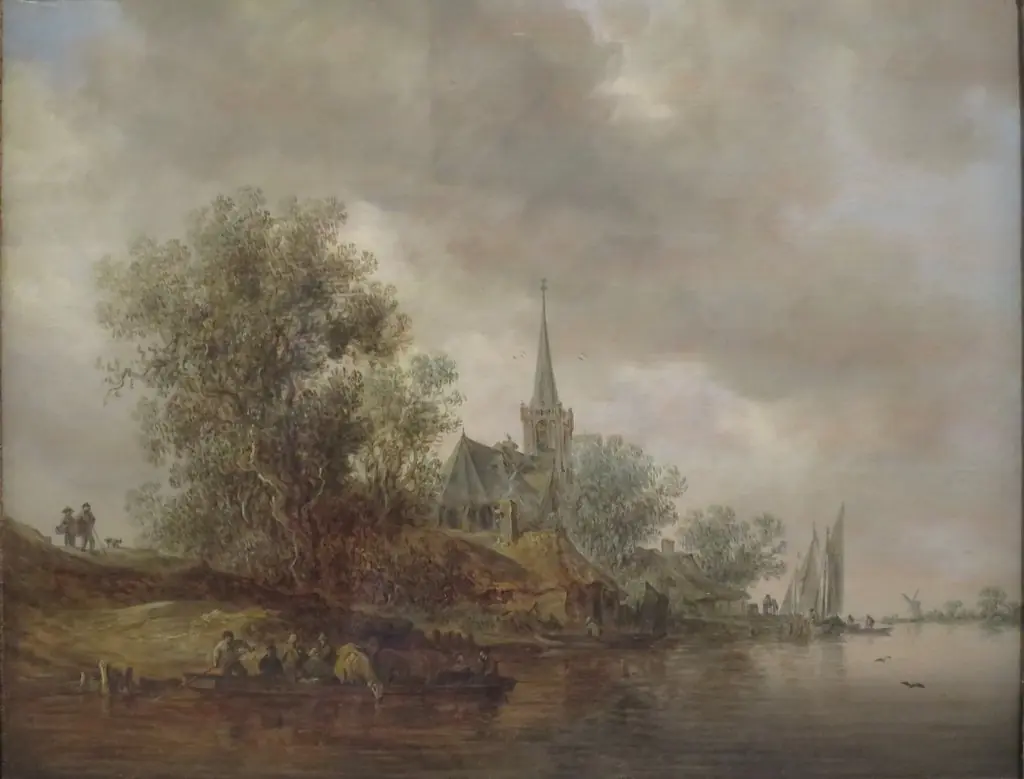
The composition depicts a broad waterway where a ferry transports passengers and a horse across the river, highlighting daily transit and commerce.
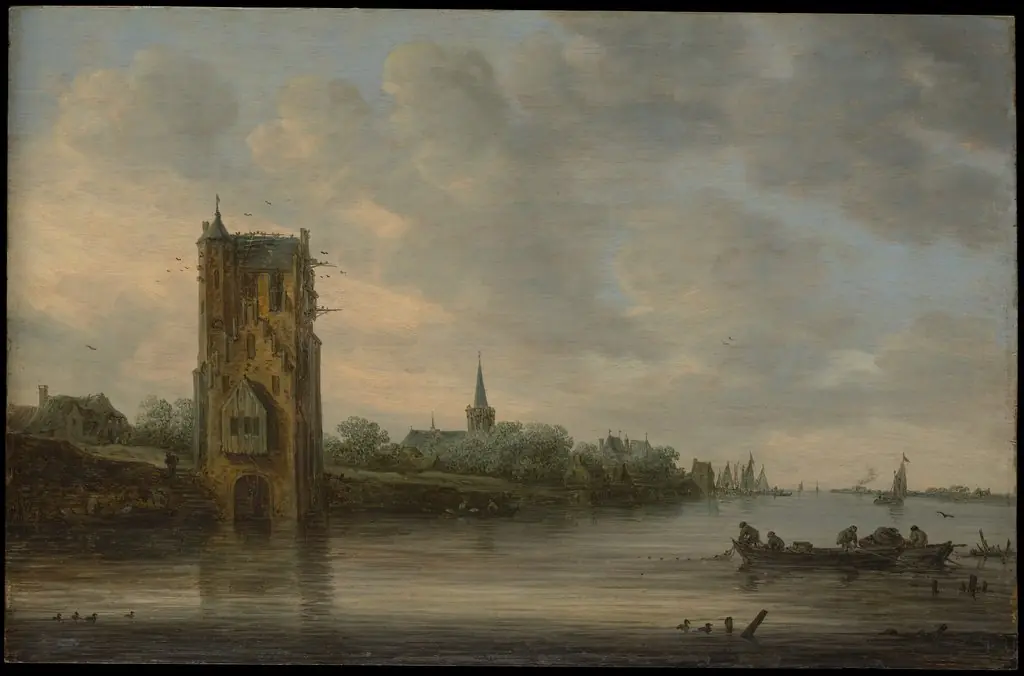
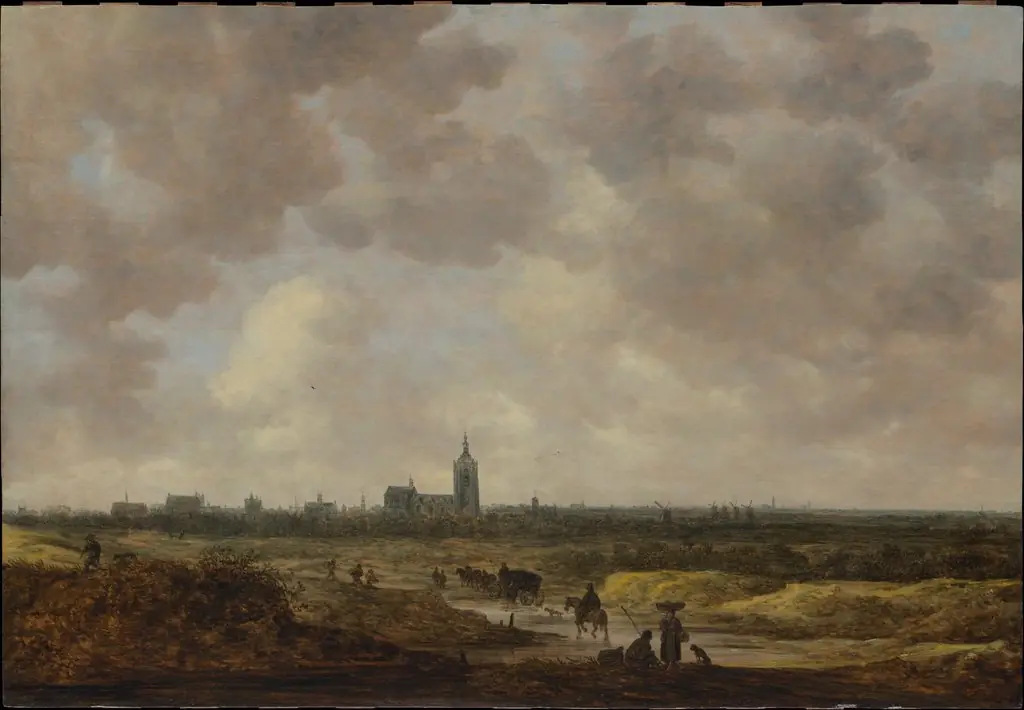
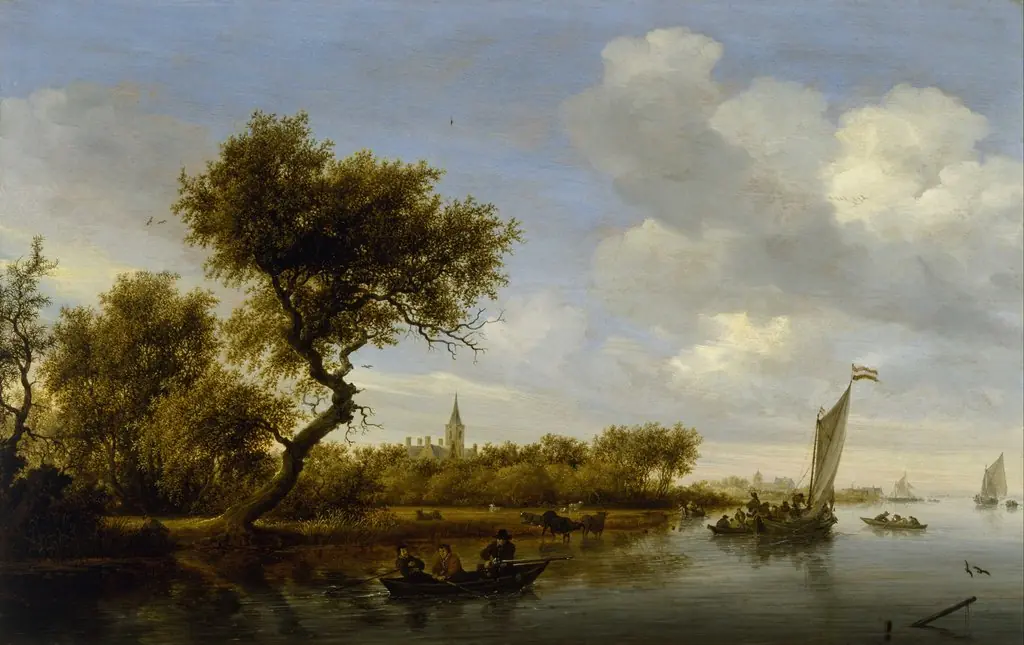
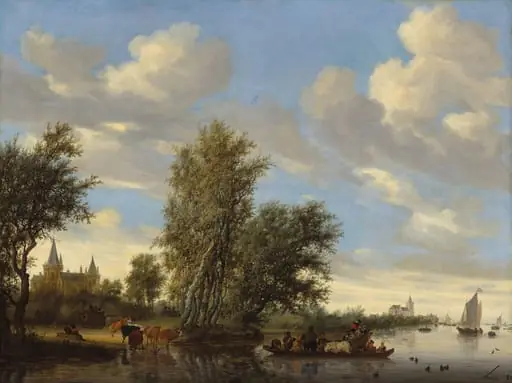
Jan van Goyen's 1656 oil painting presents a Dutch river scene characterized by specific functional and architectural elements. The composition depicts a broad waterway where a ferry transports passengers and a horse across the river, highlighting daily transit and commerce. A church building rises in the background, anchoring the landscape with a symbol of community and faith.
As a landscape work, the piece focuses on the realistic representation of the local environment rather than allegorical narrative. The inclusion of the ferry, animal, and religious structure together illustrates the intersection of ordinary labor and spiritual life within the seventeenth-century Netherlands.
History & Provenance
Jan van Goyen's River Landscape with a Ferry and a Church is held in the collection of the Museum of Fine Arts, Boston. The work was created in 1656 and is executed in oil paint on an oak panel. The painting measures 47.3 cm in height and 66.7 cm in width. No specific accession number or exhibition history is provided in the available sources.
Context
River Landscape with a Ferry and a Church (1656) exemplifies Dutch Golden Age landscape painting through its atmospheric treatment of water and sky, rendered in oil on oak panel. The work features a church building, ferry, river, and horse, reflecting the genre conventions of 17th-century Dutch art while demonstrating van Goyen's economical brushwork and tonal approach to landscape. It belongs to the artist's mature period, characterized by increasingly monochromatic palettes and compositional simplification.
Legacy
The painting influenced 19th-century European landscape artists who adapted van Goyen's tonal treatment of light across water and sky. Contemporary criticism noted its distinctive compositional balance which shaped Dutch Golden Age approaches to atmospheric perspective. The work remains in the Museum of Fine Arts Boston collection and is frequently cited in studies of early modern Dutch landscape painting.
Overview
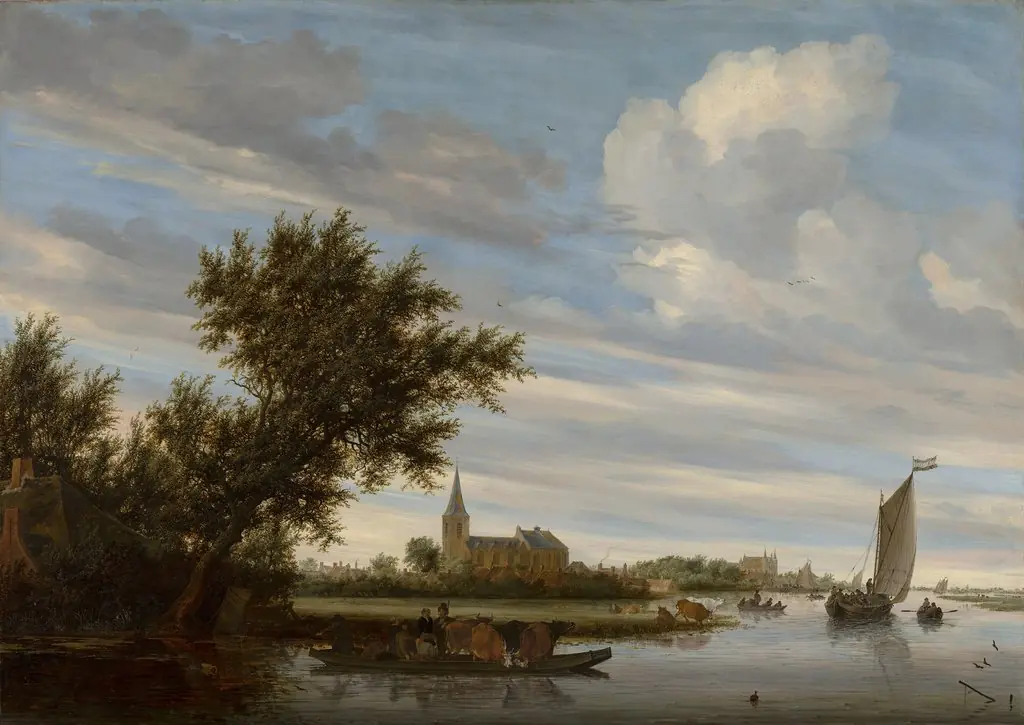
Jan van Goyen’s 1656 oil on canvas, titled River Landscape with a Ferry and a Church, presents a tranquil river scene populated by a modest ferry, grazing cattle, and a modest village church with a green spire. The composition balances sky, water, and land, using a muted palette of greens, browns, and blues that convey a calm, everyday atmosphere.
Technique & Style
Van Goyen employs his characteristic tonal approach, layering thin washes of earth tones to create depth and atmosphere. Broad, fluid brushstrokes render the sky’s fluffy clouds and the river’s reflective surface, while finer detail defines the ferry, cattle, and architectural elements. The restrained color scheme and emphasis on atmospheric perspective reflect the Dutch tonal landscape tradition.
Artist & collection

Artist
Jan Josephszoon van Goyen (Dutch pronunciation: ; 13 January 1596 – 27 April 1656) was a Dutch landscape painter.