Artwork
Portrait of Sir John Burroughs (1587-1627)
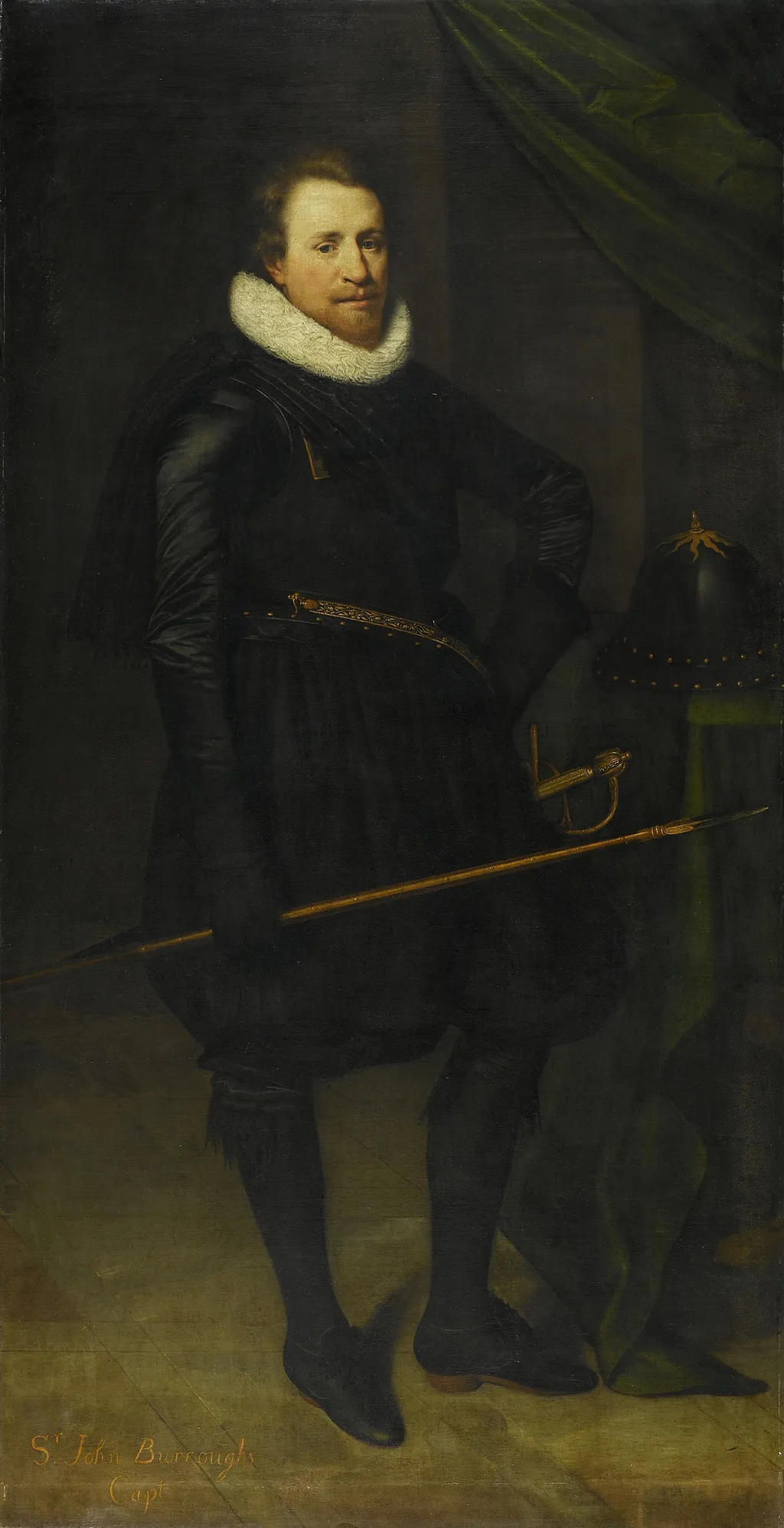
Portrait of Sir John Burroughs (1587-1627) is an oil painting by the Dutch Golden Age artist Jan van Ravesteyn. It dates from 1620 and is held in the collection of the Rijksmuseum.
About this work
Subject & Meaning
The work’s meaning is tied to the expression of aristocratic identity and the transmission of familial prestige in early modern Europe.
The work depicts Sir John Burroughs, a member of the English gentry active in the early 17th century, rendered in a conventional portrait format that emphasizes status and lineage. The subject is identified through contemporary inscription and dress typical of Dutch‑English elite portraiture of the 1620s. Symbolic elements include the dark clothing and the sitter’s direct gaze, which together convey authority and moral seriousness, reflecting the sitter’s role within his family and social network.
The painting’s composition and material, oil on canvas, align with the standards of Dutch portraiture of the period.
The portrait was created by Jan van Ravesteyn around 1620, as recorded in the Rijksmuseum collection where it remains on display. Its dimensions of 212.7 cm by 107 cm confirm a full‑length format suited to formal representation.
The work’s meaning is tied to the expression of aristocratic identity and the transmission of familial prestige in early modern Europe.
Technique & Style
The portrait is executed in oil on canvas, measuring 212.7 × 107 cm. The work belongs to the genre of formal portraiture typical of the Dutch Golden Age, with Jan van Ravesteyn employing the smooth, precise handling characteristic of his court portraits. The vertical format and life-size scale suggest a full-length or substantial three-quarter-length depiction of the sitter, consistent with aristocratic commissions of the period. The artist's technique reflects the polished, detailed approach favored in early seventeenth-century Dutch portraiture, emphasizing the status and dignity of the subject through controlled brushwork and careful rendering of textures.
History & Provenance
The portrait of Sir John Burroughs was painted by Jan van Ravesteyn in 1620, executed in oil on canvas. The work is held in the collection of the Rijksmuseum, where it remains located. No further details regarding the original commission, the chain of ownership, or subsequent provenance are documented in the available sources.
Overview
Jan van Ravesteyn’s oil portrait of Sir John Burroughs, painted in 1620, presents the English gentleman in a solemn pose against a muted backdrop. The work exemplifies the Dutch Golden Age’s focus on realistic representation and restrained elegance, and it now belongs to the Rijksmuseum’s collection.
Context
The painting emerges from a period when Dutch artists frequently depicted foreign dignitaries, reflecting the Republic’s diplomatic and commercial reach. Sir John Burroughs, an English figure, would have been a suitable subject for van Ravesteyn, whose clientele included members of the aristocracy and military elite across Europe.
Artist & collection
Artist
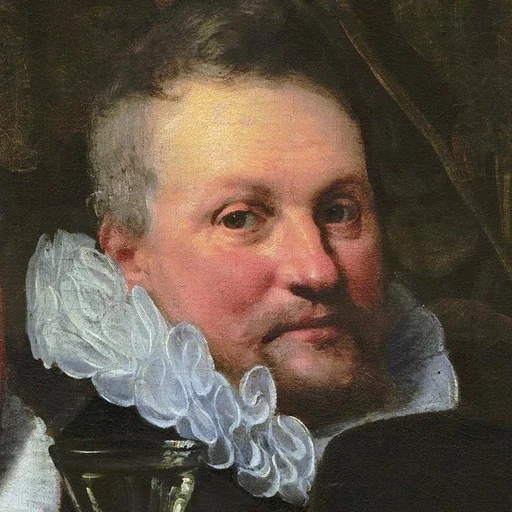
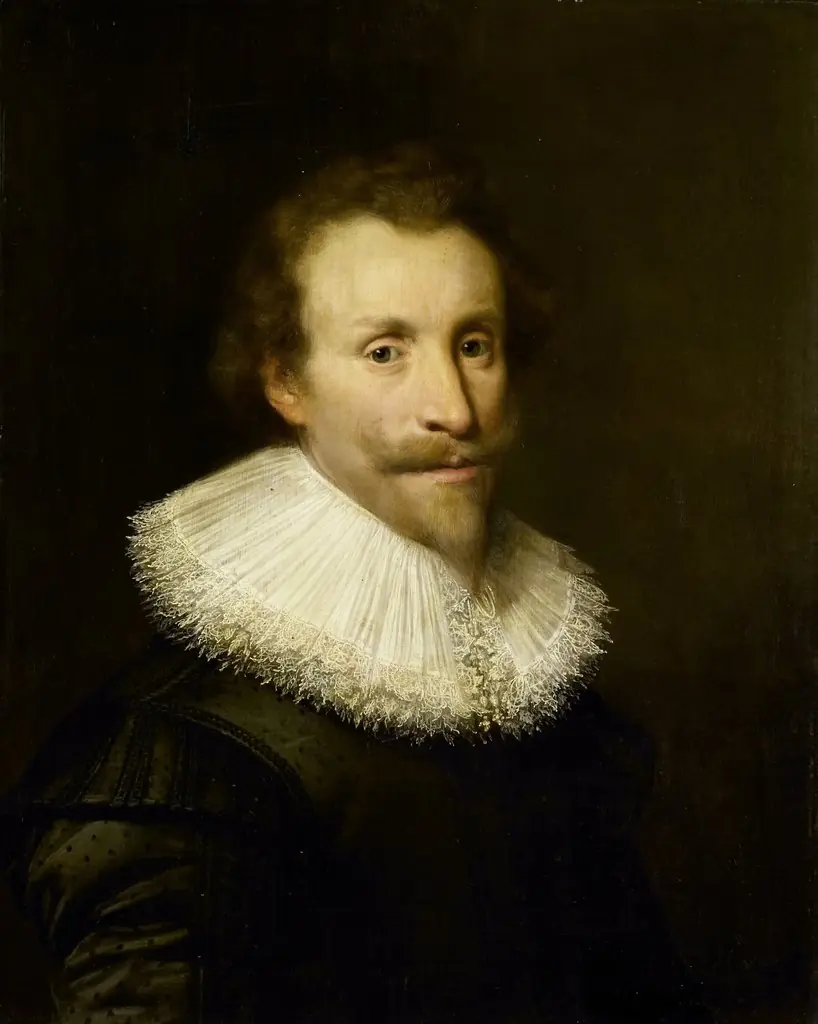
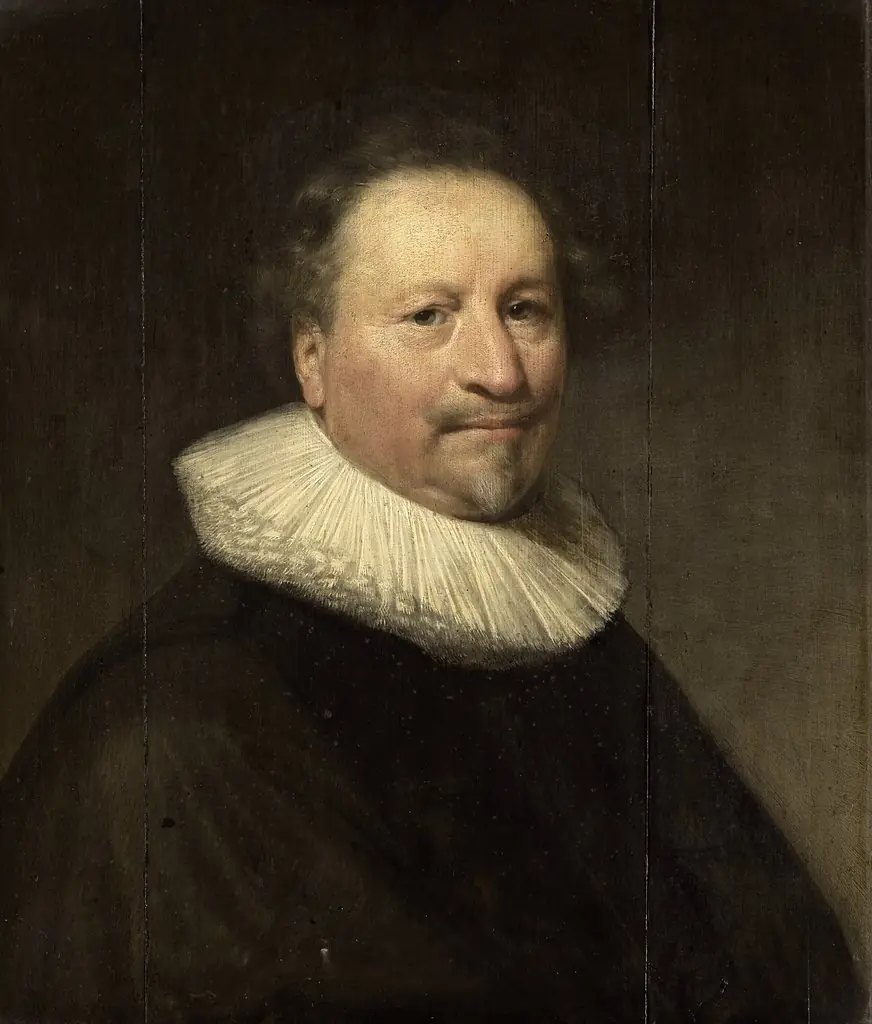
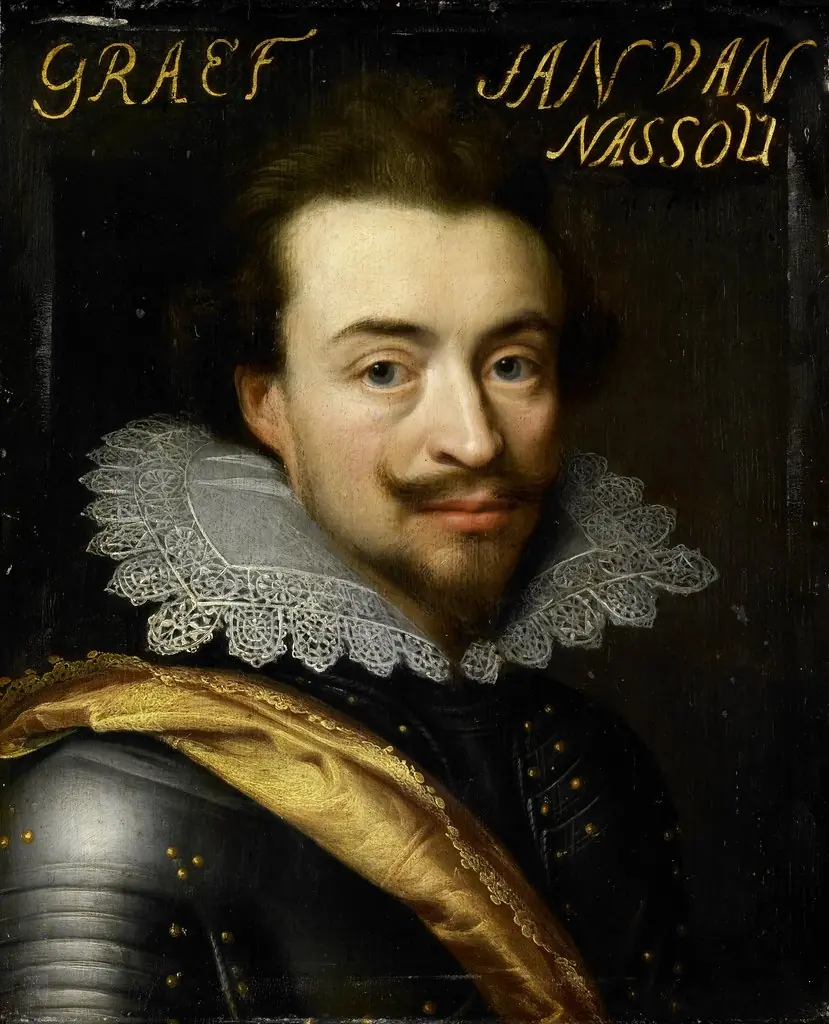
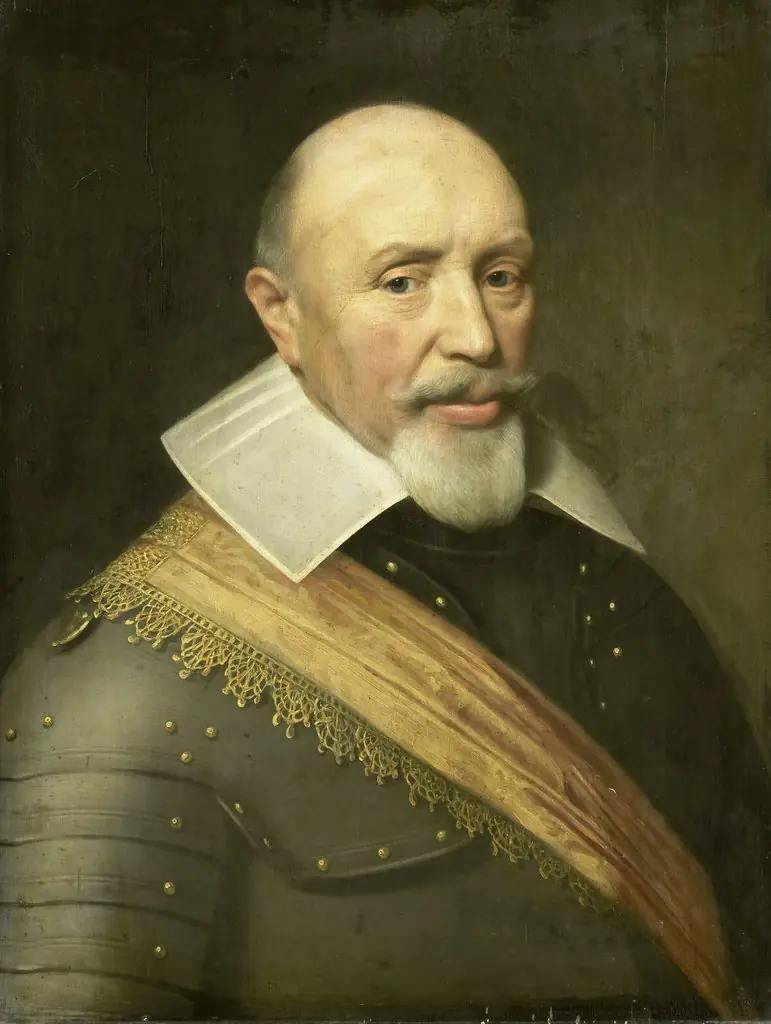
Jan Anthoniszoon (abbr. Anthonisz.) van Ravesteyn (c. 1572 – buried 21 June 1657) was a successful portrait painter to the Dutch court in The Hague.

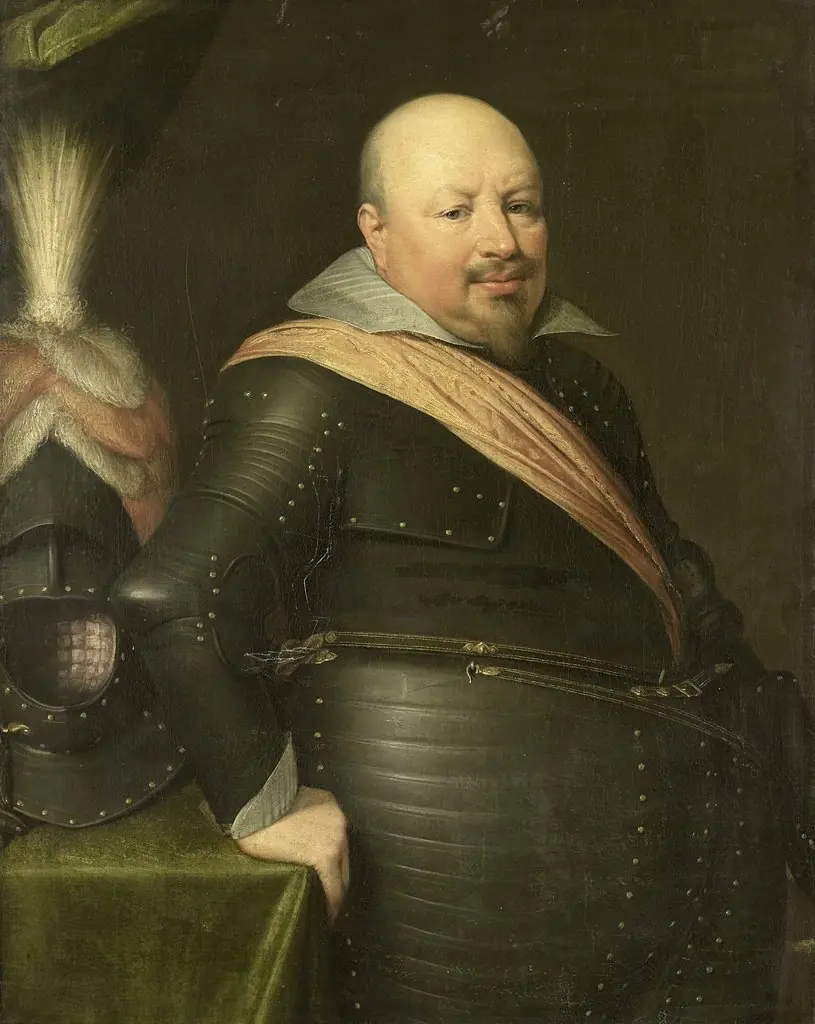
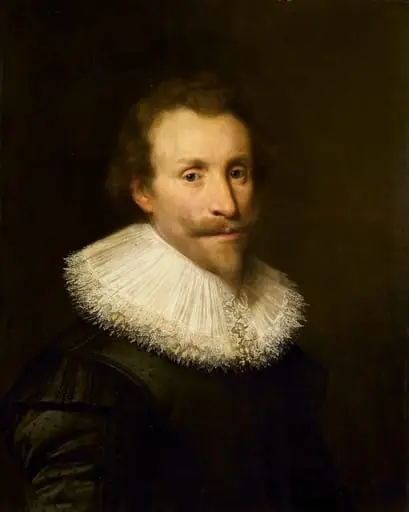
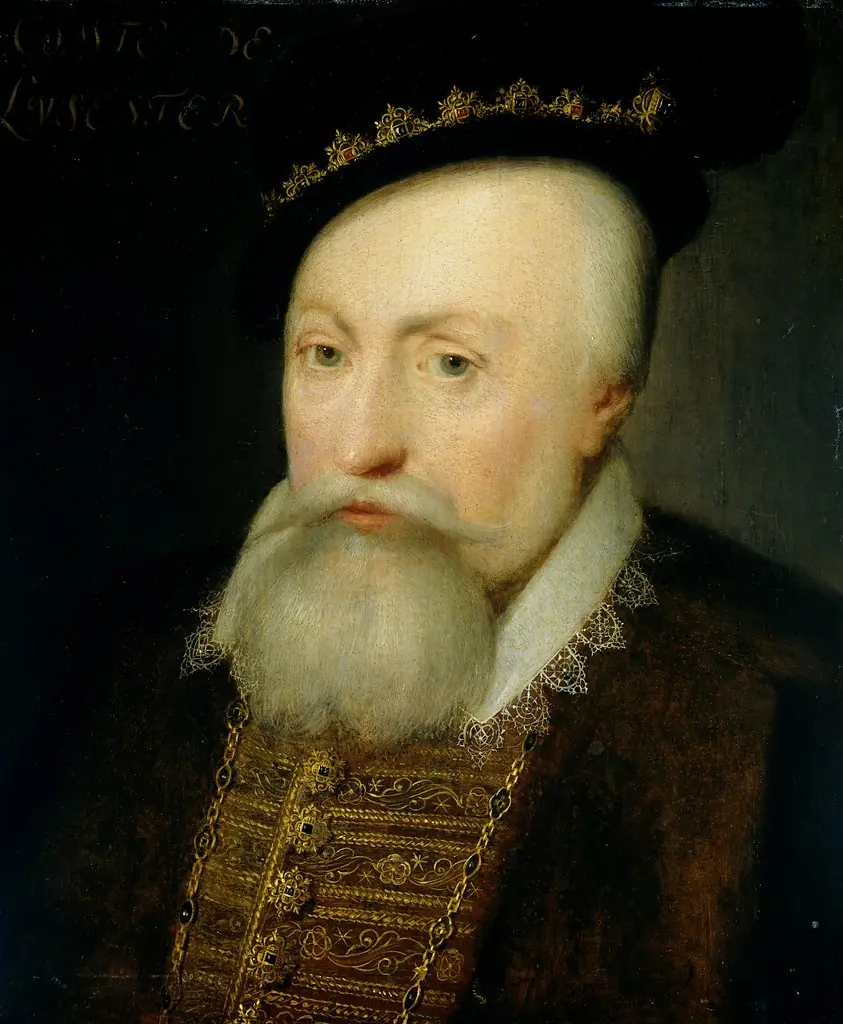
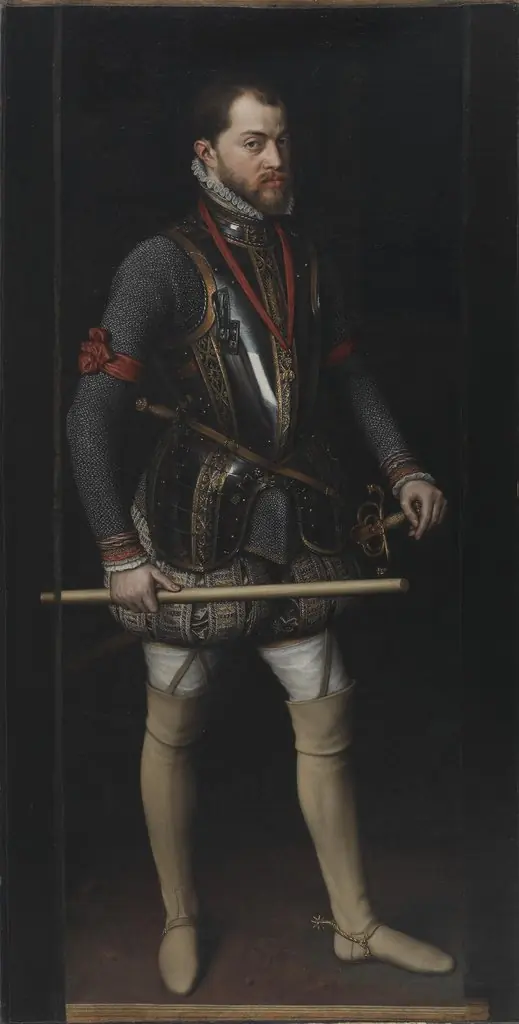
- Philip II of Spain
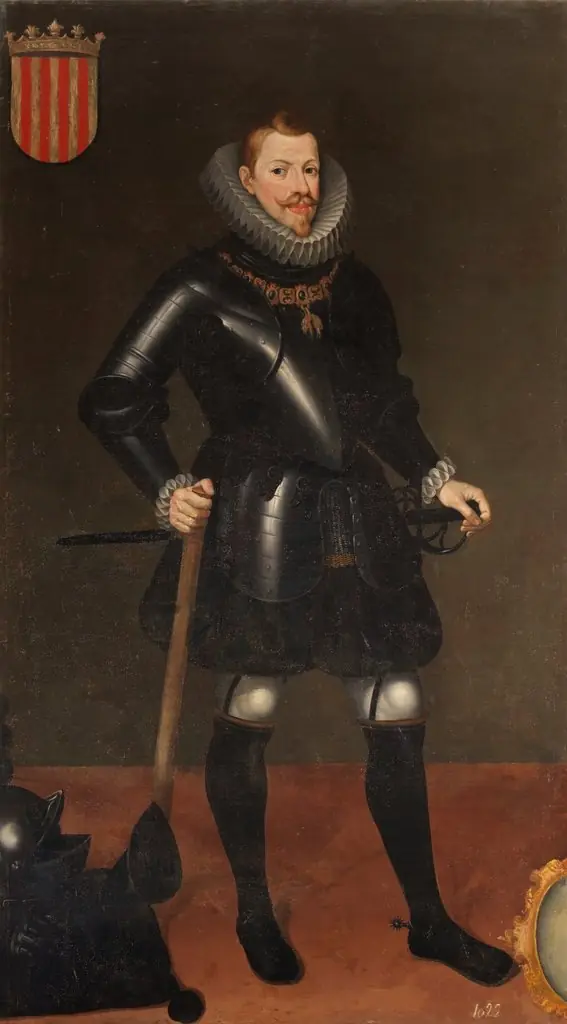 Felipe III El Piadoso y El Bueno
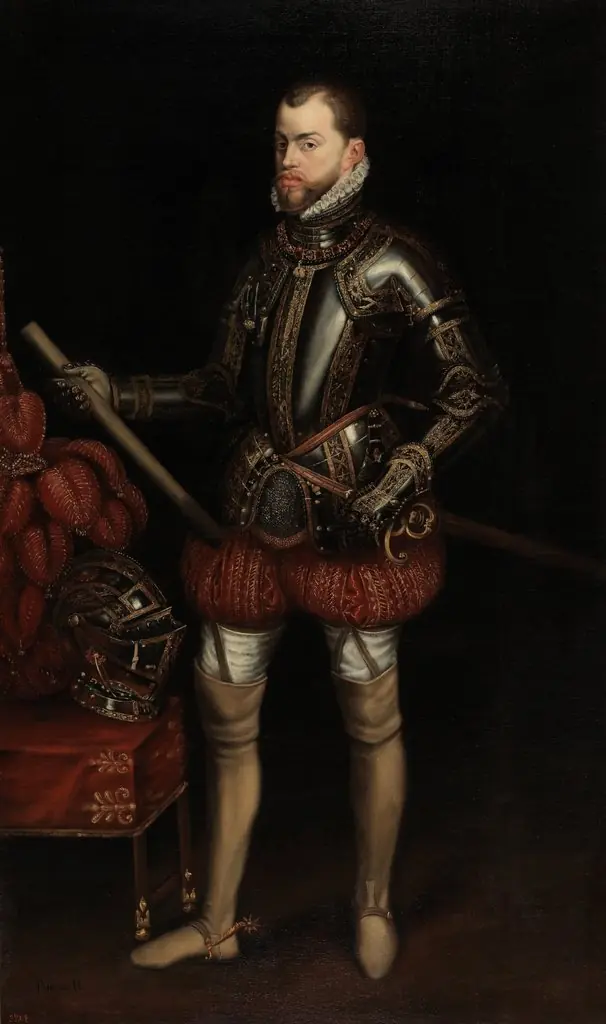 Philip II in St. Quentin's Armour
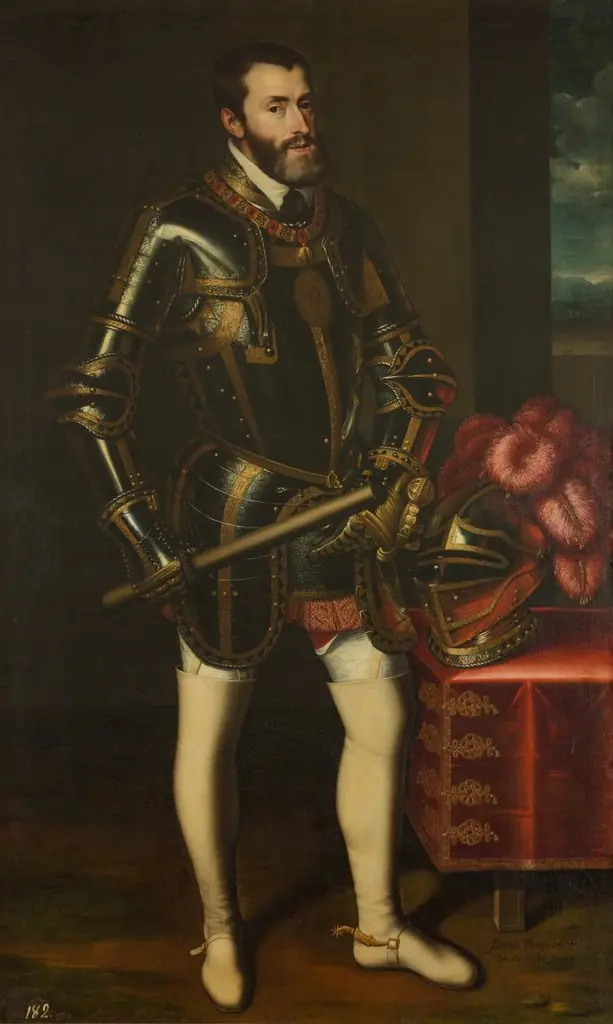 The Emperor Charles V
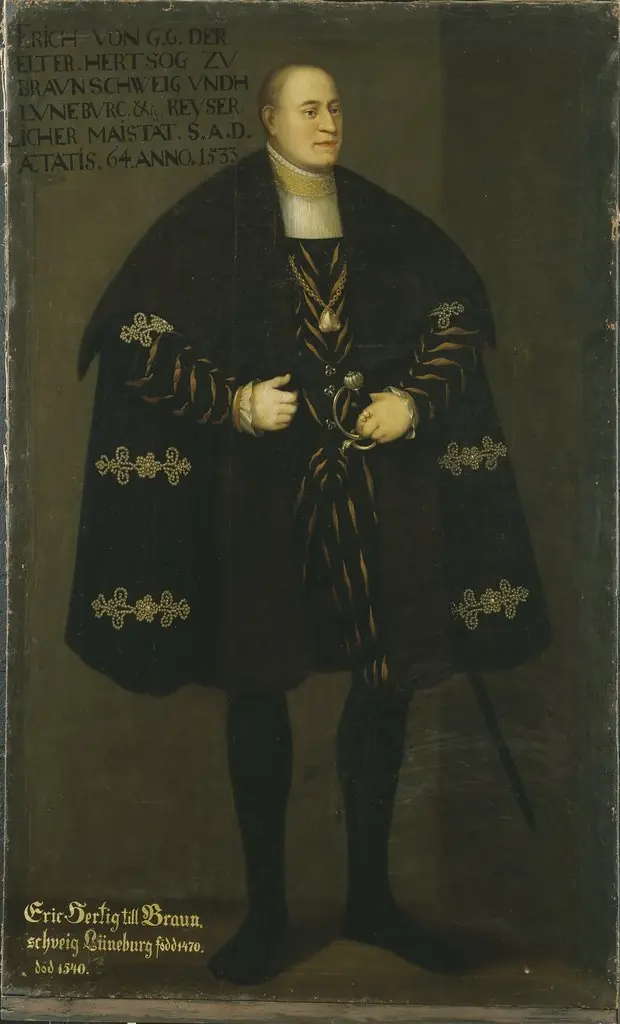 Erik I, 1470-1549, hertig av Braunscweig-Calenberg
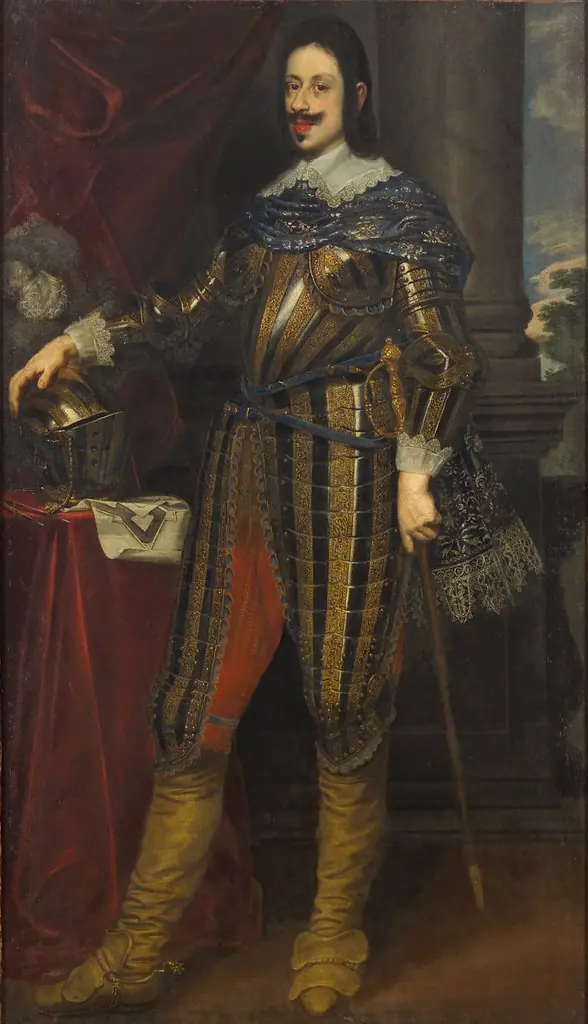 Grand-duke Ferdinand II of Tuscany (1610-1670) in Armour
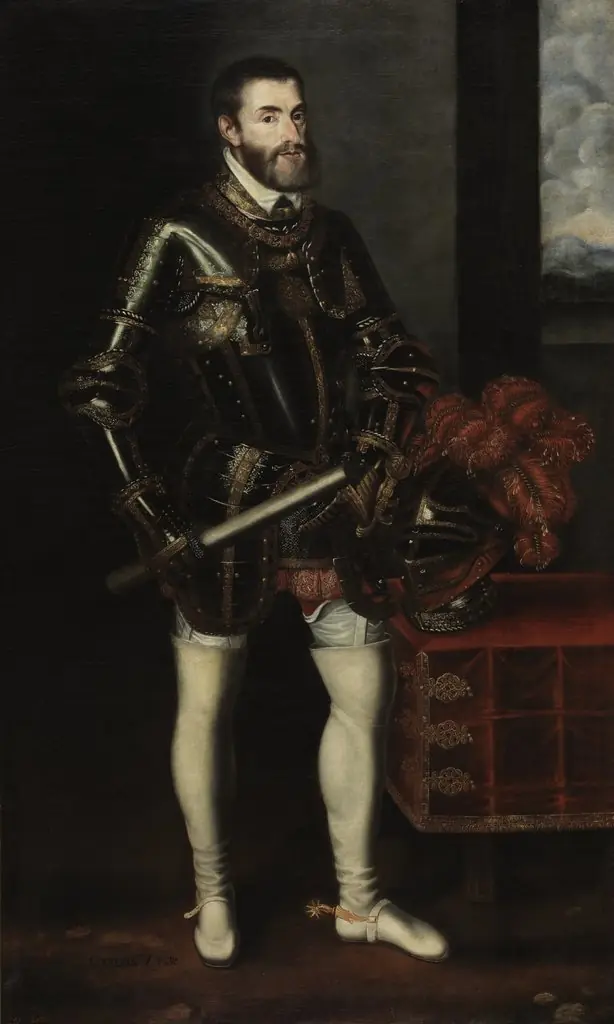 Charles V in Armour
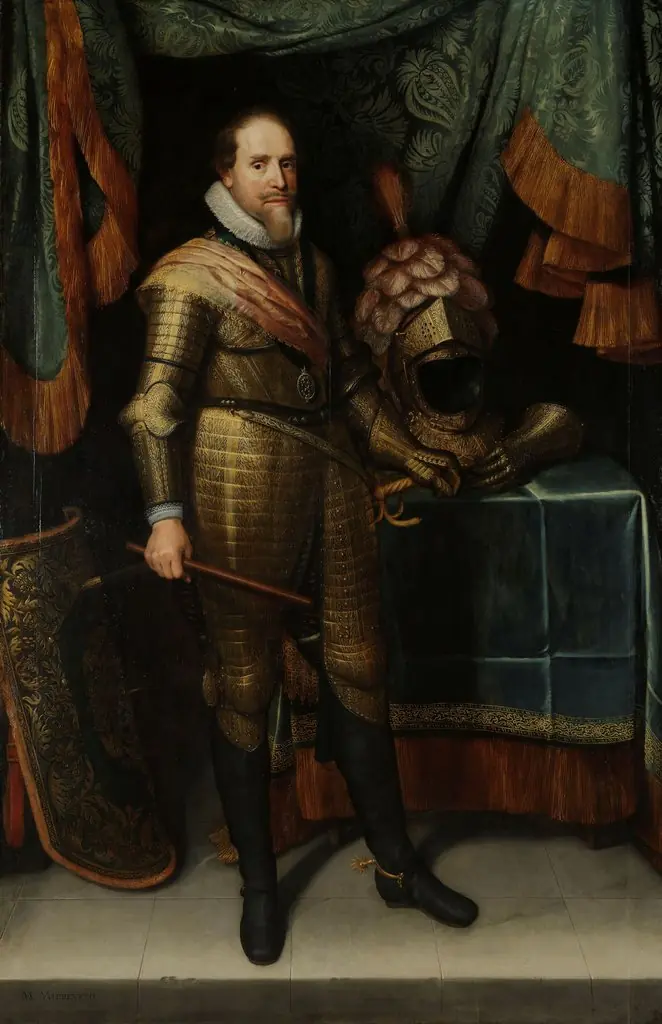 Maurice, Prince of Orange
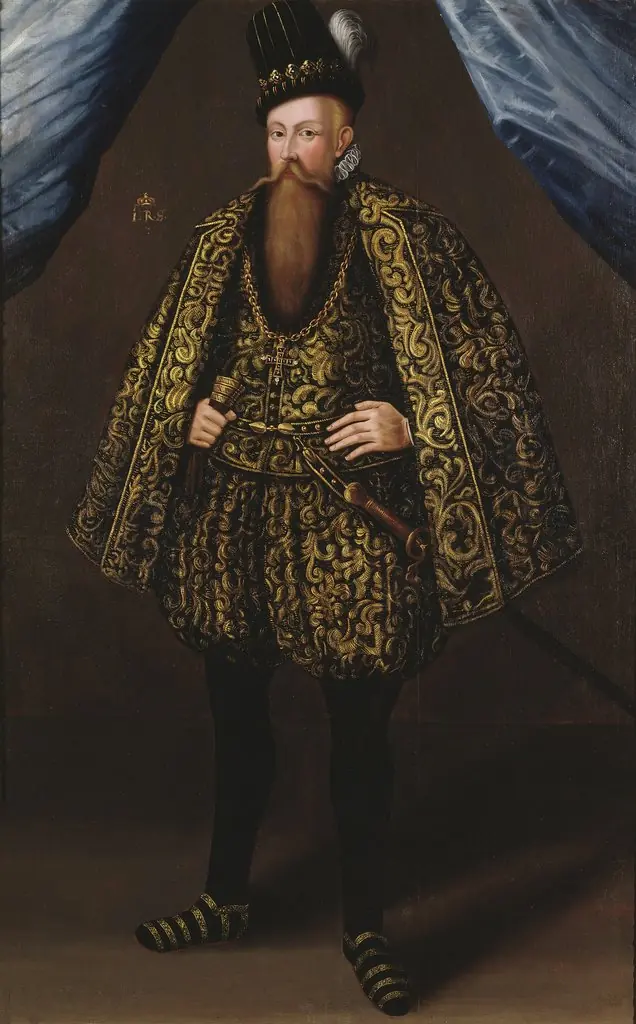 Johan III, 1537-92, konung av Sverige
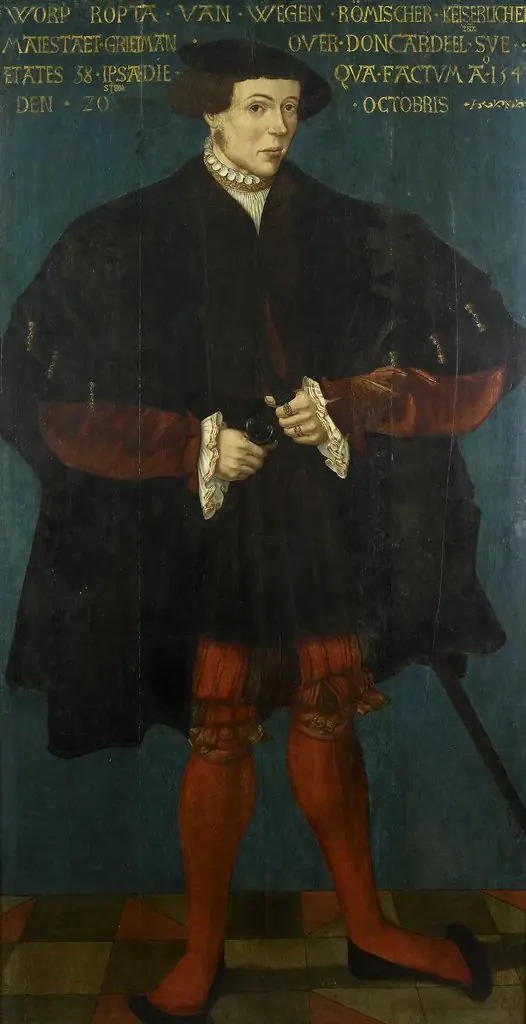 Portrait of Worp van Ropta, Chief Magistrate of East Dongeradeel
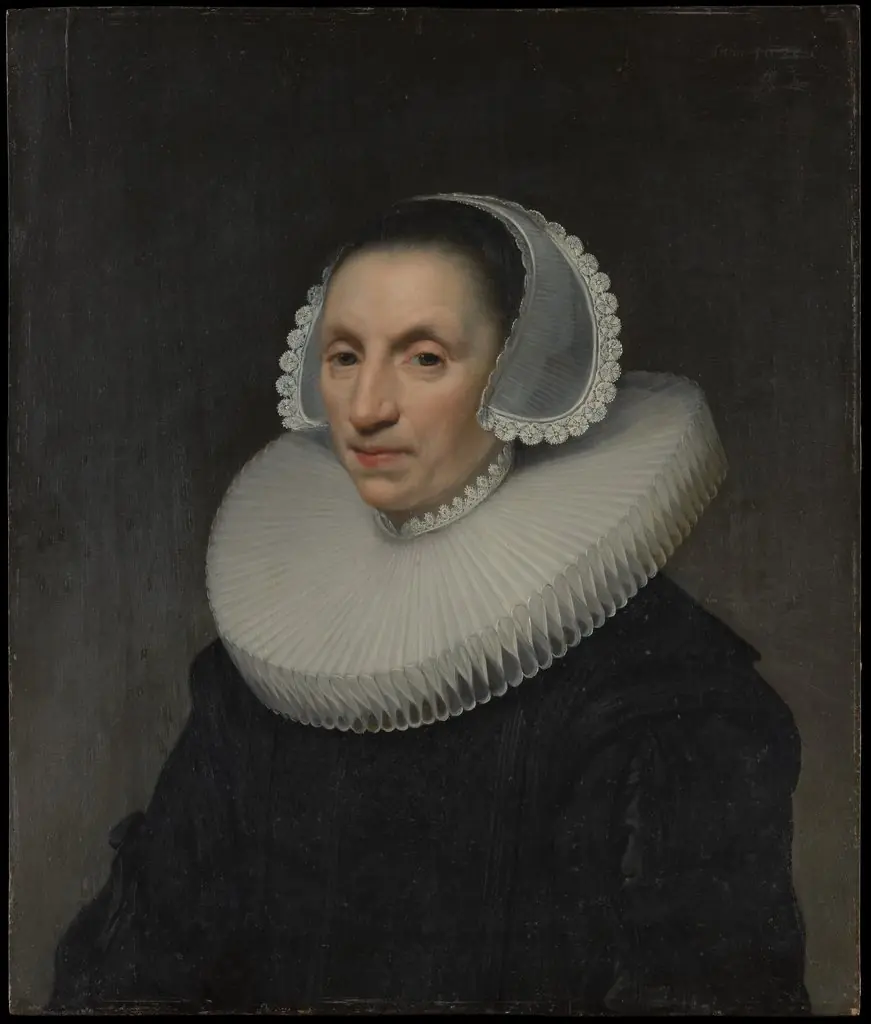
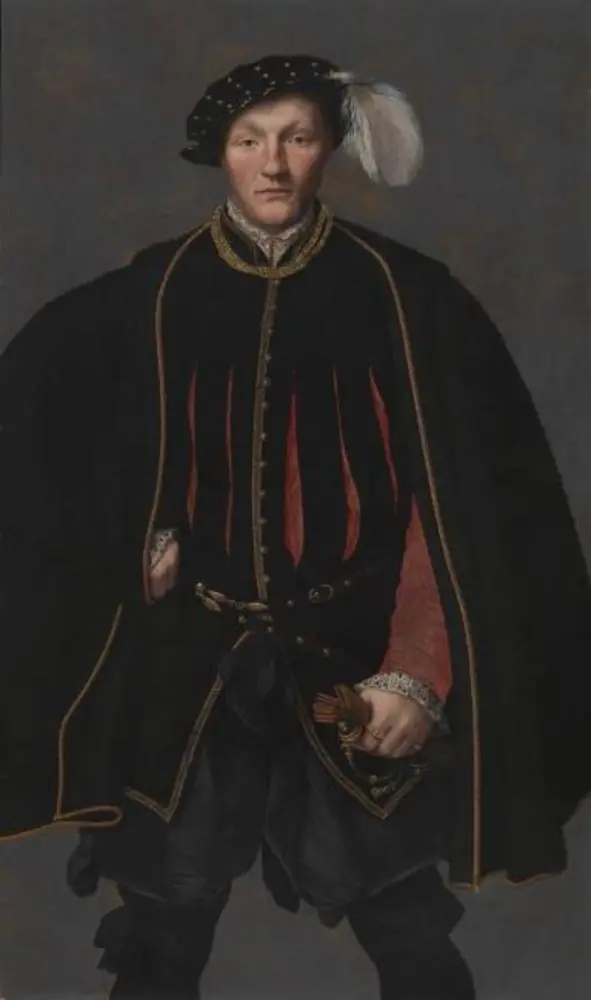 Portrait of a Gentleman, probably of the West Family
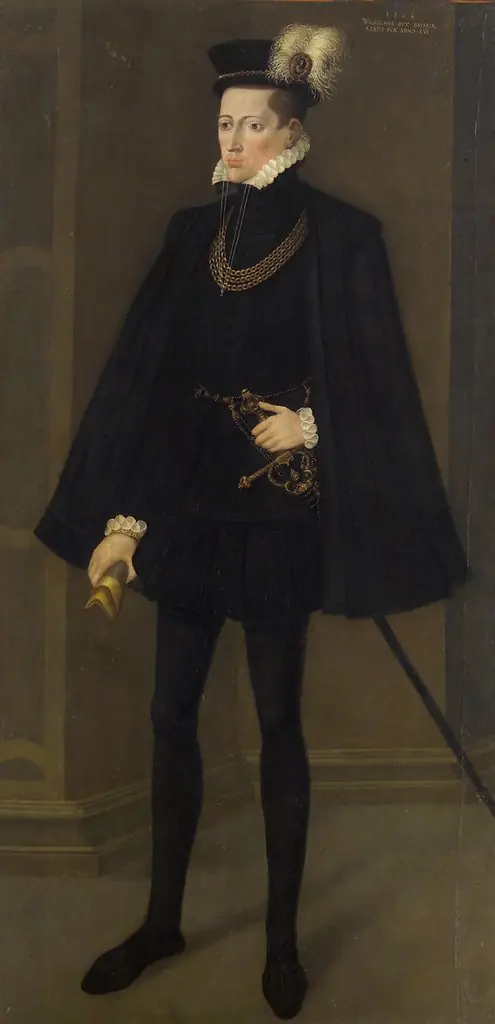 Herzog Wilhelm V. (1548-1626) von Bayern im Alter von 16 Jahren