Artwork
Jacob Simonsz de Rijk Secures from Spanish Governor-General Requesens the Release of Marnix van Sint Aldegonde
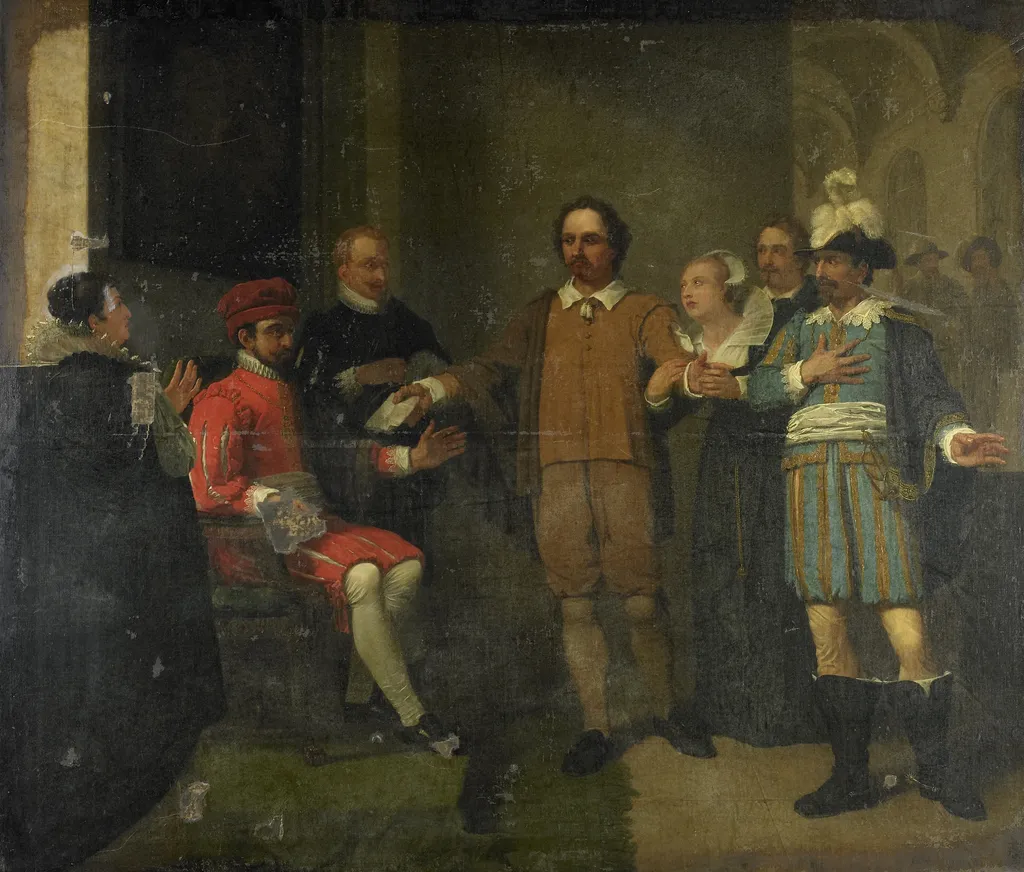
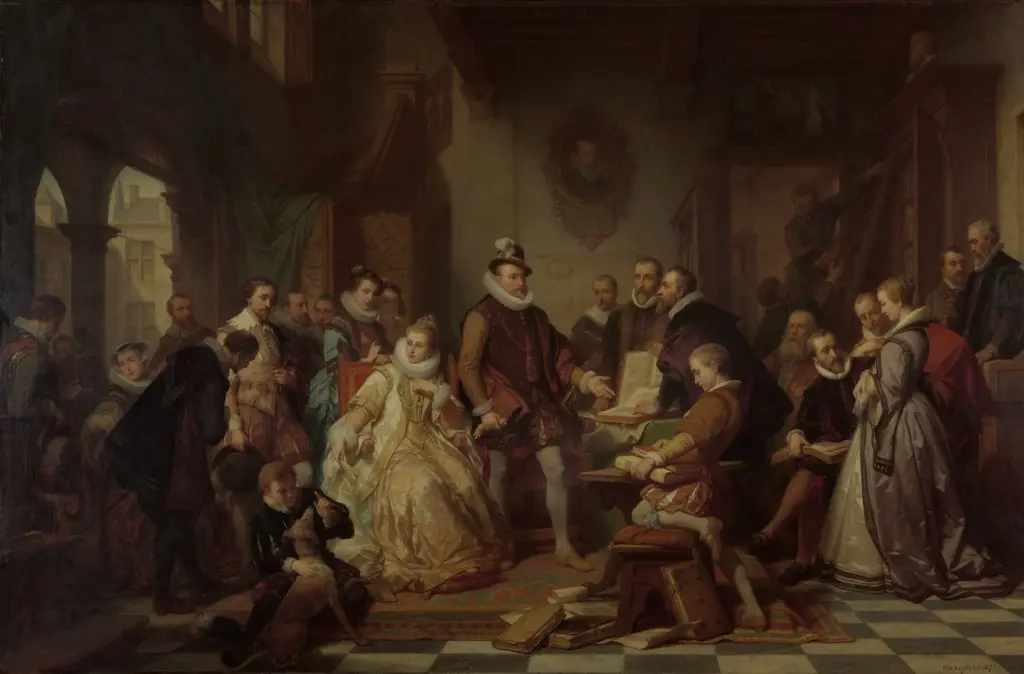
Jacob Simonsz de Rijk Secures from Spanish Governor-General Requesens the Release of Marnix van Sint Aldegonde is an oil painting by Jan Willem Pieneman. It dates from 1805 and is held in the collection of the Rijksmuseum.
About this work
Overview
De Rijk presents a document to Requesens, symbolizing the successful plea for the release of the imprisoned statesman Marnix van Sint Aldegonde.
Painted in 1805, Jan Willem Pieneman's 'Jacob Simonsz de Rijk Secures from Spanish Governor-General Requesens the Release of Marnix van Sint Aldegonde' is an oil-on-canvas history painting depicting a pivotal diplomatic moment from the Eighty Years' War. The composition centers on the negotiation between Jacob Simonsz de Rijk, dressed in modest brown attire, and the Spanish Governor-General Requesens, who is distinguished by a blue and gold uniform and a plumed hat. De Rijk presents a document to Requesens, symbolizing the successful plea for the release of the imprisoned statesman Marnix van Sint Aldegonde.
Surrounding figures observe the exchange with varied expressions of anticipation and gravity, creating a staged tableau that emphasizes the tension and significance of the event. Executed early in Pieneman's career, this work demonstrates his emerging mastery of historical narrative and portraiture, establishing the formal clarity and moral didacticism that would characterize his later, more famous nationalistic works. The painting serves as an early example of Dutch historical painting that blends accurate costume detail with a clear, legible storytelling structure, reflecting the growing interest in national history during the early 19th century.
Subject & Meaning
The composition records a historical negotiation: Jacob Simonsz de Rijk intercedes with Governor‑General Requesens to obtain the freedom of Marnix van Sint Aldegonde. The paper in de Rijk’s hand symbolizes the legal or diplomatic instrument effecting the release, while the attentive witnesses underscore the gravity of the moment within the broader context of 16th‑century political conflict.
Technique & Style
Pieneman employs a restrained palette of earth tones and muted blues, allowing the central figures to dominate the visual field. The brushwork is smooth and precise, typical of early‑19th‑century Dutch academic painting, with careful modeling of faces and fabrics that convey both individual character and collective seriousness.
History & Provenance
Executed in 1805, the painting entered the Rijksmuseum’s holdings as part of its early 19th‑century acquisitions of Dutch historical genre works. Its provenance traces back to the artist’s estate, after which it was transferred to the national collection, where it remains on display as a document of Dutch‑Spanish diplomatic history.
Own this work as a print
Artist & collection

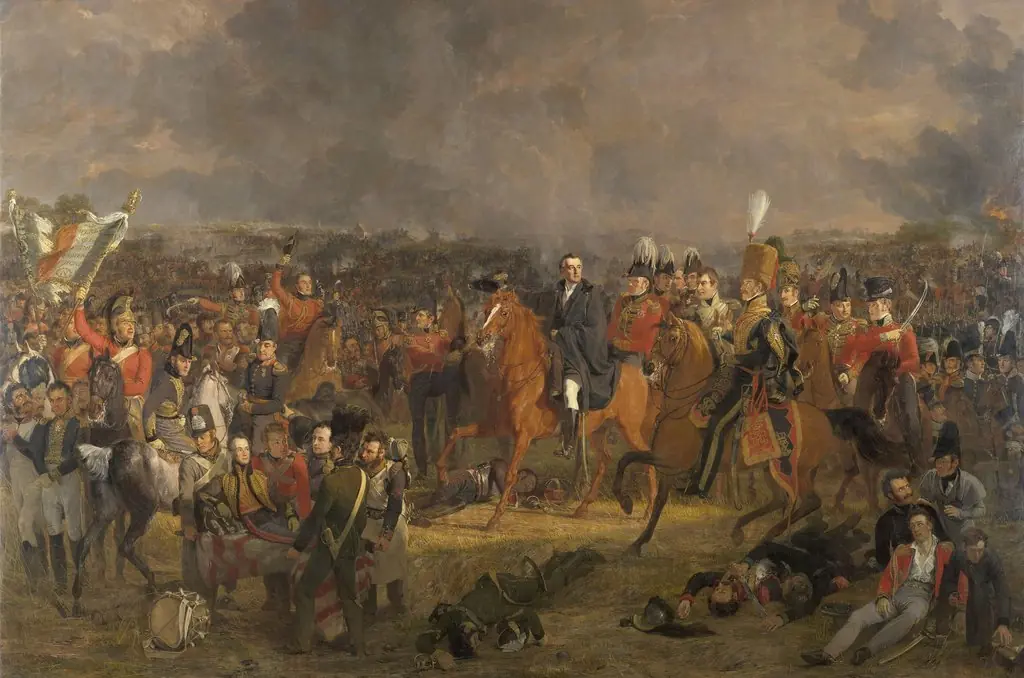 The Battle of Waterloo
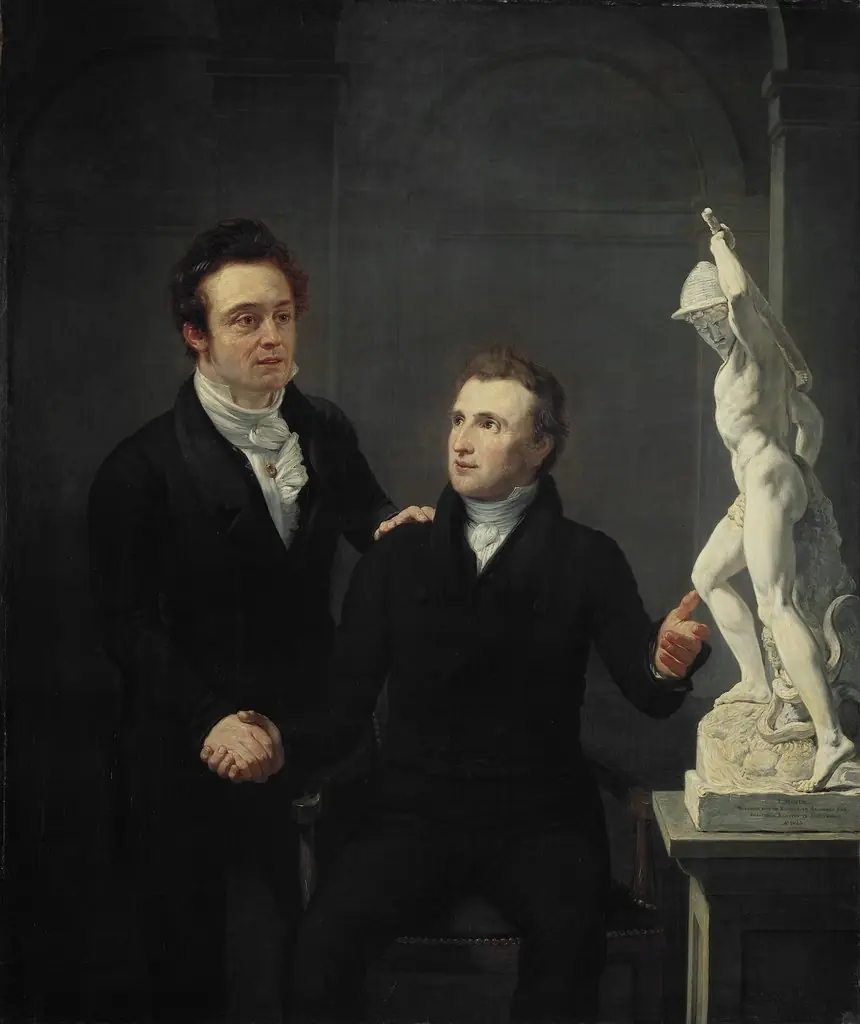 Louis Royer, sculptor, and Albertus Bernardus Roothaan, stockbroker, friend of the arts, and patron of the sciences
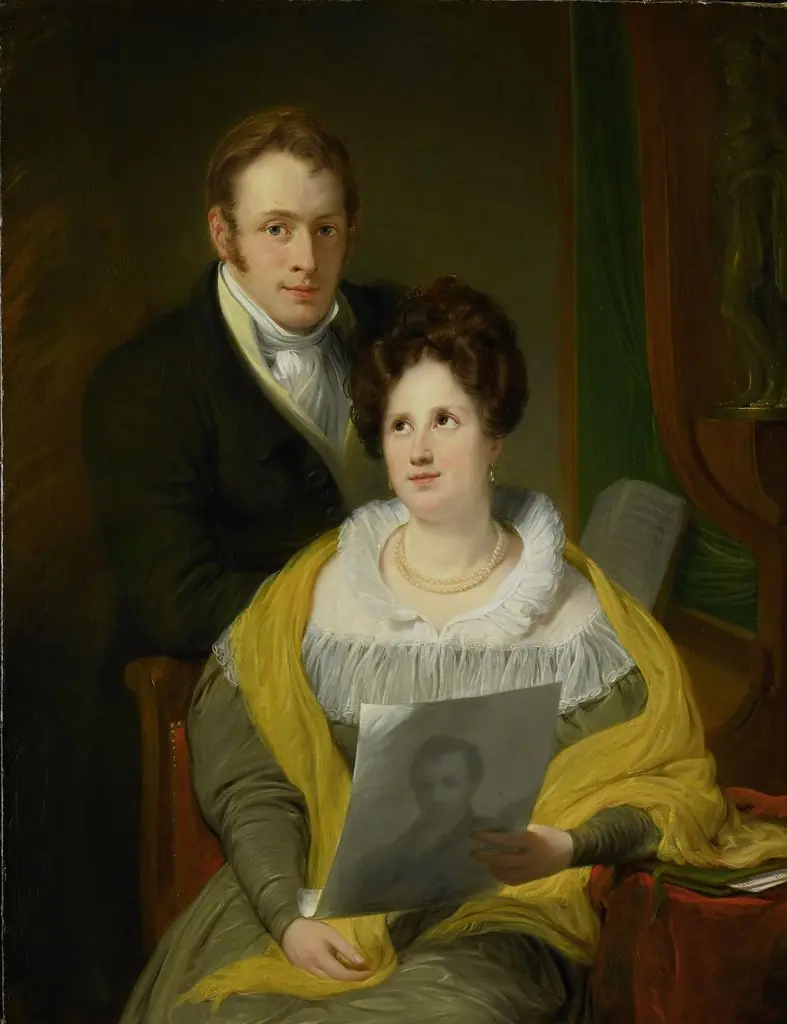 Portrait of a Woman and a Man
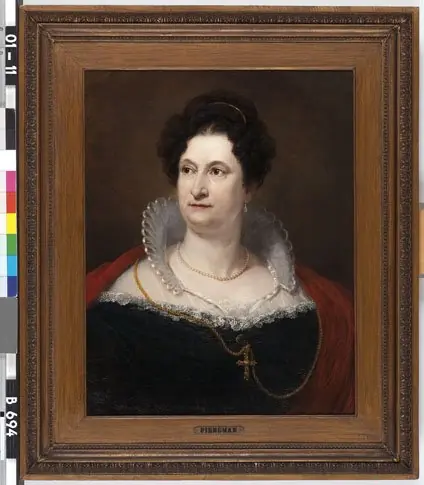 Joanna Cornelia Ziesenis-Wattier (1762–1827). Toneelspeelster
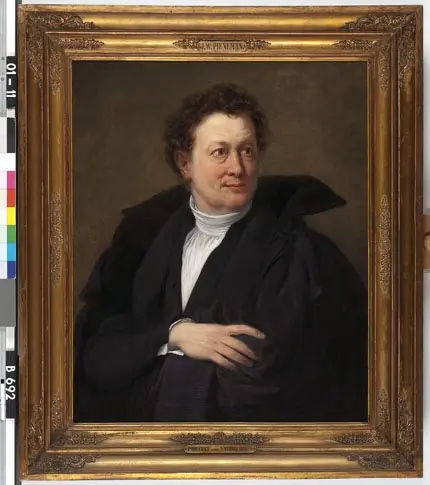 Andries Snoek (1766–1829). Toneelspeler
 Portrait of Sara de Haan, Widow of the Amsterdam Underwriter Cornelis Hartsen
 Agatha Petronella Hartsen (1814-78). In bruidstoilet ter gelegenheid van haar huwelijk met Jan van der Hoop op 17 maart 1841
- Jacob Simonsz de Rijk getting the Spanish Governor-General Requesens to Release Marnix van Sint Aldegonde, 1575
 Philip II of Spain on His Throne
 Curación y acción de gracias del príncipe don Carlos. Serie de la Vida de San Diego de Alcalá
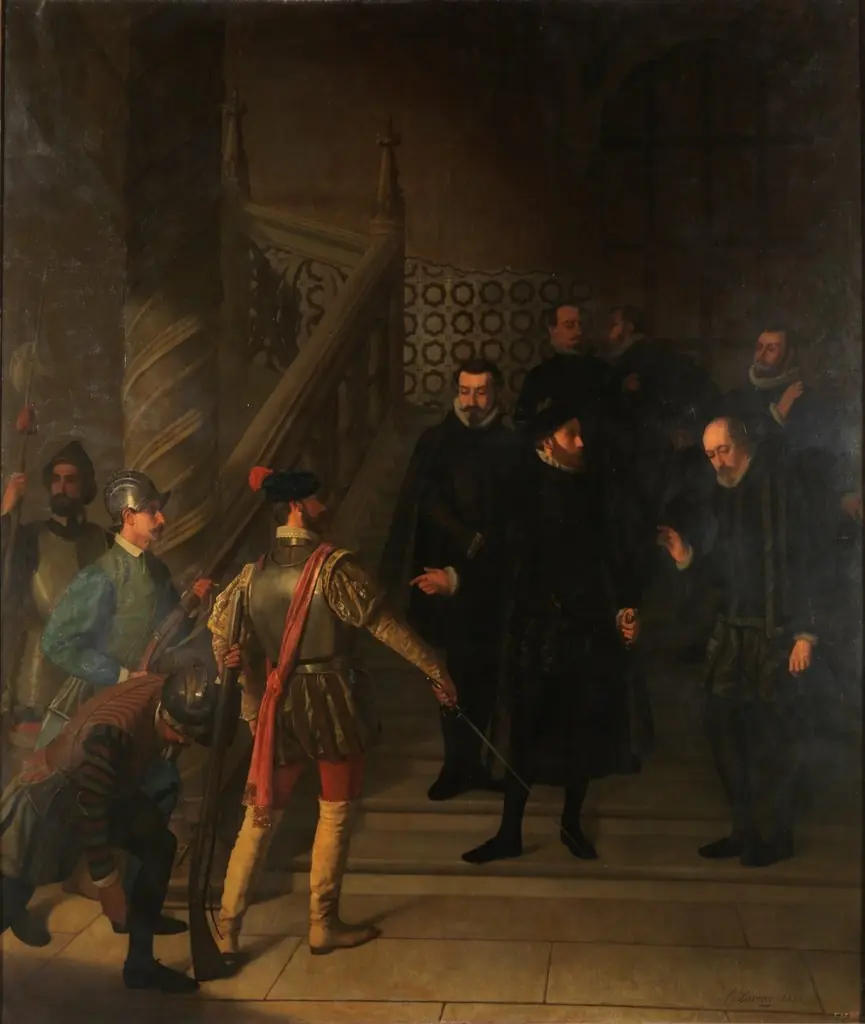 La prisión de Lanuza
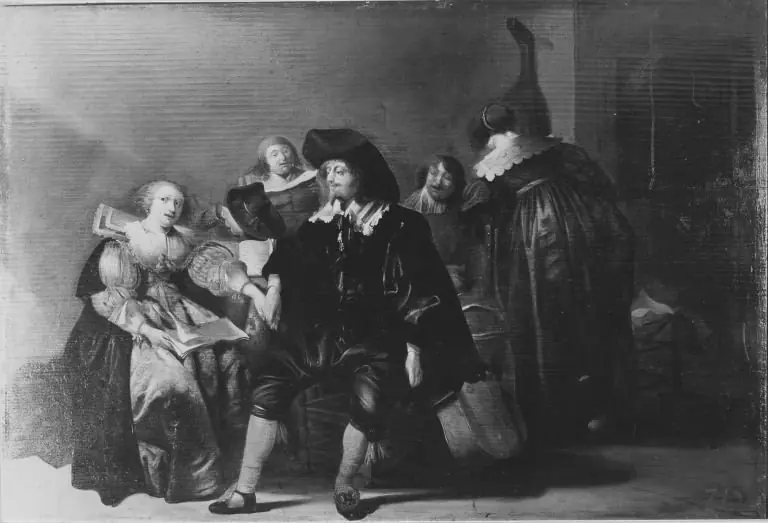 musical company
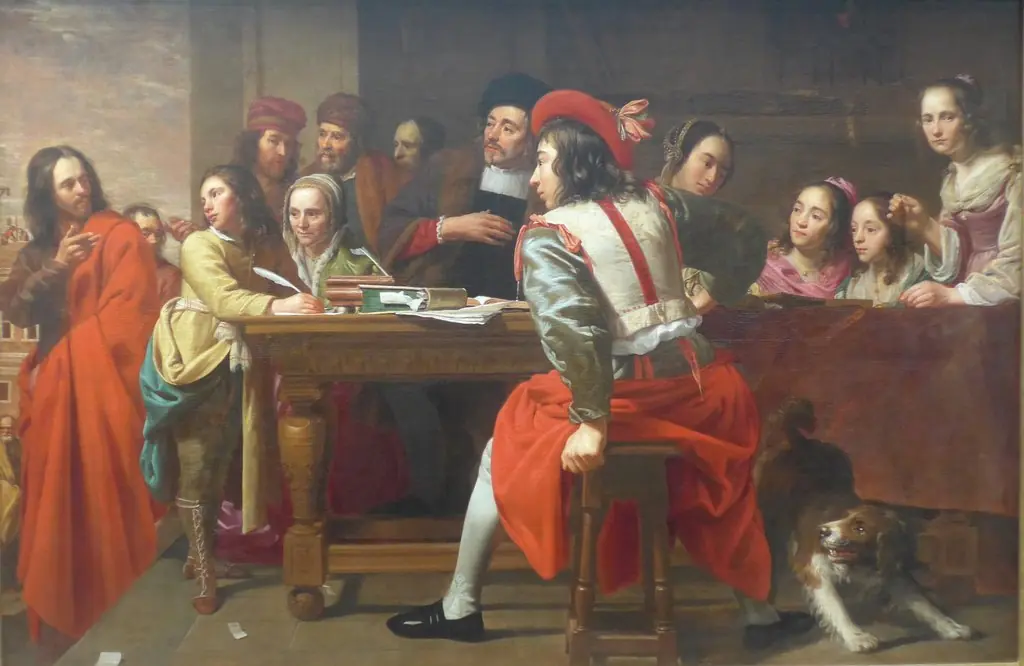 The calling of Matthew
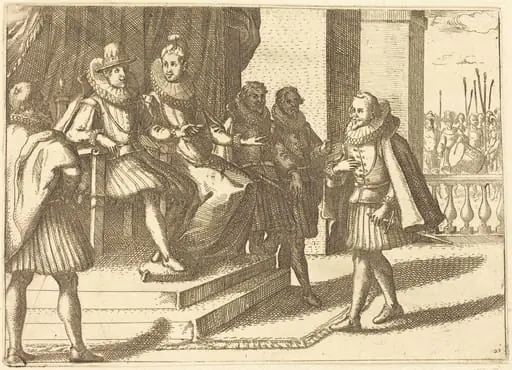 King and Queen in Consultation about the Turks
 Merry Company
 Konversationsstück
 Margaret of Parma Recieves the Petittion of the Nobility
 Adolf, Duke of Schleswig-Holstein, Declines the Offer to Accede to the Danish Throne. Copy after C. W. Eckersberg
 The Archdukes Albert and Isabella Visit the Printer Plantin