Artwork
Guillaume Anne van der Brugghen (1812-91)
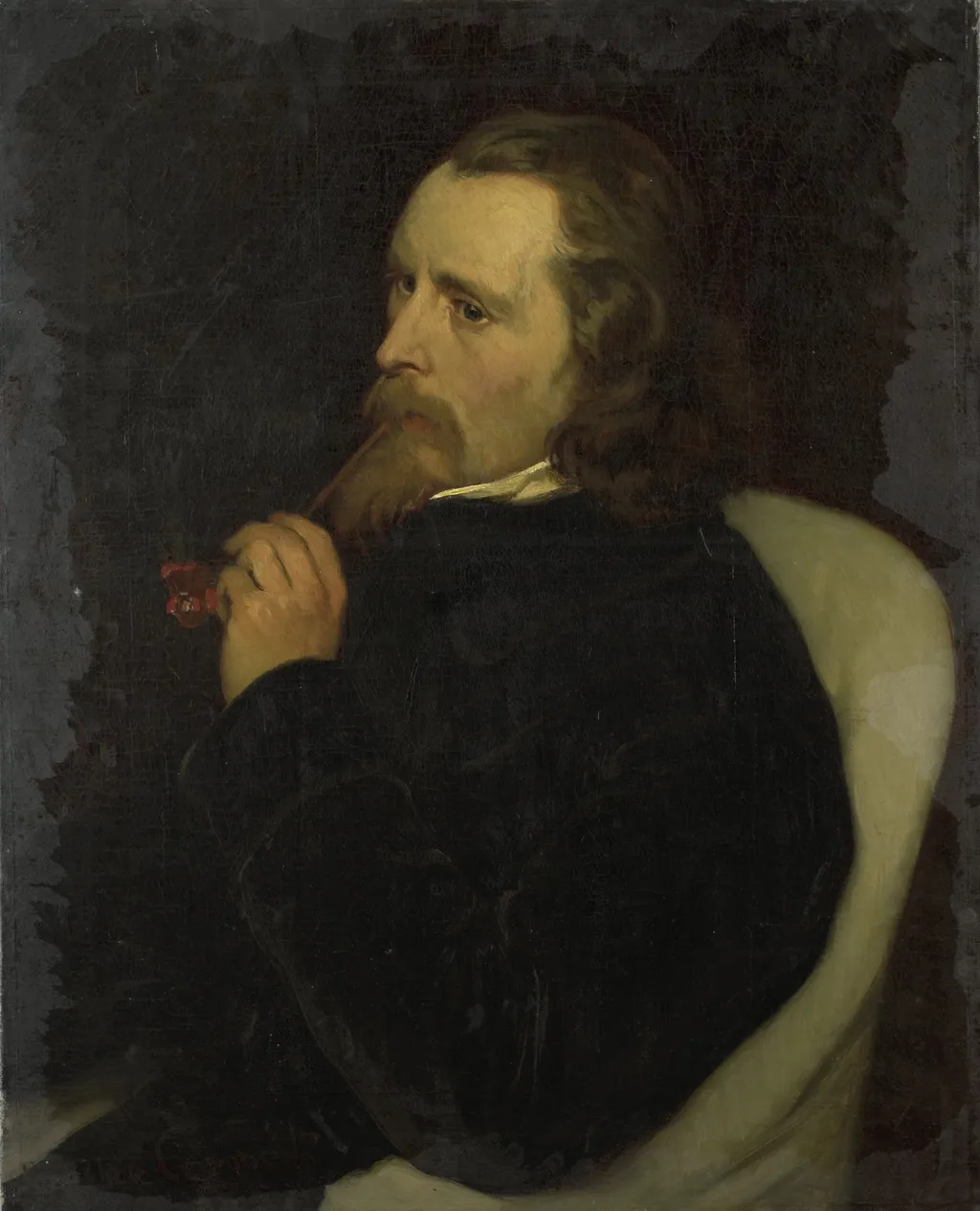
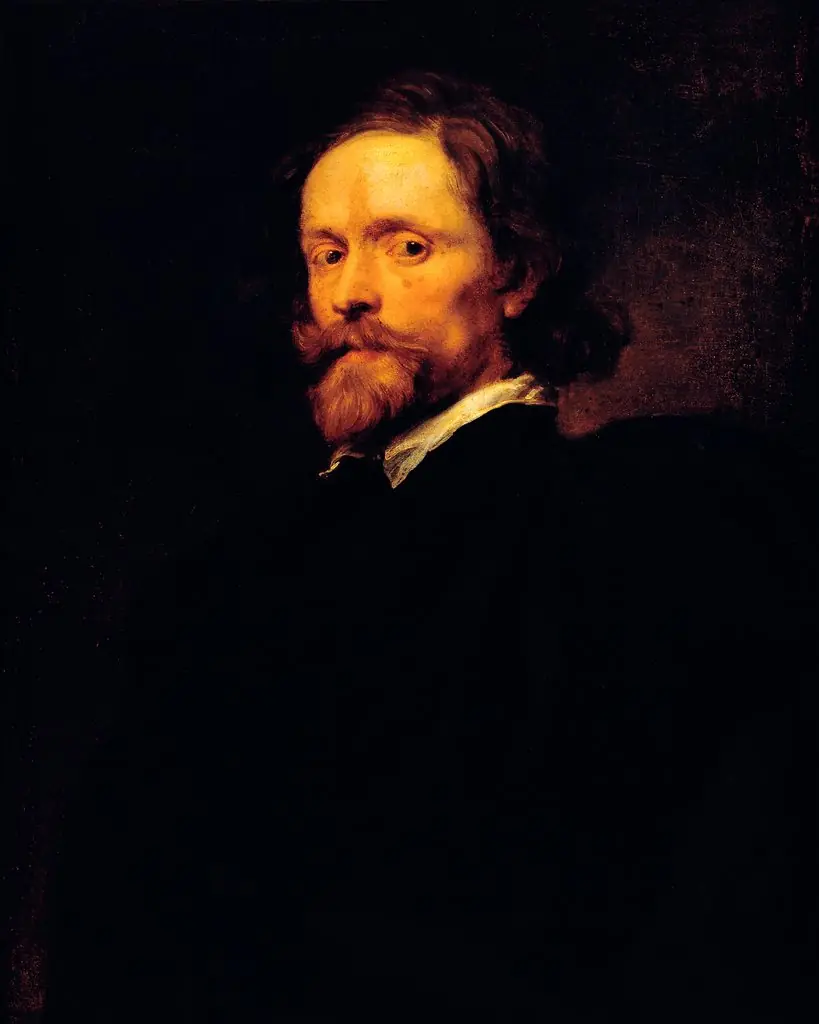
Guillaume Anne van der Brugghen (1812-91) is an oil painting by the Realist artist Jaroslav Čermák. It dates from 1857 and is held in the collection of the Rijksmuseum.
About this work
Technique & Style
As a portrait, the painting focuses on the representation of the sitter, adhering to the conventions of the genre during the mid-nineteenth century.
Guillaume Anne van der Brugghen is depicted in a portrait executed in oil paint on canvas by Jaroslav Čermák. The work was created in 1857 and measures 81.5 cm in height by 65.5 cm in width. As a portrait, the painting focuses on the representation of the sitter, adhering to the conventions of the genre during the mid-nineteenth century. The medium and support are consistent with standard academic painting practices of the period.
History & Provenance
The portrait of Guillaume Anne van der Brugghen by Jaroslav Čermák is held in the collection of the Rijksmuseum. According to the Wikidata record for the work, it is inventoried within that institution's holdings and is catalogued as a portrait executed in oil paint on canvas, with a recorded inception date of 1857. No specific accession number or further curatorial identifier is provided in the available sources.
Likewise, the supplied records do not document any exhibition history for the painting, leaving its display history beyond the museum's collection unspecified.
Overview
Guillaume Anne van der Brugghen (1812-91) is a portrait painted in oil by Jaroslav Čermák in 1857. The painting is now held at the Rijksmuseum.
Subject & Meaning
The portrait depicts a bearded man holding a small red object in his right hand, with his left hand resting on his chest. The subject's serious expression and formal attire suggest a sense of gravity or introspection.
Own this work as a print
Artist & collection
Artist
Jaroslav Čermák painted detailed portraits in oil during the mid-1800s. He captured real people with quiet care, like Guillaume Anne van der Brugghen in formal wear and Henri Bernard van der Kolk as a child. These works…

- Portrait of Charles Henri Joseph Leicker, Painter
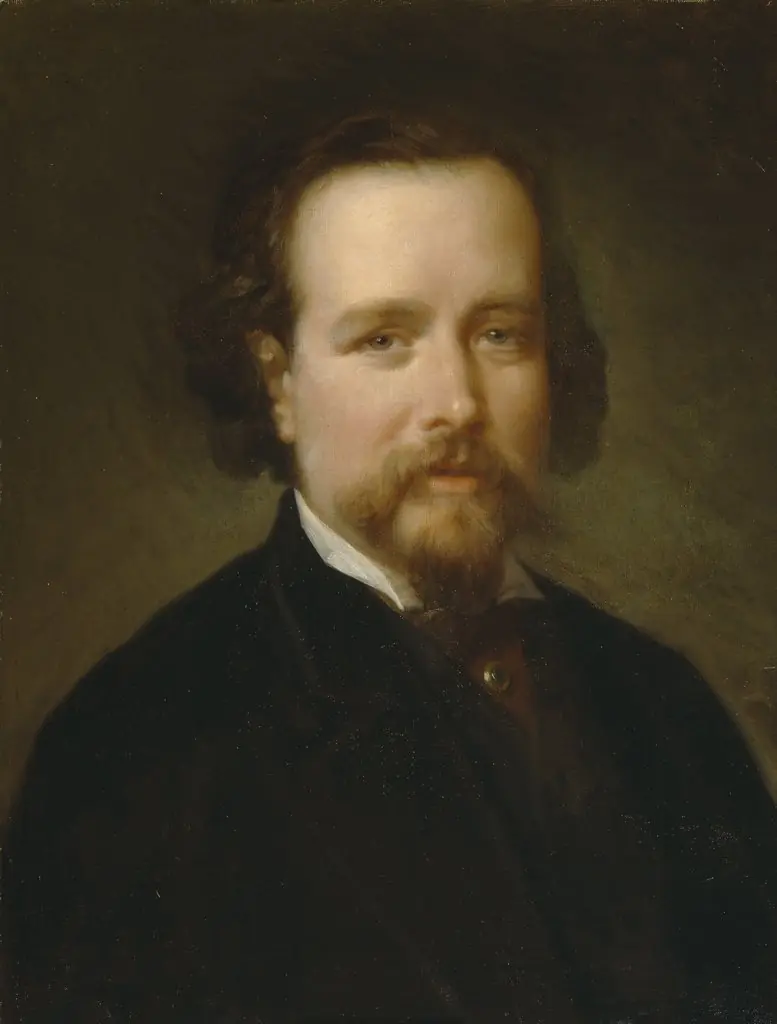 El pintor Vicente Palmaroli
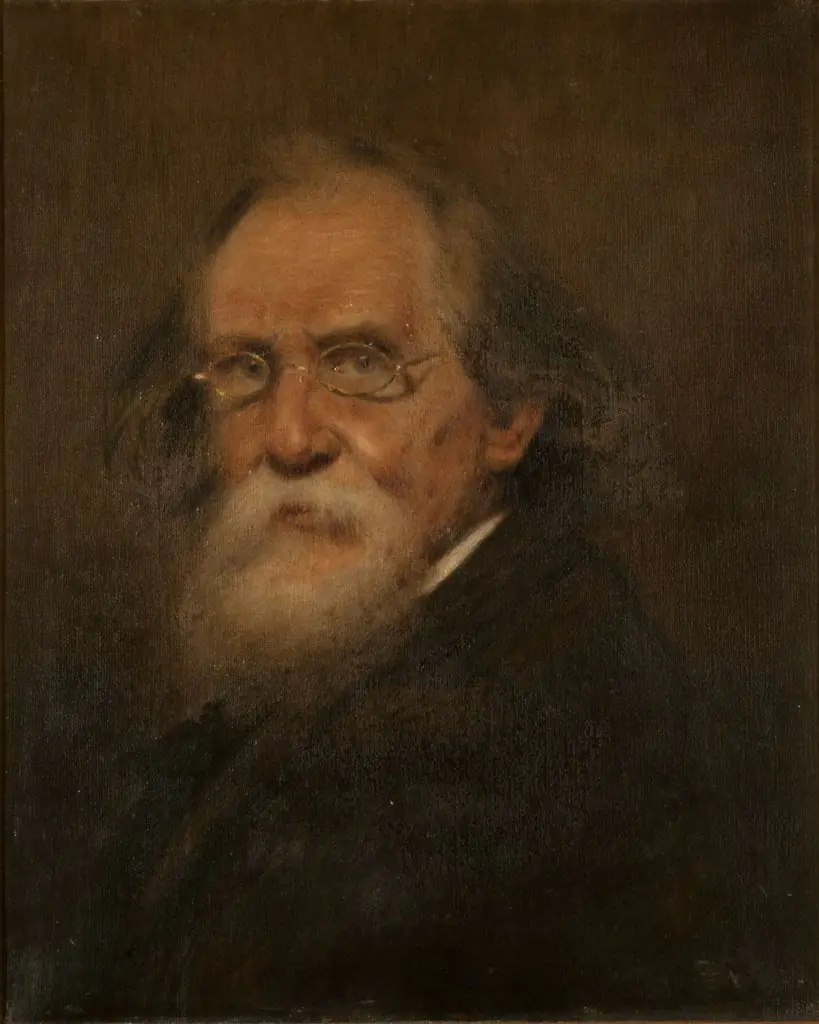 Self-portrait
 Portret van Ds Petrus Hermannus Hugenholtz (1834-1911), oprichter van de Vrije Gemeente
 Studiekop naar links
 Self-portrait
 Charles Dickens in his Study
 George Milner
 Portrait of a Man with a Blond Beard
 George Cotton Smith
 Portrait of Kazimierz Alchimowicz, painter
 Portrait of Lucas Vorsterman the Elder