Artwork
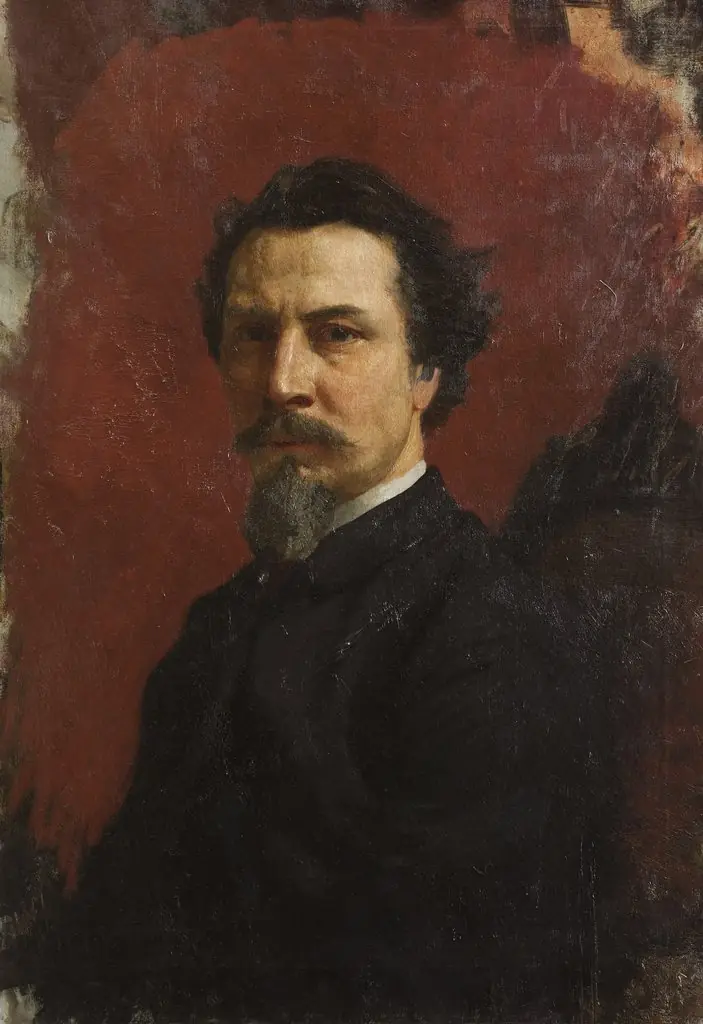
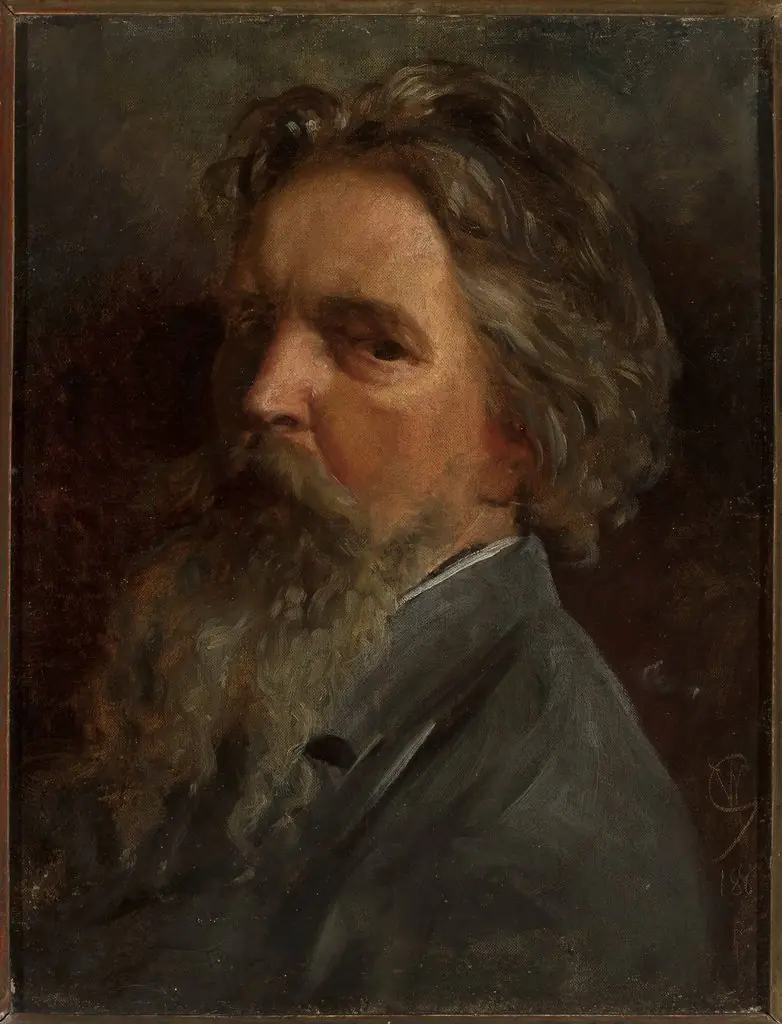
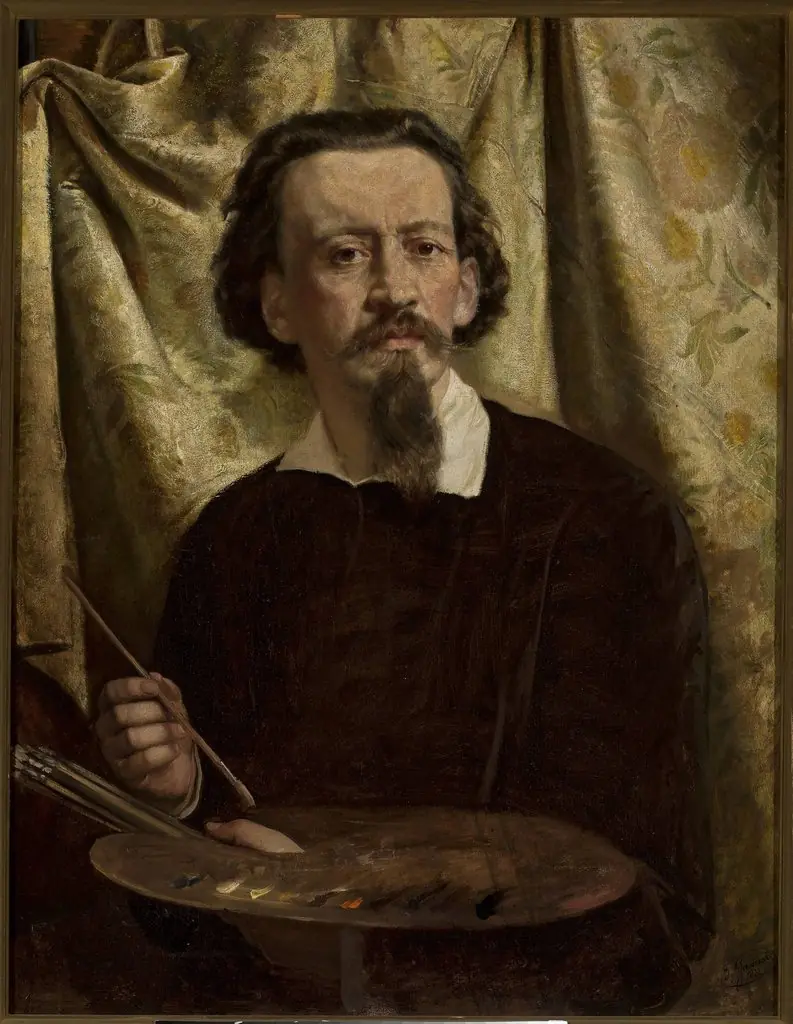
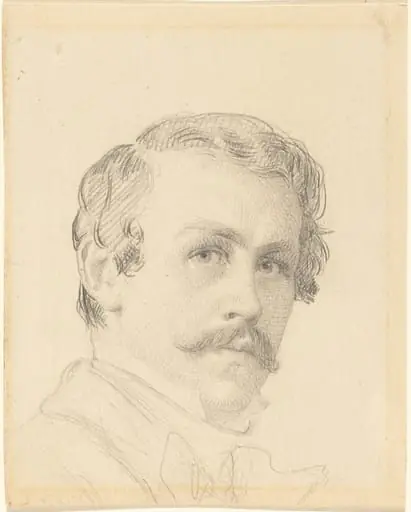
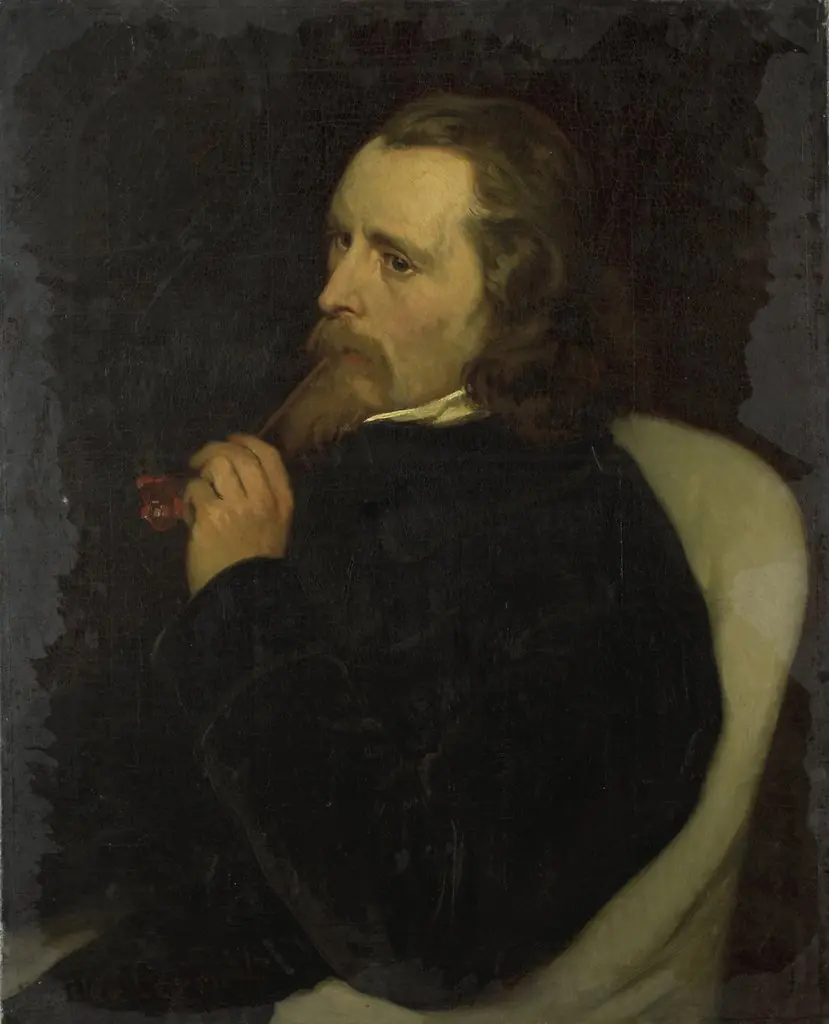
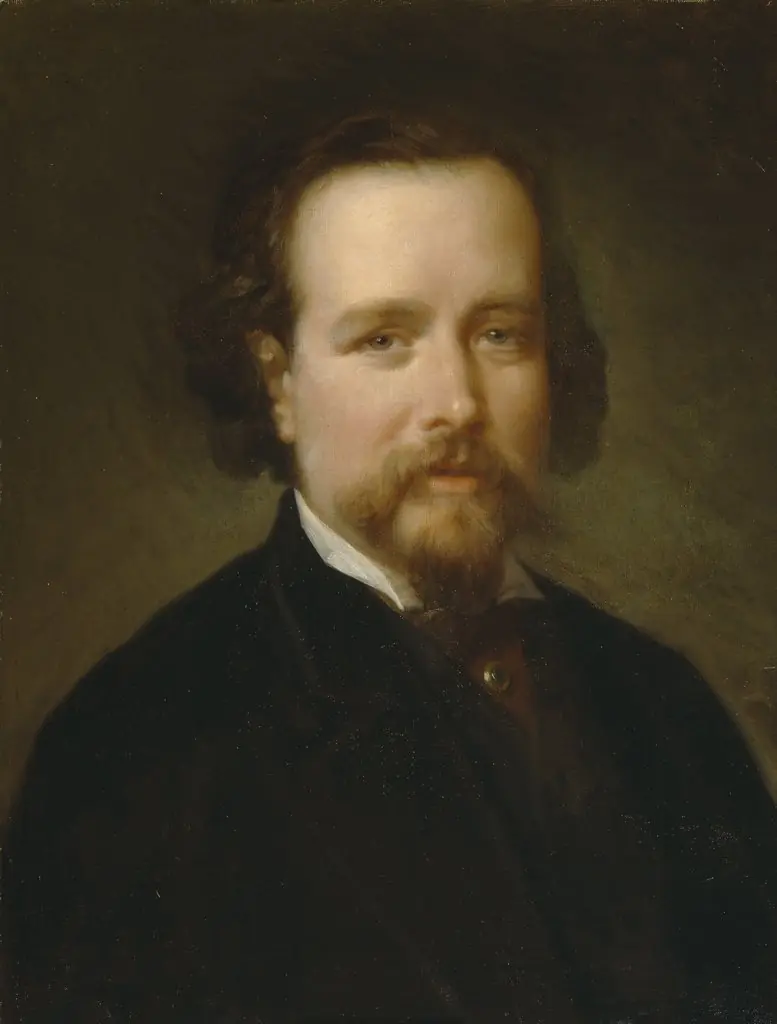
Portrait of Charles Henri Joseph Leicker, Painter
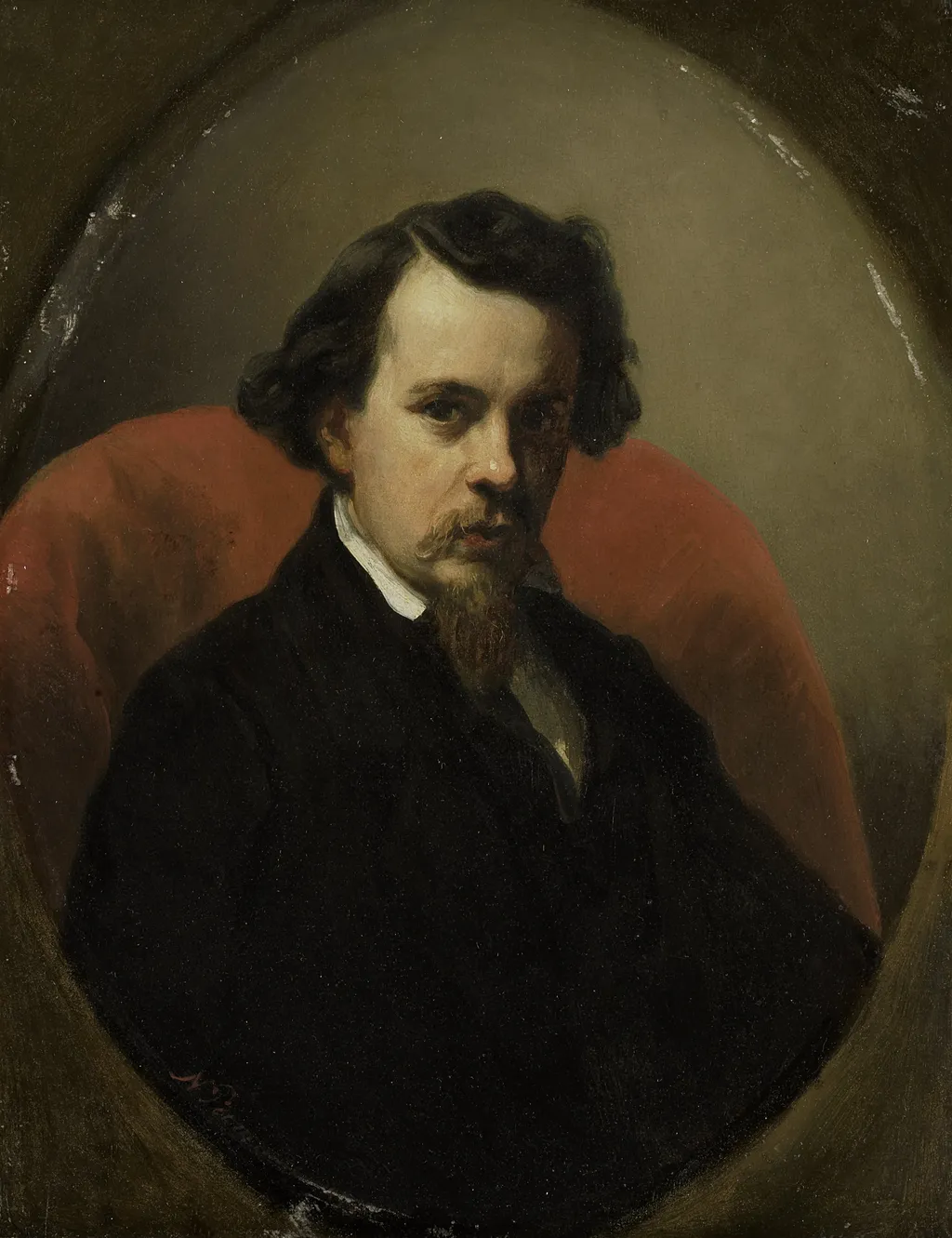
Portrait of Charles Henri Joseph Leicker, Painter is an oil painting by the Realist artist Nicolaas Pieneman. It dates from 1853 and is held in the collection of the Rijksmuseum.
About this work
Subject & Meaning
The work's primary iconography is straightforward, focusing entirely on the likeness and identity of Leicker as its sole subject.
Executed in 1853, this oil painting on panel functions as a formal portrait of the artist Charles Henri Joseph Leicker. The work's primary iconography is straightforward, focusing entirely on the likeness and identity of Leicker as its sole subject. By depicting a fellow painter, the piece serves as a professional record and a testament to the artistic community of the Netherlands during the mid-nineteenth century.
The composition relies on the traditional conventions of portraiture to capture the sitter's appearance without employing complex allegorical symbolism or additional narrative elements.
Technique & Style
The painting is executed in oil on a wooden panel support, measuring 38.3 cm in height and 29.8 cm in width. The handling reflects a mid-19th-century academic portrait approach, with smooth, blended transitions in flesh tones and controlled brushwork in the detailing of costume and accessories. The composition centers on a three-quarter view of the sitter, rendered with clarity and restraint to convey social status.
The subdued palette and restrained modeling emphasize the formal character of the portrait, aligning with contemporary expectations for dignified representation in Dutch portraiture of the period.
Overview
Nicolaas Pieneman’s 1853 oil portrait presents the Dutch landscape painter Charles Henri Joseph Leickert. Executed in a realist manner, the work is part of the Rijksmuseum’s collection. Pieneman, active in the mid‑nineteenth century, applied a straightforward approach that foregrounds the sitter’s features without decorative excess, reflecting the Dutch Realism of his era.
History & Provenance
Completed in 1853, the portrait entered the Rijksmuseum’s holdings, where it remains on display. Pieneman, born in 1809, pursued a career that spanned painting, lithography, sculpture, and collecting, and he died in 1860. The work has been documented as part of the museum’s 19th‑century Dutch collection, illustrating the artist’s network among his contemporaries.
Context
During the mid‑1800s, Dutch art experienced a revival of realistic representation, moving away from romanticized idealism. Pieneman’s portrait aligns with this trend, offering a direct, unembellished depiction of a fellow artist. By portraying Leickert in a modest yet dignified manner, the painting reflects the period’s emphasis on individual character and professional stature within the artistic milieu.
Own this work as a print
Artist & collection
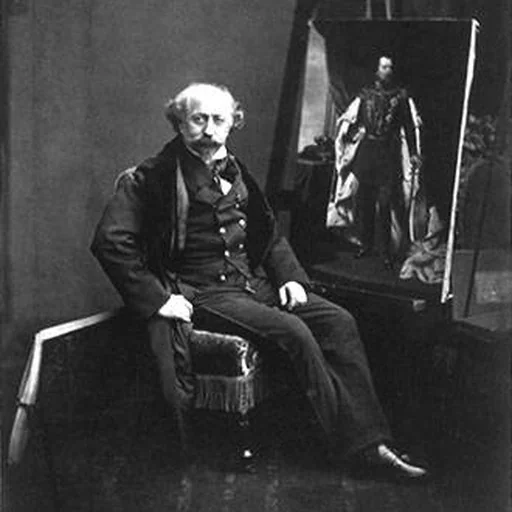
Artist
Nicolaas Pieneman (Dutch pronunciation:; 1 January 1809 – 30 December 1860) was a Dutch painter, art collector, lithographer, and sculptor.

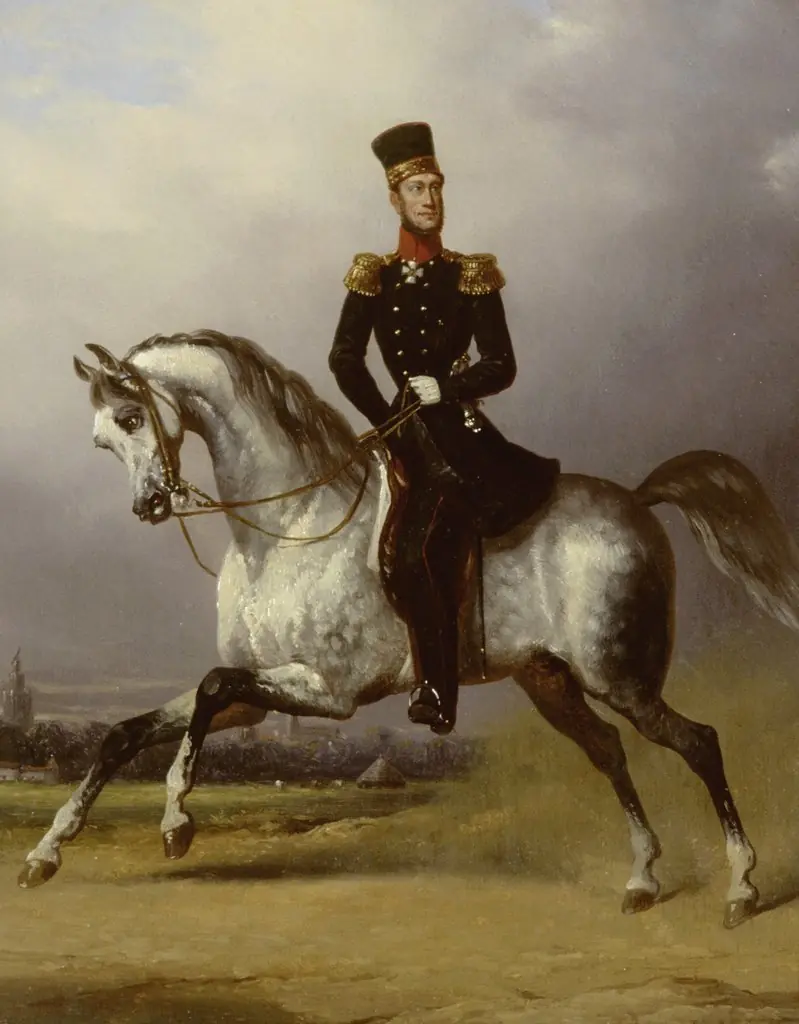 Equestrian Portrait of William II, King of the Netherlands
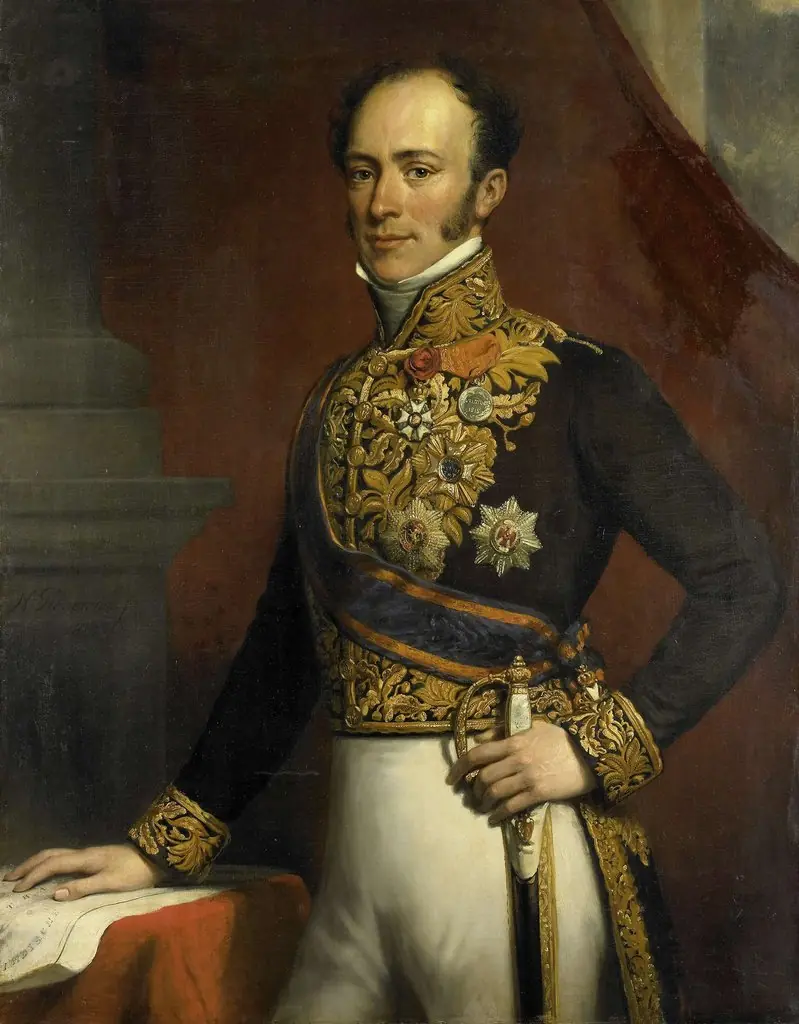 Portrait of Jan Jacob Rochussen, Governor-General of the Dutch East Indies
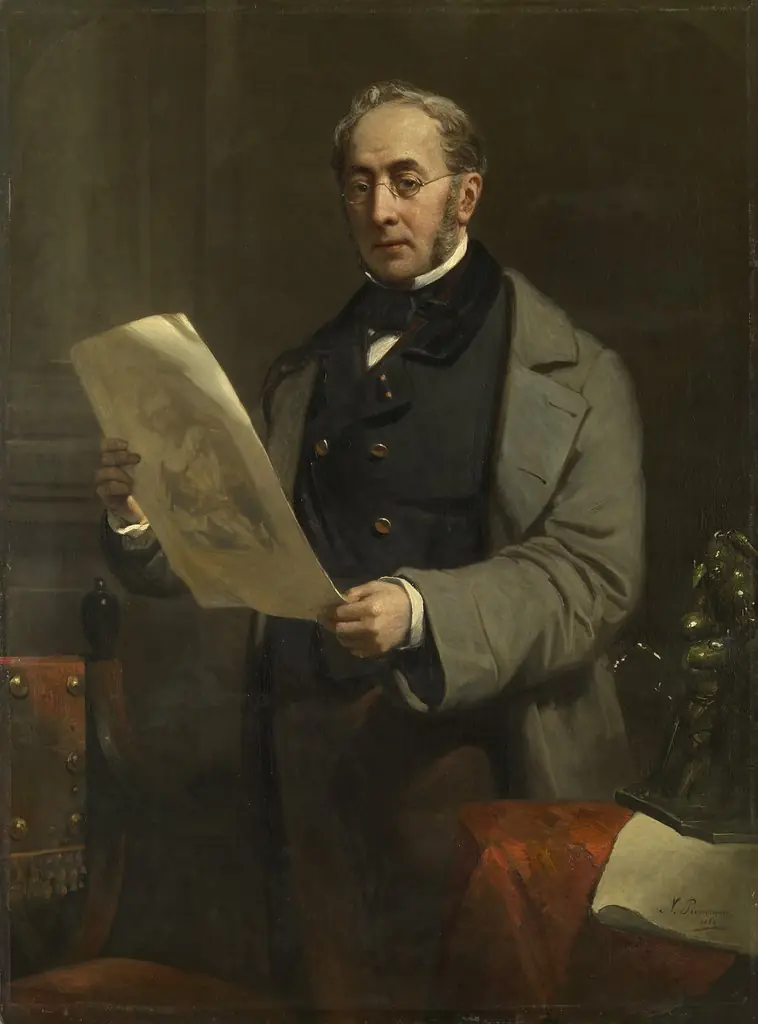 Portrait of Jacob de Vos Jacobszoon (1803-1878). Amsterdam Art Collector and Owner of the Historical Gallery De Vos
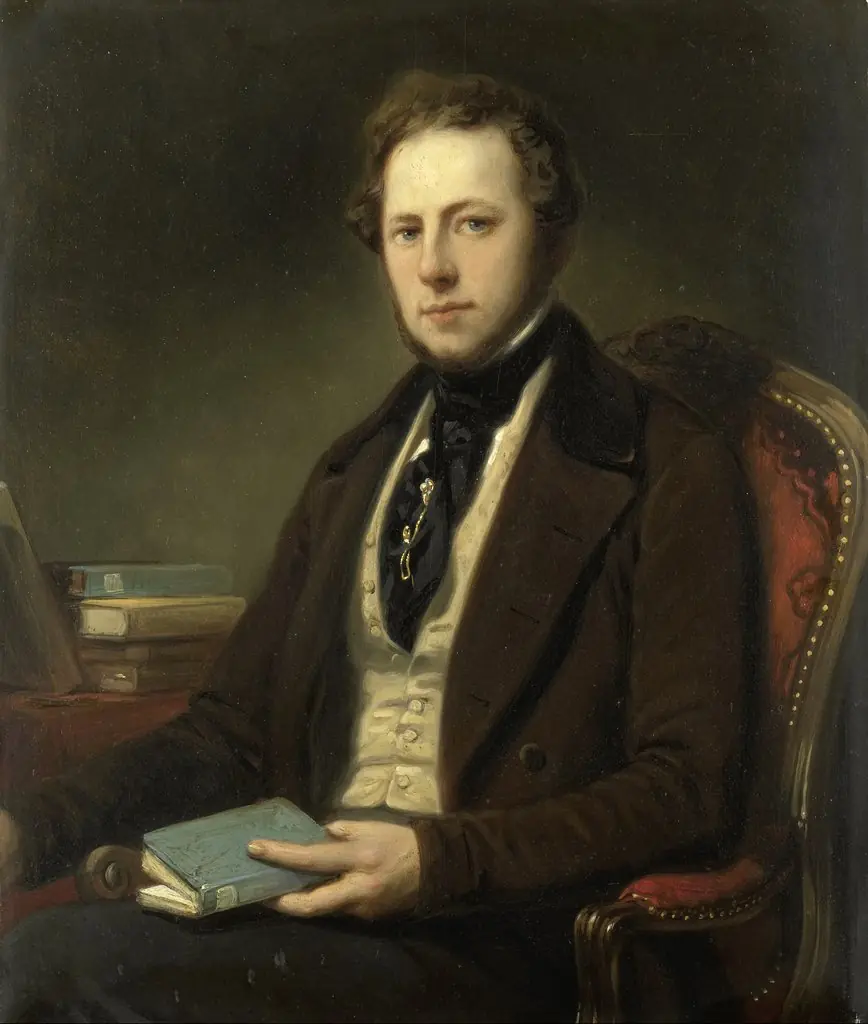 Portrait of a Man, perhaps the Poet Petrus Augustus de Genestet
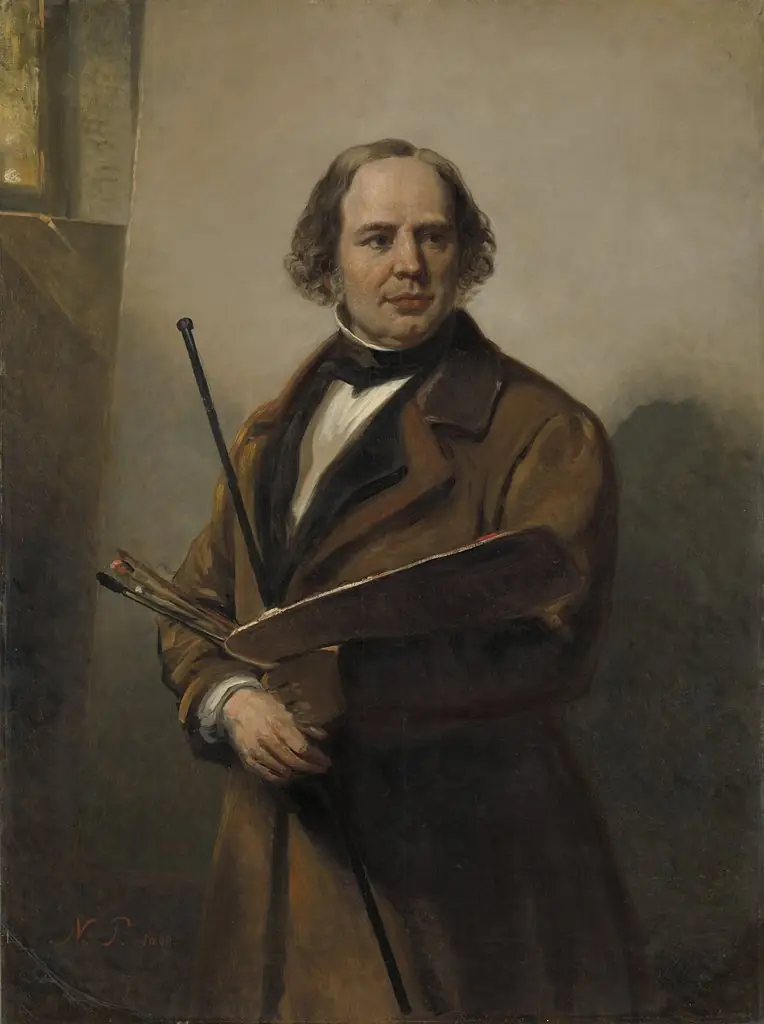 Jan Willem Pieneman, Painter, Father of Nicolaas Pieneman
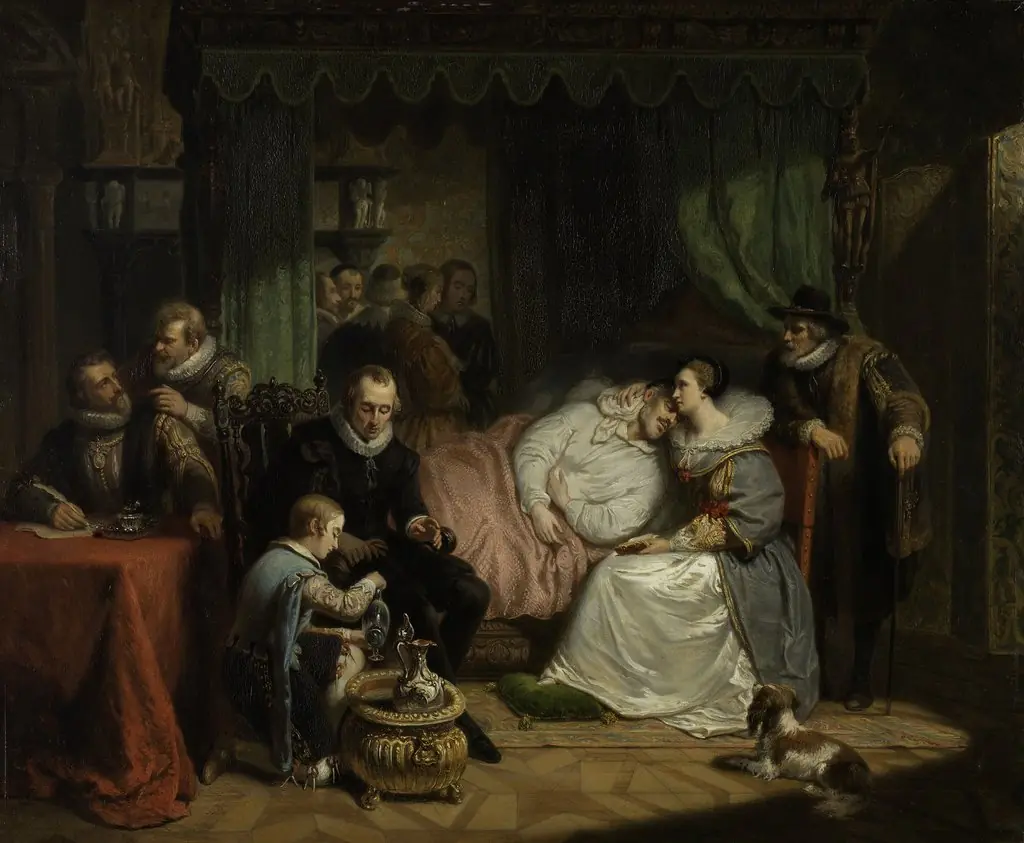 Prince William I after the failed Assassination Attempt by Jean Jaurequi in 1582, Nursed by Charlotte de Bourbon
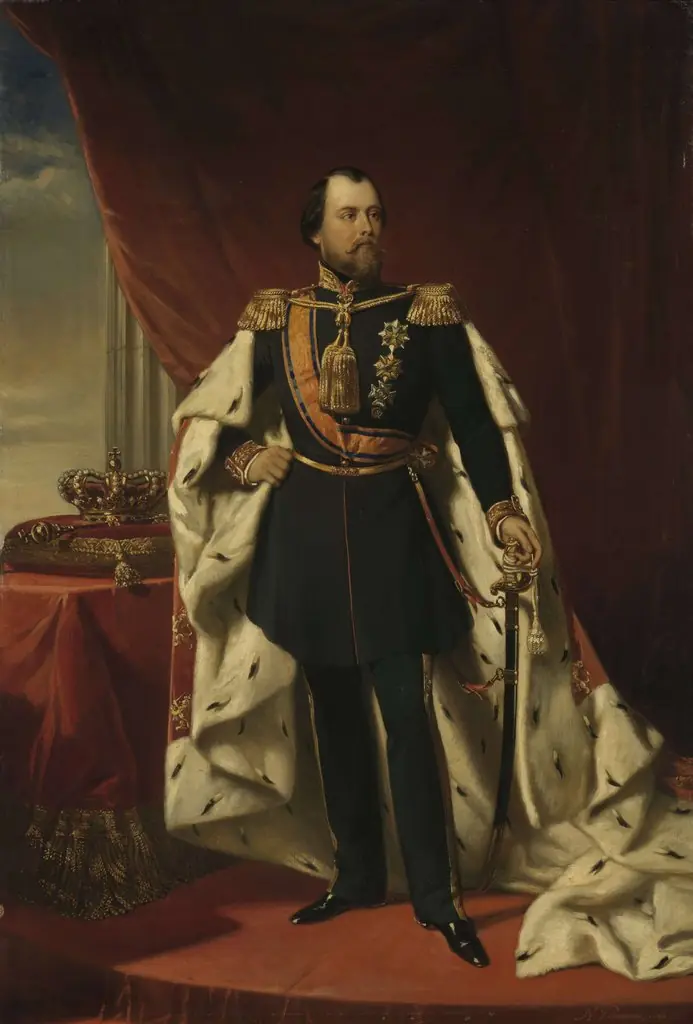 Portrait of William III, King of the Netherlands