Artwork
Self-portrait
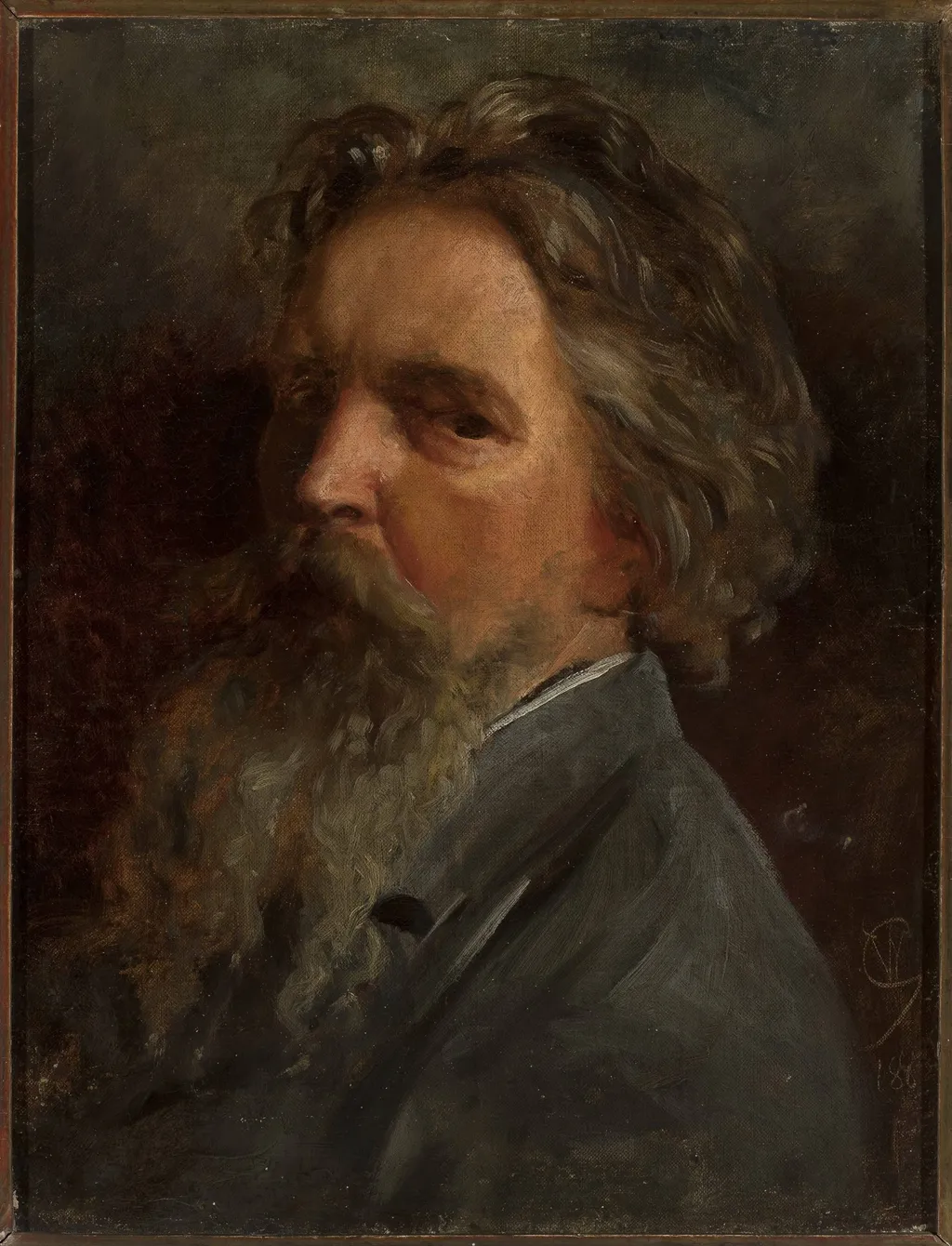
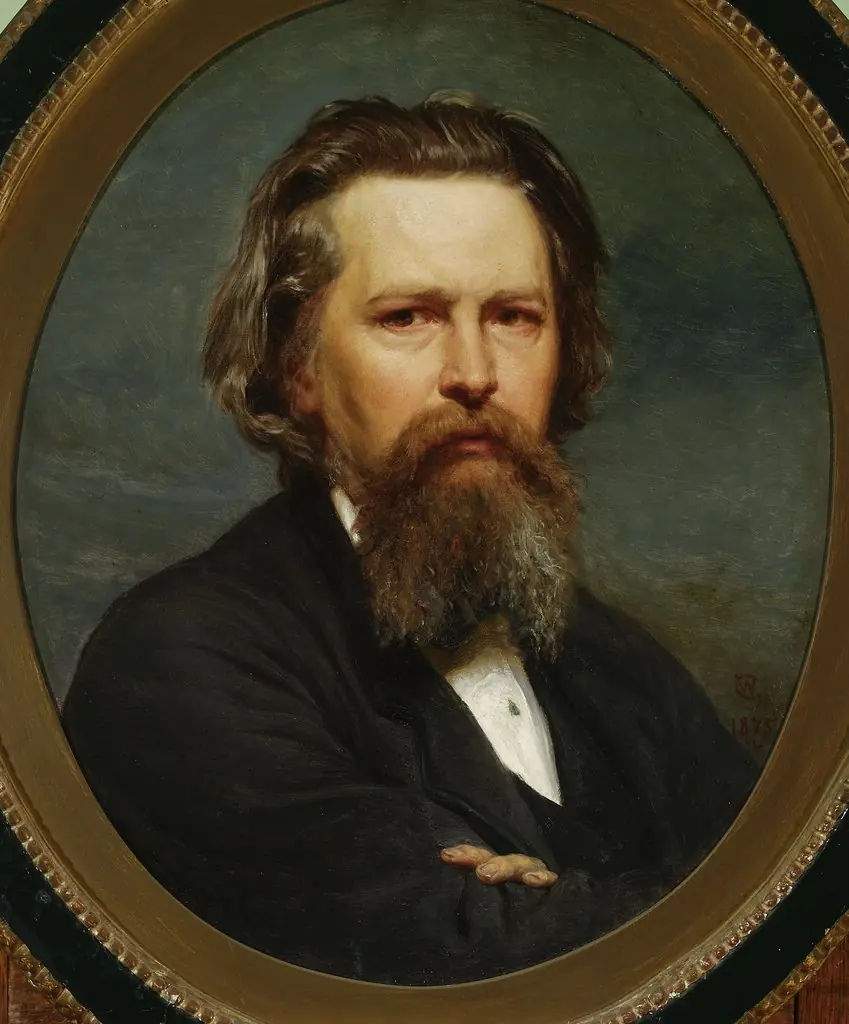
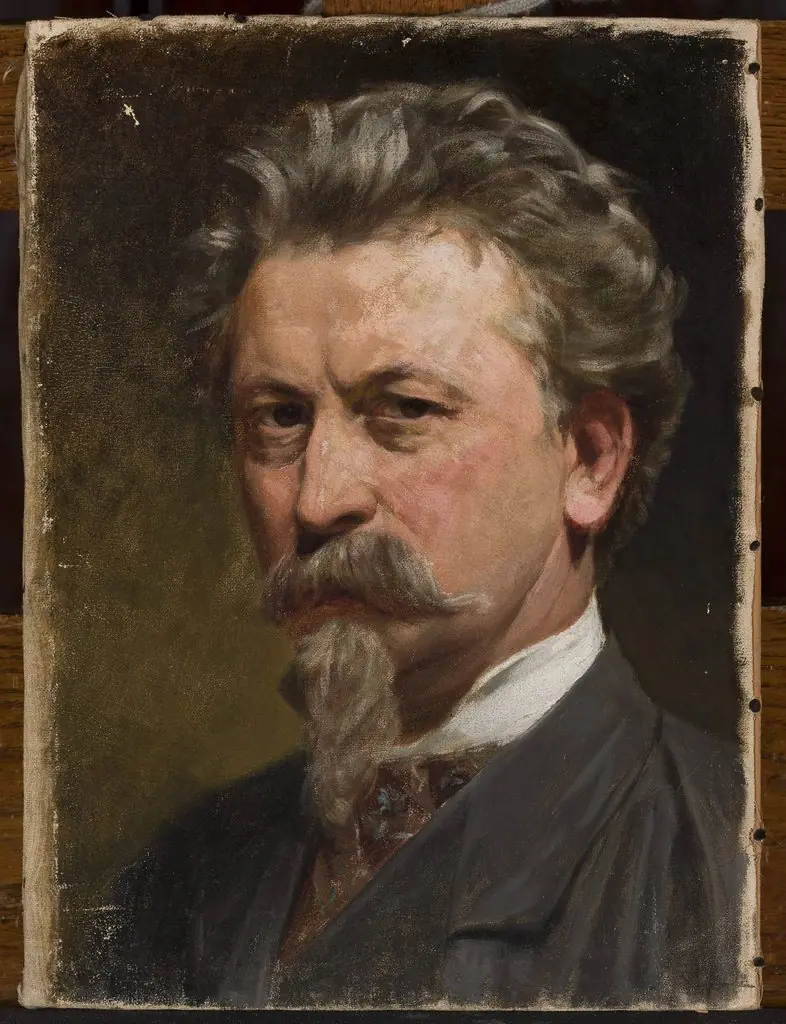
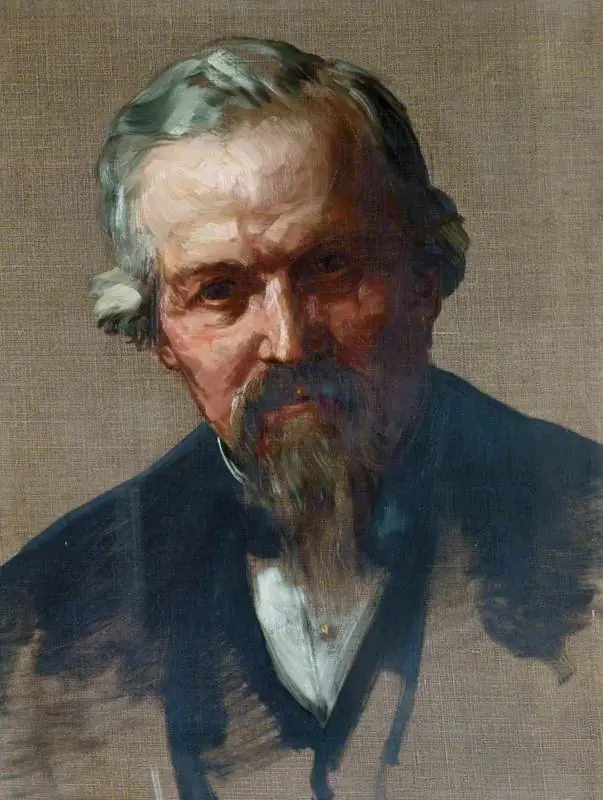
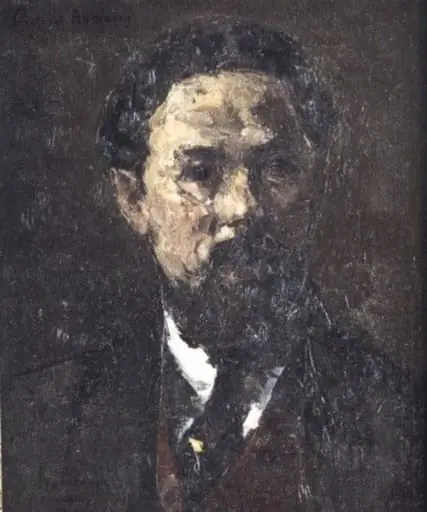
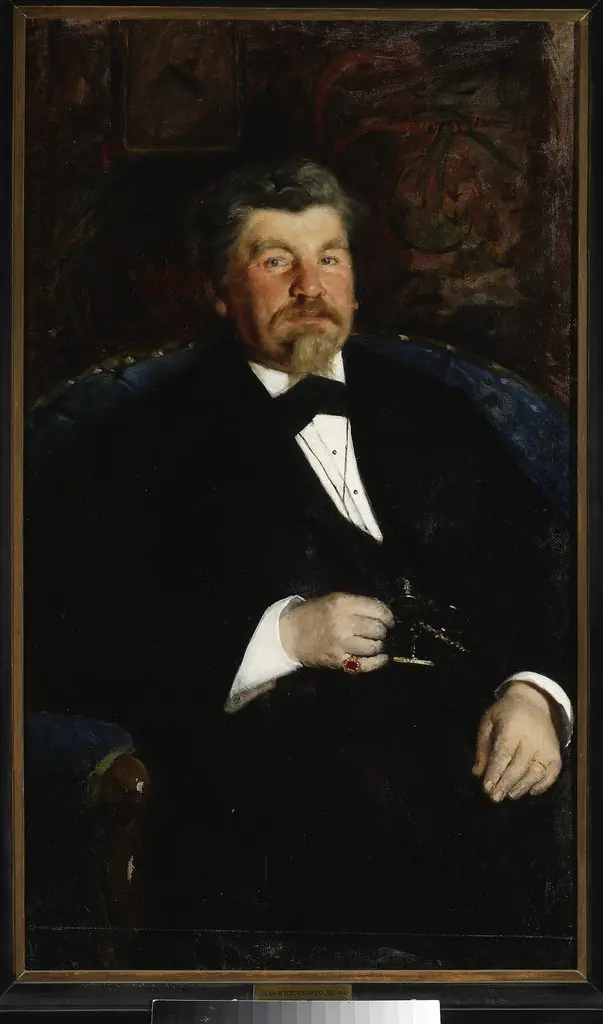
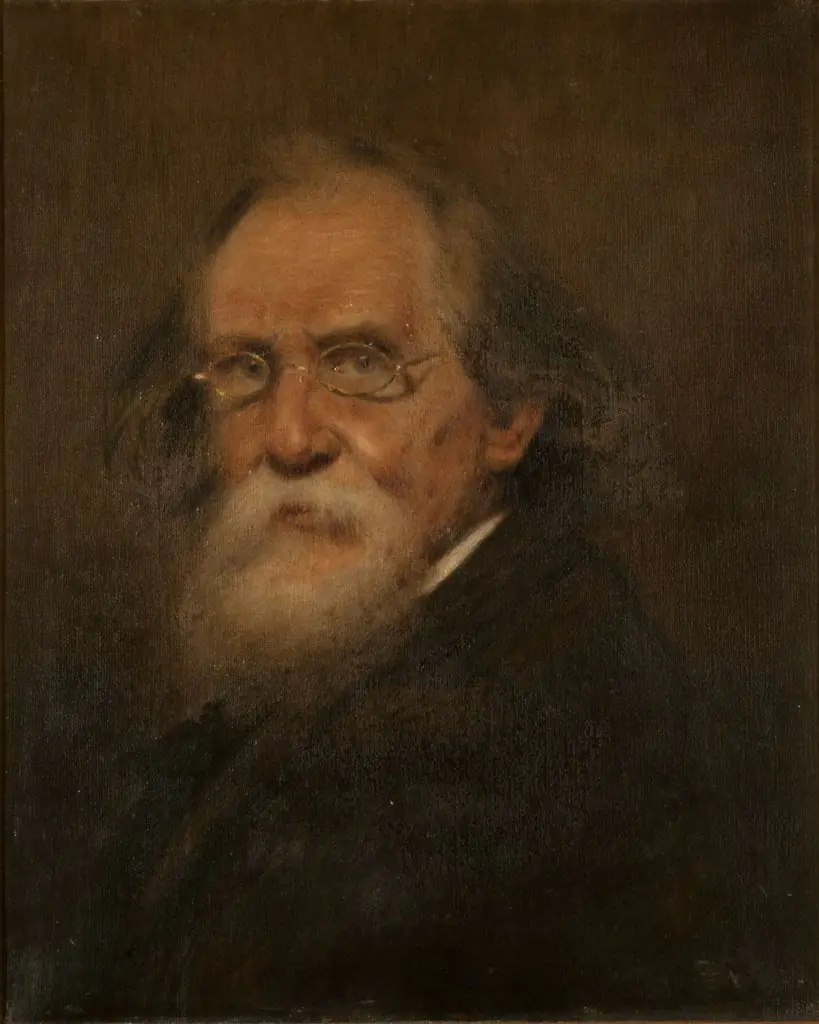
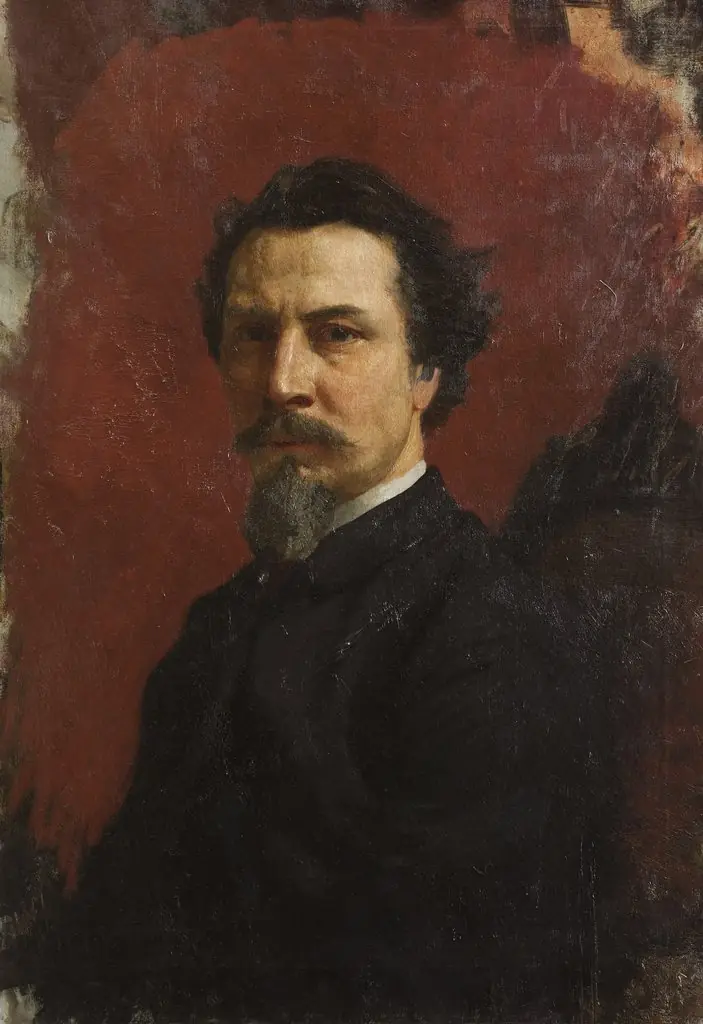
Self-portrait is an oil painting by the Realist artist Wojciech Gerson. It dates from 1893 and is held in the collection of the National Museum in Warsaw.
About this work
Overview
8 centimeters, the work depicts the artist at bust length and is held in the collection of the National Museum in Warsaw under accession number MNW MP 4917.
Self-portrait is an oil on canvas painting by Wojciech Gerson, dated 1867 and completed in 1885. Measuring 47.8 by 36.8 centimeters, the work depicts the artist at bust length and is held in the collection of the National Museum in Warsaw under accession number MNW MP 4917. The painting occupies a significant place in Gerson's oeuvre as a rare self-examination by one of the most prominent representatives of Polish nineteenth-century Academic Art and a central figure in the Polish school of Realism during the foreign Partitions of Poland. As both a practicing artist and the long-time professor who trained generations of Polish painters, Gerson's self-portrait offers insight into how a leading educator and painter chose to present himself to posterity.
Subject & Meaning
The painting presents Gerson as a middle-aged man turned three-quarters to the left, his gaze directed slightly downward and away from the viewer in a contemplative rather than confrontational manner. His abundant wavy brown hair, streaked with gray, and full beard signal maturity and professional standing. The dark gray or charcoal coat with visible collar and single dark button, together with the thin white strip of shirt at the neck, suggest sober, bourgeois respectability rather than artistic bohemianism. The dark, indistinct background of deep browns and blacks creates a shallow, enclosed space that focuses attention entirely on the sitter's physiognomy. This restrained, introspective presentation aligns with Gerson's academic values and his emphasis on disciplined craft over self-dramatization. The downward averted gaze may connote the serious, didactic temperament for which he was known as a teacher who placed historical painting characterized by patriotism and didactic approach at the top of his artistic hierarchy.
Technique & Style
The painting is executed in oil on canvas with a muted palette dominated by earth tones, warm browns, and grayed blues. Light falls from the upper left, illuminating the forehead, nose, and cheekbone while leaving the eye socket and side of the face in shadow, a conventional but effective modeling technique. The brushwork varies across the surface: relatively smooth and blended in the face, with broader, more visible strokes in the hair, beard, and clothing. This differentiated handling demonstrates Gerson's technical facility, with finer finish reserved for the flesh tones where precision matters most. The monogram and date 1867 in the lower right corner indicate the work's inception, though it was not completed until 1885, suggesting an extended period of development or revision. The paint surface shows age-related cracking throughout, consistent with its nineteenth-century origin and oil medium. The overall style reflects academic realism tempered by a direct, observational naturalism that Gerson championed in his teaching.
History & Provenance
The self-portrait was begun in 1867, as indicated by the date in the lower right corner, but was not completed until 1885, a span of eighteen years that coincided with Gerson's most intensive period as a teacher and institutional figure in Warsaw. The painting entered the collection of the National Museum in Warsaw, where it remains today with accession number MNW MP 4917. The extended creation period may reflect the demands of Gerson's pedagogical and administrative responsibilities, which intensified after he became professor at the Warsaw Drawing Class in 1872 and received his professorship from the St. Petersburg Academy in 1878. No specific commission record survives, and the work appears to have been a personal project rather than a commissioned portrait. Its place in Gerson's exhibition history is not documented in the available sources, though the artist participated extensively in exhibitions throughout Poland and internationally from 1860 through 1900.
Context
Gerson stood at the center of Polish artistic life during the second half of the nineteenth century. Born in Warsaw in 1831 during the November Uprising against Russian rule, he trained at the Warsaw School of Fine Arts from 1844 to 1851, then at the St. Petersburg Academy from 1853 to 1855, and finally in Paris under Léon Cogniet from 1856 to 1858. He returned to Warsaw in 1858 and remained there until his death in 1901. As co-founder of the Society for the Encouragement of Fine Arts (Zachęta) in 1860 and professor at the School of Fine Arts from 1872 to 1896, he shaped the next generation of Polish artists including Józef Chełmoński, Leon Wyczółkowski, Władysław Podkowiński, Józef Pankiewicz, and Anna Bilińska-Bohdanowiczowa. Gerson rejected emerging movements, maintaining commitment to academic tradition, historical painting with patriotic themes, and studies from nature. His self-portrait, begun as he entered his most influential teaching period and completed near the height of his institutional power, embodies the conservative, craft-oriented values he propagated. The work must be understood against the backdrop of Poland's partition, when academic art served as a vehicle for national cultural preservation under foreign domination.
Legacy
The self-portrait remains in the National Museum in Warsaw as a tangible connection to an artist whose broader legacy extends far beyond his painted works. Gerson's influence persisted primarily through his students, who carried his emphasis on technical foundation and nature study into diverse directions, from the monumental realism of Chełmoński to the Young Poland movement of Wyczółkowski. His rejection of Impressionism and Symbolism positioned him as a conservative anchor in Polish art, a stance that subsequent generations both respected and reacted against. Many of Gerson's paintings were stolen by Nazi Germany during World War II and never recovered, making surviving works like this self-portrait particularly precious. The painting serves as a document of the man who translated Leonardo da Vinci's Treatise on Painting into Polish, who wrote anatomy manuals for artists, and who institutionalized outdoor landscape study in Polish art education. Today it stands as evidence of how a leading academician of partitioned Poland chose to represent himself: not with flamboyance or innovation, but with the sober, craftsmanlike dignity that defined his career and teaching.
Own this work as a print
Artist & collection
Artist
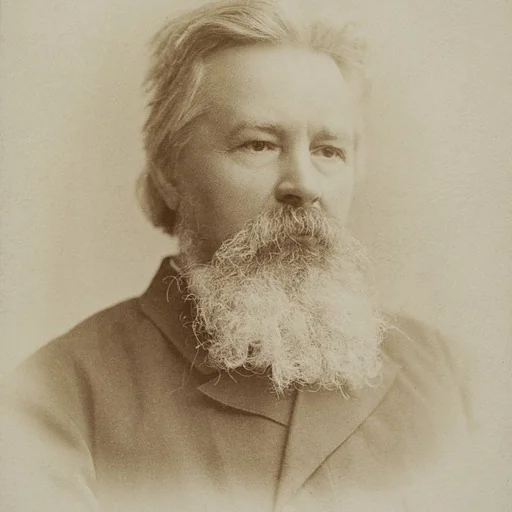
Wojciech Gerson (Polish:; 1 July 1831 – 25 February 1901) was a Polish painter, educator, architect and art critic who was one of the foremost representatives of the Polish school of Realism during the foreign Partitions of Poland.