Artwork
Portrait of Young Duke N.B. Yusupov
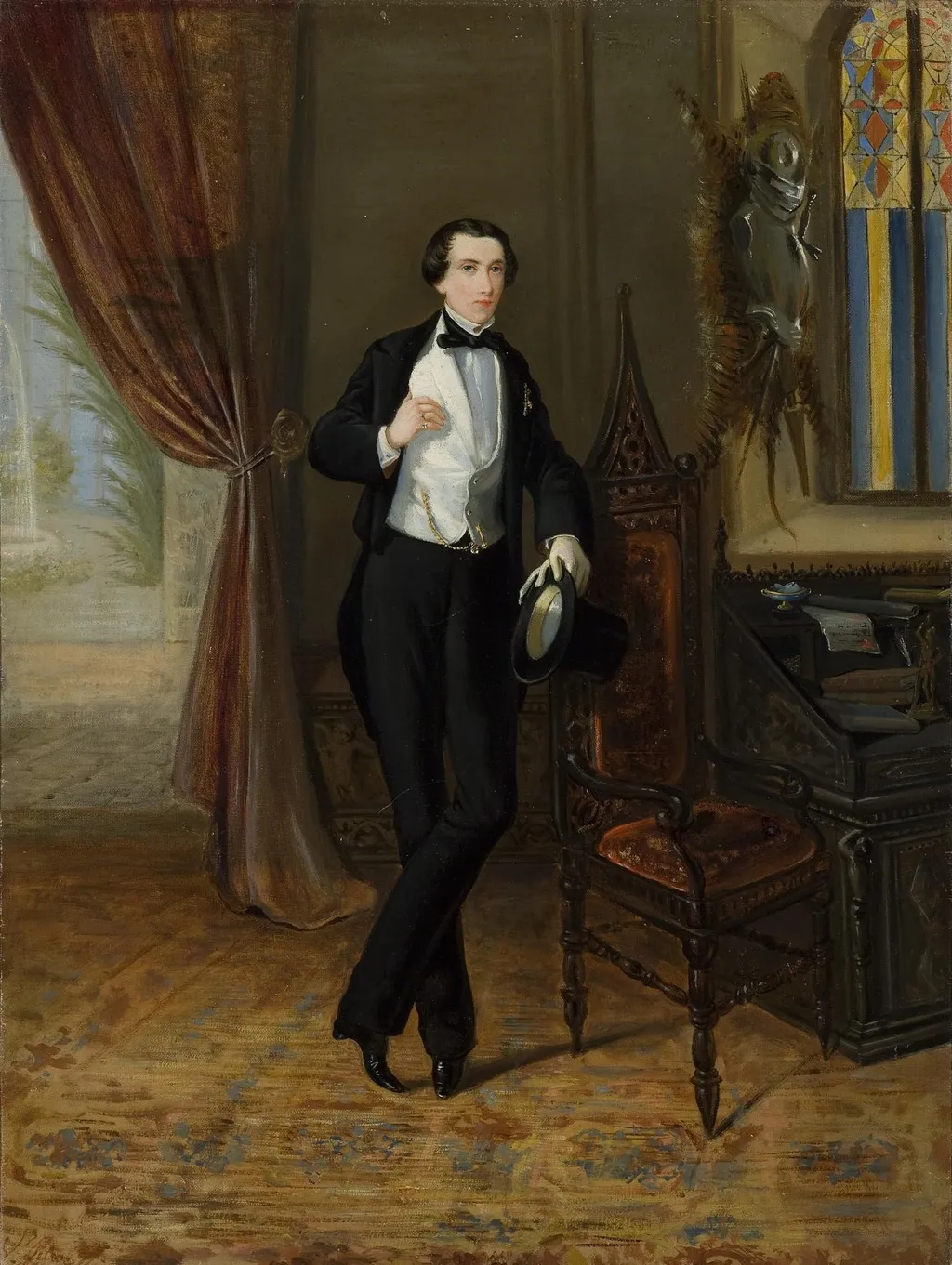
Portrait of Young Duke N.B. Yusupov is an oil painting by the Realist artist Vincenzo Petrocelli. It dates from 1851 and is held in the collection of the Hermitage Museum.
About this work
Overview
It stands as a significant document of mid-nineteenth-century academic portraiture and of the international reach of the Neapolitan school.
The Portrait of Young Duke N.B. Yusupov is an oil-on-canvas painting executed in 1851 by the Neapolitan artist Vincenzo Petrocelli. Measuring 64.5 by 47.5 centimeters, the work depicts Nikolaj Borisovič Yusupov, a member of one of the most powerful princely dynasties of the Russian Empire. Commissioned by the Russian court and acquired for the imperial collections through the personal initiative of Tsar Nicholas I, the painting is now held in the Hermitage Museum in Saint Petersburg. It stands as a significant document of mid-nineteenth-century academic portraiture and of the international reach of the Neapolitan school.
Subject & Meaning
The subject is Duke Nikolaj Borisovič Yusupov, a young aristocrat of the House of Yusupov, whose family ranked among the wealthiest and most influential in tsarist Russia. Petrocelli presents him in full-length format within an interior that signals both worldly refinement and dynastic authority. The duke wears formal black-and-white attire: a black tailcoat, white shirt, light gray waistcoat, black bow tie, and black trousers, with a watch chain across his waistcoat. His right hand holds a black top hat with a light band, while his left hand rests on a tall carved wooden chair. The surrounding objects carry emblematic weight: a suit of armor mounted above a desk evokes chivalric lineage and military tradition, while stacked books and papers suggest administrative engagement. Heavy reddish-brown drapery pulled aside to reveal palm fronds introduces a note of exoticism perhaps alluding to the family's far-reaching interests. A stained glass window with geometric patterns in blue, red, yellow, and white adds a heraldic touch. The overall effect is of a sober, frontal presentation that balances public dignity with restrained psychological presence.
Technique & Style
Painted in oil on canvas, the portrait displays the polished finish characteristic of Neapolitan academic practice filtered through late Bourbon classicism. Light enters from the left, illuminating the sitter's face and shirtfront while casting soft shadows behind him. Petrocelli's handling varies across the surface: the figure is rendered with smooth, controlled brushwork that carefully describes textile textures and physiognomic detail, while the background elements and patterned carpet receive looser, more atmospheric treatment. The palette is dominated by deep browns, blacks, and golds, with touches of white and muted color concentrated in the stained glass window. This chromatic austerity, combined with softly diffused light, creates an aura of solemn composure. The composition is frontal and balanced, demonstrating Petrocelli's command of chiaroscuro and his ability to merge rigorous academic technique with narrative specificity.
History & Provenance
The portrait was painted in 1851, the same year it was exhibited in Naples. It was commissioned by the Russian court and purchased specifically through the will of Tsar Nicholas I Romanov, Emperor of Russia and King of Poland, thereby entering the imperial collections. The work remained in Russian imperial possession through the upheavals of the early twentieth century and subsequently passed to Soviet state collections. It was exhibited in 1946 at the Museum of the Ethnography of the Peoples of the USSR and that same year at the Hermitage, where it remains today under inventory number ЭРЖ-914. Its presence in the Hermitage's nineteenth-century European painting section confirms its status as a fixed element of one of the world's premier collections of academic portraiture.
Context
Vincenzo Petrocelli operated within the sphere of Neapolitan academic painting, a tradition that maintained strong ties to Bourbon court culture while increasingly seeking international patronage. The commission for a portrait of a Russian grand duke illustrates the capacity of this regional school to attract elite clientele beyond the Kingdom of the Two Sicilies. The work exemplifies what scholarship has identified as the historical-celebratory mode of late Neoclassical portraiture: a style that privileges clarity of form, dignity of bearing, and meticulous attention to the signs of status. The painting's acquisition by Nicholas I also reflects the Romanov court's systematic engagement with European artists, a policy through which imperial prestige was visually articulated through cosmopolitan cultural consumption. Petrocelli's portrait thus functions simultaneously as a personal likeness, a dynastic monument, and a token of diplomatic-cultural exchange between the Russian Empire and the Italian states.
Legacy
The Portrait of Young Duke N.B. Yusupov is recognized as one of the most accomplished examples of Petrocelli's official portraiture and of Italian academic painting of the period more broadly. Its residence in the Hermitage has ensured continuous scholarly and public attention, while its exhibition history, though sparse in documented instances, includes significant moments of display in 1851 and 1946 that anchor its reception in specific institutional contexts. The painting serves as a key document for understanding the international circulation of Neapolitan painters in the nineteenth century and their integration into the visual cultures of European monarchies. For the study of Russian-Italian artistic relations, it offers concrete evidence of how portrait commissions functioned as instruments of prestige across political boundaries. The work's afterlife remains tied to its permanent place within one of the world's most visited museums, where it continues to represent both the specific achievement of Petrocelli and the broader phenomenon of academic portraiture as a transnational language of power.
Own this work as a print
Artist & collection
Artist
Vincenzo Pasquale Angelo Petrocelli (6 July 1823 – 2 February 1896) was a Neapolitan artist.

- The Actor Maximilian Korn in a Landscape
 Arthur Wellesley (1769–1852), 1st Duke of Wellington
 Ricardo y Federico Santaló
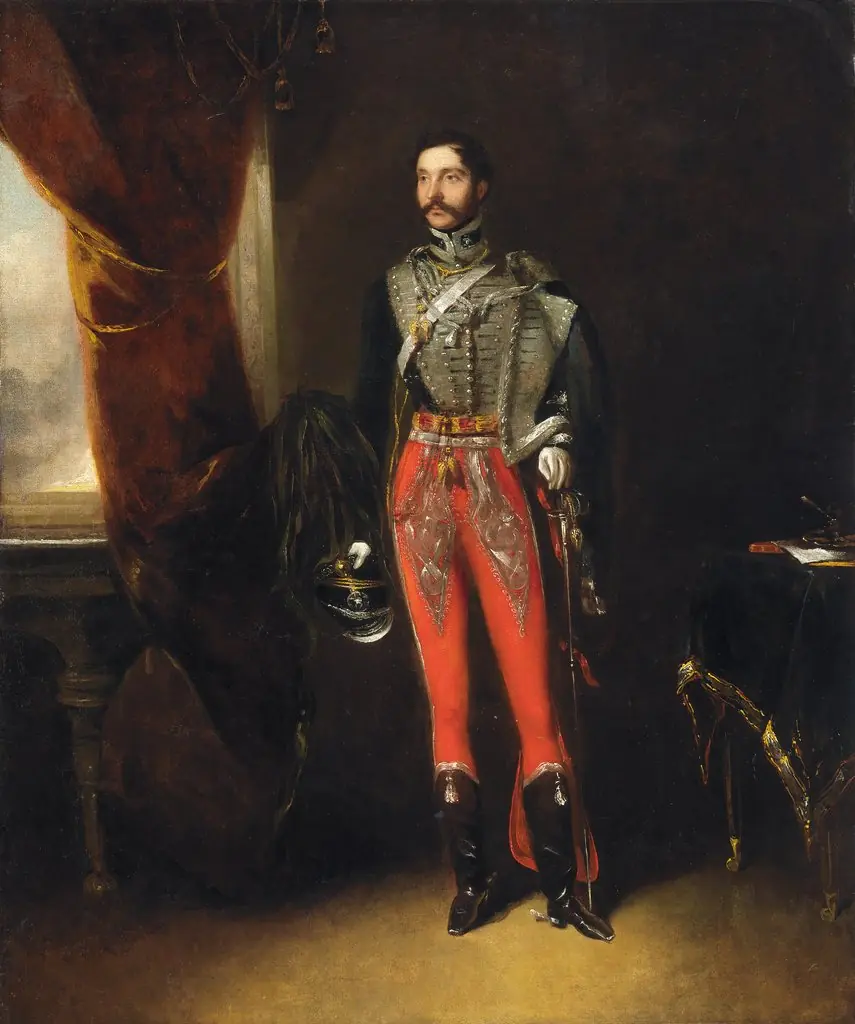 Portrait of Captain McNamara, MP
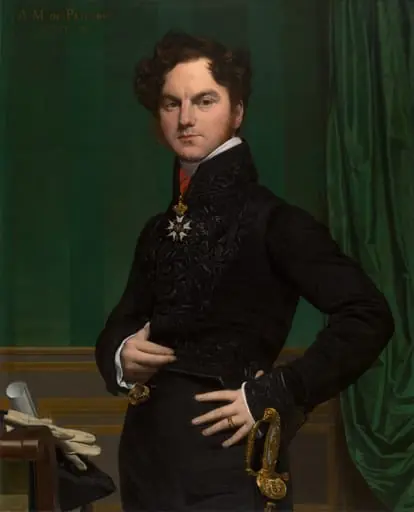 Amédée-David, the Comte de Pastoret
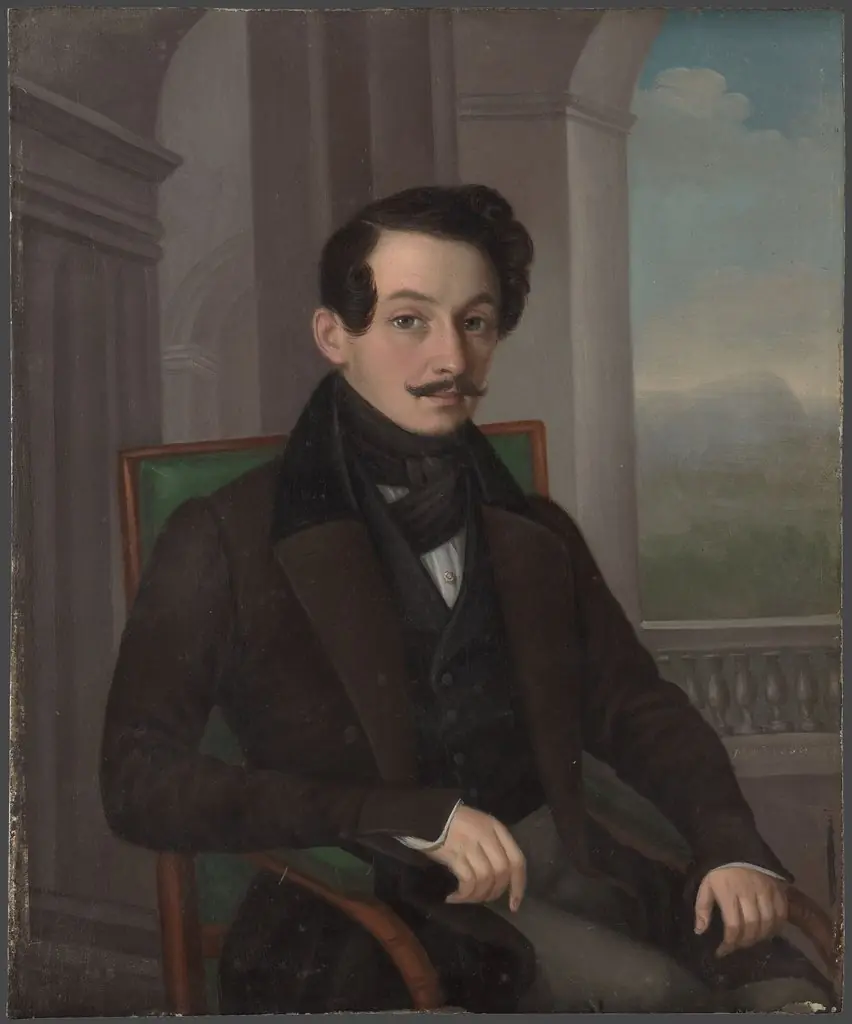 Портрет неизвестного
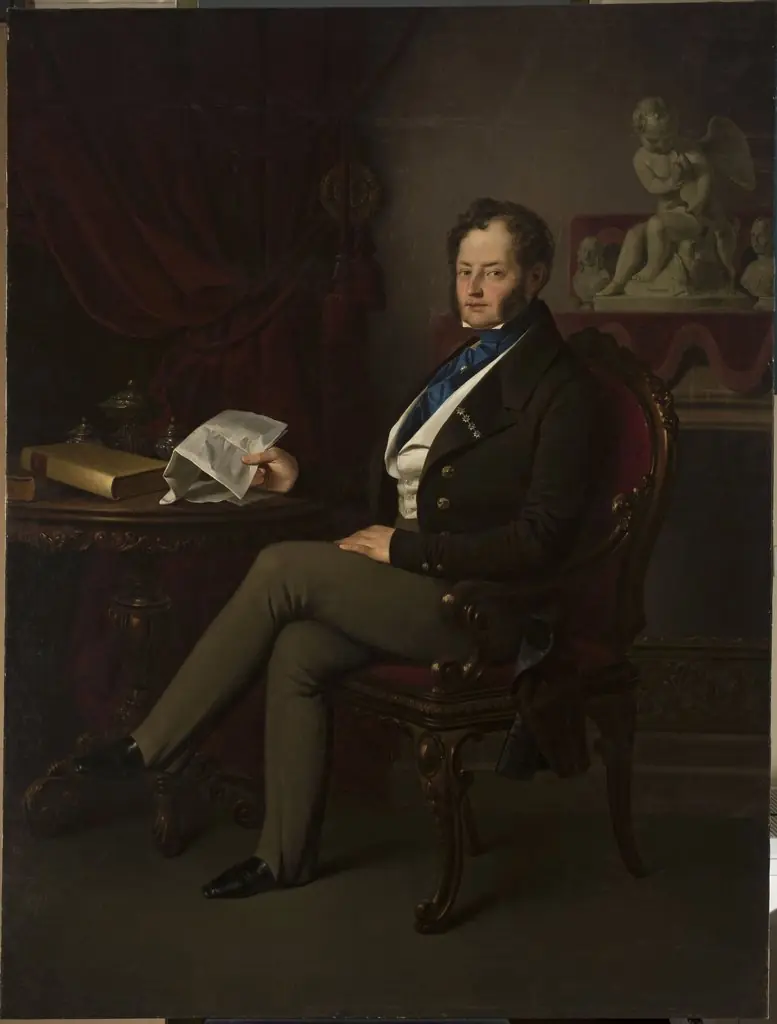 Portrait of Władysław Branicki, seated with a letter in his hand
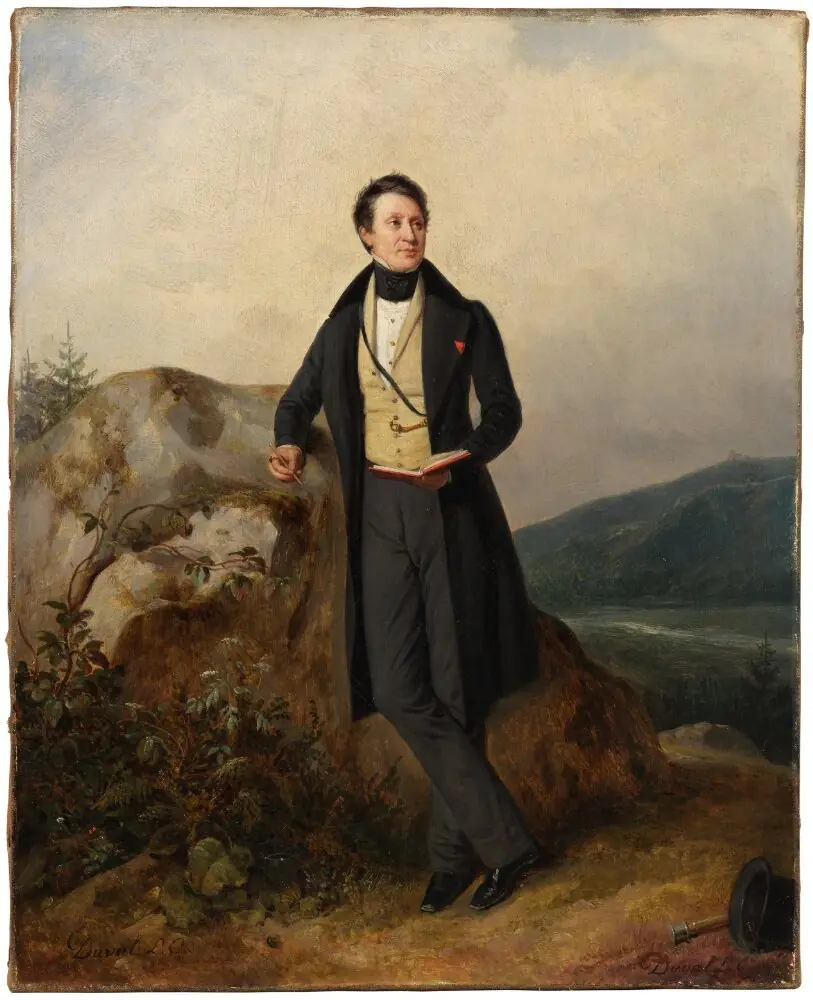 Portrait of an Unknown Man in a Landscape
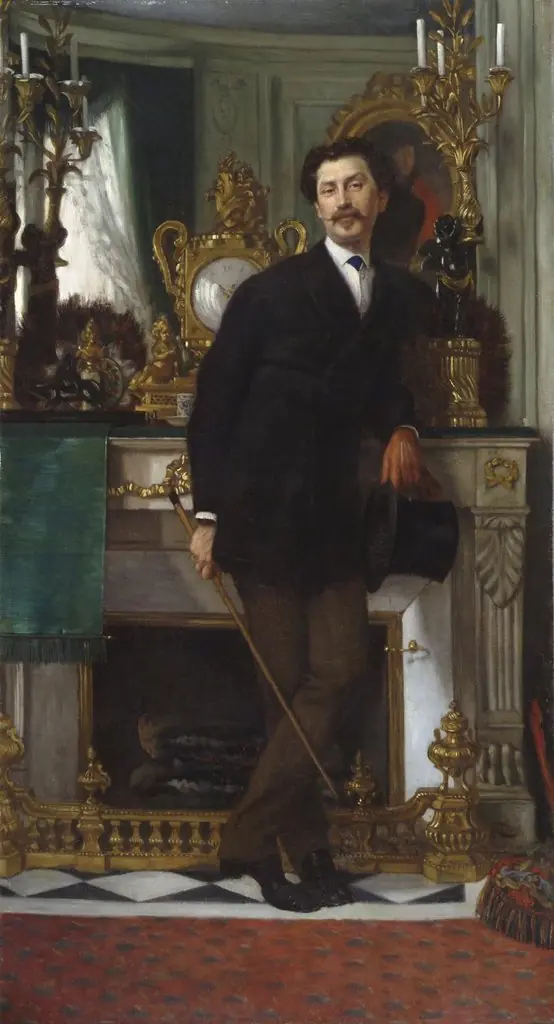 Portrait of Eugène Coppens de Fontenay
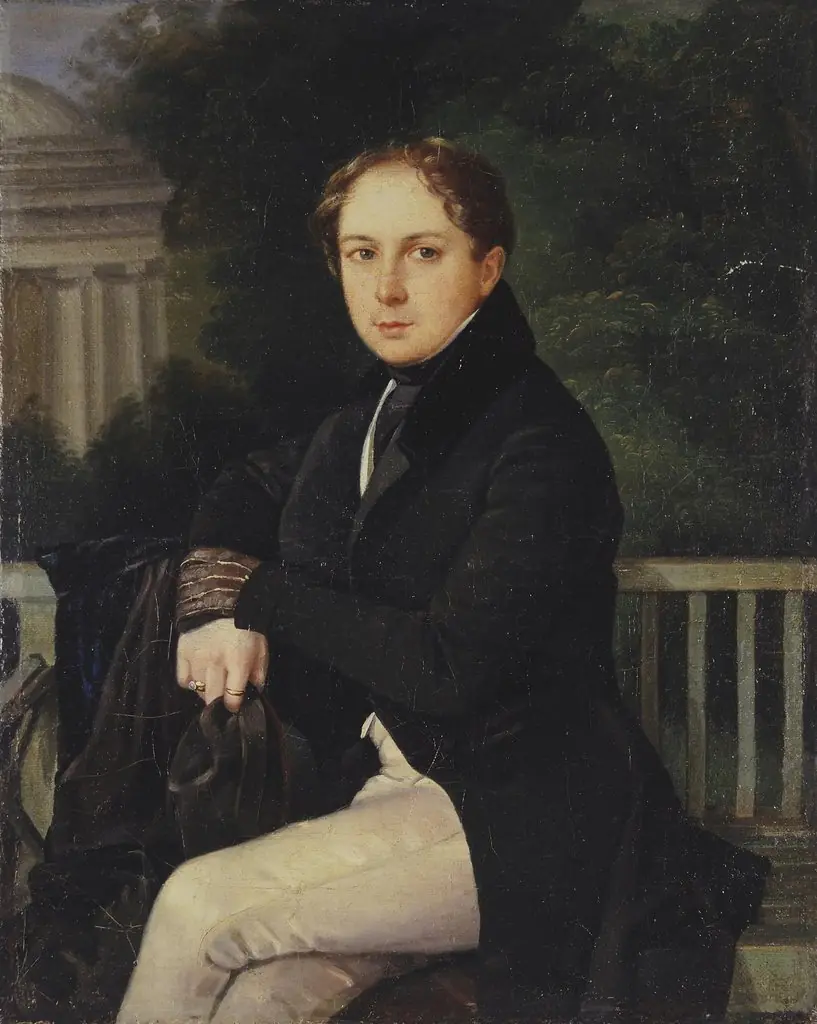 Portrait of an Unknown Man, a Stroganov Family Descendant
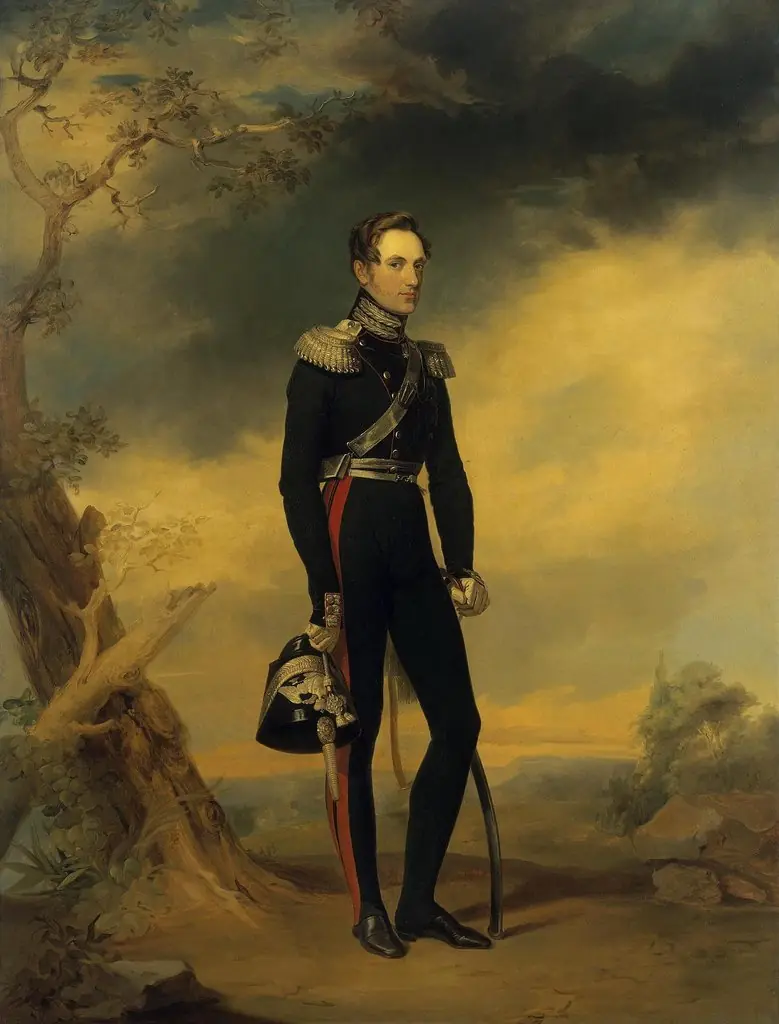 Portrait of Grand Duke Nikolai Pavlovich
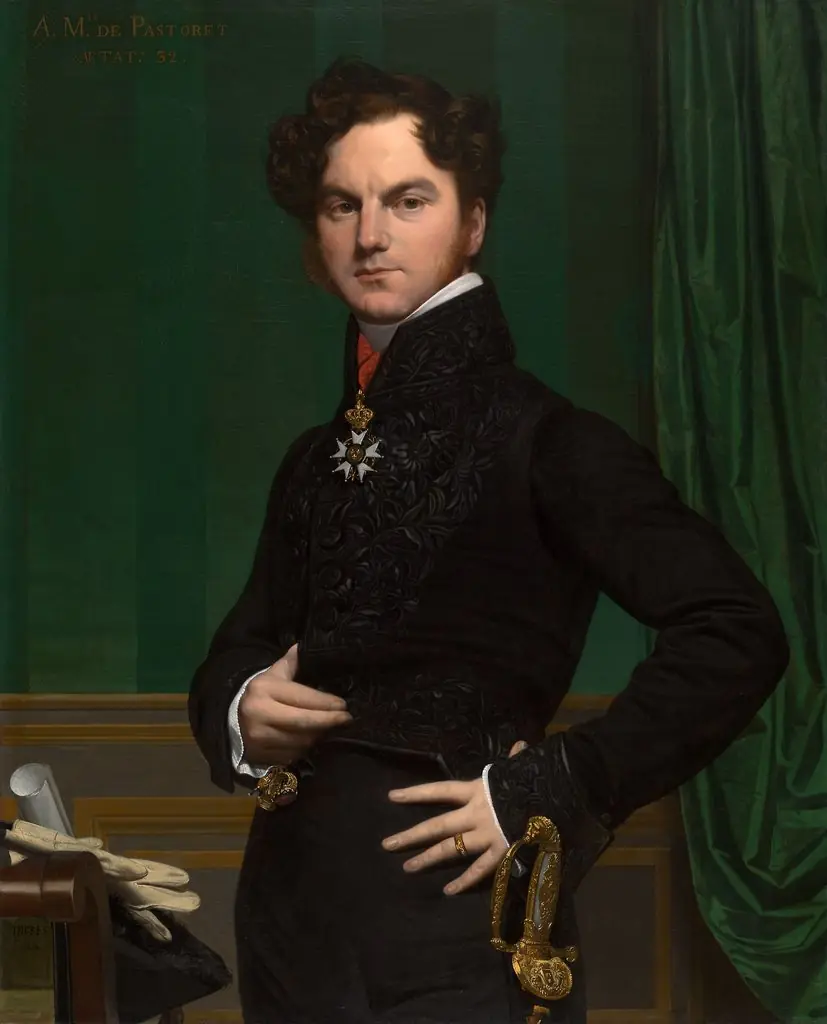 Amédée-David, the Comte de Pastoret