Artwork
Man with a Hoe
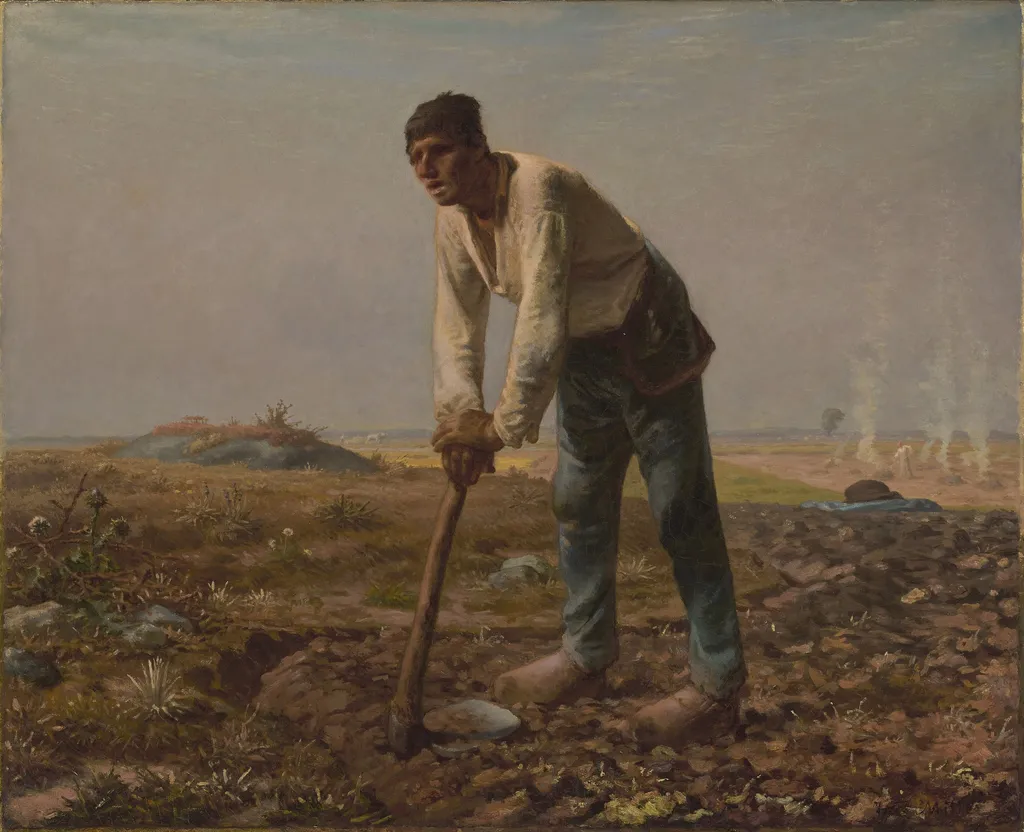
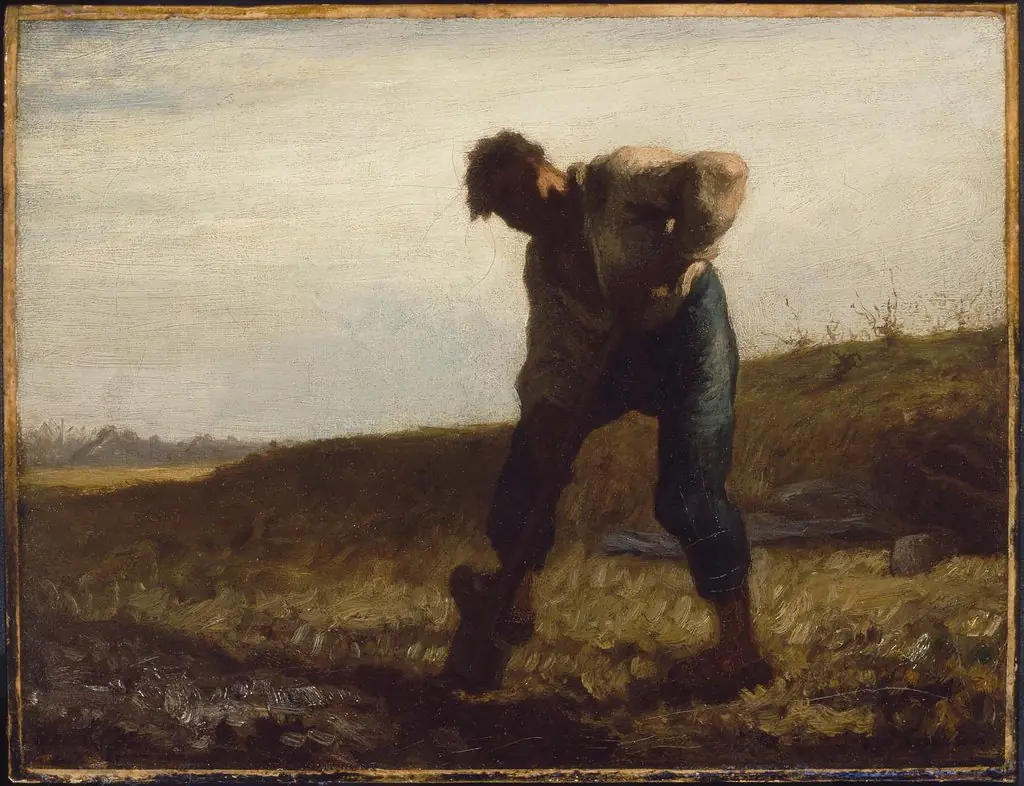
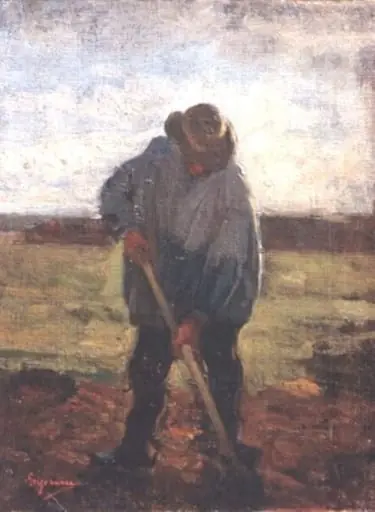
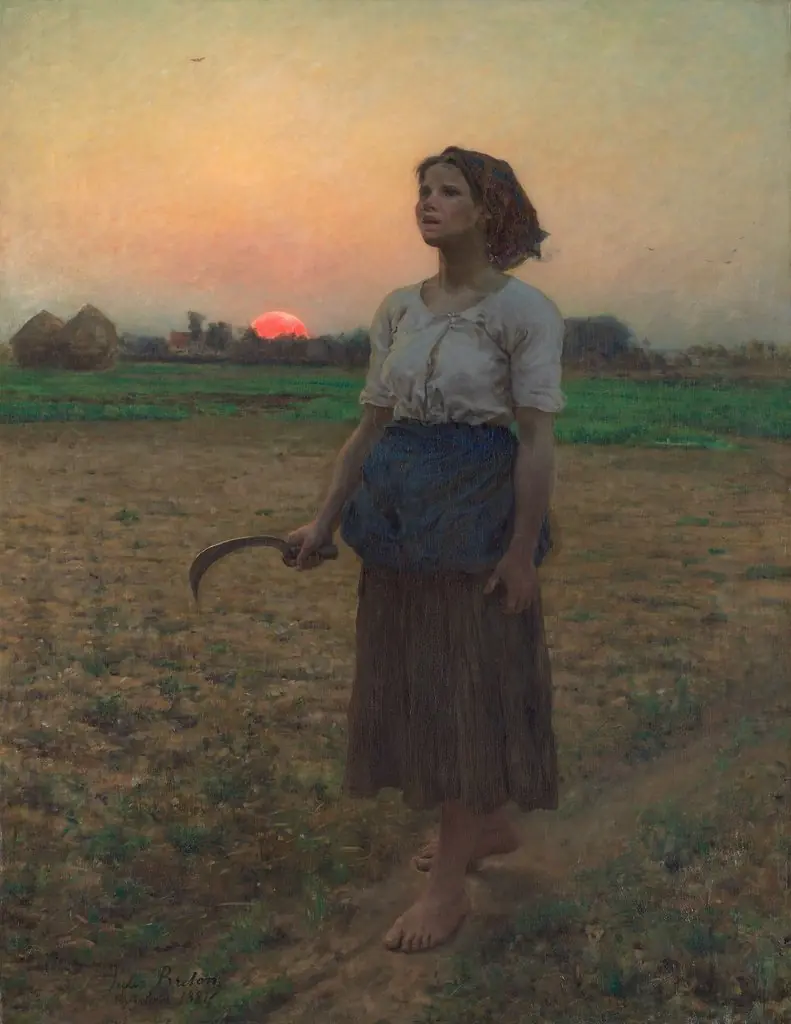
Man with a Hoe is an oil painting by the Realist artist Jean François Millet. It dates from 1860 and is held in the collection of the J. Paul Getty Museum. Jean-François Millet’s oil painting, completed between 1860 and 1862, portrays a solitary agricultural worker pausing amid his toil.
About this work
Overview
Jean-François Millet’s oil painting, completed between 1860 and 1862, portrays a solitary agricultural worker pausing amid his toil. The figure, bent over a hoe, occupies the foreground of a broad, sparsely vegetated field. The work resides in the J. Paul Getty Museum in Los Angeles and is frequently referenced under the title The Labourer.
Subject & Meaning
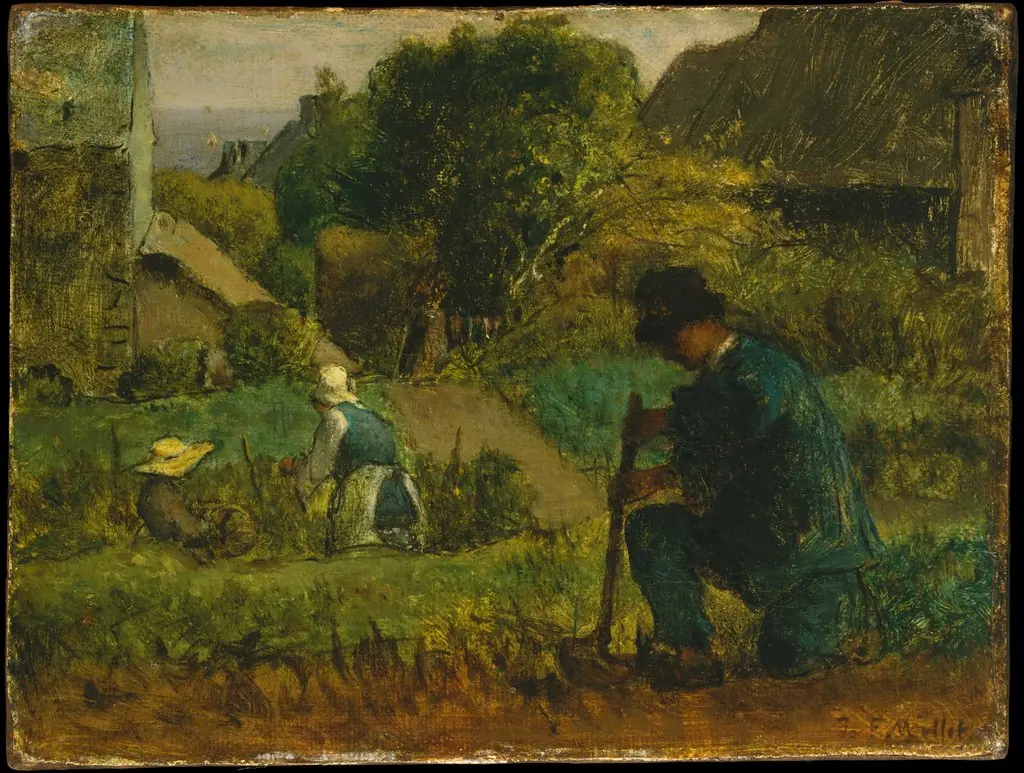
The composition centers on a peasant whose weary posture and strained expression reveal the physical demands of field labor. Dressed in a simple white shirt, dark trousers and boots, he is caught in a moment of respite while confronting stones and stubborn weeds, underscoring the dignity and hardship of everyday rural work.
Technique & Style
Millet employs a muted palette of earth tones, applying paint with a relatively coarse brushstroke that emphasizes texture and the ruggedness of the landscape. Subtle contrasts of light and shadow model the figure’s form, while the open background recedes, reinforcing the sense of isolation and the vastness of the cultivated land.
History & Provenance
Created during the height of French Realism, the painting reflects Millet’s commitment to depicting the lives of common laborers. After changing hands among private collectors, it entered the Getty Museum’s collection, where it remains on public display, offering insight into 19th‑century agrarian society.
Own this work as a print
Artist & collection
Artist
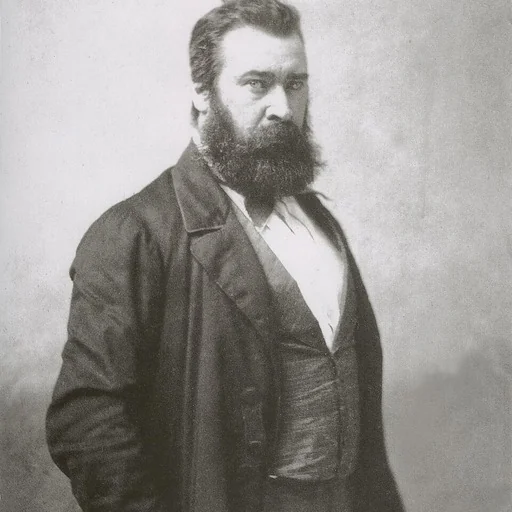
Jean-François Millet (French pronunciation:; 4 October 1814 – 20 January 1875) was a French painter and one of the founders of the Barbizon school in rural France.