Artist
Subject
Peasant is a subject in art. The gallery holds 142 works in this subject in art, including works by Édouard Manet, Vincent van Gogh and Jean François Millet.
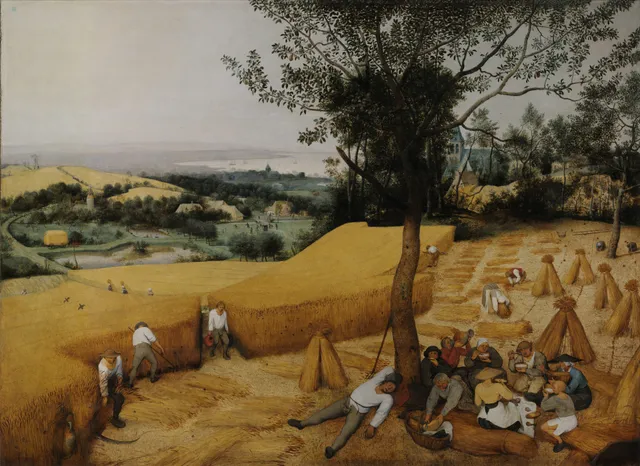
The peasant — the pre-industrial farmer or rural laborer bound to the land under feudal and post-feudal economies — became one of European art's most enduring subjects, but only gradually escaped the margins. In medieval manuscripts and Books of Hours, agricultural workers appeared chiefly to personify the labors of the months. The figure moved to center stage in sixteenth-century Flanders with Pieter Bruegel the Elder, whose unidealized scenes of country life earned him the nickname "Peasant Bruegel." His *The Harvesters* (1565, now at the Metropolitan Museum of Art) — one of a six-panel cycle of the seasons commissioned by the Antwerp banker Nicolaes Jonghelinck — is often called the first modern landscape, suppressing religious pretext in favor of workers scything wheat and dozing in the midday heat.
Bruegel's example seeded a whole tradition. In the seventeenth century, Flemish and Dutch painters made peasant life a popular genre: Adriaen Brouwer's rowdy tavern brawls, and the warmer, more affectionate interiors of Adriaen van Ostade and David Teniers the Younger, who depicted drinking, smoking, card-playing, and village fairs with humor rather than moral judgment. In France the three Le Nain brothers — Antoine, Louis, and Mathieu — painted gravely dignified peasant families around 1640, restraining the genre's comic impulse.
The nineteenth century recast the peasant as a vehicle for social conscience. Jean-François Millet, a founder of the Barbizon School, monumentalized rural toil in *The Gleaners* (1857) and *The Angelus*, ennobling labor that Realists like Gustave Courbet and, in Russia, the Peredvizhniki would also champion. Vincent van Gogh, who revered Millet as the "eternal master" of the genre, produced his early masterpiece *The Potato Eaters* (1885) in Nuenen, painting laborers eating by lamplight in deliberately coarse, earthen tones.
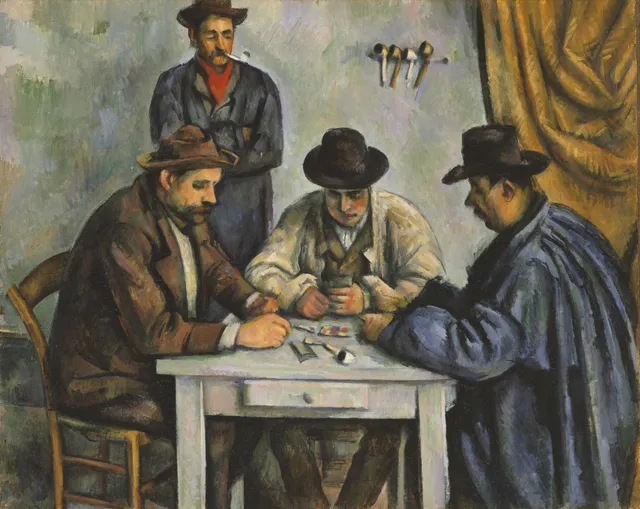
The peasant subject persisted into modernism and beyond. Paul Cézanne's *The Card Players* series of the 1890s distilled Provençal farmhands into near-architectural stillness, while Grant Wood's *American Gothic* (1930) transplanted the rural archetype to Depression-era Iowa. Across four centuries the theme retained a consistent visual grammar — earthy palettes, weathered faces, the weight of labor, the rhythms of harvest and tavern — and works such as Paulus Potter's pastoral cattle scenes and the festive tavern interiors of Richard Brakenburgh and Daniël Boone extend that lineage of close, sympathetic observation of common life.
Artist

Artist
The peasant, defined as a pre-industrial agricultural laborer or farmer with limited land-ownership, represents one of the most enduring and complex subjects in Western art. Rooted in the social structures of feudal Europe, where three classes existed, non-free slaves, semi-free serfs, and free tenants, the peasant figure has served as both documentary record and powerful social commentary. The motif recurs across centuries not merely as pastoral decoration, but as a vehicle for examining human dignity, labor, and connection to the land. From Pieter Bruegel the Elder's 16th-century Flemish village scenes to Vincent van Gogh's emotionally charged rural studies, artists have repeatedly returned to peasant subjects, finding in them universal truths about struggle, survival, and the fundamental rhythms of existence tied to agricultural cycles.
The iconography of the peasant in art carries layered significance that evolved substantially across periods. Early depictions often presented peasants as comic or picturesque figures, secondary elements in pastoral landscapes. This shifted dramatically with the Realism movement, when peasants became heroic subjects worthy of monumental treatment. Key symbolic attributes include tools of labor, plows, scythes, and baskets, humble domestic objects such as earthenware pots and wooden clogs, and settings of field, tavern, and humble dwelling. The peasant figure accrued multiple meanings, at times representing rustic simplicity and connection to nature, at others embodying social oppression and poverty. Religious symbolism frequently infused peasant scenes, as in Jean-François Millet's The Angelus, where prayer interrupts agricultural labor, linking work and devotion. Vincent van Gogh employed somber, earthy palettes deliberately to convey what he called 'the color of a good, dusty potato,' rejecting academic polish for emotional authenticity. The rough, unblended brushwork in peasant works often mirrored the labor-worn hands and weathered surroundings of the subjects themselves, transforming technique into social statement.
The treatment of peasant subjects transformed substantially across artistic movements and historical periods. The Northern Renaissance marked a decisive turn when Pieter Bruegel the Elder established a template for depicting Flemish village life, presenting peasants as complex individuals rather than caricatures. The Dutch Golden Age continued this tradition through genre painting, with artists like Adriaen van Ostade achieving remarkable psychological depth in peasant interiors. The 19th century witnessed the most dramatic transformation, as French Realists Jean-François Millet and Gustave Courbet rejected idealized pastoralism for unvarnished depictions of agricultural labor. Millet's monumentalization of rural workers sparked controversy by challenging bourgeois assumptions about appropriate artistic subjects. Vincent van Gogh's early Dutch period, 1881-1885, represented a crucial synthesis, as he created character studies of farmers, weavers, and fishermen that formed a foundational component of his artistic development. His later Post-Impressionist works from Saint-Rémy-de-Provence transformed rural subjects through expressive distortion and intense color, bridging early realism with mature symbolic style. Twentieth-century artists like Diego Rivera monumentalized peasant labor in murals celebrating indigenous traditions while critiquing colonial exploitation, shifting the motif toward explicitly political ends.
Several depictions of peasants have achieved canonical status in art history. Jean-François Millet's The Gleaners, 1857, remains the clearest expression of the peasant life theme, showing three women gathering leftover grain with monumental dignity that contrasts their poverty with the abundance of distant harvest. His The Angelus presents a peasant couple pausing in prayer, linking work, faith, and rural routine. Vincent van Gogh's The Potato Eaters, 1885, represents a crucial turning point in his career, depicting a peasant family gathered around their meager meal with raw, almost brutal honesty using deliberately dark, earthy tones. Van Gogh's broader Peasant Character Studies series, created between 1881 and 1885, comprised a large body of foundational work including studies of weavers and rural laborers. Grant Wood's American Gothic, held in this collection, offers a distinctly American interpretation of rural identity, while works like The Card Players and Tavern interior with dancing peasants demonstrate the motif's operation across national schools and periods. Van Gogh's particular attachment to peasant subjects was fueled by his admiration for Millet and others, whom he described as having 'religious significance' and being 'voices of the wheat.'
The peasant subject's later influence extends far beyond its historical period of greatest prominence. Van Gogh's peasant works established a model for representing working people with profound empathy rather than picturesque charm, influencing subsequent generations of socially engaged artists. The motif's cultural afterlife includes its adoption by political movements, Via Campesina claims to represent 200 million farm-workers and self-defines as an 'International Peasant's Movement,' and its formal recognition by international bodies, the United Nations adopted the Declaration on the Rights of Peasants and Other People Working in Rural Areas in 2018. In art historical terms, the peasant subject facilitated crucial technical and conceptual developments, from Realism's social consciousness to Post-Impressionism's expressive possibilities. The term itself has undergone significant semantic evolution, acquiring pejorative connotations in some contexts while being reclaimed in others. In 21st-century English, usage has steadily declined since about 1970, even as contemporary artists continue engaging rural themes through ecological or globalized perspectives. The enduring power of peasant depictions lies in their dual function as both specific historical documents and universal statements about human labor, dignity, and our relationship to the natural world.
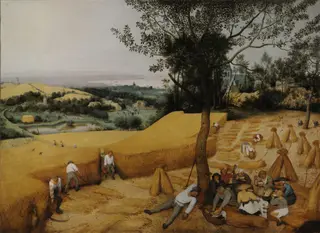 The Harvesters
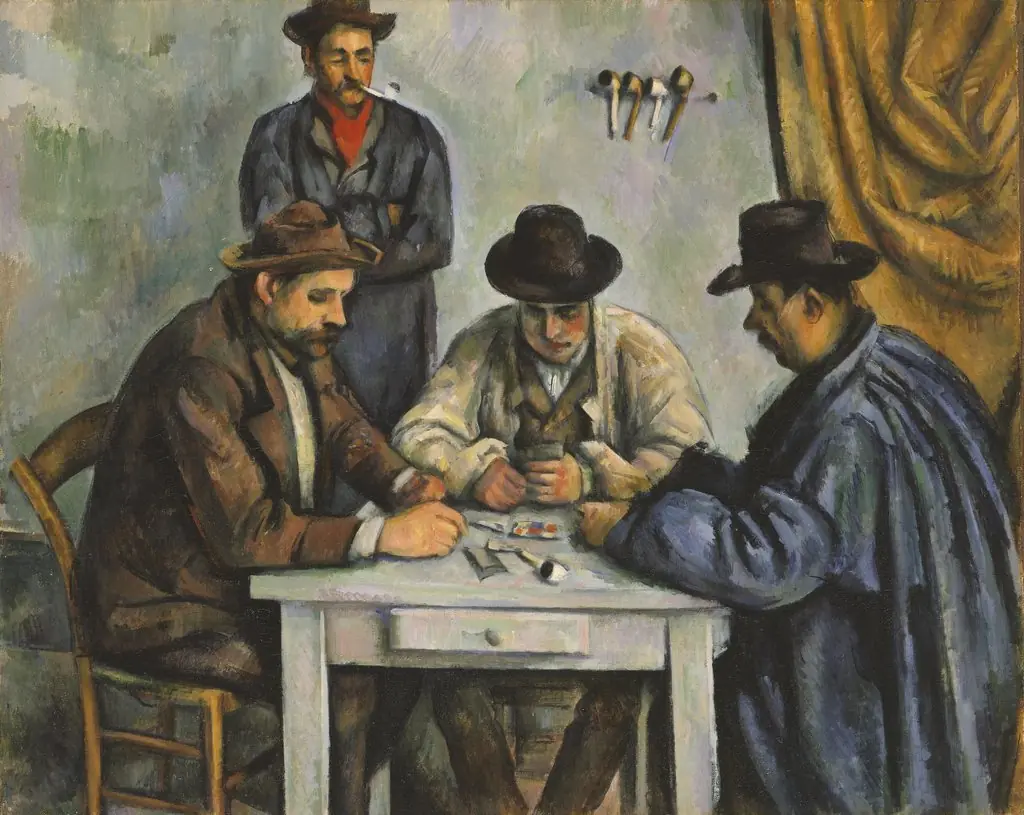 The Card Players
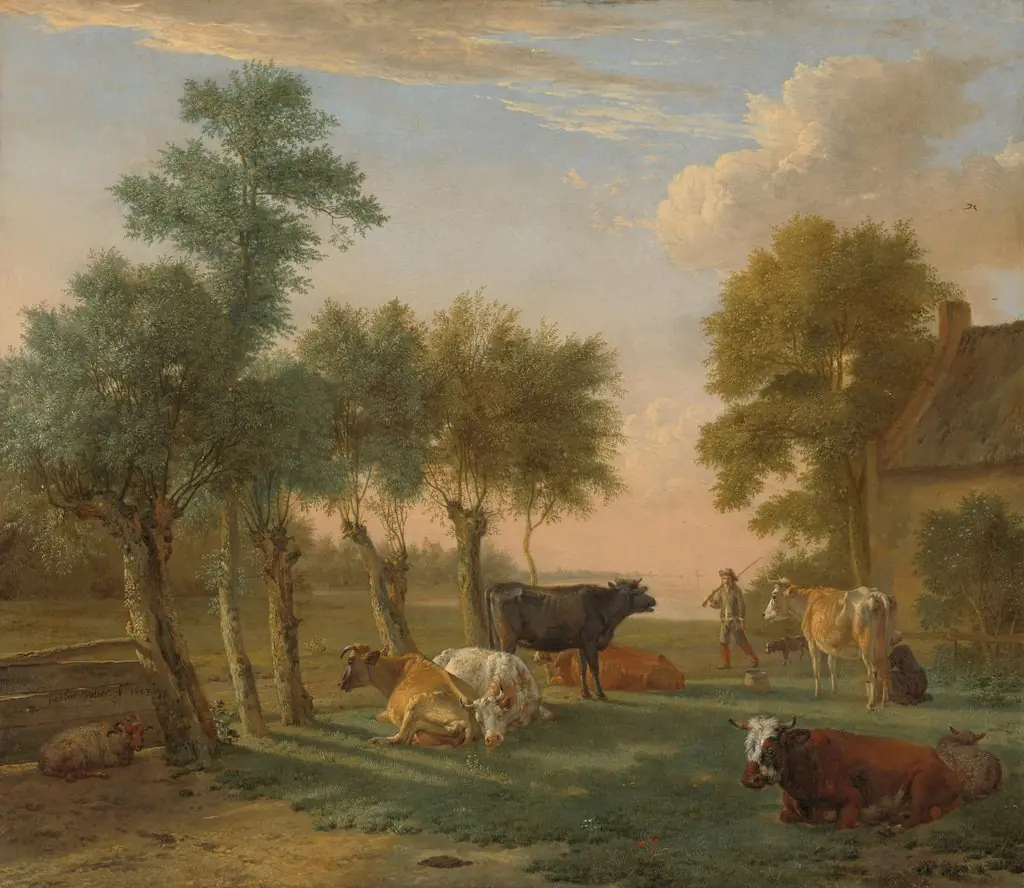 Cows in a Meadow near a Farm
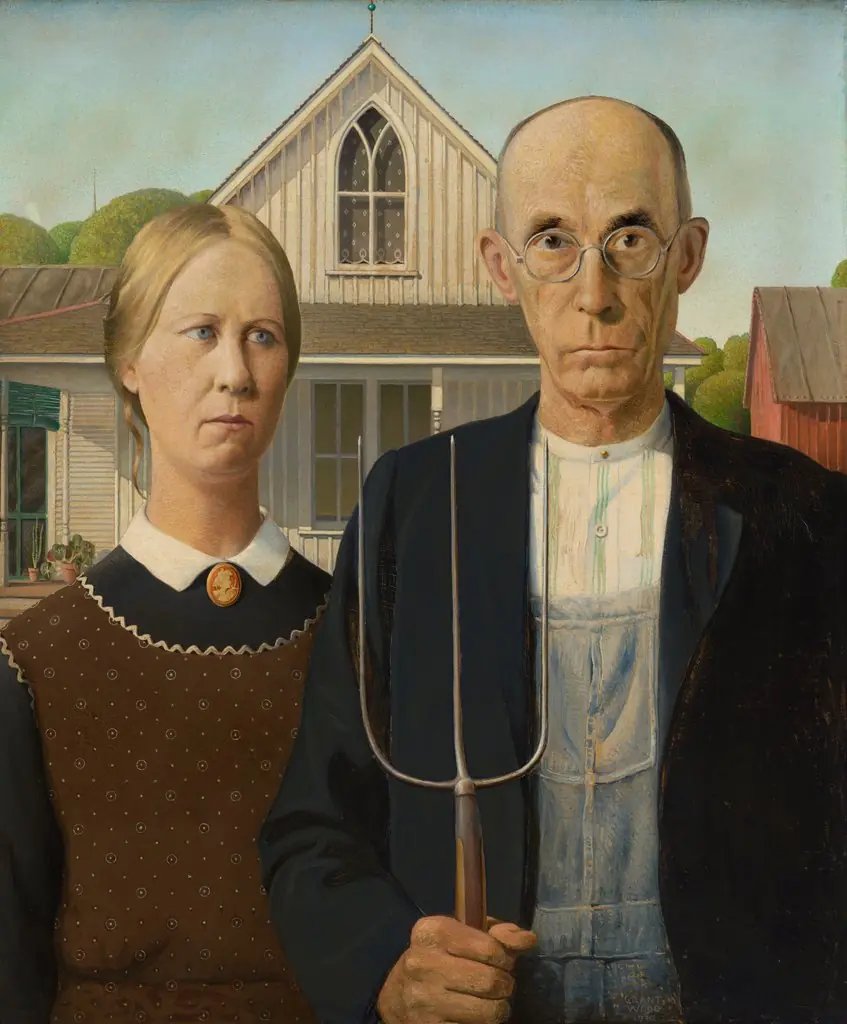 American Gothic
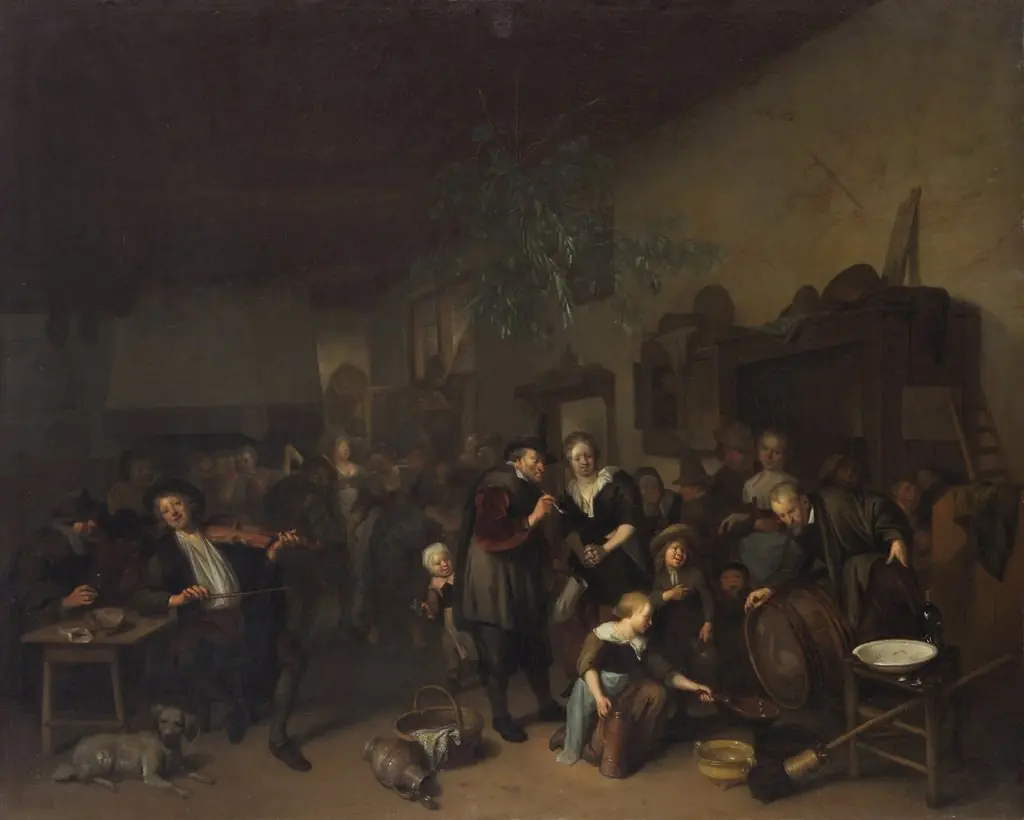 Tavern interior with dancing peasants,
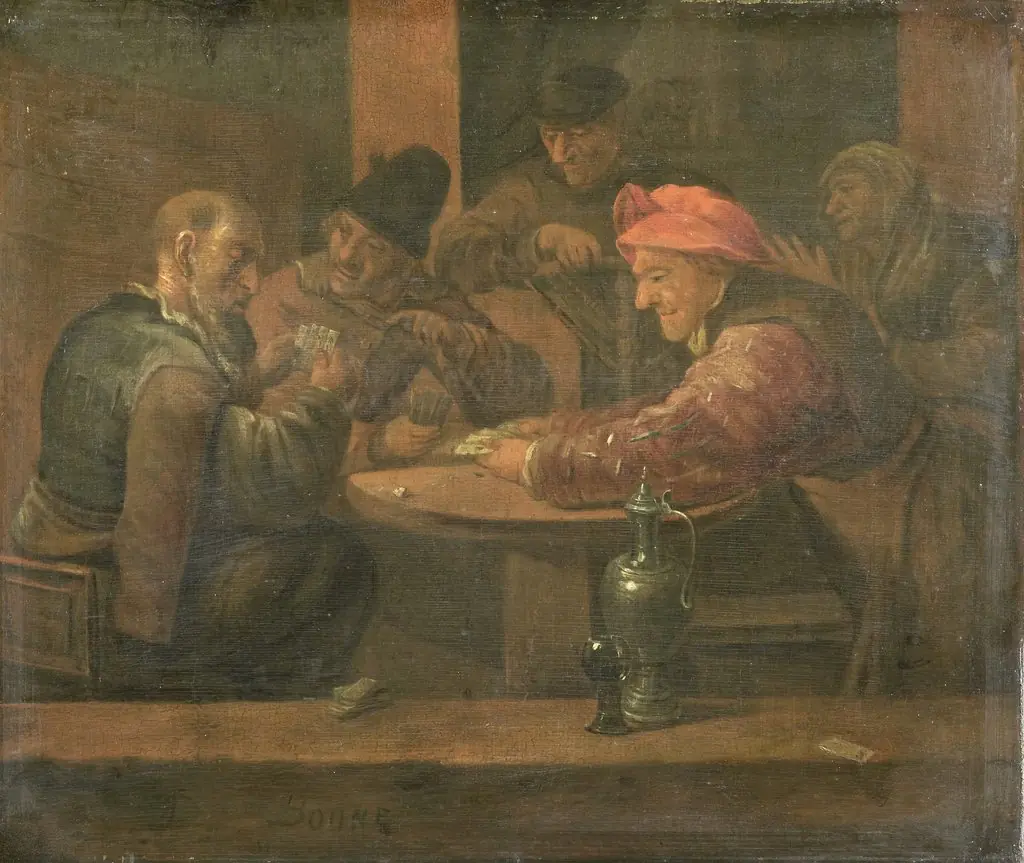 Peasants playing cards
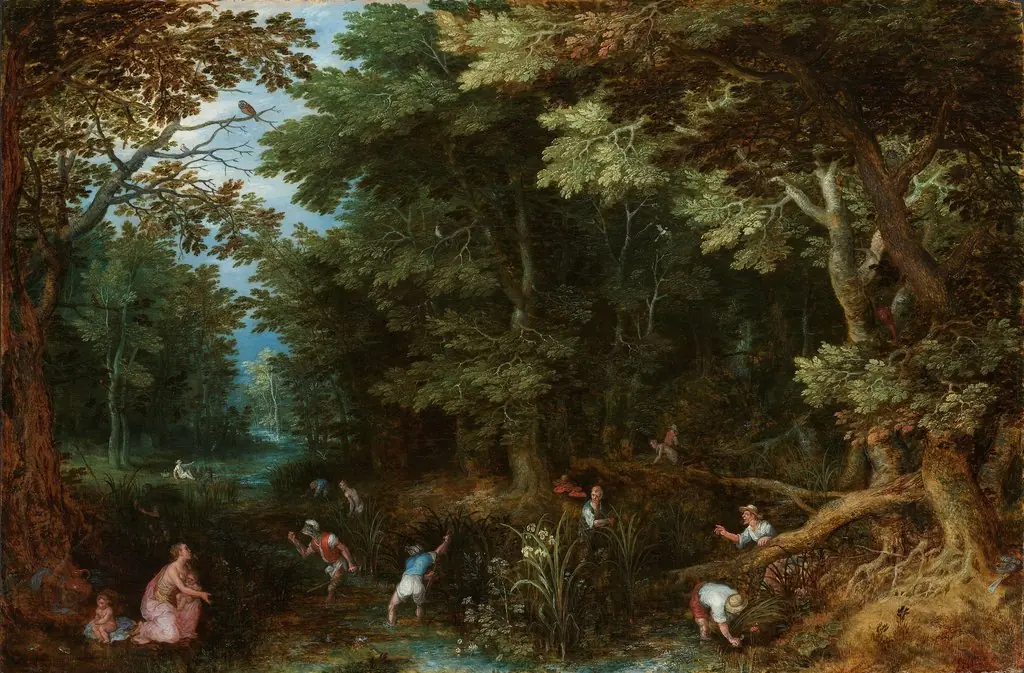 Latona and the Lycian Peasants
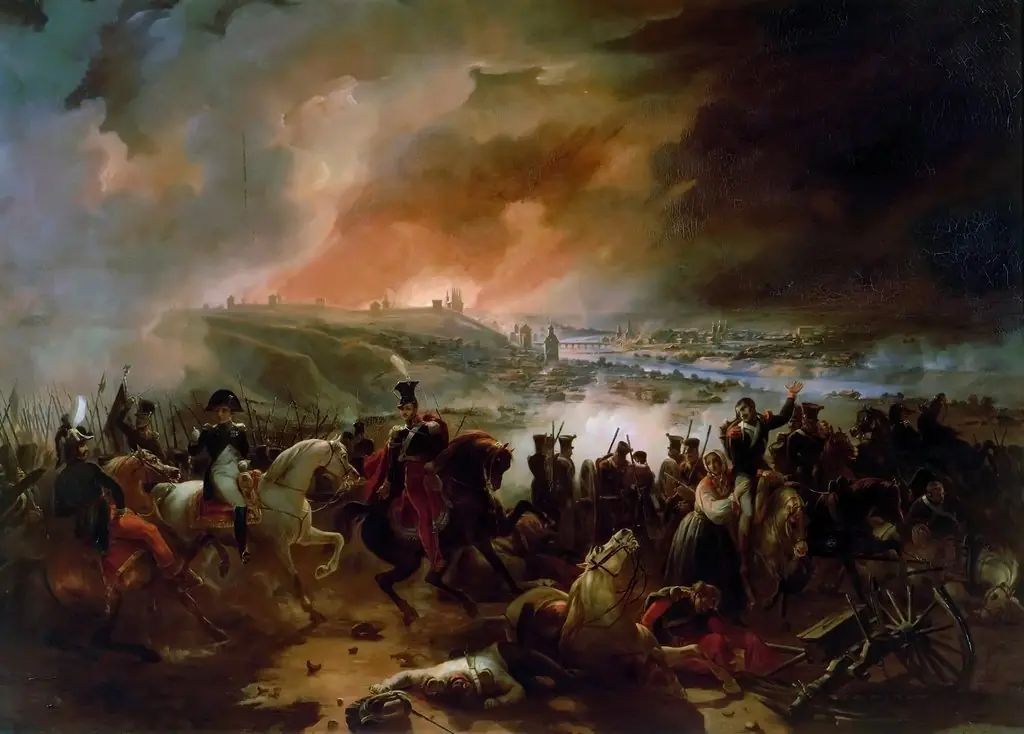 The Battle of Smolensk, 17th August 1812
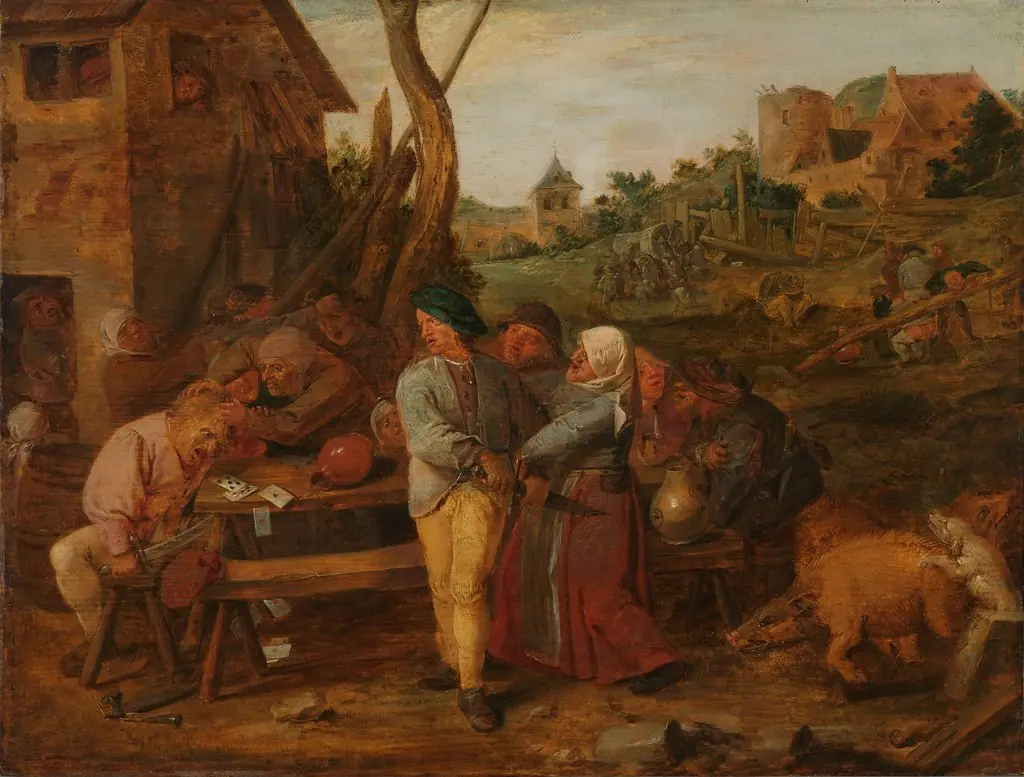 Peasant Brawl
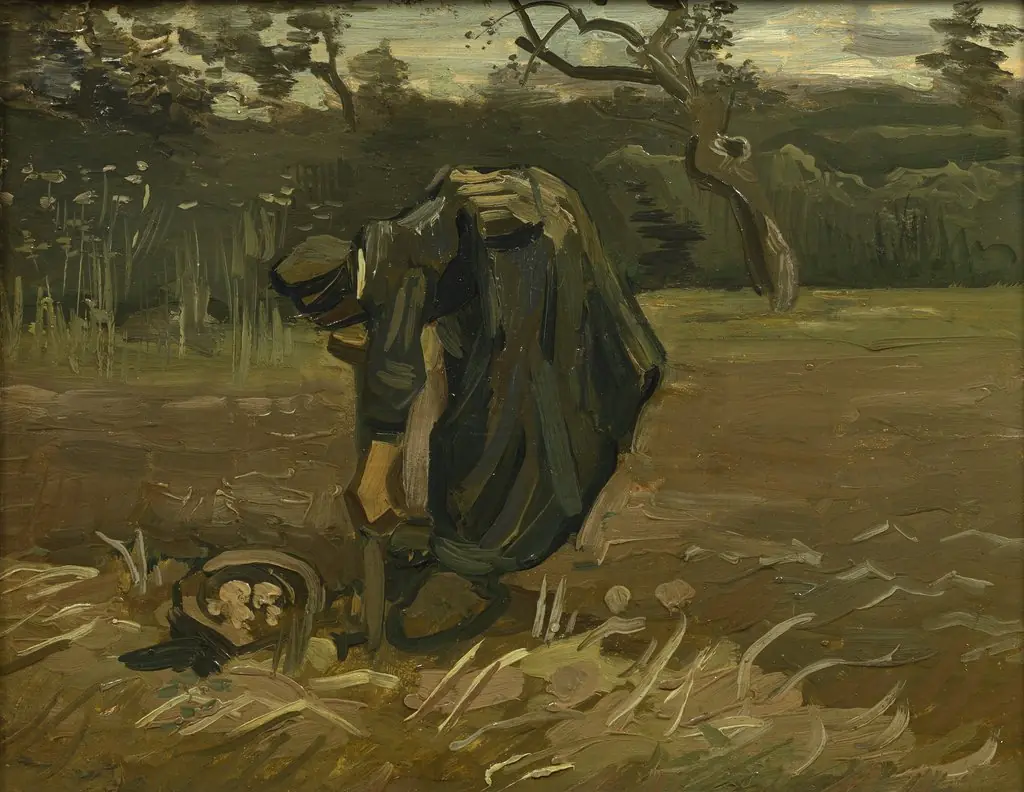 Peasant Woman Digging Up Potatoes
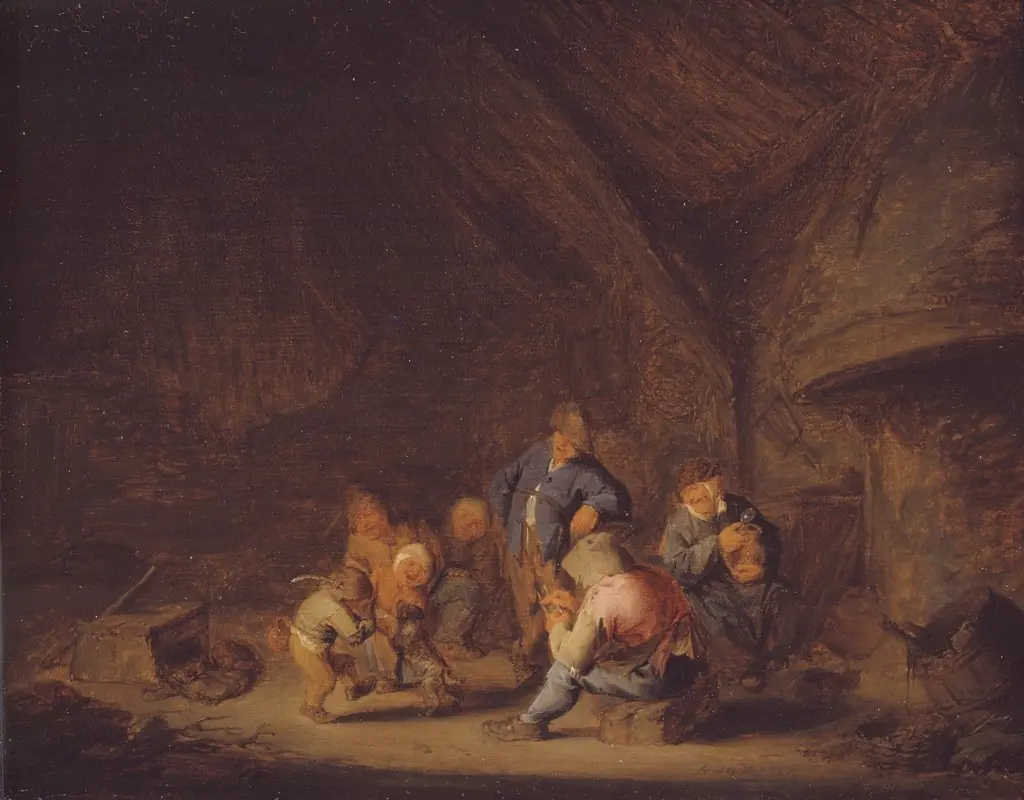 A Room in a Cottage
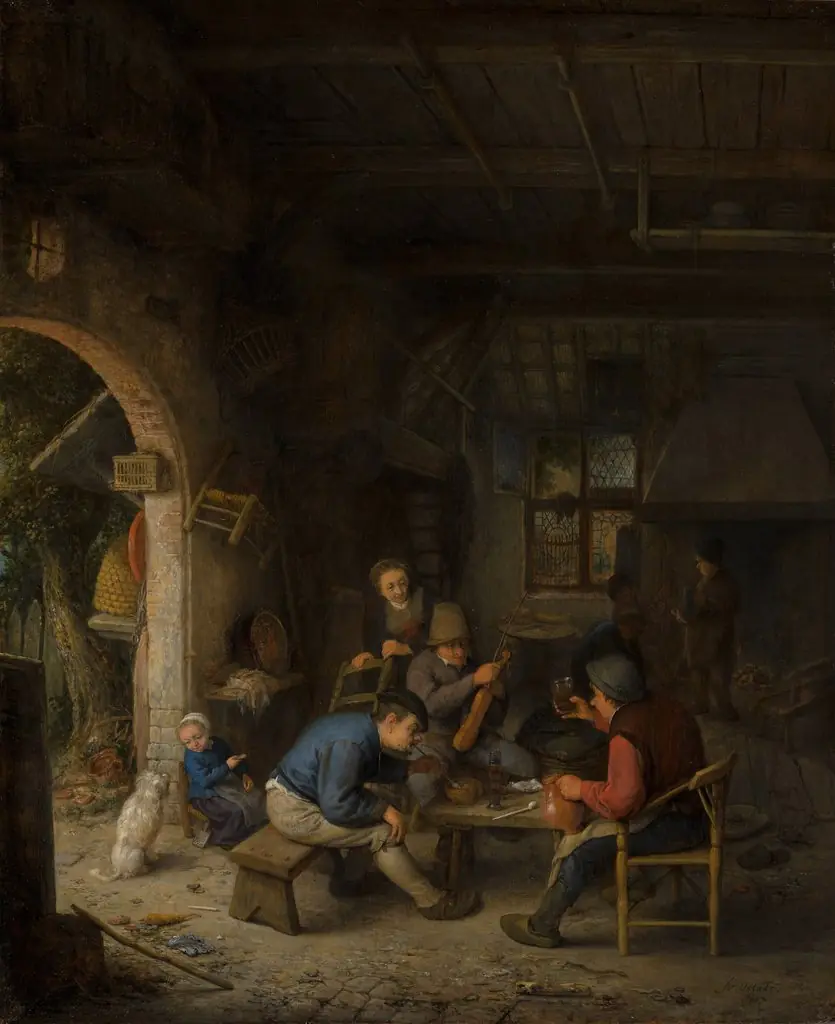 Peasants in an inn
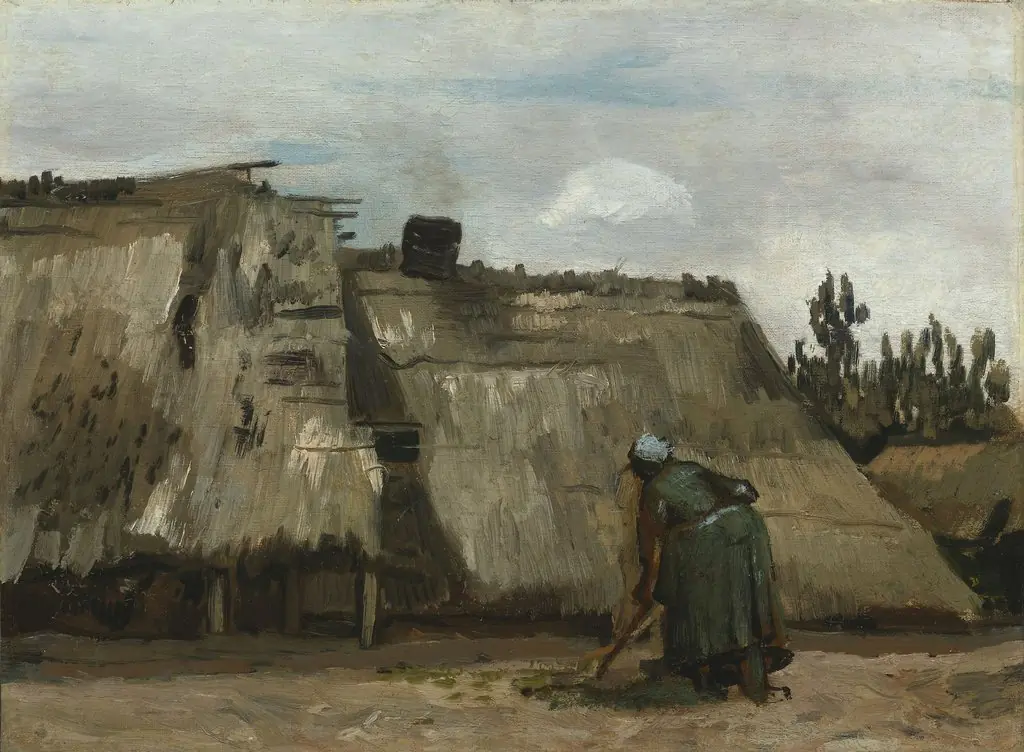 A Peasant Woman Digging in Front of Her Cottage
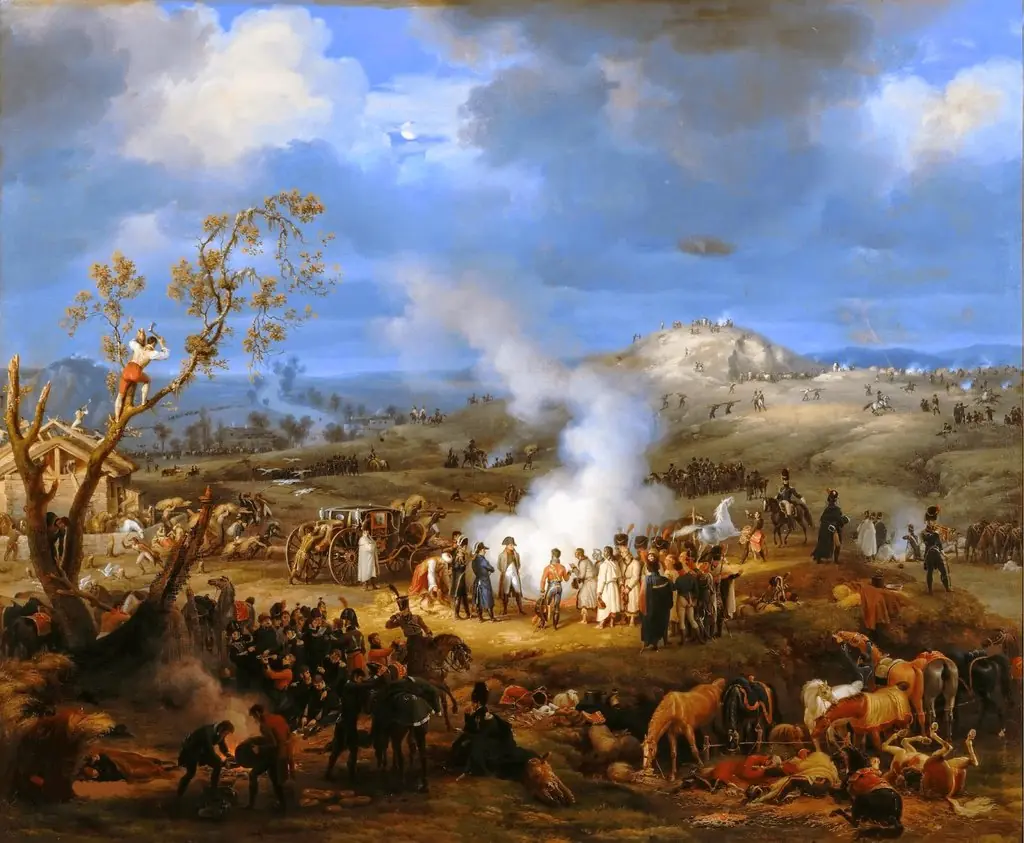 Bivouac on the Eve of the Battle of Austerlitz
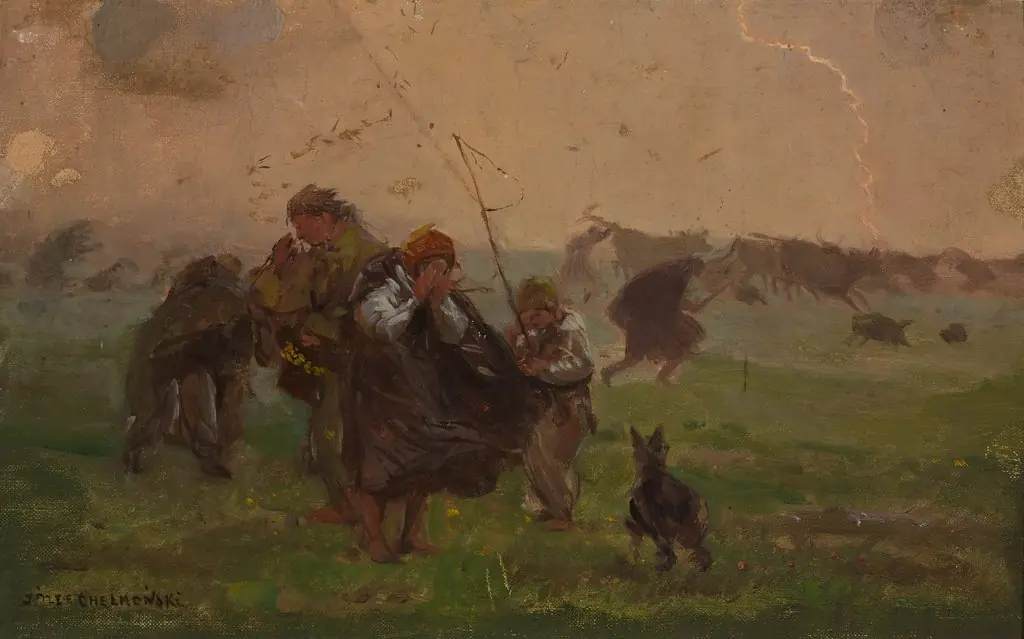 Before the storm, sketch for the painting “Storm”
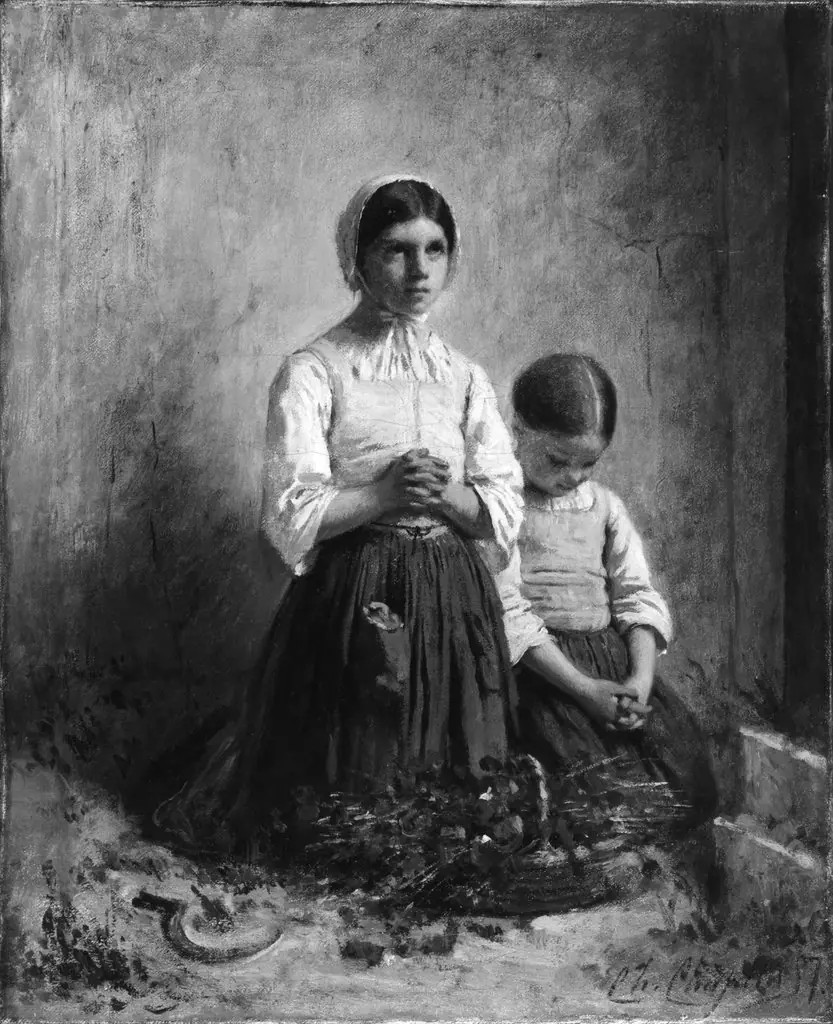 Devotion
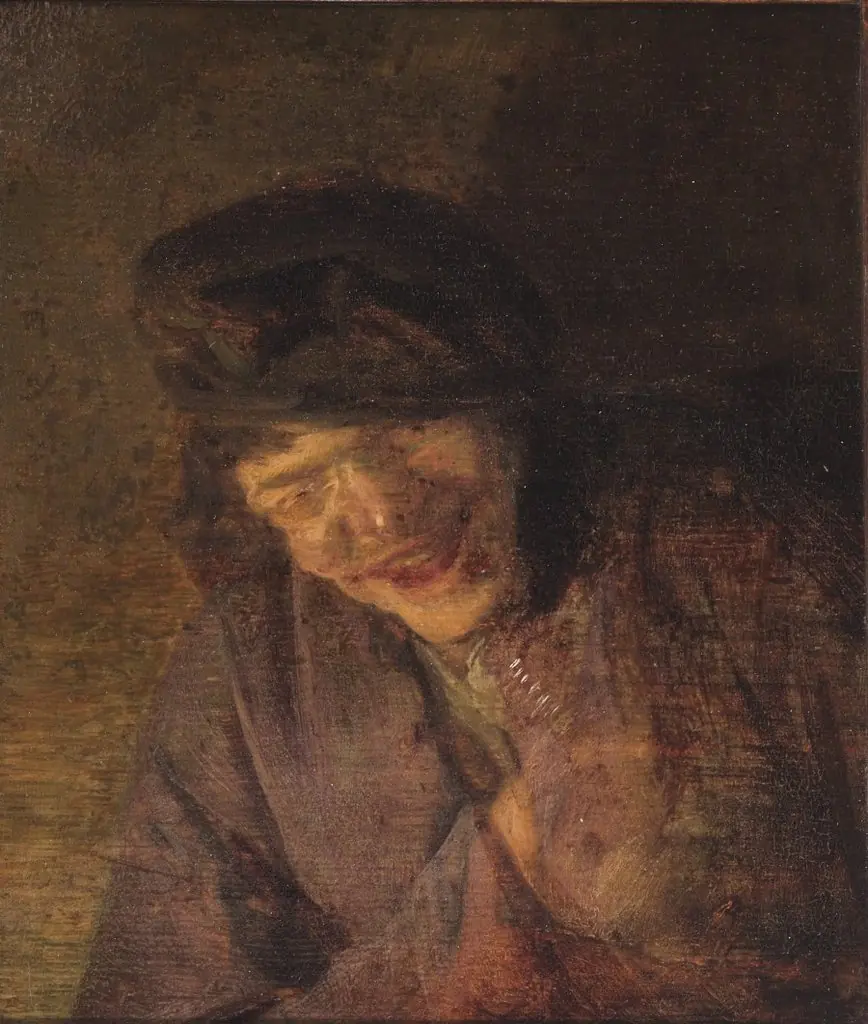 Head of a Laughing Peasant
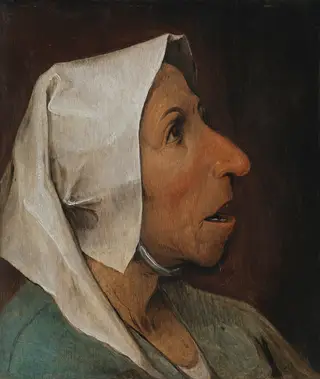 Head of Peasant
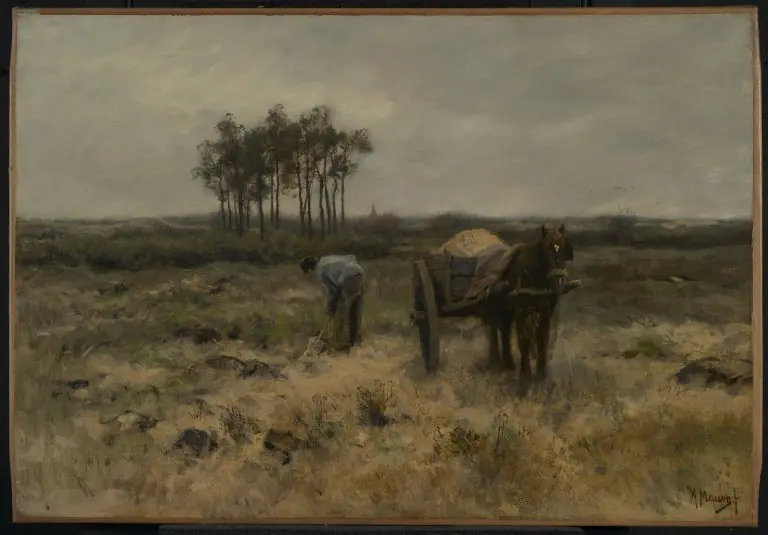 Digging Sand, or The Sand Cart
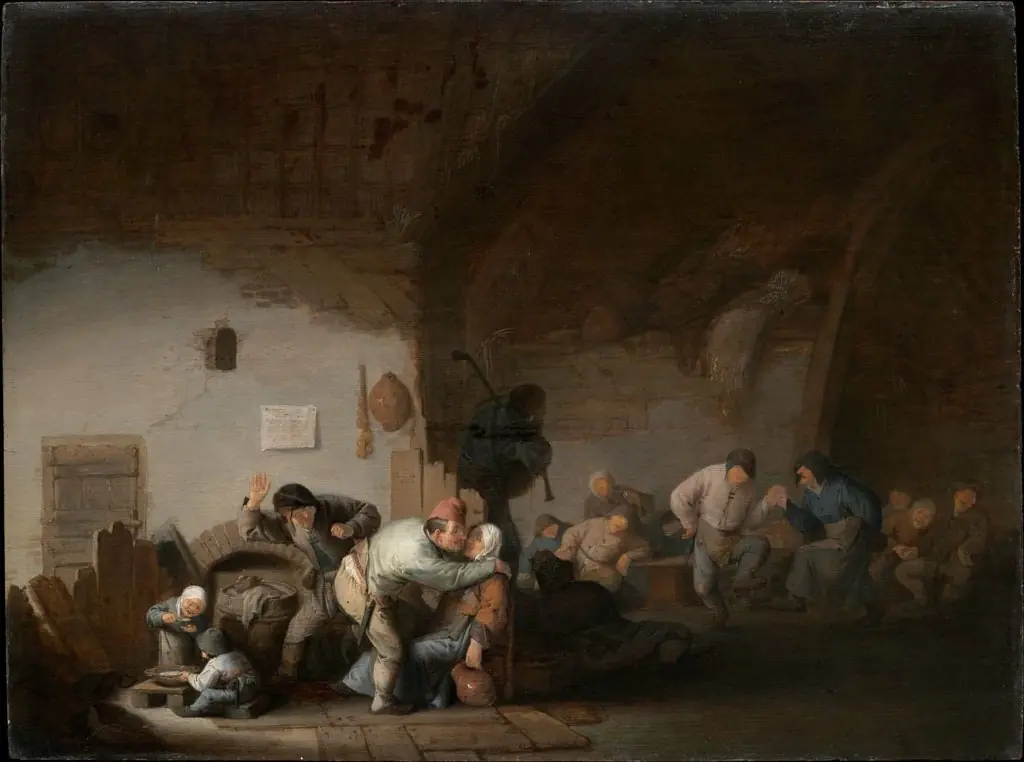 Peasants Merrymaking
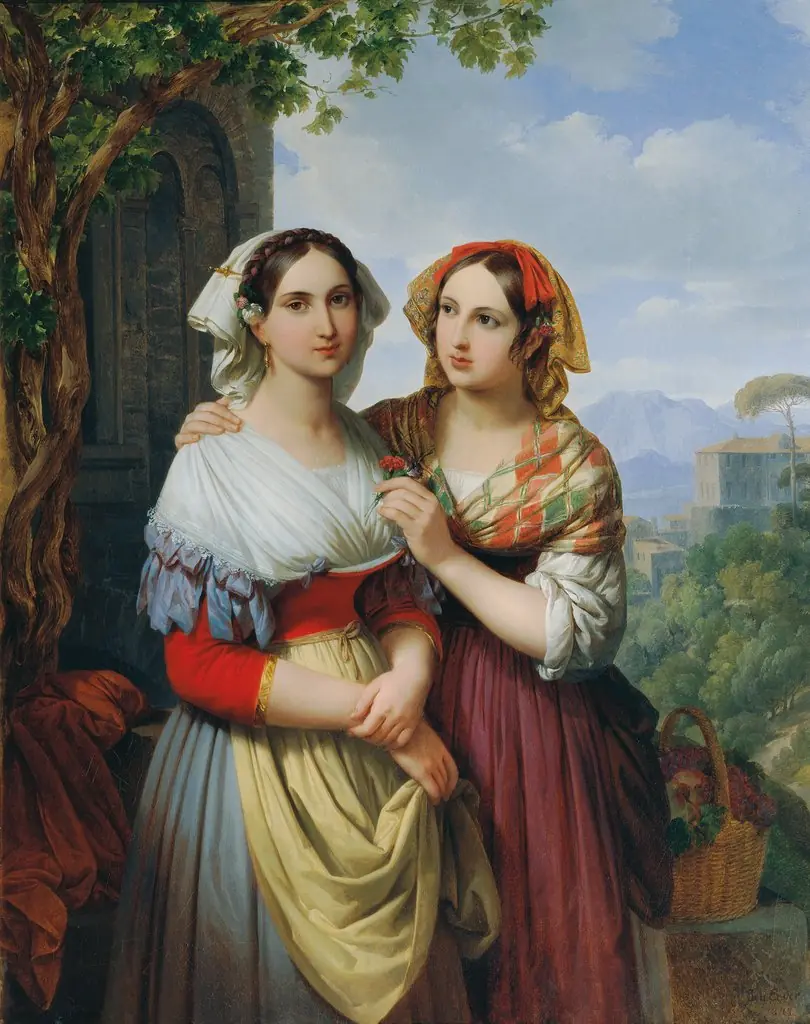 Two Girls in a Landscape
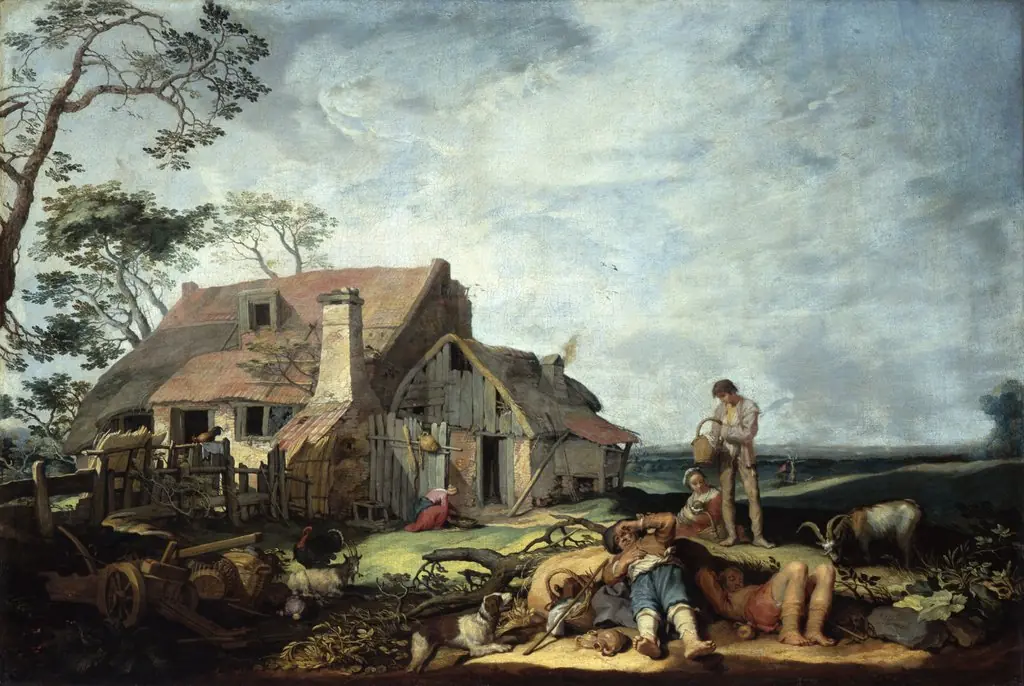 Landscape with farmstead, peasants and the exodus of Tobias with the angel
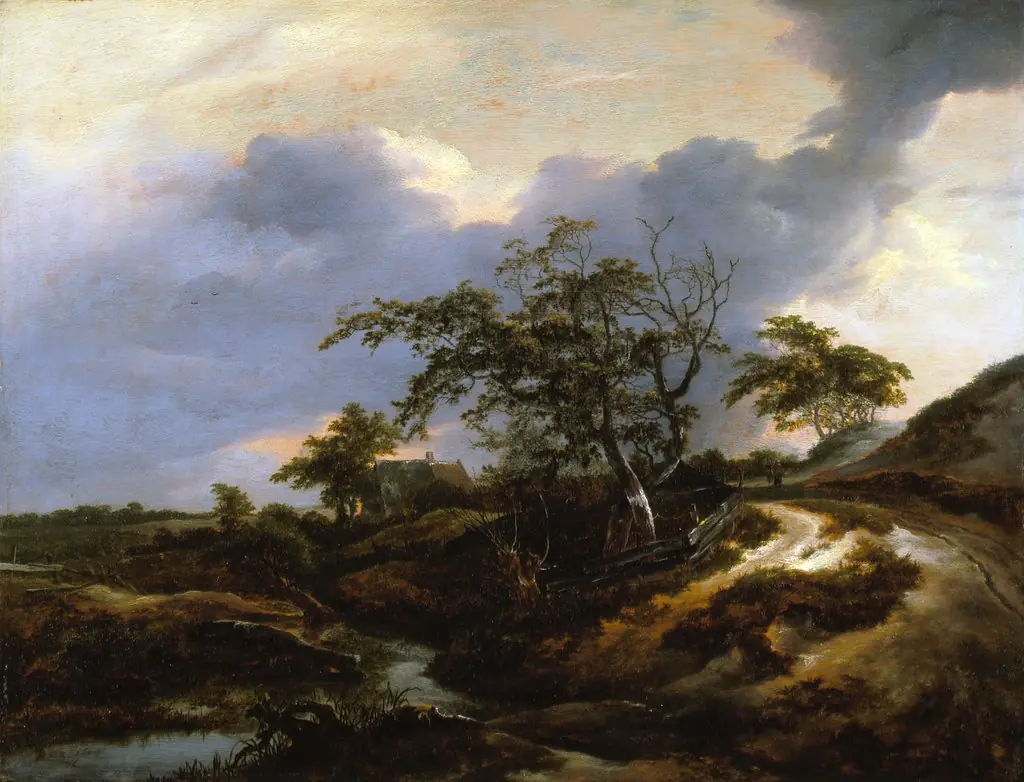 Landscape with Dunes
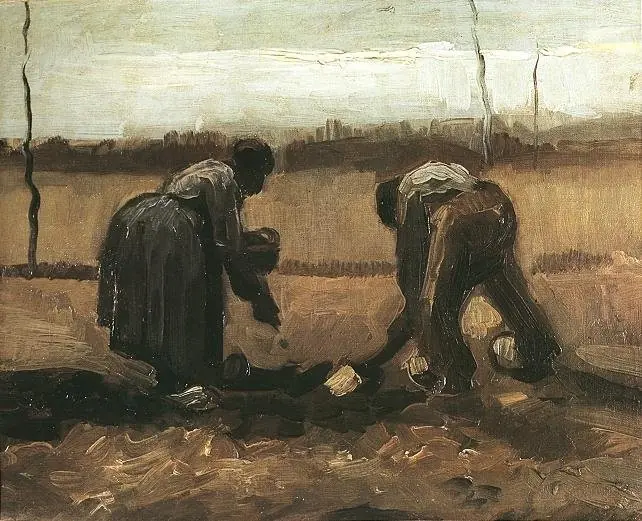 Peasant and Peasant Woman Planting Potatoes
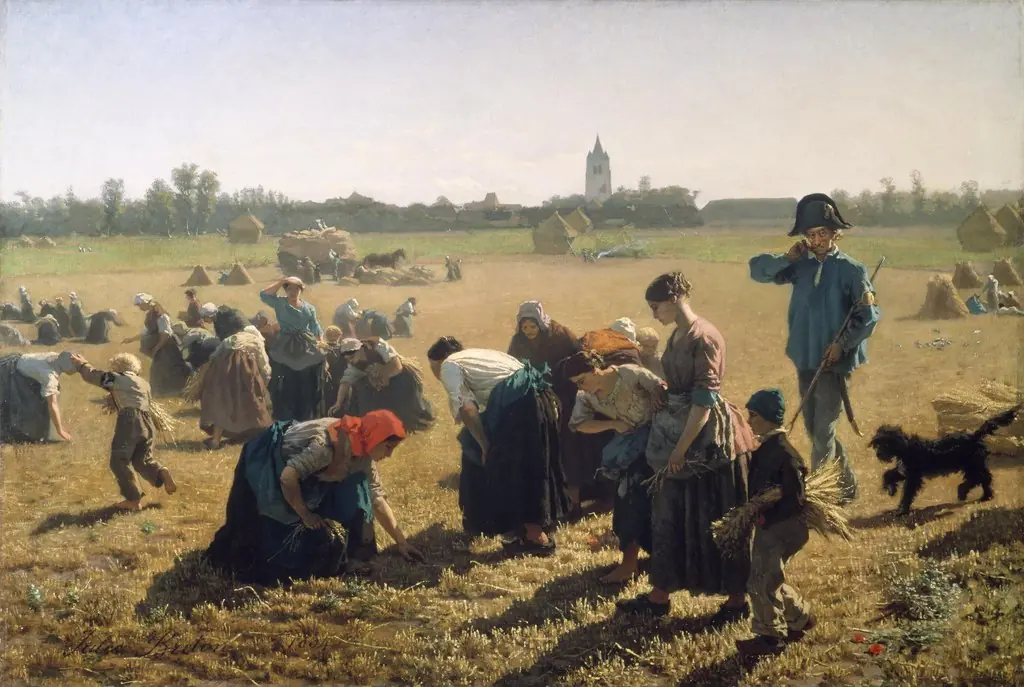 The Gleaners
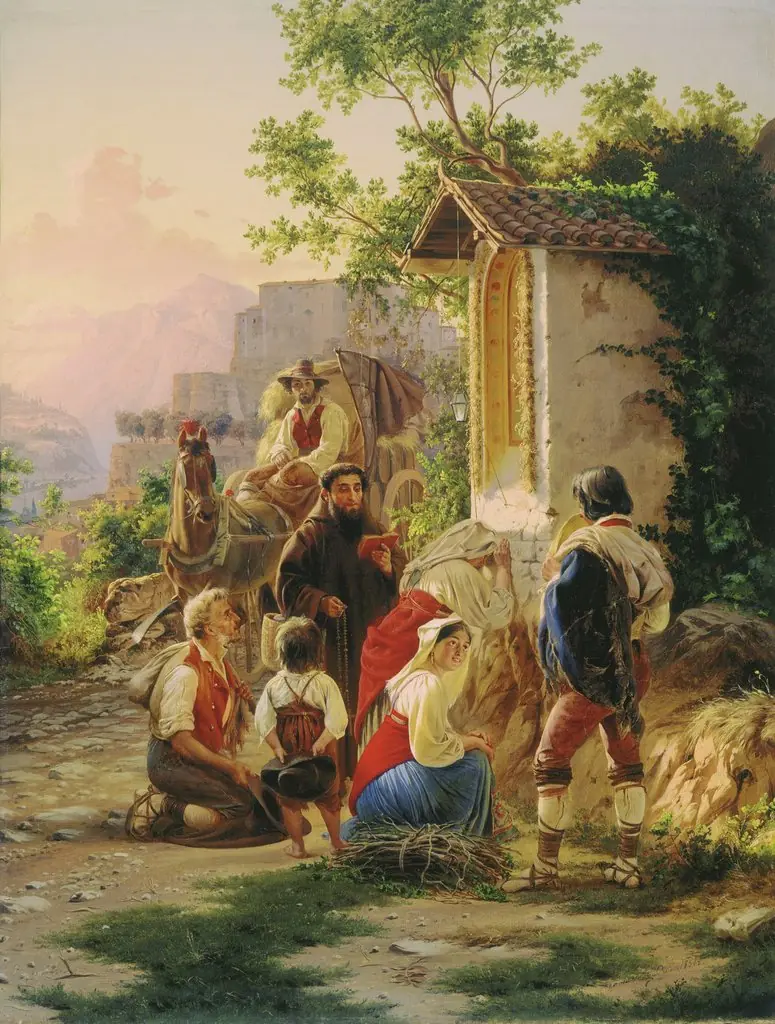 By the wayside shrine
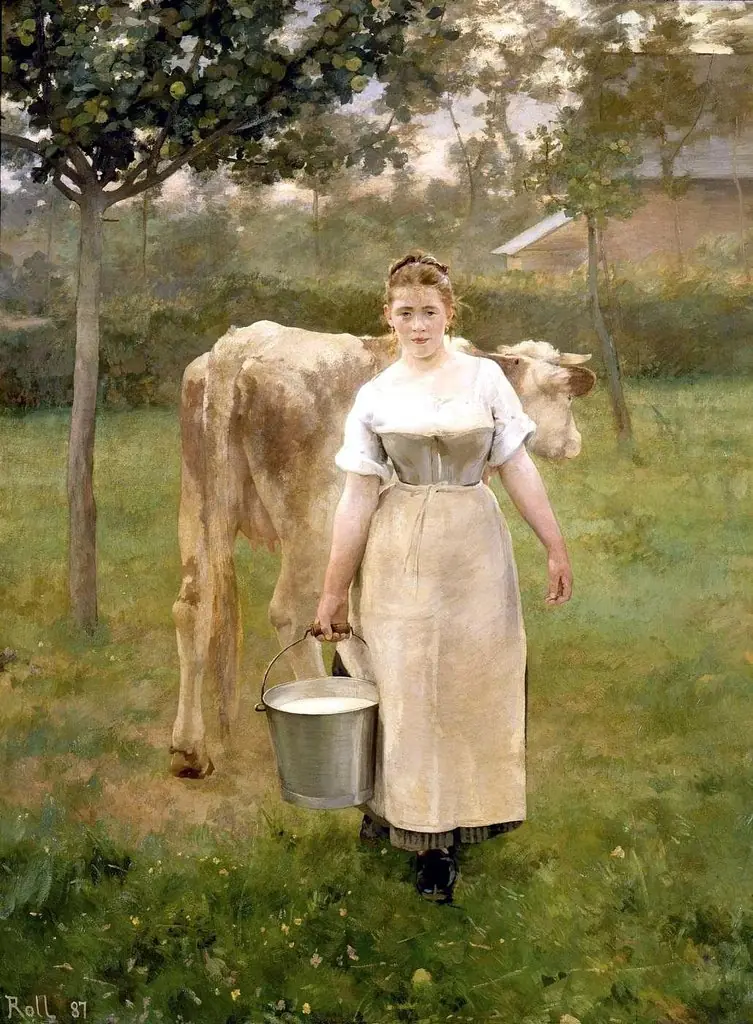 Manda Lamétrie, fermière
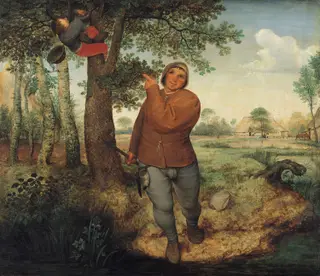 The Peasant and the Nest Robber
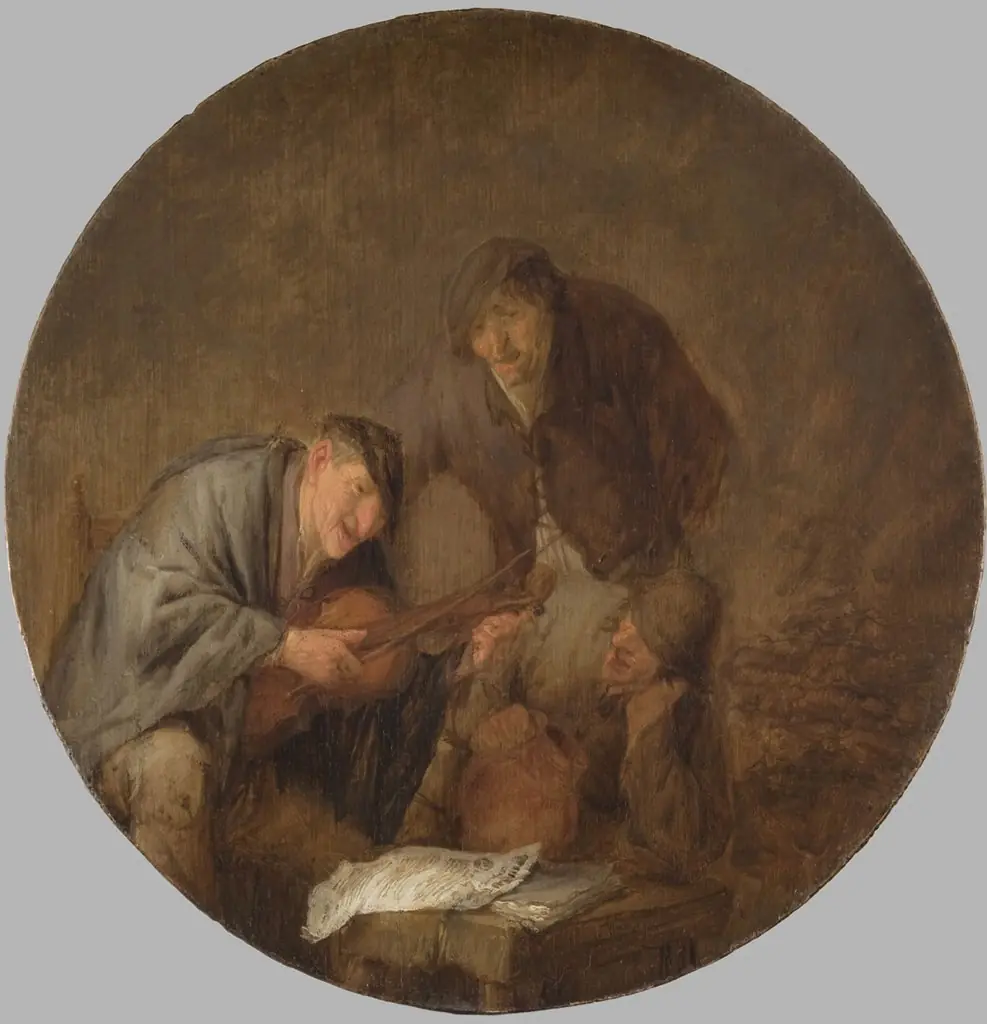 Peasants Making Merry
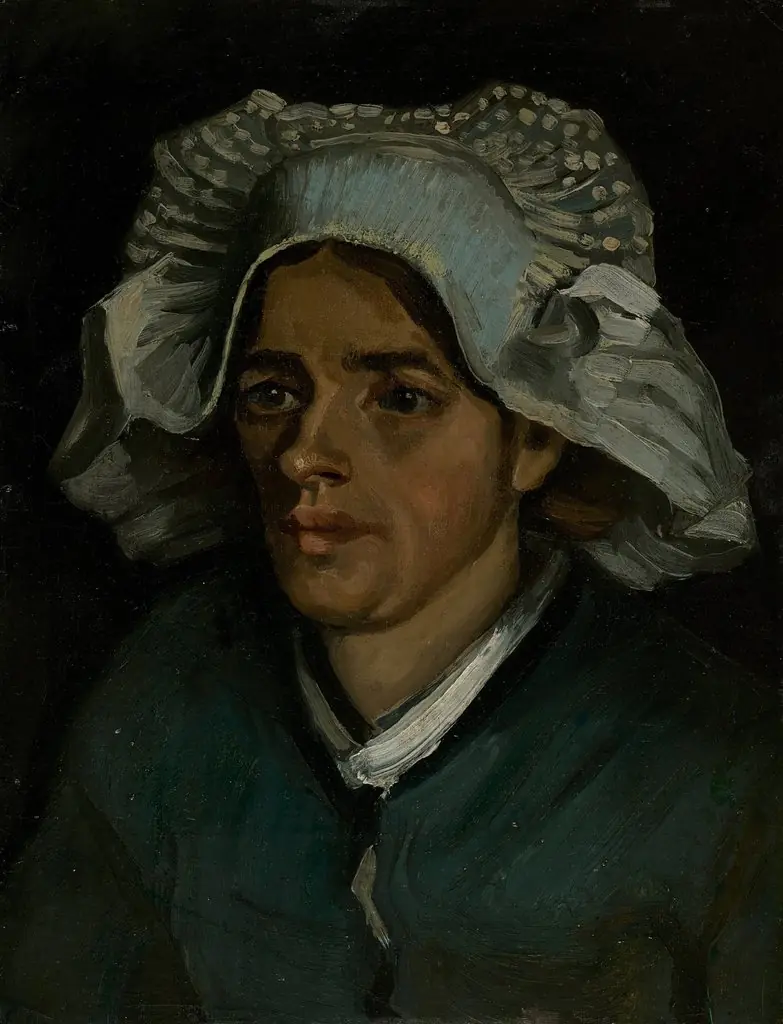 Head of a Peasant Woman
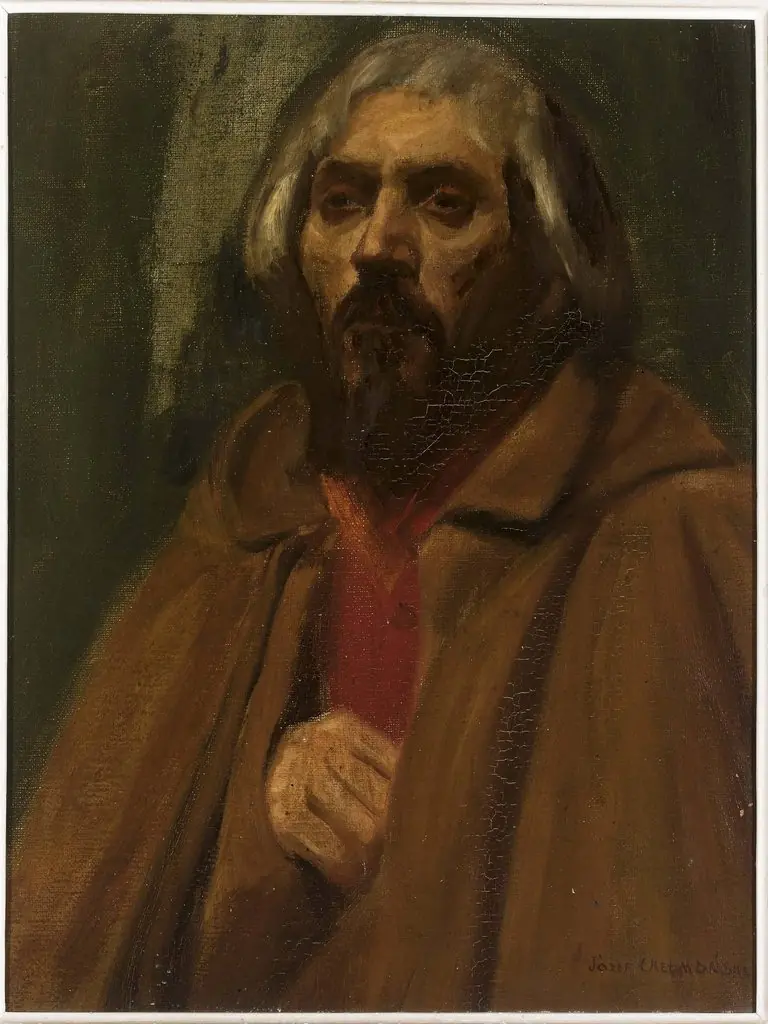 Portrait of a peasant
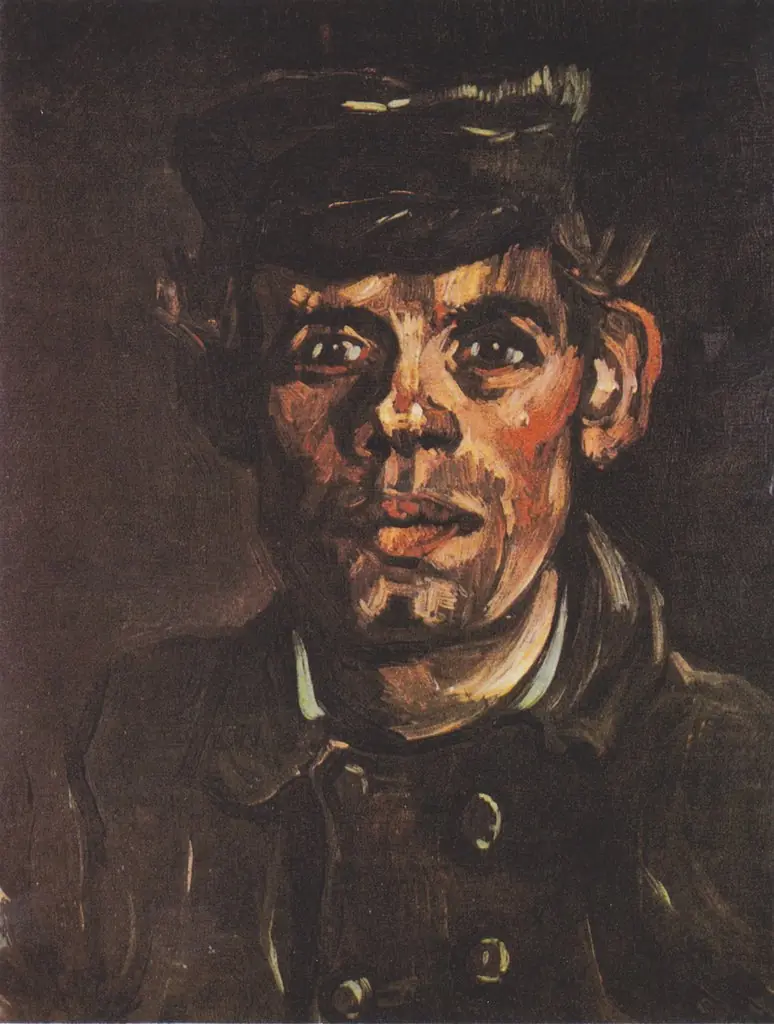 Head of a Young Peasant in a Peaked Cap
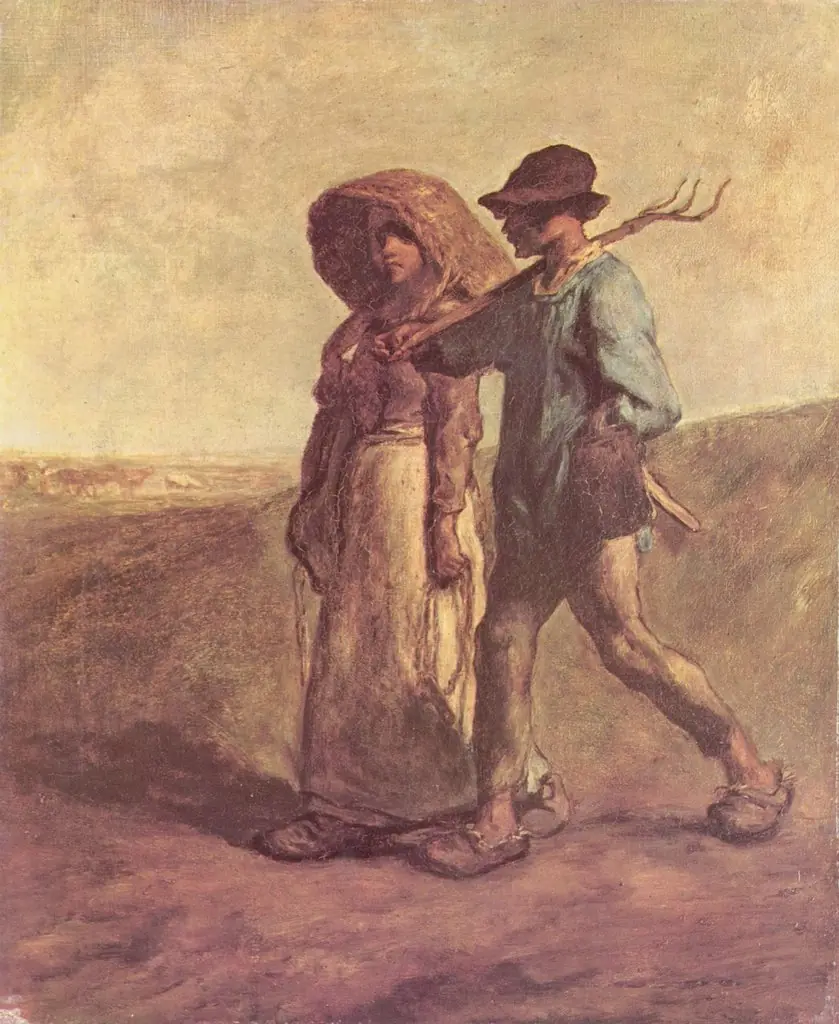 The Walk to Work
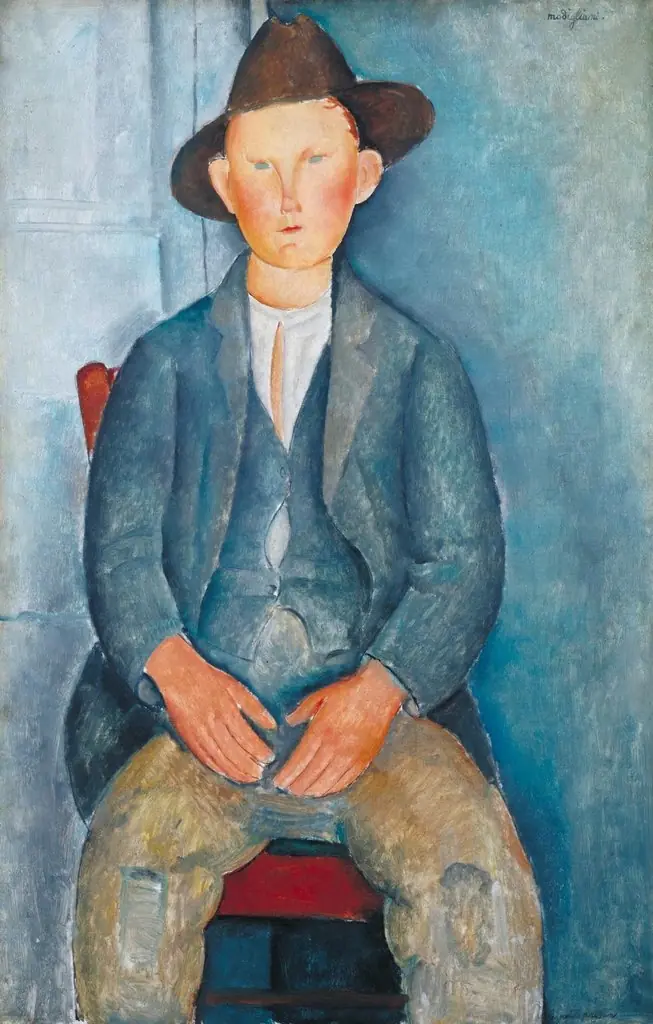 The Little Peasant
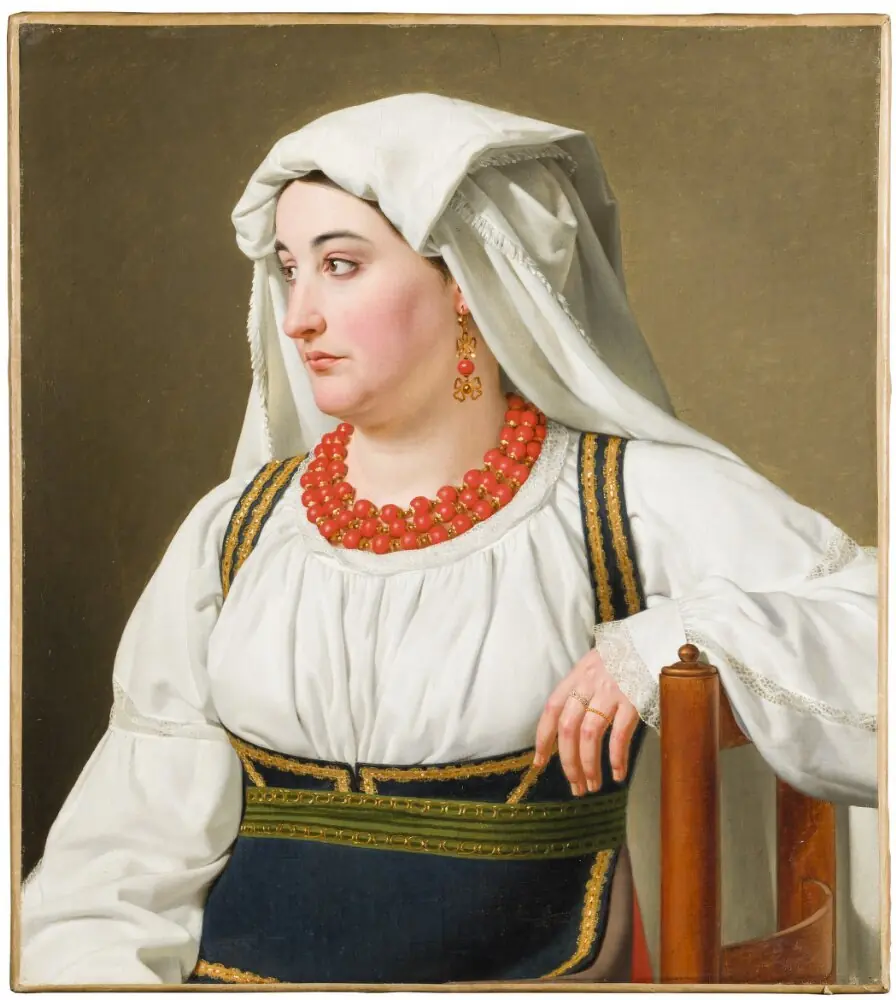 ’Una Ciociara’ – Portrait of a Roman Country Woman
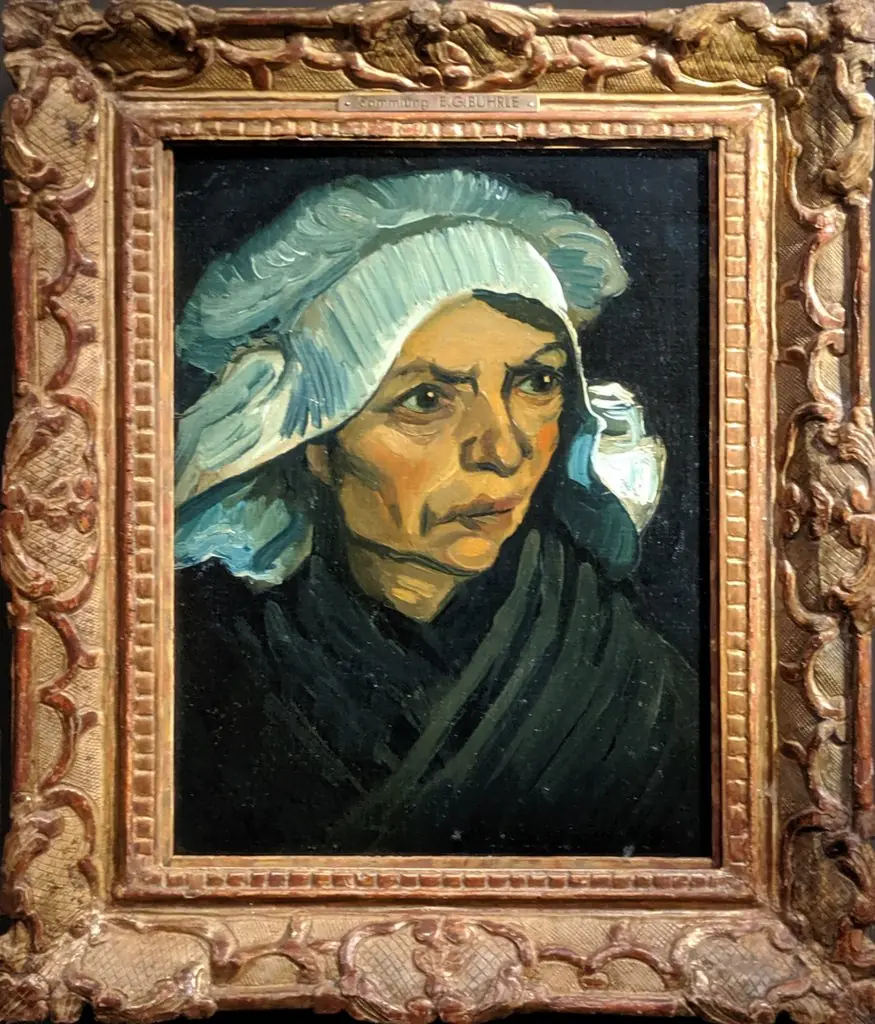 Head of a Peasant Woman with White Cap
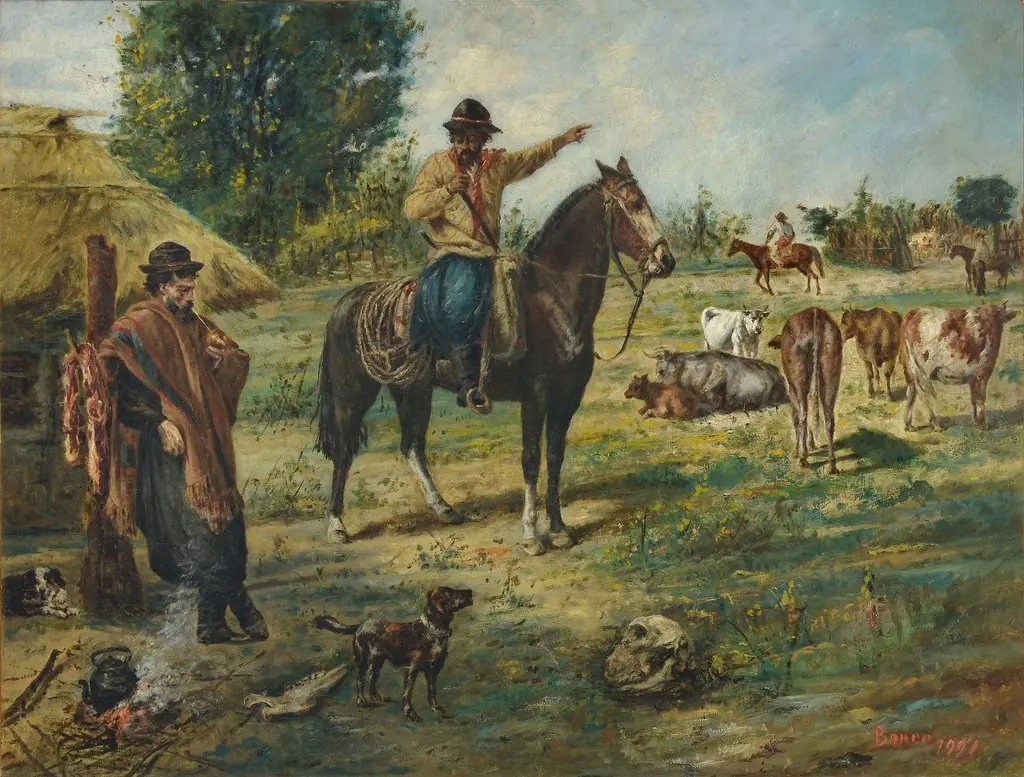 Foreman and rebellious peasant
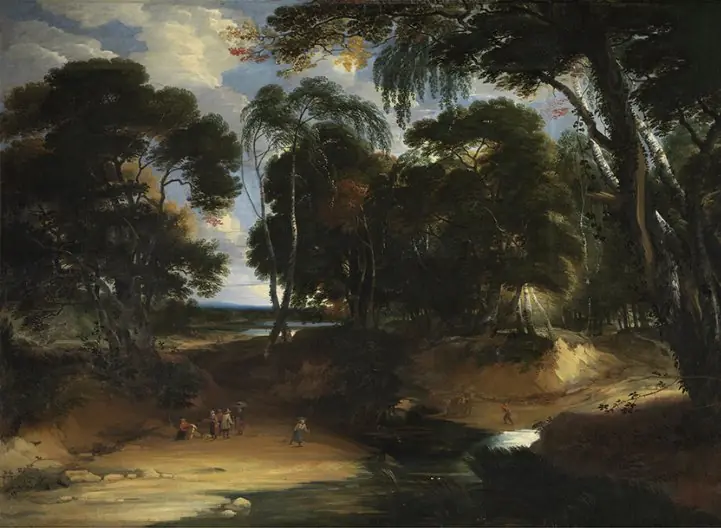 Wooded Landscape with Ford
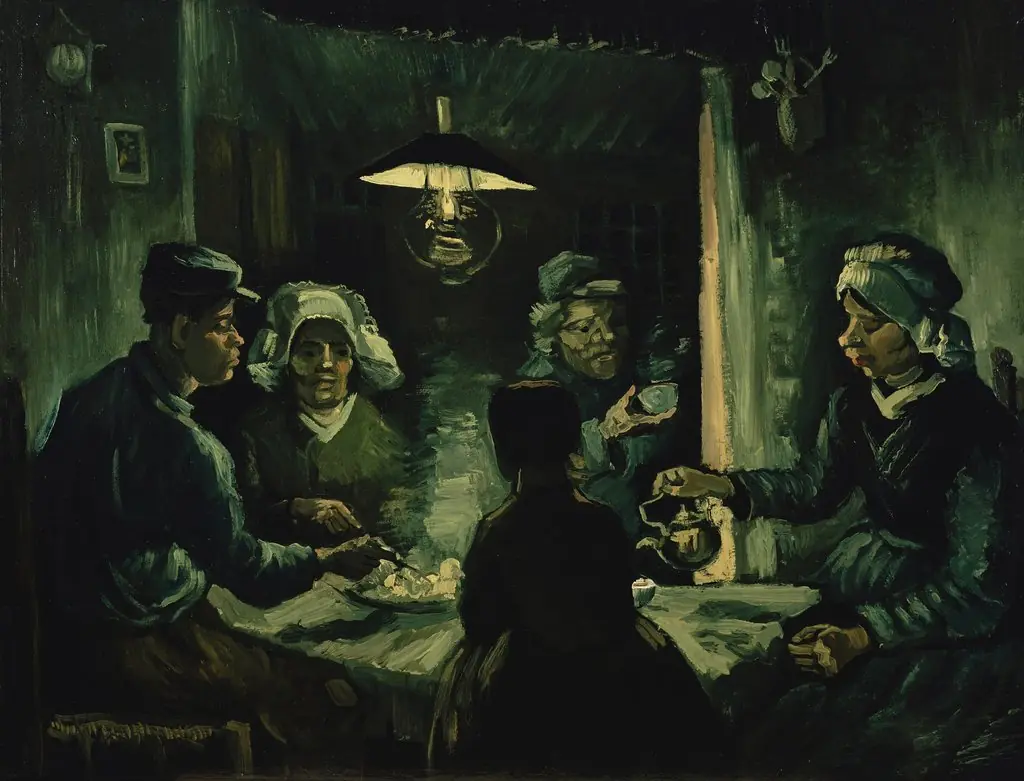 The Potato Eaters
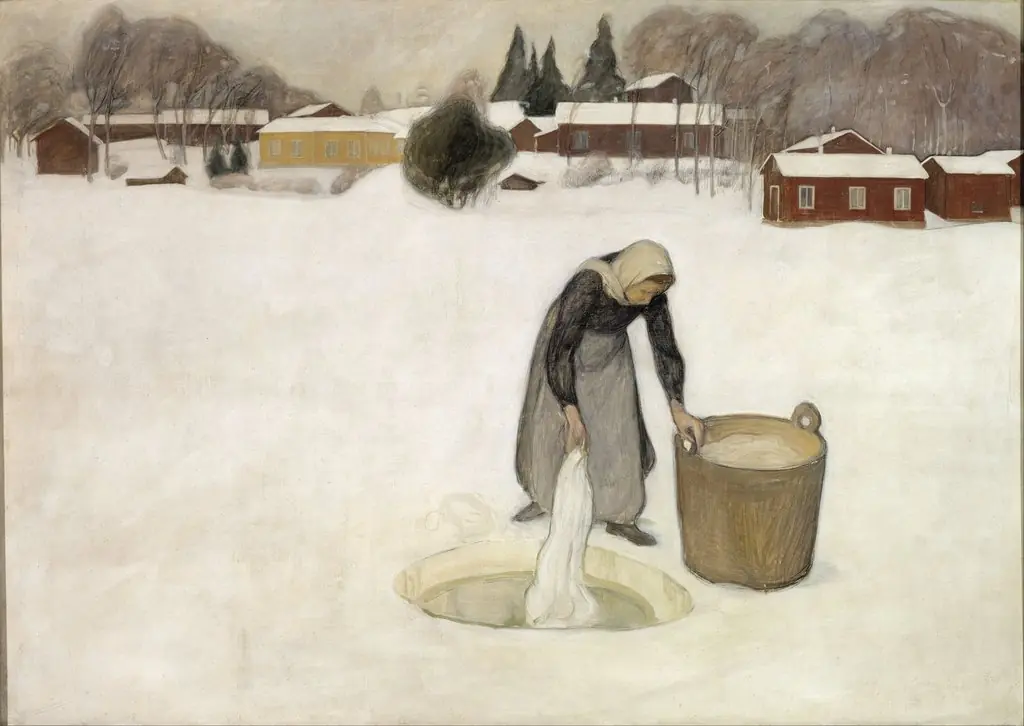 Washing on the Ice
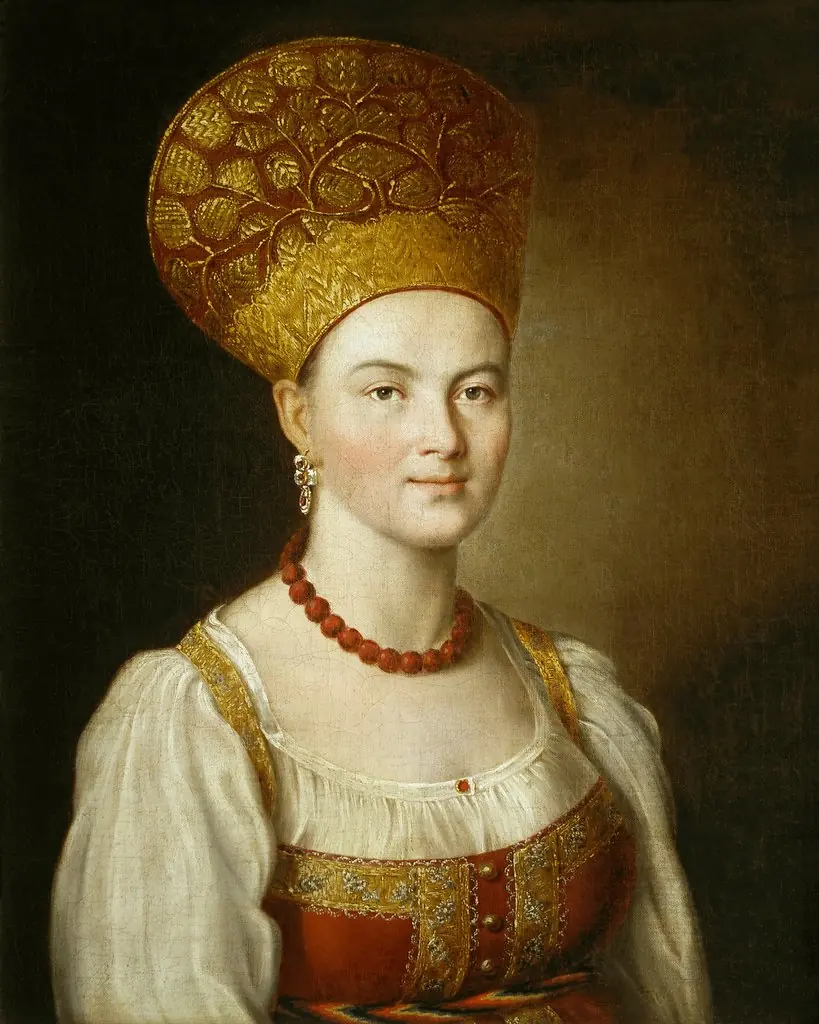 Portrait of an Unknown Woman in Russian Costume
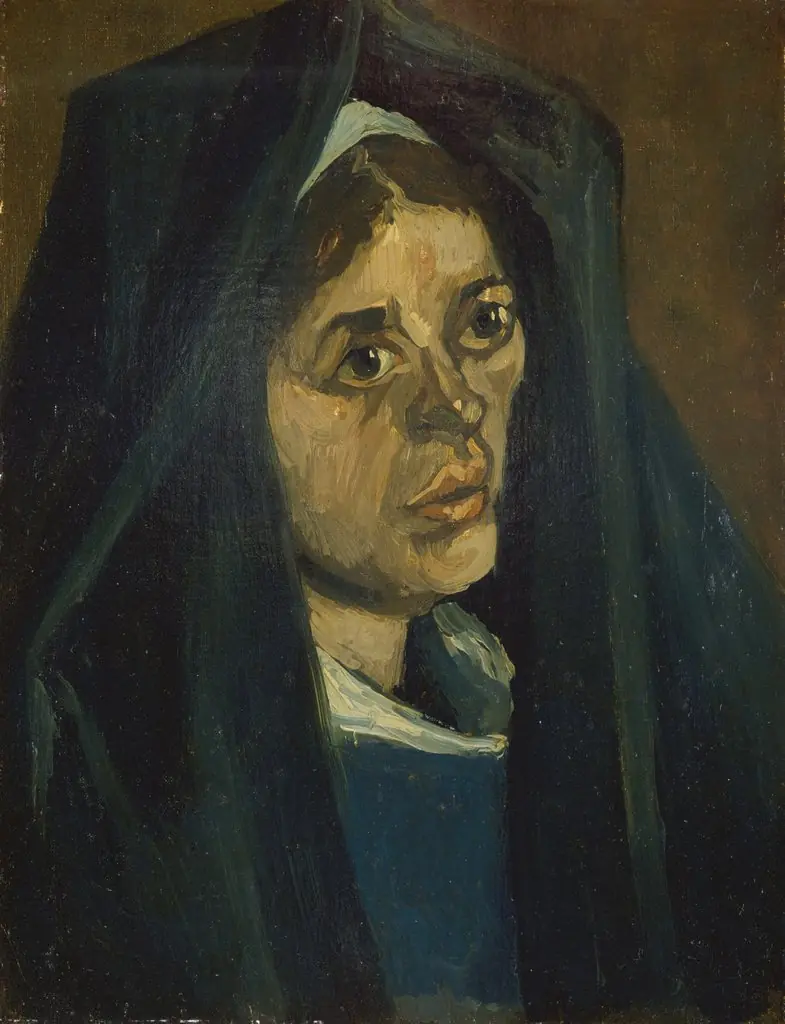 Head of a Peasant Woman with Green Shawl
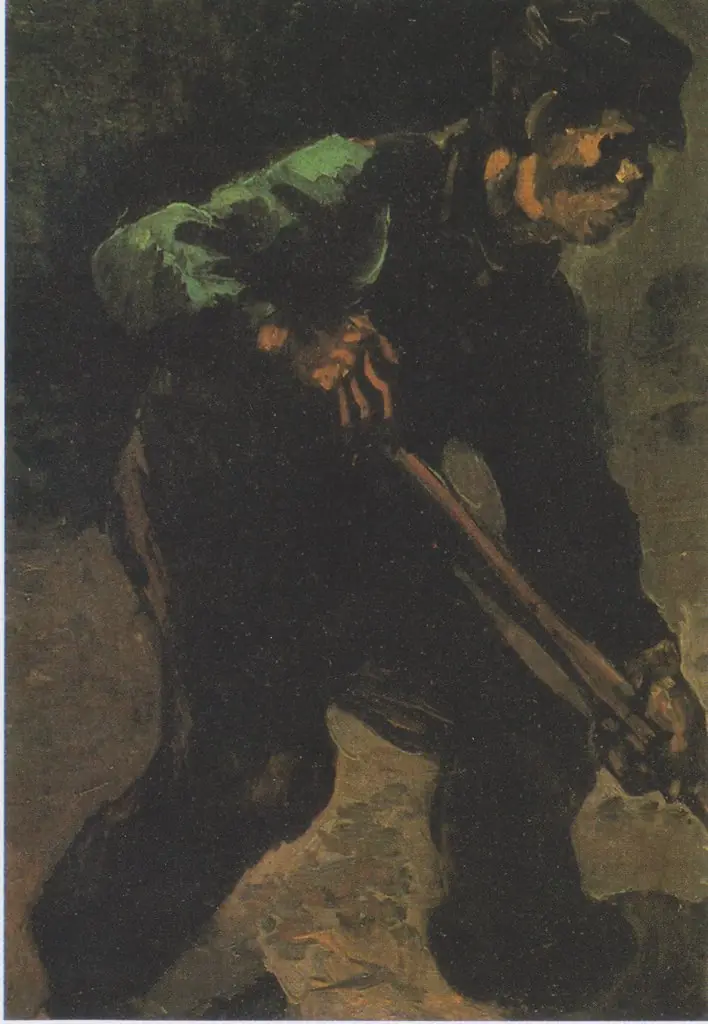 Digger
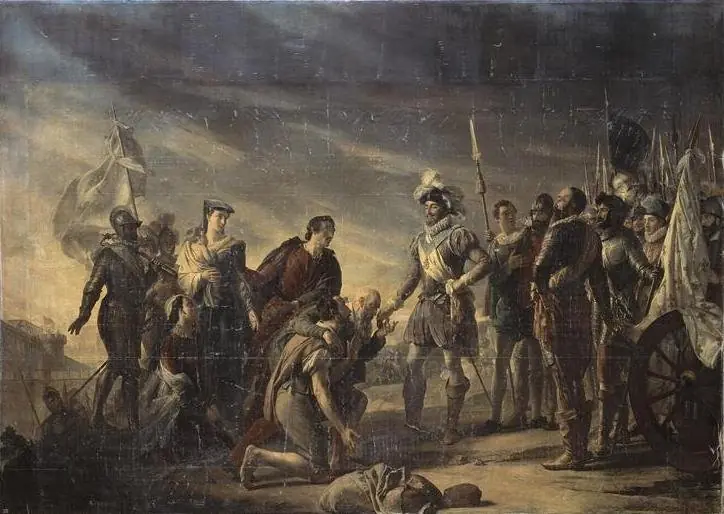 Henri IV devant Paris assiégé, août 1590
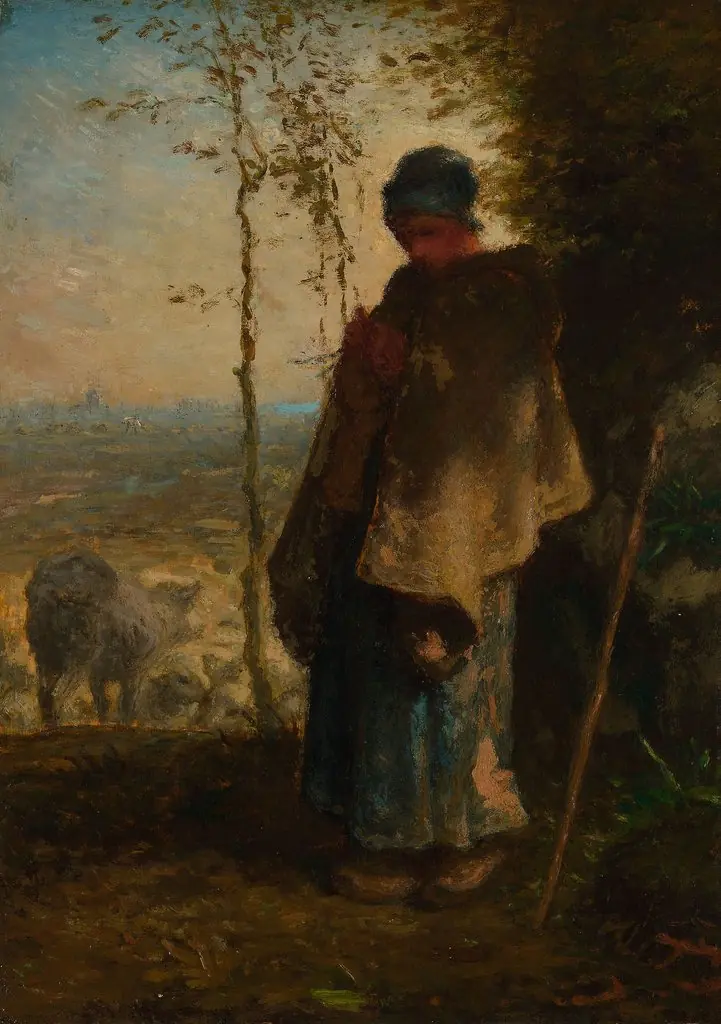 The Little Shepherdess
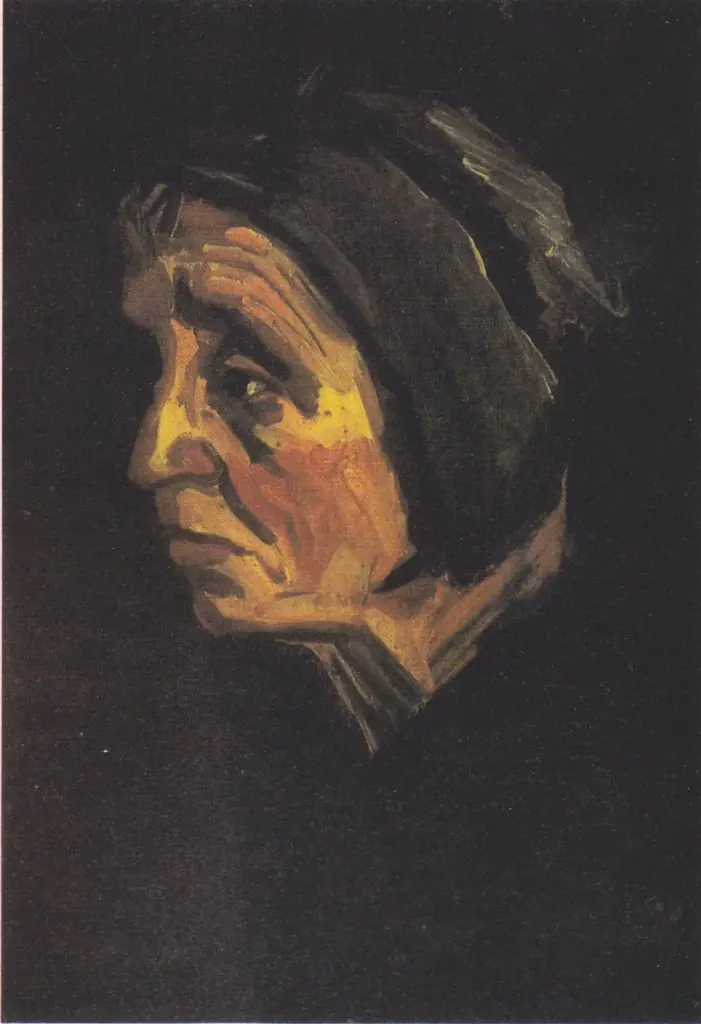 Head of a Woman
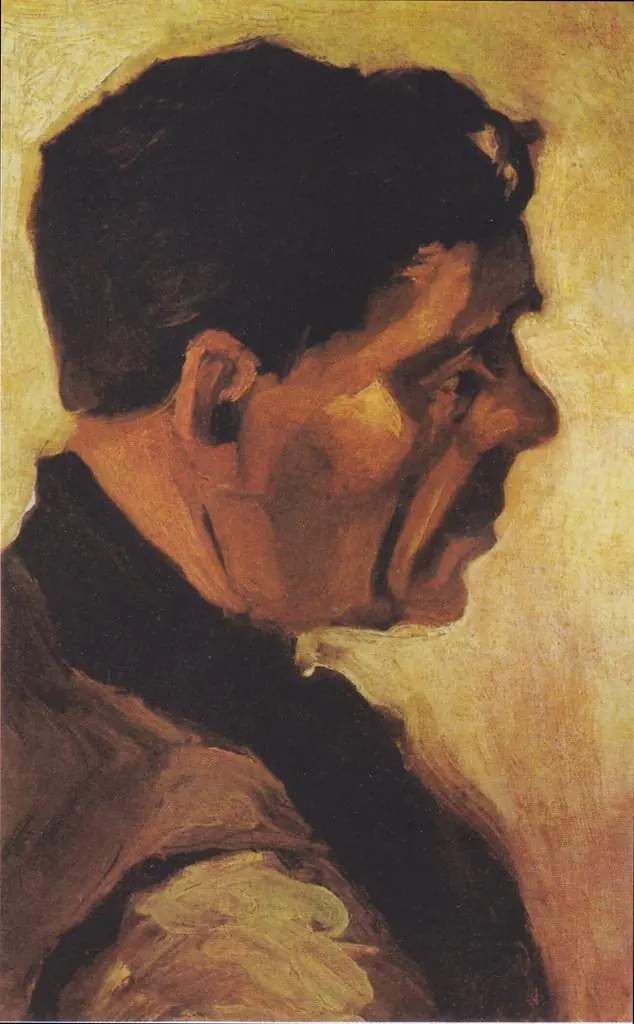 Head of a Man
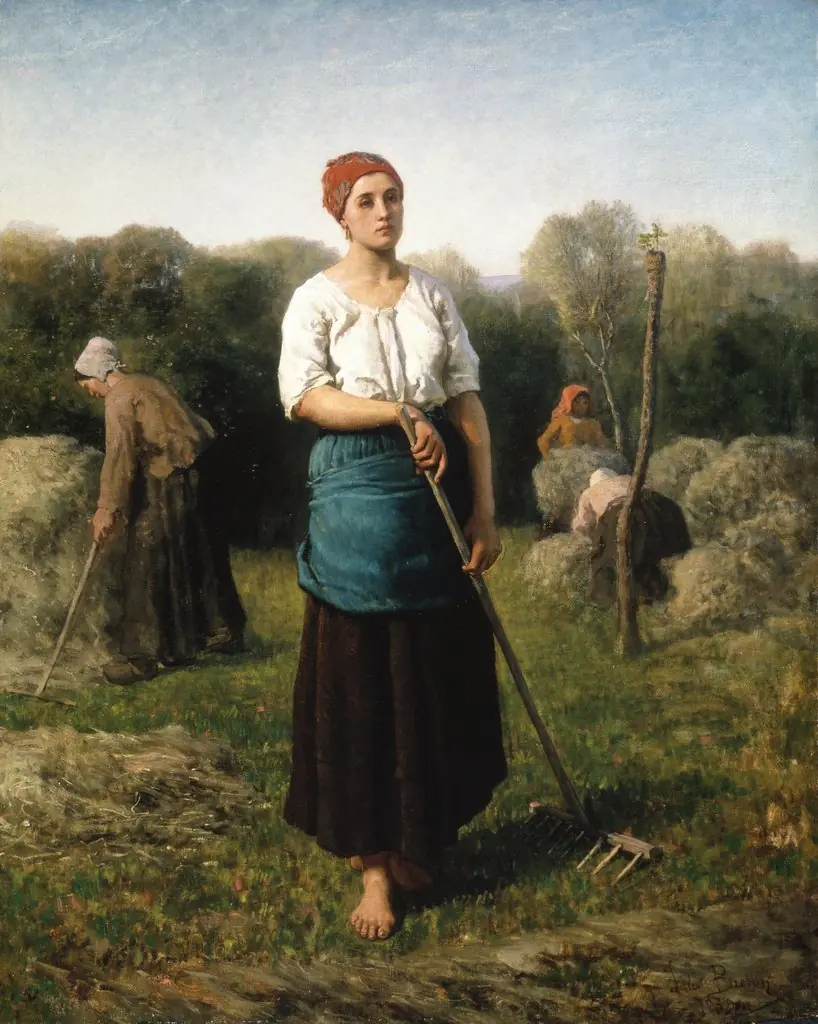 A Girl with a Rake
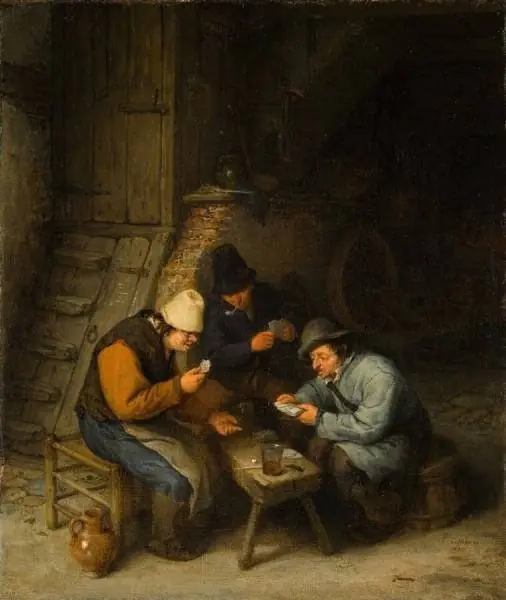 Peasants Playing Cards
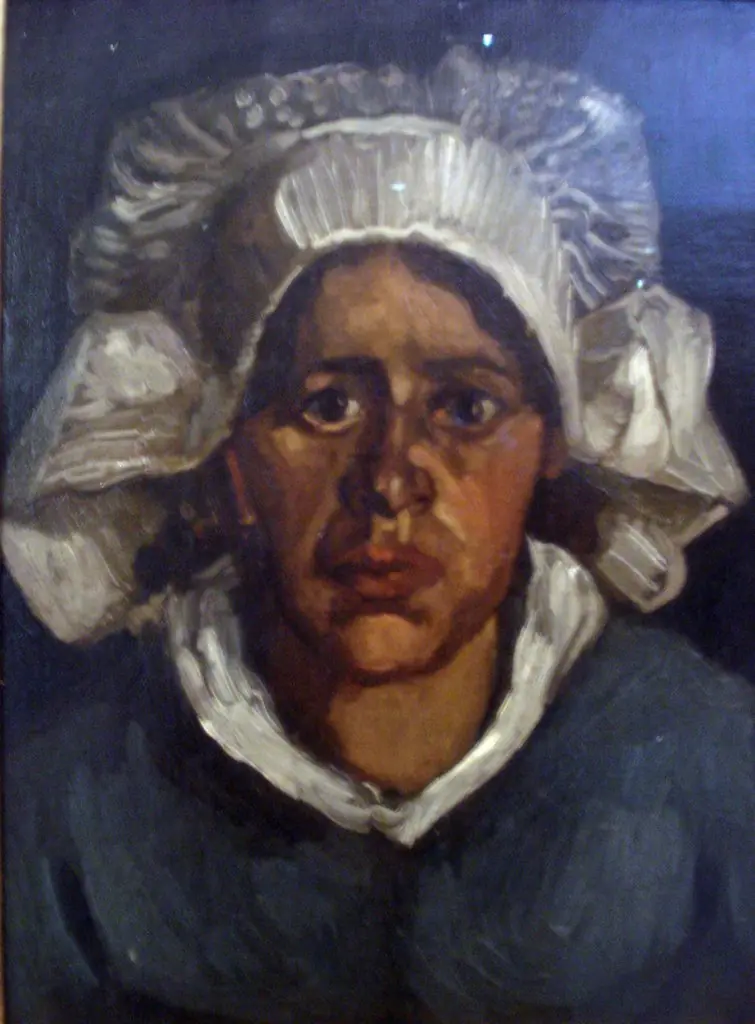 Head of a Peasant Woman with White Cap
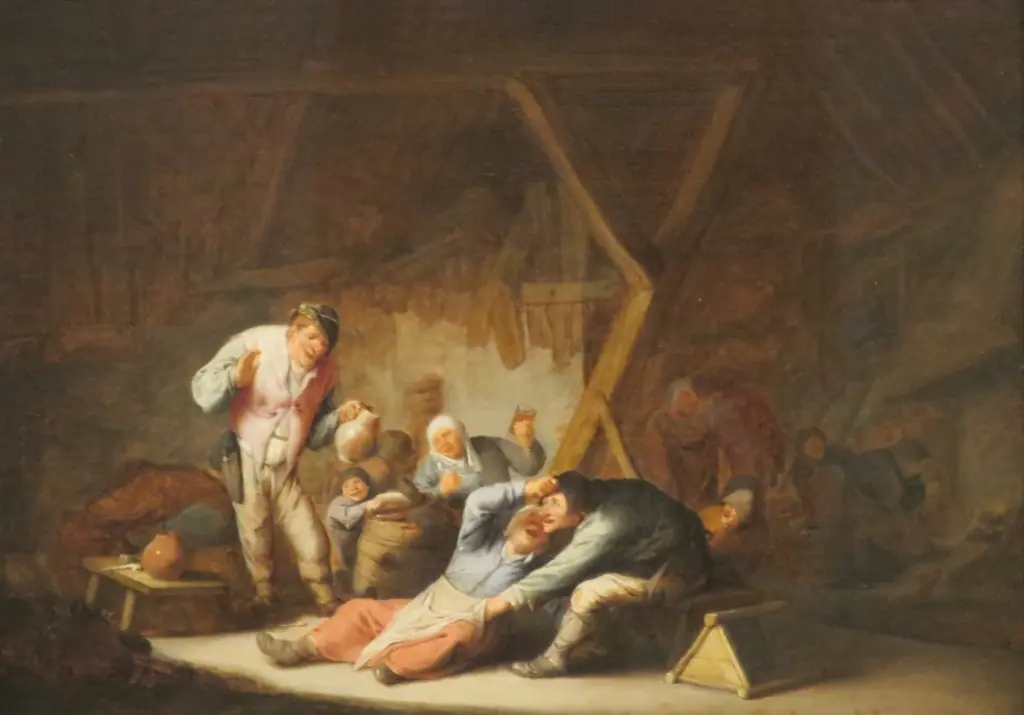 Carousing Peasants
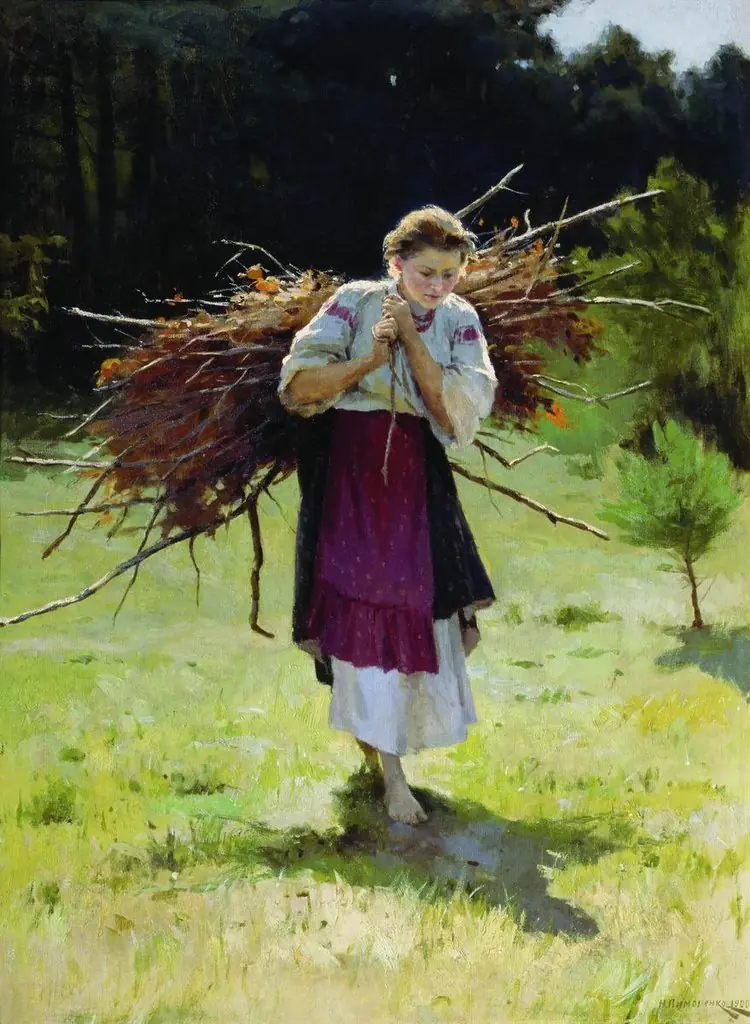 Out of the woods
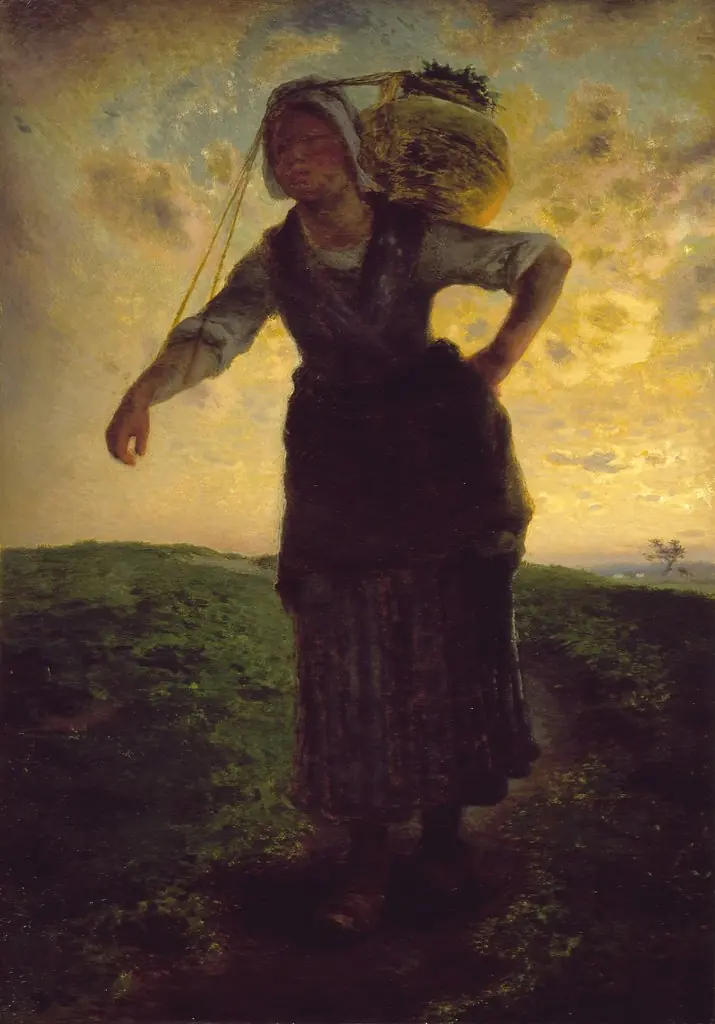 A Norman Milkmaid at Gréville
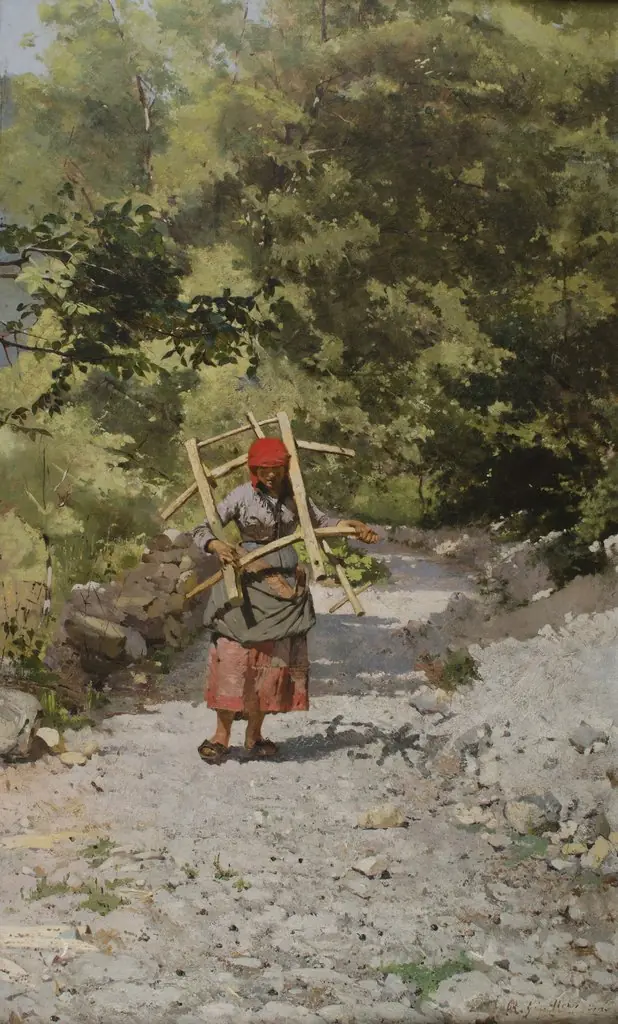 Subiendo la cuesta
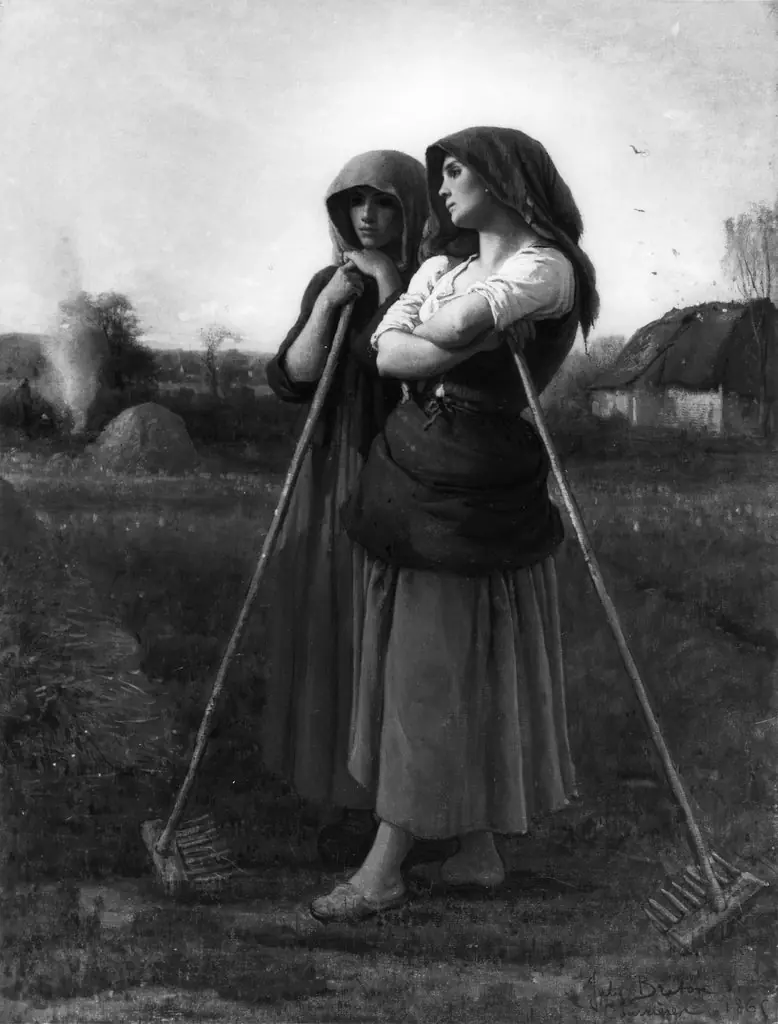 The Close of Day
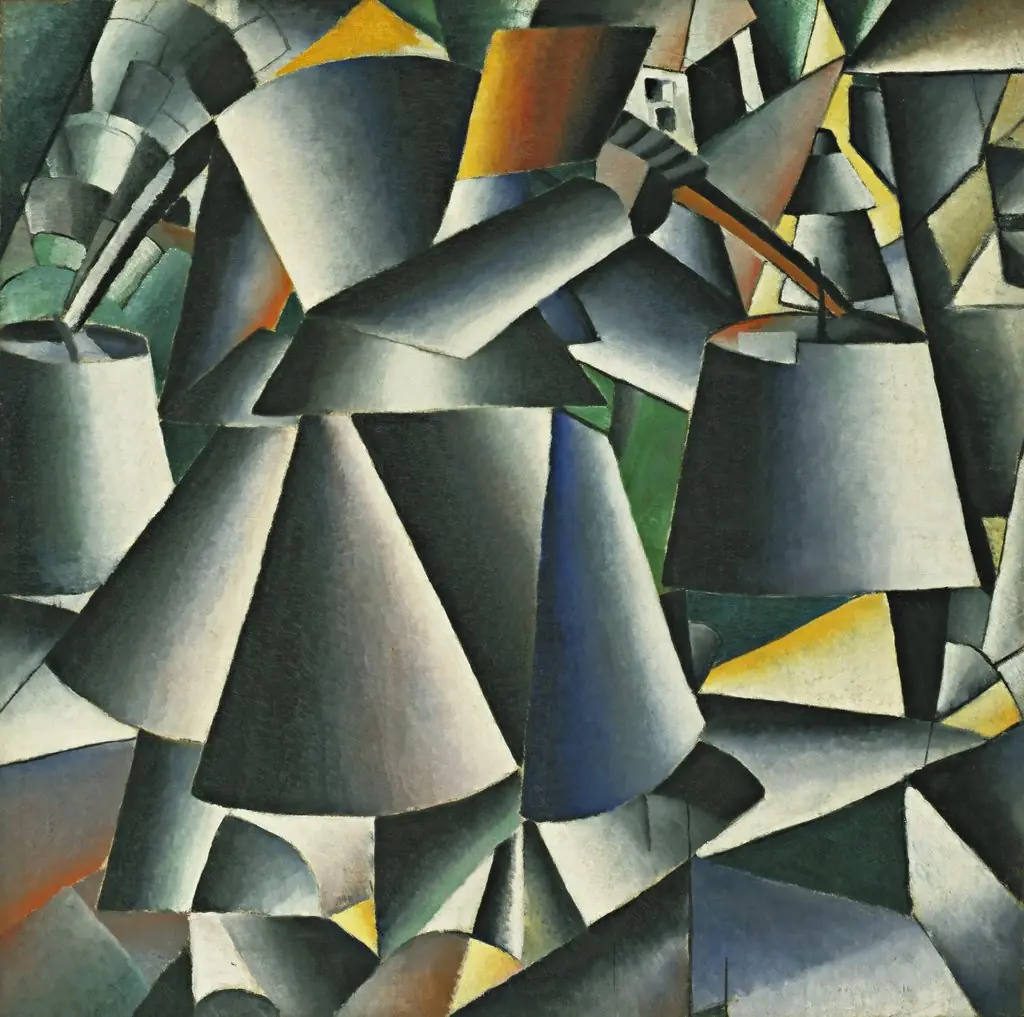 Woman with Pails: Dynamic Arrangement
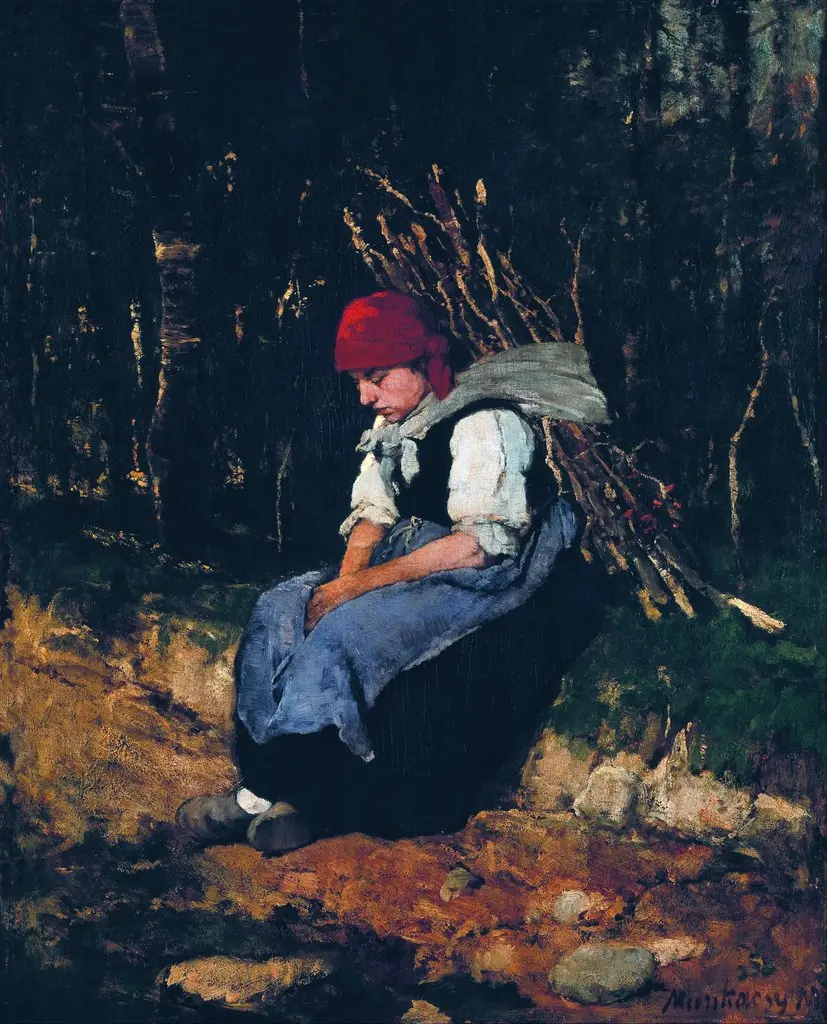 Woman Carrying Faggot
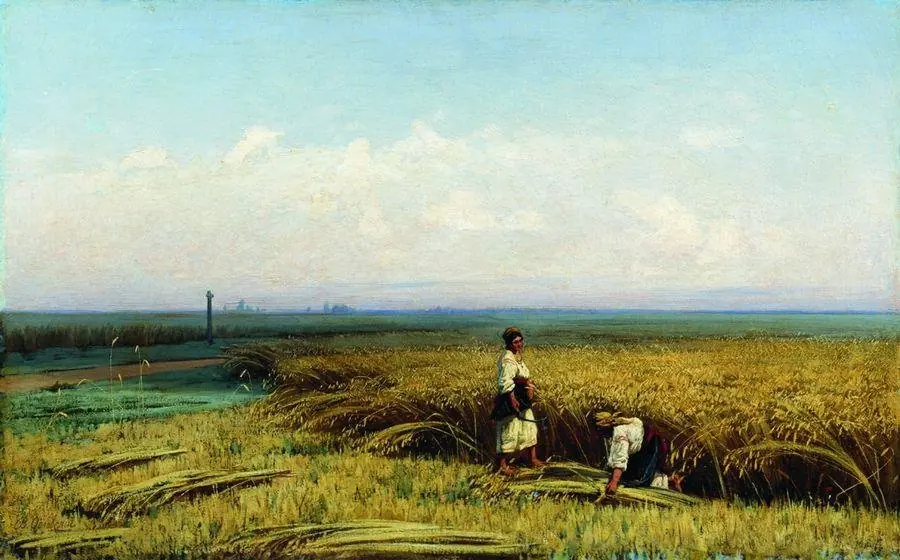 Harvesting
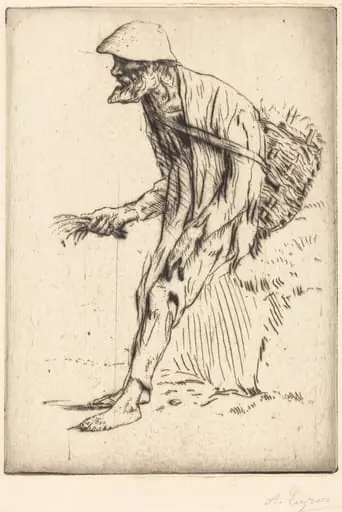 Chickweed Merchant (Marchand de mouron)
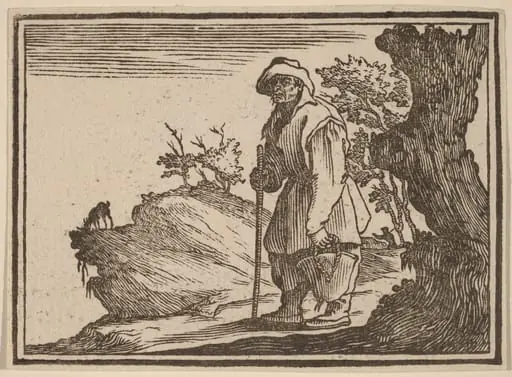 Peasant with Sack
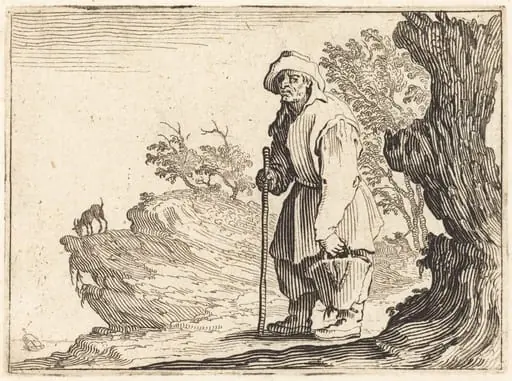 Peasant with Sack
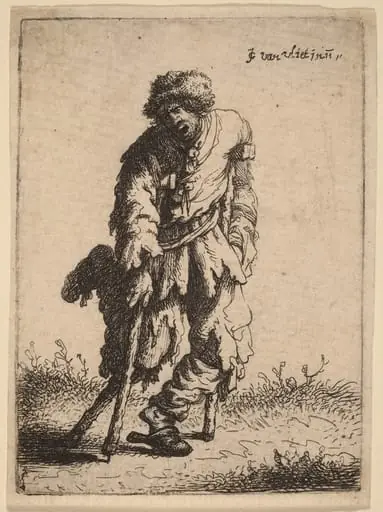 Beggar with a Wooden Leg
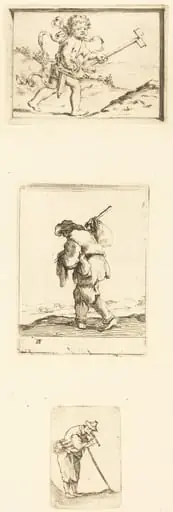 Sheet of Etchings
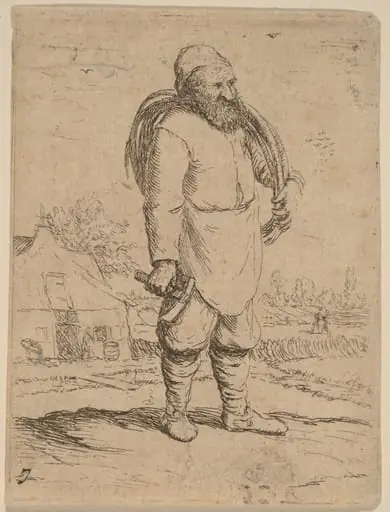 A Cooper
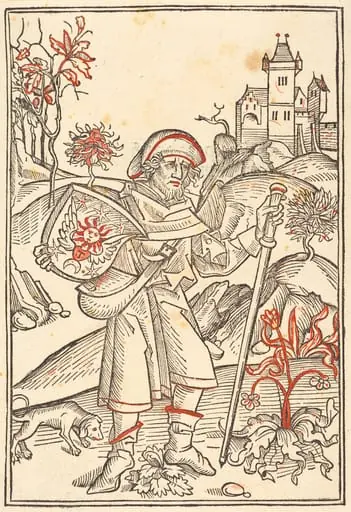 Gerson as Pilgrim
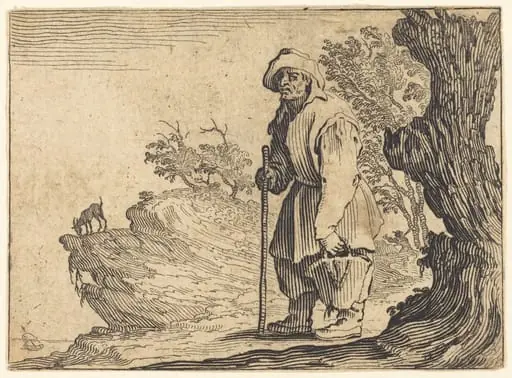 Peasant with Sack
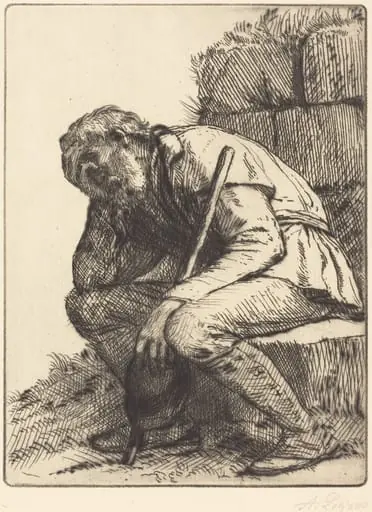 Desperate Man (Le desespere)
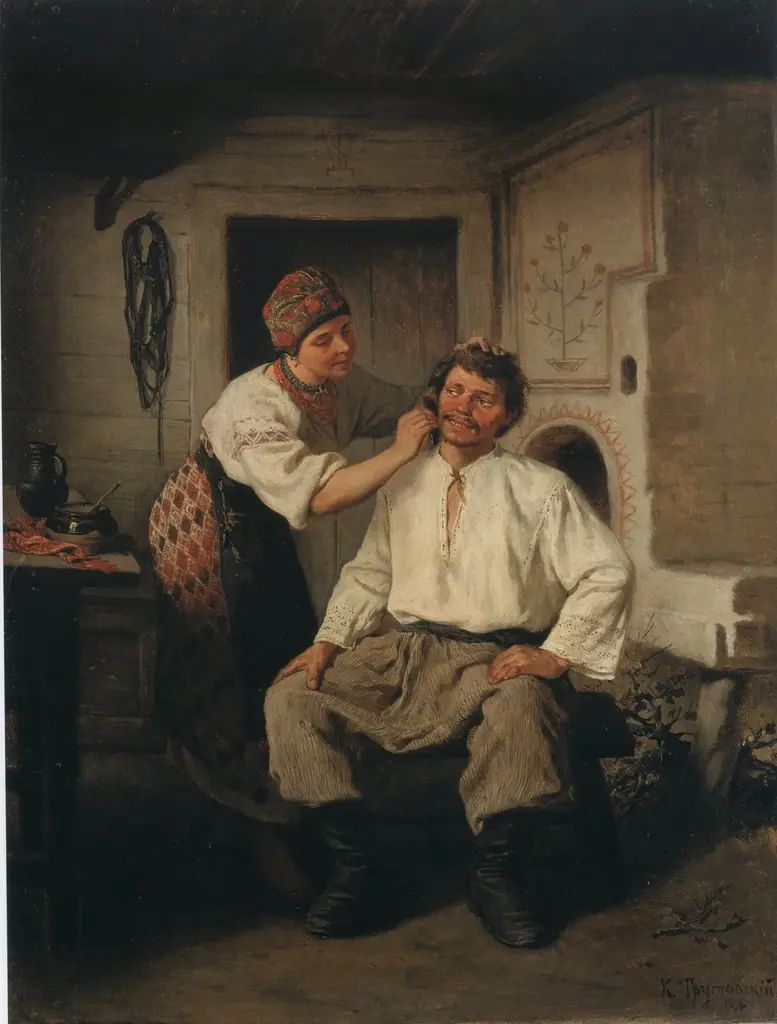 Жанровая сцена
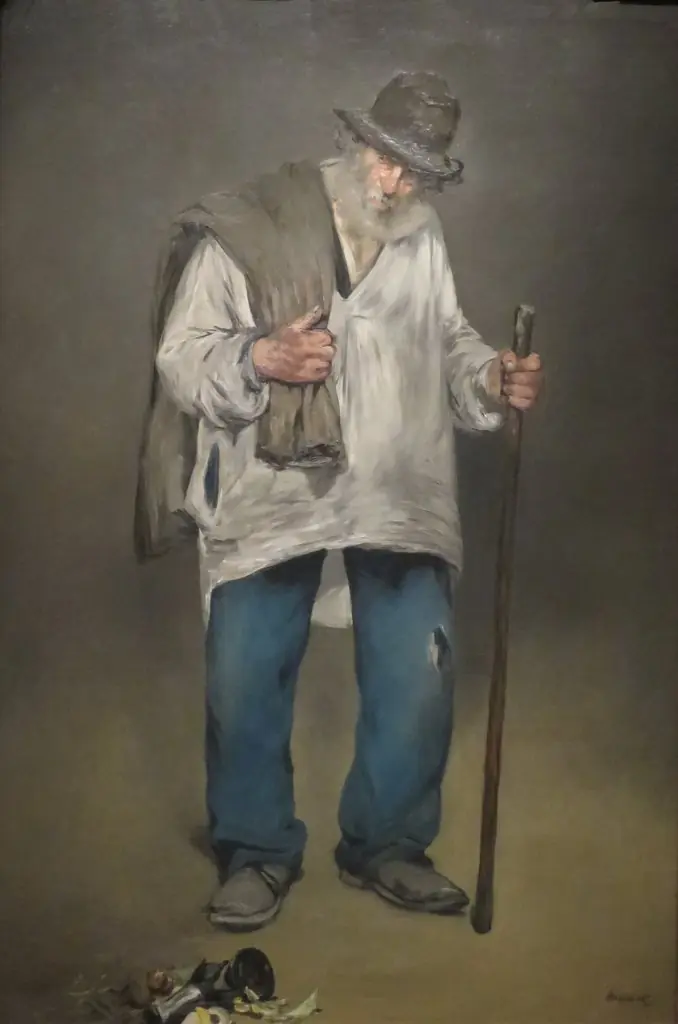 The Ragpicker
 Despărțire de ostaș
 Târg la Olănești
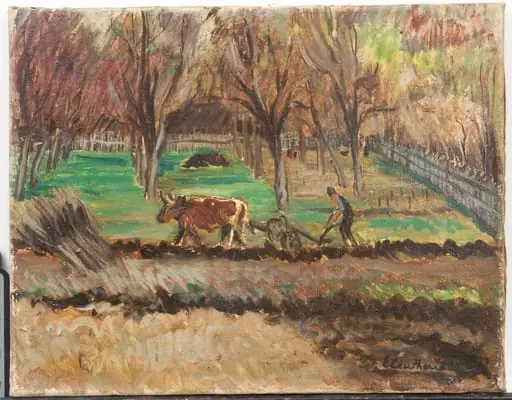 La arat
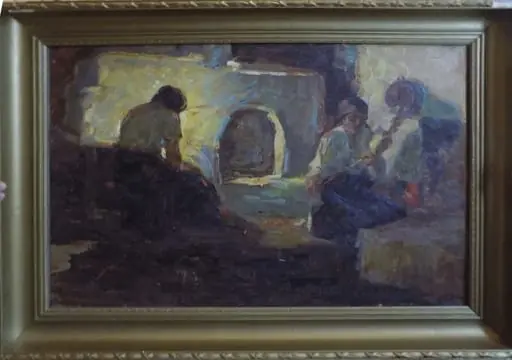 Interior de casă țărănească cu vatră
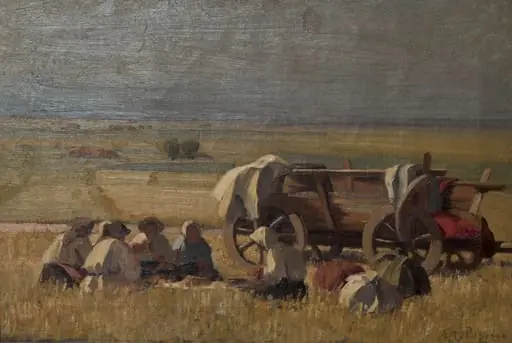 Masă țărănească
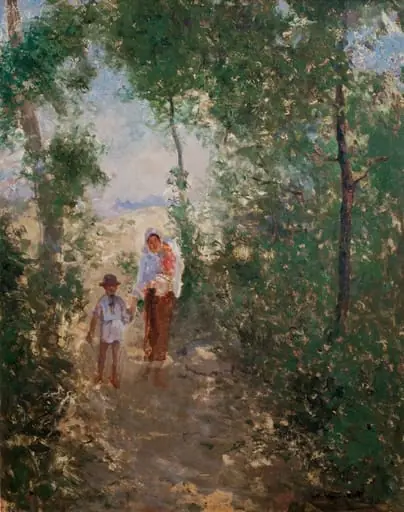 Țărancă cu copii
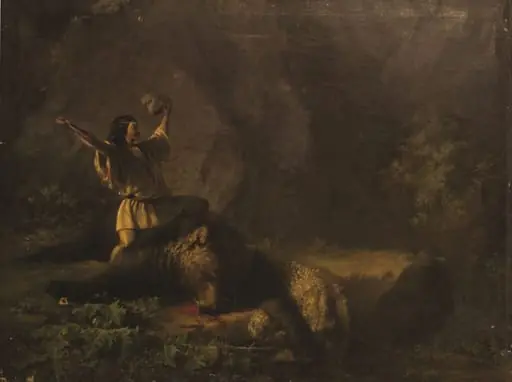 Vânătoare de urși
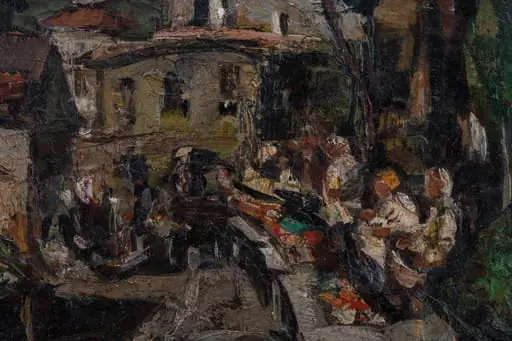 La piață
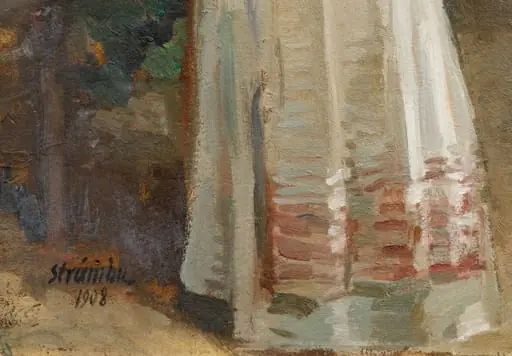 În așteptare
 Țărancă împletind
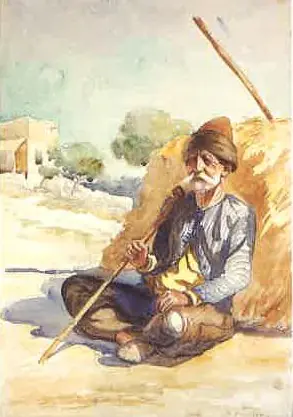 A Peasant from the Bekaa
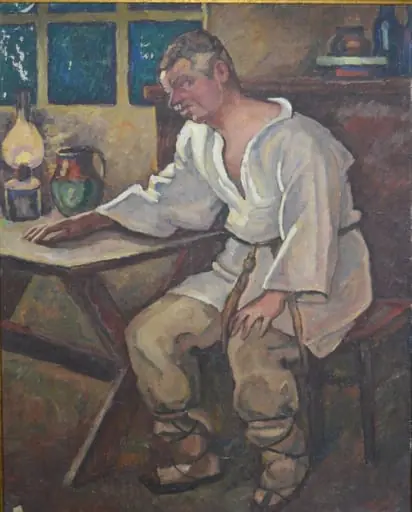 Țăran Personajul Ion din Năpasta (actorul Iancu Brezeanu)
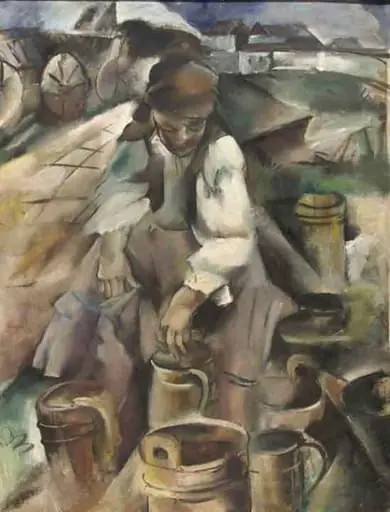 Țărancă cu cofe
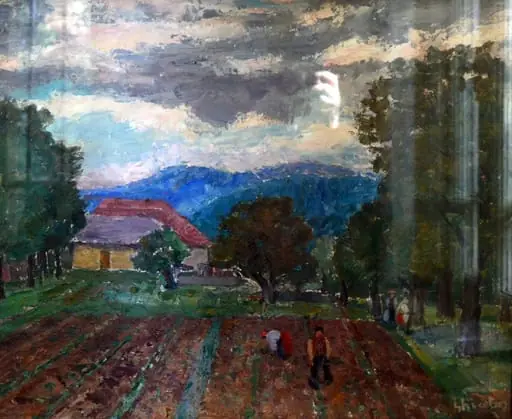 Peisaj la Horezu
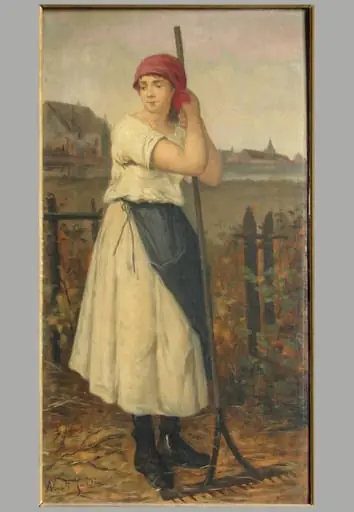 În repaus
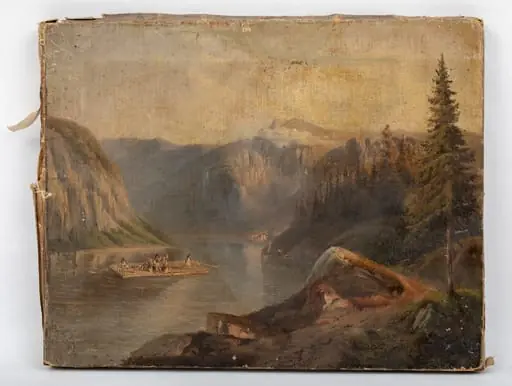 Plute pe Bistrița
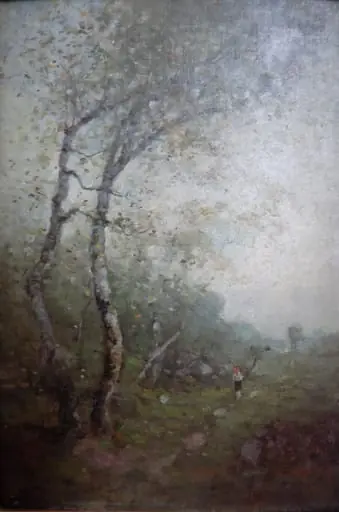 În luminiș
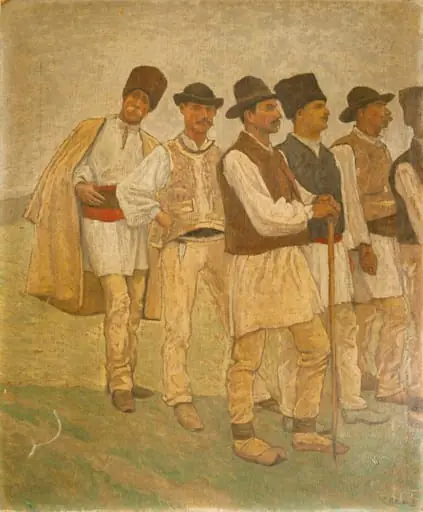 În reculegere din Vlaici - Olt
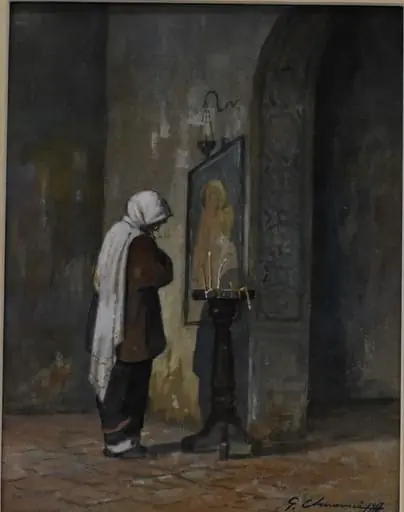 Țărancă în biserică
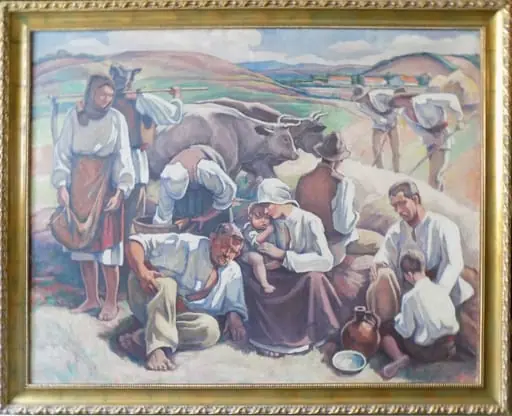 La munca câmpului
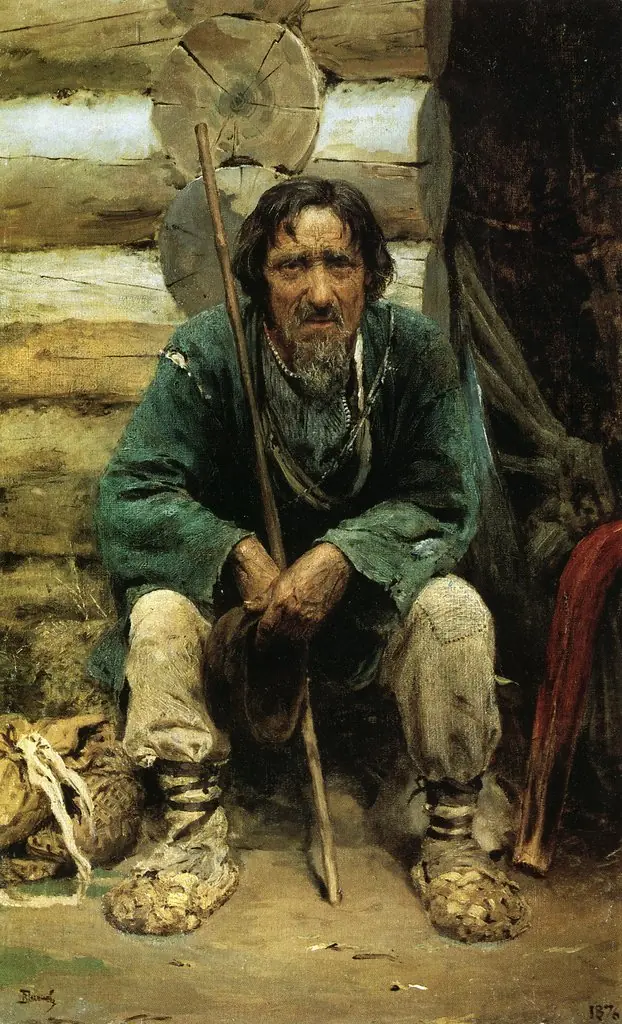 Nikita Bogdanov reizusik
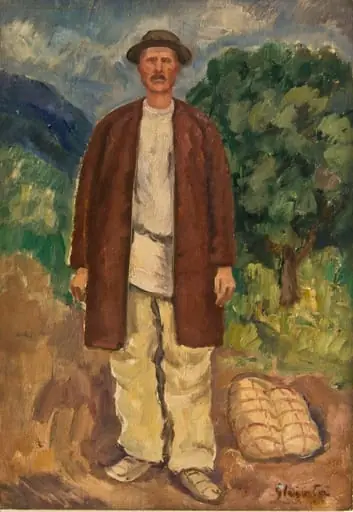 Țăran
Țăran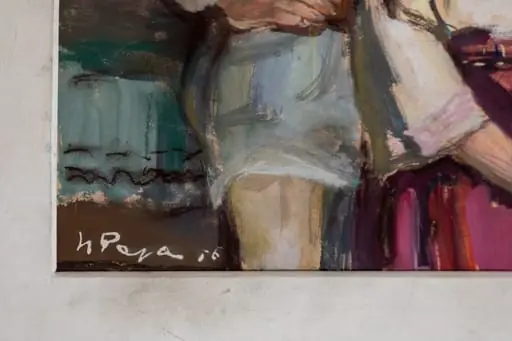 Cei mai buni dansatori din Fărcășeni
 Țăranul de la Dunăre
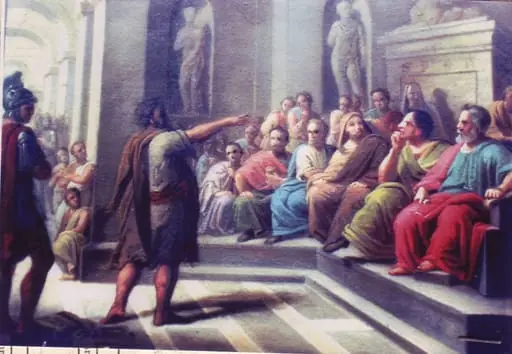
 Compoziție reprezentand o scenă a întâlnirii domnitorului Al. I. Cuza cu țăranii: domnitorul îmbrăcat în uniformă militară, cu pelerină și căciulă, primește o „jalbă” de la un țăran pe care îl are în fața sa. Cuza este secondat de Mihail Kogălniceanu. În jurul lor sunt grupuri de țărani (bărbați, femei, copii). Pe fundal este un relief muntos. Este semnat
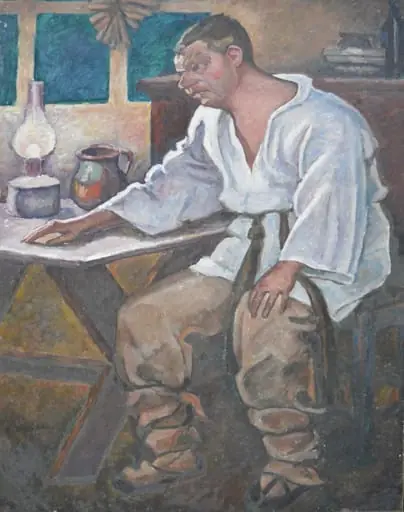 Iancu Brezeanu (actorul în rolul Ion din Năpasta, I.L. Caragiale)
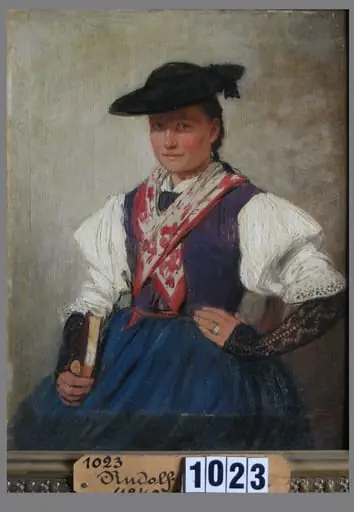 Fată din Villanders
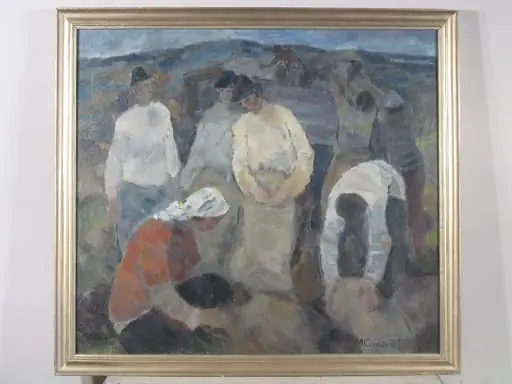 La strânsul recoltei
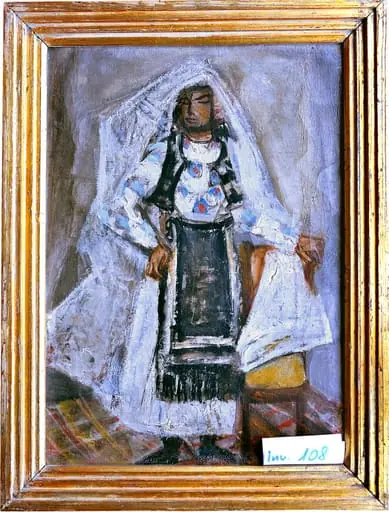 Țărancă
 GRUP DE ȚĂRANI
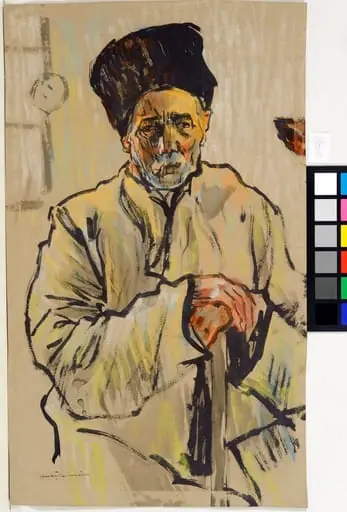 Țăran bătrân
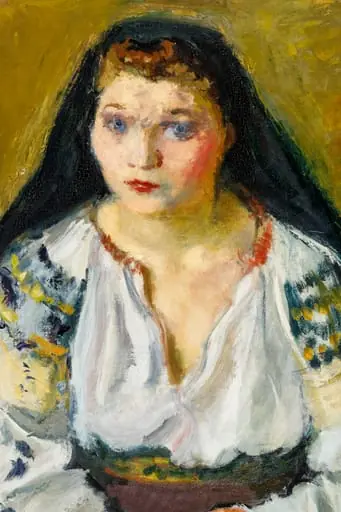 Țărancă
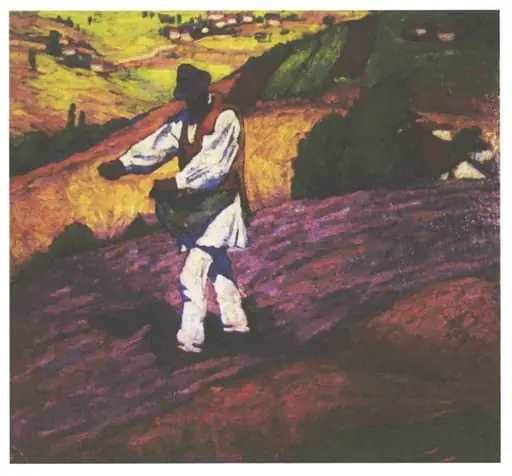 Țăran semănând
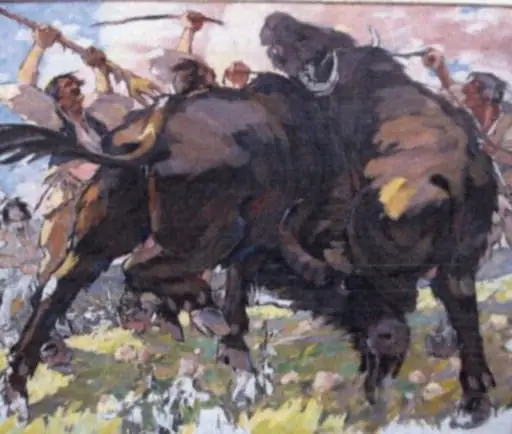 Și ei
Și ei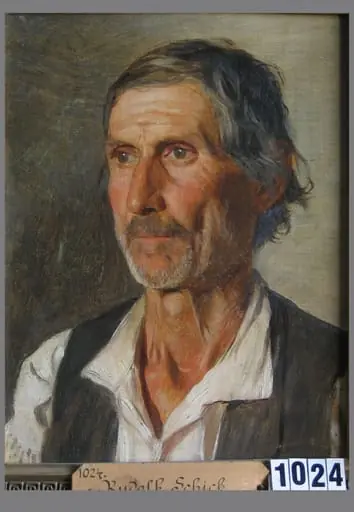 Bătrân din Ciociara (în registrul inventar: Un bătrân). Pandant: Țăran din Carrara
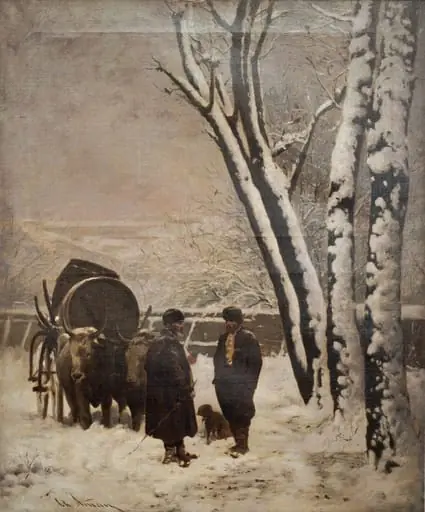 Iarnă
Iarnă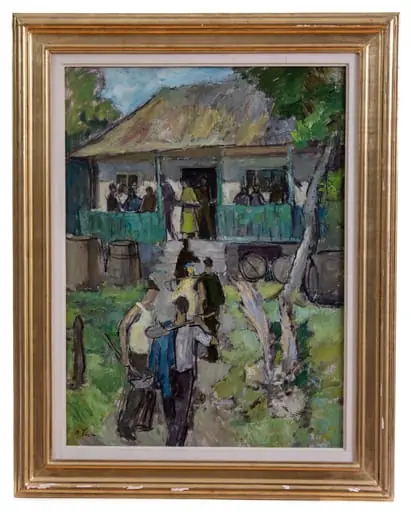 Lucrători la G.A.S. Bucium
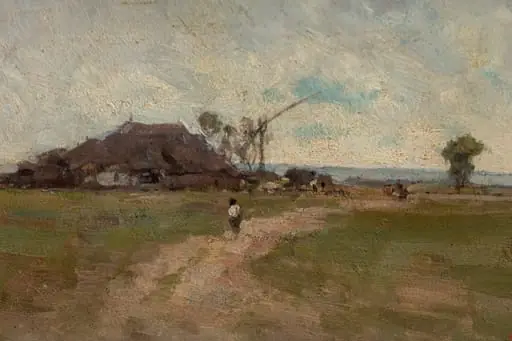 Casă țărănească în câmp (Pe valea Moldovei)
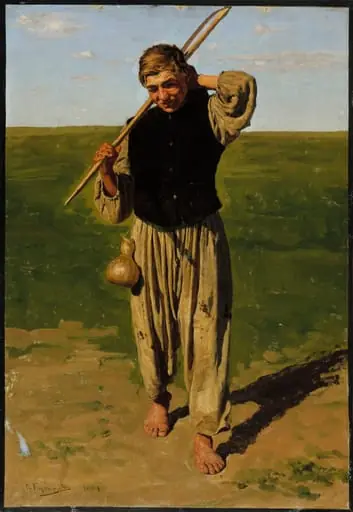 Elonleikkaaja
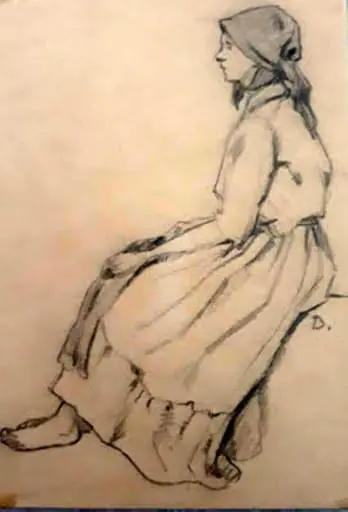 Țărăncuță
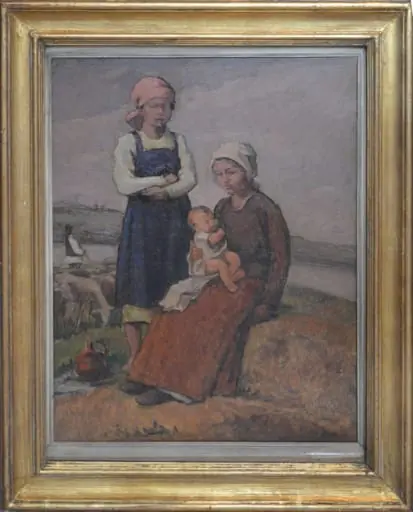 Compoziție cu țărănci
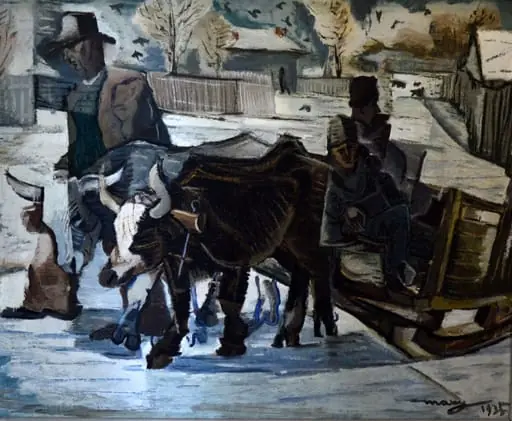 Sanie cu boi
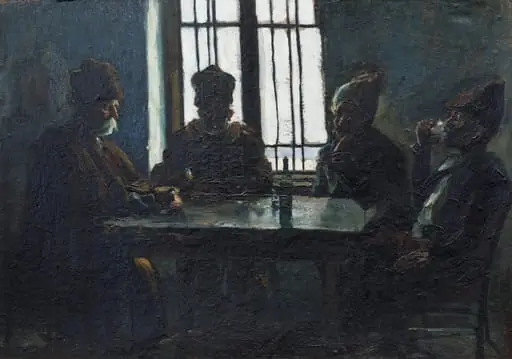 În cârciumă
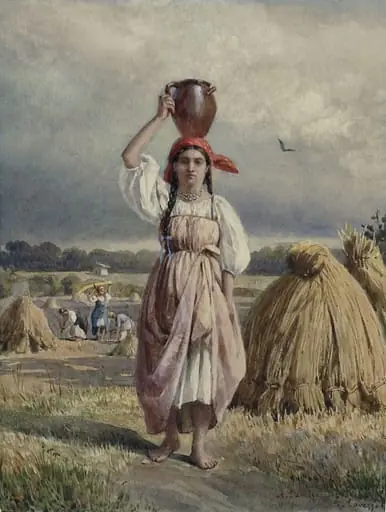 A harvest field
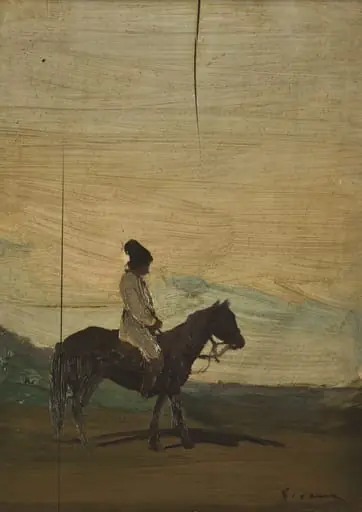 Călăreț
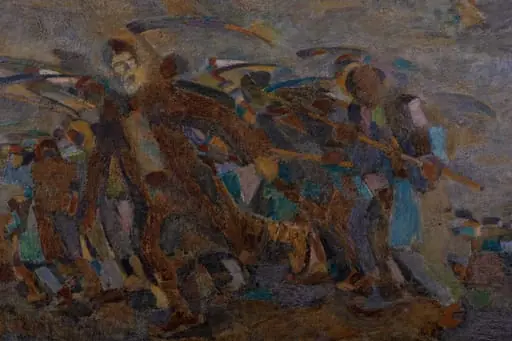 1907
1907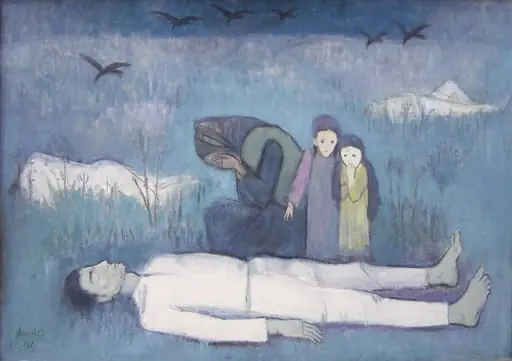 1907 (De ce l-au omorât?)
 Cișmeaua de la Țigănași
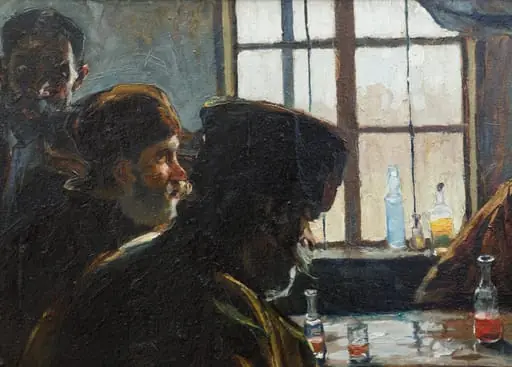 Țărani la cârciumă
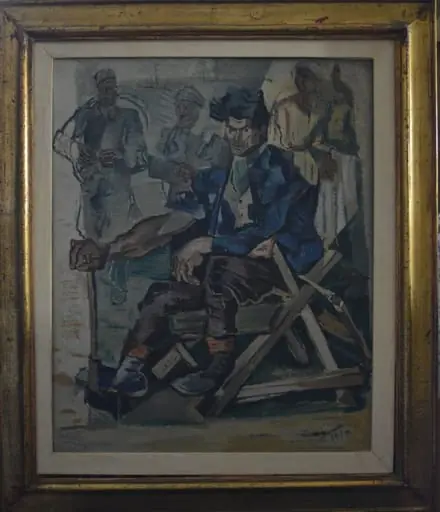 Tăietor de lemne
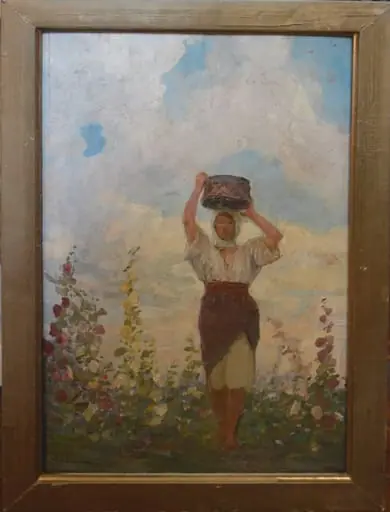 Țărancă
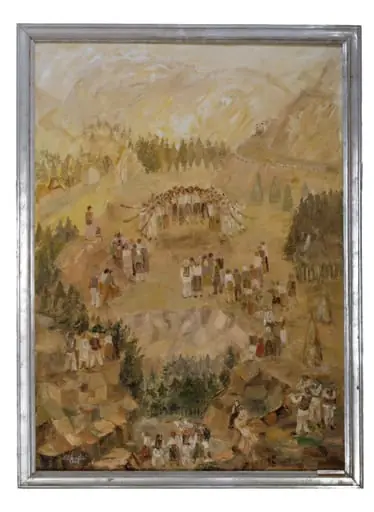 Sărbătoarea muntelui
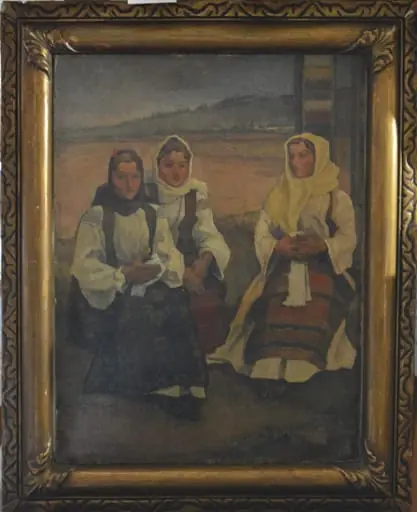 Țărănci din Vlaici (Olt)
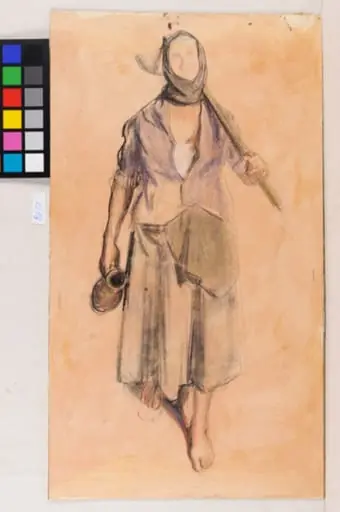 Țărancă cu sapa
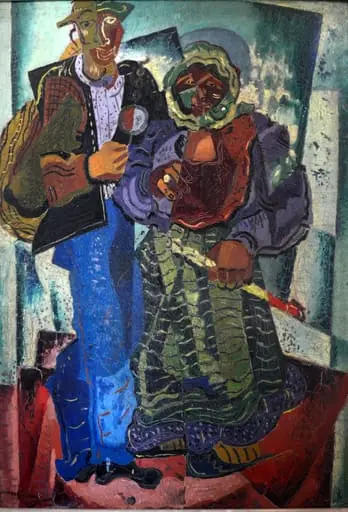 Pereche
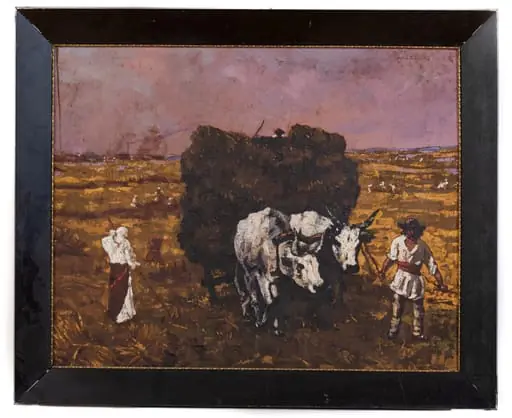 Car cu boi
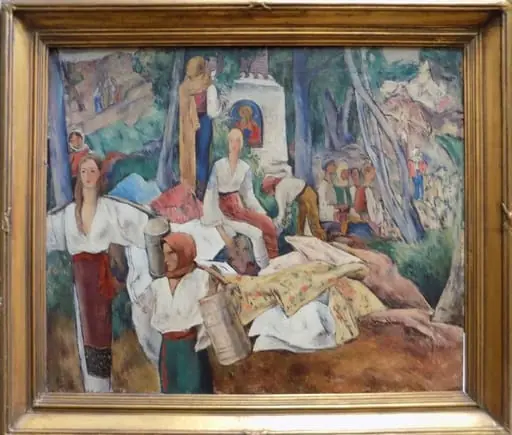 La fântână
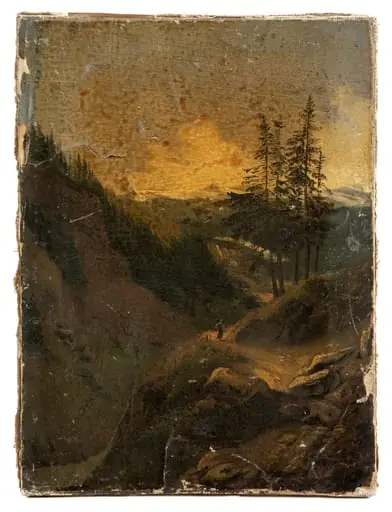 Peisaj în munți
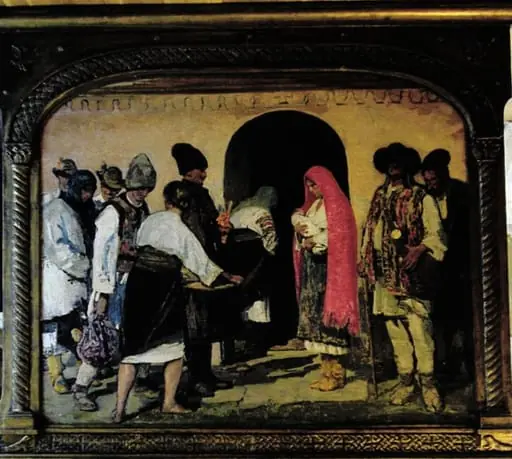 Botez
Botez Muncitor
 Mirii
Mirii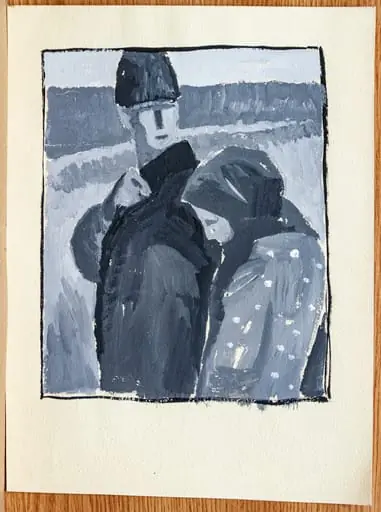 Conversație în doi
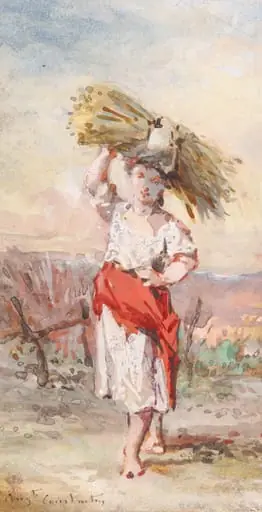 Țărancă
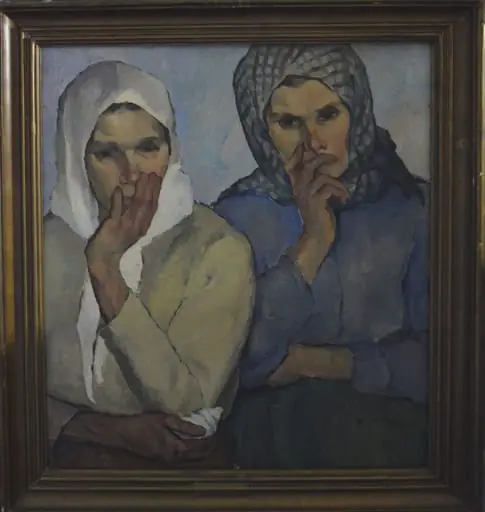 Capete de expresie
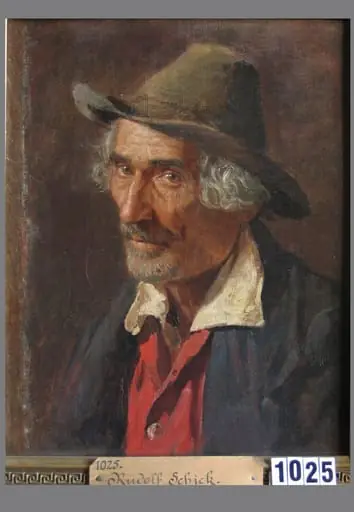 Țăran din Carrara. Pandant: Bătrân din Ciociara (în registrul inventar: Un bătrân)
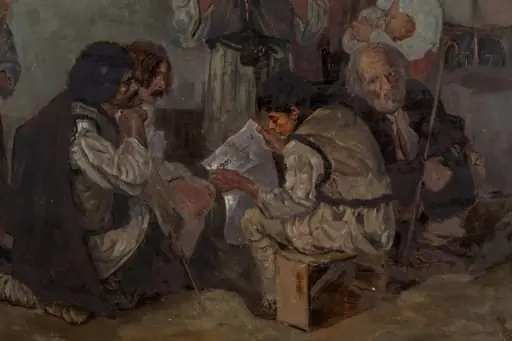 Citirea ziarului (1907) Propangadistul
 Geneza
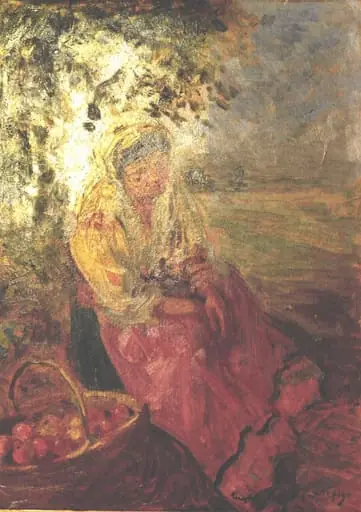 Vânzătoarea de cireșe
 Compoziție cu personaj
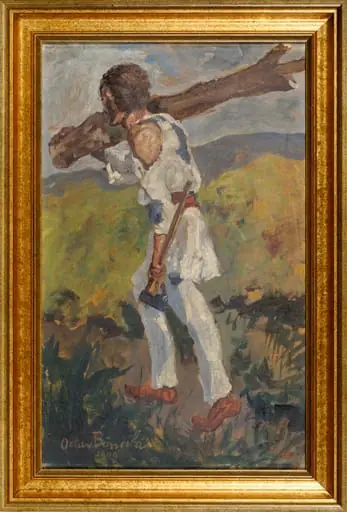 Tăietor de lemne
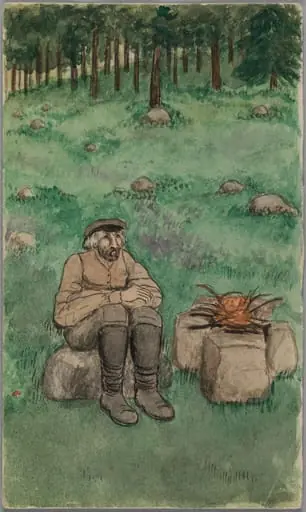 Ilola. Vänjärin Otto savustaa kaloja.
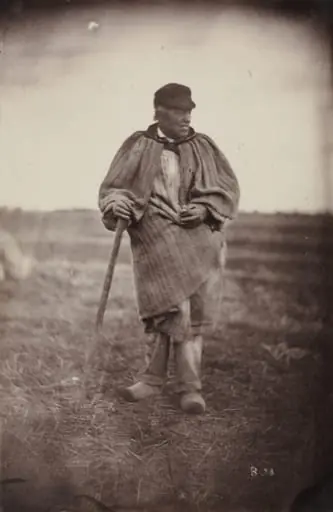 Man with Walking Stick
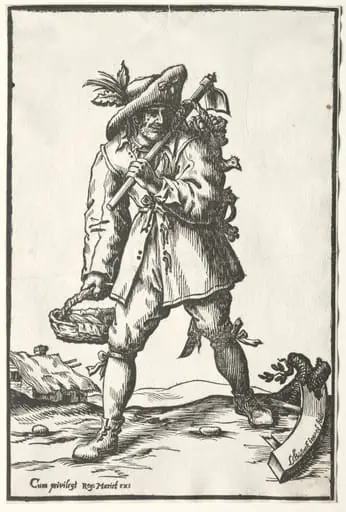 Peasant with Hoe, Basket and Hen
Peasant is a subject in art. A peasant is a pre-industrial farmer with limited land-ownership, especially one living in the Middle Ages under feudalism and paying rent, tax, fees, or services to a landlord., or a agricultural laborer.
Artifact World Gallery holds 142 public-domain Peasant works, all free to view and download.
Key Peasant artists in the collection include Édouard Manet, Vincent van Gogh and Jean François Millet.
Peasant works in the collection are held by Bucharest Municipality Museum, Moldova National Museum Complex and National Museum of Art of Romania.
Your cart is empty
Browse artworks →